17 Photos Of How Everyday People Dressed in the Early 1900s
Looking through old family photo albums can feel like opening a time capsule. Those sepia-toned portraits from the early 1900s don’t just show faces — they reveal an entire world of fashion, formality, and social expectations that shaped how everyday Americans presented themselves to the world.
Before casual Friday existed, before jeans were acceptable anywhere outside a ranch, and before comfort became a priority in daily wear, people dressed with a deliberation that’s almost foreign to modern eyes.
Working-Class Women in Their Sunday Best
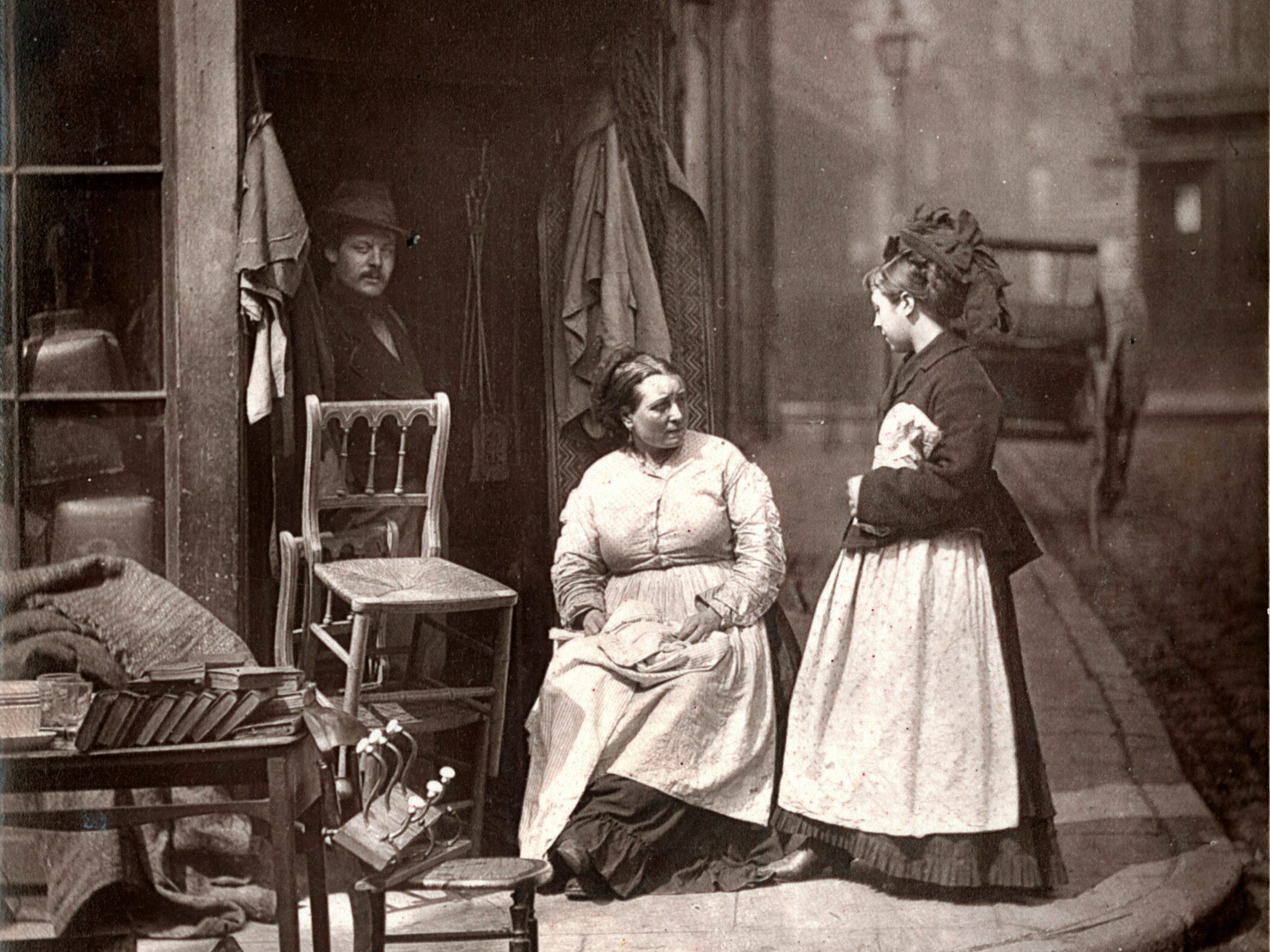
Sunday dress meant everything. A factory girl earning twelve dollars a week would still own one good dress with careful stitching and proper sleeves.
Dark fabrics hid the wear. High necklines and long skirts weren’t just modesty — they were practicality disguised as virtue.
Men’s Daily Uniforms: Suits for Every Occasion
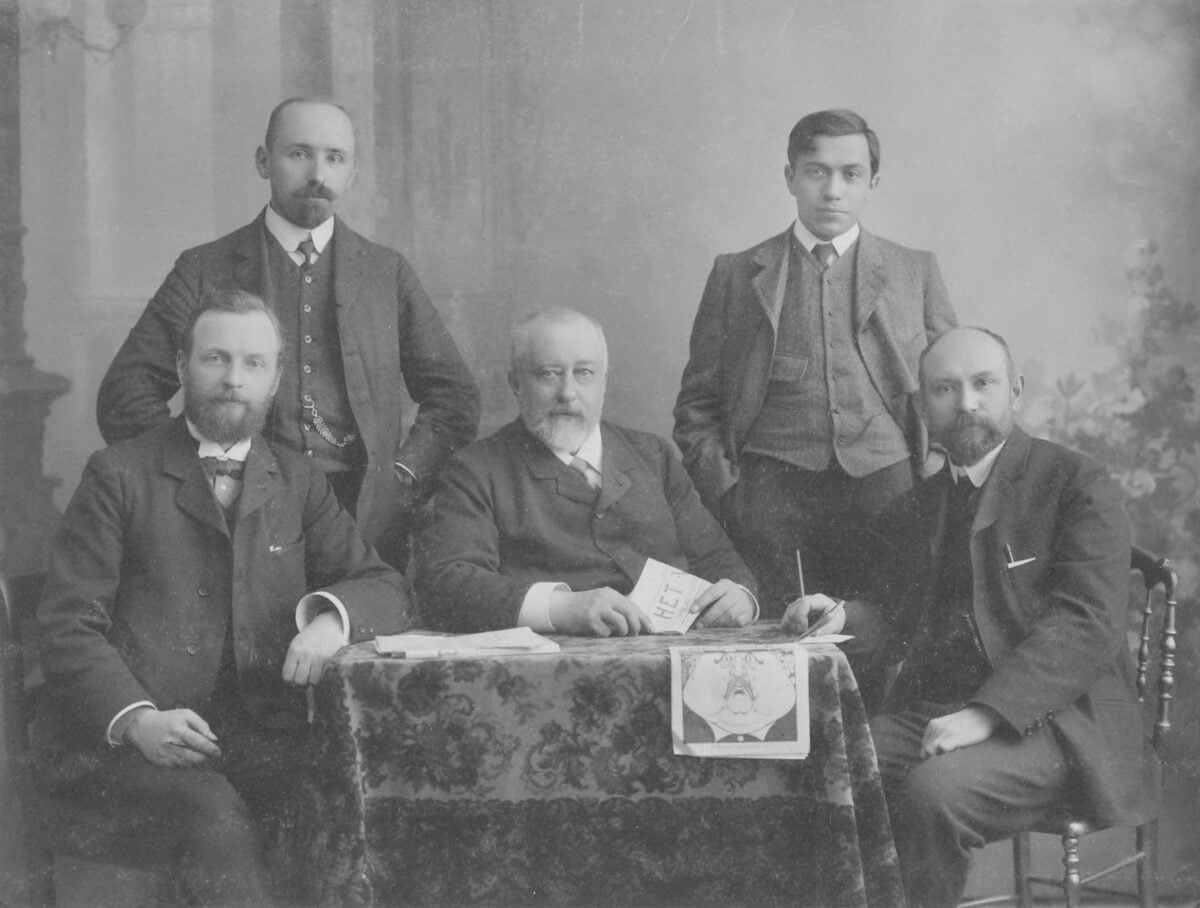
Every man owned a suit, even if it was his only good outfit (and for many working men, it was — though this reality lived alongside the expectation that you’d wear it to church, to weddings, to any occasion where you might be photographed, which explains why so many of these old portraits carry that same formal weight). The fabric might be wool that scratched, the collar starched to an uncomfortable stiffness, but the silhouette remained constant: jacket, vest, trousers, and always a hat.
Always. And the thing that strikes you most about these photographs isn’t the clothing itself but how naturally these men seem to inhabit the discomfort — as if the idea that clothing should bend to your body, rather than the other way around, simply hadn’t occurred to anyone yet.
Children Dressed as Miniature Adults
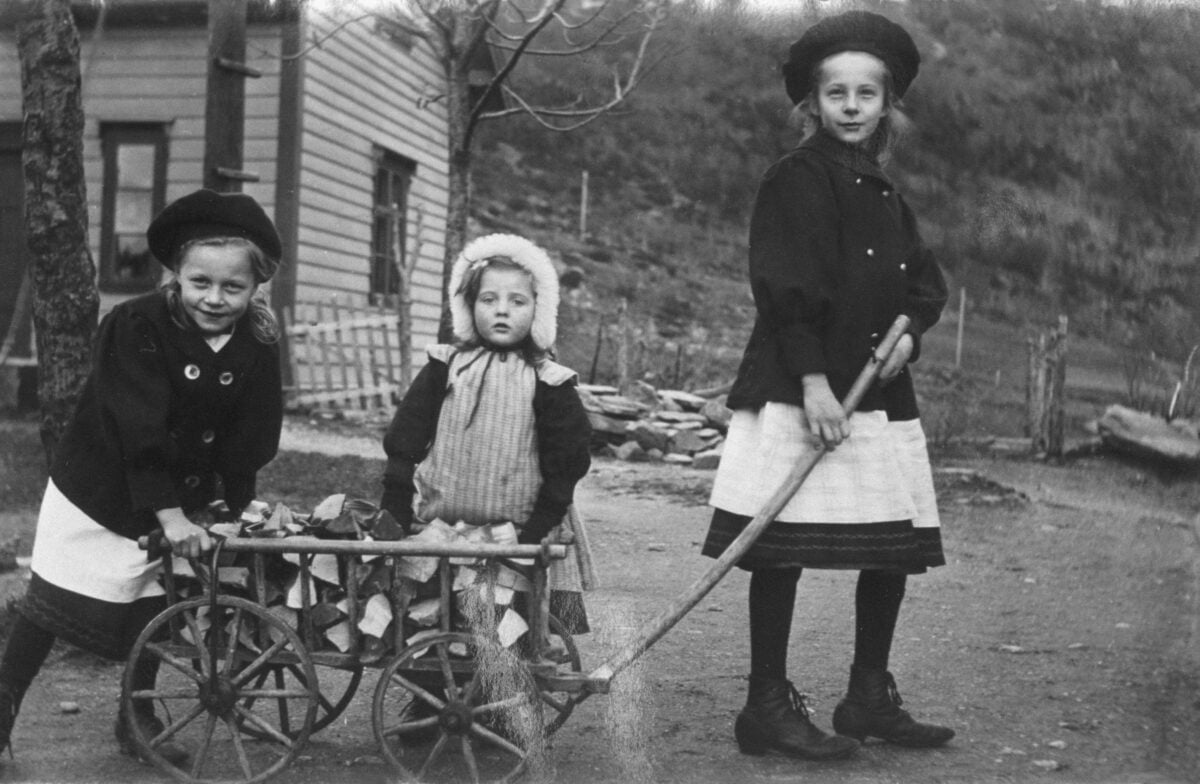
There’s something unsettling about how children in early 1900s photographs seem to carry the weight of adult expectations in their posture. A seven-year-old boy wore knickers, suspenders, and a collared shirt to play in the yard.
His sister’s dress fell to her ankles, her hair pinned with the same precision as her mother’s. Childhood, as a distinct phase with its own clothing requirements, was a luxury most families couldn’t afford.
Or maybe didn’t recognize.
The Gibson Girl Look Was Everywhere
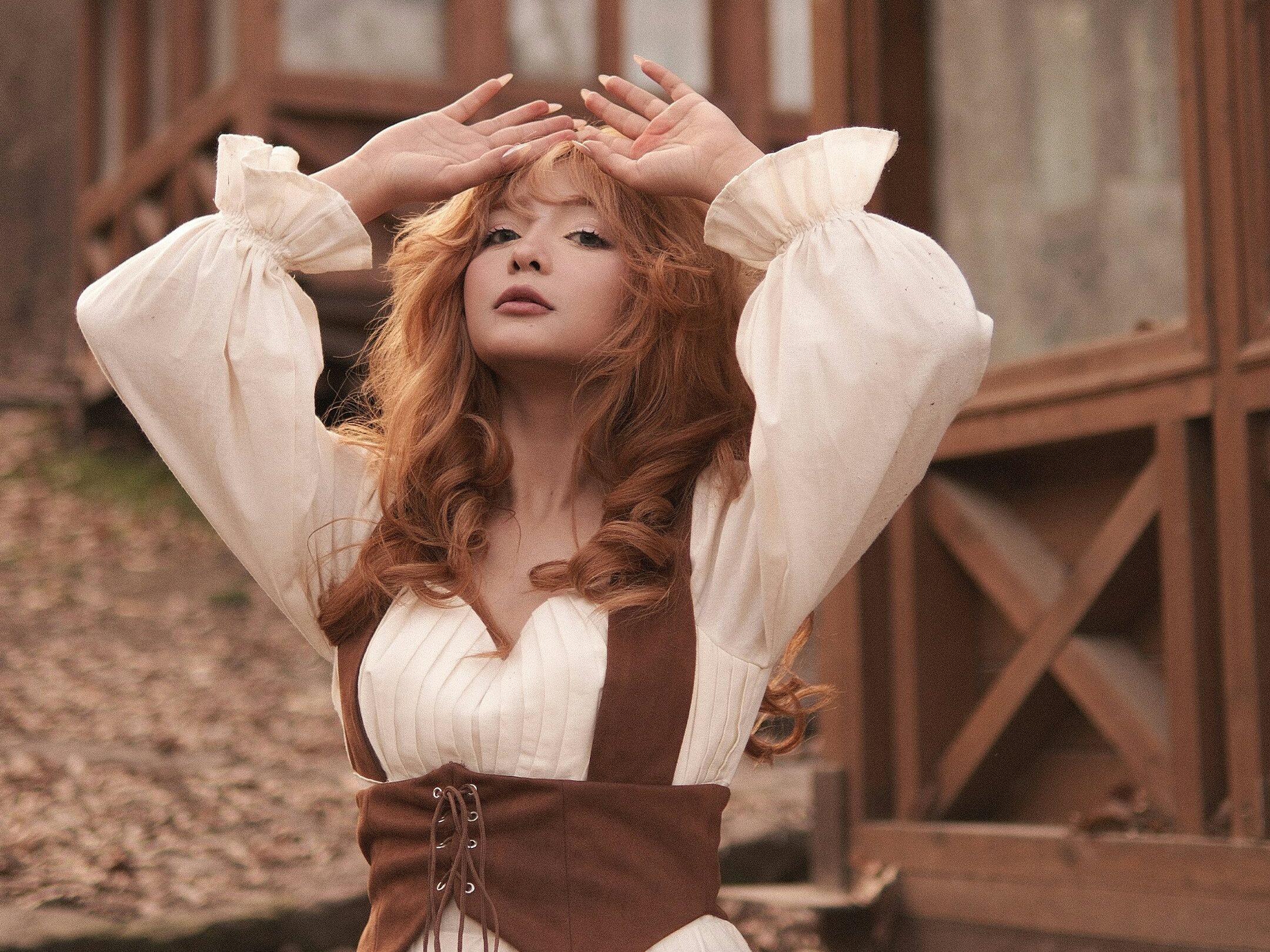
The Gibson Girl silhouette dominated everything. That S-curve shape — chest forward, hips back — wasn’t just fashion, it was architecture.
Corsets did the structural work, while shirtwaists and long skirts completed the look. Women spent serious money achieving what magazines told them was the ideal female form.
Immigrant Families Blending Old and New
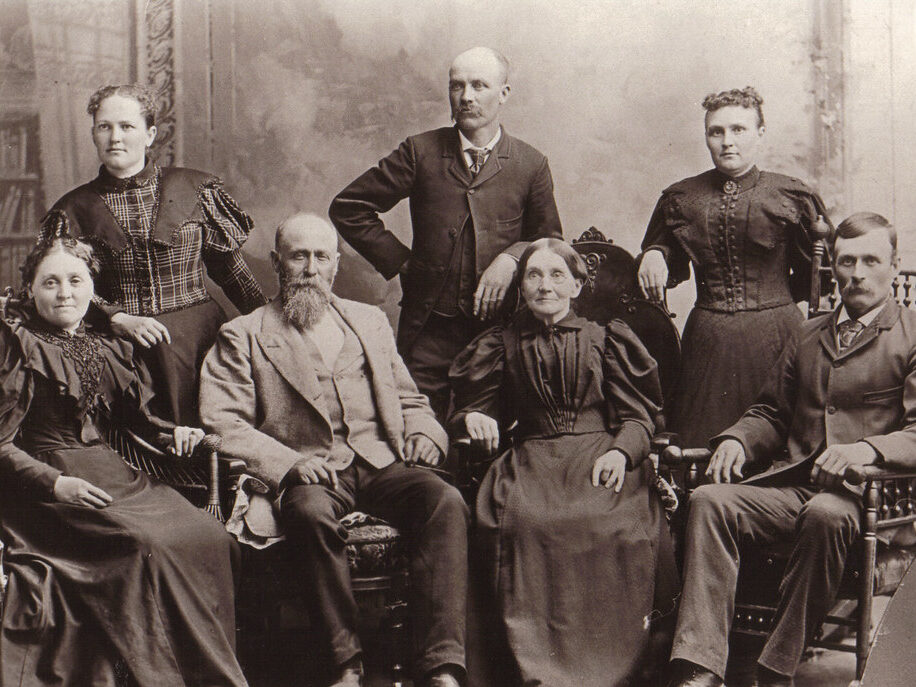
Families fresh off the boat faced a clothing dilemma (one that photos from Ellis Island and early urban neighborhoods capture with almost documentary precision): keep the dress from the old country, or adopt American styles as quickly as possible to blend in. Most chose a hybrid approach that created its own aesthetic — traditional embroidered blouses paired with American-cut skirts, or European-style vests worn with American trousers.
But the children in these photographs tell a different story entirely: they’re almost always dressed in fully American styles, their parents’ investment in assimilation written across their small bodies in store-bought fabrics and machine stitching. The parents might keep one foot in the old world through their clothing choices, but their children would be American from the collar down.
Working Men’s Practical Layers
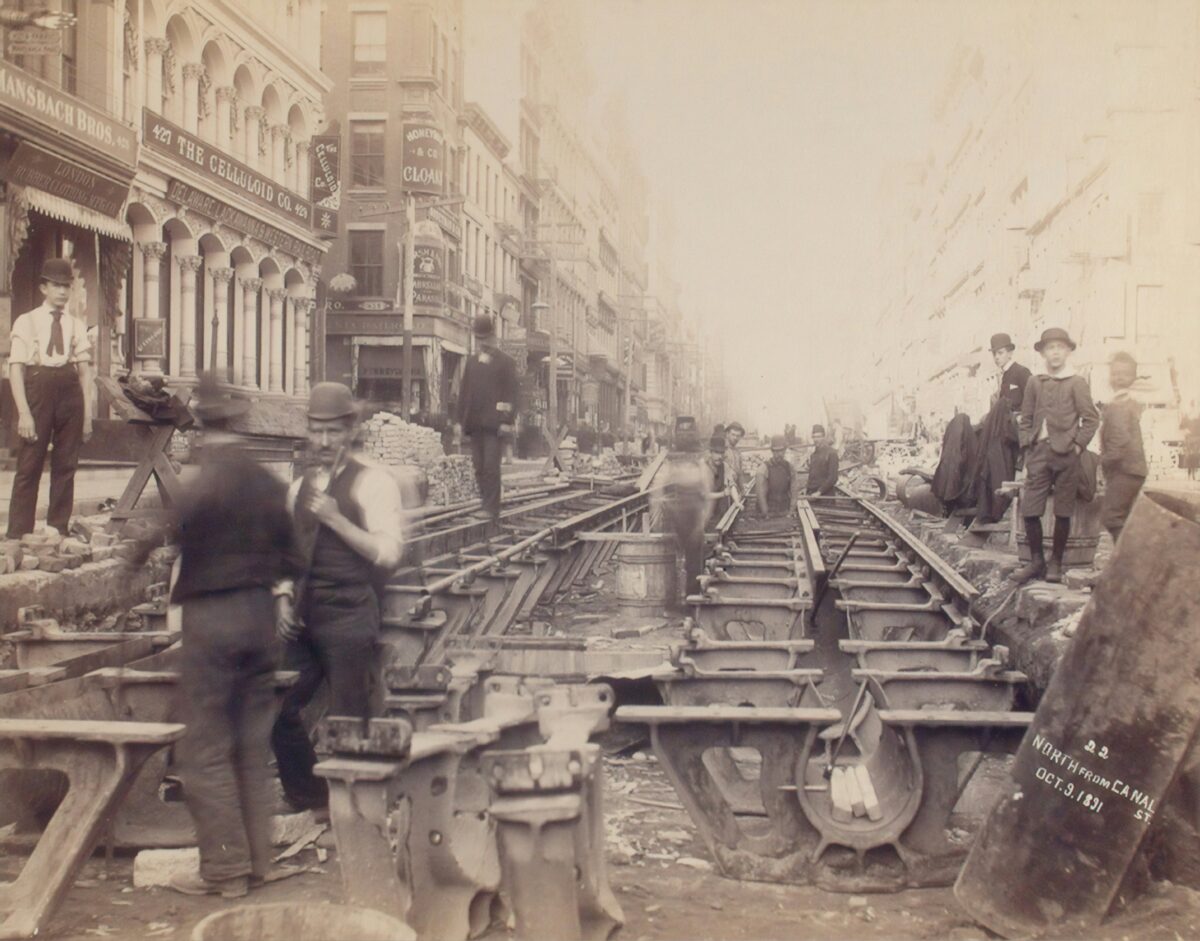
Construction workers, factory hands, and laborers developed their own uniform. Heavy wool trousers, cotton shirts, suspenders for support, and sturdy boots that could handle twelve-hour shifts.
Even manual labor required more formal dress than most modern office jobs. A man digging ditches still wore a collared shirt and proper trousers.
The Lingering Influence of Victorian Silhouettes
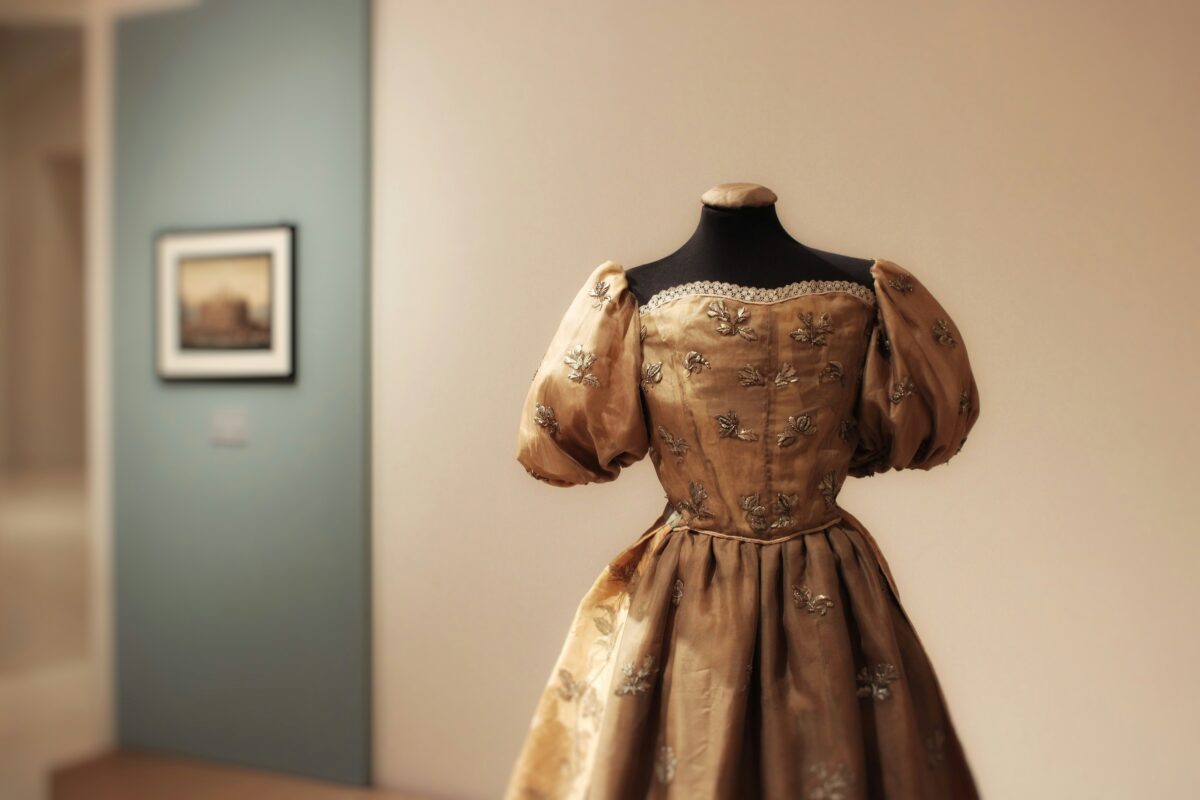
Though the dramatic bustles of the 1870s and 1880s had disappeared well before the turn of the century, their influence lingered in the structured silhouettes of early 1900s fashion. The S-bend corset that replaced the bustle created its own architectural challenges — forcing the chest forward and hips back in ways that required careful posture and strategic movement.
And yet photographs from this period show women moving through their lives with apparent ease, as if the physical restrictions of their clothing had become as automatic as breathing.
Teenagers Followed Adult Fashion Rules
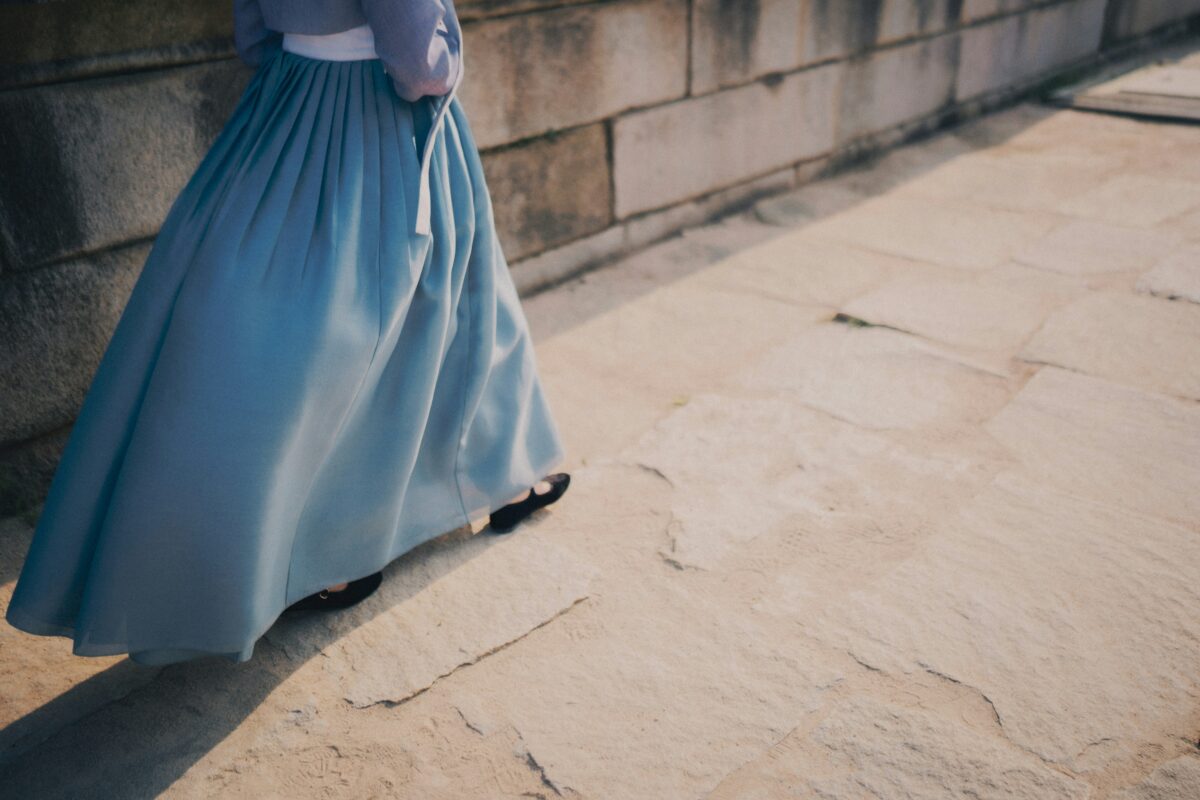
Fifteen-year-olds dressed like thirty-year-olds. No teen fashion existed.
A teenage girl wore the same long skirts, high necklines, and carefully pinned hair as her mother. Boys transitioned from knickers to full trousers around age fourteen, but otherwise followed adult fashion rules exactly.
Youth culture expressed itself in personality, not clothing.
Rural vs. Urban Dress Codes
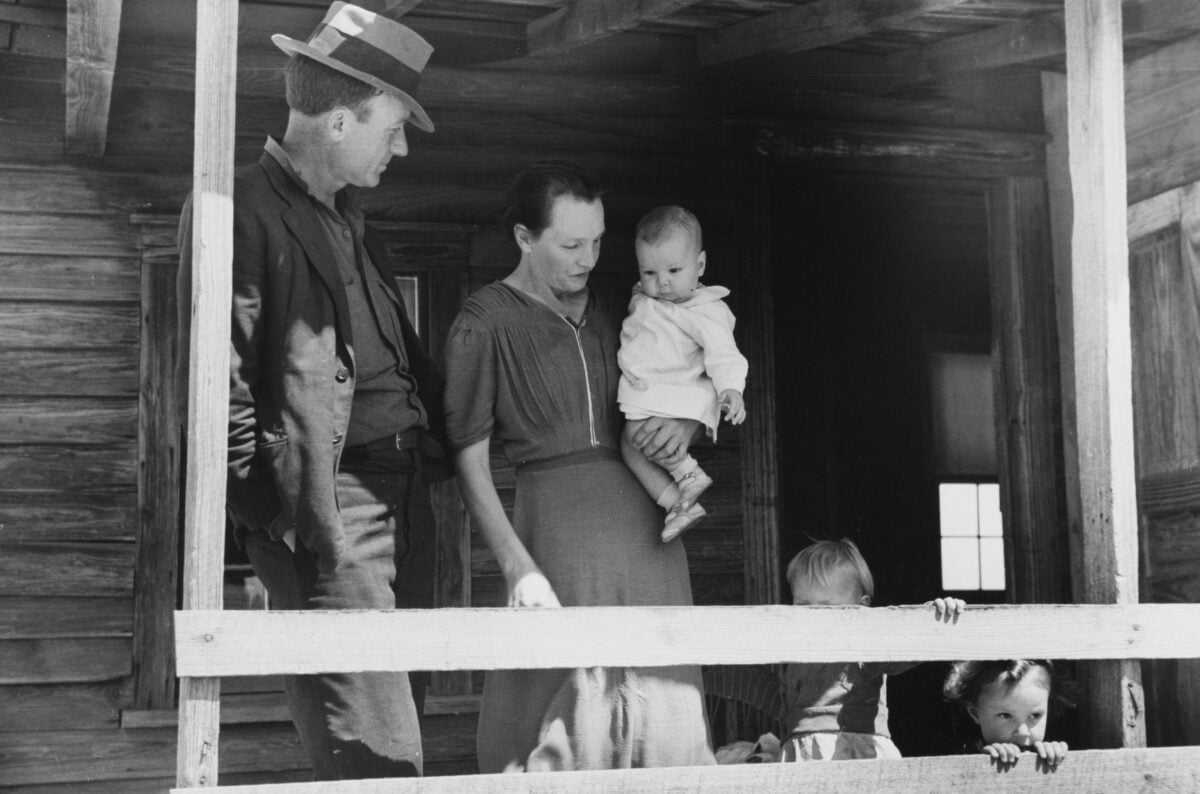
City dwellers kept up with fashion trends that rural families ignored completely (or adopted three seasons late, which amounted to the same thing in practical terms). Urban women wore shirtwaists and tailored skirts that suggested they had places to go and schedules to keep, while their rural counterparts favored aprons over dresses that prioritized function over form — easier to wash, harder to tear, designed for women who spent their days managing livestock and kitchen gardens rather than navigating department stores.
But here’s what’s interesting: when rural families posed for formal portraits, they often borrowed or rented city clothes, creating photographs that told lies about their daily reality. So some of these images show us not how people actually dressed, but how they wanted to be remembered.
Hats Were Non-Negotiable for Everyone
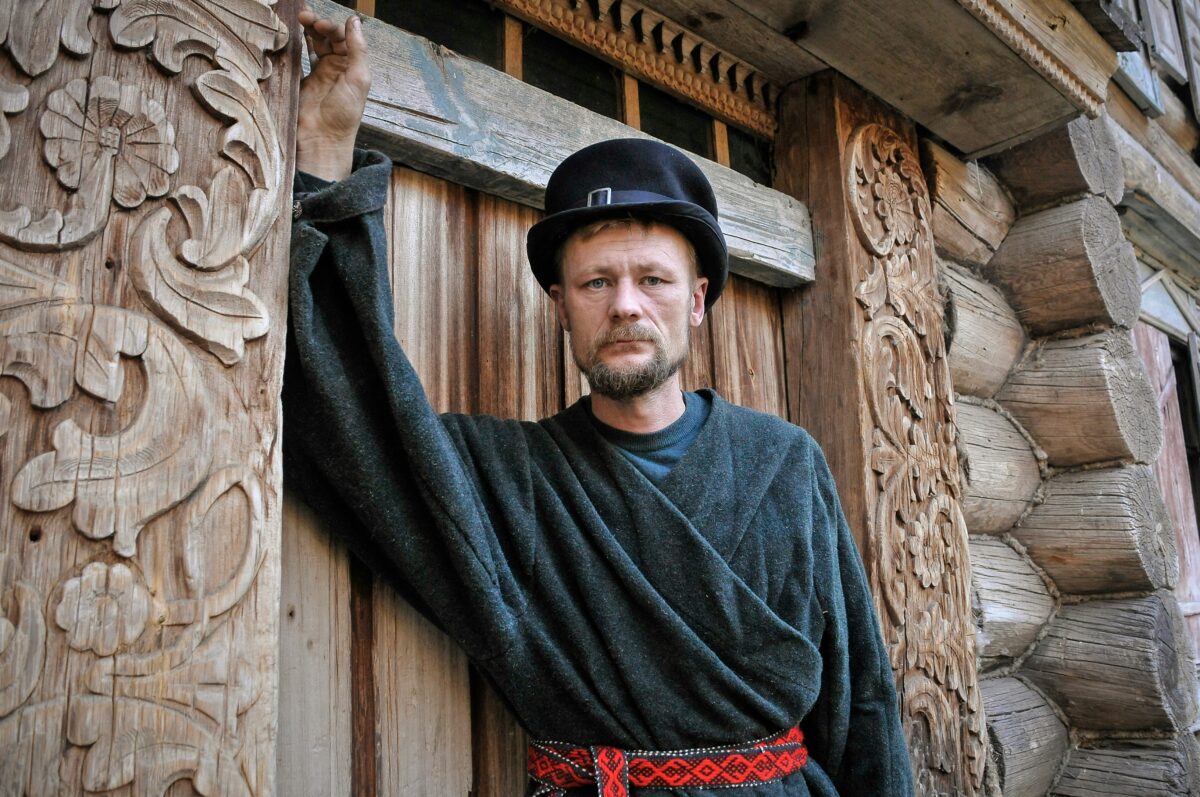
Nobody left the house bareheaded. Men wore bowler hats, straw boaters, or flat caps depending on the occasion.
Women’s hats grew larger and more elaborate as the decade progressed — feathers, flowers, and ribbons piled high. A proper hat collection was essential social equipment.
The Rise of Ready-Made Clothing
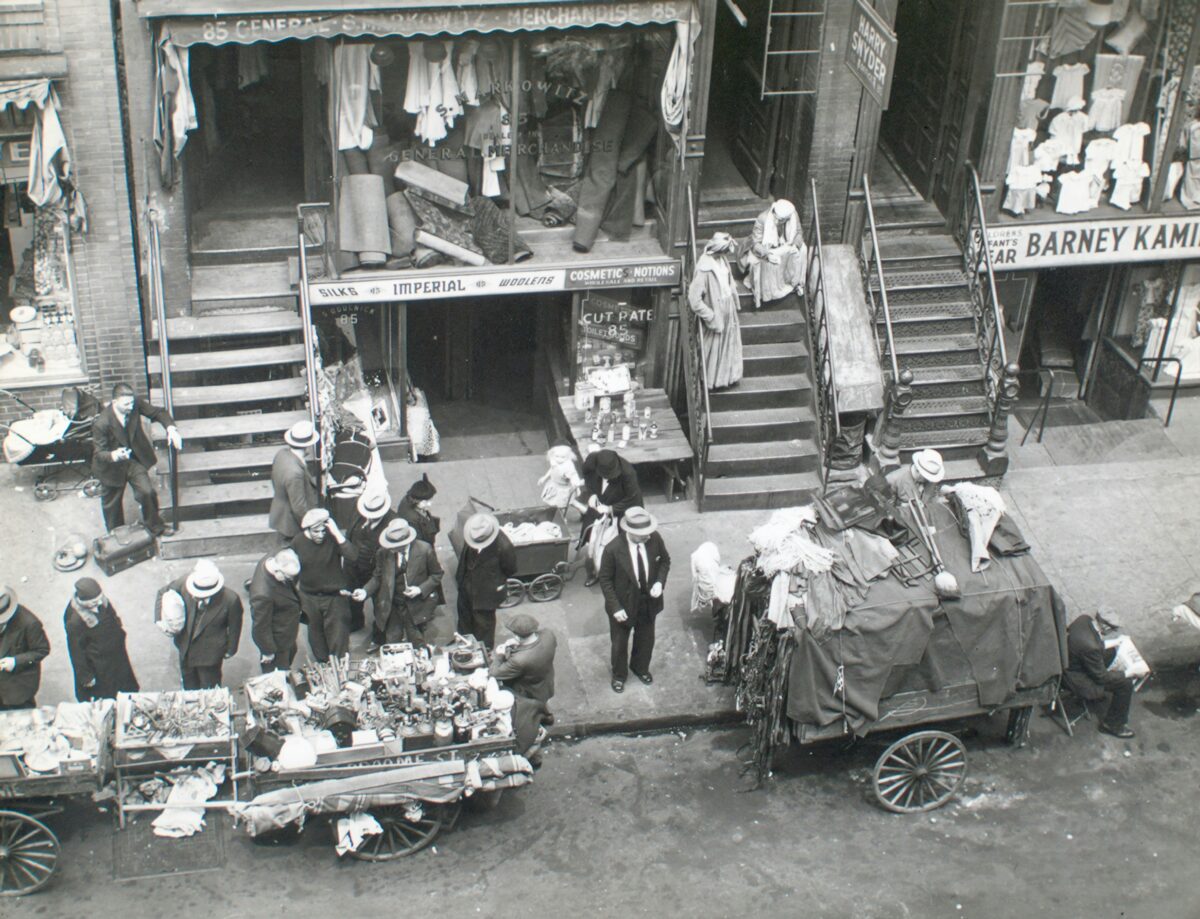
Department stores revolutionized how people dressed. Before mass production, most clothing was homemade or custom-tailored.
By the early 1900s, ready-made clothing offered ordinary people access to fashionable styles at affordable prices. The standardization of sizing changed everything — and photographs from this period document the transition.
Undergarments Shaped Everything
What you couldn’t see in photographs — the corsets, the layers of petticoats, the long underwear — determined everything you could see. Women’s silhouettes were engineered from the inside out (and the physical toll was considerable, though rarely discussed in polite company: fainting spells, breathing difficulties, and digestive problems were accepted as natural parts of being female).
Men wore undershirts, long underwear, and suspenders that distributed the weight of heavy wool clothing across their shoulders and torso. But the thing that’s hardest to grasp from our perspective is how normal all of this felt to people at the time — the idea that comfort and health might outweigh appearance in clothing choices was still decades away from becoming mainstream thinking.
Ethnic Communities Maintained Distinct Styles

Different immigrant communities held onto traditional elements in their daily dress. Italian families, Jewish communities, and Scandinavian immigrants each maintained distinct touches that showed up in family photographs — different collar styles, traditional embroidery patterns, or specific ways of arranging women’s hair.
Assimilation happened gradually, and clothing was often the last frontier.
Special Occasion Dress Required Investment
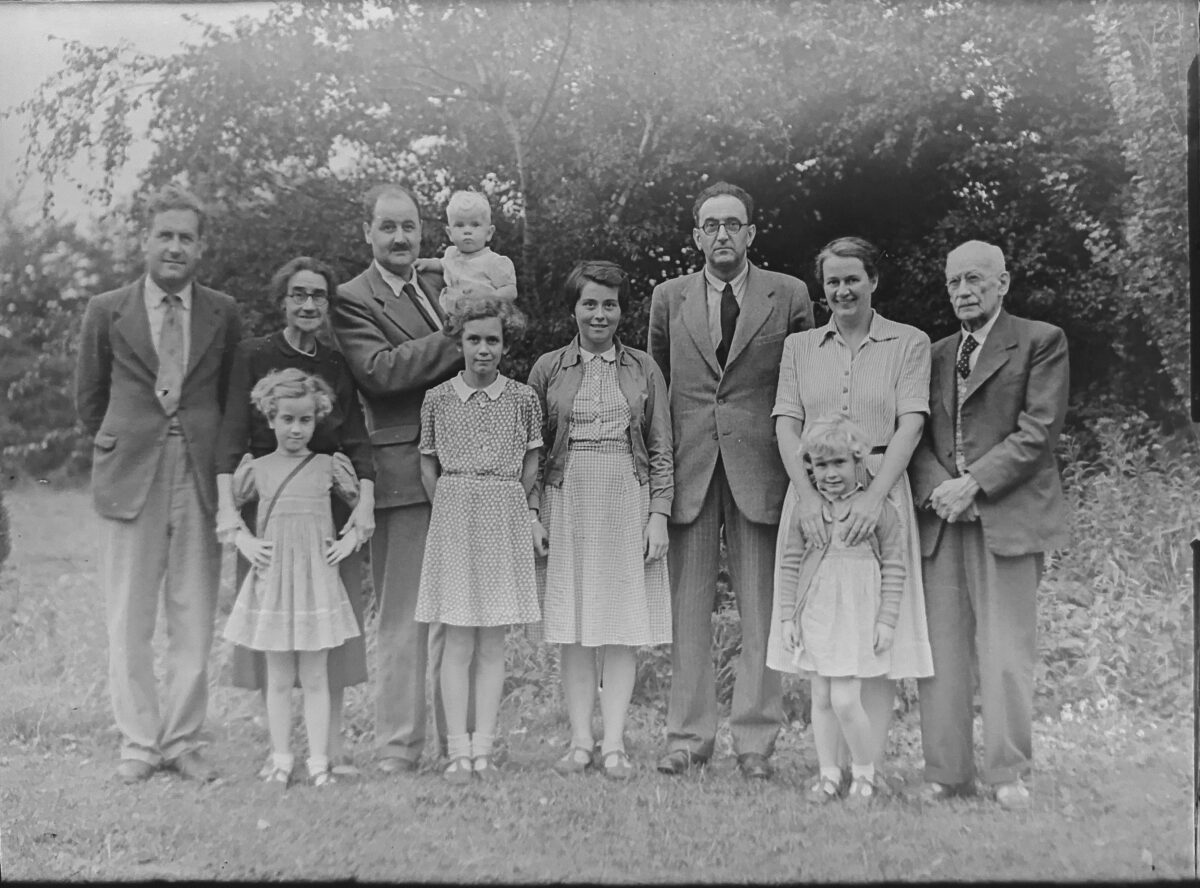
Wedding photos, graduation portraits, and family celebrations demanded clothing investment that might represent months of savings. A woman’s best dress or a man’s formal suit was expected to last for years and photograph well repeatedly.
The pressure to look prosperous in formal photographs was enormous — and visible in every carefully composed image.
Seasonal Changes Were Dramatic
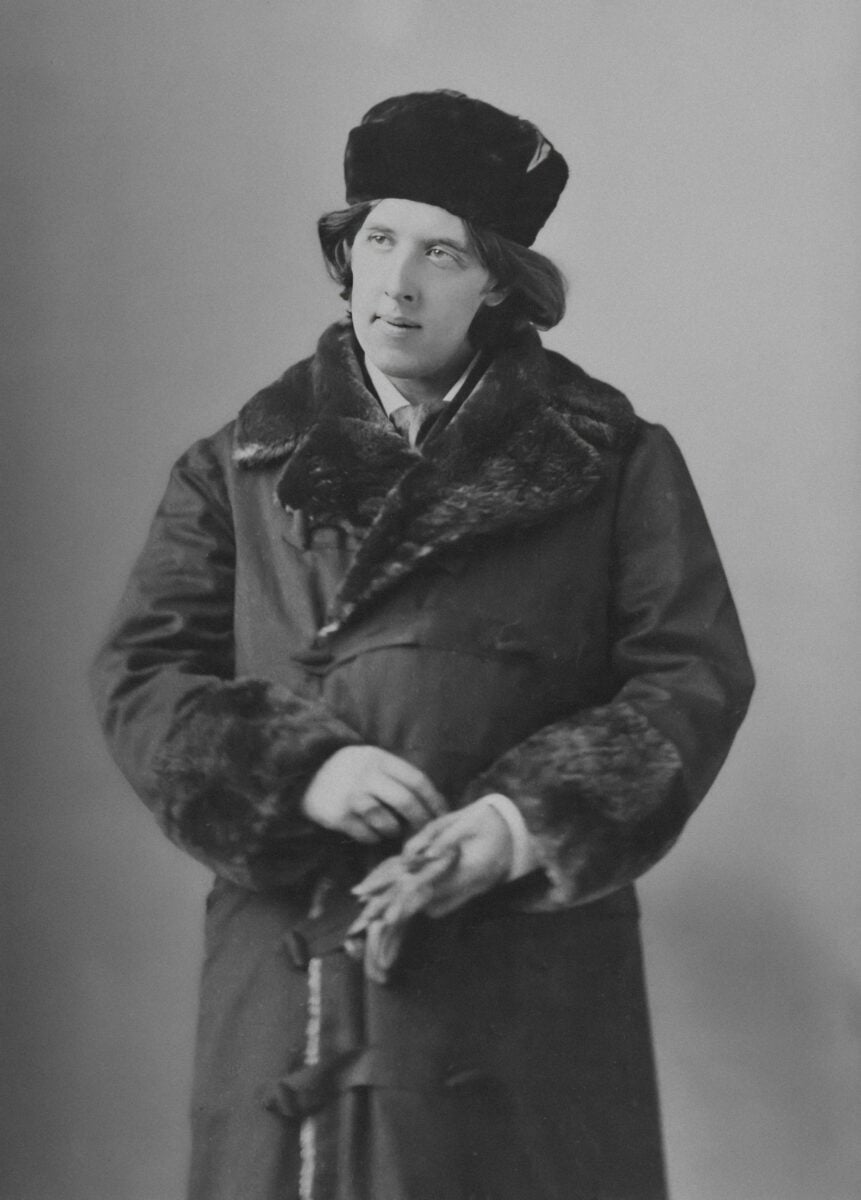
Winter and summer wardrobes looked like they belonged to different centuries. Heavy wool coats, fur muffs, and multiple layers for cold weather gave way to lighter fabrics and slightly more relaxed fits in summer — though “relaxed” remained relative.
The physical burden of seasonal dressing was considerable, but photographs show families adapting with remarkable consistency.
Maternity Wear Emphasized Concealment
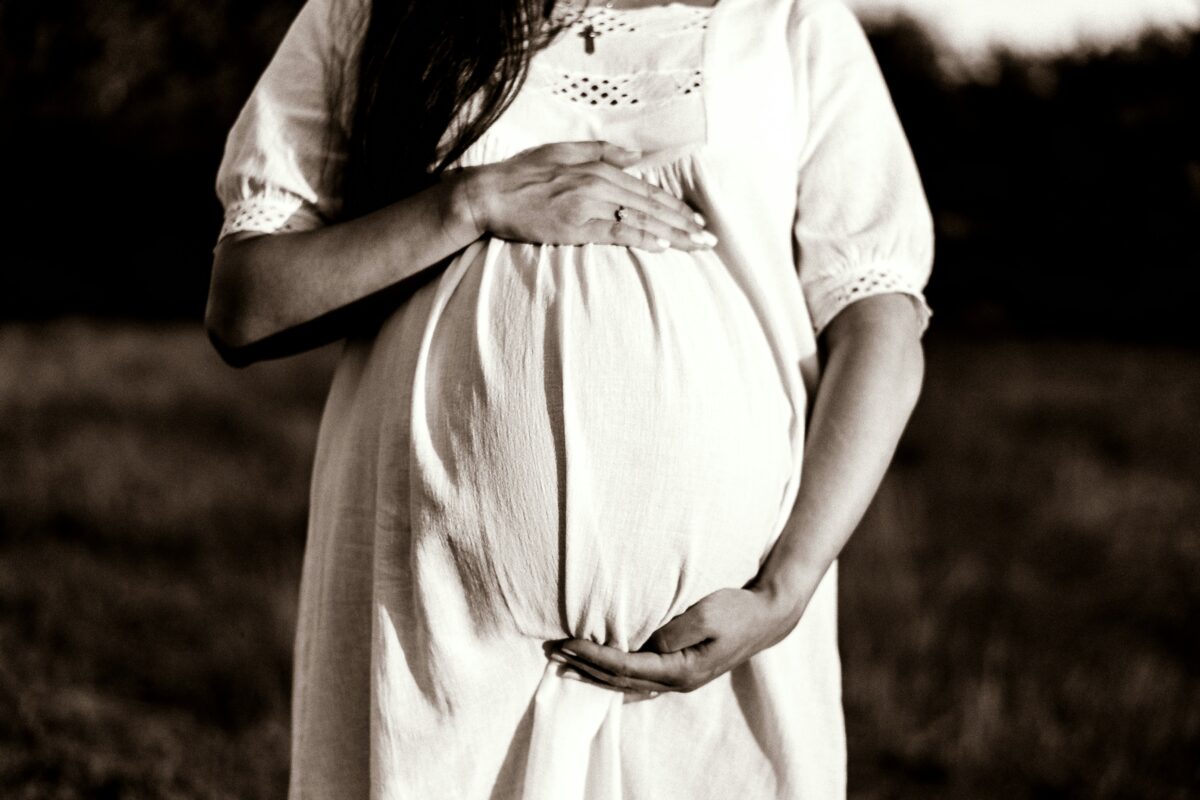
Pregnant women in early 1900s photographs often seem to disappear under layers of fabric designed to disguise rather than accommodate their condition. Maternity fashion focused on concealment rather than comfort or style.
Women wore loose-fitting dresses with strategic draping that acknowledged pregnancy without celebrating it — a reflection of social attitudes that treated expectancy as something private, almost medical, rather than a natural part of family life.
Work Clothes That Meant Business
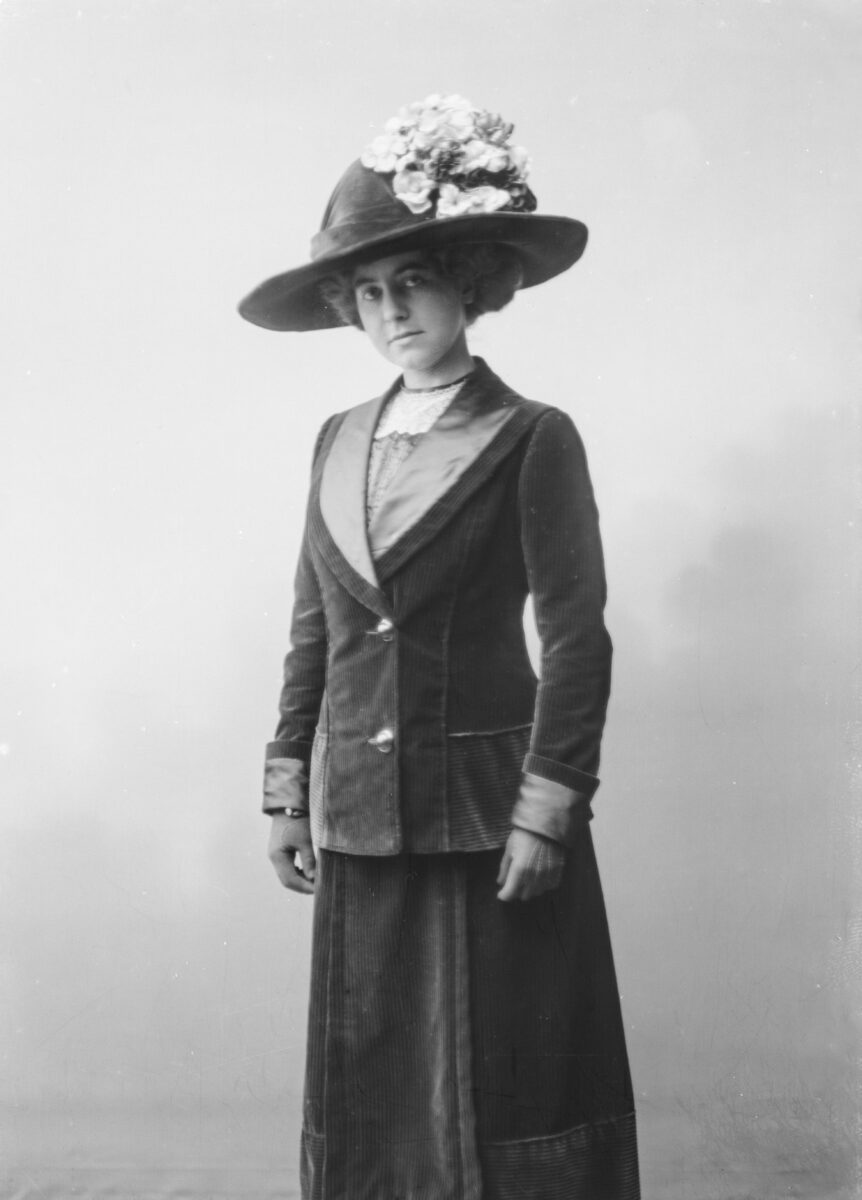
Professional dress codes were stricter than most modern offices would tolerate. Teachers, shop clerks, and office workers maintained standards of formality that extended from collar to shoes.
A bank teller dressed as formally as a bank president — the clothing hierarchy was subtle but unmistakable in the details.
When Clothing Tells Stories We Can’t Forget
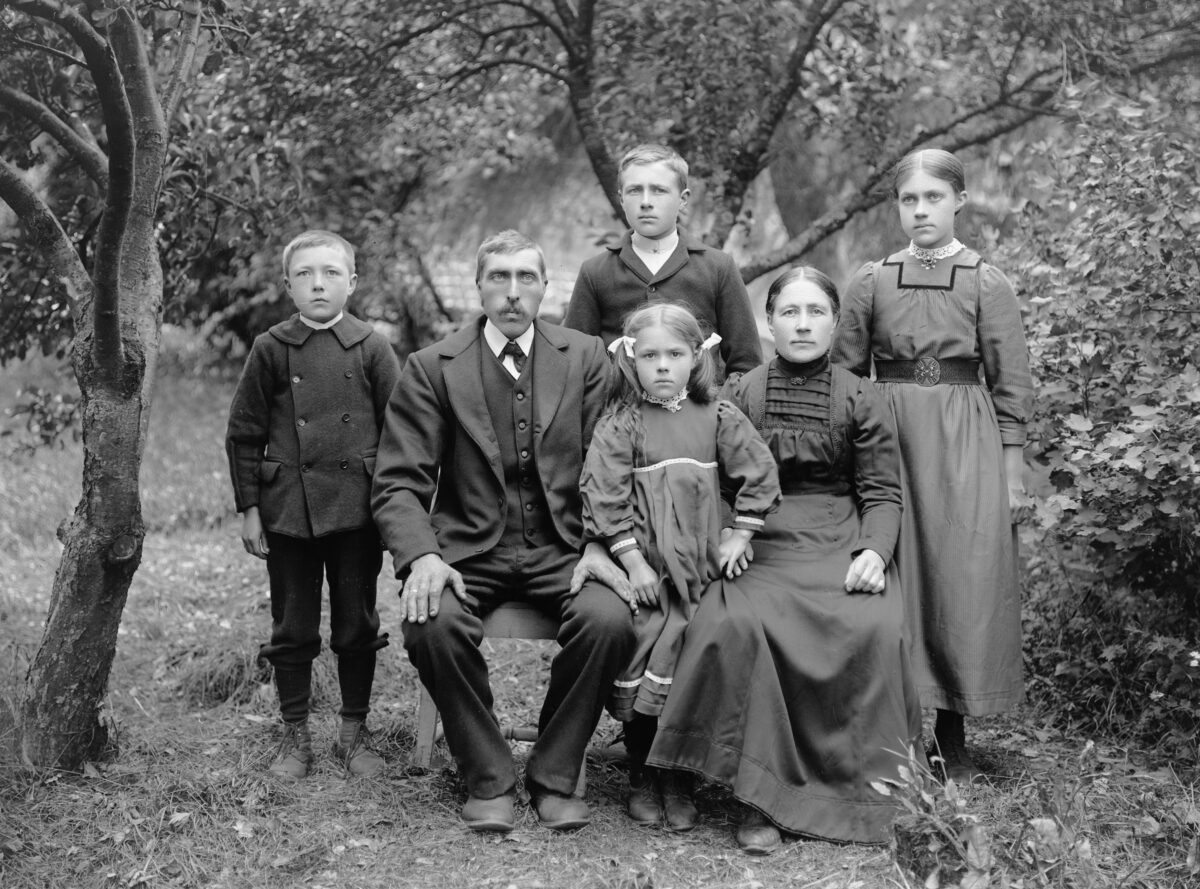
These photographs capture more than fashion trends — they document a time when clothing carried the full weight of social identity, economic status, and personal aspiration. Every carefully pinned collar and precisely knotted tie represented choices made within constraints we can barely imagine now.
The stiffness in these old portraits isn’t just from long exposure times, but from the awareness that clothing was costume, and daily life was performance, and the camera was capturing both for posterity.
More from Go2Tutors!

- The Romanov Crown Jewels and Their Tragic Fate
- 13 Historical Mysteries That Science Still Can’t Solve
- Famous Hoaxes That Fooled the World for Years
- 15 Child Stars with Tragic Adult Lives
- 16 Famous Jewelry Pieces in History
Like Go2Tutors’s content? Follow us on MSN.



