Grammy Award Records Over the Years
The Grammy Awards have been around since 1959, and in that time, they’ve created their own universe of statistics and milestones. Some artists collect these golden gramophones like they’re going out of style, while others make history with a single win.
The numbers tell stories about musical dominance, cultural shifts, and moments that changed how the industry sees itself.
Beyoncé’s Record-Breaking Climb

Beyoncé now holds the record for most Grammy wins by any artist with 32 awards. She surpassed the late conductor Georg Solti, who held the record for decades with 31 wins.
Her wins span multiple genres and categories, from R&B to pop to dance. The journey to this milestone took years of consistent releases and performances that pushed musical boundaries.
The Conductor Who Dominated for Decades

Georg Solti’s 31 Grammy wins came primarily from his work as a classical conductor. He won his first Grammy in 1963 and continued winning until 1997.
Most of his awards recognized his interpretations of opera and orchestral works. His record stood unchallenged for 25 years after his death in 1997, showing just how exceptional his achievement was.
Quincy Jones and the Producer’s Throne

Quincy Jones has won 28 Grammys across his career as a producer, composer, and arranger. His work with Michael Jackson on albums like “Thriller” and “Off the Wall” earned him multiple awards.
But Jones also won for his own albums, film scores, and collaborations with artists ranging from Frank Sinatra to Ray Charles. His wins span from 1964 to 2018, covering nearly six decades of the Grammy’s existence.
Most Nominations Without Breaking Through

Snoop Dogg has received 17 Grammy nominations throughout his career without winning a single award. This makes him one of the most nominated artists to never win.
Other artists who faced similar drought patterns include Katy Perry with 13 nominations and zero wins, and Sia with 9 nominations and no victories. These artists have sold millions of records and shaped popular music, yet the Grammy voters haven’t recognized them with a win.
The Album That Swept the Big Four

Three albums have won all four major categories in a single night: Album of the Year, Record of the Year, Song of the Year, and Best New Artist. Christopher Cross achieved this in 1981 with his self-titled debut album.
Norah Jones repeated the feat in 2003 with “Come Away with Me.” Billie Eilish became the youngest artist to accomplish this sweep in 2020 with “When We All Fall Asleep, Where Do We Go?” at just 18 years old.
Youngest and Oldest Winners

Leah Peasall was eight years old when she won a Grammy in 2002 as part of the soundtrack for “O Brother, Where Art Thou?” This makes her the youngest Grammy winner in history.
On the other end of the spectrum, Pinetop Perkins won Best Traditional Blues Album in 2011 at age 97, making him the oldest person to win a competitive Grammy. Tony Bennett holds the record for oldest living performer to win, earning his final Grammy at 95.
Album of the Year Multiple Winners
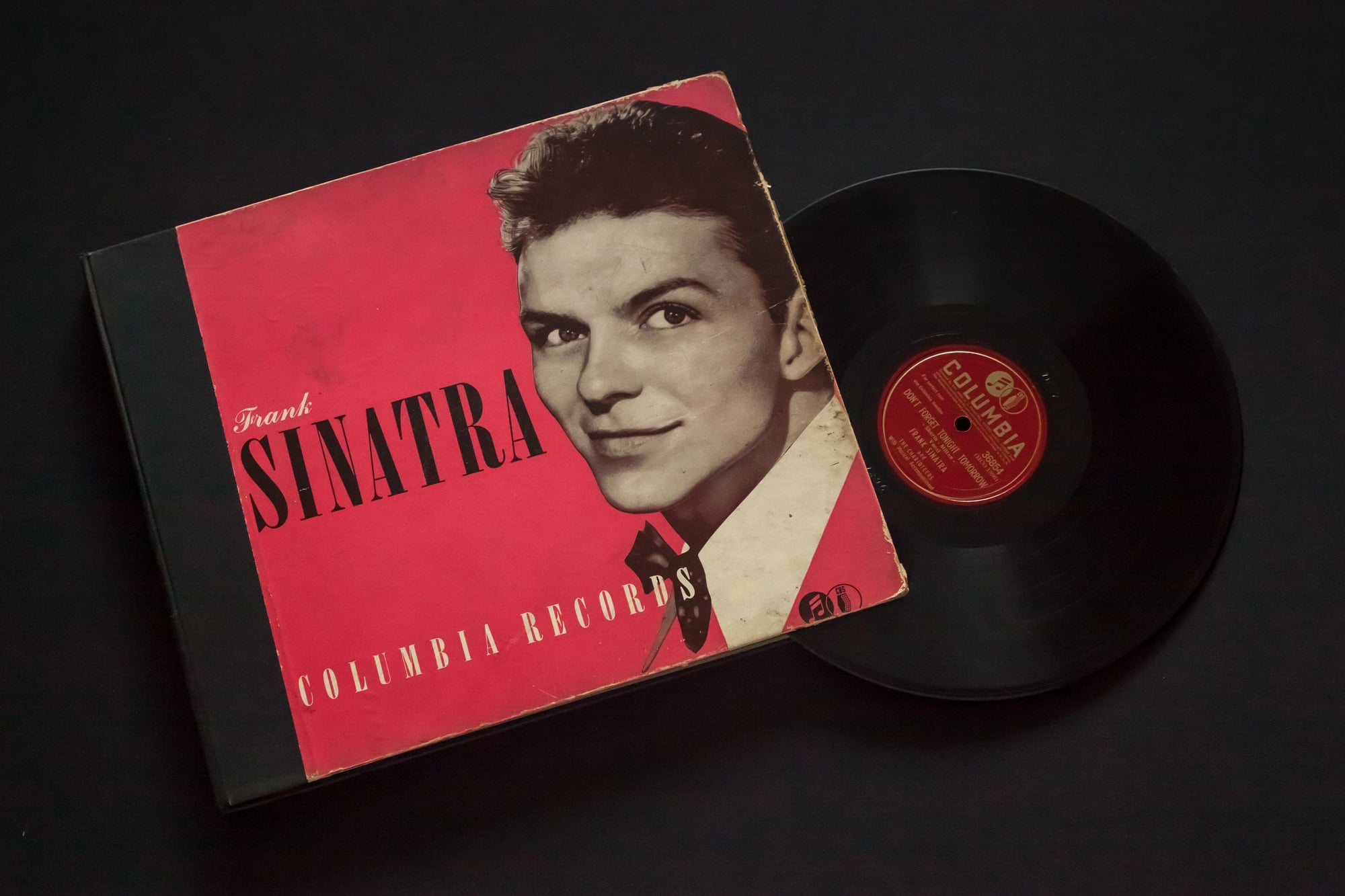
Three artists have won Album of the Year three times: Frank Sinatra, Stevie Wonder, and Taylor Swift. Sinatra won in 1960, 1966, and 1967.
Wonder won in 1974, 1975, and 1977, showing his dominance during that era. Swift won in 2010, 2016, and 2021, becoming the first woman to achieve this milestone.
Her wins came for three different albums spanning different sounds and eras of her career.
Record of the Year Goes to Unexpected Places

“Strangers In The Night” by Frank Sinatra, “Aquarius/Let The Sunshine In” by The 5th Dimension, and “Hotel California” by Eagles all won Record of the Year in years when other songs seemed like obvious choices.
The Eagles won in 1978, beating out songs that were bigger commercial hits. These wins show how Grammy voters sometimes value artistic merit over chart performance or cultural impact.
The Four-Year Sweep Nobody Saw Coming

U2 won Album of the Year twice in four years, taking home the award for “The Joshua Tree” in 1988 and “How to Dismantle an Atomic Bomb” in 2005.
Between these wins, they remained consistent nominees but didn’t capture the top prize. Their ability to stay relevant across different decades while maintaining critical acclaim set them apart from many of their contemporaries.
Classical Music’s Grip on the Ceremony
Classical music has historically dominated the Grammy Awards in terms of total categories and wins. At the first Grammy ceremony in 1959, classical music accounted for nearly half of all awards given.
Even today, classical artists often win multiple awards in a single night due to the numerous classical categories. This reflects the Grammy’s roots in recognizing technical excellence and artistic achievement beyond just commercial success.
The Single-Night Record Haul

Michael Jackson won eight Grammy Awards in a single night at the 1984 ceremony for his album “Thriller” and related singles. This record stood alone for nearly four decades.
Santana matched it in 2000 with eight wins for the album “Supernatural.” Beyoncé broke the record in 2023 by winning four awards at that ceremony, bringing her total career wins to 32 and cementing her position as the most awarded artist in Grammy history.
Best New Artist and the Curse
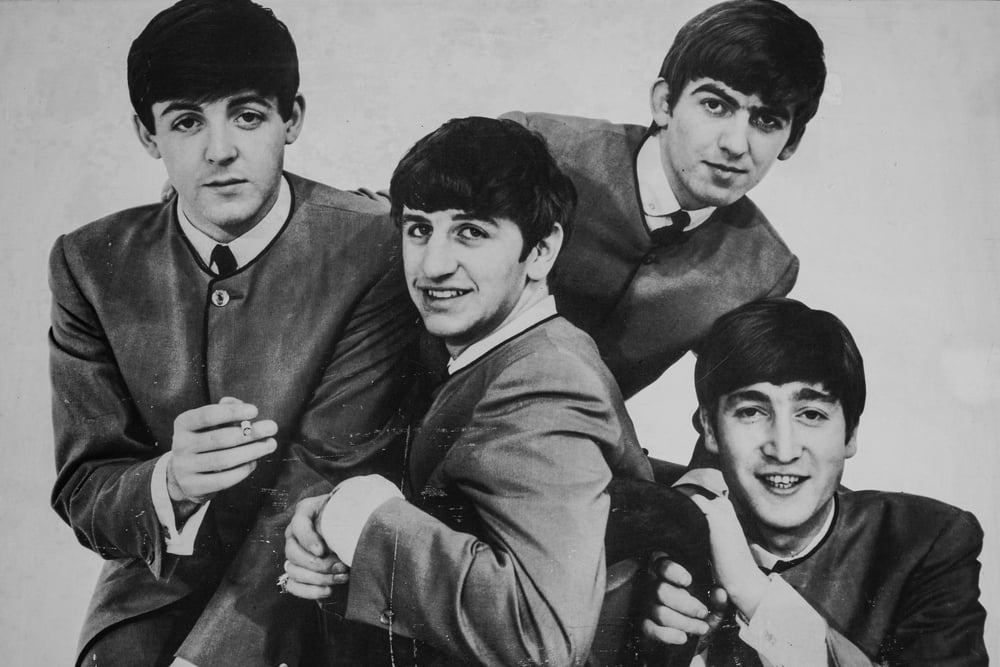
Many artists who won Best New Artist failed to maintain their success in subsequent years. This pattern became known as the “Best New Artist curse.”
Milli Vanilli won in 1990, only to have their Grammy revoked when it was revealed they didn’t actually sing on their records. Other winners like Arrested Development, Hootie & the Blowfish, and Esperanza Spalding achieved critical acclaim but didn’t reach the commercial heights expected after winning.
Not everyone falls victim though—artists like The Beatles, Mariah Carey, and Alicia Keys all won Best New Artist and went on to legendary careers.
Collaboration Wins and Shared Glory
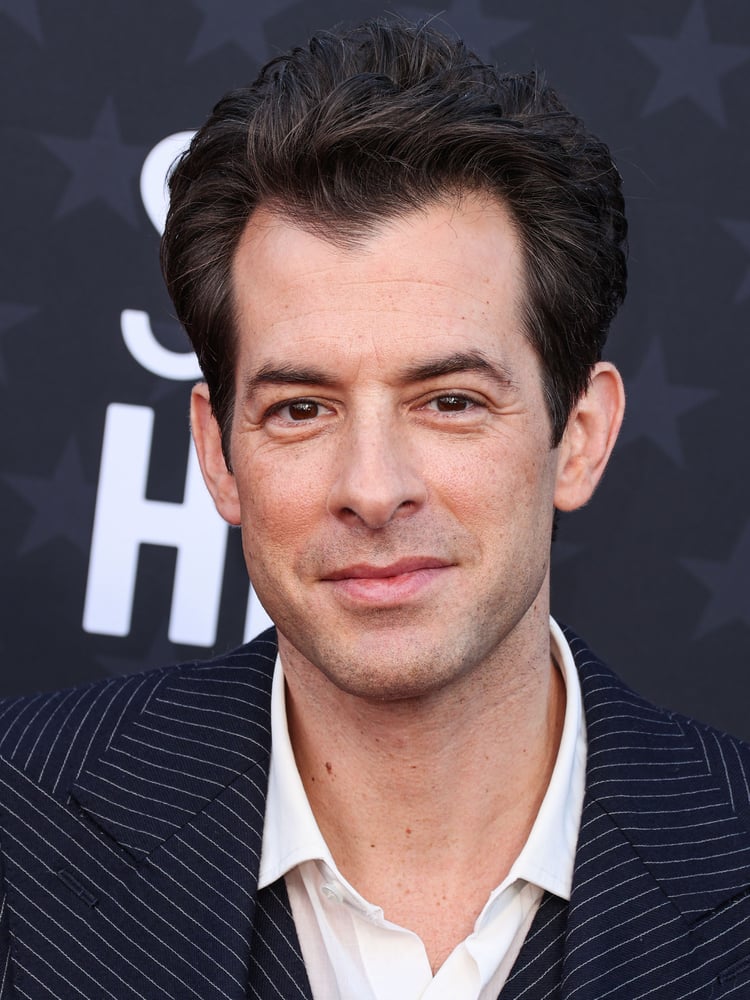
Mark Ronson’s “Uptown Funk” featuring Bruno Mars won Record of the Year in 2016, highlighting how collaborations have become increasingly important at the Grammys.
The song credited multiple writers and producers, all of whom received Grammy recognition. This reflects a broader trend in modern music where songs often involve five or more creators.
The wins get distributed among everyone credited, which partly explains why some artists have accumulated so many Grammys.
Songs That Won Record and Song of the Year
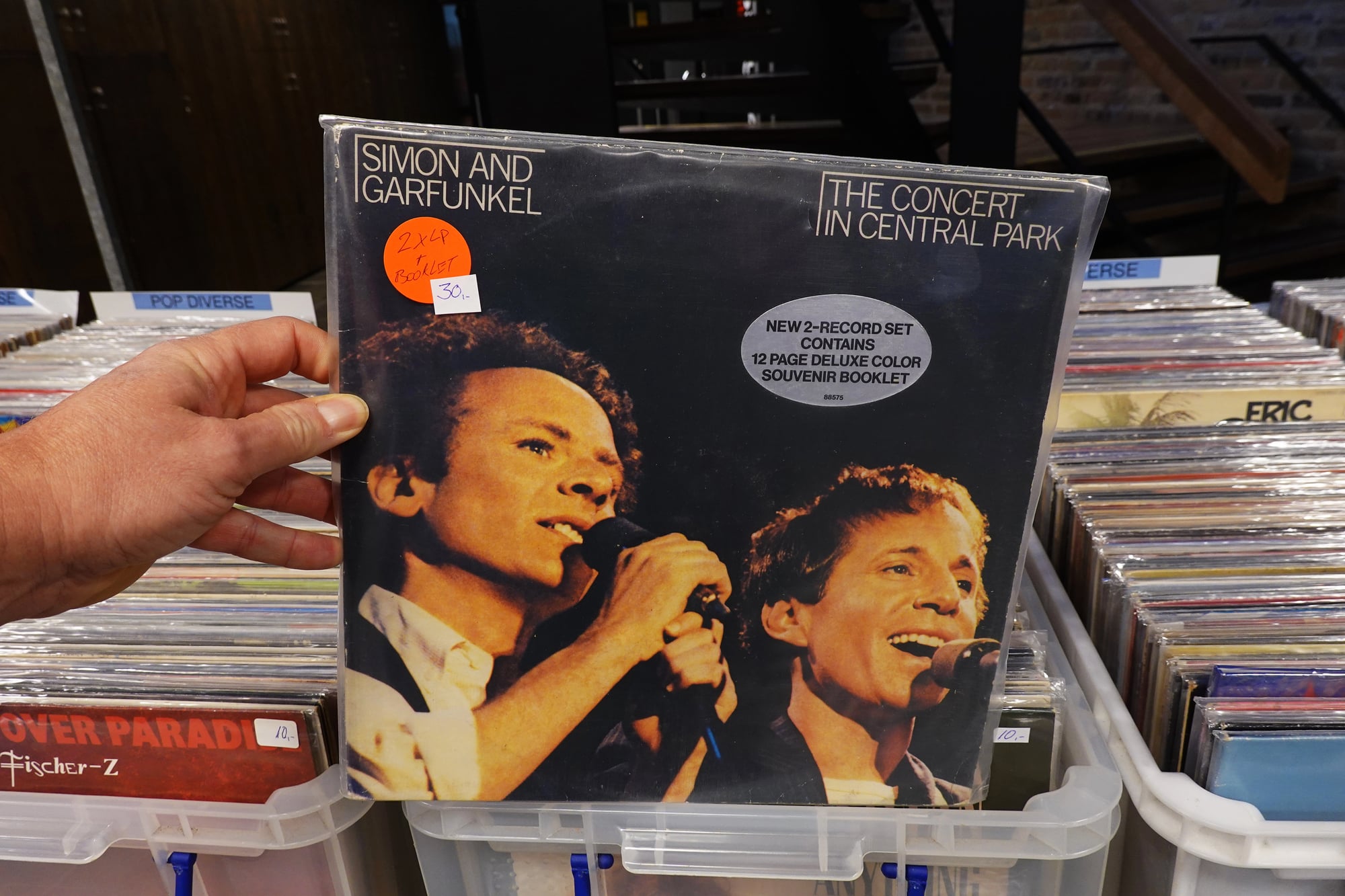
Few songs have won both Record of the Year and Song of the Year in the same ceremony. “Volare” by Domenico Modugno did it in 1959.
“Bridge Over Troubled Water” by Simon & Garfunkel achieved it in 1971. More recently, “This Is America” by Childish Gambino won both in 2019.
The distinction between the two awards confuses many people, but Record of the Year honors the overall recording while Song of the Year recognizes the songwriting.
When the Grammys Reflect Their Moment

The awards ceremony has sometimes captured perfect snapshots of musical culture. When Lauryn Hill swept five awards in 1999 for “The Miseducation of Lauryn Hill,” it validated hip-hop’s artistic legitimacy in a way the Grammys had previously avoided.
When Arcade Fire won Album of the Year in 2011, it showed indie rock had penetrated the mainstream. These moments matter because they show how the voting body’s tastes evolve to reflect changing musical landscapes.
Records That Time Hasn’t Touched Yet
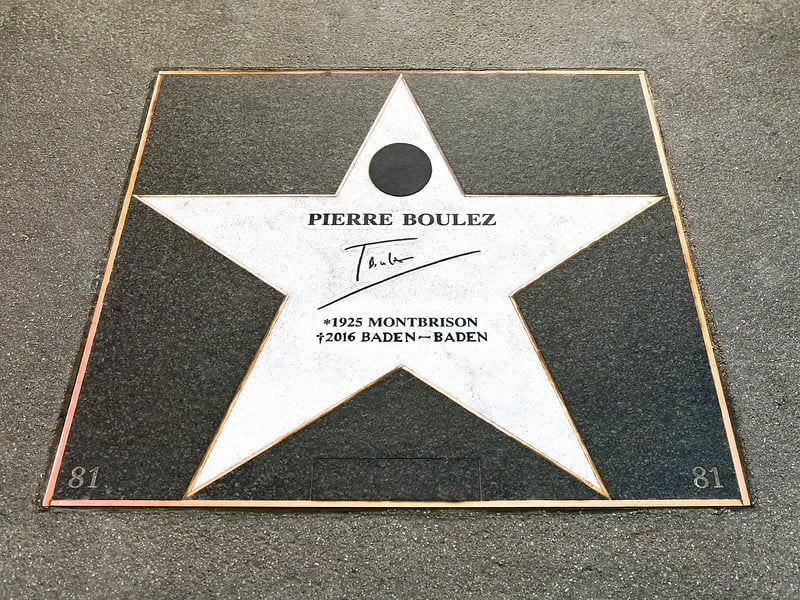
One might think certain Grammy milestones can never fall. Yet Pierre Boulez collected 26 trophies, every one rooted in classical music, stretching victories from 1969 into 2015.
Meanwhile, Alison Krauss earned 27 awards, weaving through bluegrass, country, and folk – now second only to Beyoncé among active winners. Then there is Jay-Z: a staggering 88 nods without taking home a win each time.
Such tallies aren’t just stats – they’re legacies built slowly, over years, hard for anyone to repeat.
Beats Rise Where Figures Bend

Numbers dance inside the melody. Music hides between digits.
Rhythm steps through equations. Sound grows from calculations.
Patterns breathe within notes. Tones follow counting lines.
Grammy Stats and the Long Run
Grammy stats lay out a trail of what sticks and what fades in music’s long run. Often the same faces pop up again and again, suggesting consistency pays off.
Yet gaps remain – styles ignored for years, performers ruling sales while empty-handed, champions later forgotten fast. These figures miss much of the full picture, still hinting at one group’s effort to track value through shifting sounds and eras.
Certain milestones may break soon, some could stay unchallenged, fresh marks arriving as tunes reshape themselves slowly.
More from Go2Tutors!

- The Romanov Crown Jewels and Their Tragic Fate
- 13 Historical Mysteries That Science Still Can’t Solve
- Famous Hoaxes That Fooled the World for Years
- 15 Child Stars with Tragic Adult Lives
- 16 Famous Jewelry Pieces in History
Like Go2Tutors’s content? Follow us on MSN.