16 Diners That Became Cultural Landmarks
American diners have always been more than just places to grab a quick bite. These chrome-and-neon establishments became the heartbeat of communities, serving as gathering spots where locals shared gossip, travelers found comfort, and entire generations grew up over plates of apple pie and cups of coffee that never seemed to empty.
Some diners transcended their humble origins to become genuine cultural landmarks. Here are 16 diners that became cultural landmarks, each with a story that goes far beyond their menus.
White Castle (Wichita, Kansas)

White Castle didn’t just serve hamburgers — it practically invented the concept of fast food as we know it today. Walter Anderson and Billy Ingram opened the first location in 1921, creating a template that would influence American dining culture for decades to come.
Those small, square patties and distinctive white buildings became so iconic that people started calling the burgers ‘sliders.’ The term stuck around long after other chains copied the concept.
Mel’s Drive-In (San Francisco, California)
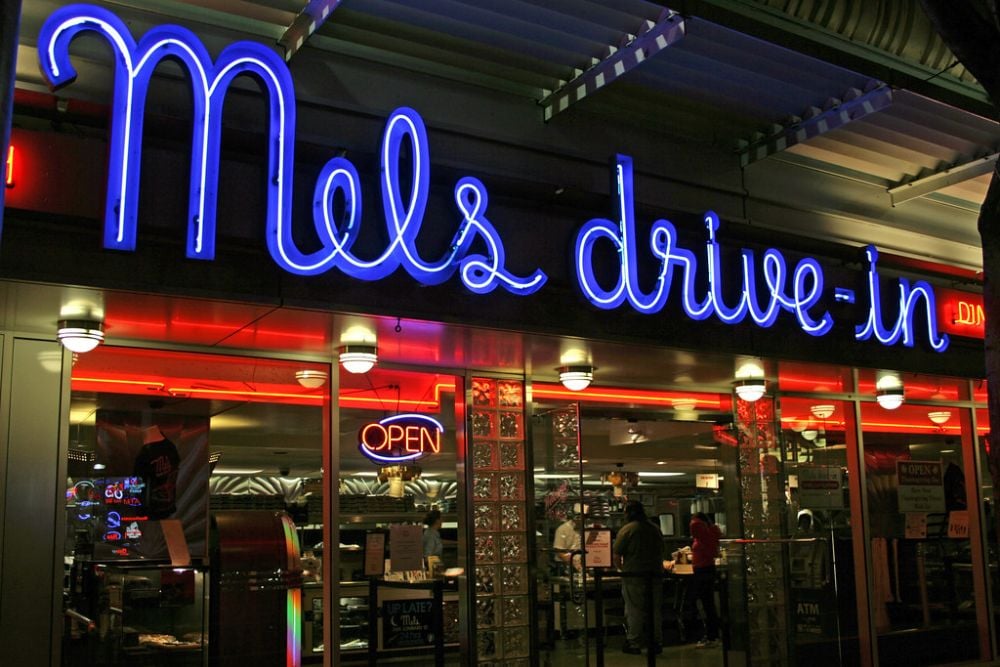
Mel’s Drive-In earned its place in cultural history when George Lucas featured it prominently in ‘American Graffiti’ — turning a local San Francisco institution into a symbol of 1950s teenage culture. The diner’s neon signs and carhop service captured the essence of an era when drive-ins represented freedom and rebellion.
Even today, surviving locations maintain that vintage atmosphere which made the original so memorable on screen.
The Coffee Shop (New York, New York)

Located in Union Square, The Coffee Shop became a magnet for models, actors, and artists throughout the 1990s and early 2000s. The Brazilian-themed diner attracted celebrities not just for its food — rather for its laid-back atmosphere where famous faces could eat without constant interruption.
Its closing in 2018 marked the end of an era for New York’s dining scene. Decades of stories about chance encounters and late-night conversations over pancakes were suddenly relegated to memory.
Mickey’s Dining Car (St. Paul, Minnesota)
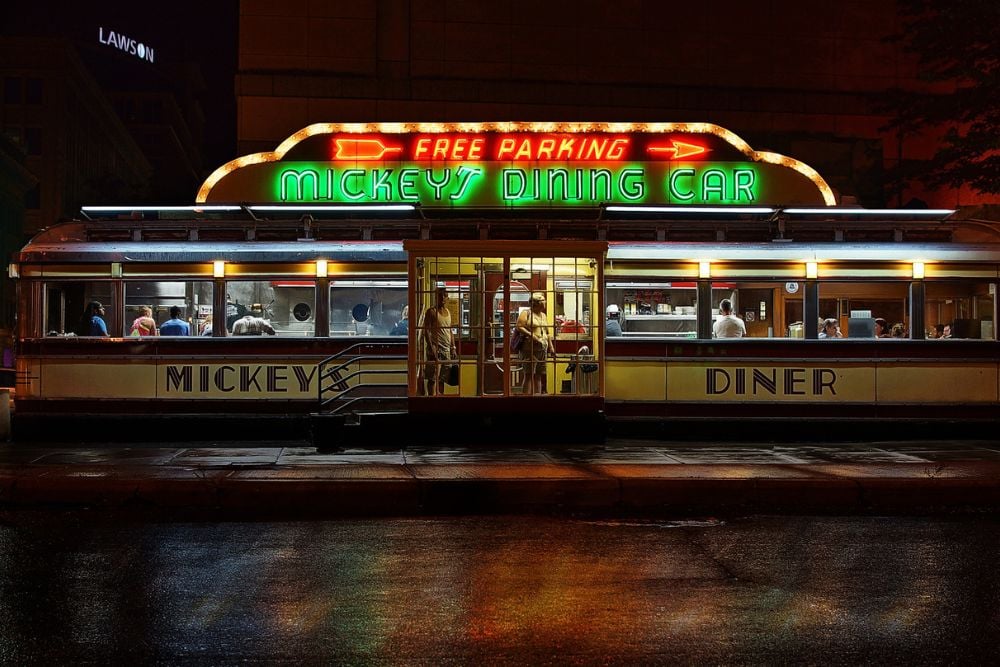
This Art Deco gem has been serving St. Paul since 1939. Its distinctive red exterior and classic railroad car design make it instantly recognizable to anyone passing through the Twin Cities.
Mickey’s gained national attention when it appeared in movies like ‘The Mighty Ducks’ and ‘Jingle All the Way,’ though locals have always known it as the place where politicians, police officers, and night-shift workers fuel up on comfort food. The diner operates 24 hours a day, 365 days a year — making it a reliable constant in an ever-changing city.
Googie’s Coffee Shop (Los Angeles, California)

Though the original Googie’s closed decades ago, its influence on American architecture and design cannot be overstated. The futuristic design with its sweeping rooflines and space-age aesthetic gave birth to an entire architectural movement known as ‘Googie architecture.’
This style became synonymous with mid-century American optimism — the belief that the future would be sleek, modern, and exciting.
Katz’s Delicatessen (New York, New York)

While technically a delicatessen rather than a traditional diner, Katz’s has functioned as a community gathering place since 1888. The Lower East Side institution became famous worldwide after the memorable scene in ‘When Harry Met Sally,’ yet its real cultural significance lies in its role as a keeper of Jewish-American culinary traditions.
Those hand-carved pastrami sandwiches and old-school atmosphere transport visitors to a different era of New York City — one that’s increasingly difficult to find elsewhere.
Arnold’s Drive-In (Happy Days)

Though Arnold’s existed only in the fictional world of ‘Happy Days,’ the television diner became more culturally significant than many real establishments. The show’s portrayal of 1950s diner culture shaped how an entire generation understood the role these places played in American social life.
Arnold’s represented the idealized version of community gathering spaces — where teenagers could be teenagers and everyone knew your name.
Dupar’s Restaurant (Los Angeles, California)
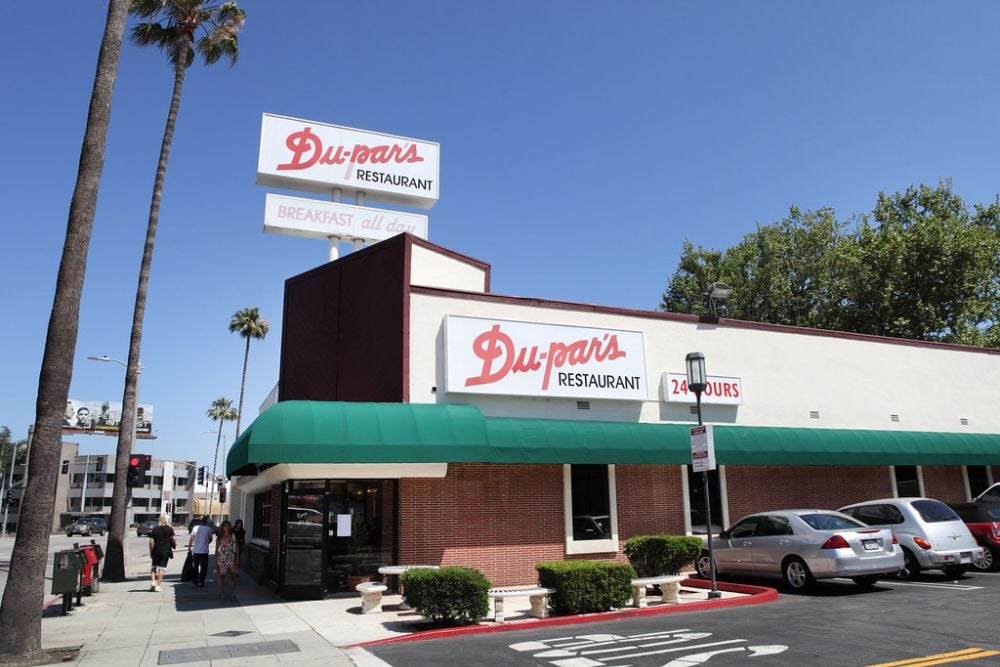
Dupar’s has been a Los Angeles institution since 1938, famous for its towering pies and old-Hollywood clientele. The Farmers Market location became a regular haunt for celebrities and industry insiders, while the coffee shop atmosphere remained refreshingly unpretentious.
The diner’s reputation for exceptional pies made it a destination for food lovers — but its consistent quality and friendly service kept it relevant through decades of Los Angeles’ constant change.
The Majestic Diner (Atlanta, Georgia)

The Majestic has been serving Atlanta since 1929. It survived the Great Depression, urban renewal, and countless changes to the city around it. This 24-hour institution became known as much for its colorful characters and late-night atmosphere as for its food.
The diner attracted everyone from college students to business executives — creating a unique social environment where Atlanta’s diverse population could intersect over plates of hash browns and eggs.
Tom’s Restaurant (New York, New York)
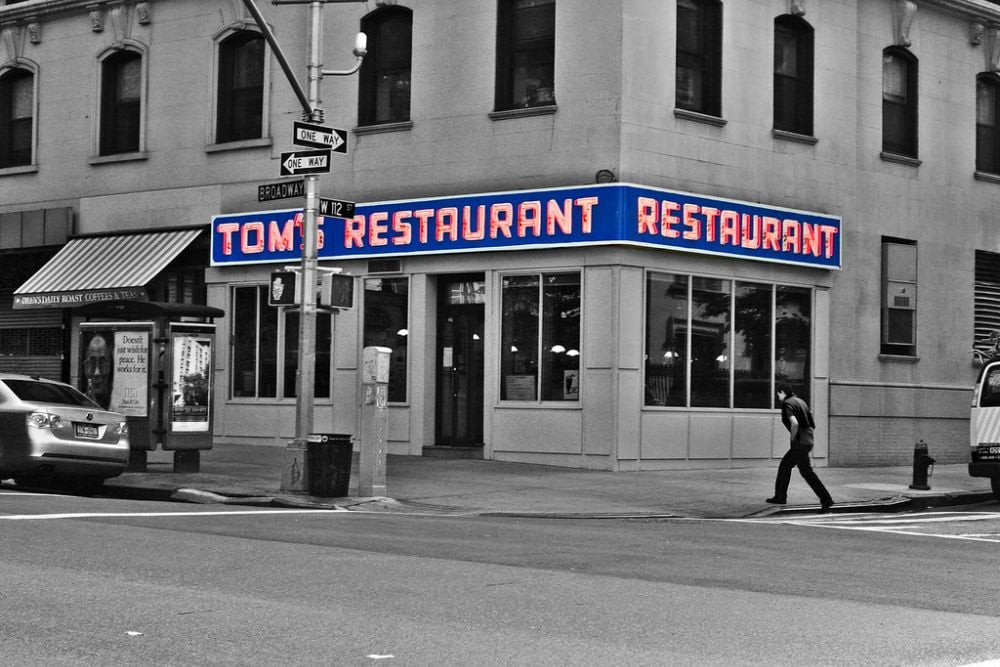
Tom’s Restaurant in Morningside Heights achieved unexpected fame as the exterior of Monk’s Cafe in ‘Seinfeld,’ even though the interior shots were filmed elsewhere. The exposure turned a neighborhood diner into a tourist destination — with visitors from around the world stopping by to see the place where the main character and his friends supposedly ate their meals.
The real Tom’s has embraced its television fame while continuing to serve Columbia University students and local residents.
Clifton’s Cafeteria (Los Angeles, California)

Clifton’s represented a unique approach to dining that combined affordable food with elaborate themed decor. The downtown Los Angeles institution featured forest scenes, waterfalls, and other fantastical elements that made eating there feel like an adventure.
During the Great Depression, Clifton’s maintained a ‘pay what you can’ policy, making it both a cultural landmark and a symbol of community compassion during difficult times.
The Varsity (Atlanta, Georgia)

The Varsity claims to be the world’s largest drive-in restaurant, and its cultural impact on Atlanta is undeniable. Since 1928, this institution has served generations of Georgia Tech students, Atlanta residents, and curious visitors drawn by its reputation for chili dogs and onion rings.
The distinctive orange-and-white building and the famous ‘What’ll ya have?’ greeting became symbols of Atlanta hospitality and Southern dining culture.
Neptune Diner (New York, New York)

The Neptune Diner in Queens gained cultural significance through its appearances in numerous films and television shows, including ‘Goodfellas’ and episodes of ‘The Sopranos.’ The classic diner design and New York atmosphere made it a favorite location for directors looking to capture authentic American dining culture.
Beyond its screen appearances, the Neptune served as a neighborhood anchor where local families celebrated milestones and regular customers became part of an extended community.
Rae’s Restaurant (Los Angeles, California)

Rae’s became iconic through its frequent appearances in movies and television shows, most notably ‘Lords of Dogtown’ and ‘Bowfinger.’ The Santa Monica diner’s vintage interior and classic American menu made it perfect for depicting authentic California dining culture on screen.
The exposure helped preserve a piece of old Los Angeles that might otherwise have been lost to development, turning Rae’s into a cultural touchstone for both locals and entertainment industry professionals.
Tops Bar-B-Q (Memphis, Tennessee)

While known primarily for barbecue rather than traditional diner fare, Tops became a cultural landmark by serving as a gathering place for Memphis’ music community. The drive-in attracted musicians, record producers, and music industry figures who shaped the sound of American popular music.
The casual atmosphere and Southern comfort food made it a place where creative collaborations could happen over plates of ribs and sides of coleslaw.
Pink’s Hot Dogs (Los Angeles, California)

Pink’s started as a hot dog cart in 1939 and evolved into a Los Angeles institution known for its celebrity clientele and creative hot dog combinations. The small stand on La Brea Avenue became a cultural landmark by attracting movie stars, musicians, and other entertainment industry figures who weren’t afraid to wait in line with regular customers.
The wall of celebrity photos and the creative menu items tell the story of Los Angeles’ evolving food culture over eight decades.
Beyond the Counter
These diners became cultural landmarks because they offered something beyond good food and reasonable prices. They provided consistency in rapidly changing communities, served as neutral meeting grounds for people from different backgrounds, and created spaces where American social rituals could unfold naturally.
From late-night conversations over coffee to family celebrations over birthday cake, these establishments witnessed and facilitated the small moments that collectively define American culture. Their enduring appeal doesn’t just lie in nostalgia, but in their ability to remain relevant while preserving the essential human need for community gathering spaces.
More from Go2Tutors!

- The Romanov Crown Jewels and Their Tragic Fate
- 13 Historical Mysteries That Science Still Can’t Solve
- Famous Hoaxes That Fooled the World for Years
- 15 Child Stars with Tragic Adult Lives
- 16 Famous Jewelry Pieces in History
Like Go2Tutors’s content? Follow us on MSN.