Famous Movie Trivia Most Fans Miss
You’ve probably watched your favorite movies dozens of times. You know the quotes, the scenes, the characters.
But even the most dedicated fans miss small details that filmmakers snuck into the background. Some of these details were accidents.
Others were deliberate choices that went unnoticed for years. The stories behind these moments reveal how unpredictable and chaotic movie-making really is.
The Wizard of Oz Had Multiple Totos
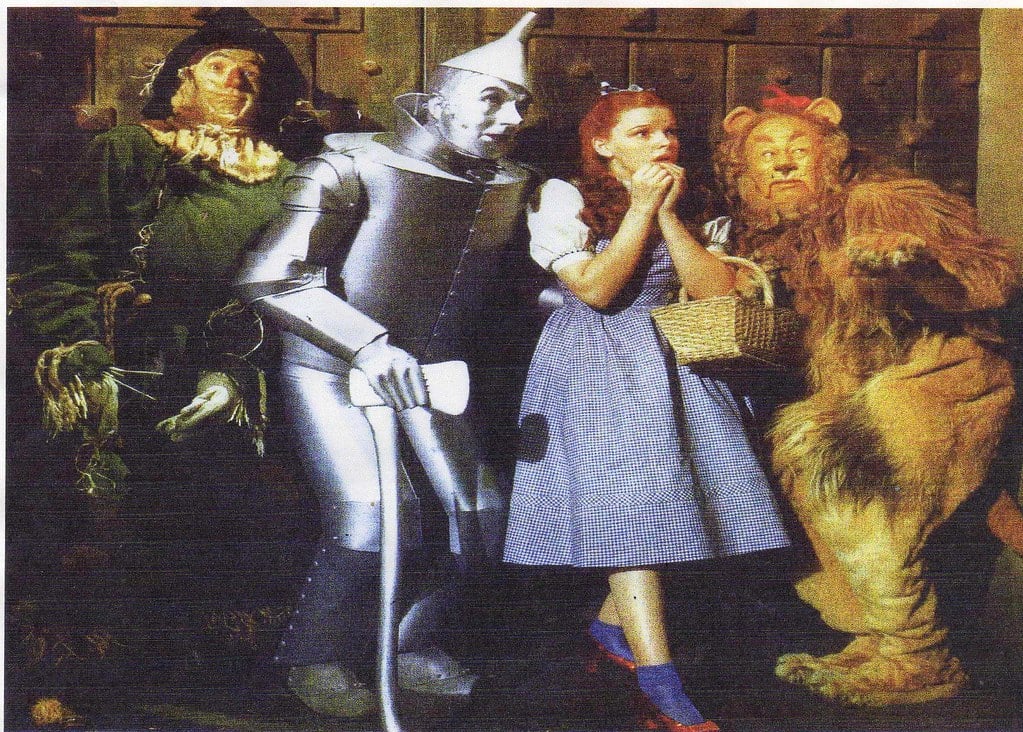
Terry the Cairn Terrier played Toto, but she wasn’t the only one. During filming, one of the Winkie Guards accidentally stepped on Terry’s paw, and she needed two weeks to recover. The production couldn’t wait, so they brought in another dog to fill in.
Most viewers never spotted the switch because the camera angles and lighting stayed consistent. Terry earned $125 per week for her work on the film.
That was more than the Munchkin actors, who made $50 per week. The pay gap caused tension on set, but Terry’s trainer defended the rate by pointing out how much time went into training the dog for specific actions.
A Stormtrooper Hits His Head in Star Wars

In the original 1977 Star Wars film, watch the scene where stormtroopers enter the control room to find R2-D2 and C-3PO. One trooper on the right side of the screen smacks his head on the doorframe.
The bonk is subtle, but once you see it, you can’t unsee it. George Lucas noticed the mistake but left it in the theatrical release.
Later editions added a sound effect to highlight the moment. What started as an accidental blooper became an intentional joke that fans quote and recreate at conventions.
The Shining Has an Impossible Window
The Overlook Hotel’s layout doesn’t make sense if you pay attention to the architecture. Stuart Ullman’s office contains a window that shows daylight and exterior views.
But based on the hotel’s floor plan and where his office sits in the building, that window can’t exist. There should be a hallway behind it.
Stanley Kubrick included impossible spaces throughout the film to create a subtle sense of disorientation. The hotel’s geography shifts between scenes.
Rooms that should connect don’t. Hallways lead nowhere.
These choices weren’t mistakes but deliberate attempts to make viewers feel like something was wrong, even if they couldn’t identify exactly what.
Psycho Used Chocolate Syrup as Blood
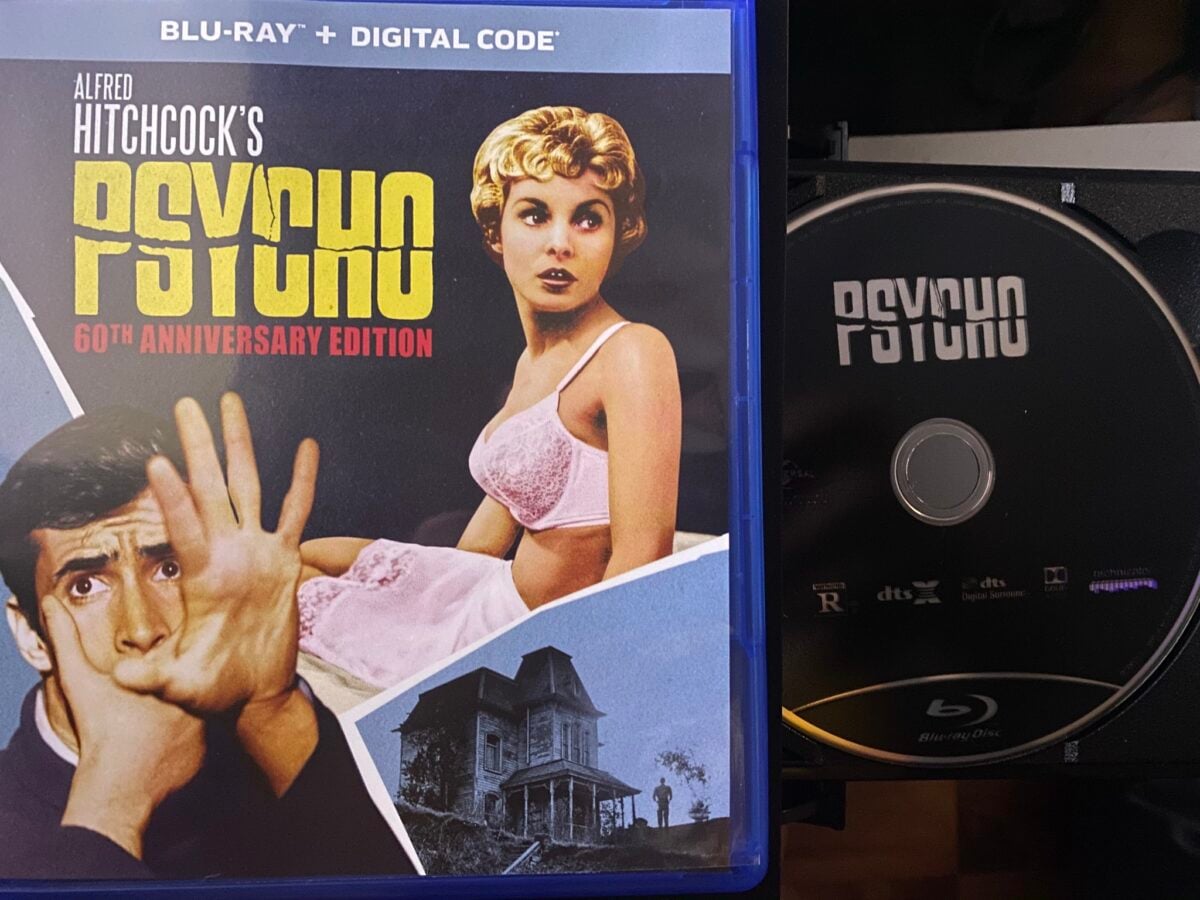
Alfred Hitchcock filmed Psycho in black and white, which gave him creative freedom with the shower scene. Real blood looked too thin and transparent on camera.
Bosco chocolate syrup provided the perfect consistency and darkness. The syrup created the thick, viscous quality Hitchcock wanted.
It swirled down the drain in exactly the right way. Since the film was black and white, viewers never questioned whether they were seeing blood or dessert topping.
The technique became standard practice for horror films shot without color.
The Jaws Shark Barely Worked

Bruce, the mechanical shark, malfunctioned constantly during filming. Salt water corroded the machinery.
The pneumatic systems failed. The shark sank.
Steven Spielberg had to rewrite scenes and shoot around the broken prop. This limitation forced Spielberg to show less of the shark, which made the film scarier.
Instead of watching a rubber monster, audiences saw barrels being dragged underwater, heard ominous music, and felt the tension of not knowing when the attack would come. The technical failure created a masterpiece of suspense.
The mechanical problems delayed production and pushed the budget over $10 million. Universal Studios panicked.
They thought they had a disaster on their hands. Then the film earned $476 million worldwide and changed Hollywood forever.
Eric Stoltz Was Originally Marty McFly
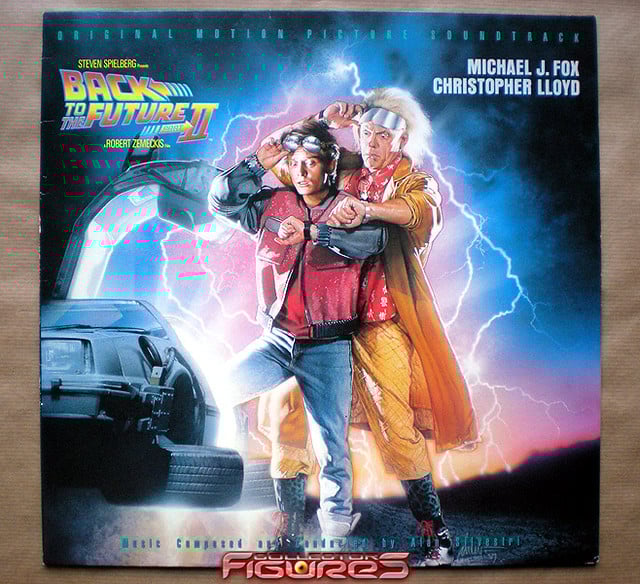
Back to the Future began filming with Eric Stoltz in the lead role. He shot for five weeks. Then director Robert Zemeckis and producer Steven Spielberg decided his performance was too serious for the comedic tone they wanted.
They replaced him with Michael J. Fox. The production lost weeks of work and thousands of feet of filmed footage.
Stoltz handled the firing professionally, but it devastated him at the time. A few shots of Stoltz remain in the final cut if you know where to look.
In some long-distance shots where Marty’s face isn’t visible, that’s Stoltz, not Fox. Fox was already starring in the TV show Family Ties when he got the call.
He filmed both projects simultaneously, working 18-hour days. He’d shoot the show during the day and the movie at night.
The exhaustion shows in some scenes if you watch carefully.
E.T. Features Star Wars Easter Eggs
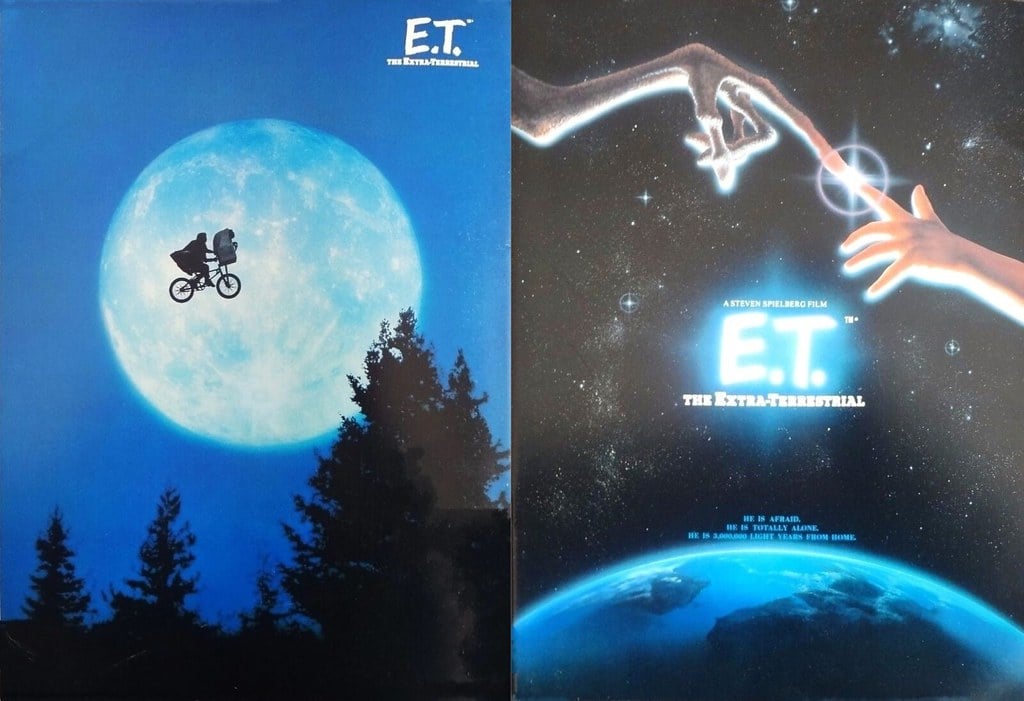
During Halloween, Elliott takes E.T. trick-or-treating. A kid dressed as Yoda walks past. E.T. sees the costume and starts walking toward it, reaching out and making sounds.
He recognizes Yoda because they’re from the same universe. Steven Spielberg and George Lucas were close friends who constantly referenced each other’s work.
Star Wars: The Phantom Menace returned the favor by including E.T.’s species in the Galactic Senate scene. The cross-universe connection is now canon in both franchises.
Indiana Jones Shot the Swordsman Because Harrison Ford Had Food Poisoning

Raiders of the Lost Ark originally planned an elaborate fight scene between Indy and a swordsman in Cairo. Harrison Ford spent days rehearsing the choreography.
Then he got severe dysentery from the food and couldn’t perform the stunts. Ford suggested a simple solution. “Why don’t I just shoot him?” The crew laughed, but Spielberg loved it.
The change saved time and money while creating one of the most memorable moments in the franchise. What should have been a five-minute fight sequence became a five-second joke.
The scene works because it reveals something true about Indy’s character. He’s not interested in proving his fighting skills.
He’s tired, sick, and wants to get the job done. One bullet solves the problem.
The Matrix’s Cat Glitch Was Planned From the Start

When Neo sees the same black cat walk past twice, Trinity explains it’s a glitch in the Matrix. The visual effect required precise timing and two identical cats.
The production team found twin cats from the same litter and trained them to walk on cue. The Wachowskis wanted that specific moment to feel uncanny.
Déjà vu happens to everyone, but most people dismiss it as a brain hiccup. By making the repeated cat visual instead of just a feeling, the scene proves something is wrong with reality itself.
The choice turned an abstract concept into concrete evidence.
Tyler Durden Appears Before His Introduction
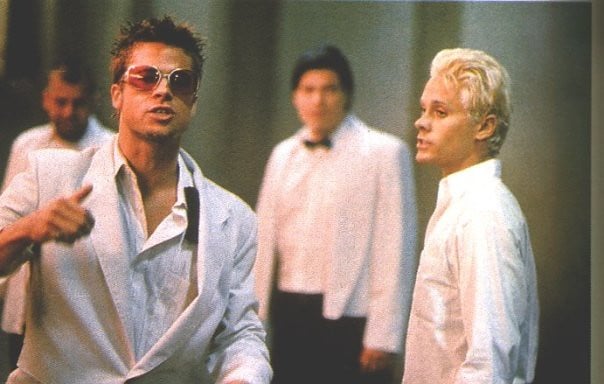
Fight Club hides Brad Pitt’s character in four quick flashes before Edward Norton’s character officially meets him. Tyler appears as a single-frame insertion that your conscious mind doesn’t register but your subconscious does.
He shows up as a waiter, a doctor, and twice more before the copy machine scene. Director David Fincher wanted to plant the idea that Tyler already existed in the narrator’s mind.
The subliminal appearances prepare viewers for the eventual revelation without giving it away. When you rewatch the film knowing the twist, those early flashes become obvious clues.
The technique came from the novel, where Tyler’s early appearances are described but not explicitly shown. Fincher translated that narrative device into a visual one that only works in film.
The single-frame insertions happen too fast for conscious recognition but create an uneasy feeling that something is off.
The Alien Cast Didn’t Know About the Chestburster

Ridley Scott kept the chestburster scene secret from most of the actors. They knew something would happen to John Hurt’s character, but not the specifics.
Scott rigged the set with hidden tubes that would spray blood at the cast during the take. Veronica Cartwright got hit with blood and stumbled backward in genuine shock.
The reactions you see on screen are real because the actors weren’t acting. They were responding to something horrifying happening right in front of them.
Scott filmed it all in one take because he knew he couldn’t recreate that authentic surprise. The decision sparked controversy.
Some actors felt manipulated. But Scott defended it by pointing out that their real reactions made the scene work.
If everyone knew exactly what was coming, they would have been prepared, and their performances would have looked fake.
Jurassic Park’s Dinosaur Sounds Came From Unexpected Sources
The sound designers created the T-Rex roar by combining a baby elephant’s squeal, an alligator’s gurgle, and a tiger’s growl. The velociraptors’ distinctive calls came from mating tortoises.
The dilophosaurus’s hiss started as a recording of a swan. None of these sounds exist in nature.
No one knows what dinosaurs actually sounded like. The sound team had to invent something that felt ancient, powerful, and believable.
They experimented with dozens of animal recordings until they found combinations that worked. The velociraptor kitchen scene required months of sound design work.
Every footstep, breathing pattern, and vocalization was crafted to build tension. The sounds needed to feel close and immediate, like the raptors were in the room with the audience.
James Cameron Actually Drew Rose in Titanic
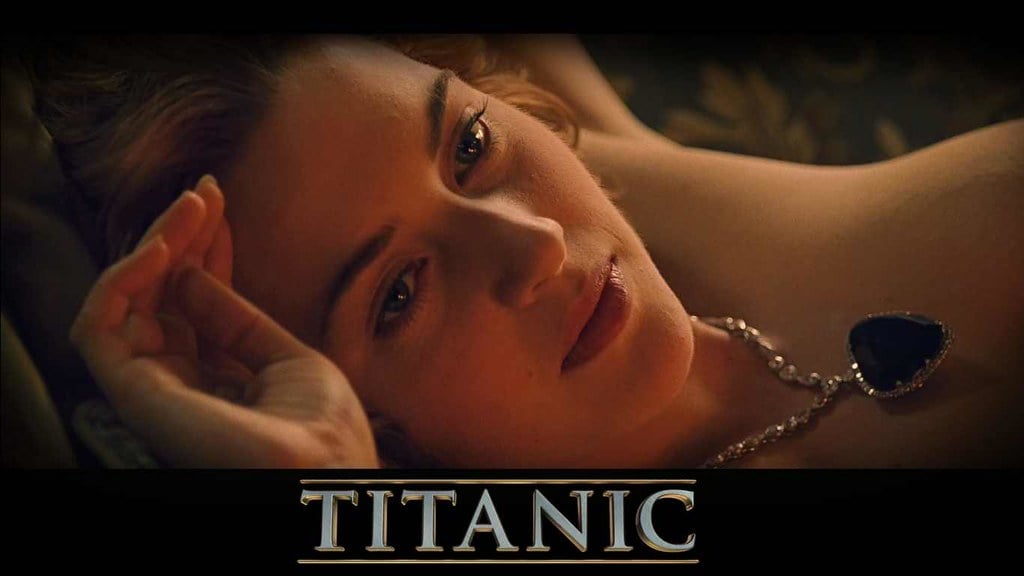
The scene where Jack sketches Rose shows hands drawing on paper. Those are James Cameron’s hands, not Leonardo DiCaprio’s.
Cameron studied art and could draw well enough to create a convincing portrait in real time. DiCaprio’s hands appear in wide shots, but the close-ups of the actual drawing belong to the director.
Cameron wanted control over how the drawing looked and progressed. He knew exactly what the portrait needed to convey about Jack’s talent and sensitivity. Rather than teaching DiCaprio to draw or hiring a hand model, Cameron just did it himself.
The final portrait hanging in old Rose’s collection was also drawn by Cameron. He spent hours getting the facial features and shading exactly right.
The drawing appears multiple times throughout the film, so it needed to look professional and consistent.
The Godfather’s Cat Was a Stray

The cat that Marlon Brando holds in the opening scene wasn’t in the script. Francis Ford Coppola found it wandering around the studio lot and handed it to Brando right before filming.
The cat purred so loudly that it muffled some of Brando’s dialogue. Sound editors had to boost his voice in post-production.
Brando’s gentle stroking of the cat added a layer of complexity to Vito Corleone’s character. He’s ordering a killing while petting a stray.
The contrast between violence and tenderness became central to how audiences understood the Corleone family. That stray cat crystallized the film’s entire moral ambiguity in one image.
The scene works because Brando didn’t know the cat would be there. His natural comfort with the animal feels authentic because it is.
He’s not performing gentleness. He’s just being gentle with a cat that happened to cross his path.
Pulp Fiction’s Clocks Don’t Make Sense

Time ticks at 4:20 on every watch and wall clock in Pulp Fiction. Across scenes that jump forward then back, the numbers keep showing up.
Some viewers believe it holds a secret meaning. Others think Tarantino placed them there because he liked how it looked.
For years people have talked about why – none have agreed. Why does the clock keep looping? Tarantino stays quiet on that.
Mysteries tend to stick around when he’s involved. That moment might mean something deep or absolutely zilch.
A few viewers tie it to rebellion from the late sixties. Some see it as a dark punchline, mocking how time holds no real weight.
What counts more is not the answer but that folks still point it out, share thoughts on repeat.
Spotting a single 4:20 clock pulls your eyes toward the edges of the scene.
Because of that, small things once ignored now stand out clearly. With focus sharpened, hidden pieces placed by Tarantino become hard to miss.
Why These Details Matter
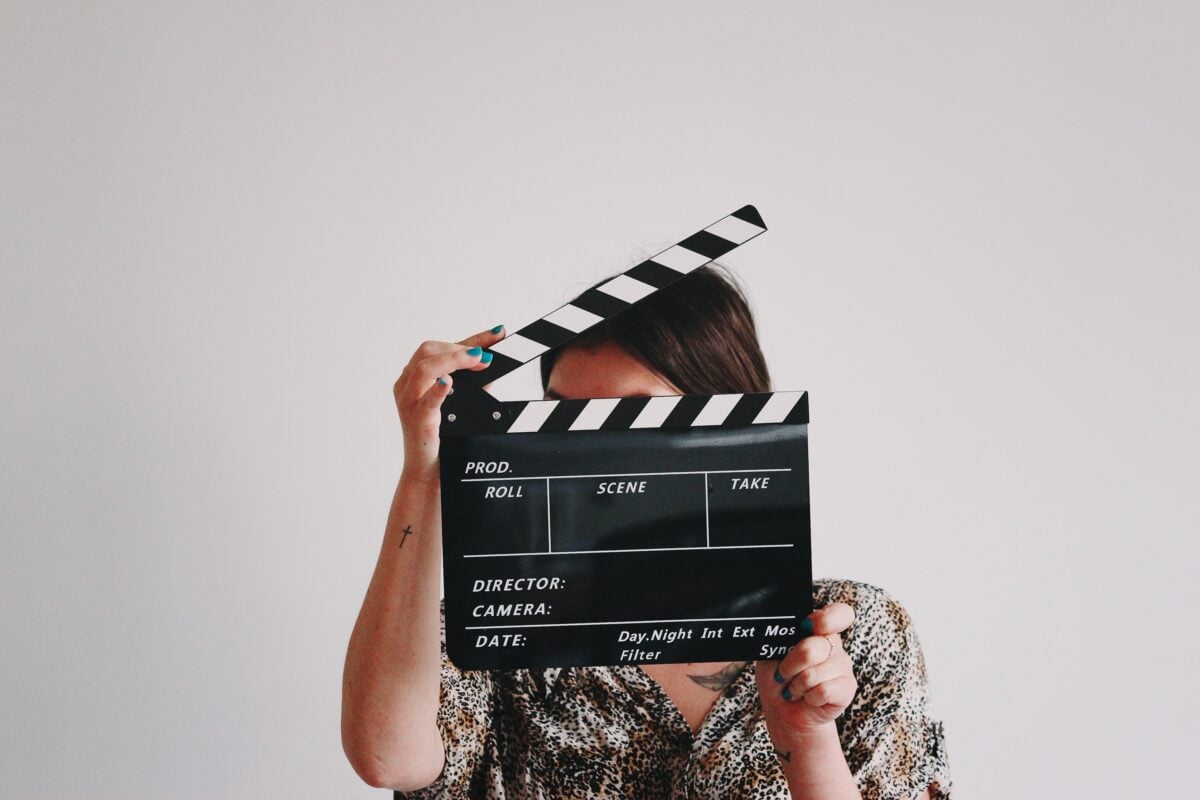
Not every film gets everything right. Workers behind the scenes deal with colds, dropped lines, gear that fails mid-shot, animals wandering into frame – one time they filmed a duel early since the actor had stomach illness and could not wait.
Odd gaps like these somehow become what viewers remember most, long after release dates fade. What happens off camera often holds deeper interest than the finished piece ever can.
A movie delivers one kind of moment. Learning how close it came to falling apart offers a different one.
These two truths sit side by side, each real without canceling the other. Where wonder lives, so does chaos – they’re made of identical stuff.
More from Go2Tutors!

- The Romanov Crown Jewels and Their Tragic Fate
- 13 Historical Mysteries That Science Still Can’t Solve
- Famous Hoaxes That Fooled the World for Years
- 15 Child Stars with Tragic Adult Lives
- 16 Famous Jewelry Pieces in History
Like Go2Tutors’s content? Follow us on MSN.



