16 Electric Car Facts That May Surprise You
Electric cars aren’t just a recent trend that popped up with Tesla – they’ve been around way longer than most people realize, and they’re packed with surprising features that even car enthusiasts don’t know about. While everyone’s talking about the environmental benefits and fancy tech features, there are some genuinely mind-blowing facts about electric vehicles that might change how you think about them.
From their unexpected history to their incredible performance capabilities, electric cars are full of surprises. Here’s a list of 16 electric car facts that may surprise you.
Electric cars predate gasoline cars

The first electric vehicle was actually built in 1891, about 15 years before the first practical gasoline car hit the roads. In fact, by 1900, electric cars made up about one-third of all vehicles on American roads, outselling both gasoline and steam-powered cars.
The early electric car boom only ended because gasoline became cheaper and the electric starter motor made gas cars easier to operate.
They can power your house during outages
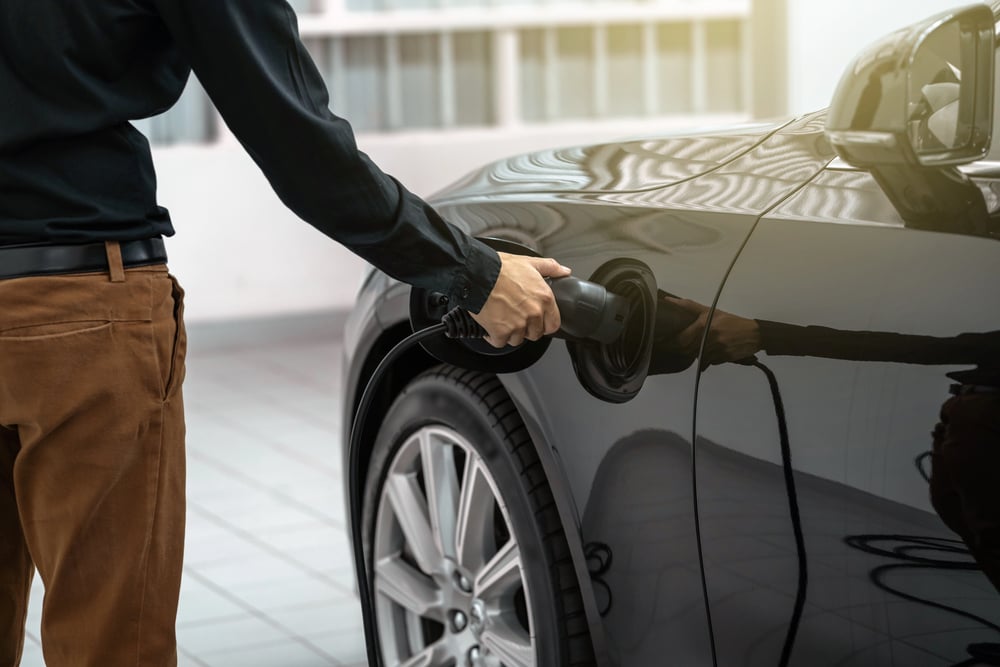
Many modern electric cars can actually run your entire house during a power outage through a feature called vehicle-to-grid technology. A typical EV battery pack contains enough energy to power an average American home for 2-3 days, and some models like the Ford F-150 Lightning can supply up to 9.6 kilowatts of power.
It’s like having a massive backup generator that you can also drive to work.
Like Go2Tutors’s content? Follow us on MSN.
Electric cars have fewer moving parts than mechanical watches

While a typical gasoline engine has over 2,000 moving parts, an electric motor has fewer than 20. This means there are fewer things that can break down, which is why electric cars typically require about 40% less maintenance than gas vehicles.
No oil changes, spark plugs, timing belts, or transmission repairs – just rotate the tires and replace the brake pads occasionally.
They’re faster off the line than most supercars

Electric motors deliver maximum torque instantly, unlike gas engines that need to rev up to reach peak power. The Tesla Model S Plaid can go from 0 to 60 mph in just 1.99 seconds, making it faster than a Bugatti Chiron or McLaren 720S.
Even more affordable electric cars like the Tesla Model 3 can outaccelerate most sports cars from a standstill.
Norway leads the world in electric car adoption

About 80% of all new cars sold in Norway are electric, making it the global leader in EV adoption. The country achieved this through aggressive incentives like no purchase tax, free tolls, free parking, and access to bus lanes.
Norway’s success proves that with the right policies, entire countries can rapidly shift to electric transportation.
Like Go2Tutors’s content? Follow us on MSN.
Electric car batteries can last over 20 years
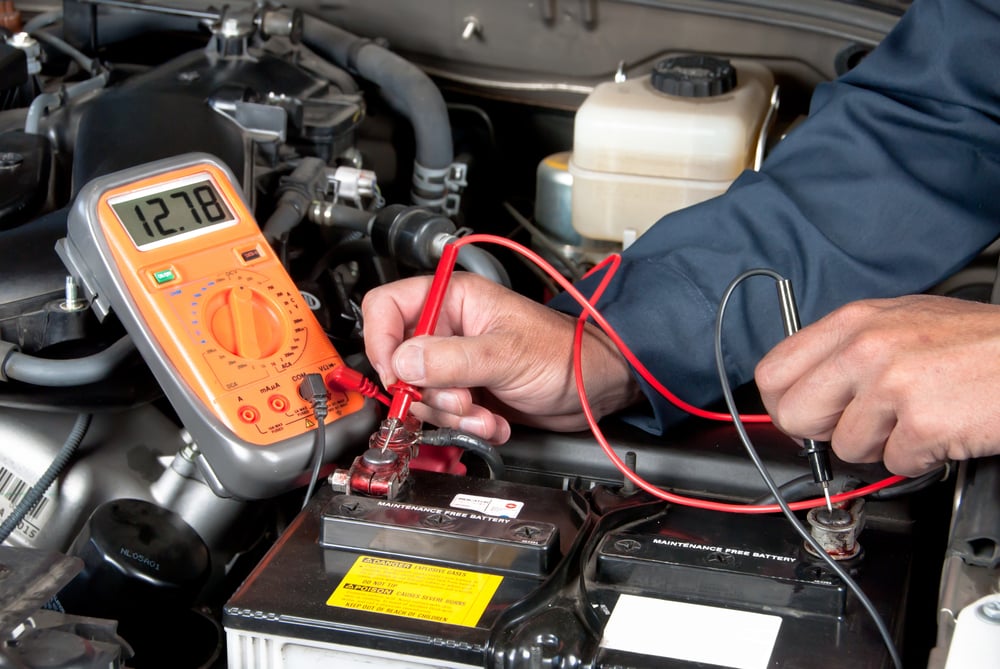
Contrary to popular belief, EV batteries don’t just die after a few years like your phone battery. Tesla’s data shows that their batteries retain about 90% of their capacity after 200,000 miles of driving.
Many electric car batteries are designed to last 300,000 to 500,000 miles, and when they’re no longer suitable for cars, they get second lives as home energy storage systems.
They’re quieter than libraries
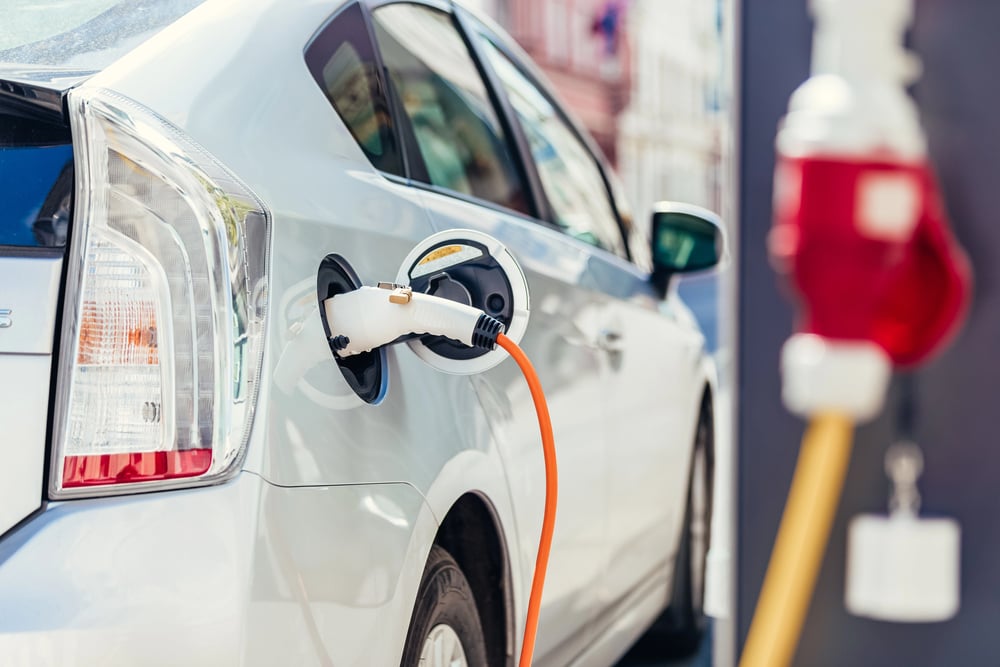
Electric cars produce virtually no noise at low speeds, which is why regulations now require them to make artificial sounds for pedestrian safety. At highway speeds, the only sounds you hear are wind and tire noise, making the cabin quieter than many luxury gas cars.
Some EVs are so quiet that manufacturers have had to add fake engine sounds to make drivers feel more connected to the driving experience.
China manufactures most of the world’s electric cars
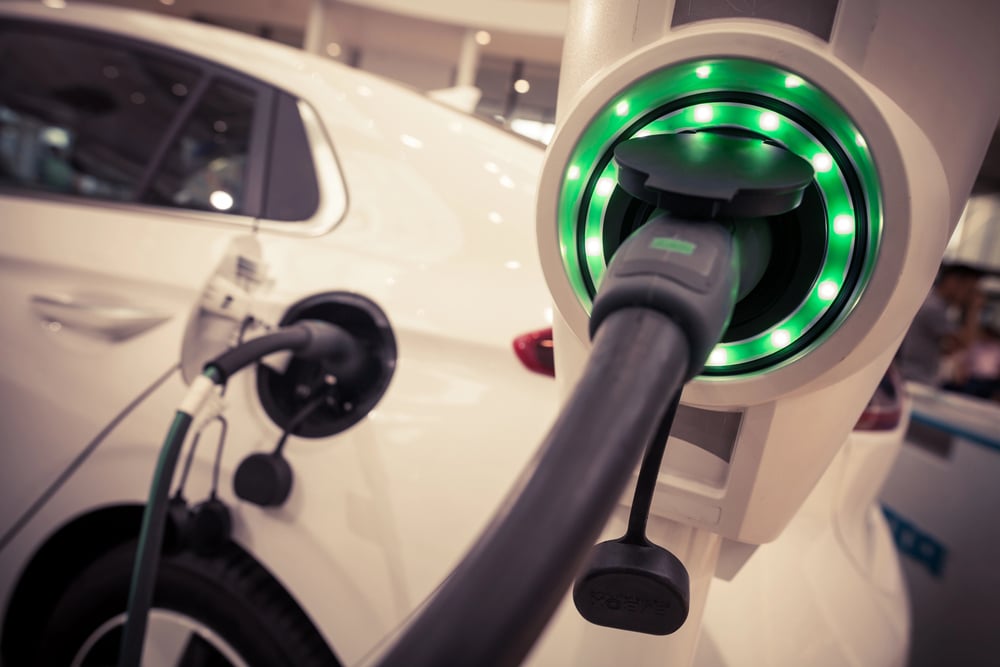
China produces about 50% of all electric vehicles globally and has more EV manufacturers than any other country. Chinese companies like BYD actually sell more electric cars than Tesla in many markets, though most Americans haven’t heard of them yet.
The country’s dominance in EV manufacturing is largely due to government subsidies and a massive domestic market.
Like Go2Tutors’s content? Follow us on MSN.
Electric cars can be charged by solar panels
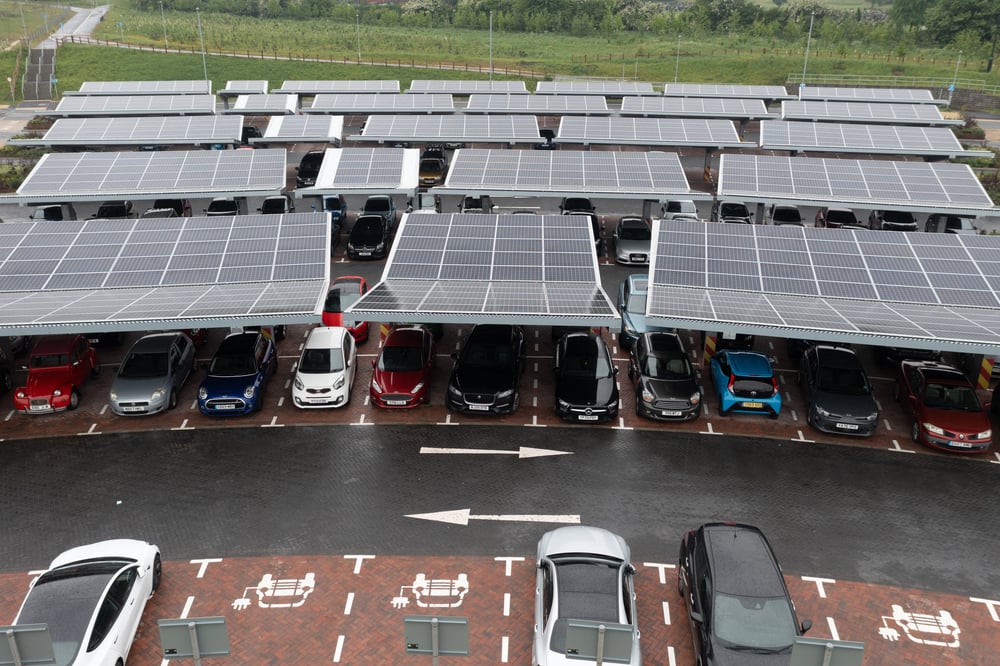
A typical home solar panel system can generate enough electricity to power an electric car for about 12,000 miles per year. This means you can essentially drive on sunshine, making your transportation completely renewable and often cheaper than paying for grid electricity.
Some EV owners report driving costs as low as 3 cents per mile when using solar power.
They perform better in cold weather than you’d expect

While electric cars do lose some range in cold weather, they actually start more reliably than gas cars in freezing temperatures because electric motors don’t need to warm up fluids or combust fuel. Many EVs have battery heating systems that can warm the battery while plugged in, so you start with full range.
Plus, electric cars heat up the cabin much faster than gas cars since they don’t need to wait for engine heat.
Electric car motors are over 95% efficient

Internal combustion engines waste about 70% of their energy as heat, while electric motors convert over 95% of electrical energy into motion. This incredible efficiency is why electric cars can travel much farther on the equivalent energy content of a gallon of gasoline.
It’s like comparing a LED lightbulb to an old incandescent – there’s just no contest.
Like Go2Tutors’s content? Follow us on MSN.
They can drive themselves better than humans in some situations

Many electric cars come with advanced driver assistance features that can actually prevent accidents better than human reflexes. Tesla’s Autopilot system has been involved in far fewer accidents per mile than the average human driver, and features like automatic emergency braking can stop a car faster than most people can react.
The computers never get tired, distracted, or impaired.
Electric trucks can tow more than diesel trucks

The GMC Hummer EV pickup truck can tow 11,500 pounds, while producing 1,000 horsepower and 11,500 lb-ft of torque. Electric motors’ instant torque makes them ideal for towing heavy loads, and many electric trucks outperform their diesel counterparts in towing capacity.
The upcoming Tesla Cybertruck claims it can tow up to 14,000 pounds while still maintaining decent range.
They’re cheaper to operate than gas cars

The average American spends about 12 cents per mile on gasoline, while electricity costs about 4 cents per mile for the same distance in an electric car. Over a year of typical driving, this saves about $1,000 in fuel costs alone.
When you add in the reduced maintenance costs, electric cars often cost half as much to operate as comparable gas vehicles.
Like Go2Tutors’s content? Follow us on MSN.
Electric car charging is faster than filling up with gas

While home charging takes hours, DC fast charging can add 200+ miles of range in just 15-20 minutes, which is actually faster than stopping for gas when you factor in payment processing and getting back on the road. The newest charging stations can deliver over 300 kilowatts of power, and battery technology keeps improving to accept faster charging speeds. Soon, charging times will be comparable to a quick coffee break.
They can update themselves like smartphones

Electric cars receive over-the-air software updates that can add new features, improve performance, and fix problems without visiting a dealership. Tesla has pushed updates that increased driving range, improved acceleration, added new games, and even enhanced the sound system.
It’s like getting a new car every few months without buying anything new.
When innovation meets everyday driving
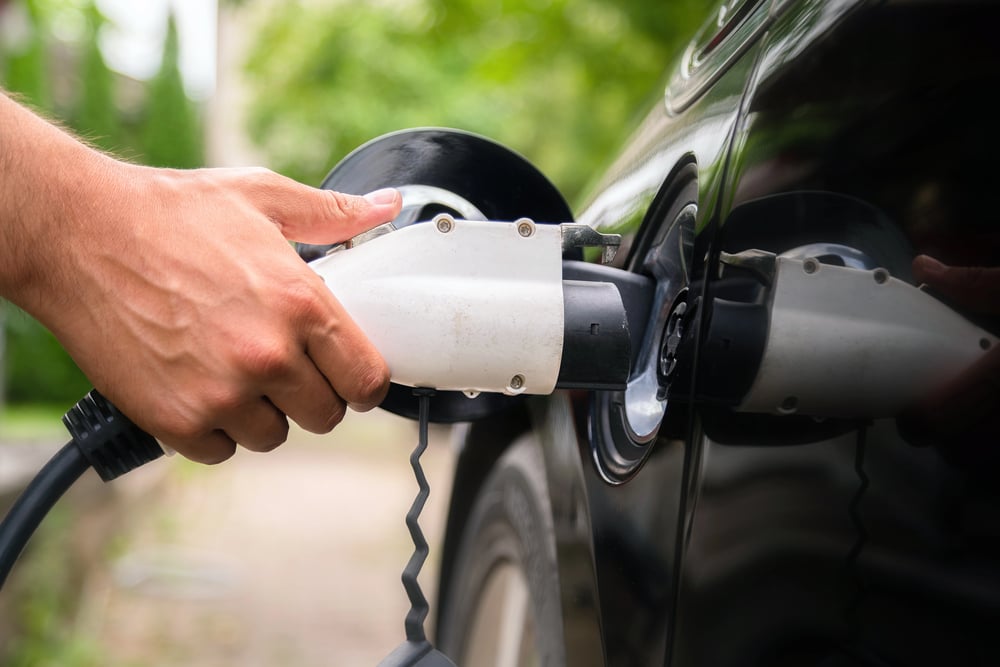
These surprising facts show that electric cars have evolved far beyond simple gas alternatives – they’re fundamentally different machines that happen to be better at almost everything. From their unexpectedly long history to their cutting-edge technology, EVs represent the biggest transportation revolution since the invention of the automobile itself.
The transition to electric isn’t just about being environmentally friendly anymore – it’s about having cars that are faster, quieter, more reliable, and cheaper to operate than anything we’ve driven before. As charging infrastructure improves and battery costs continue dropping, these advantages will only become more obvious to anyone considering their next vehicle purchase.
Like Go2Tutors’s content? Follow us on MSN.
More from Go2Tutors!

- 16 Historical Figures Who Were Nothing Like You Think
- 12 Things Sold in the 80s That Are Now Illegal
- 15 VHS Tapes That Could Be Worth Thousands
- 17 Historical “What Ifs” That Would Have Changed Everything
- 18 TV Shows That Vanished Without a Finale
Like Go2Tutors’s content? Follow us on MSN.