How 15 Departed U.S. Presidents Actually Died
Death comes for everyone, including the most powerful leaders in American history. While some presidents lived long, peaceful lives after leaving office, others met their end in ways that shocked the nation or quietly slipped away from illnesses that medicine couldn’t yet cure.
Let’s look at the real stories behind how these leaders spent their final days and what actually caused their deaths.
George Washington

The first president didn’t make it to see the new century. Washington spent a cold December day in 1799 riding around his Mount Vernon estate in snow and sleet, checking on his farms.
The next morning, he woke up with a severe throat infection that made breathing difficult. His doctors tried everything they knew at the time, including bloodletting, which removed nearly half his blood over several hours.
The combination of the infection, likely acute epiglottitis, and the aggressive medical treatments killed him within two days. He was 67 years old and died in his bed, telling his secretary to make sure they waited two days before burying him because he feared being buried alive.
William Henry Harrison
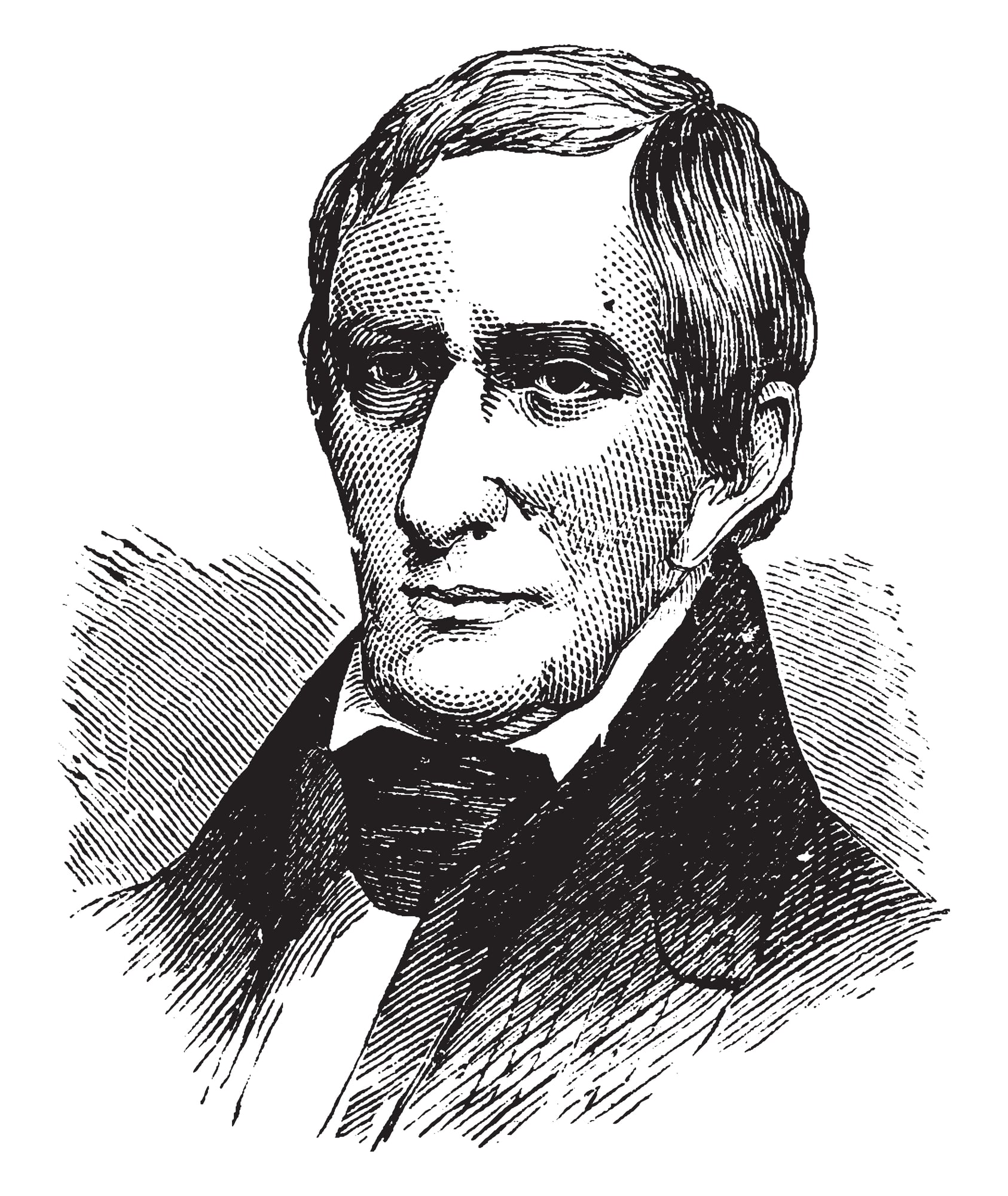
Harrison holds the record for the shortest presidency in American history, dying just 31 days after taking office. The popular story claims he gave a nearly two-hour inaugural address in cold, wet weather without a coat and caught pneumonia.
Recent research suggests the truth might be different. He likely died from enteric fever, caused by contaminated water or food in the White House, which had sewage issues at the time.
His doctors treated him with various remedies including opium, castor oil, and brandy, but nothing worked. The 68-year-old president died on April 4, 1841, never having a real chance to govern.
Zachary Taylor

Taylor’s death in 1850 sparked conspiracy theories that lasted over a century. On a hot Fourth of July, the president attended ceremonies at the Washington Monument and consumed large amounts of cold milk, iced water, and raw cherries.
Within days, he developed severe stomach cramps and fever. His doctors diagnosed cholera morbus, and he died five days later at age 65.
Rumors of arsenic poisoning persisted for so long that his body was exhumed in 1991. Tests showed no evidence of poisoning.
He most likely died from gastroenteritis caused by contaminated food or water, though some modern doctors think it could have been acute gastritis or even typhoid fever.
Abraham Lincoln
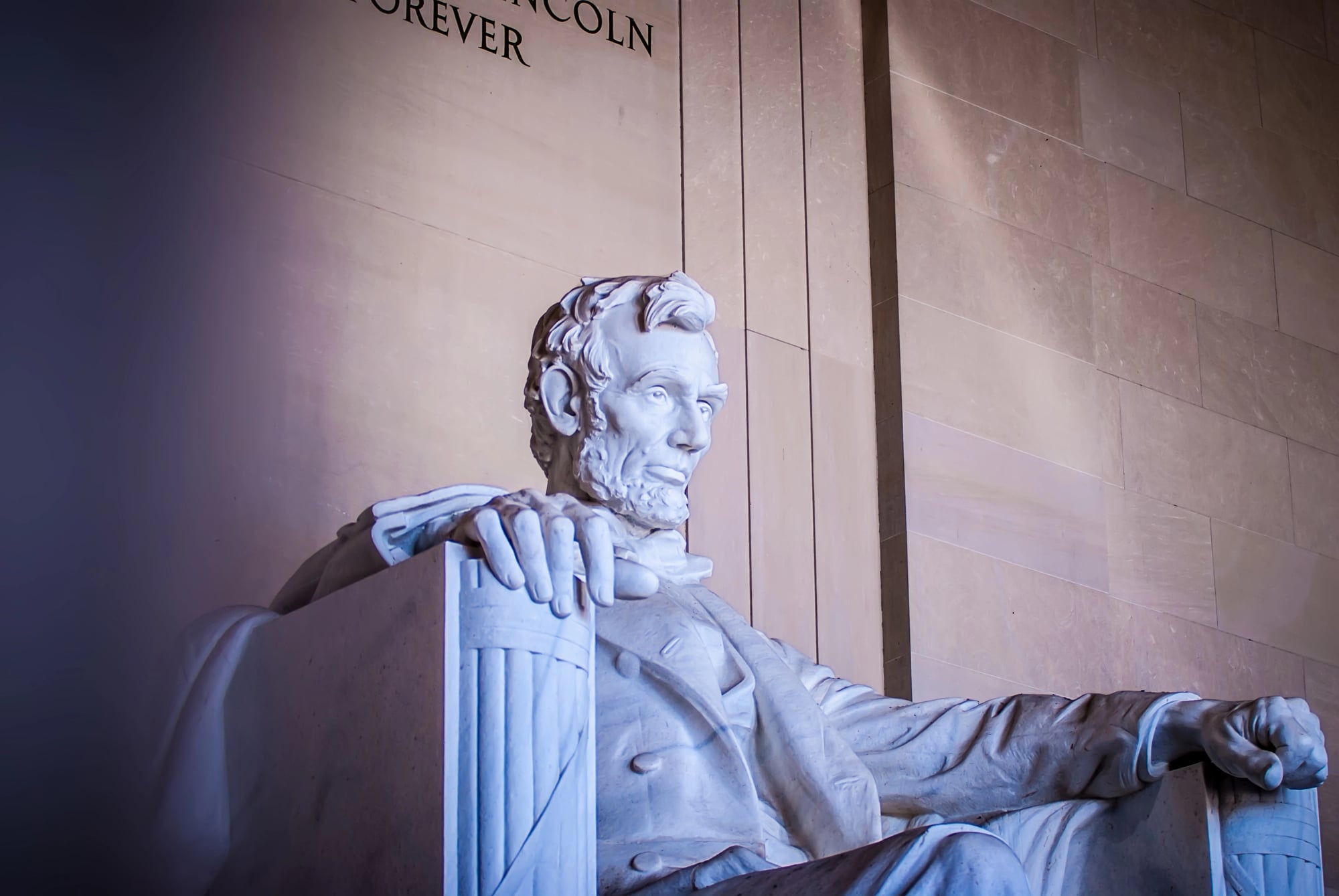
Everyone knows Lincoln was shot, but the details of his death reveal how long he actually suffered. John Wilkes Booth fired a single bullet into the back of Lincoln’s head at Ford’s Theatre on April 14, 1865.
The president never regained consciousness after the shot. Doctors carried him across the street to a boarding house because they knew moving him farther would kill him immediately.
He lay in a coma for nine hours while doctors monitored his failing vital signs. The bullet had torn through his brain, and pieces of his skull were embedded in the tissue.
Lincoln died at 7:22 the next morning at age 56, becoming the first U.S. president assassinated.
James Garfield
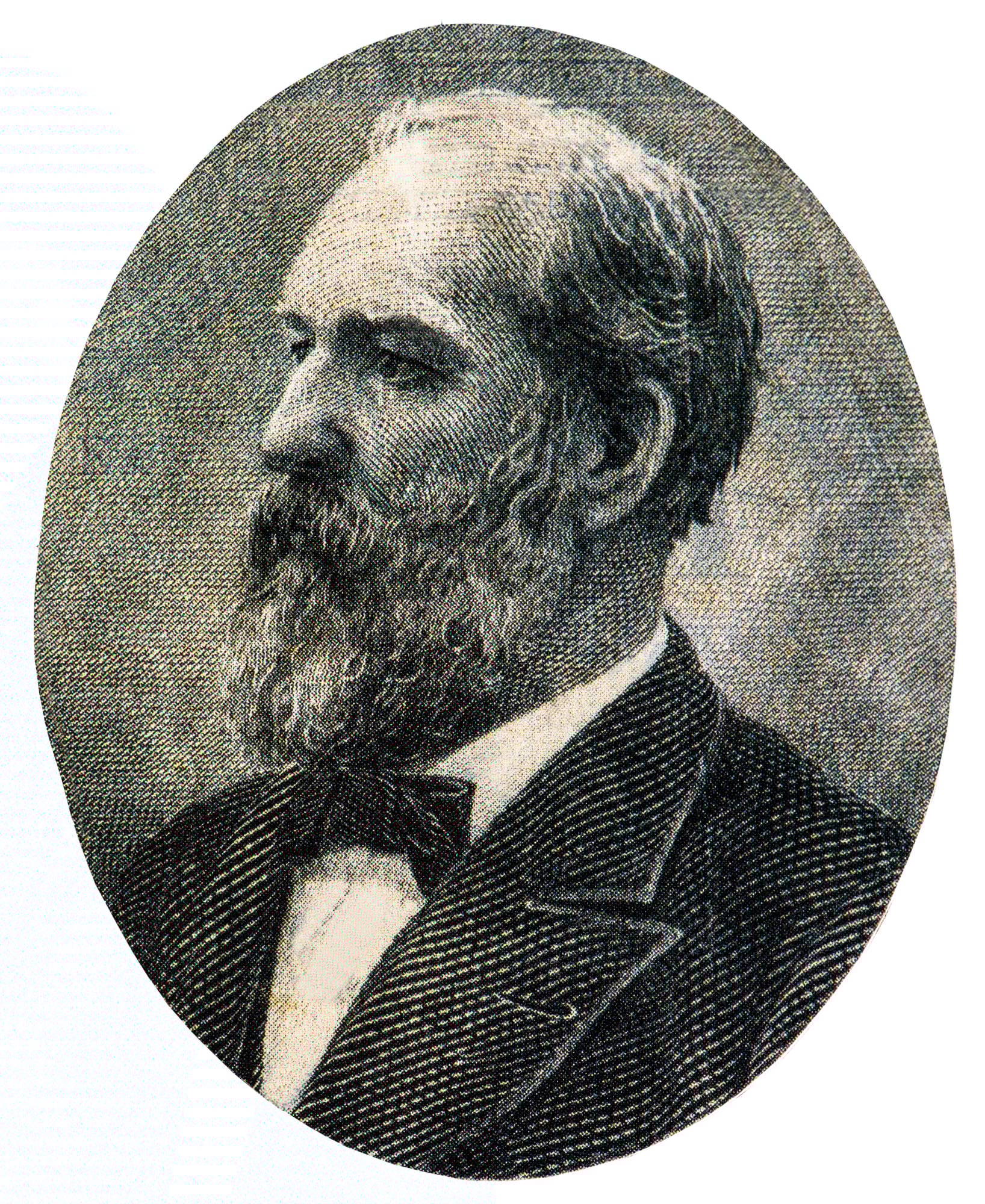
Garfield survived longer than most people realize after being shot. Charles Guiteau fired two bullets at the president in a Washington train station on July 2, 1881.
One grazed his arm, but the other lodged deep in his abdomen. For 80 days, Garfield lingered while doctors repeatedly probed the wound with unsterilized instruments and fingers, searching for the bullet.
Alexander Graham Bell even tried using a metal detector he invented to locate it, but the metal bed frame interfered with the device. The president died on September 19, 1881, at age 49, not from the bullet itself but from infection and blood poisoning caused by his doctors’ unhygienic practices.
Chester Arthur

Arthur worked hard to keep his failing health secret from the public during his presidency. He had been diagnosed with Bright’s disease, a kidney condition, in 1882.
The illness caused fatigue and other symptoms that made governing difficult, but Arthur refused to tell Americans he was dying. After leaving office in 1885, his health declined rapidly.
He died at his home in New York City on November 18, 1886, at age 57. Right before his death, Arthur ordered nearly all his papers and correspondence burned, taking many presidential secrets to the grave with him.
William McKinley

McKinley’s assassination shows how far medicine still had to go in 1901. Leon Czolgosz shot the president twice in the abdomen at close range during a reception in Buffalo, New York.
Doctors operated immediately in poor lighting at the exposition’s emergency hospital. They found one bullet path but couldn’t locate the second bullet, so they closed him up.
For a week, McKinley seemed to improve and doctors announced he would recover. Then gangrene set in around the wound.
The president died on September 14, 1901, at age 58, eight days after the shooting. If the shooting had happened just a year later, the new X-ray machine at the exposition could have found the bullet and possibly saved his life.
Warren Harding

Harding’s sudden death during a West Coast tour created immediate speculation and conspiracy theories. The president had been feeling ill for several days with what doctors called food poisoning from bad crabmeat.
On August 2, 1923, he was resting in his San Francisco hotel room when his wife was reading him a newspaper article. He suddenly shuddered and died at age 57.
His personal physician attributed it to a stroke, though no autopsy was performed at his wife’s request. Modern medical experts believe he likely died from a heart attack, given his history of heart disease, high blood pressure, and heavy drinking.
The lack of an autopsy fueled decades of poisoning rumors.
Franklin D. Roosevelt

Roosevelt’s declining health was obvious to those who saw him in his final months, but most Americans didn’t realize how sick their president had become. He suffered from severe hypertension and cardiovascular disease that his doctors couldn’t control.
On April 12, 1945, Roosevelt was sitting for a portrait at his Georgia retreat when he suddenly complained of a terrible headache and collapsed. He had suffered a massive cerebral hemorrhage.
The president died within hours at age 63, just months before the end of World War II. His blood pressure had reached dangerously high levels in the weeks before his death, and doctors knew he was living on borrowed time.
John F. Kennedy

The assassination in Dallas remains one of the most analyzed deaths in American history. Lee Harvey Oswald fired three shots from the Texas School Book Depository on November 22, 1963.
The first bullet missed, the second passed through Kennedy’s neck, and the third struck his head. The president was rushed to Parkland Hospital where doctors performed emergency procedures, but the head wound was too severe.
Kennedy was pronounced dead at 1:00 PM, just 30 minutes after being shot. He was 46 years old, the youngest president to die in office.
The brutal and public nature of his death, captured on film by Abraham Zapruder, traumatized a nation.
Lyndon B. Johnson

Johnson had survived a massive heart attack in 1955, and heart disease continued to threaten him throughout his life. After leaving office in 1969, he ignored his doctors’ advice about diet and exercise.
He started drinking and eating heavily again, and he took up the habit of using nicotine once more after years of abstaining. On January 22, 1973, Johnson was alone at his Texas ranch when he suffered a fatal heart attack.
Secret Service agents found him on his bedroom floor with a telephone in his hand. He was 64 years old and had died trying to call for help, just two days after Richard Nixon’s second inauguration.
Richard Nixon

Nixon stayed alive more years past presidency than any 20th-century U.S. leader. Back in ’74, inflammation in his leg veins almost ended him right after stepping down.
By the mid-90s, he was resting at his house in New Jersey until a major brain hemorrhage hit on April 18, 1994. That event blocked speech and reactions, but he could still sense things for a while.
Because of how old he was and his health, relatives chose comfort care instead. Nixon passed away on April 22, 1994 – just four days after falling ill – at the age of 81, his daughters by his side.
Although his time in office stirred heated debate, he left quietly, laid to rest next to Pat, his wife, in California.
Ronald Reagan

Reagan held the title of oldest U.S. president until George H.W. Bush lived longer. Once out of office by ’89, he got news of Alzheimer’s in ’94 – then shared a heartfelt note with citizens.
Over time, it chipped away at his memories, so much that familiar faces, even relatives, meant nothing. For those last years, he stayed quiet and off-camera, living privately in California.
Reagan passed away June 5, 2004, aged 93, due to pneumonia made worse by Alzheimer’s. The official record showed the brain condition played a key role – this was among the earliest moments a U.S. leader’s passing spotlighted such illness.
While many knew little back then, his case sparked wider awareness across the country.
Gerald Ford

Ford lived longer than any other U.S. leader, hitting 93 years and 165 days when he passed away. Once a sports player and sailor, he stayed busy past age eighty – playing golf, showing up at gatherings.
Lately, though, heart troubles made things harder. Multiple hospital visits happened in 2006 due to circulation problems.
Then, on December 26 that year, he died at his house in Rancho Mirage, CA, caused by blocked brain arteries and widespread hardening of vessels. He’d been getting hospice help while his wife Betty stayed close by.
The end happened only weeks ahead of what would’ve been his 94th trip around the sun.
George H.W. Bush
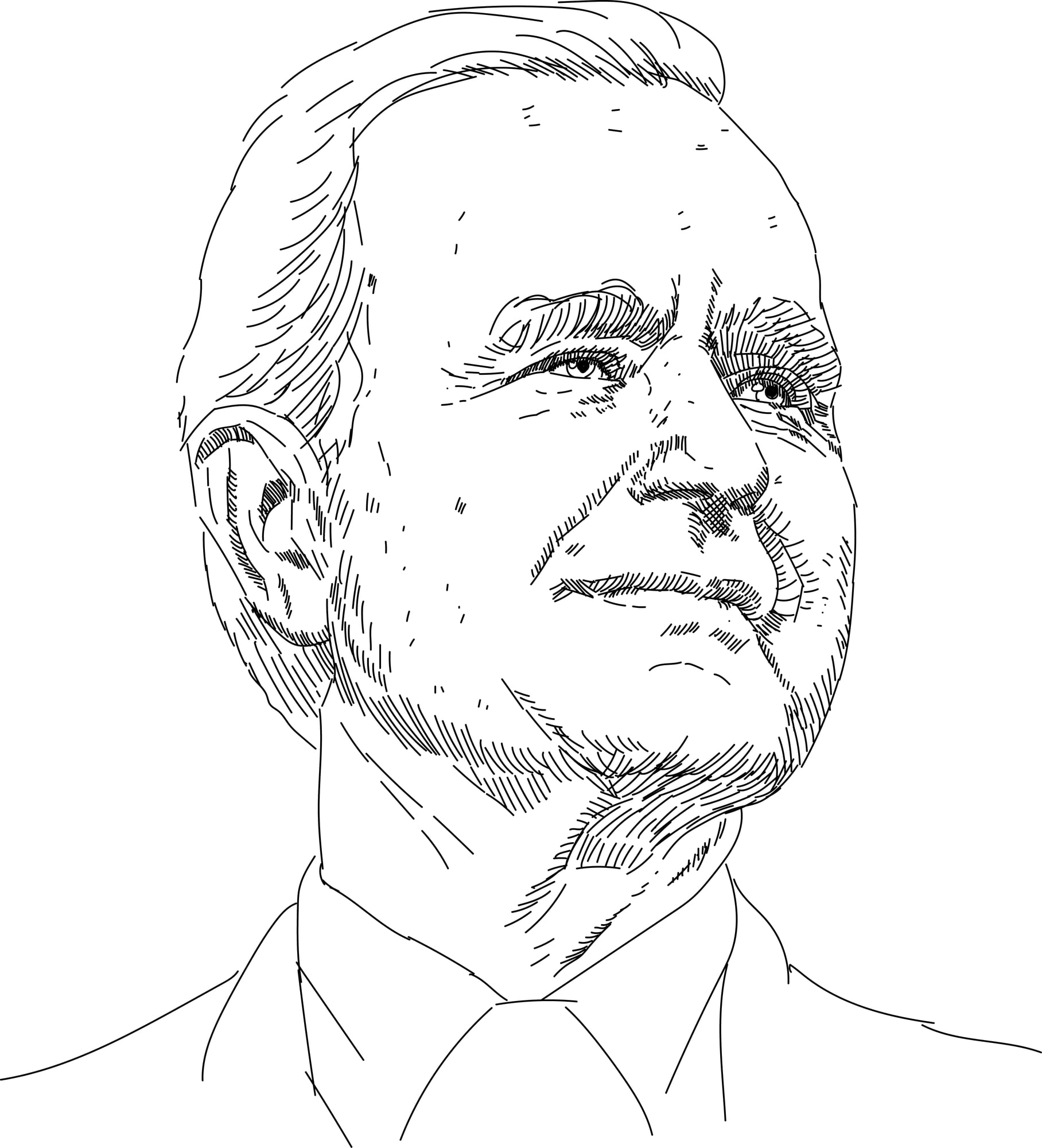
Bush made it to 94, outliving every other U.S. president ever. Once a Navy flyer and head of the CIA, he stayed busy late into life – on his 90th, he jumped from a plane just for fun.
As time passed, a type of Parkinson’s took hold, stopping him from walking so he used a chair instead. He passed away on November 30, 2018, while getting comfort care at his house in Houston.
His last months were tough following his wife Barbara’s passing earlier that year. Around him were loved ones when he died at 94, merely eight months after saying goodbye to the woman he’d shared 73 years with.
The heaviness of the workplace

Running the country wears you out – just look at how each leader changes over time. Medicine’s come a long way from when Washington lost pints of blood or Garfield died because his doctors didn’t wash their hands.
Nowadays, commanders-in-chief get top-tier medical care, but the pressure still leaves marks. It hits home that these powerful figures aren’t superhuman – they face illness, injury, and aging just like anyone else.
More from Go2Tutors!

- The Romanov Crown Jewels and Their Tragic Fate
- 13 Historical Mysteries That Science Still Can’t Solve
- Famous Hoaxes That Fooled the World for Years
- 15 Child Stars with Tragic Adult Lives
- 16 Famous Jewelry Pieces in History
Like Go2Tutors’s content? Follow us on MSN.