16 Facts About the Eiffel Tower History
The Eiffel Tower stands tall in Paris, recognized instantly by people around the world. This iron structure has become more than just a building.
It represents French culture, engineering brilliance, and the spirit of a city that never stops drawing visitors from every corner of the globe. Most people snap photos in front of it, but few know the wild stories behind its construction.
Let’s dive into some surprising facts that shaped this famous landmark.
It was built for a world’s fair
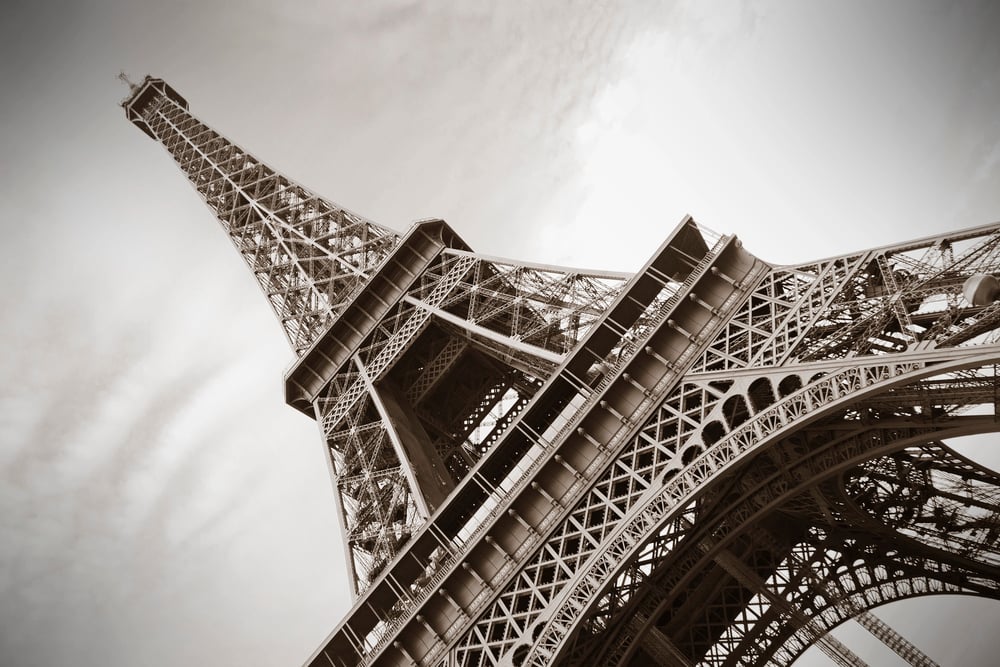
Gustave Eiffel designed this tower specifically for the 1889 Exposition Universelle, a world’s fair celebrating the 100th anniversary of the French Revolution. The event drew millions of visitors to Paris, and organizers wanted something that would blow everyone’s mind.
The tower did exactly that, standing as the tallest man-made structure on Earth at the time. What started as a temporary exhibit became a permanent symbol of innovation.
Parisians hated it at first
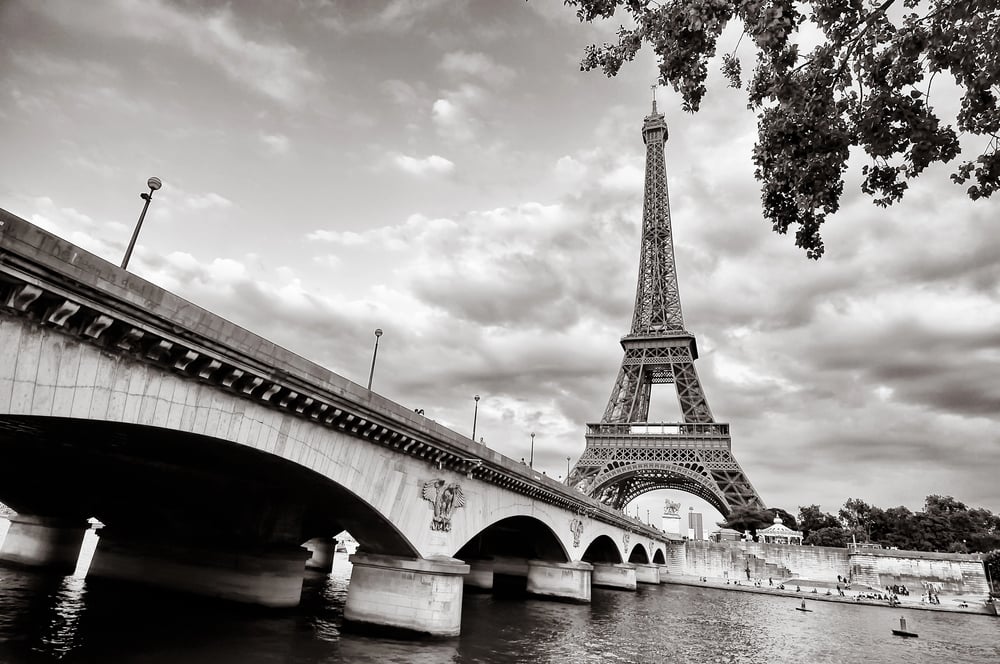
When construction began, artists and intellectuals in Paris were furious. They called it an eyesore, a metal monstrosity ruining the city’s beautiful skyline.
A group of prominent writers and painters even published a letter calling it ‘useless and monstrous.’ The criticism was so harsh that Gustave Eiffel had to defend his creation publicly.
Today, it’s hard to imagine anyone thinking poorly of such an iconic structure.
The tower was almost torn down

The original plan called for dismantling the tower after 20 years. City officials viewed it as a temporary installation that would come down once its permit expired in 1909.
Eiffel saved his creation by proving its value for scientific experiments and radio transmission. The military found it useful for communication, especially during World War I.
That practical purpose kept it standing when aesthetics alone might not have been enough.
Gustave Eiffel had an apartment at the top

Eiffel built himself a small apartment near the tower’s peak, and he used it as a private office and retreat. He rarely let visitors inside, making it one of the most exclusive spaces in Paris.
Thomas Edison visited once, and the two inventors spent time discussing their work. The apartment still exists today, complete with wax figures of Eiffel and Edison recreating that historic meeting.
It took over two years to build

Construction started in January 1887 and finished in March 1889. More than 300 workers assembled the tower using about 2.5 million rivets.
The project moved remarkably fast for such a massive undertaking, especially considering the technology available at that time. Only one worker died during construction, which was unusual for a project of this scale in the 1880s.
The tower grows taller in summer
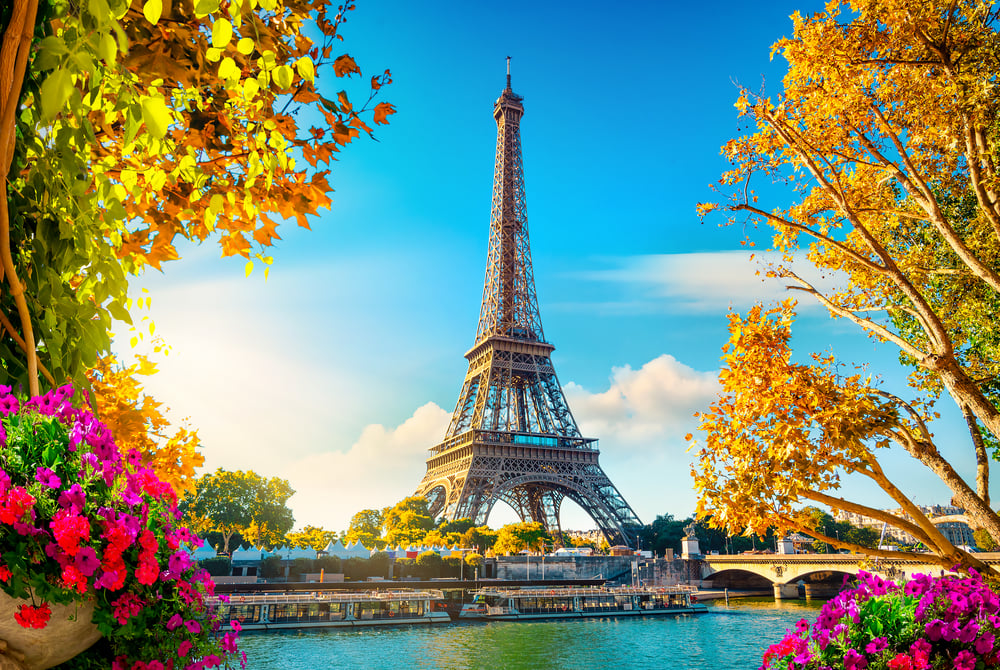
Heat makes the iron expand, and on hot days the tower can grow more than 6 inches. The side facing the sun expands more than the shaded side, causing the top to lean slightly away from the heat.
This movement is normal and completely safe. Engineers designed the structure to handle these temperature changes without any problems.
It was the world’s tallest structure for 41 years
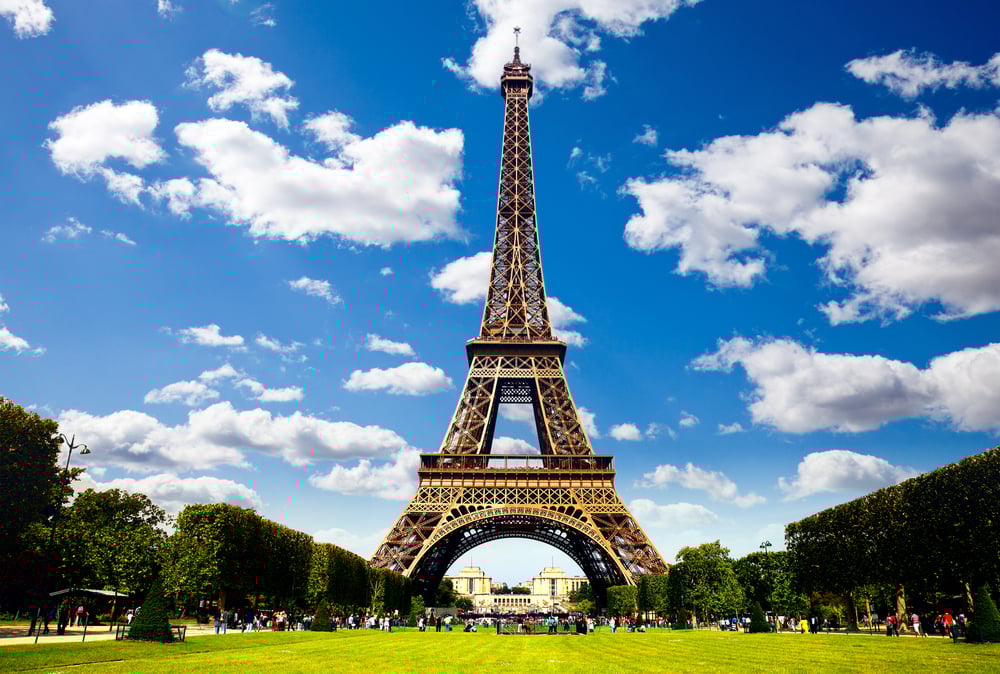
From 1889 until 1930, nothing else came close to its height of about 1,000 feet. The Chrysler Building in New York finally surpassed it, ending the Eiffel Tower’s reign as the tallest structure humans had ever built.
Even after losing that title, it remained the tallest structure in Paris until 1973. Its height made it perfect for radio and television broadcasting, which helped justify keeping it around.
The tower was used for scientific experiments
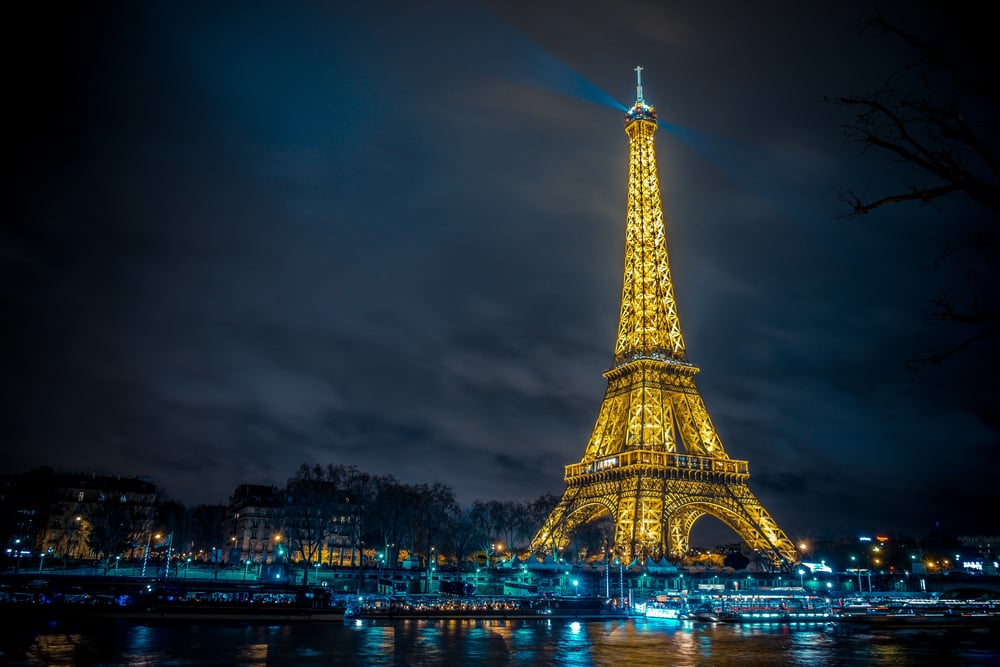
Eiffel was passionate about science, not just engineering. He conducted experiments on air resistance, meteorology, and physics using the tower as a giant laboratory.
Scientists dropped objects from various heights to study gravity and wind resistance. The tower also hosted early radio experiments that proved crucial for developing wireless communication.
Hitler ordered its destruction during World War II
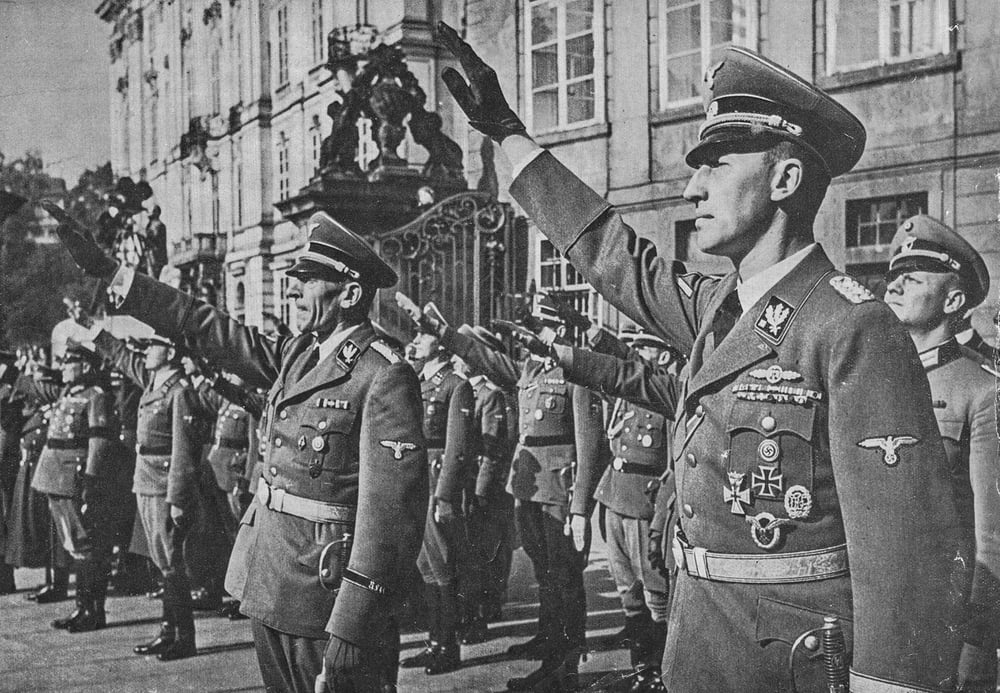
When German forces occupied Paris in 1940, Hitler commanded that the tower be demolished if the Allies tried to retake the city. French resistance fighters cut the elevator cables so Hitler would have to climb the stairs during his visit, and he chose not to bother.
As the Allies approached in 1944, the German military governor refused to carry out the destruction order. That act of disobedience saved one of the world’s most treasured landmarks.
It gets repainted every seven years

Maintaining the iron structure requires constant care, and a fresh coat of paint protects it from rust and weather damage. A team of painters uses about 60 tons of paint each time they refinish the entire tower.
The color has changed several times over the years, ranging from reddish-brown to yellow-brown to the current bronze shade. The job takes over a year to complete because workers must scrape off old paint by hand before applying new layers.
The tower has three levels open to visitors

Each level offers different experiences and views of Paris. The first level sits 187 feet up and includes glass floors where visitors can look straight down.
The second level reaches 377 feet and provides what many consider the best views of the city. The top level sits at 906 feet and houses a champagne bar along with a recreation of Eiffel’s office.
Over 300 million people have visited it

Since opening in 1889, the tower has welcomed countless visitors from every nation. About 7 million people visit each year, making it one of the most popular paid monuments in the world.
Some days during peak tourist season see more than 25,000 visitors climbing or riding elevators to various levels. The numbers keep growing as Paris remains one of the top tourist destinations on the planet.
Lightning strikes it about 5 times per year
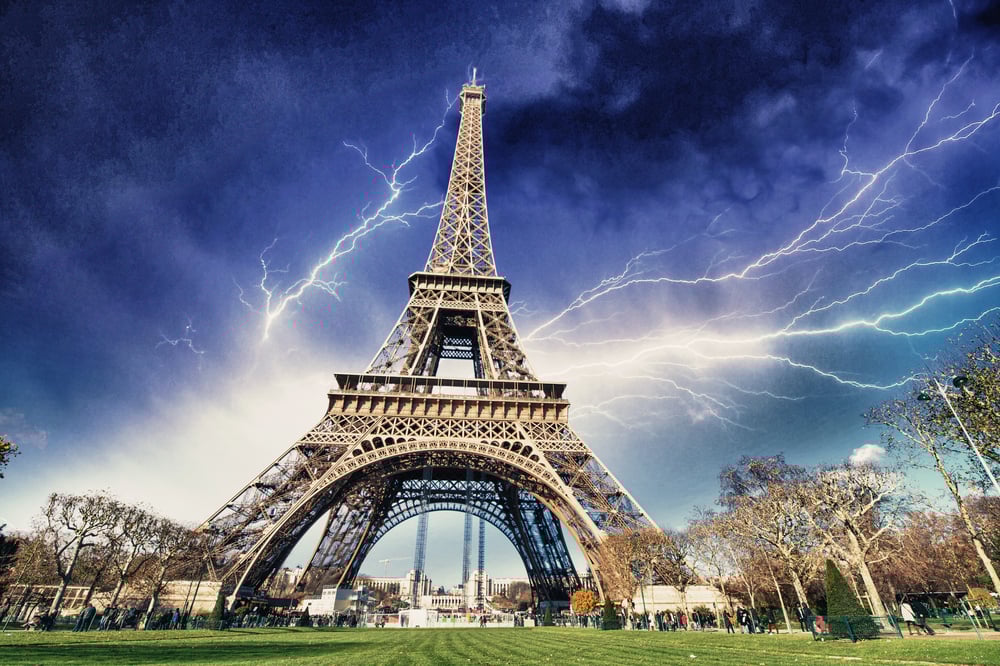
The tower’s height makes it a natural target for lightning during storms. Engineers installed a sophisticated lightning protection system that safely channels electrical charges into the ground.
The iron structure actually provides excellent protection, and no serious damage has ever occurred from a strike. Visitors and staff remain perfectly safe inside during thunderstorms.
Eiffel used the tower to prove his detractors wrong

Critics claimed the structure would collapse under its own weight or fall over in strong winds. Eiffel conducted careful calculations and wind tunnel tests to prove his design would work.
The tower has withstood every storm and earthquake that has hit Paris in over 130 years. His engineering precision silenced the doubters and established him as one of history’s great builders.
The tower sparkling lights were added in 2000
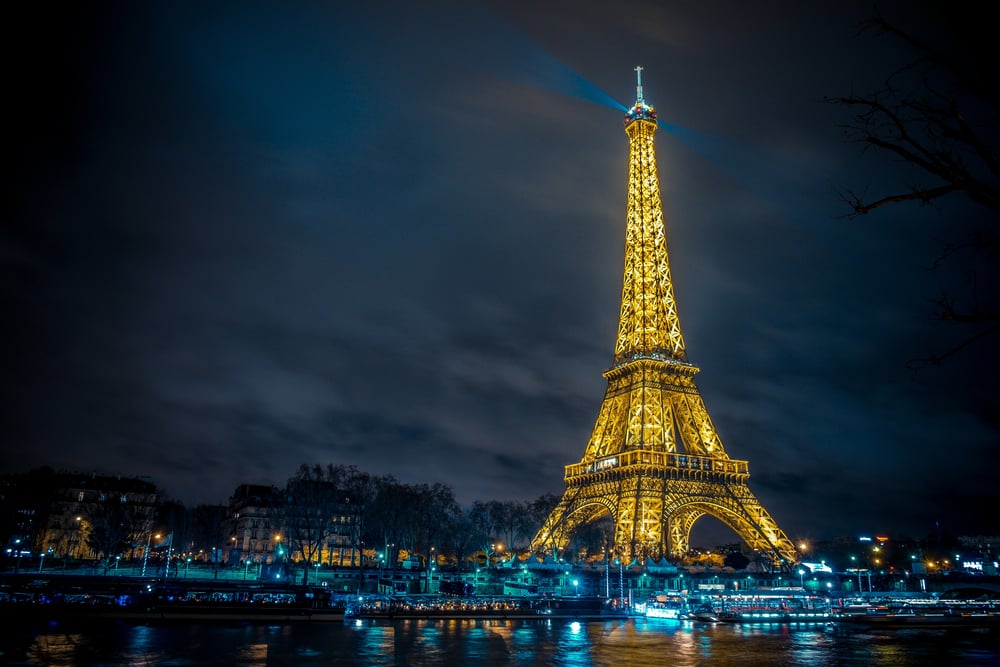
Every hour when night falls, tiny lights wake up across the iron bones of the tower. A decision made for one year stretched far beyond – crowds kept returning just to watch.
Instead of vanishing like planned, those flickers settled into daily rhythm. Bright moments last five minutes, then silence returns until the next chime.
Though small in power draw, their glow runs on modern LEDs, leaner than old bulbs. Twenty thousand points shine, replaced piece by piece as time wears them down.
What began as a farewell gesture now marks each passing hour.
It sways slightly in the wind

When wind blows hard, the tip of the tower sways roughly two or three inches. Built to handle such motion, its design favors give over rigidity – stiff structures tend to crack under pressure whereas yielding ones hold firm.
Wind force spreads smoothly through the iron bones, so no one spot takes too much strain. Up near the peak, people may notice slight rocking when gusts roll in, yet everything stays secure.
Stability wins out, even when it moves.
Once drawn, it stayed longer than anyone expected

Born out of protest, the Eiffel Tower was never meant to stay long. Yet somehow, eyes softened while its iron bones filled the air with meaning.
Where critics once saw noise, others began finding rhythm. Now it stands – not just seen but felt – by those crossing bridges and backstreets alike.
Time rewrote anger into affection, one glance at a time. A structure rejected at birth has come to cradle memory instead.
Judgments fade, even strong ones, when lived alongside something new. What insults the present may comfort the future.
Distance gives shape where closeness only finds flaws. Its shadow stretches across years, wider than anyone first guessed.
More from Go2Tutors!

- The Romanov Crown Jewels and Their Tragic Fate
- 13 Historical Mysteries That Science Still Can’t Solve
- Famous Hoaxes That Fooled the World for Years
- 15 Child Stars with Tragic Adult Lives
- 16 Famous Jewelry Pieces in History
Like Go2Tutors’s content? Follow us on MSN.