16 facts about the Statue of Liberty
The Statue of Liberty is way more than just a big green lady holding a torch in New York Harbor. This iconic symbol has been welcoming people to America for almost 140 years, but most folks only know the basic story about it being a gift from France. The real history is packed with interesting details, engineering marvels, and some pretty wild stories that make Lady Liberty even more fascinating.
From her original brown color to her massive measurements, this monument has secrets that might surprise even New Yorkers who see her every day. Here are 16 facts about the Statue of Liberty that’ll give you a whole new appreciation for America’s most famous landmark.
She Used to Be Brown, Not Green
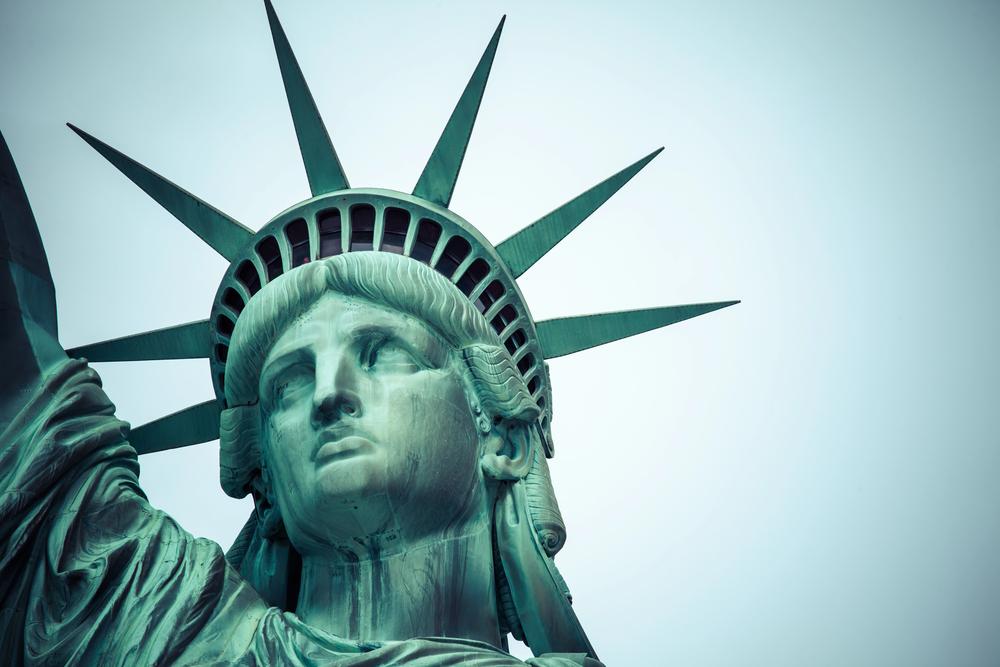
When the Statue of Liberty was first assembled in 1886, she wasn’t the green color we know today – she was a shiny brown, just like a new penny. The copper exterior took about 25-30 years to completely oxidize and turn that distinctive green color we recognize now. By 1906, officials even considered painting her to restore the original brown, but public outcry stopped those plans, which turned out to be a great decision.
Her Face Might Be Modeled After the Sculptor’s Mom

Sculptor Frédéric-Auguste Bartholdi supposedly used his mother, Augusta Charlotte Beysser Bartholdi, as the model for Lady Liberty’s face. Though some historians debate this claim, it’s become part of the statue’s legend. If true, that means millions of people admire his mom’s face every year, which is either really sweet or slightly weird, depending on how you look at it.
She Wears Size 879 Shoes
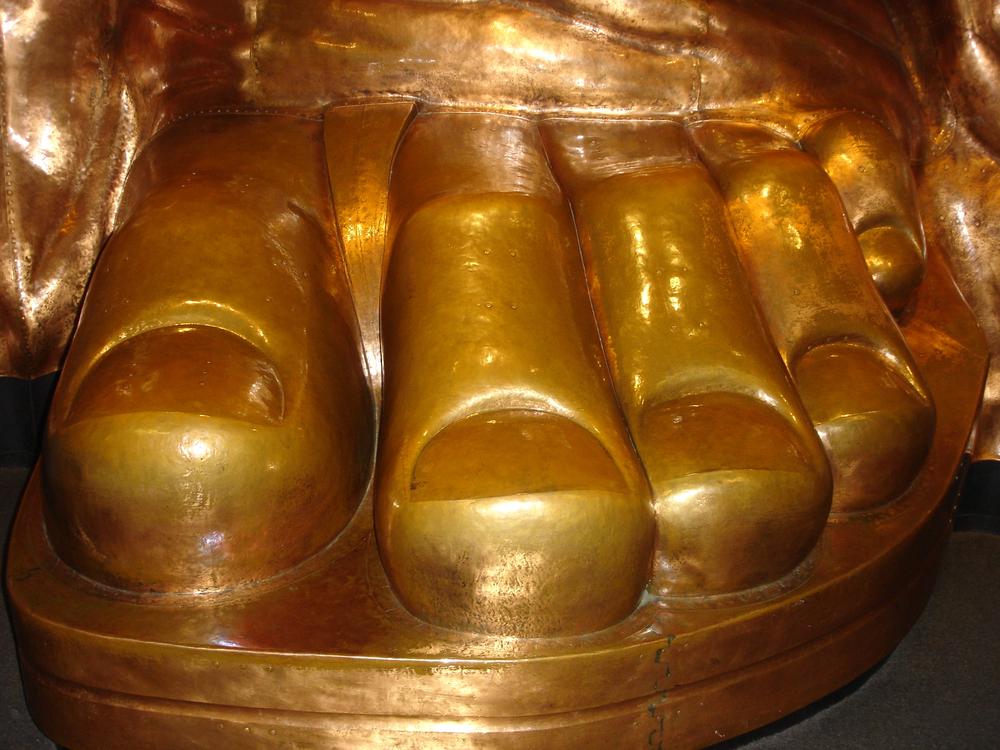
Lady Liberty has some seriously impressive measurements. Her feet are 25 feet long, which translates to a size 879 shoe if you’re shopping for sandals. Her waist measures 35 feet around, her right arm is 42 feet long, and her index finger stretches 8 feet. These aren’t exactly human proportions, but they work pretty well for a 151-foot-tall statue.
The Copper is Incredibly Thin
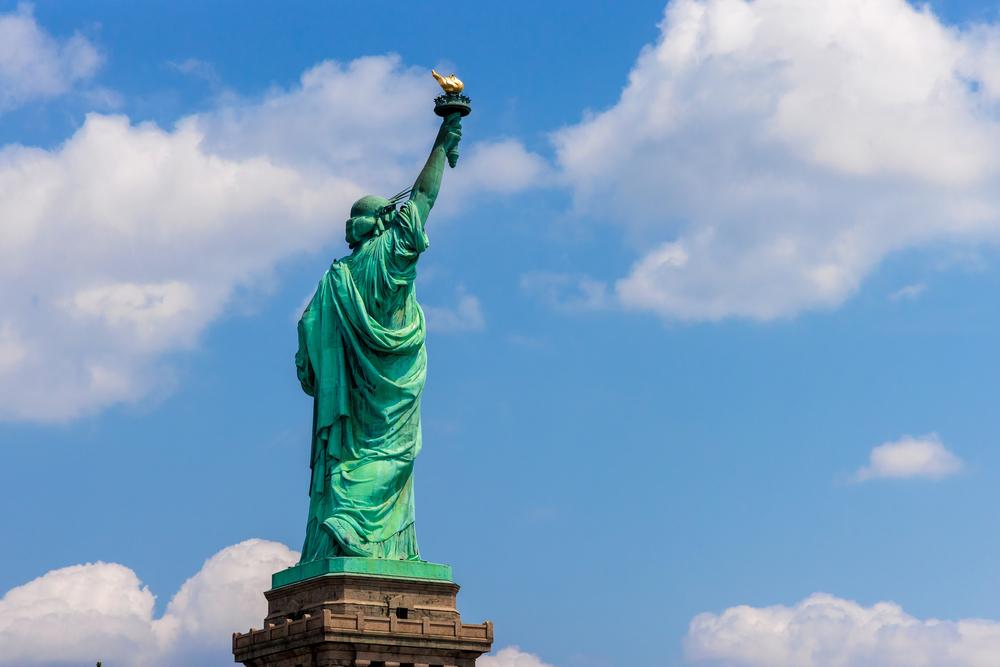
The entire copper exterior of the Statue of Liberty is only 3/32 of an inch thick – about the thickness of two pennies pressed together. Without the internal iron framework designed by Gustave Eiffel (yes, the same guy who built the Eiffel Tower), she would collapse under her own weight. The amount of copper used could make about 30 million pennies.
She Gets Hit by Lightning 600 Times a Year
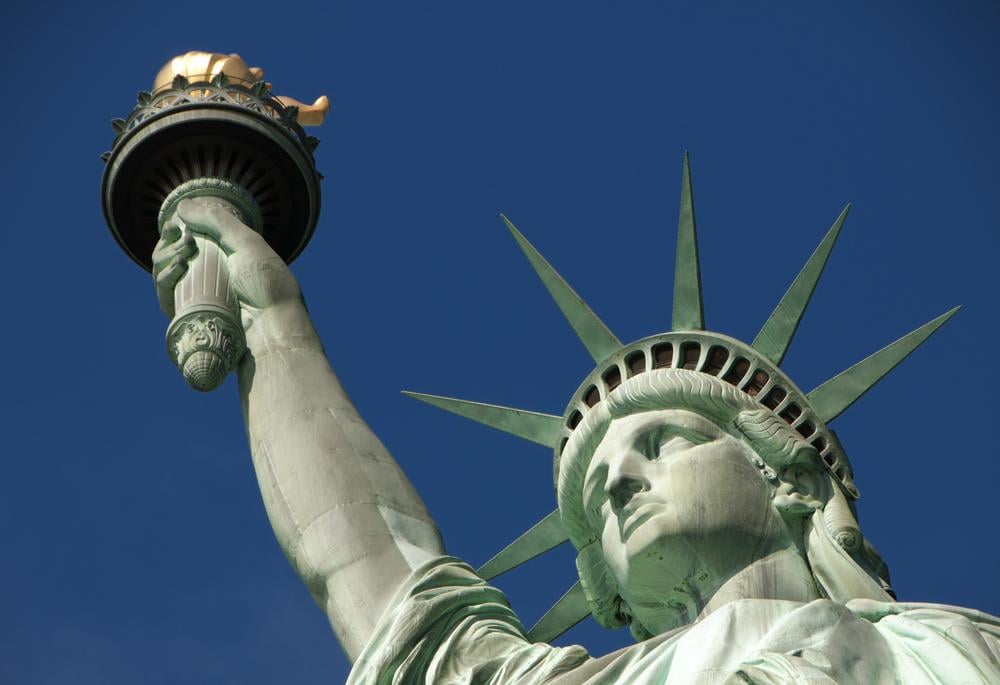
Standing 305 feet tall in the middle of New York Harbor makes Lady Liberty a prime target for lightning strikes. She gets zapped about 600 times annually, but her copper exterior and grounding system keep her safe. The statue can actually sway up to 3 inches in strong winds, and her torch can move up to 6 inches – which is pretty impressive engineering for something built in the 1880s.
Her Crown Has Seven Spikes for a Reason
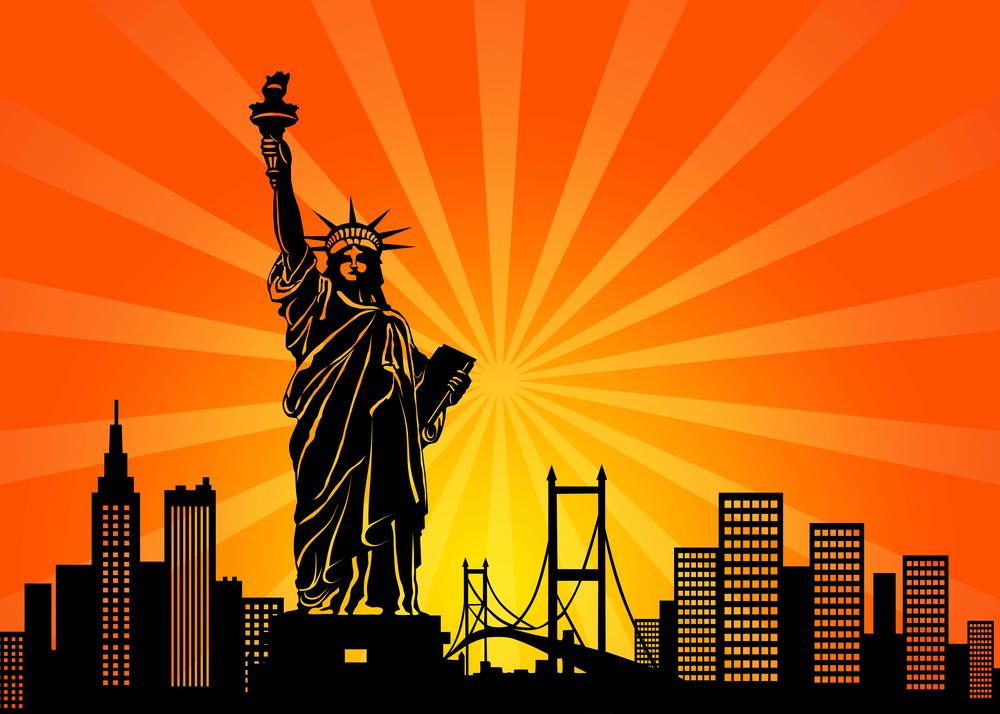
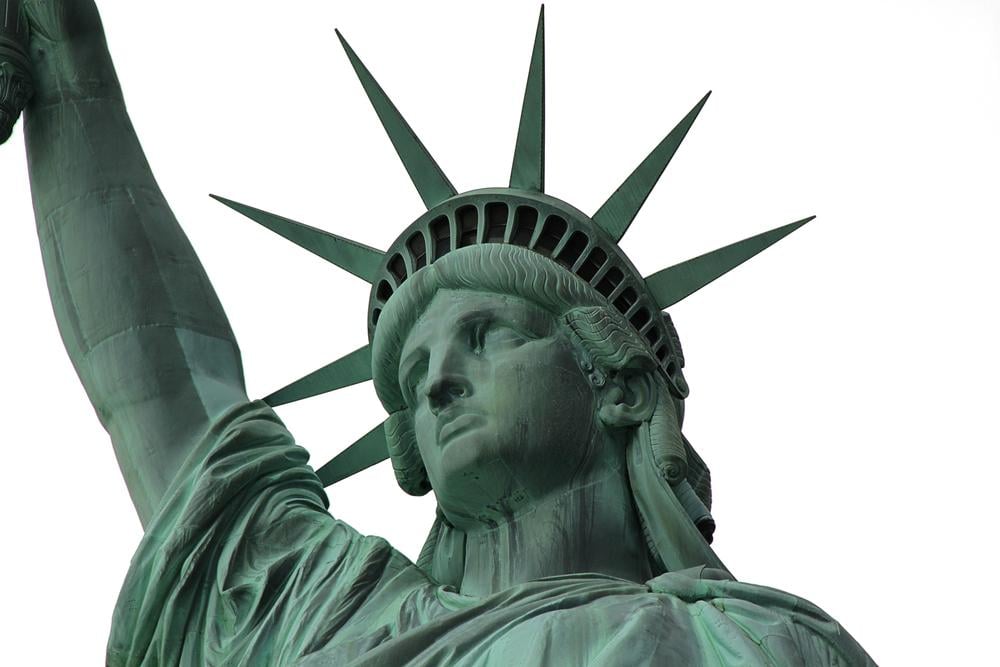
The seven rays on Liberty’s crown aren’t just decorative – they represent the seven seas and seven continents of the world. This symbolizes the universal concept of liberty extending to everyone, everywhere. You can actually climb up inside the crown, but only 240 people per day are allowed up there, so you need to book way ahead of time.
The Tablet Shows July 4, 1776
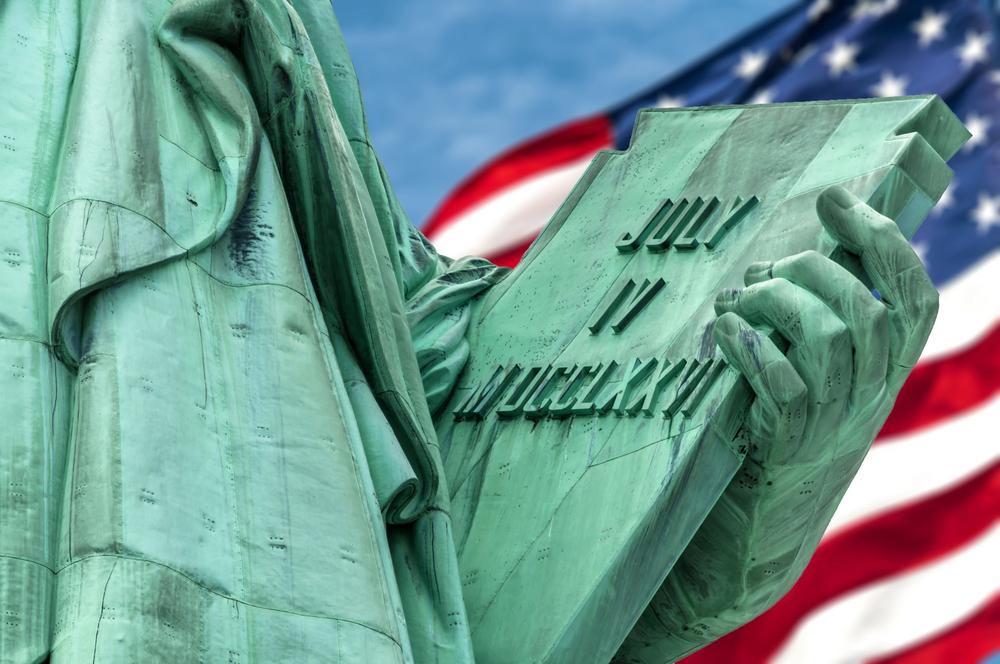
In her left hand, Lady Liberty holds a tablet inscribed with “JULY IV MDCCLXXVI” – that’s July 4, 1776 in Roman numerals, marking the date of the Declaration of Independence. Bartholdi chose this date to associate American independence with the concept of liberty, even though he greatly admired the Constitution too.
There Are Broken Chains at Her Feet
Most people never notice this detail because it’s hard to see from the ground, but there are broken chains and shackles at the Statue of Liberty’s feet. This symbolizes America breaking free from tyranny and was also meant to reference the abolition of slavery. Bartholdi originally wanted her to hold broken chains in her hand, but he thought that might be too controversial.
She Was Shipped in 214 Crates
The Statue of Liberty was built in France, then completely disassembled into 350 pieces and packed in 214 crates for the trip across the Atlantic. The French frigate Isère delivered all these pieces to New York Harbor on June 17, 1885. It’s like the world’s most complicated jigsaw puzzle, except the pieces weighed tons and tons.
America Almost Lost Her to Other Cities
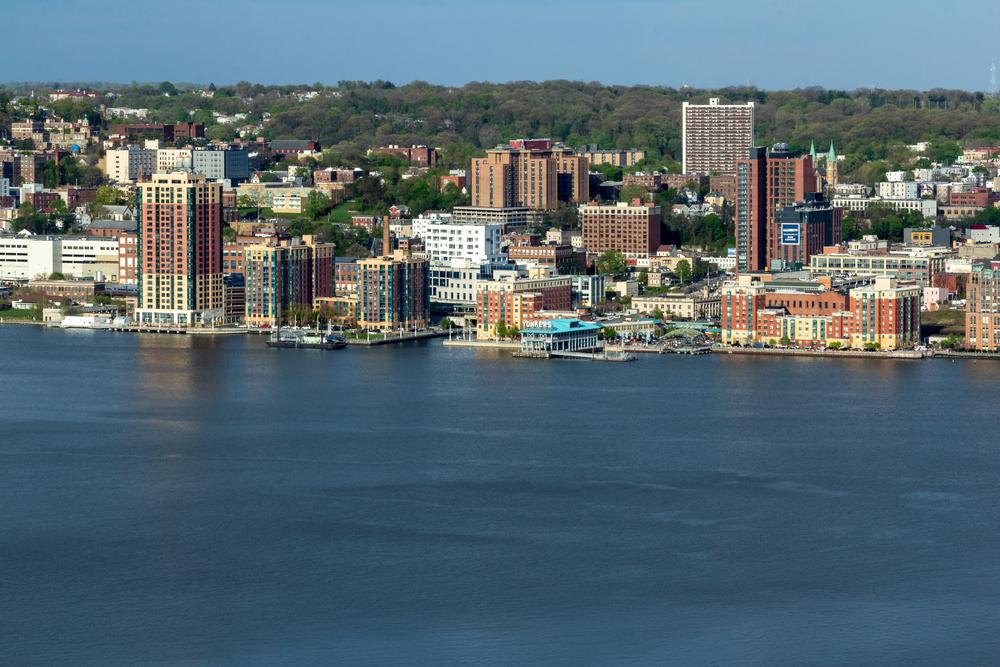
When fundraising for the pedestal was going badly, other American cities started making offers to take the statue. Baltimore, Philadelphia, Boston, and San Francisco all wanted Lady Liberty for themselves. Newspaper publisher Joseph Pulitzer saved the day by launching a fundraising campaign and promising to print the names of everyone who donated, no matter how small the amount.
A World War I Explosion Damaged Her Torch
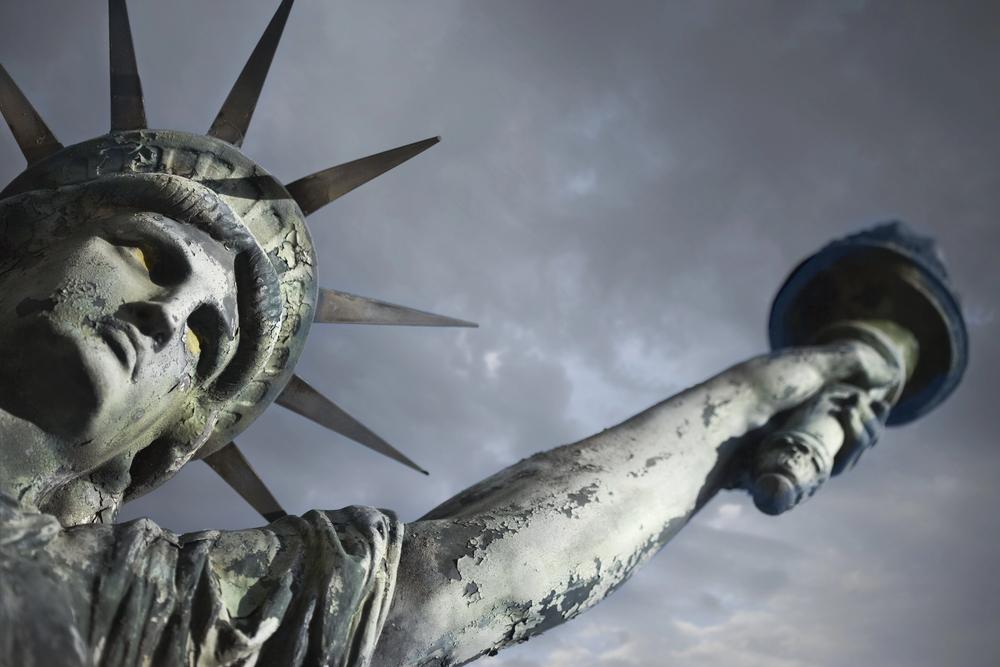
In 1916, German spies blew up a munitions depot on nearby Black Tom Island, and the explosion was so massive it damaged the Statue of Liberty’s torch and arm. Windows were blown out as far away as Times Square, and shrapnel hit the statue. The torch was so badly damaged that it was never reopened to visitors and had to be completely replaced during the 1980s restoration.
The Original Torch is Now Inside
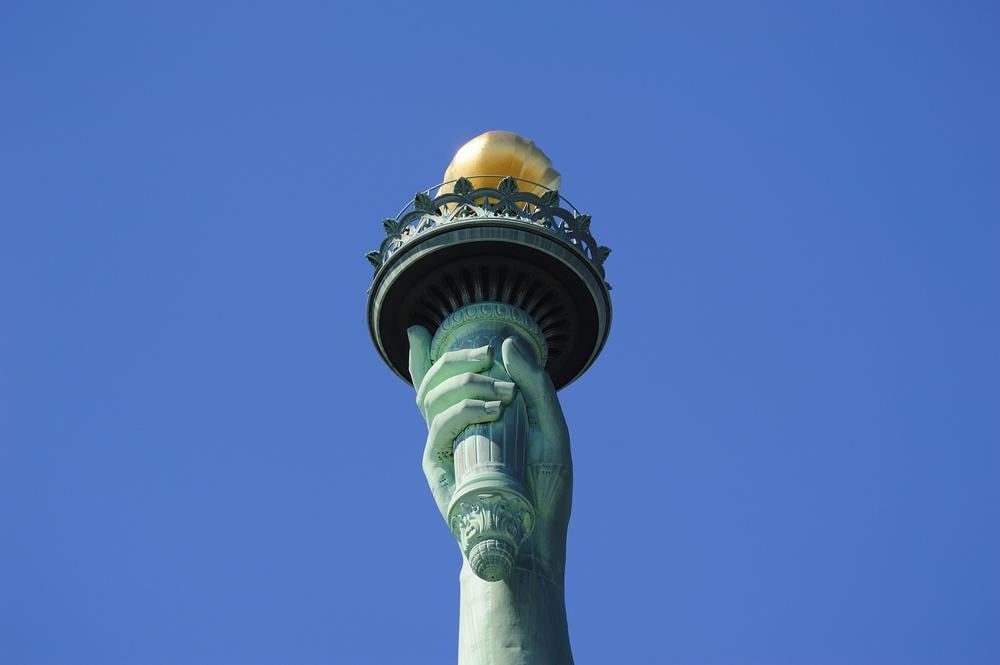
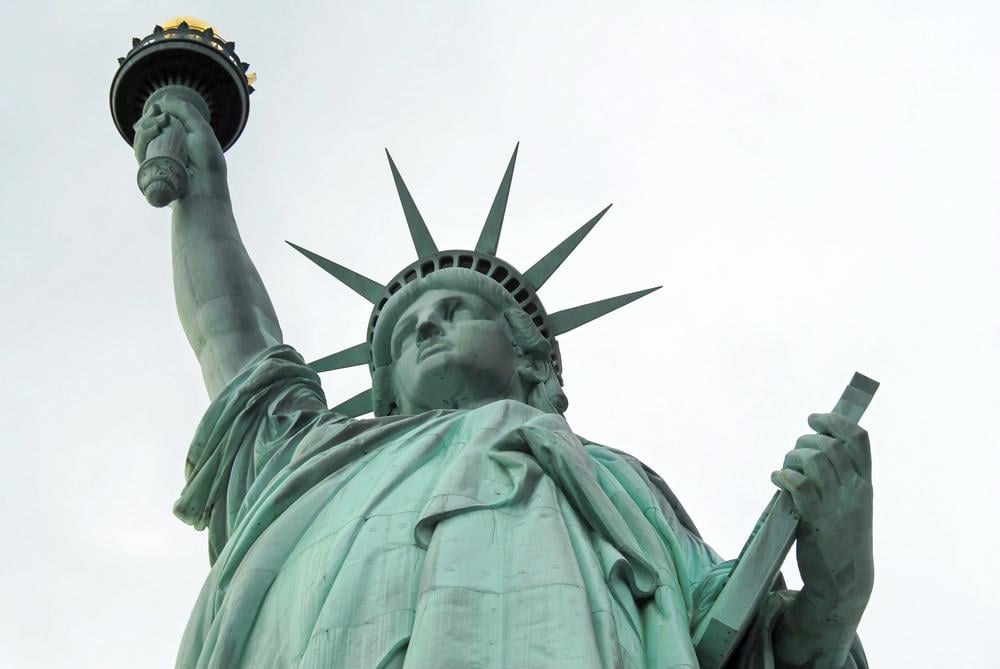
The current torch isn’t the original one – that’s now on display in the pedestal lobby. The replacement torch, installed in 1984, is covered in 24-karat gold leaf so it shines beautifully during the day and is lit from within at night. You can’t climb up to the torch anymore because of that World War I damage, but you can still go up to the crown.
She Cost $400,000 to Build

In the 1880s, the total cost of building the Statue of Liberty was about $400,000, which would be several million dollars today. The French people raised money for the statue itself, while Americans had to fund the pedestal. This joint effort made the whole project a true symbol of friendship between the two countries.
There Are Multiple Copies Around the World
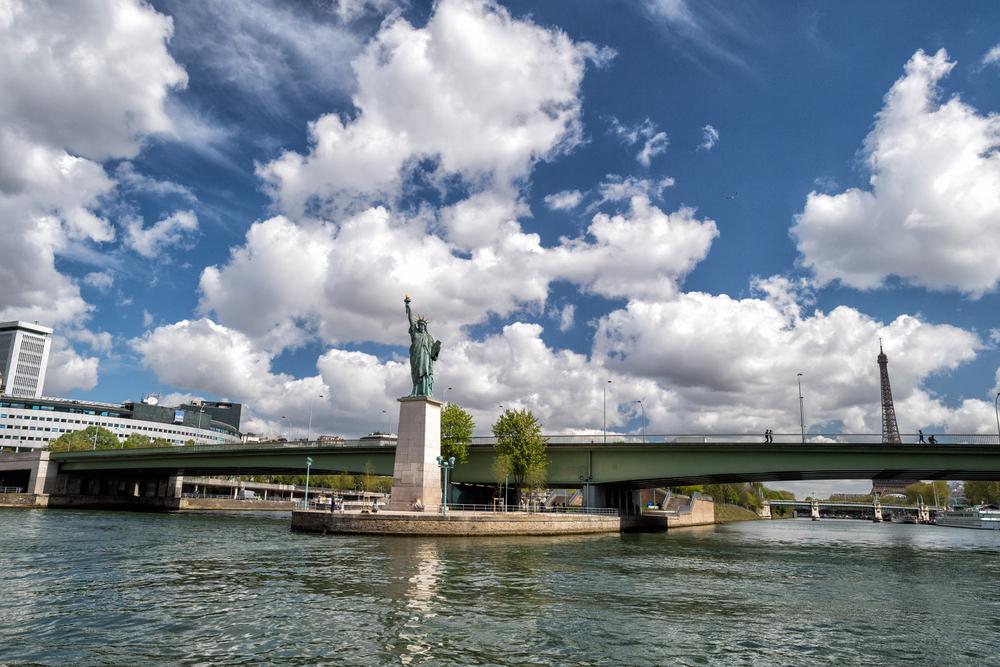
Lady Liberty has several smaller sisters around the world. There’s one near the Eiffel Tower in Paris, another in Tokyo Bay, and copies in locations from Las Vegas to Argentina. The Paris version is about one-quarter the size of New York’s statue and faces toward America, as if she’s looking across the ocean at her bigger sister.
Like Go2Tutors’s content? Follow us on MSN.
She Appeared on the Wrong Postage Stamp
In 2011, the U.S. Post Office created a ‘forever’ stamp to celebrate the statue’s 125th anniversary, but they accidentally used a photo of the replica at the New York New York casino in Las Vegas instead of the real statue. They didn’t discover the mistake until after printing 3 million stamps. The faces look similar from a distance, but the Vegas version has slightly different features – oops.
Still Standing Strong After 140 Years
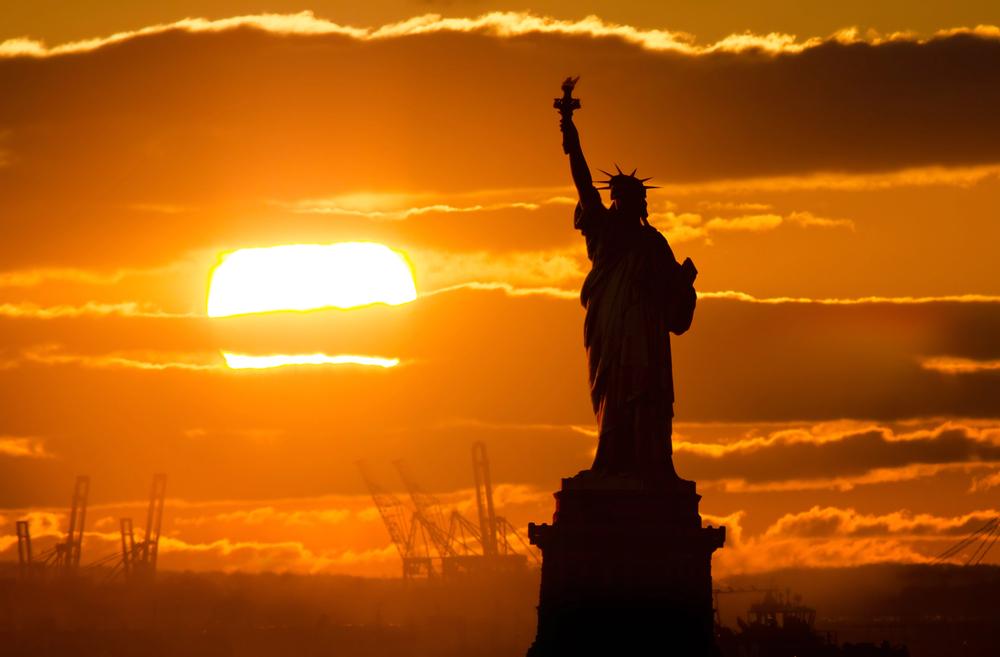
What started as a dinner conversation in France in 1865 became one of the world’s most recognizable symbols of freedom and democracy. The Statue of Liberty has welcomed immigrants, survived wars, weathered countless storms, and undergone major restorations, but she’s still standing tall in New York Harbor. She represents something bigger than just America – she’s a beacon of hope for anyone seeking a better life, which is probably why people from all over the world still make the journey to Liberty Island just to see her up close. Not bad for a big copper lady who used to be brown.
More from Go2Tutors!

- The Romanov Crown Jewels and Their Tragic Fate
- 13 Historical Mysteries That Science Still Can’t Solve
- Famous Hoaxes That Fooled the World for Years
- 15 Child Stars with Tragic Adult Lives
- 16 Famous Jewelry Pieces in History
Like Go2Tutors’s content? Follow us on MSN.