Biggest Extinct Animals Ever
There’s something deeply humbling about discovering that you’re living in the age of the relatively small. Walking around today, we see elephants as massive creatures and whales as impossibly gigantic.
But cast your mind backward through Earth’s history, and those modern giants start to look almost quaint. The fossil record tells us a different story—one where the planet once hosted animals so enormous they’d make today’s largest creatures seem like pets.
These weren’t just big animals; they were the stuff of nightmares and wonder, creatures that stretched the very limits of what biology allows.
Argentinosaurus
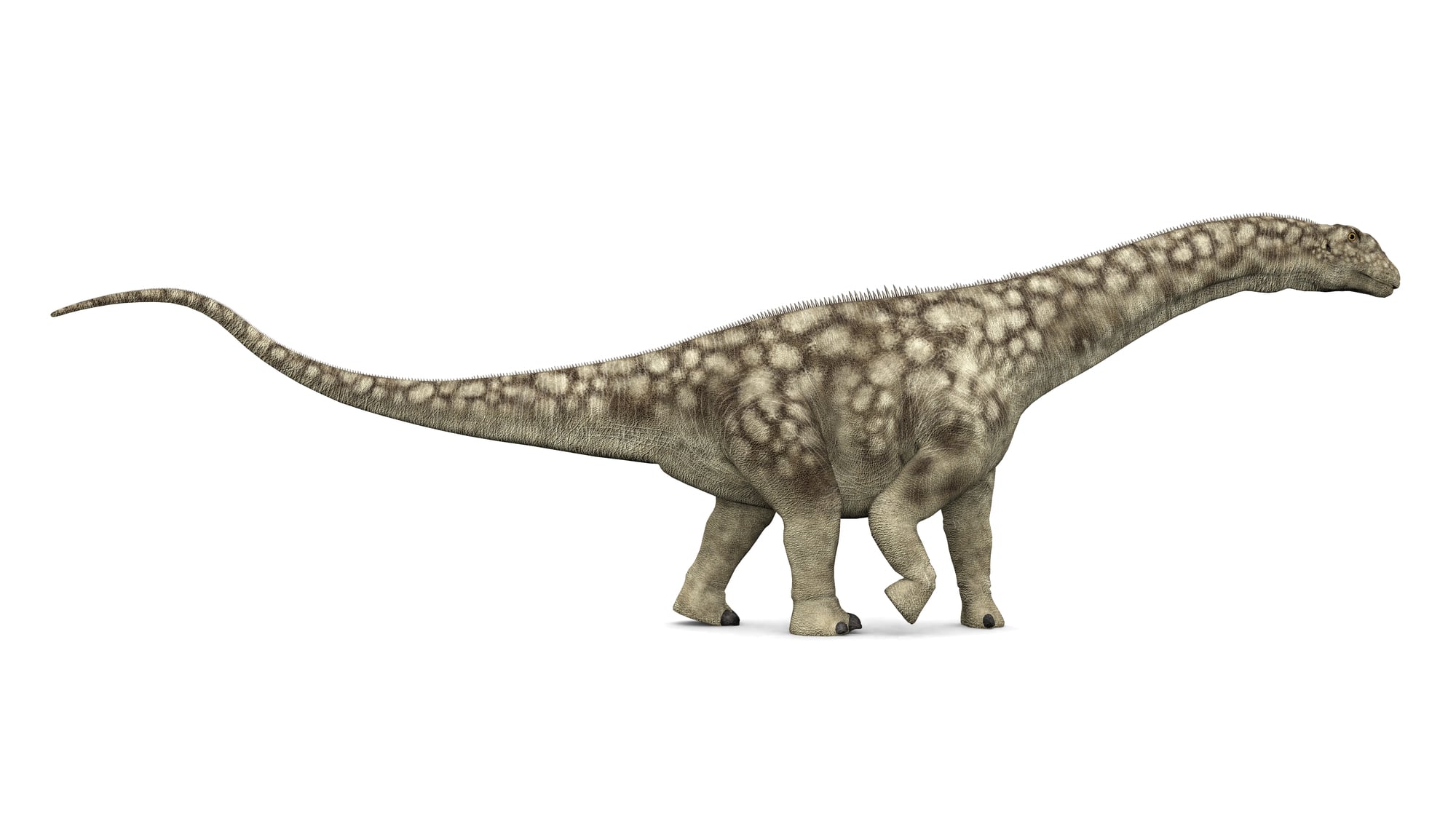
Although it is only known from fragmentary remains, Argentinosaurus is one of the largest known land animals of all time, perhaps the largest, measuring 30–35 m (98–115 ft) long and weighing 65–80 t (72–88 short tons). Found in what is now Argentina, this titanosaur lived during the Late Cretaceous period, around 100 million years ago.
The discovery began in 1987 when a rancher stumbled across what he thought was petrified wood. It wasn’t until years later that paleontologists realized they were looking at a single vertebra from one of the most massive animals that ever walked the Earth.
The mass of the blue whale, however, which can be greater than 150 tonnes (170 short tons), still exceeds that of all known sauropods. But when it came to length, Argentinosaurus might have had the edge.
The sheer scale defies comprehension. Picture something the length of three school buses lined up end to end, but with a neck that could reach into third-story windows and a tail that swept across entire parking lots.
Blue Whale

Speaking of things that dwarf our imagination, the blue whale is the largest animal alive on Earth today, and the largest scientifically verified individuals on record are 89 to 98 feet long. Yet this modern giant represents something even more remarkable than the dinosaurs—it’s the heaviest animal that has ever lived.
A 100-foot-long blue whale can weigh 150 tons or more, three times heavier than a dinosaur of the same size. Living in the ocean gave whales evolutionary advantages that land animals simply couldn’t match.
Water’s buoyancy freed them from the structural constraints that limited terrestrial giants. The blue whale’s heart alone weighs as much as a small car, and its tongue could weigh as much as an elephant.
Sometimes the present is more extraordinary than the past.
Ichthyotitan severnensis

In April 2024, Ichthyotitan severnensis was established as a valid shastasaurid taxon and is considered both the largest marine reptile ever discovered and the largest macropredator ever discovered. The Lilstock specimen was estimated to be around 26 metres (85 ft) whilst the Aust specimen was an even more impressive 30 to 35 metres (98 to 115 ft) in length.
This discovery shook up everything paleontologists thought they knew about prehistoric marine life. Here was a creature that lived in the Triassic period, roughly 200 million years ago, that might have rivaled or even exceeded the blue whale in size.
While no weight estimates have been made as of yet, Ichthyotitan would have easily rivalled or surpassed the blue whale. The fossil fragments were so massive they broke the asphalt road when the transport van carrying them tipped over.
That’s not just impressive—that’s the kind of detail that makes you realize how utterly enormous these creatures were.
Megalodon

Megalodon, member of an extinct species of megatooth shark (Otodontidae) considered to be the largest shark, and the largest fish, that ever lived. This data suggests that mature adult megalodons had a mean length of between 13 and 14 metres (about 42.7 and 45.9 feet), with the largest specimens measuring up to an estimated 24.3 metres (79.7 feet) long.
The megalodon dominated the oceans for about 20 million years, only disappearing around 3.6 million years ago. It had a powerful bite with a jaw full of teeth as large as an adult human’s hand.
Those jaws could have easily swallowed a small car, and the bite force would have crushed almost anything it encountered.
Recent studies suggest it might have been even larger than previously thought. In 2025, a group of 29 experts (including the former doctoral student) published a study that indicated megalodon could grow to nearly 80 feet long.
New information suggests the megalodon could have weighed as much as 94 tons, or 188,000 pounds.
There’s something deeply humbling about discovering that you’re living in the age of the relatively small. Walking around today, we see elephants as massive creatures and whales as impossibly gigantic.
But cast your mind backward through Earth’s history, and those modern giants start to look almost quaint. The fossil record tells us a different story—one where the planet once hosted animals so enormous they’d make today’s largest creatures seem like pets.
These weren’t just big animals; they were the stuff of nightmares and wonder, creatures that stretched the very limits of what biology allows.
Patagotitan mayorum

Patagotitan mayorum may have been the world’s largest terrestrial animal of all time, based on size estimates made after considering a haul of fossilized bones attributed to the species. The collection included a femur (thighbone) that measured 2.4 meters (8 feet) from end to end.
Discovered relatively recently and named in 2017, Patagotitan represents the ongoing quest to understand just how large these titanosaurs could get. Some scientists argue it might have been even bigger than Argentinosaurus, though the debate continues among paleontologists.
“So not the world’s largest sauropod, probably,” Wedel says, “but the most complete super-giant sauropod by far.” “I think it would be more accurate to say that Argentinosaurus, Puertasaurus and Patagotitan are so similar in size that it is impossible for now to say which one was the largest,” Wedel says.
The truth is, when you’re dealing with animals this massive, the difference between “biggest” and “second biggest” becomes almost philosophical.
Perucetus colossus
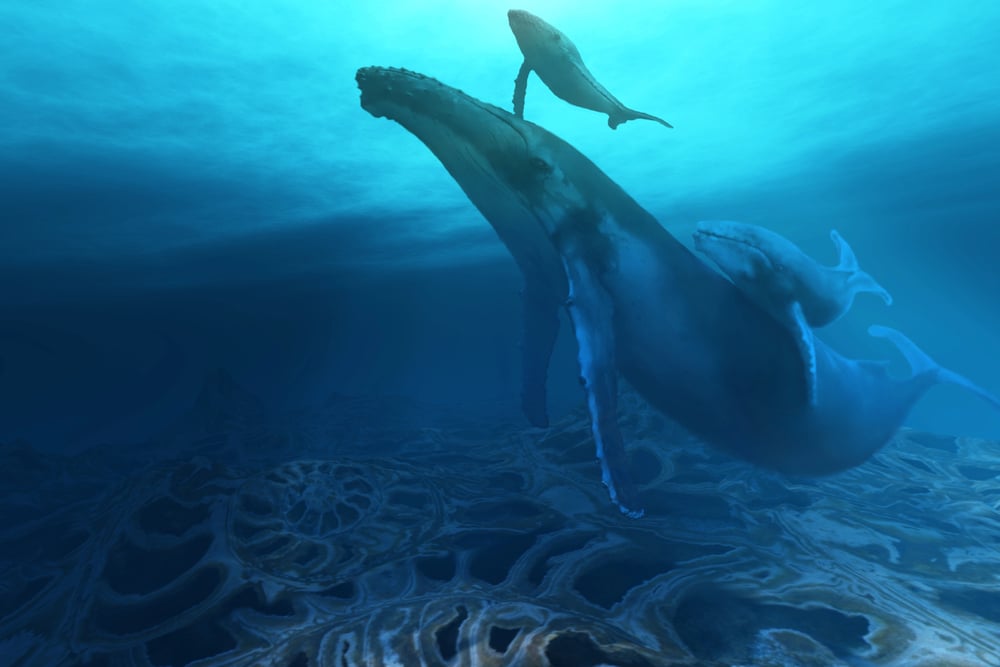
The extinct whale species Perucetus colossus was shorter than the blue whale, at 17.0–20.1 meters (55.8–65.9 ft) but it is estimated to have rivaled or surpassed it in weight, at 85–340 tonnes. At the highest estimates, this would make Perucetus the heaviest known animal in history, although more recent estimates put it at a more moderate 60 to 113 tonnes.
Here’s a creature that challenged our assumptions about what whales looked like in the past. Rather than the streamlined giants we know today, Perucetus was built like a biological submarine massively dense and heavy, but relatively short and stocky.
The fossil remains suggest an animal so dense it might have had difficulty staying afloat. It represents a completely different evolutionary approach to ocean gigantism, one that prioritized mass over length.
Titanoboa cerrejonensis
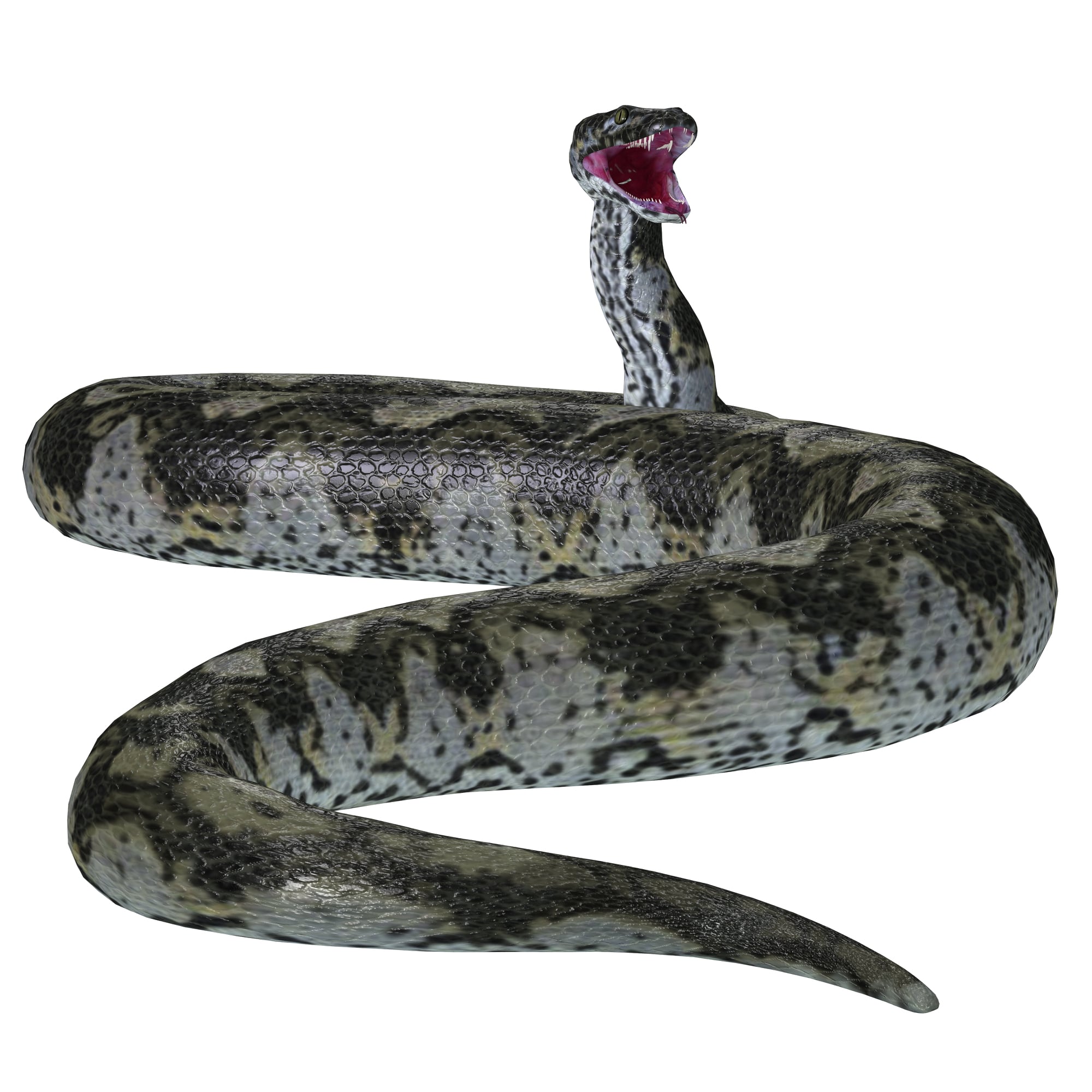
Titanoboa cerrejonensis is the largest snake to ever inhabit the Earth and one of the biggest animals to have become extinct. It was a constrictor that weighed 2,500 pounds and, with its 250 individual vertebrae, reached 42 feet in length.
This massive serpent slithered through the rainforests of what is now Colombia around 60 million years ago, just after the dinosaurs had vanished. It is believed that Titanoboas grew to gigantic proportions because the tropical climate was extremely warm.
When the climate cooled, Titanoboas became extinct.Imagine encountering this thing in the swamps of prehistoric South America—a snake longer than a school bus and as heavy as a small truck.
It didn’t need venom; it simply crushed whatever it caught in coils that could easily encompass a car.
Deinosuchus
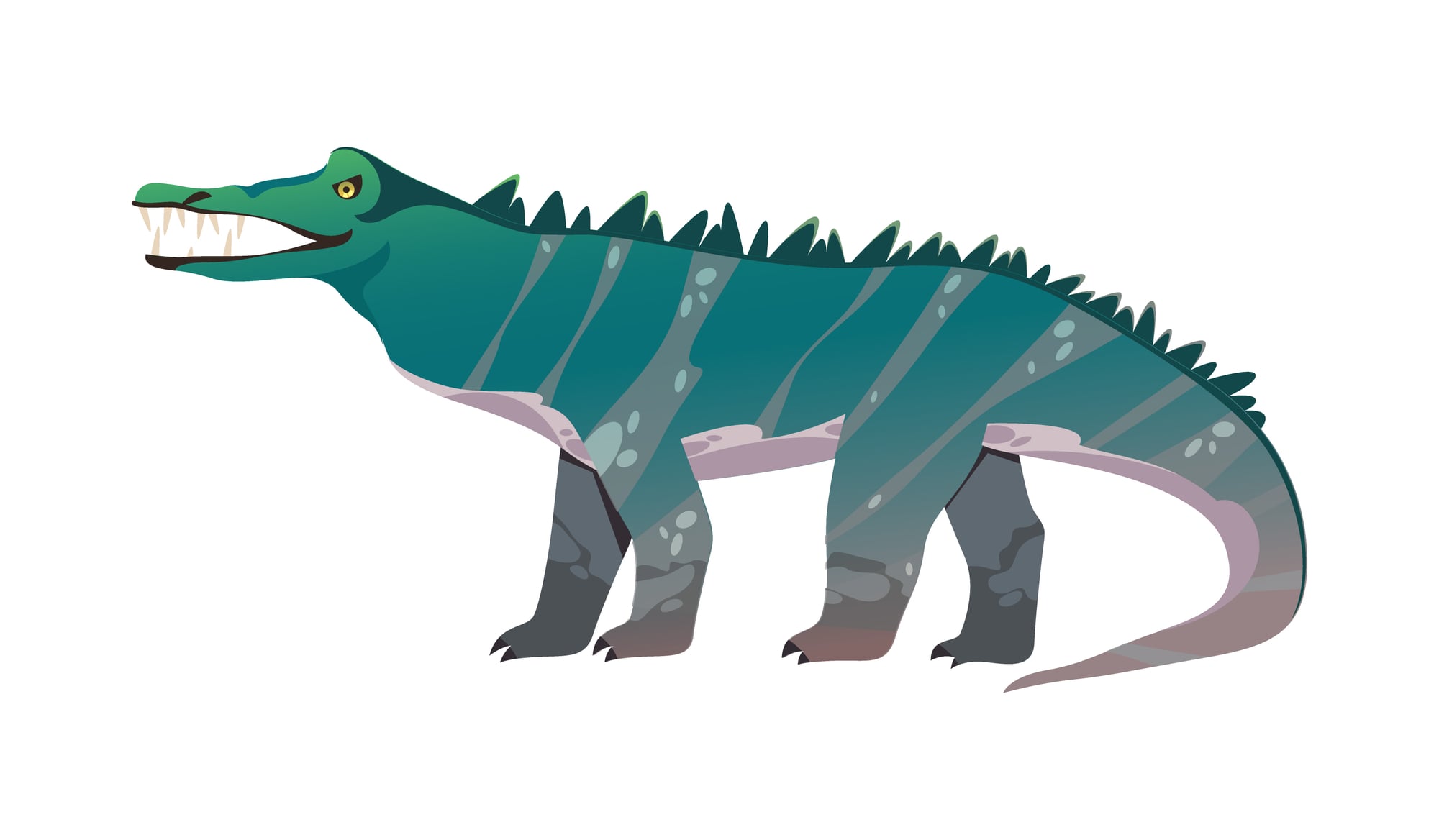
Inhabiting the waterways of the Cretaceous, the 12m-long croc was large enough to not only compete with, but also prey upon, the dominant animals of the time – the dinosaurs. This prehistoric crocodile was essentially a living nightmare—part crocodile, part river monster, all apex predator.
Paleontologists debate why Deinosuchus became extinct before the meteor impact that eradicated the dinosaurs. Many believe their habitat shrank as the climate changed, making prey harder to find.
Without enough food, they could not survive. The fossil evidence suggests these weren’t just big crocodiles they were ecosystem engineers, capable of taking down dinosaurs that came to drink at the water’s edge.
Nothing was safe when Deinosuchus was lurking in the shallows.
Palaeoloxodon namadicus

The elephant Palaeoloxodon namadicus has been suggested to have been the largest land mammal ever, based on a particularly large partial femur which was estimated to have belonged to an individual 22 t (24.3 short tons) in weight and about 5.2 m (17.1 ft) tall at the shoulder, though the author of the estimate said that this was speculative and should be treated with caution. This straight-tusked elephant roamed across Asia and represents the peak of proboscidean evolution.
The largest perissodactyl, and land mammal, of all time was Palaeoloxodon namadicus. It stood 5.5 m (18 ft) tall at the shoulder, with a total height of 8 m (27 ft).
It was 12 m (40 ft) long and may have weighed 20 tonnes (22 tons), though mass estimates vary. Picture an elephant nearly twice the height of today’s largest African elephants, with tusks that could span the width of a highway.
These weren’t just big animals—they were walking monuments to the possibilities of terrestrial gigantism.
Livyatan melvillei
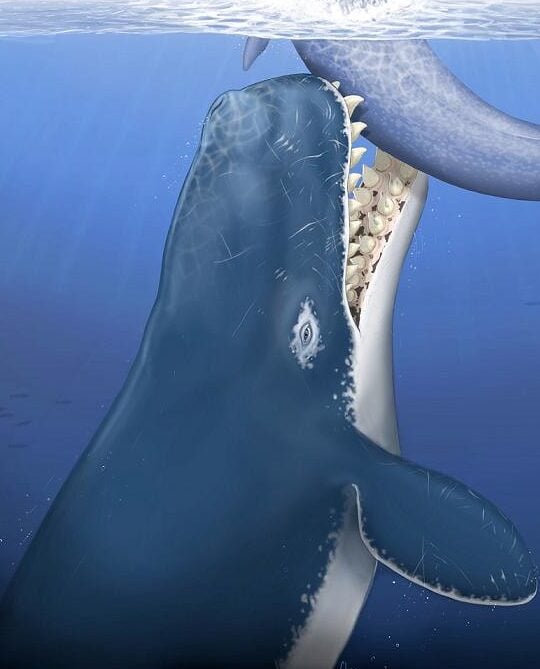
The largest known prehistoric whale is the extinct giant sperm whale, Livyatan melvillei. Named after the author of Herman Melville, Livyatan reached approximately 60 feet (18m) in length and about 62 tons.
The largest fossil toothed whale was the Miocene whale Livyatan melvillei which was estimated to be 13.5–17.5 m (44–57 ft) in length. One notable feature of L. melvillei was its teeth which were 36 cm long and is unmatched by any other animal, extinct or alive.
This was megalodon’s contemporary and rival, a sperm whale armed with teeth longer than bananas. (In fact, Livyatan had the largest non-tusk teeth of any apex predator, period.)
The Miocene oceans witnessed an arms race between the largest shark and the most heavily armed whale in history.
Gigantopithecus blacki

The largest known non-hominid primate is Gigantopithecus blacki. Studies estimate heights around 2.74–3.66 m (9 ft 0 in – 12 ft 0 in) tall, weighing 225–300 kg (496–661 lb). Gigantopithecus blacki, the largest ape that ever lived, stood 3m tall and weighed over 500kg.
This massive primate lived in the forests of Asia until relatively recently perhaps as recently as 200,000 years ago. King Kong might have been fiction, but Gigantopithecus was very real.
Standing twice the height of a modern gorilla and built like a biological tank, it represents the absolute peak of primate evolution in terms of size. The fact that it survived until the late Pleistocene means early humans might have actually encountered these giants.
Supersaurus

Supersaurus, Argentinosaurus, and Diplodocus were the largest creatures to ever walk the Earth, stretching more than 100 feet from their pencil-like teeth to their sinuous tails. Sauropods such as the Supersaurus could grow up to 33-34 meters (108-112 feet) in length, while the longest blue whale discovered was about 98 feet long.
Supersaurus represents the extreme end of the dinosaurian body plan an animal built like a suspension bridge, with most of its length dedicated to an impossibly long neck and tail. While an estimated weight of 45 tons for Supersaurus sounds like a lot especially when translated into about seven African elephants, a traditional unit of measurement for dinosaur size that’s trim for such an enormous animal.
These weren’t just big dinosaurs; they were evolutionary experiments in how far you could stretch the basic body plan and still have a functioning animal.
Megatherium americanum
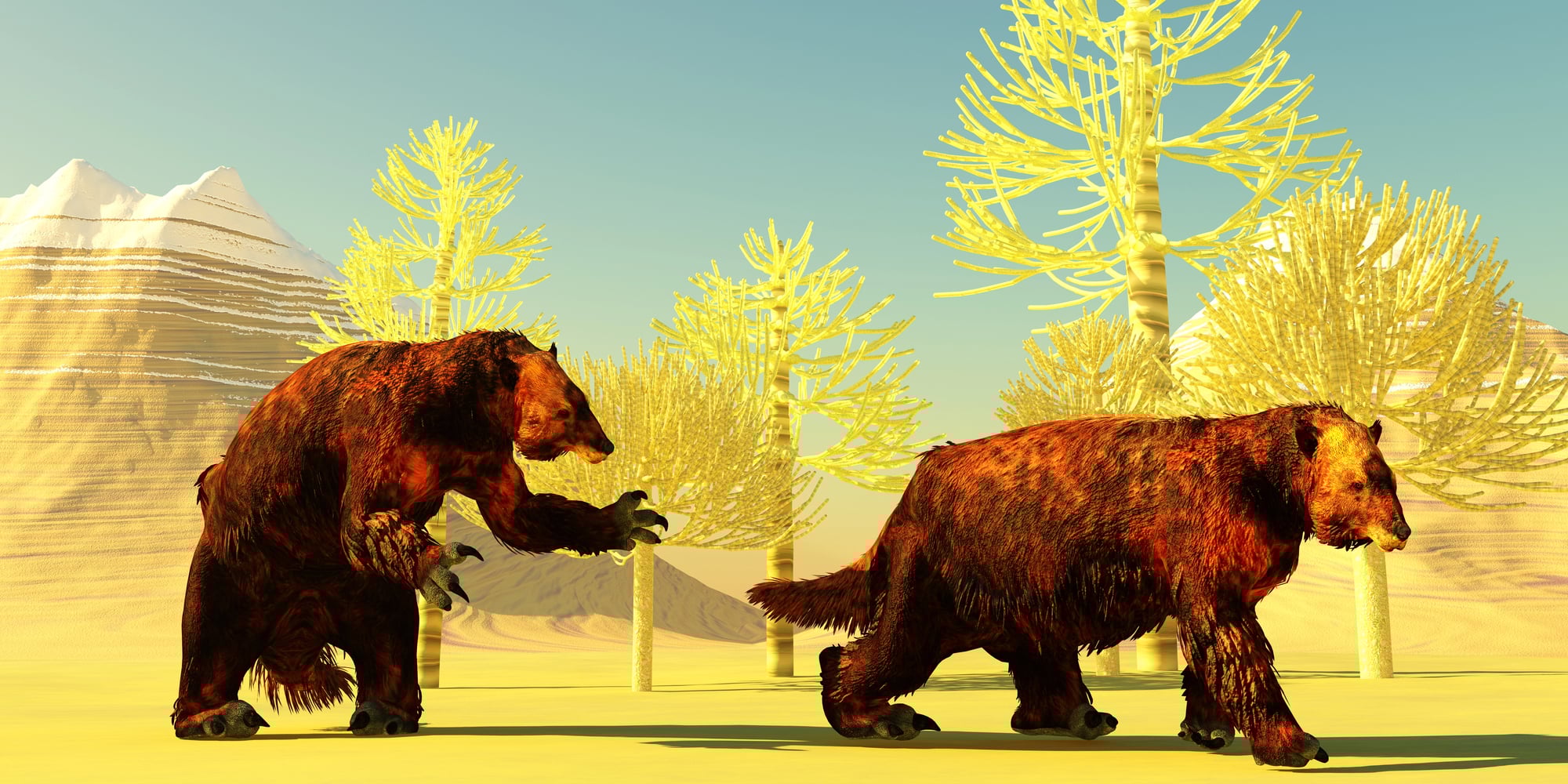
Ground sloths are extinct sloths of the superorder Xenarthra. The largest species, such as Megatherium americanum, could weigh up to four tons and reach 20 feet in length, though most ground sloths were much smaller.
Imagine a sloth the size of an elephant, and you’re starting to get close to what Megatherium looked like. These giant ground sloths wandered South America until just 10,000 years ago, making them contemporaries of early humans.
In caves in southern Chile, the remains of the fur, claws, and poop of a giant sloth were found. The footprints that these animals left were also fossilized, such as the tracks of a giant ground sloth found on a beach in Argentina.
The preservation is so good that scientists have found mummified remains with skin and fur still intact.
The Weight of Deep Time

Importantly, fossils only represent a fraction of the life that existed in the past, with thousands of species likely lost to the shifting of the Earth’s crust forever. It is impossible to say that we will ever truly know for certain which animals in the planet’s past were the largest, as individuals that exceed normal sizes may be lost entirely, or may be the only known example of a species, giving us an inaccurate picture of what the animal’s true average was.
Every few years, someone discovers something that rewrites the record books. The biggest animals ever are likely still buried somewhere, waiting for the right combination of erosion, luck, and curious paleontologists.
What we know represents just the tip of an enormous, mostly hidden iceberg of prehistoric gigantism. These creatures didn’t just exist—they dominated their worlds in ways that modern animals simply can’t match.
They represent evolutionary experiments in size that pushed the boundaries of what’s biologically possible, and in many cases, they succeeded beyond anything we see today. The age of giants may be over, but their fossils remind us that Earth was once a planet of monsters.
More from Go2Tutors!

- The Romanov Crown Jewels and Their Tragic Fate
- 13 Historical Mysteries That Science Still Can’t Solve
- Famous Hoaxes That Fooled the World for Years
- 15 Child Stars with Tragic Adult Lives
- 16 Famous Jewelry Pieces in History
Like Go2Tutors’s content? Follow us on MSN.



