Bizarre Things People Believed in the 90s
The 1990s were a wild time for rumors, myths, and absolutely bonkers ideas that somehow convinced entire generations they were true. Before the internet made fact-checking as easy as opening a new tab, people relied on whispers at recess, older siblings spreading nonsense, and those forwarded chain emails that seemed to arrive with an air of urgent authority.
These beliefs spread like wildfire through schools, offices, and family dinner tables, creating a shared cultural experience of being completely, hilariously wrong about so many things. Let’s dive into some of the strangest things people actually believed back then, and trust me, some of these will make you wonder how anyone fell for them in the first place.
Marilyn Manson removed ribs to perform on himself
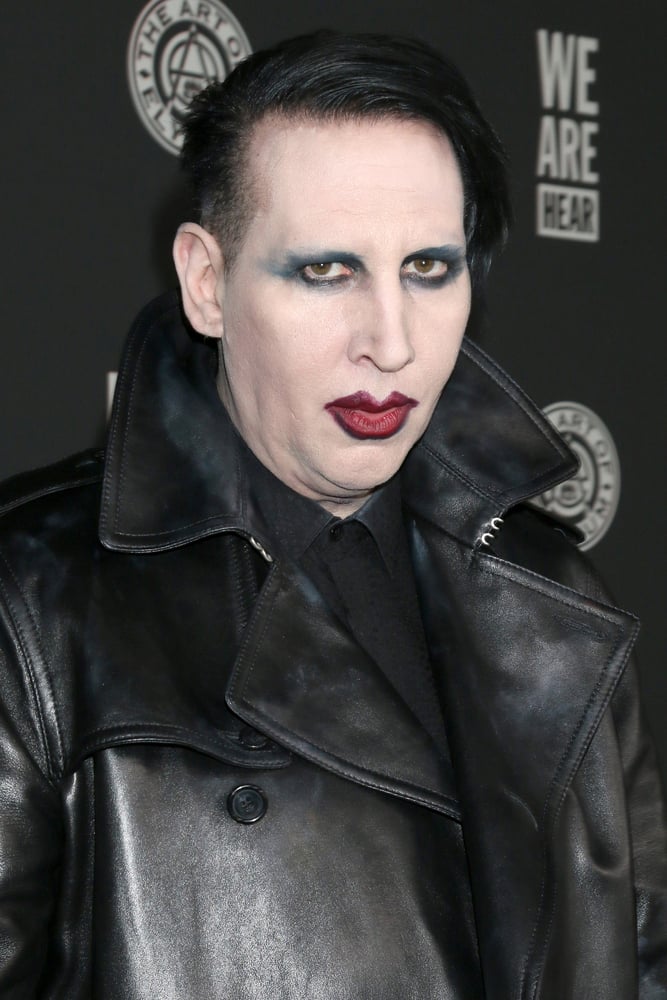
This rumor spread through middle schools and high schools faster than anyone could say ‘that makes no sense.’ Kids everywhere swore up and down that the goth rocker had surgically removed his lower ribs for a reason that’s too inappropriate to spell out here.
The story got so widespread that Manson himself had to address it multiple times, but people kept believing it anyway. Medical professionals pointed out that such a surgery would be incredibly dangerous and serve no actual purpose, yet the myth persisted throughout the entire decade and beyond.
Pop Rocks and soda would make your stomach explode
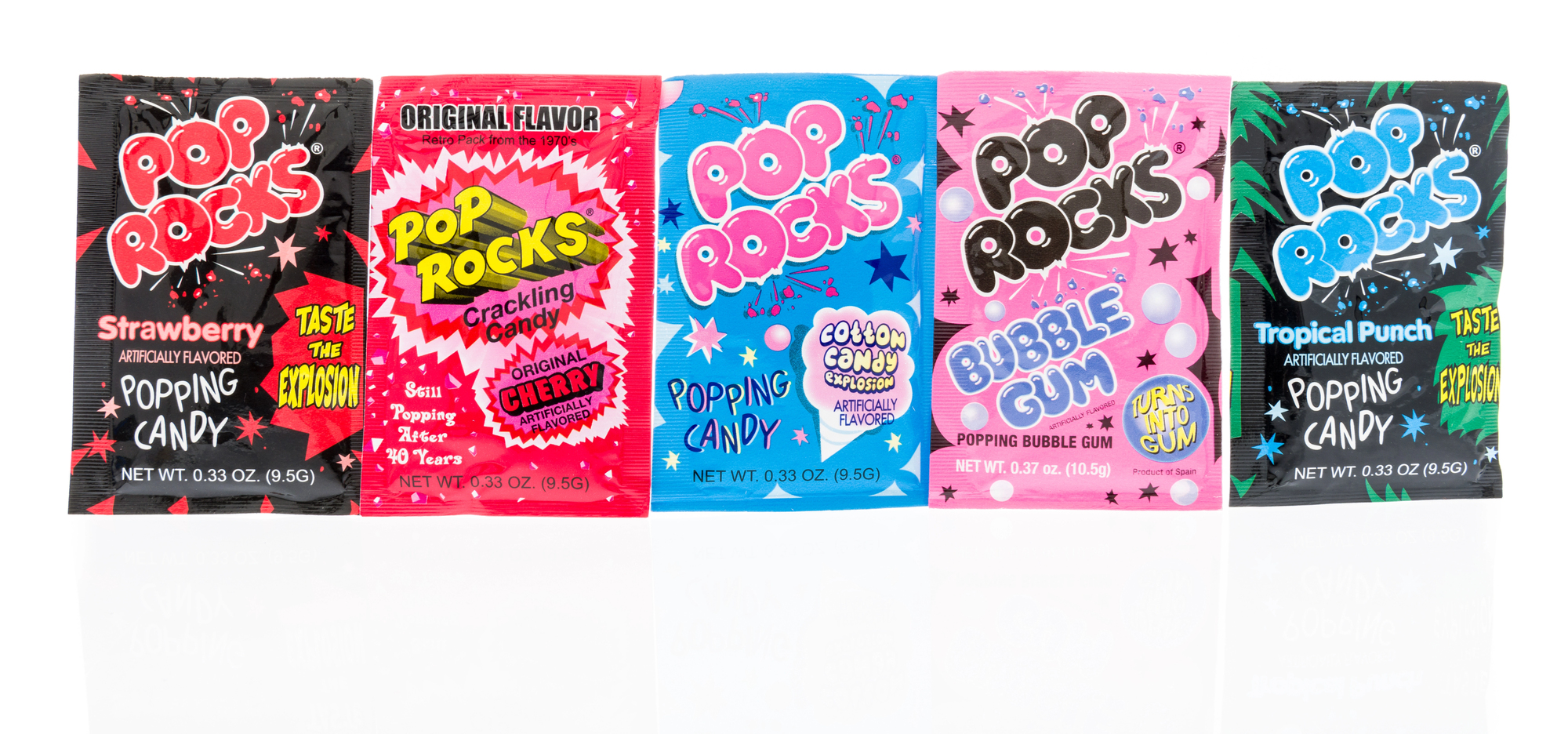
This legend claimed that combining the fizzy candy with carbonated drinks created a chemical reaction so powerful it could actually kill you. The rumor got so intense that the Life cereal ‘Mikey’ kid supposedly died this way, which was completely false since John Gilchrist is still alive today.
Parents warned their children about this deadly combination with genuine concern in their voices. The candy company even took out ads trying to debunk the myth, but kids at lunch tables across America kept treating Pop Rocks like they were handling explosives.
Microsoft would pay you for forwarding emails
Chain emails promised that Bill Gates was testing an email tracking system and would pay you money for every person you forwarded the message to. People actually believed a billionaire was sitting around waiting to send checks to random folks for spamming their friends.
These emails clogged up inboxes everywhere, with some claiming you could earn hundreds or thousands of dollars just by clicking forward. The messages often included official-sounding language and fake Microsoft logos to make them seem legitimate, hooking people who should have known better.
Putting a cell phone in the microwave would recharge it
Some folks genuinely thought that microwaves could somehow restore battery life to their portable phones. This belief led to several destroyed phones and potential fire hazards in kitchens across the country.
The logic behind this made absolutely no sense, but the 90s were full of confusion about how new technology actually worked. People were so unfamiliar with cell phone technology that wild claims like this didn’t immediately set off alarm bells in their heads.
The Blair Witch Project was real footage
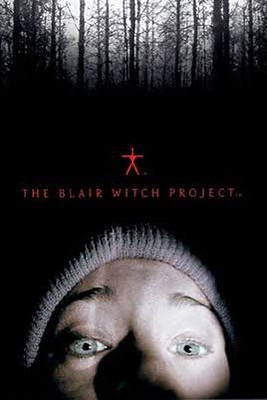
When this movie hit theaters in 1999, its marketing campaign convinced tons of viewers they were watching actual documentary footage of missing filmmakers. The creators built a fake website with police reports and missing persons details that looked completely authentic.
People left theaters genuinely shaken, believing they’d just watched real people die on camera. The film’s success proved how easy it was to blur the lines between fiction and reality before everyone became media-savvy skeptics.
Computers would all crash on January 1, 2000

Y2K panic gripped the world as people prepared for a technological apocalypse when the calendar flipped to 2000. Families stockpiled food, water, and supplies like they were preparing for the end of civilization.
Banks would fail, planes would fall from the sky, and nuclear missiles might accidentally launch because computers couldn’t handle a date change. People spent billions of dollars preparing for disasters that never came, and when midnight passed without incident, everyone felt a bit foolish about their basement full of canned beans.
Eating before swimming would give you deadly cramps
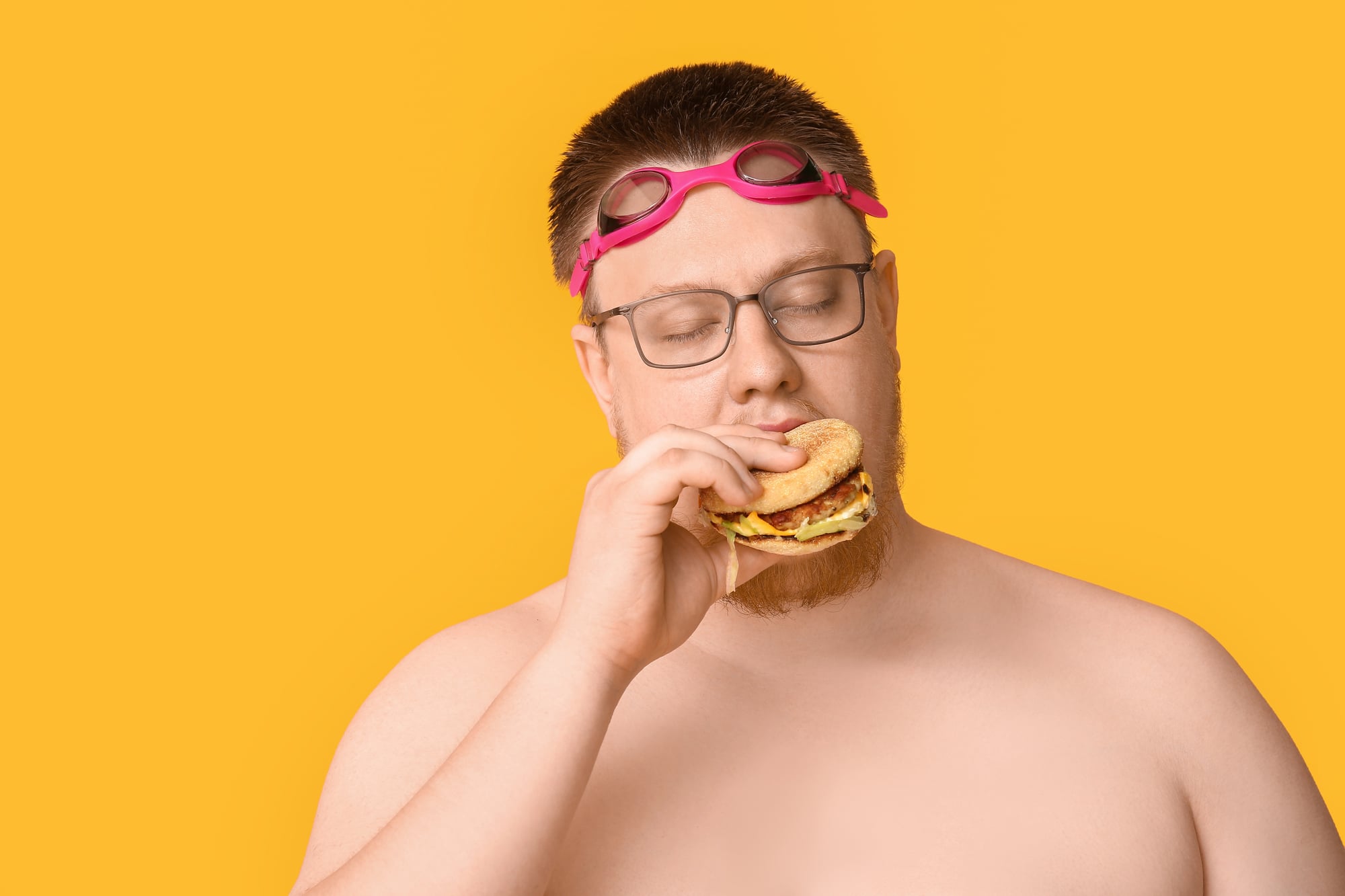
Parents everywhere enforced a strict 30-minute waiting period after eating before allowing kids back in the pool. The belief was that swimming on a full stomach would cause cramps so severe you’d drown right there in three feet of water.
Countless summer afternoons were spent sitting poolside, watching the clock tick down while everyone else splashed around. Doctors have since confirmed that while you might get minor discomfort, the whole drowning thing was completely overblown.
You could see the Great Wall of China from space

Teachers, tour guides, and random adults confidently stated this ‘fact’ as though it were common knowledge. The truth is that astronauts can’t see the Great Wall from space without aid, and plenty of other human-made structures are more visible from orbit.
This myth appeared in textbooks and educational materials, giving it an air of authority that made people believe it without question. Even after being debunked, the belief lingered well into the 2000s because it had become such an accepted piece of trivia.
Drinking Mountain Dew would lower sperm count
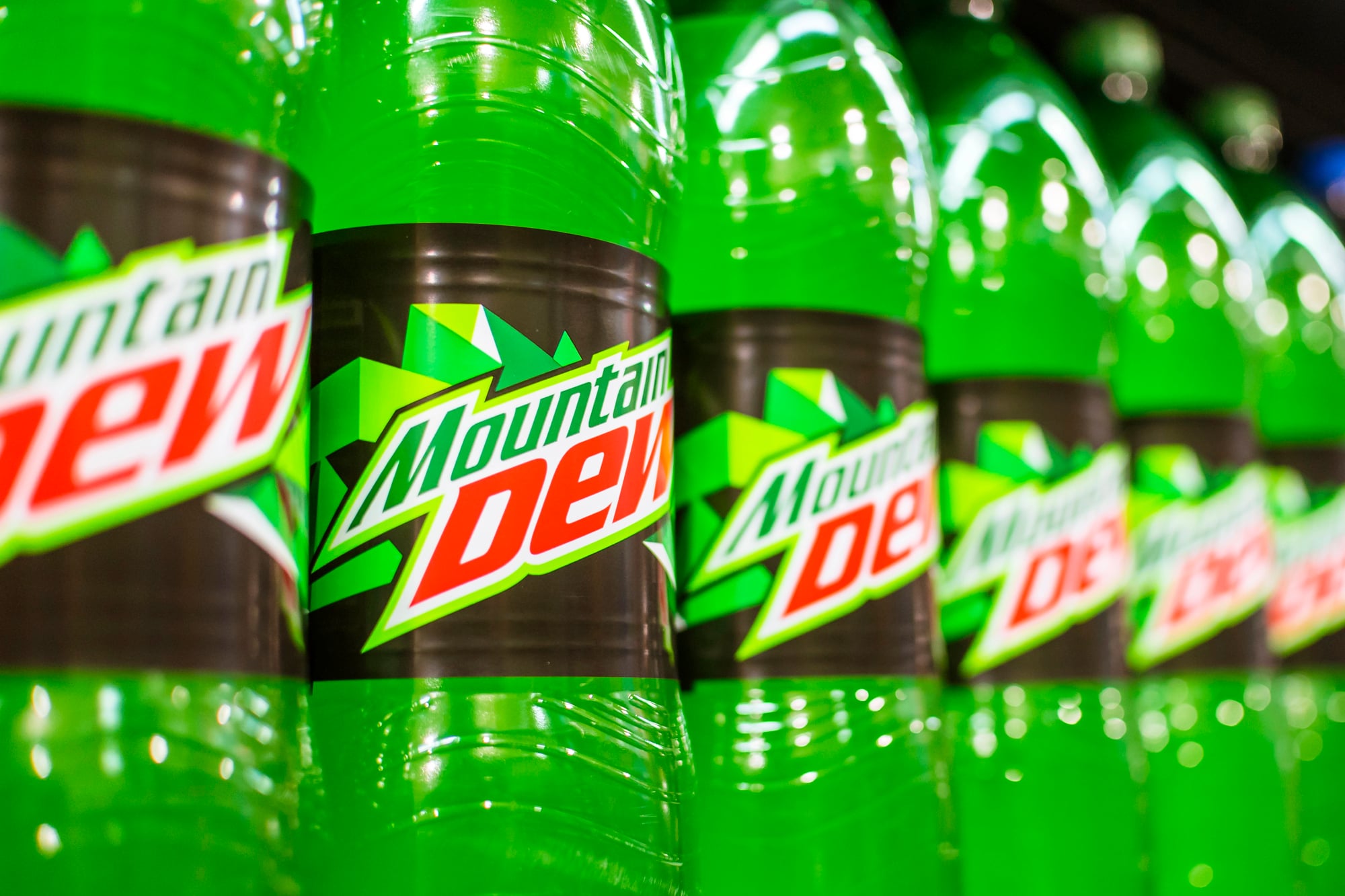
Teenage boys everywhere heard warnings that their favorite neon green soda was secretly destroying their future fertility. The myth claimed that yellow dye number 5 or some other ingredient was basically birth control in a bottle.
This rumor spread so effectively that the soda company had to issue statements denying any connection between their product and reproductive health. Some schools even banned the drink based on these unfounded fears, treating it like a controlled substance.
Subliminal messages in Disney movies were corrupting children
Parents watched VHS tapes frame by frame, convinced they’d spotted hidden inappropriate images and words in animated classics. Every cloud formation and background detail became suspect, with people seeing things that absolutely weren’t there.
The panic reached such heights that news programs did serious segments on these supposed hidden messages. Disney repeatedly denied deliberately placing anything sinister in their films, but the conspiracy theories kept growing anyway.
Gang members were driving without headlights to target random victims

This urban legend warned that gang initiations involved driving around at night with headlights off, then following and attacking anyone who flashed their lights at them as a warning. Police departments across the country received panicked calls about this supposed trend, even though no evidence ever supported it.
People genuinely altered their driving habits out of fear, choosing not to alert other drivers to safety issues because of this made-up threat. The story spread so far that it spawned similar variants in multiple countries.
Twinkies could survive a nuclear war
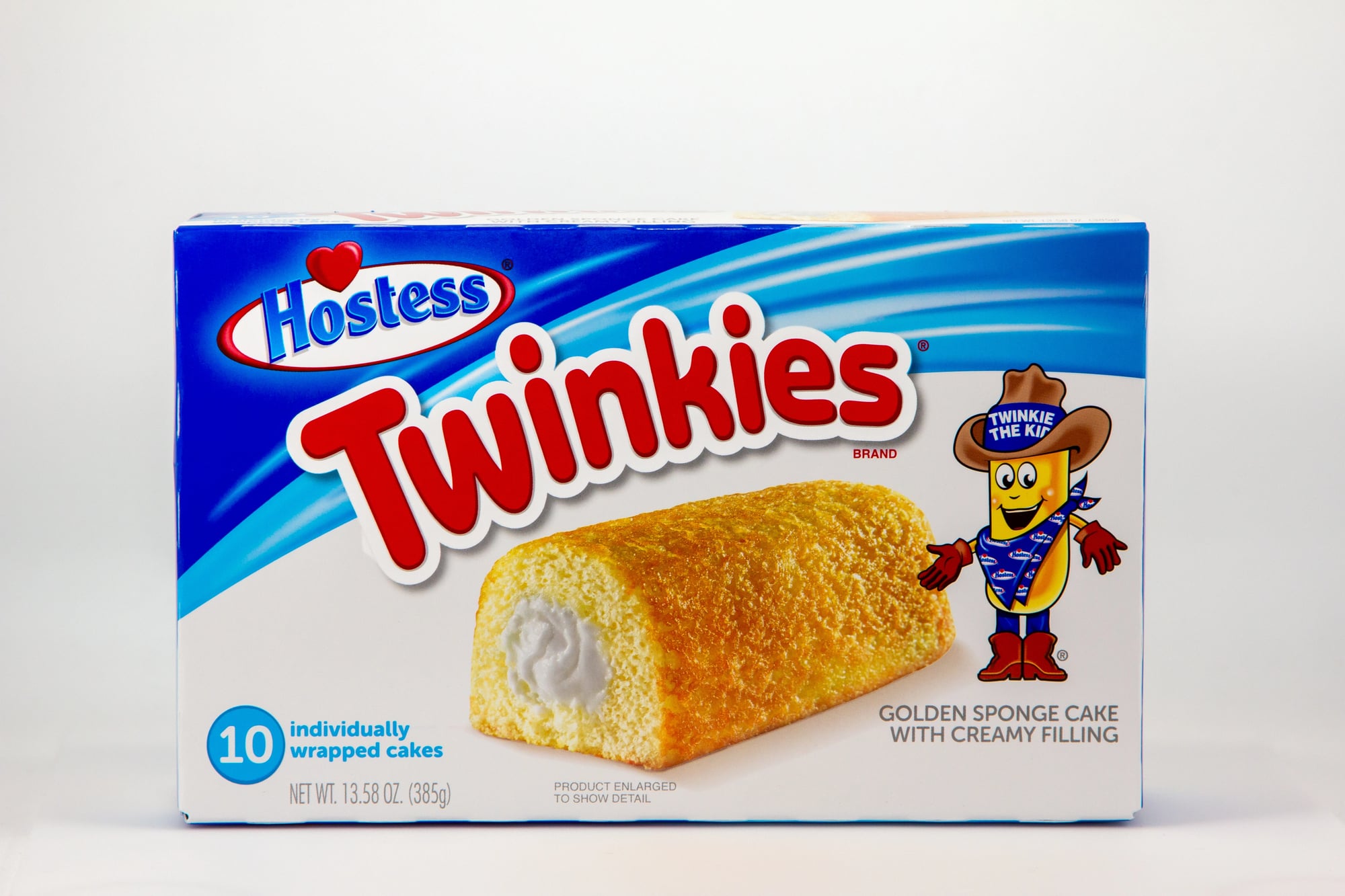
The snack cake’s long shelf life got exaggerated into near-immortality, with people claiming the treats would outlast humanity itself. This belief turned Twinkies into a symbol of indestructible processed food that could withstand any catastrophe.
In reality, Twinkies have a shelf life of about 45 days, which is longer than fresh baked goods but nowhere near forever. The myth probably started because people noticed how long the cakes lasted compared to homemade desserts, then the story grew more extreme with each retelling.
Mister Rogers was a deadly sniper or Navy SEAL

One of the kindest figures in children’s television somehow got transformed into a secret military badass in whispered rumors. People claimed his sweaters hid full sleeve tattoos commemorating his kills, and that his gentle demeanor was covering up a violent past.
This story was completely backwards since Fred Rogers was a pacifist who never served in the military at all. The rumor probably started because people couldn’t reconcile someone being that genuinely nice without having some dark secret.
Ouija boards could actually contact spirits
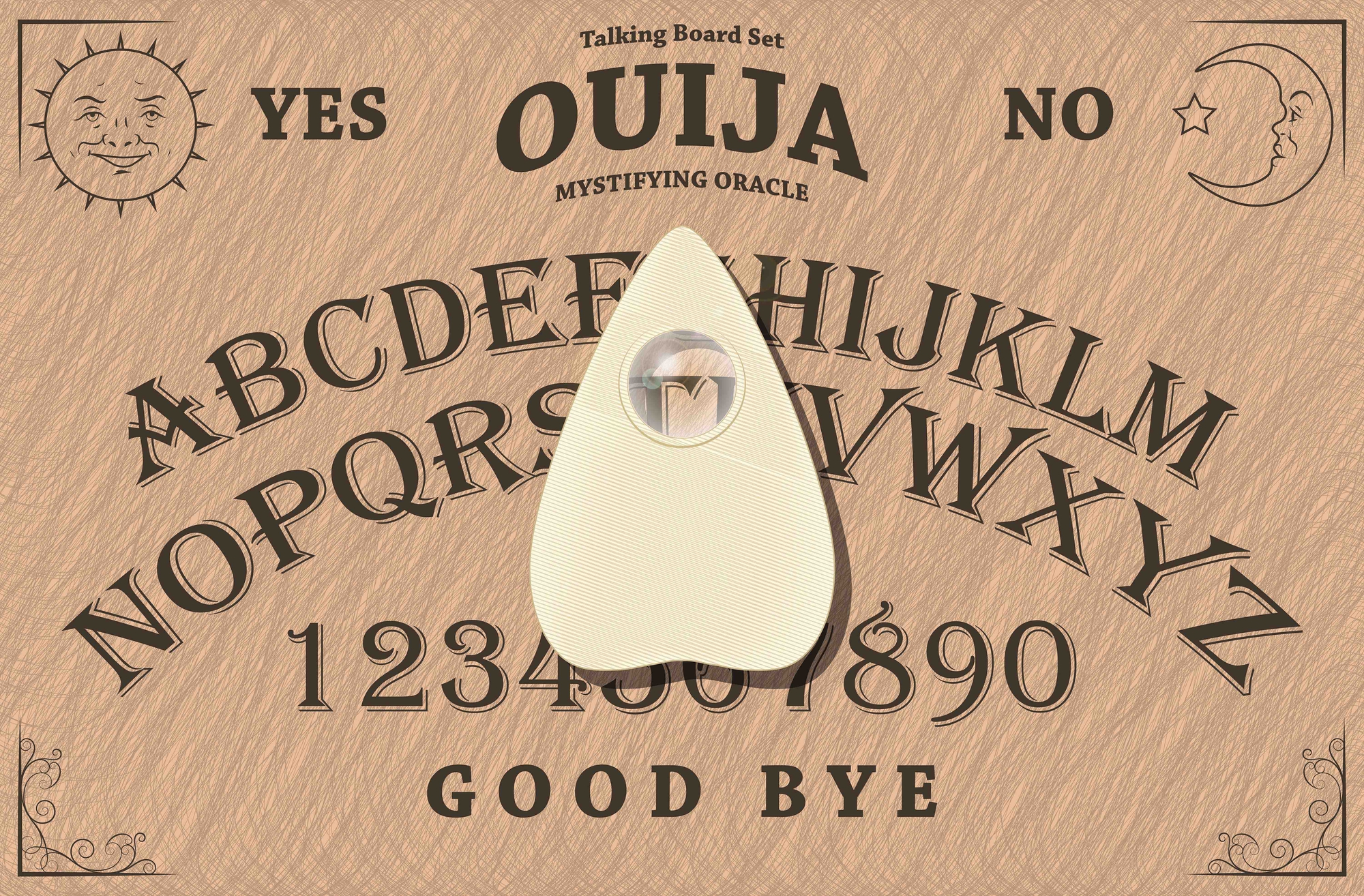
Slumber parties treated these board games like legitimate portals to the afterlife, with kids terrifying themselves over spelling mistakes and random letter selections. Parents sometimes forbade the boards in their homes, genuinely worried about supernatural consequences.
The Parker Brothers toy was treated with the same seriousness as actual occult practices, despite being mass-produced in a factory. People convinced themselves that plastic and cardboard could open doorways to other dimensions, all because their hands unconsciously moved the planchette around.
Toilets flush in opposite directions in different hemispheres

This ‘scientific fact’ got repeated in classrooms and documentaries, claiming the Coriolis effect made water spin differently north and south of the equator. In reality, the direction a toilet flushes depends entirely on how the bowl and jets are designed, not planetary rotation.
The Coriolis effect does influence large weather systems, but it’s far too weak to affect something as small as a toilet bowl. People felt smart sharing this tidbit at parties, not realizing they were spreading complete nonsense.
Razor blades and needles were hidden in Halloween candy

Every October brought renewed panic about neighbors supposedly tampering with trick-or-treat candy to harm children. Parents inspected every piece like bomb squad technicians, and hospitals offered free X-ray services for suspicious treats.
The number of actual confirmed cases of stranger tampering was incredibly tiny, with most incidents involving family members or being complete fabrications. This fear fundamentally changed how people approached Halloween, creating distrust in communities based on something that barely ever happened.
Entering your PIN backwards at an ATM would alert police

This supposed safety feature claimed that typing your code in reverse would dispense money normally while secretly calling the cops. The idea made logical sense at first, which is probably why it spread so easily through offices and social circles.
Banks had to repeatedly explain that this system didn’t exist and wouldn’t work anyway since many PINs are palindromes. People genuinely memorized their codes backwards just in case, preparing for emergencies that this feature couldn’t have helped with anyway.
Snapple caps contained codes worth free stuff or money
Collectors hoarded bottle caps, certain they’d stumbled onto valuable prizes or winning combinations. The ‘Real Facts’ printed inside caps got misinterpreted as secret codes that could be redeemed for rewards.
People traded caps like currency and developed elaborate theories about which numbers meant what. While Snapple did have occasional promotions, the regular facts were just trivia, not lottery tickets waiting to make someone rich.
The past meets the present

Looking back at these bizarre beliefs shows how much the world has changed in just a few decades. The internet didn’t make people smarter overnight, but it did make fact-checking possible for anyone curious enough to search.
These myths survived and spread because information moved slowly, traveling through word of mouth and limited media sources that couldn’t instantly verify or debunk every claim. Today’s world has its own share of conspiracy theories and misinformation, but at least we can usually find the truth with a few taps on our phones instead of waiting years for someone to officially debunk the latest ridiculous rumor.
More from Go2Tutors!

- The Romanov Crown Jewels and Their Tragic Fate
- 13 Historical Mysteries That Science Still Can’t Solve
- Famous Hoaxes That Fooled the World for Years
- 15 Child Stars with Tragic Adult Lives
- 16 Famous Jewelry Pieces in History
Like Go2Tutors’s content? Follow us on MSN.



