16 Fashion Breakthroughs That Changed Style
Have you ever noticed how some fashion trends just stick around forever while others disappear faster than free pizza at a college party? I mean, there’s a reason we’re still wearing jeans but nobody’s bringing back powdered wigs anytime soon. Some stuff just hits different and changes everything.
Been thinking about this lately because my closet’s a mess and I realized half the stuff I own traces back to these random moments when somebody decided to break all the rules. Here are 16 fashion breakthroughs that basically said ‘screw tradition’ and rewrote how we think about getting dressed.
The Little Black Dress (1926)
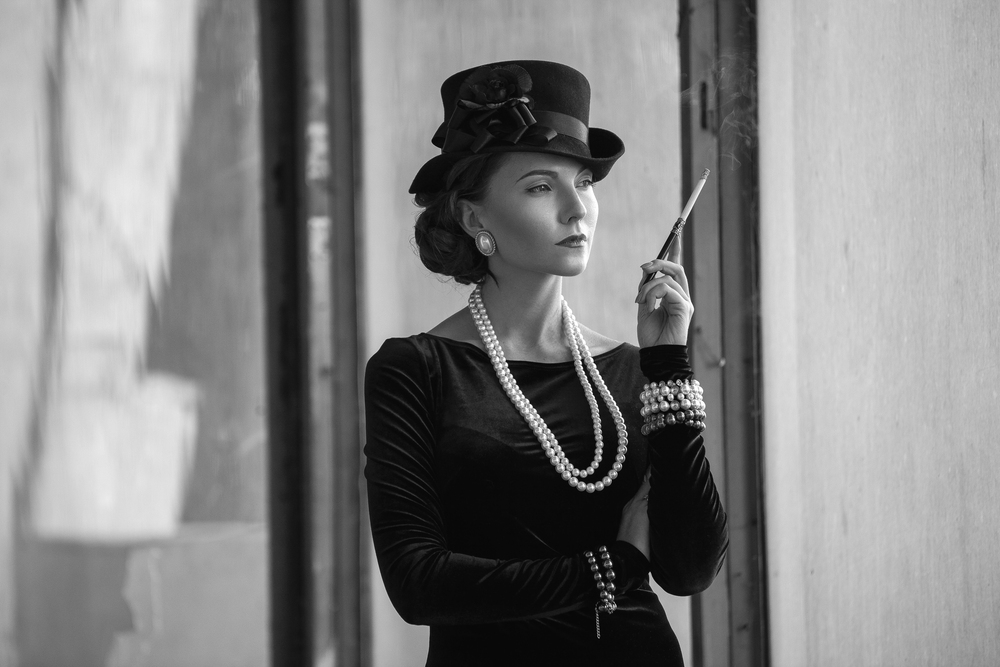
It’s likely that Coco Chanel was wondering why black was only used for depressing events.and simply made the decision to correct that. Prior to her, wearing black was a sign of maid service or mourning.
She created this easy dress that was appropriate for lunch, dinner, parties, and pretty much anything else. Really, it was a brilliant move. One dress, countless options.
Blue Jeans Go Mainstream (1950s)
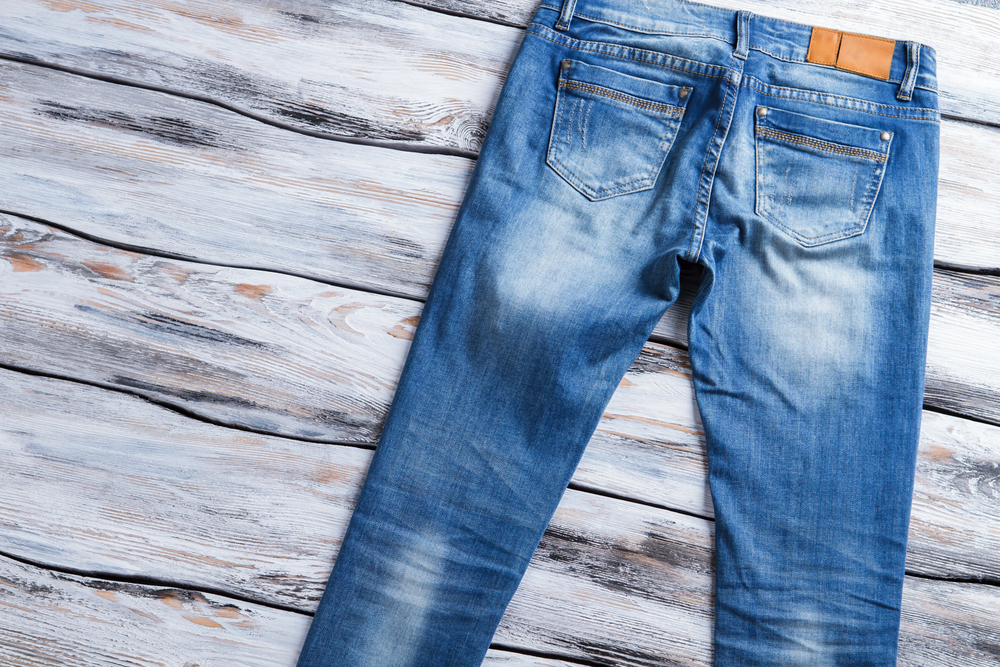
Levi’s was making work pants for guys who dug ditches and fixed stuff. Then James Dean showed up in Rebel Without a Cause wearing jeans and every teenager lost their collective mind.
Parents freaked out so hard that schools started banning denim because they thought it would corrupt their precious children. Can you imagine getting detention for your pants?
The Mini Skirt (1960s)

Mary Quant took a regular skirt and basically said ‘what if we just… cut most of it off?’ The result was scandalous for the time – like, people genuinely thought society was crumbling because women’s knees were visible.
But women loved being able to actually move around without fighting yards of fabric. Revolutionary stuff disguised as a really short hemline.
Bikini Debut (1946)

Louis Réard, the designer, named his two-piece after an atomic bomb test because he knew it would blow people away. You mean subtle? Professional models refused to wear the swimsuit because it was so obscene.
A showgirl who was already accustomed to wearing almost nothing had to be hired. For years, even beaches prohibited the items.
Chanel Suit (1920s-1950s)

Chanel essentially said, “This is stupid, let’s make clothes that don’t torture you,” after seeing women crammed into corsets. Her suits were cozy yet still managed to look elegant and professional.
Although that particular outfit obviously gained notoriety for bad reasons, Jackie Kennedy’s wearing of the pink Chanel suit made it acceptable for American women.
Dr. Martens Cross Over (1960s)

Imagine being the marketing team at Dr. Martens when British punks started buying your work boots to look rebellious. These chunky leather boots went from protecting postal workers’ feet to becoming the unofficial uniform of counterculture.
The company probably had no idea what to do with all these mohawked teenagers suddenly loving their practical footwear.
Athletic Wear as Street Wear (1980s)

The whole aerobics craze made wearing sweatpants in public socially acceptable for the first time. Jane Fonda had everyone buying matching workout outfits that they wore to the grocery store.
Adidas tracksuits became fashion statements instead of just gym clothes. Comfort finally got respect, which seems obvious now but was revolutionary back then.
Hip-Hop Fashion Influence (1980s-1990s)

Sales of Adidas sneakers skyrocketed after Run-DMC wrote a whole song about them. Before Vogue could print magazines, hip-hop artists were establishing fashion trends.
Chunky gold chains, baggy jeans, and oversized jerseys quickly became popular enough to make traditional fashion designers’ heads spin.
Punk Fashion Explosion (1970s)

Vivienne Westwood basically took everything that was supposed to be pretty in fashion and destroyed it on purpose. Safety pins became jewelry, ripped clothes became statements, and offensive t-shirts became art.
Punk showed that fashion could be angry and political instead of just trying to make you look nice for your mother-in-law.
Japanese Avant-Garde (1980s)
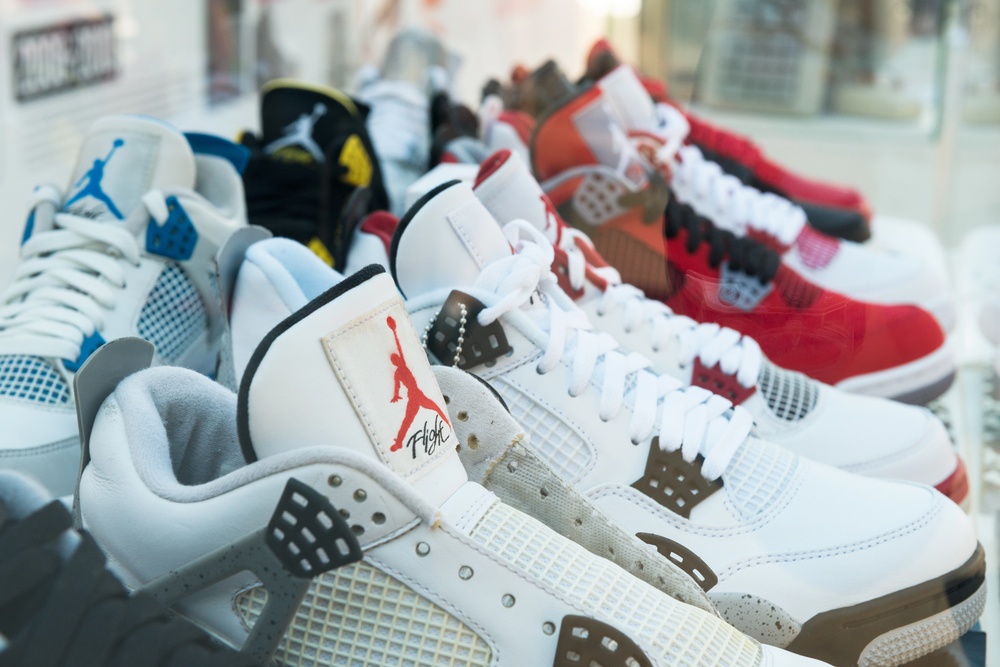
Rei Kawakubo and Yohji Yamamoto showed up to Paris Fashion Week with these weird, dark, unfinished-looking clothes that made everyone go ‘what the heck is this?’ Fashion critics were totally confused by jackets with one sleeve and dresses that looked like they fell apart.
But these designers proved clothes could be weird art projects, not just pretty things to wear.
Grunge Goes Designer (1990s)

Marc Jacobs putting thrift store flannel on expensive runways was peak weird. Grunge was supposed to be about rejecting fancy fashion, but then fancy fashion just absorbed it completely.
Seattle kids wearing secondhand clothes because they were broke suddenly influenced million-dollar fashion houses. The irony was beautiful and completely ridiculous.
Designer Sneakers Takeover (2000s)

Balenciaga charging almost a thousand bucks for sneakers that looked like something from a discount store was either brilliant or insane. Probably both.
Off-White started putting quotation marks on everything and treating Nike collaborations like museum pieces. Suddenly sneaker collecting became as serious as collecting vintage cars or rare books.
Fast Fashion Revolution (2000s)
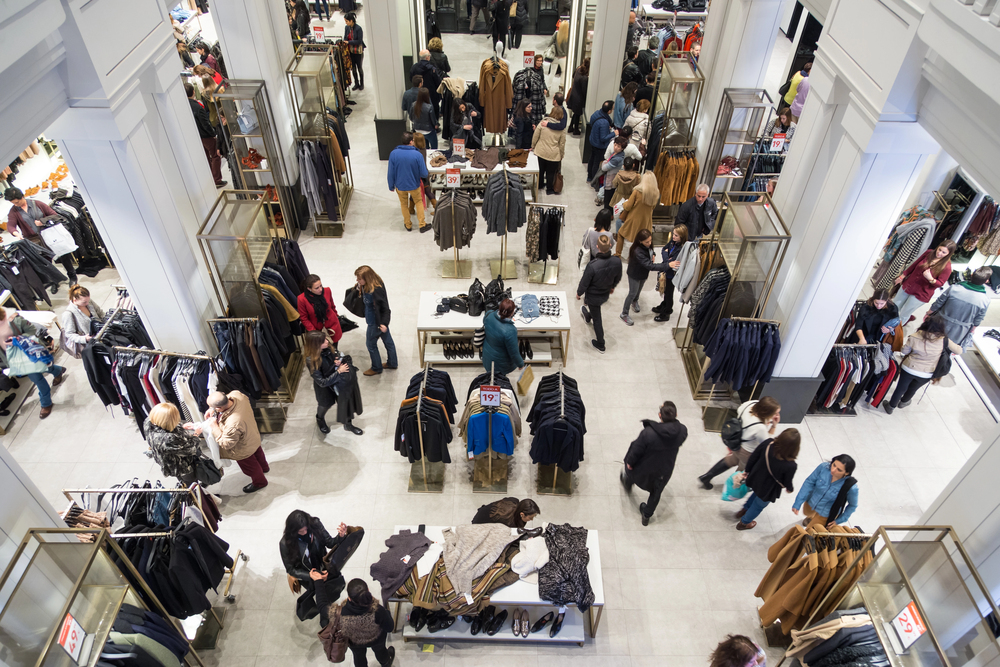
Zara figured out how to steal runway looks and get cheap versions in stores before the original designers even shipped theirs. H&M started doing designer collaborations that let regular people buy Versace for Target prices.
The quality was questionable and the working conditions were worse, but suddenly everyone could look current without spending their rent money.
Athleisure Becomes Everything (2010s)

Lululemon convinced the world that yoga pants were appropriate for literally any occasion except maybe weddings. The line between workout clothes and regular clothes just vanished completely.
You could wear sports bras as tops, sneakers with dresses, and leggings to fancy restaurants. Comfort finally beat out looking ‘proper’ in the eternal fashion war.
Streetwear Meets High Fashion (2010s)

When Supreme collaborated with Louis Vuitton, it was like watching two different planets collide. Streetwear brands that started by making t-shirts for skaters were suddenly worth more than some car companies.
Virgil Abloh going from making clothes in his basement to running Louis Vuitton menswear proved that street credibility was the new luxury.
Gender-Neutral Fashion Movement (2010s-Present)

Brands finally started making clothes that anyone could wear regardless of what’s in their pants, which sounds obvious but was actually pretty radical. Telfar bags became the must-have accessory for everyone, not just one gender.
Unisex everything challenged the weird idea that men and women needed completely different closets full of different shaped clothes.
Fashion Never Stops Changing

These breakthroughs didn’t just tweak hemlines or add new colors – they completely shifted how people thought about using clothes to express themselves. Chanel proved you didn’t have to suffer to look good.
Hip-hop showed that street culture could influence fancy brands. Punk demonstrated that fashion could be a form of protest.
Each breakthrough built on the chaos that came before it, creating this constant cycle where yesterday’s rebellion becomes tomorrow’s boring normal. Fashion keeps reinventing itself because people keep finding new ways to use their clothes to say something about who they are.
The next big breakthrough is probably happening right now in someone’s bedroom or garage, getting ready to make everything we currently think is cool look completely ancient. That’s just how this stuff works – nothing stays revolutionary forever, but the good ideas stick around and influence whatever comes next.
More from Go2Tutors!

- The Romanov Crown Jewels and Their Tragic Fate
- 13 Historical Mysteries That Science Still Can’t Solve
- Famous Hoaxes That Fooled the World for Years
- 15 Child Stars with Tragic Adult Lives
- 16 Famous Jewelry Pieces in History
Like Go2Tutors’s content? Follow us on MSN.