16 Forgotten Landmarks Once More Famous Than the Eiffel Tower
The Eiffel Tower wasn’t always the darling of Paris postcards. When it opened in 1889, critics called it an eyesore, a metal monstrosity that would ruin the city’s skyline.
Hard to imagine now, but there was a time when other landmarks commanded the world’s attention — structures so magnificent, so talked about, that they made Gustave Eiffel’s iron lattice seem like an afterthought. Some of these forgotten giants have crumbled to dust, others stand quietly in their corners of the world, no longer drawing the crowds they once did.
What happened to the places that used to define wonder itself?
Crystal Palace
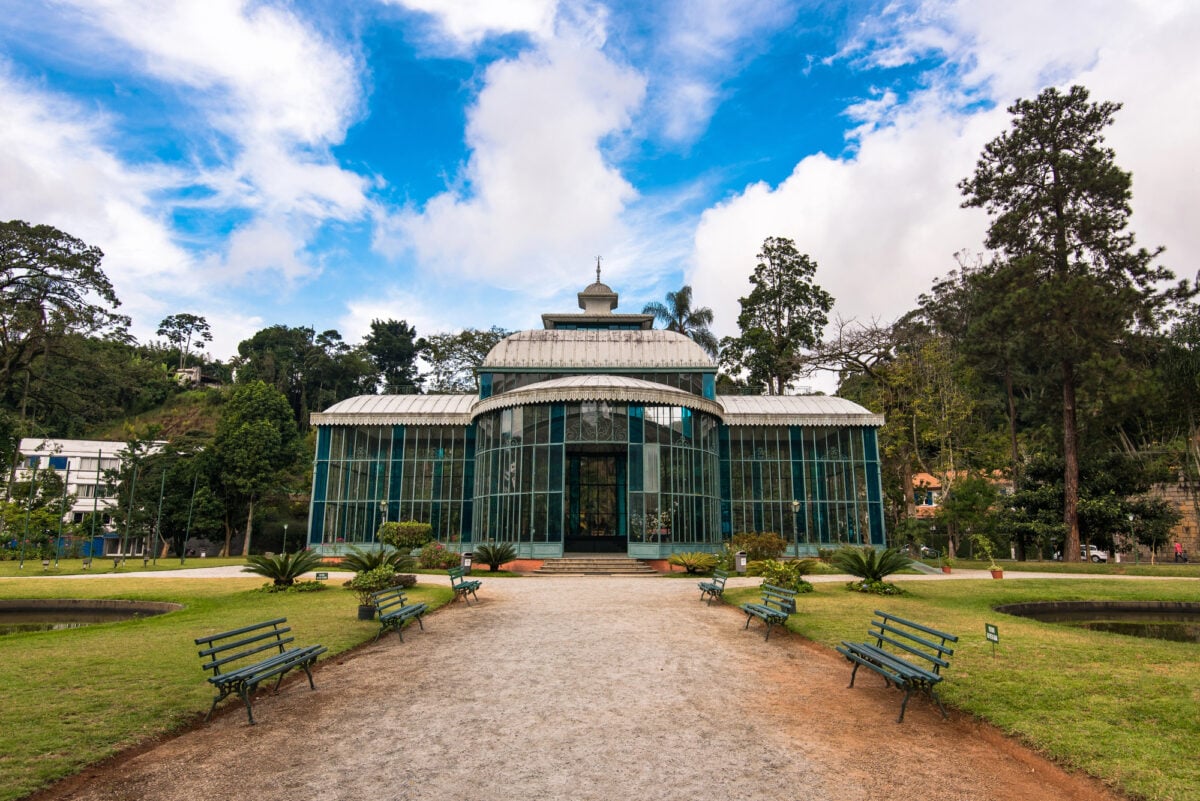
The Crystal Palace made the Eiffel Tower look timid. Built for London’s Great Exhibition of 1851, this massive greenhouse of iron and glass stretched over 1,800 feet long and housed the wonders of the industrial world.
People traveled across continents just to walk through its glittering halls. The building itself was the main attraction.
Visitors came to see how something so enormous could feel so light, how Victorian engineering had created a cathedral of transparency. Then fire took it in 1936, leaving only the memory of what glass and ambition could build together.
Statue Of Liberty’s Torch
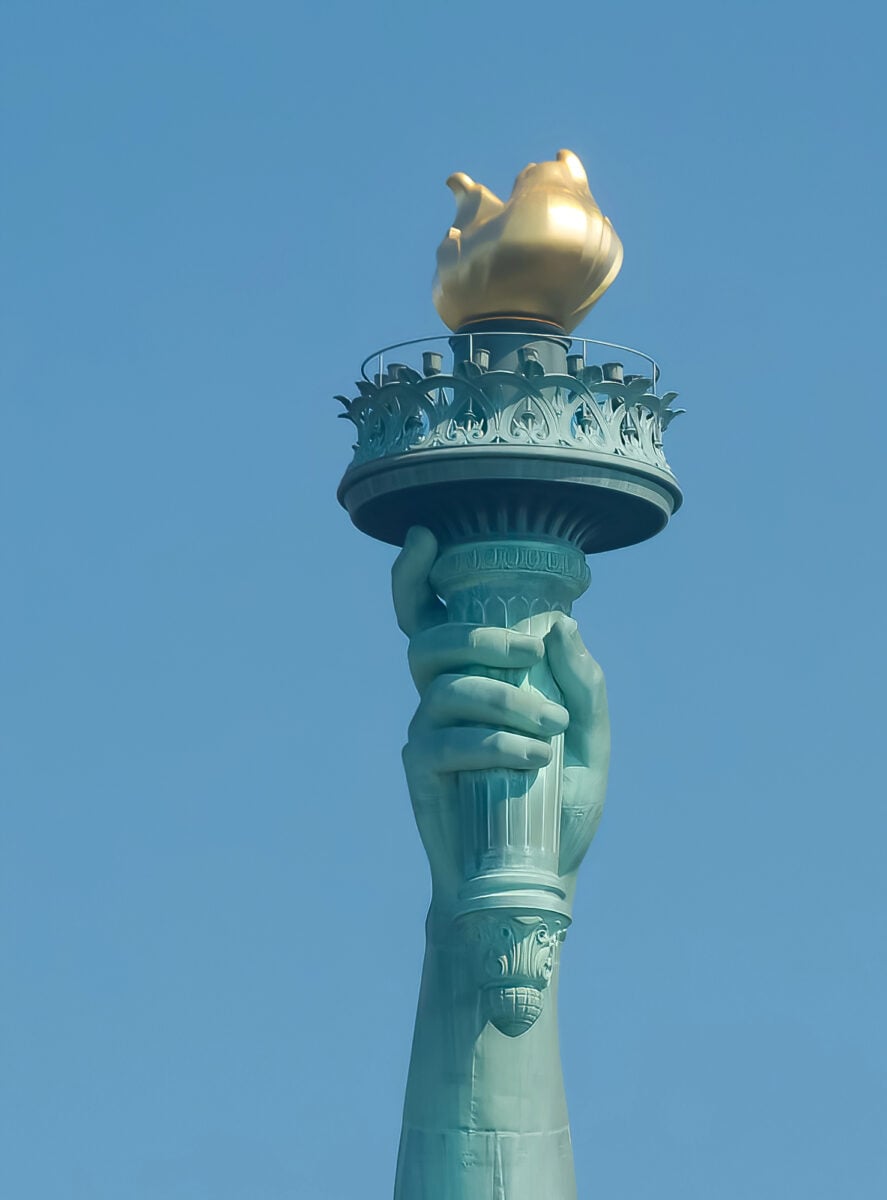
Before the full statue arrived, just the torch lived in Madison Square Park for six years. New Yorkers climbed inside it, posed for photographs with it, made it the most famous landmark in the city (which is saying something in a place like New York, even in 1876).
The torch drew crowds because it represented something unfinished, something hopeful waiting to become whole — though nobody quite understood yet what Liberty herself would mean to the millions who’d eventually sail past her. People paid twenty-five cents to climb up inside that flame, more than many earned in a day, and they lined up to do it.
Roman Colosseum’s Awnings

Picture the Colosseum not as the weathered skeleton tourists visit today, but as it was: a living, breathing entertainment complex with a retractable roof system that could shade 50,000 spectators from the Mediterranean sun. The velarium, as Romans called it, was an engineering marvel that made the building feel less like a ruin and more like the world’s first domed stadium.
These awnings weren’t just practical — they were theatre. When sailors unfurled the massive canvas sheets in perfect coordination, the crowd would cheer before the gladiators even appeared.
The ritual of opening and closing that fabric sky became as much a part of the spectacle as anything happening on the sand below. Weather was negotiable when you controlled it with rope and canvas, and Rome wanted everyone to know it.
And yet the awnings required a full naval crew to operate. Salt-weathered men who understood wind and sail brought their expertise inland, turning the Colosseum into a ship that never left port but somehow sailed every day.
Babylon’s Hanging Gardens
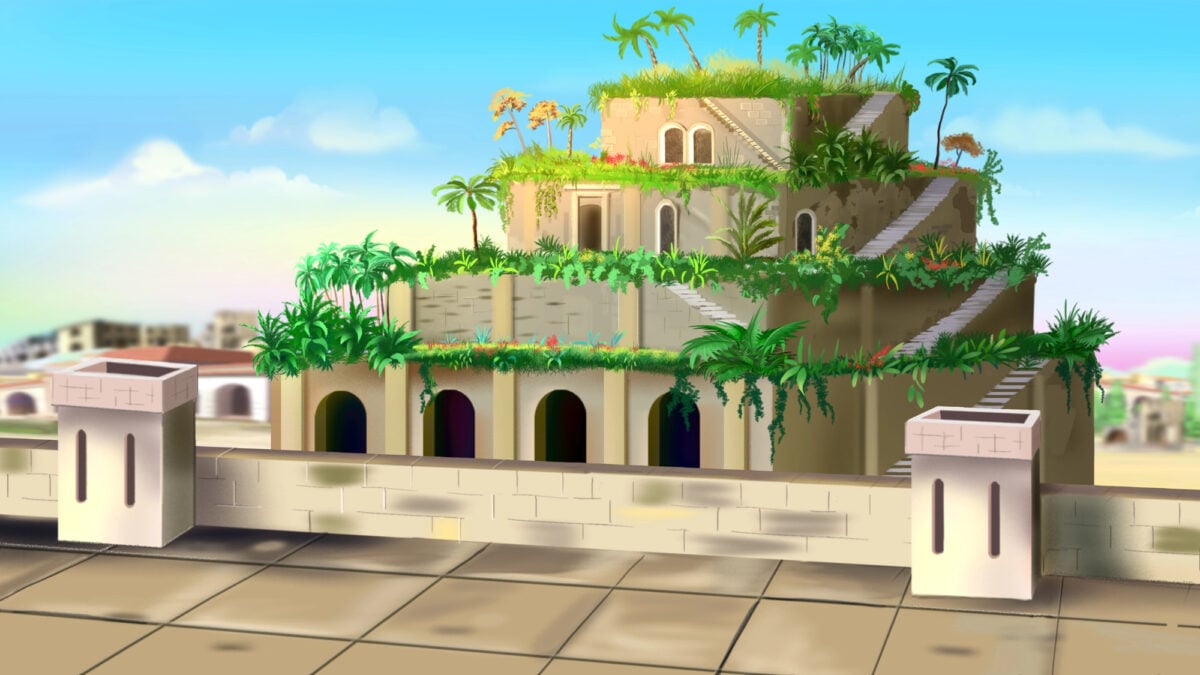
The Hanging Gardens were the ancient world’s middle finger to geography. Built in a desert where nothing should grow, these terraced gardens supposedly rose in green spirals above Babylon, irrigated by some engineering system so sophisticated that scholars still argue about whether the whole thing actually existed.
If they were real, they worked like a beautiful lie. Desert travelers would see this impossible oasis rising from the sand, defying everything they knew about where plants could live.
The gardens became more famous than the city itself, which is remarkable given that Babylon was already the most powerful place on earth.
World Trade Center’s Observation Deck
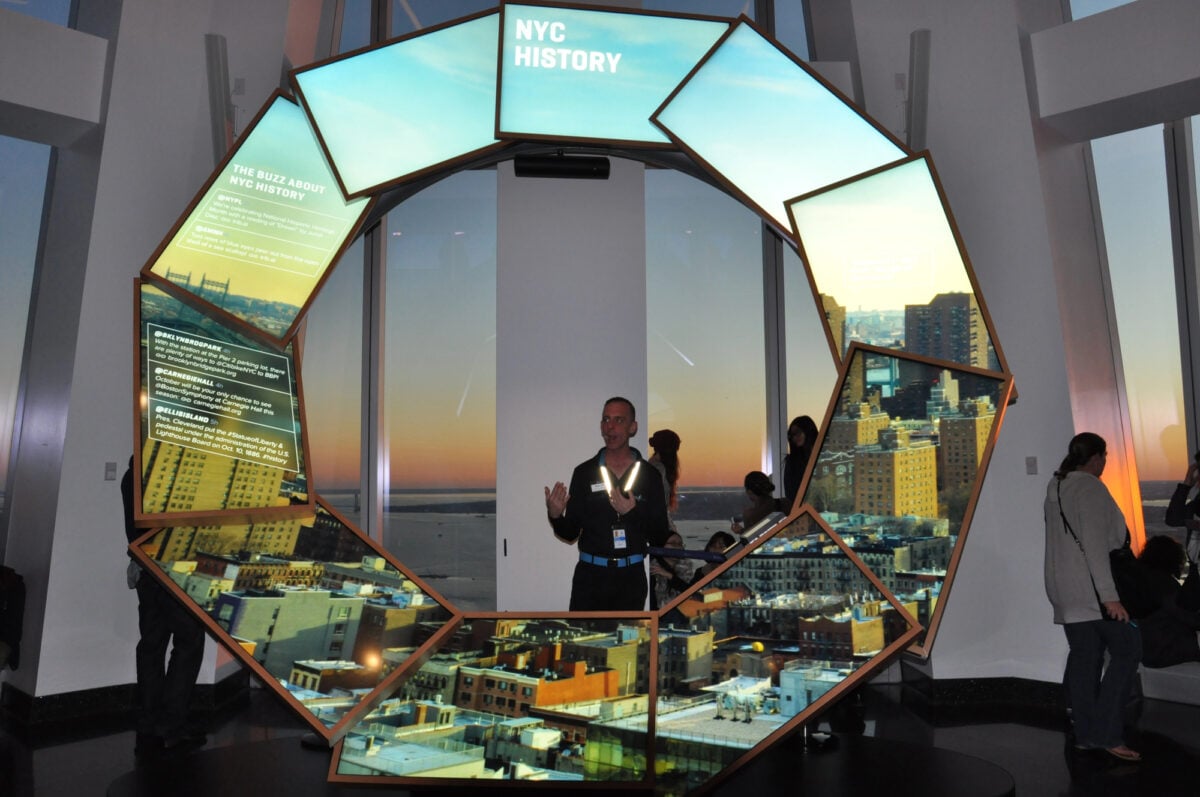
Before September 11th, the Twin Towers’ observation decks were magnets for anyone wanting to feel New York from above. The South Tower’s outdoor deck put visitors higher than the Empire State Building, higher than anything else in the city, with wind whipping around them at 110 stories up.
People didn’t just visit once. New Yorkers brought every out-of-town guest there, made it a ritual, a way of explaining their city by showing it spread out below like a living map.
The towers were young then, controversial for their stark modernism, but that observation deck made believers out of skeptics who rode the elevator up into the clouds.
Lindisfarne Priory
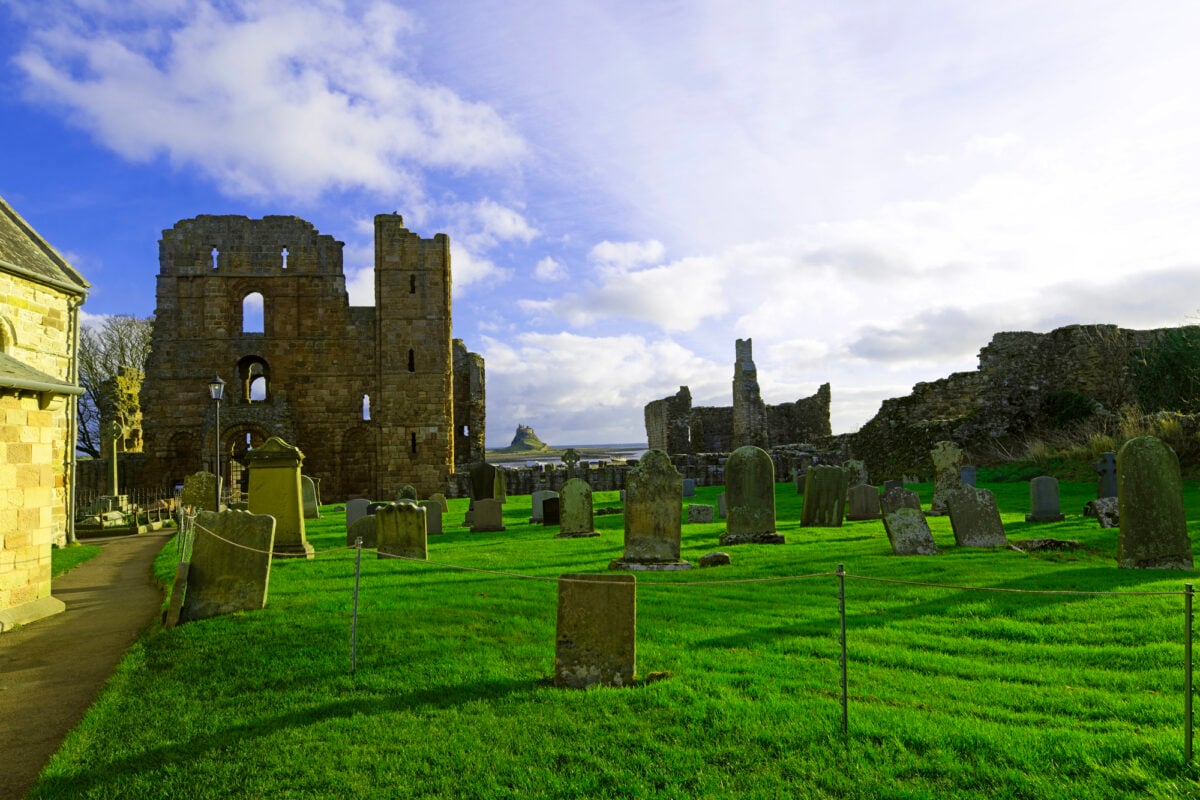
Lindisfarne was Europe’s beacon when most of the continent had forgotten how to read. This island monastery off England’s coast became the Harvard of its time: monks copied manuscripts by candlelight, preserved knowledge that would have otherwise disappeared, created illuminated texts so beautiful that people made pilgrimages just to see a single page.
The priory wasn’t just a building; it was proof that learning could survive the Dark Ages. Kings sent their sons there.
Scholars walked across countries to debate theology in its halls. The island itself became secondary to what happened inside those stone walls, where patient hands kept civilization’s flame burning when everywhere else had gone dark.
Then Vikings arrived in 793 and reminded everyone that even the most sacred places were still just buildings filled with mortal people and portable treasure.
Madison Square Garden (Original)
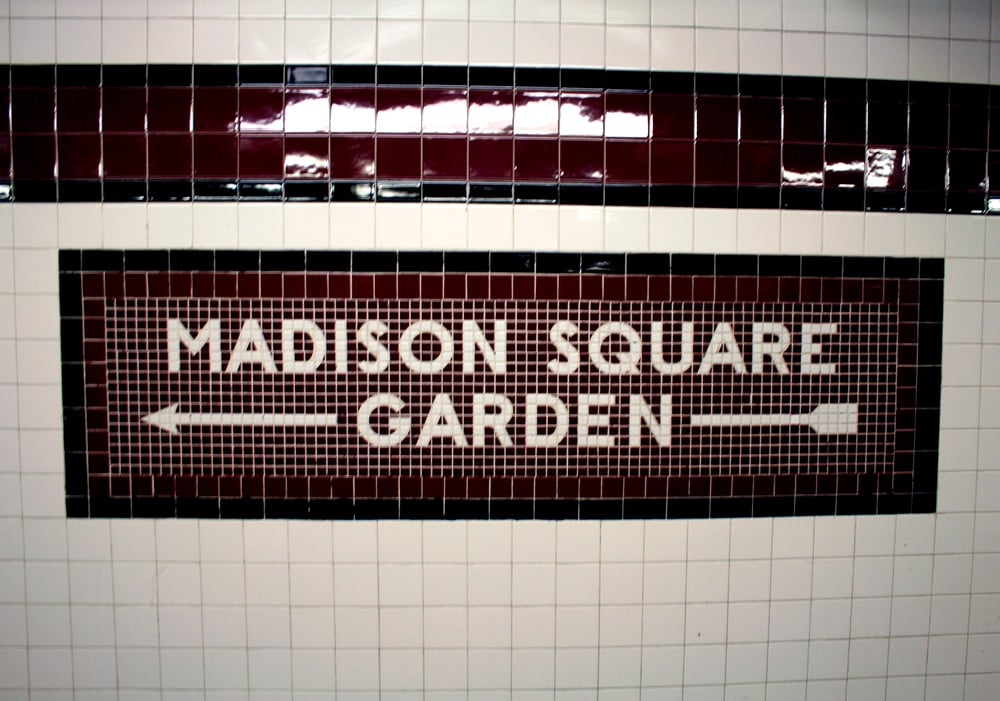
The original Madison Square Garden wasn’t just an arena — it was New York’s living room. Built in 1890 with a tower that soared over the city, it hosted everything from dog shows to political conventions, from bicycle races to society orbs.
The building itself was architecture as entertainment, Stanford White’s monument to the idea that sports venues could be temples. People came for events they’d never heard of just to be inside the space.
The Garden’s tower, topped with a bronze Diana that rotated with the wind, became the city’s compass point. New Yorkers gave directions relative to Madison Square Garden because it was the one thing everyone could see and recognize from miles away.
Great Wall Watchtowers
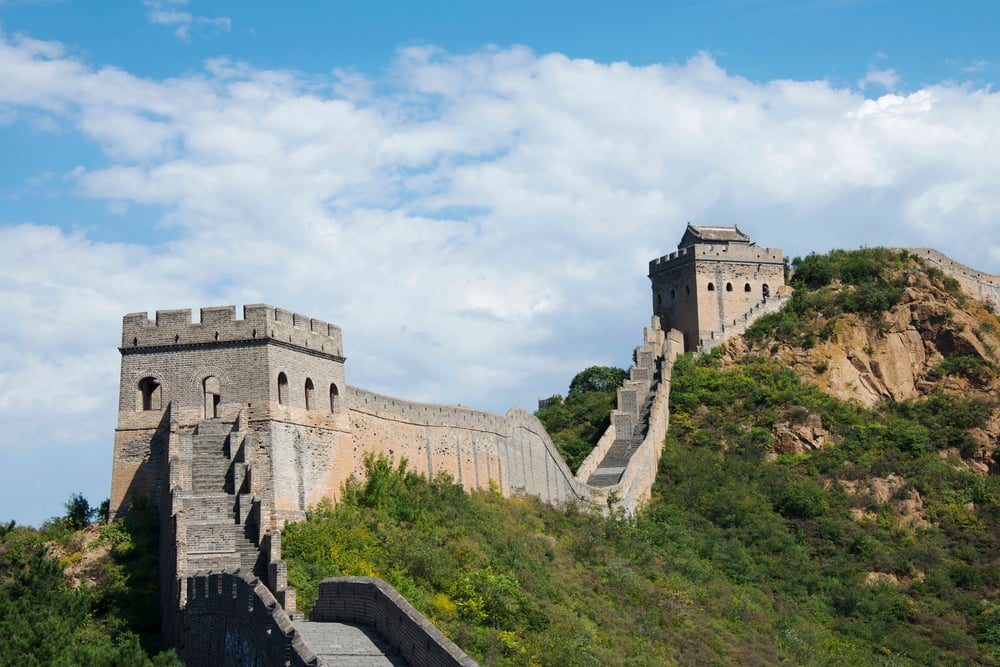
The Great Wall gets attention, but the watchtowers were what made it work. These stone sentinels, spaced precisely so guards could signal from one to the next, created the world’s first long-distance communication network.
A fire lit on the border could send a message to Beijing in hours, faster than any horse could ride. Each tower was both fortress and telegraph station.
Guards lived isolated lives up there, but they held the empire together with smoke signals and mirror flashes. The wall was just expensive scenery without the towers to make it think and speak.
Enemies could climb over stones, but they couldn’t outrun information traveling at the speed of light.
Circus Maximus
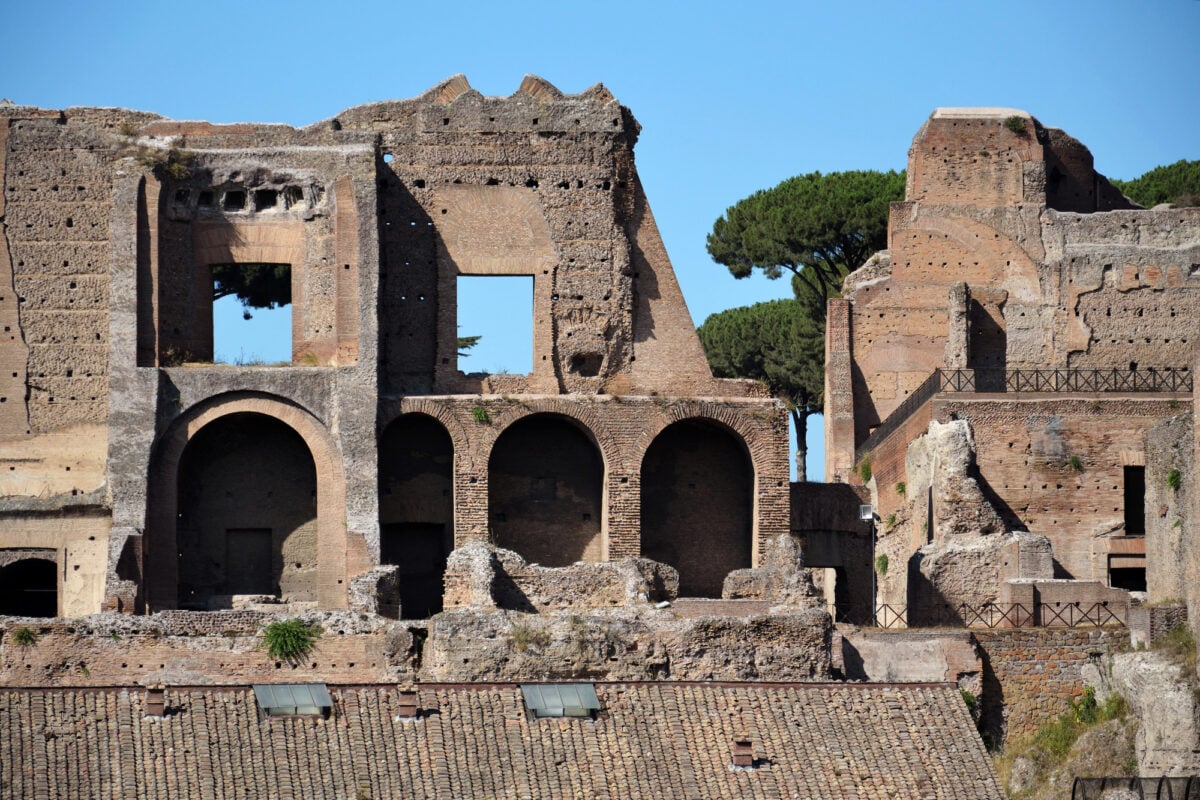
The Circus Maximus made the Colosseum look intimate. This chariot racing stadium held 250,000 Romans — a quarter million people screaming for their favorite teams, betting fortunes on horse races, turning what should have been transportation into blood sport.
The circus was Rome’s television, radio, and internet rolled into one. People planned their weeks around race days.
Emperors rose and fell based on whether they could keep the crowds happy with good races and competent organization. Political careers died in those stands when the chariots were too slow or the betting was obviously fixed.
The building dominated Rome not just physically but culturally — it was where Romans learned to be Romans, where social classes mixed and argued and celebrated together in ways that happened nowhere else in the rigidly stratified empire.
Brooklyn Bridge’s Promenade
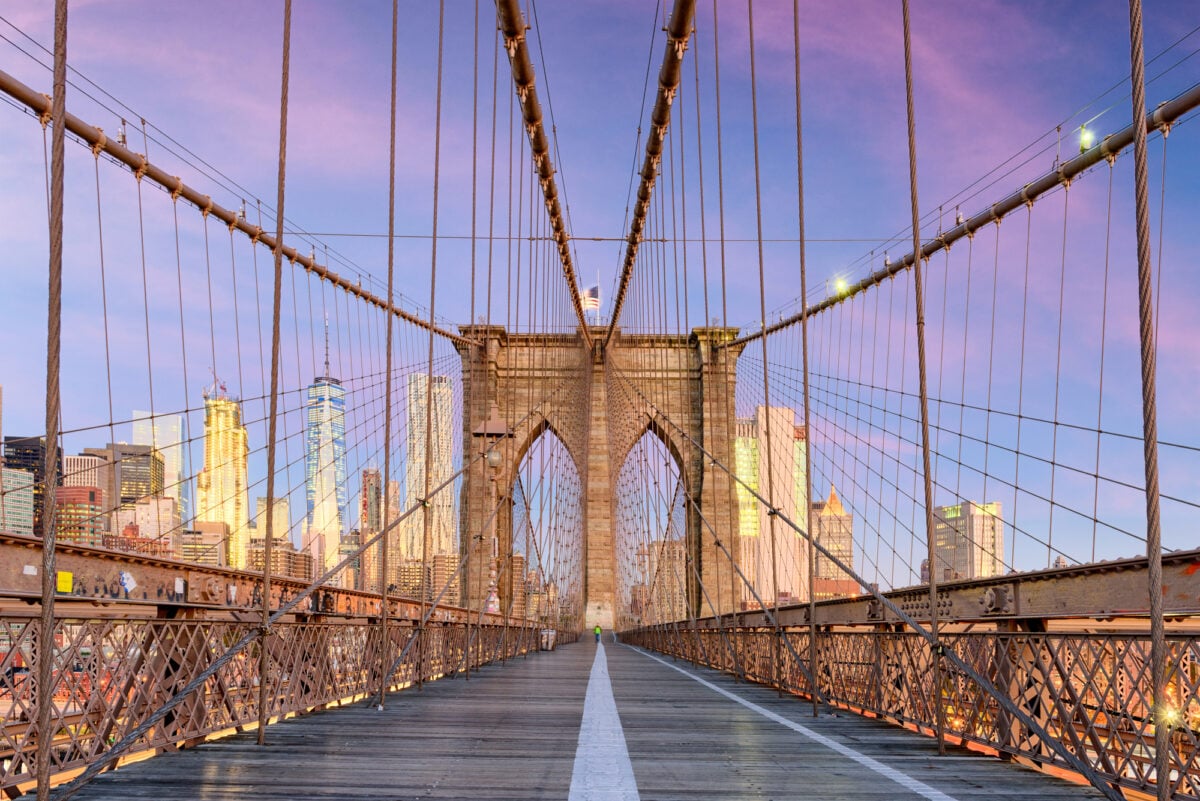
When the Brooklyn Bridge opened in 1883, its pedestrian promenade was a remarkable architectural feature—a broad walkway elevated above the roadway that John Roebling designed solely for the enjoyment of pedestrians. It offered exceptional views of the Manhattan skyline and the East River, and became a beloved public space that Roebling himself said would be “of incalculable value in a crowded commercial city.”
People didn’t just visit once. New Yorkers brought every out-of-town guest there, made it a ritual, a way of explaining their city by showing it spread out below like a living map.
The towers were young then, controversial for their stark modernism, but that promenade made believers out of skeptics who rode the elevator up into the clouds.
Leaning Tower Of Pisa’s Bells
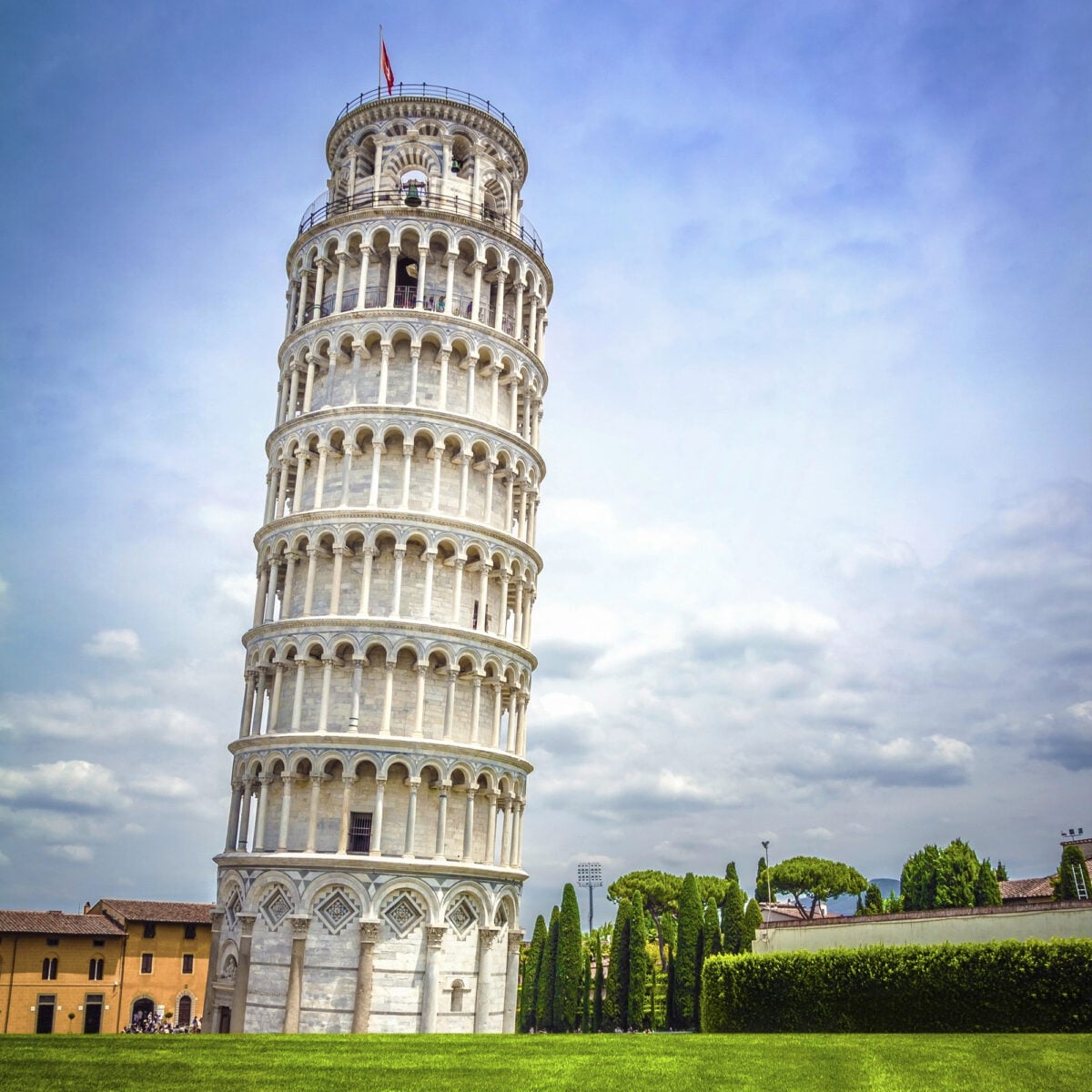
The Leaning Tower wasn’t built to lean — it was built to ring. Seven bells hung in that tilting campanile, each tuned to a different note, calling the people of Pisa to prayer and celebration with music that could be heard across the city.
The lean was an embarrassment; the bells were the point. But something happened when the tower started tilting: the bells began to sound different.
The unusual acoustics created by the off-kilter architecture gave Pisa a voice unlike any other city. Pilgrims came to hear what bells sounded like when they rang from a tower that shouldn’t be standing at all.
And the irony cuts deep — now the tower is famous for its structural failure, while the bells that made it matter in the first place sit silent, too dangerous to ring in a building that grows more unstable every year.
Mont-Saint-Michel’s Tides
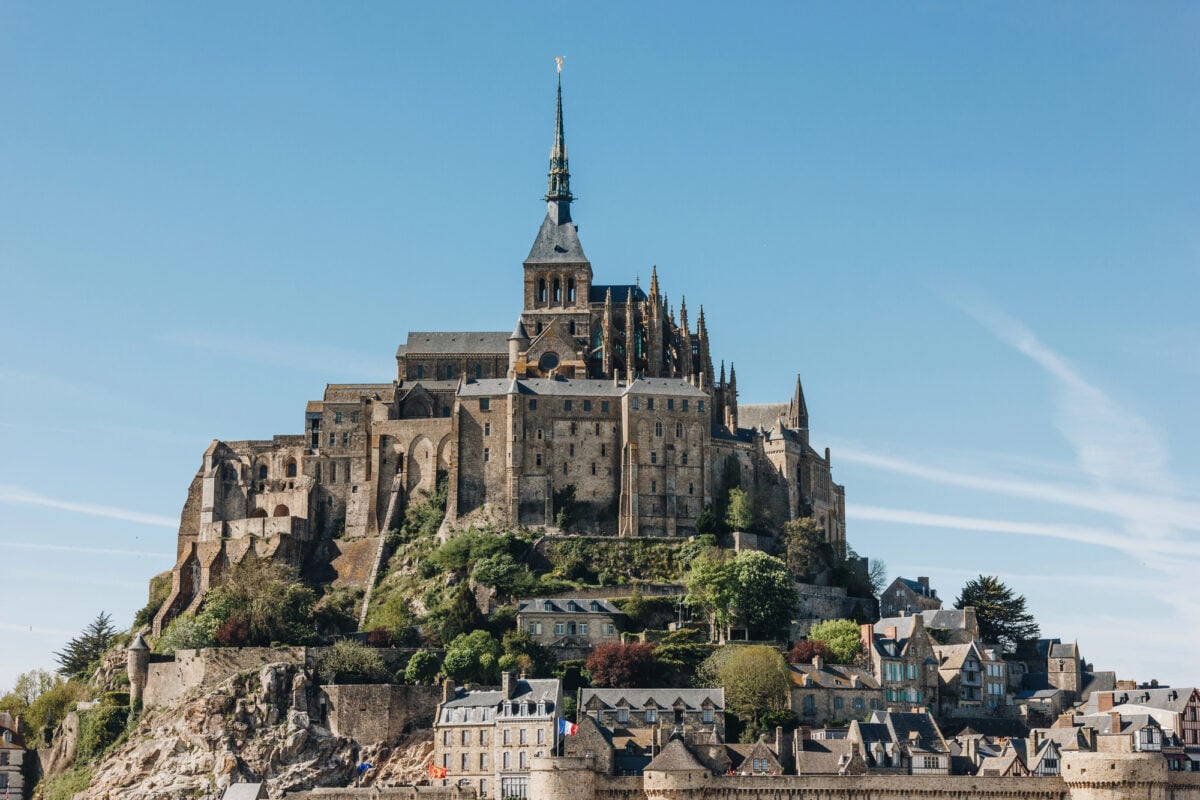
Mont-Saint-Michel becomes an island twice a day, cut off from mainland France by tides that race across the bay faster than a horse can run. Medieval pilgrims timed their journeys around those waters, knowing that miscalculation meant spending the night on wet sand, watching the abbey float above them like a mirage.
The tides were the attraction. People came to witness the transformation, to see solid ground become impassable sea, to watch the abbey’s reflection appear and disappear in water that wasn’t there an hour before.
The building itself, magnificent as it was, served mainly as an excuse to experience the daily magic of land becoming water becoming land again. Pilgrims talked less about the religious services and more about the moment when the causeway disappeared beneath their feet, when they realized they were temporarily marooned with God and a few dozen monks on a rock in the middle of the sea.
Suez Canal’s Opening Ceremonies
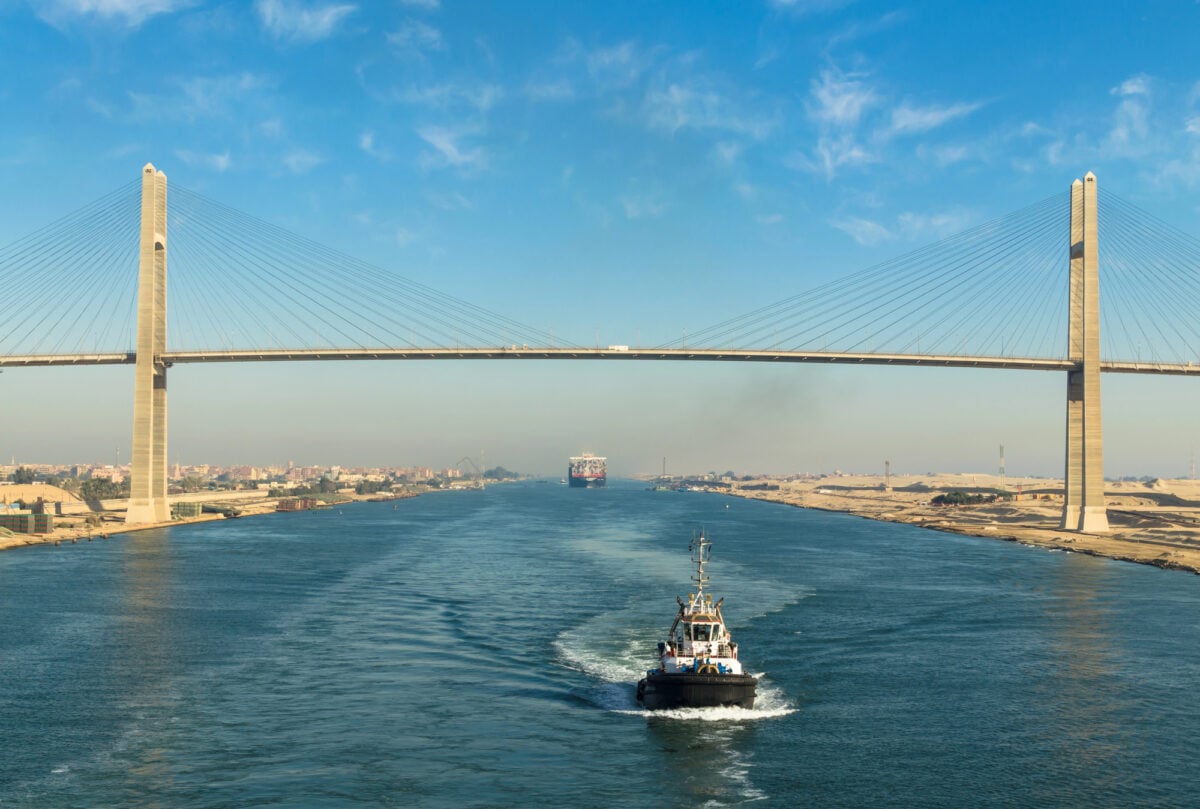
The Suez Canal’s inauguration in 1869 was the party of the century. European royalty sailed through on decorated yachts while thousands of spectators lined the banks to witness the moment when the Mediterranean and Red Seas first shook hands through human engineering.
For that one week, the canal was more famous than any building on earth. Giuseppe Verdi composed an opera for the celebration.
The Ottoman Empire threw banquets that lasted for days. Newspapers across the world ran front-page coverage of ships floating where ships had never floated before, of a ditch that changed how the world worked.
Panama Canal’s Locks
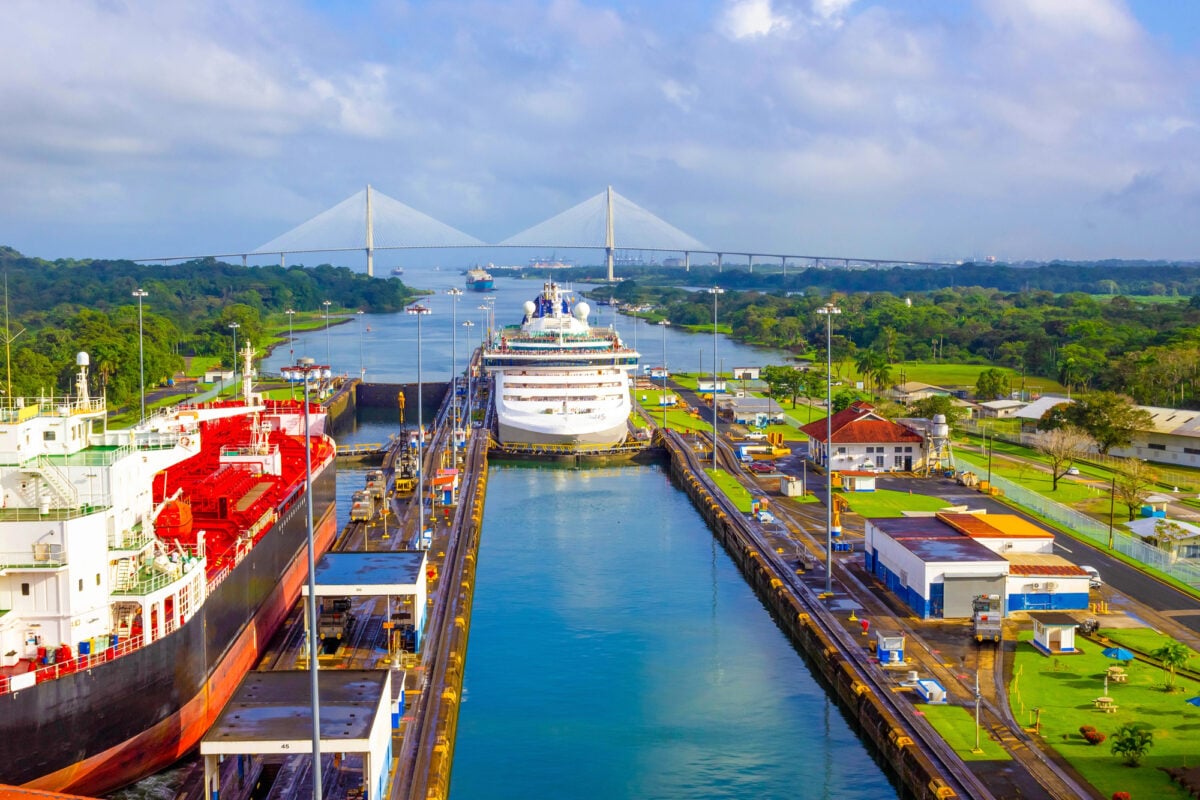
Before the Panama Canal became routine, its locks were mechanical theater. Ships entering the canal system had to surrender control to electric locomotives called mules, which guided massive vessels through chambers that lifted them 85 feet above sea level and then gently lowered them back down to the other ocean.
Passengers on those early ships pressed against the railings to watch their vessel rise like an elevator, to see the massive gates swing shut behind them, to feel millions of gallons of water lifting them toward the sky. The locks turned every transit into a performance, every cargo ship into a star of an engineering drama that played out in slow motion over several hours.
The canal was proof that humans could edit geography, that oceans didn’t have to stay separate just because nature had built a continent between them.
Golden Gate Bridge’s Construction
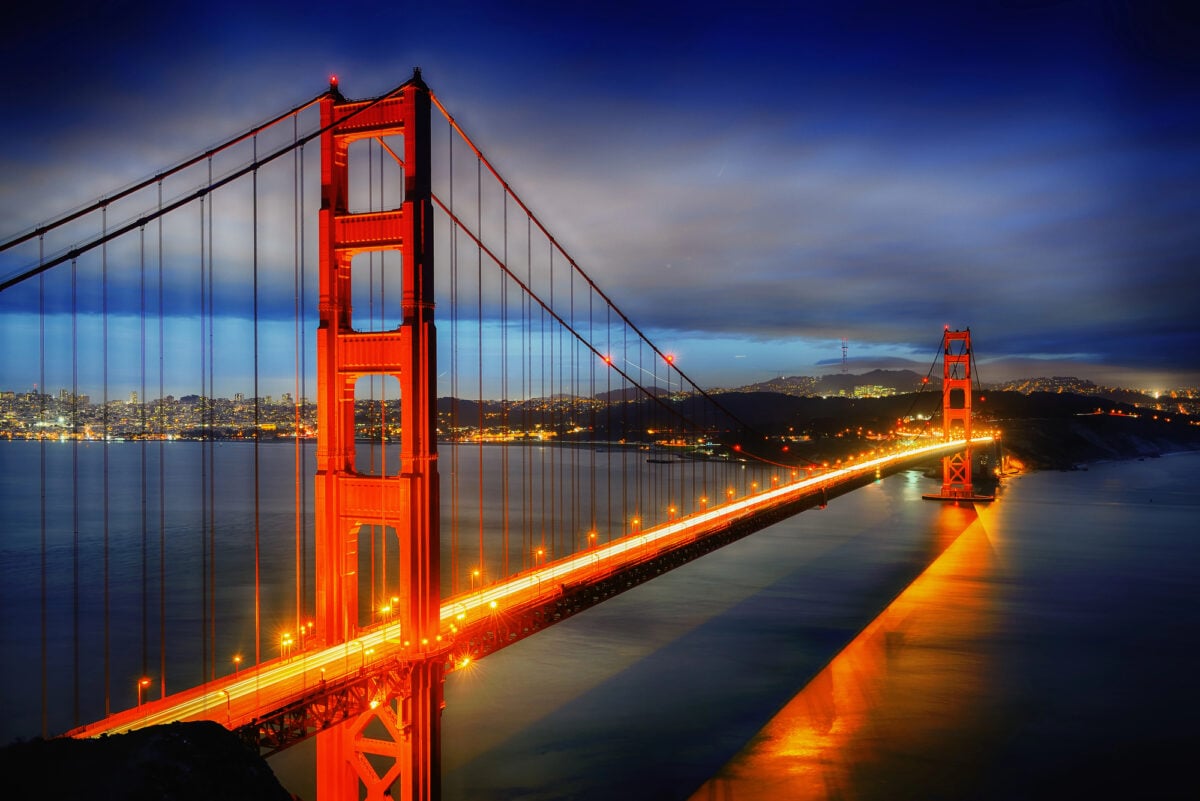
During construction, the Golden Gate Bridge killed the San Francisco skyline as a point of reference. For four years, the bridge-in-progress dominated every view, every photograph, every conversation about the city.
People came to watch it grow, to see if engineers could really span the Golden Gate without the whole thing collapsing into the bay. The bridge under construction was more dramatic than the finished product.
Those half-completed towers rising from the water looked like monuments to human ambition, like proof that some dreams were too big to fail. Construction workers became celebrities.
Every cable strung across the void made front-page news.
Palace Of Versailles’ Hall Of Mirrors
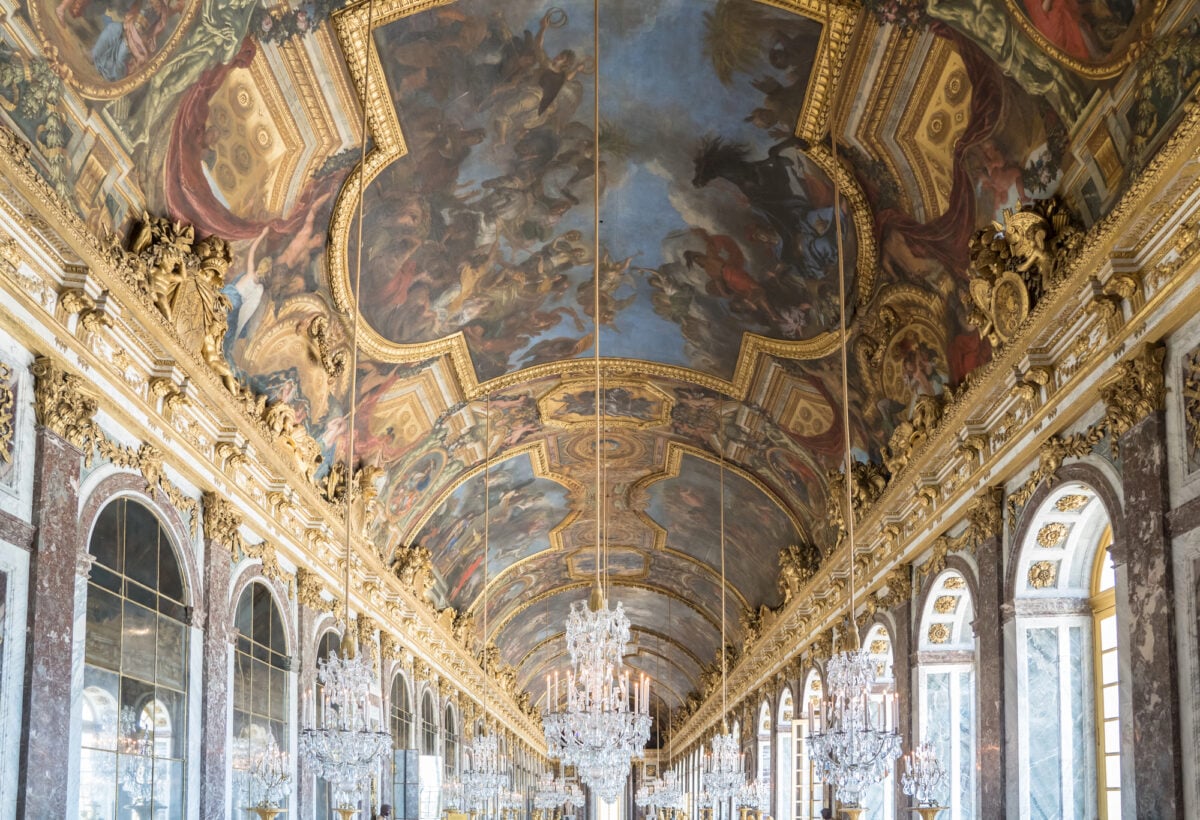
The Hall of Mirrors at Versailles was designed to make visitors forget where they were. Seventeen mirror-clad arches reflected light from seventeen opposing windows, creating an infinite corridor that seemed to stretch beyond the building itself, beyond France itself, into some realm where kings lived surrounded by their own reflections.
Ambassadors walking through that hall for the first time often stopped mid-stride, disoriented by the multiplication of images, by the way the mirrors made the room feel both enormous and intimate. The hall wasn’t just decorated with mirrors — it was built from the idea that power meant controlling how reality looked, that politics was partially about creating spaces so overwhelming that visitors forgot to negotiate.
Louis XIV understood that people who felt small made smaller demands. The mirrors made sure everyone felt appropriately small, appropriately dazzled, appropriately ready to agree with whatever the Sun King proposed.
When Wonder Becomes Ordinary
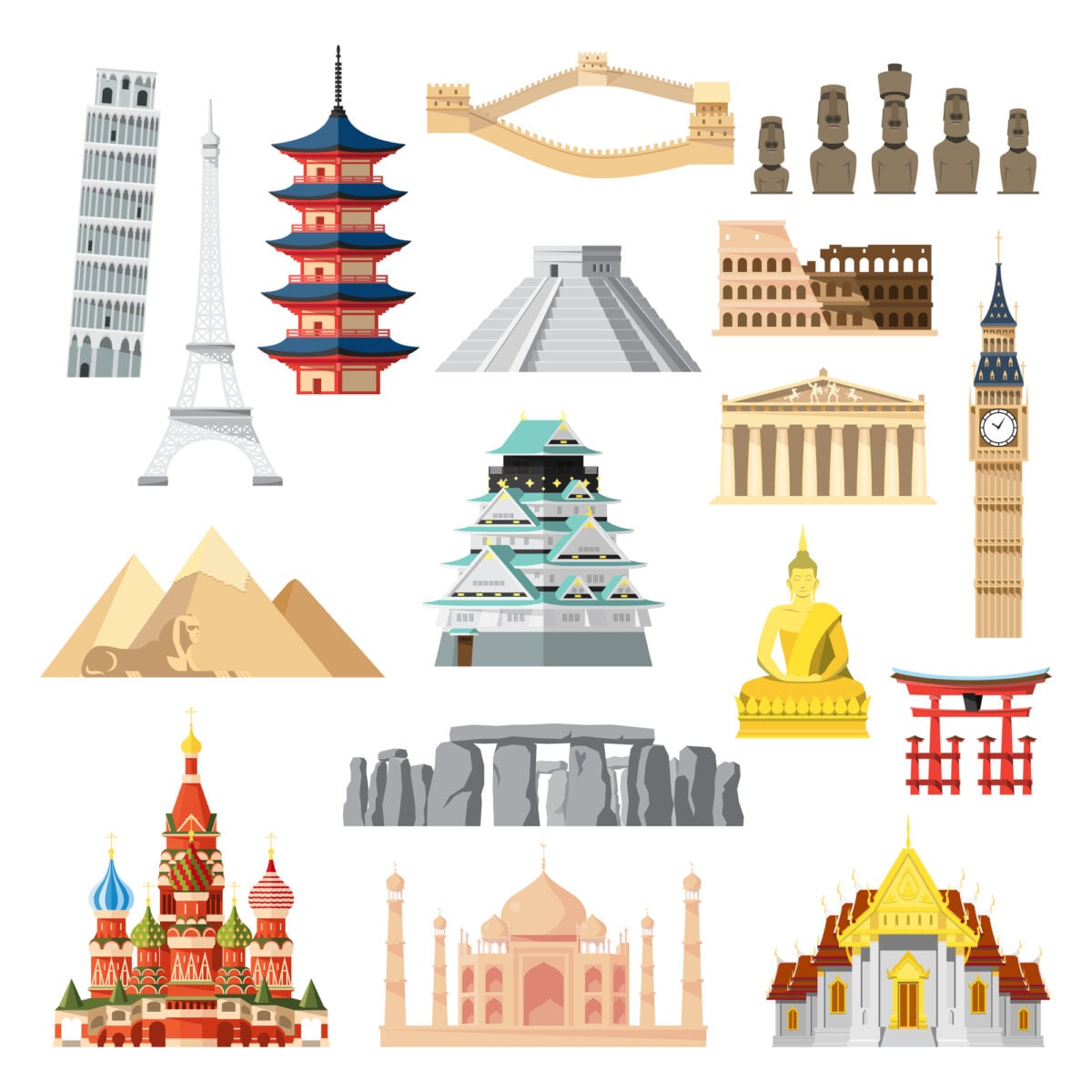
These landmarks once stopped the world in its tracks, commanded pilgrimages, inspired poetry and panic in equal measure. They were the places people saved money to visit, the sights that defined what seemed possible in their time.
Now most exist as footnotes, if they exist at all. The Eiffel Tower outlasted them not because it was more beautiful or more impressive, but because it learned something they didn’t: how to stay relevant when the new becomes normal, how to keep meaning something when wonder becomes routine.
More from Go2Tutors!

- The Romanov Crown Jewels and Their Tragic Fate
- 13 Historical Mysteries That Science Still Can’t Solve
- Famous Hoaxes That Fooled the World for Years
- 15 Child Stars with Tragic Adult Lives
- 16 Famous Jewelry Pieces in History
Like Go2Tutors’s content? Follow us on MSN.