14 Bizarre Seafood Delicacies
The ocean offers countless culinary treasures, from familiar favorites like salmon and shrimp to dishes that might make you pause and wonder. While every culture has its comfort foods, some seafood delicacies push boundaries and challenge even the most adventurous eaters.
These unusual dishes often carry deep cultural significance and represent centuries of coastal traditions. From fermented shark in Iceland to live octopus in Korea, these bizarre seafood delicacies showcase humanity’s resourcefulness and diverse palates.
Here is a list of 14 seafood dishes that prove the ocean’s bounty extends far beyond your typical fish and chips.
Hákarl

This Icelandic specialty is made from fermented Greenland shark meat that has been stored underground for several months. Since the shark’s high uric acid content makes it naturally toxic when fresh, the fermentation process renders it safe for consumption.
Locals frequently chase the result with a shot of brennivín, Iceland’s signature spirit, because it has a sharp, fishy taste and a strong ammonia smell.
Shirako
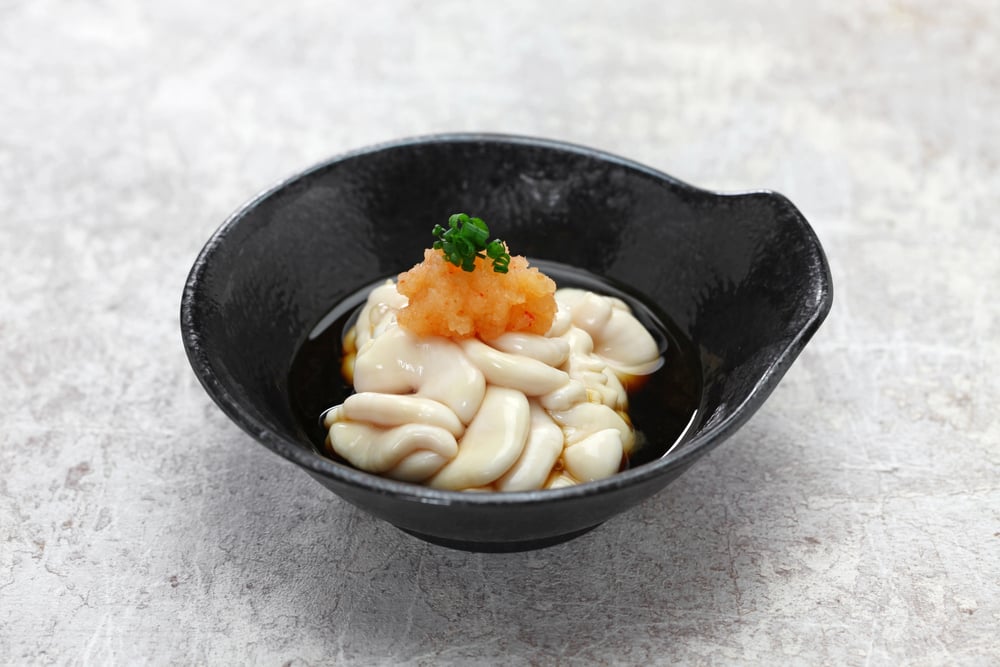
Shirako, a popular term in Japan, describes the sperm sacs of many fish, especially pufferfish, anglerfish, and cod. This delicacy has a mild, slightly briny flavor and, when cooked, a creamy, custard-like texture, despite its peculiar origin.
It is valued for being high in protein and low in fat, and chefs serve it raw as sushi, tempura-fried, or grilled with ponzu sauce.
Sannakji
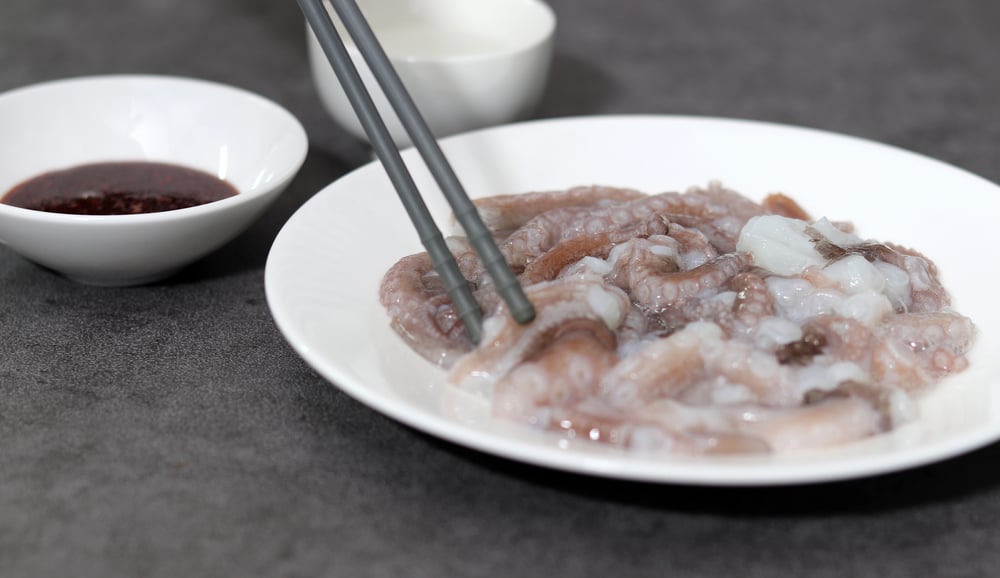
Small tentacles are cut from a live octopus and served right away while still moving in this dish from Korean cuisine. Sesame oil and seeds are used to season the wriggling pieces, making for a distinctive dining experience.
This is more about technique than taste because diners have to chew quickly to prevent the suction cups from getting stuck in their throats.
Sea Cucumber

This gelatinous marine animal resembles a large slug and is prized throughout Asia for its unique texture rather than flavor. When prepared properly, sea cucumber absorbs the tastes of surrounding ingredients while contributing a bouncy, almost rubbery consistency.
It’s often featured in expensive soups and stir-fries, particularly during Chinese New Year celebrations.
Fugu

Japan’s infamous pufferfish requires specially trained chefs who undergo years of training before they’re licensed to prepare it. The fish contains tetrodotoxin, a neurotoxin that can be lethal if not properly removed.
When prepared correctly, fugu has a subtle flavor and slightly chewy texture, though many diners are drawn more to the thrill than the taste.
Gooseneck Barnacles

These strange-looking crustaceans cling to rocky shores in Spain and Portugal, where brave harvesters risk their lives to collect them from wave-battered cliffs. The barnacles have a sweet, delicate flavor similar to lobster but with a firmer texture.
They’re simply boiled with sea salt and eaten by twisting off the dark outer skin to reveal the tender meat inside.
Odori Ebi

This Japanese dish features live shrimp that are often dunked in sake to intoxicate them before being eaten whole. The shrimp continue to move as diners consume them, creating what some describe as a ‘dancing’ sensation in the mouth.
The alcohol gives the shrimp a slightly sweet flavor while the experience combines the freshness of raw seafood with an element of performance art.
Geoduck Clam

Despite its unusual appearance featuring a long, phallic siphon, this Pacific Northwest clam is considered a delicacy in both North America and Asia. The meat has a sweet, briny flavor with a crunchy texture that’s often compared to a cross between clam and abalone.
Most diners enjoy it raw as sashimi, though it can also be stir-fried or added to chowders.
Uni
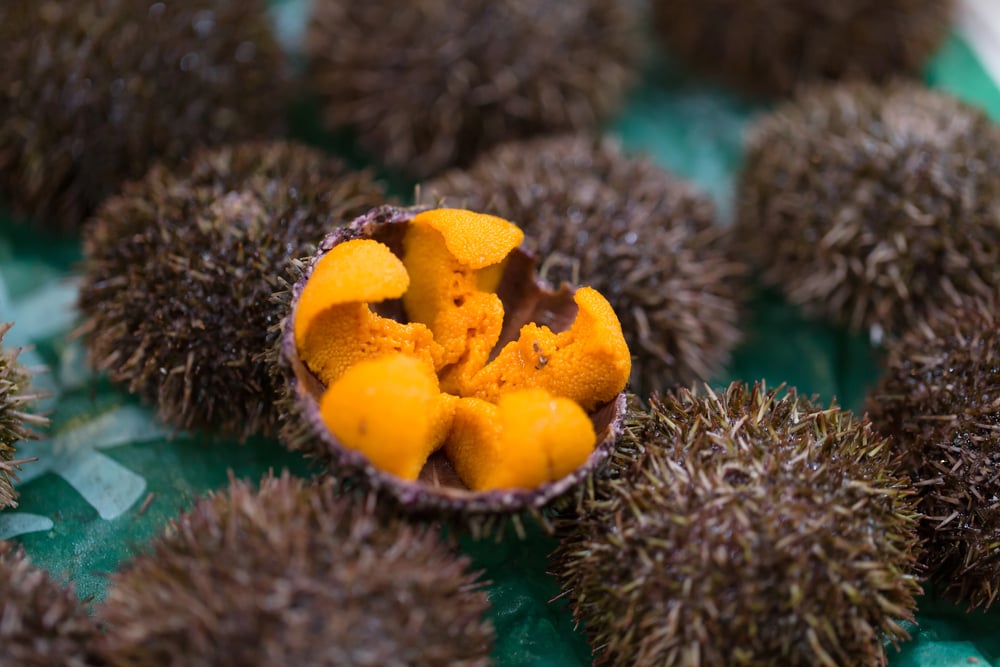
Sea urchin roe, known as uni in Japanese cuisine, appears as bright orange, creamy lobes inside the spiny exterior. The taste is intensely oceanic with a custard-like texture that either captivates or repels first-time tasters.
Different species and regions produce uni with varying flavors, from sweet and nutty to briny and metallic, making it a prized ingredient in high-end sushi restaurants.
Ankimo

Often called the ‘foie gras of the sea,’ this Japanese delicacy consists of monkfish liver that’s steamed and served chilled. The preparation involves carefully cleaning the liver, wrapping it in cheesecloth, and steaming until it reaches a smooth, pâté-like consistency.
Its rich, buttery flavor pairs beautifully with ponzu sauce and makes it a coveted appetizer in upscale Japanese restaurants.
Ikizukuri

Sashimi is made from live fish in this Japanese custom, frequently with the head of the fish still moving while the body is consumed. Despite being controversial because of animal welfare concerns, the preparation demonstrates the chef’s skill and the fish’s absolute freshness.
Few other preparations can compare to the experience’s emphasis on the relationship between diner and food source.
Shiokara

Made from fermented squid viscera mixed with pieces of raw squid meat, this Japanese delicacy has an intensely salty, funky flavor that pairs well with rice and alcohol. The mixture ferments for up to a month, developing a thick, brown paste-like consistency.
It’s a popular bar snack in izakayas, where its strong flavor complements beer and whiskey.
Blood Clams

The red bodily fluid of these bivalves, which has hemoglobin that resembles human blood, is what gives them their name. They are popular in coastal Southeast Asia and are frequently served raw or lightly blanched to maintain their delicate texture and distinctive color.
Those who appreciate the freshest seafood value the unique flavor created by the metallic taste of the iron-rich blood.
Trepang
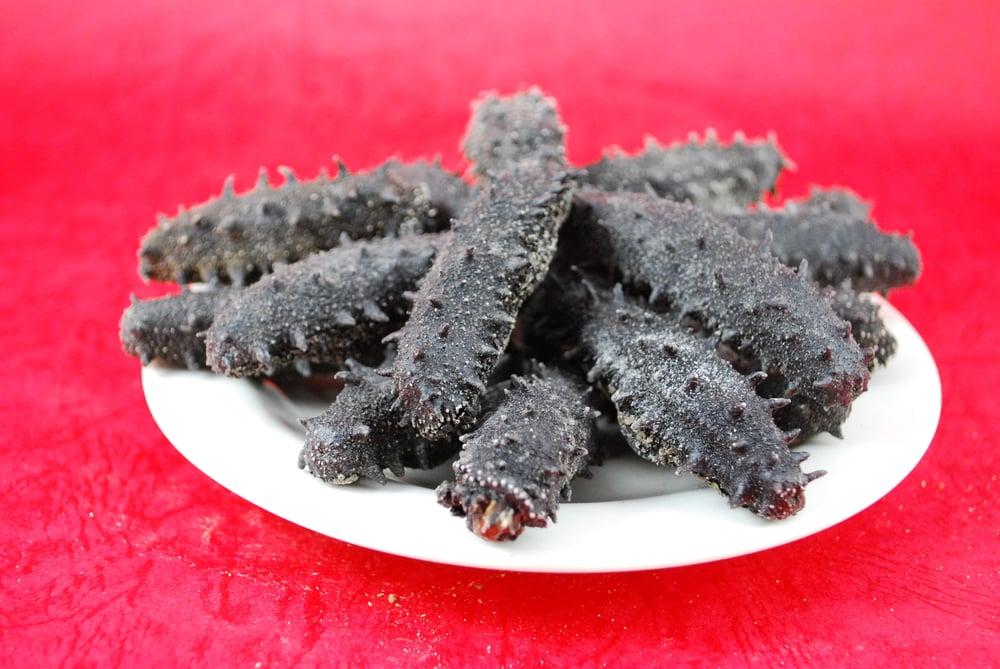
These sea cucumbers, also called bêche-de-mer, are dried and turned into a valuable commodity all over Asia. Cleaning, boiling, drying, and occasionally roasting the animals until they are tough and leathery are all part of the preparation process.
Trepang adds a distinct mouthfeel to soups and braises and develops a gelatinous texture when cooked and rehydrated.
From Ocean Floor to Dinner Plate
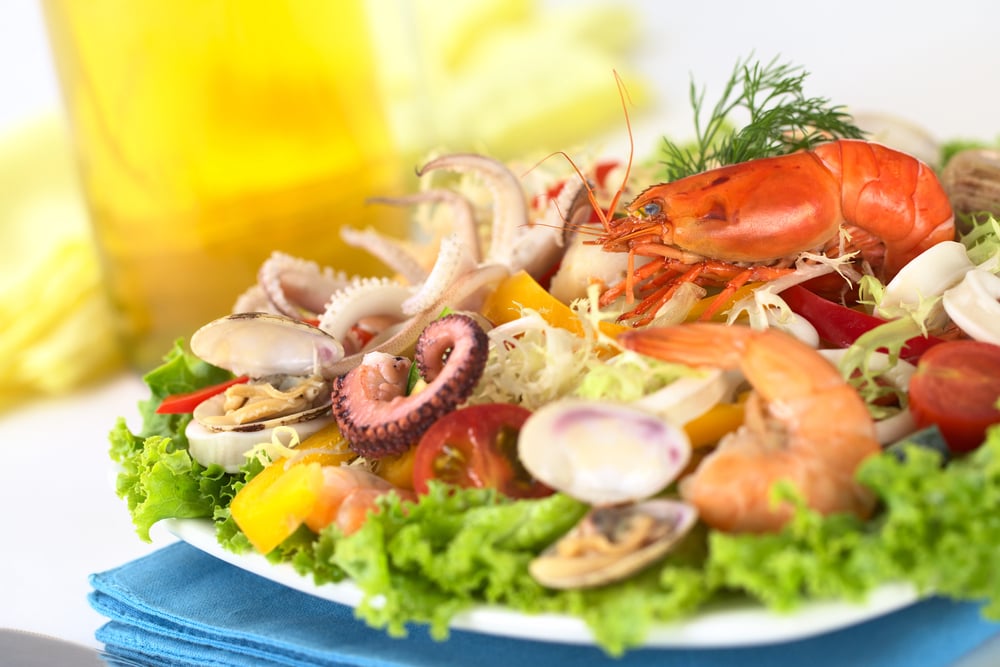
These bizarre seafood delicacies remind us that culinary boundaries are often cultural constructs rather than universal truths. What seems strange to one culture represents comfort food, tradition, or even luxury to another.
Whether driven by necessity, tradition, or simple curiosity, these dishes continue to find their way onto plates around the world, proving that the ocean’s strangest offerings often tell the most interesting stories. The next time you encounter one of these unusual delicacies, remember that you’re not just trying food – you’re experiencing centuries of coastal culture and human ingenuity.
More from Go2Tutors!

- The Romanov Crown Jewels and Their Tragic Fate
- 13 Historical Mysteries That Science Still Can’t Solve
- Famous Hoaxes That Fooled the World for Years
- 15 Child Stars with Tragic Adult Lives
- 16 Famous Jewelry Pieces in History
Like Go2Tutors’s content? Follow us on MSN.



