16 Historic Relics Made of Jade in Chinese Courts
For over 5,000 years, jade has held an almost mystical significance in Chinese culture, representing purity, virtue, and the divine connection between heaven and earth. In the imperial courts of China, this precious stone was transformed into some of the most exquisite and meaningful artifacts ever created, each piece carrying deep symbolic meaning and representing the pinnacle of artistic achievement.
From the earliest dynasties to the fall of the Qing in 1911, Chinese emperors and their courts treasured jade above gold and silver. Here is a list of 16 remarkable jade relics that graced the halls of Chinese imperial palaces.
Bi Discs
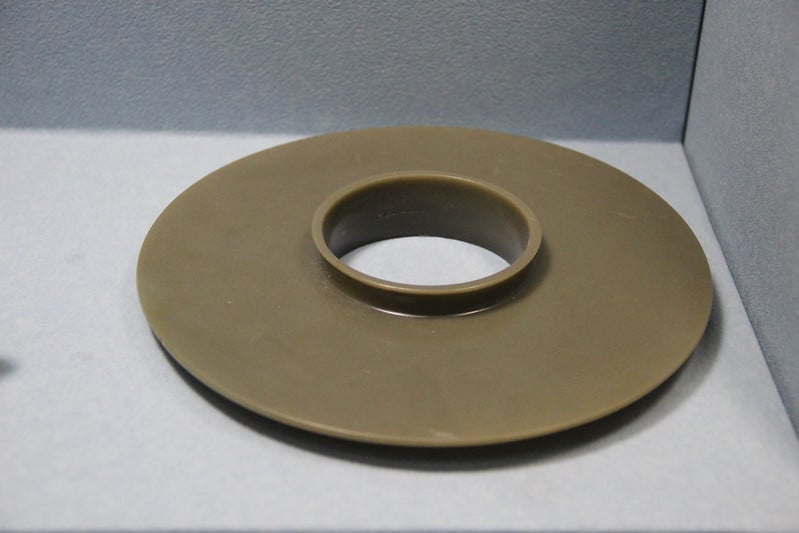
The flat, circular bi disc with a central crater became one of the most enduring symbols of Chinese imperial power, representing heaven itself. These perfectly round jade pieces were used in ceremonies where emperors paid homage to the celestial realm from which they derived their mandate to rule. The bi disc remained part of Chinese imperial paraphernalia until the early 20th century, making it one of the longest-serving ceremonial objects in human history.
Cong Tubes
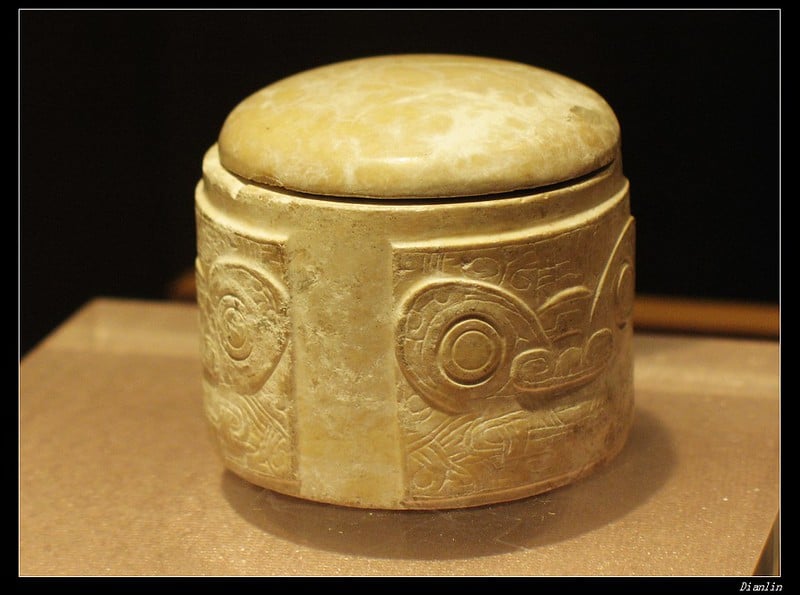
The mysterious cong, with its square exterior and cylindrical hollow interior, symbolized the earth and complemented the heaven-representing bi disc. These geometric masterpieces embodied the Chinese concept of yin and yang, with their combination of square and circular forms. Like the bi disc, cong tubes remained essential imperial ceremonial items until the early 1900s, spanning millennia of dynastic rule.
Gui Scepters
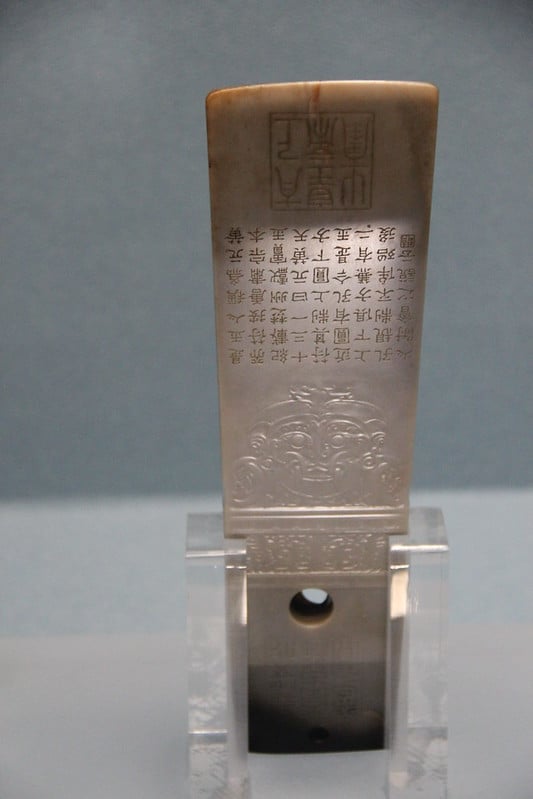
The gui served as a jade baton conferred upon feudal princes by the emperor, with shapes that varied according to rank. These flat, blade-like ceremonial weapons functioned as symbols of political authority and divine mandate. When an envoy was sworn in for an official mission, he received a gui to present at foreign courts as his credentials, making these jade pieces essentially ancient diplomatic passports.
Imperial Seals

The legendary Heirloom Seal of the Realm, carved from the precious He Shi Bi jade, was inscribed with ‘Having received the mandate from heaven, may the Emperor lead a long and prosperous life’. This most famous of all Chinese jade seals passed from emperor to emperor across multiple dynasties until its mysterious disappearance between 907 and 960 AD. Imperial jade seals continued to be prized, with a Qianlong Emperor seal selling for HK$128 million in 2010.
Burial Suits

By the Han dynasty, royal family members and prominent lords were buried entirely encased in jade burial suits sewn with gold thread, based on the belief that jade would confer immortality or prevent decay. These elaborate garments required thousands of individually carved jade pieces, each precisely fitted and connected. The suits represented the ultimate expression of jade’s protective and spiritual powers in Chinese belief.
Court Girdle Ornaments
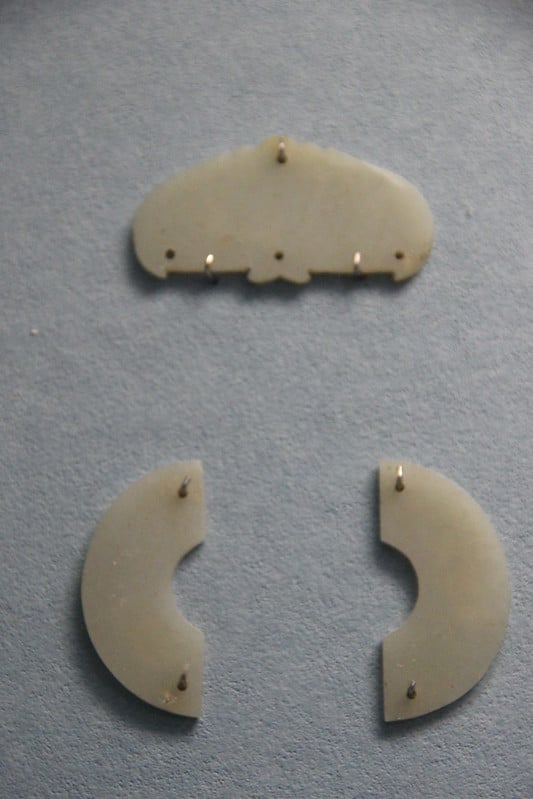
Courtiers wore jade girdle pendants suspended on chains that created musical chimes when they walked, designed to remind them of virtue and banish unworthy thoughts. These intricate ornaments served both decorative and moral purposes in court life. The musical quality of these jade accessories was considered essential for maintaining proper conduct among court officials.
Dragon Figurines

During the reign of the Kangxi Emperor (1662-1722), distinctive pairs of lions or dogs composed of jade were commissioned by the dynastic family. These powerful symbols of imperial authority often featured intricate dragon motifs that represented the emperor’s divine nature. The complexity of carving these mythical creatures into jade demonstrated the incredible skill of court artisans.
Ceremonial Weapons

Ceremonial weapons and fittings for bronze weapons were carved from jade during the Shang dynasty, including ritual axes that copied stone versions but were made from impractically thin jade. These weapons served purely symbolic purposes in court ceremonies rather than actual combat. The jade axe heads often featured single ceremonial pits and represented the emperor’s military authority.
Hair Ornaments and Pins

The Emperor wore hairpins and earrings of jade, and when making offerings to ancestors, he donned a bonnet with six jade pendants in front and six in back. These delicate accessories weren’t merely decorative but carried deep ceremonial significance. Court women also wore elaborate jade ornaments, with princes’ wives typically wearing two pins and six pieces of jade on their heads.
Writing Implements

Jade became a favorite material for crafting Chinese writing materials, such as rests for calligraphy brushes, prized by imperial literati for both painting and calligraphy. These tools represented the moral values of scholarly culture and the emperor’s commitment to learning and the arts. It was regarded as virtuous for gentlemen to adorn their writing desks with aesthetically pleasing yet functional objects carved from jade.
Chimes and Musical Instruments

During the Shang Dynasty, jade was used to make chimes as the resonance of the stone was highly esteemed. These musical instruments created pure, clear tones that were believed to have spiritual significance in court ceremonies. The acoustic properties of jade made it ideal for creating instruments that could communicate with the divine realm.
Rank Buttons

During the Zhou dynasty, buttons of jade were utilized to differentiate the various levels of official society within the government hierarchy. These small but significant accessories instantly communicated a person’s status and authority within the imperial bureaucracy. The color, size, and carving style of these buttons followed strict protocols that everyone at court understood.
Tribute Vessels

From the Kingdom of Khotan on the Silk Road, yearly tribute payments consisting of the most precious white jade were made to the Chinese Imperial court and transformed into objets d’art by skilled artisans. These vessels celebrated diplomatic relationships and demonstrated the empire’s far-reaching influence. White jade was considered more valuable than green, and jade itself was valued above gold or silver.
Ancestral Offering Vessels

Written records and archaeological evidence show that jades were used in sacrificial offerings to gods and ancestors, in burial rites, and in formal ceremonies at the courts of kings. These vessels played crucial roles in maintaining the cosmic order that legitimized imperial rule. The precise ritual use of these jade objects connected the living emperor to his divine ancestors.
Court Plaques and Ornaments

Plaques and dress ornaments were carved from thin slabs of jade, including small figurines, masks, and birds and animals carved in the round. These decorative elements adorned court robes and palace interiors, creating an atmosphere of refined luxury. Many of these small jades were gifts between friends or good luck tokens, sometimes featuring puns like deer (lu) meaning prosperity (lu).
Imperial Workshop Masterpieces
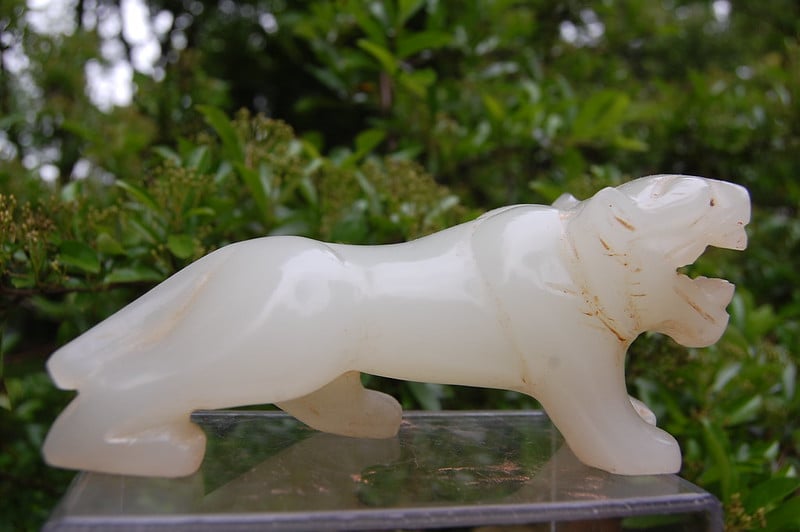
The Qing dynasty imperial court employed its own workshop of expert jade carvers, and in the second half of the 18th century, the conquest of the Uygur region gave the court direct access to Hotan nephrite mines. These workshops produced increasingly sophisticated pieces that combined traditional symbolism with new artistic techniques.
Driven by the imperial house’s taste, jade carving experienced an unprecedented thriving period during the Qing era.
The Enduring Imperial Legacy

The jade treasures of Chinese courts represent far more than decorative objects—they embody thousands of years of spiritual beliefs, political power, and artistic achievement. Even after thousands of years, jade continues to captivate Chinese culture and identity, with its symbolism persisting in modern jewelry, art, and ceremonial objects.
These imperial relics remind us that some cultural values transcend time, connecting ancient emperors to people today who still gift jade at significant life events. The legacy of Chinese court jade demonstrates how a single material can carry the weight of an entire civilization’s hopes, dreams, and deepest beliefs about the nature of virtue and immortality.
More from Go2Tutors!

- The Romanov Crown Jewels and Their Tragic Fate
- 13 Historical Mysteries That Science Still Can’t Solve
- Famous Hoaxes That Fooled the World for Years
- 15 Child Stars with Tragic Adult Lives
- 16 Famous Jewelry Pieces in History
Like Go2Tutors’s content? Follow us on MSN.



