Unusual Jobs That Disappeared With Time
Over the centuries, there have been significant changes in the workplace. To modern ears, what used to sound like a perfectly normal way to make a living now sounds completely strange.
Human alarm clocks and professional corpse thieves are just two examples of the many professions that have disappeared into the past due to technological advancements, shifting social mores, or plain old common sense. These occupations weren’t merely odd historical anecdotes.
In ways we can hardly comprehend today, they were actual jobs that provided food for families, employed thousands of people, and kept society functioning.
This is a list of fifteen odd jobs that have vanished over time.
Knocker-Upper

Before alarm clocks became affordable and reliable, people in industrial Britain had a different way of making sure they got to work on time. They hired a knocker-upper, someone who would walk the streets in the early morning hours using various tools depending on building height, from long bamboo sticks and truncheons to pea shooters for hard-to-reach windows.
These human alarm clocks were essential during the Industrial Revolution when factory workers needed to start their shifts before dawn. The job survived into the late 1960s in some British towns, which seems wild when you think about it.
Pinsetter

Bowling has been a popular pastime for over a century, but the game used to require a lot more manual labor. Before automated machines took over, young workers called pinsetters would crouch at the end of bowling lanes, dodging heavy orbs while manually resetting pins between each turn.
They had to work fast too, or bowlers would yell at them to hurry up. After Gottfried Schmidt invented the mechanical pinsetter in 1936, the job disappeared gradually through the 1950s as automatic pinsetters became standard in bowling alleys across the country.
Like Go2Tutors’s content? Follow us on MSN.
Leech Collector

This job sounds like something out of a horror movie, but it was perfectly normal in the 1800s, particularly in Britain, Ireland, and parts of Eastern Europe. Medical professionals believed that bloodletting could cure all sorts of illnesses, which created huge demand for leeches.
Collectors would wade into swamps and marshes, using animal legs as bait or even their own bare legs to attract the bloodsucking creatures. They’d let the leeches feed for 20 minutes or more because engorged leeches were easier to remove and transport, then sell them to apothecaries or directly to physicians.
The collectors often suffered from severe blood loss and infections, but the pay was decent enough to keep people in the business until medical science moved on.
Gong Farmer
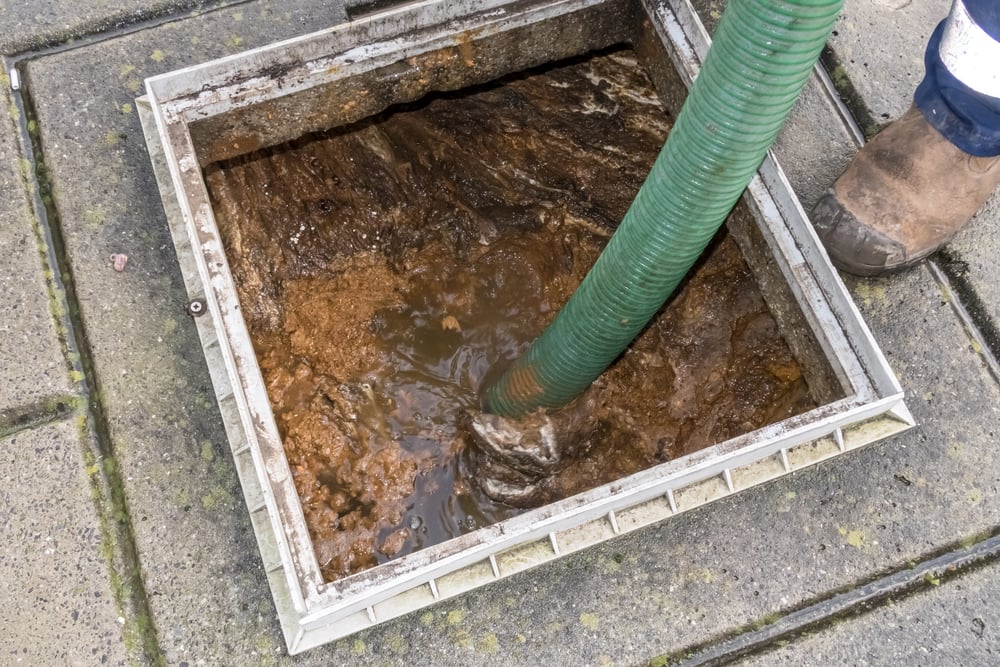
Here’s a job that makes even the worst modern workplace seem pleasant by comparison. In Tudor England, gong farmers had the unenviable task of cleaning out cesspits and privies before modern sewage systems existed.
They’d climb down into these pits, often up to their waists in human waste, and shovel it out by hand to be used as fertilizer. The work could only be done at night so people wouldn’t have to see or smell them, and gong farmers were often restricted to living in specific areas away from everyone else.
Despite the horrific conditions, they earned good money because nobody else wanted to do it. The job title was later replaced by ‘night soil men’ in the 18th and 19th centuries.
Lamplighter

City streets weren’t always lit by the flip of a switch. From the 1810s onward, lamplighters would walk through towns at dusk with long poles, lighting gas-powered street lamps one by one.
They’d return at dawn to extinguish them all over again. The job required carrying ladders to replace candles or refill oil reservoirs, making it surprisingly physical work.
Most lamplighters lost their jobs by the early 1900s as electric lighting replaced gas starting in the 1880s, though a few cities like London still maintain gas lamps and employ a handful of lamplighters for ceremonial purposes.
Like Go2Tutors’s content? Follow us on MSN.
Town Crier

Long before newspapers, radio, or the internet, towns needed a reliable way to spread important news to their citizens. The practice dates back to ancient Greece, but town criers remained essential for centuries.
They’d stand in public squares with a loud voice and a bell, announcing royal decrees, market days, and news well before printed media existed. They’d ring their bell and yell ‘Hear ye, hear ye!’ to get everyone’s attention.
As literacy rates improved and printed newspapers became widespread, the need for human news broadcasters faded away, though some towns still employ ceremonial town criers for special events.
Ice Cutter

Before refrigerators became household appliances, keeping food cold was a major challenge. Ice cutters would head out to frozen lakes in the dead of winter, score the ice with special tools, and use horse-powered saws to cut massive blocks free from the surface.
It was dangerous work that came with risks of frostbite and the very real possibility of falling through the ice into freezing water. The ice would be stored in insulated warehouses and sold throughout the summer months.
At its peak in the 1880s, the ice trade employed 90,000 people in the United States alone. Ice harvesting declined sharply after mechanical refrigeration spread in the 1920s and 1930s, killing the industry almost completely.
Switchboard Operator

Making a phone call used to require human intervention at every step. Switchboard operators, predominantly women, would sit at massive boards filled with cables and manually connect calls by plugging and unplugging cords.
The job demanded speed, accuracy, and patience, especially since operators often had to deal with frustrated callers. Interestingly, teenage boys were initially hired for this role, but their poor attitudes led companies to switch to hiring women, who were considered more polite.
The first automatic exchanges appeared in 1892 with the Strowger system, but by the 1970s, nearly all manual switchboards had been replaced by electronic systems.
Like Go2Tutors’s content? Follow us on MSN.
Rat Catcher

Victorian cities were overrun with rats, and keeping them under control was a full-time job. Rat catchers would prowl through sewers, basements, and alleyways armed with traps, poison, and trained terrier dogs to hunt down rodents.
Some rat catchers became local celebrities, like Jack Black, Queen Victoria’s official rat catcher in the mid-1800s, who would entertain crowds by shoving live rats down his shirt and letting them run up and down his arms. The work was filthy and dangerous since rats carried diseases like the bubonic plague, but it paid reasonably well.
Interestingly, rat catchers also supplied fancy rat breeds to pet owners, including albinos that later became common lab rats. Modern pest control companies eventually took over, using more sophisticated and less hands-on methods.
Resurrectionist

This is probably the creepiest job on the list. Resurrectionists, also called body snatchers, would dig up freshly buried corpses and sell them to medical schools for anatomical study.
In the 18th and early 19th centuries, there simply weren’t enough legal cadavers available for medical students to learn from, so universities quietly paid resurrectionists to supply them. These grave robbers worked quickly and under cover of darkness, often removing a body in under an hour.
The practice peaked between the 1780s and 1830s, mostly in Britain and the United States. It was both illegal and morally questionable, but it contributed significantly to advances in medical knowledge.
The UK Anatomy Act of 1832 allowed legal supply of cadavers to medical schools, putting the resurrectionists out of business.
Log Driver
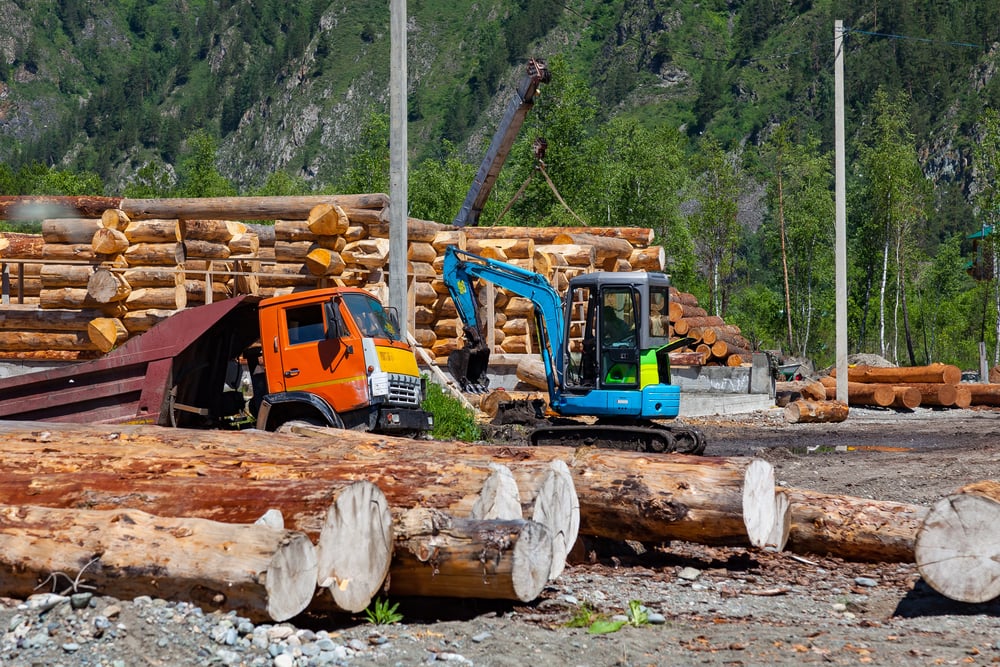
Moving timber from remote forests to sawmills used to be an incredibly dangerous job. Log drivers, sometimes called river pigs, would guide massive logs downstream using rivers as natural highways.
They’d ride on top of the floating logs, using poles and hooks to keep them moving and prevent logjams. It required incredible balance, strength, and quick reflexes since one wrong step could send a driver into freezing water or crush them between logs.
The job was seasonal and romanticized in folk songs, but the daily reality involved constant risk of injury or death. Modern logging trucks and improved transportation infrastructure made log driving obsolete, with the last log drives in North America ending in the 1970s.
Like Go2Tutors’s content? Follow us on MSN.
Lector

Factory work has always been monotonous, but factories in Cuba found a creative solution to keep workers entertained. They hired lectors to read aloud to employees while they rolled product at their workstations, sharing newspapers, novels, and political commentary throughout the workday.
The practice spread to American factories in the early 1900s, funded by workers who pooled their money to pay the lector’s salary. Factory owners eventually banned the practice in the United States in 1931, worried that lectors were spreading communist and anarchist ideas.
The widespread availability of affordable radios around the same time made the profession unnecessary anyway, though lectors still exist in some Cuban factories today, preserving the tradition.
Elevator Operator

Riding an elevator used to require a trained professional to make it work. Elevator operators would greet passengers, manually open and close the doors, control the speed of the car, and announce which businesses were located on each floor.
It was considered a respectable job that required attention to detail and good customer service skills. Automation began in 1924 with the Otis Autotronic system and spread rapidly after World War II, gradually eliminating the need for operators.
The last major city to phase them out was New York in the 1970s, though some high-end hotels and historic buildings still employ them for the touch of old-fashioned service they provide.
Daguerreotypist

Photography wasn’t always as simple as pointing and clicking. From 1839 through the 1860s, daguerreotypists created images using a complex chemical process on silver-coated copper plates.
These early photographers captured portraits of famous figures like Abraham Lincoln and Frederick Douglass, and the job required technical skill, artistic vision, and patience. Each photograph took considerable time to produce and was a one-of-a-kind item.
When the collodion wet-plate process was introduced in the 1850s, offering newer and cheaper photographic methods, daguerreotypists found themselves unable to compete and the profession disappeared within a few decades.
Like Go2Tutors’s content? Follow us on MSN.
Milkman

For most of the 20th century, fresh milk arrived at your doorstep before you woke up. Milkmen would make daily or every-other-day deliveries in distinctive trucks, leaving glass bottles on porches and sometimes delivering eggs and butter too.
Before home refrigeration became standard, this service was essential since milk spoiled quickly. The job created a sense of community, with milkmen often knowing their customers by name.
As refrigerators became common household appliances in the 1950s and 60s, and as supermarkets made it easier to buy milk in bulk, daily milk delivery had largely disappeared by the 1970s, though small revival movements continue today in some areas.
Where Yesterday’s Work Went

We can learn a lot about the evolution of society from these lost professions. The majority vanished as a result of technology discovering safer, quicker, or more effective ways to complete the same tasks.
Others faded because we realized they were unneeded, exploitative, or dangerous. The alarm clock replaced the knocker-upper, automated machinery replaced the pinsetter, and real medical science replaced the leech collector.
It’s interesting to note that, to those who performed them, each of these jobs appeared completely normal, much like our current professions do to us today. It makes you wonder which jobs that we currently take for granted will seem completely absurd to our great-grandchildren.
More from Go2Tutors!

- 16 Historical Figures Who Were Nothing Like You Think
- 12 Things Sold in the 80s That Are Now Illegal
- 15 VHS Tapes That Could Be Worth Thousands
- 17 Historical “What Ifs” That Would Have Changed Everything
- 18 TV Shows That Vanished Without a Finale
Like Go2Tutors’s content? Follow us on MSN.