16 Historical Photos of Americans Working Night Shifts
When the sun went down, a large share of American work kept going. Factories, newsrooms, rail yards, and hospitals ran around the clock, and documentary photographers of the early twentieth century made a point of recording the people who staffed them.
The scenes below are the kinds of night work that photographers returned to again and again, from child laborers in glass factories to defense workers in wartime plants. Each reflects a part of the economy that most people slept through.
Glass Factory Boys at Night
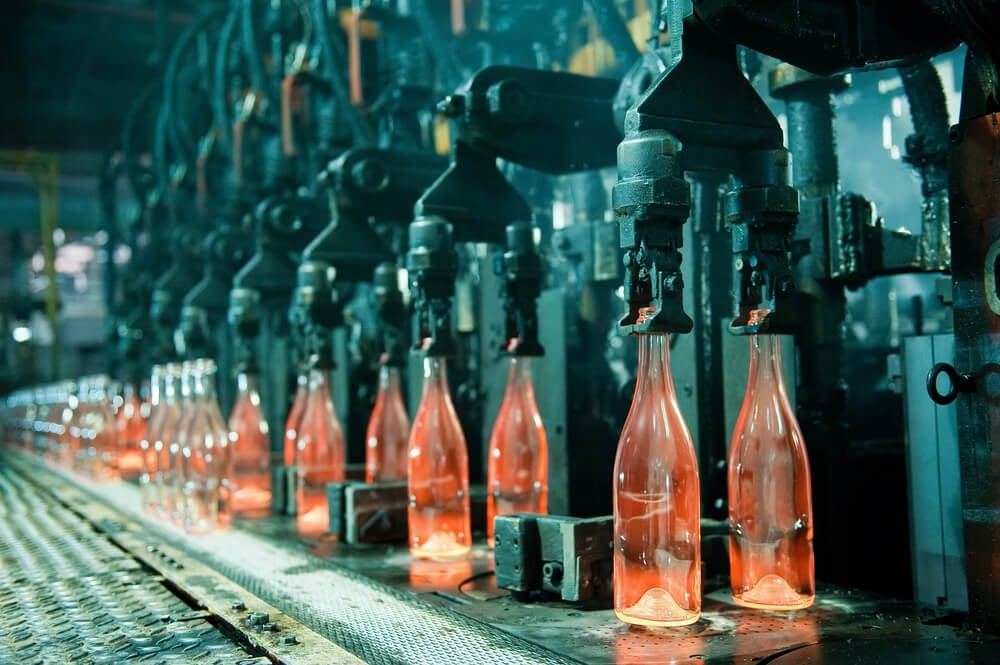
Lewis Hine, who photographed child labor for the National Child Labor Committee, documented boys working night shifts in American glass factories in the early 1900s. His images show young workers in factory light with the glow of furnaces behind them. The photographs helped build public pressure for child labor laws.
Newspaper Pressrooms After Midnight
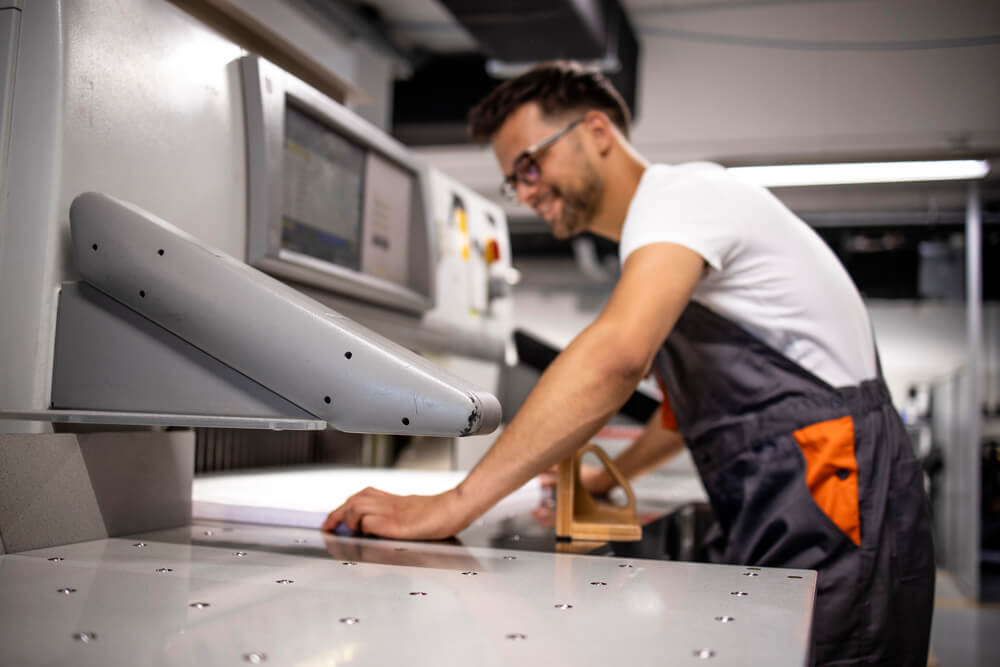
A morning newspaper has to be printed while its readers sleep, so pressrooms ran through the night. Photographs of the era show rows of workers feeding paper into rotary presses while stacks of finished papers piled up for delivery trucks. The work was loud, and the schedule left the crews on a clock opposite to everyone else’s.
Telephone Operators on the Late Switchboard

Telephone exchanges had to be staffed all night, and the late shift was usually a small crew at a long switchboard. Photographs show operators wearing headsets and plugging cords into jacks under dim lamps. A call at three in the morning still needed a human to connect it.
Railroad Yard Crews
— Photo by tdezenzio
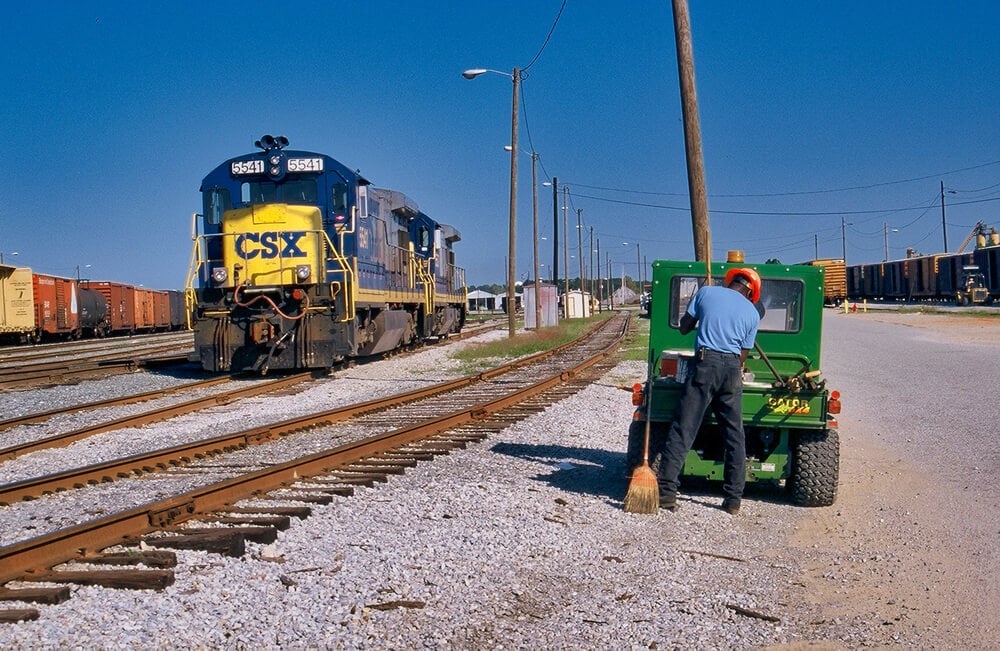
Rail yards were among the busiest places after dark, with switch crews coupling cars, lamps swinging, and locomotives idling in the cold. Documentary photographers working for federal agencies in the 1940s captured crews at work in the yards, with steam and floodlights in the frame. Freight did not wait for morning, so neither did the people who moved it.
Steel Mill Furnace Crews
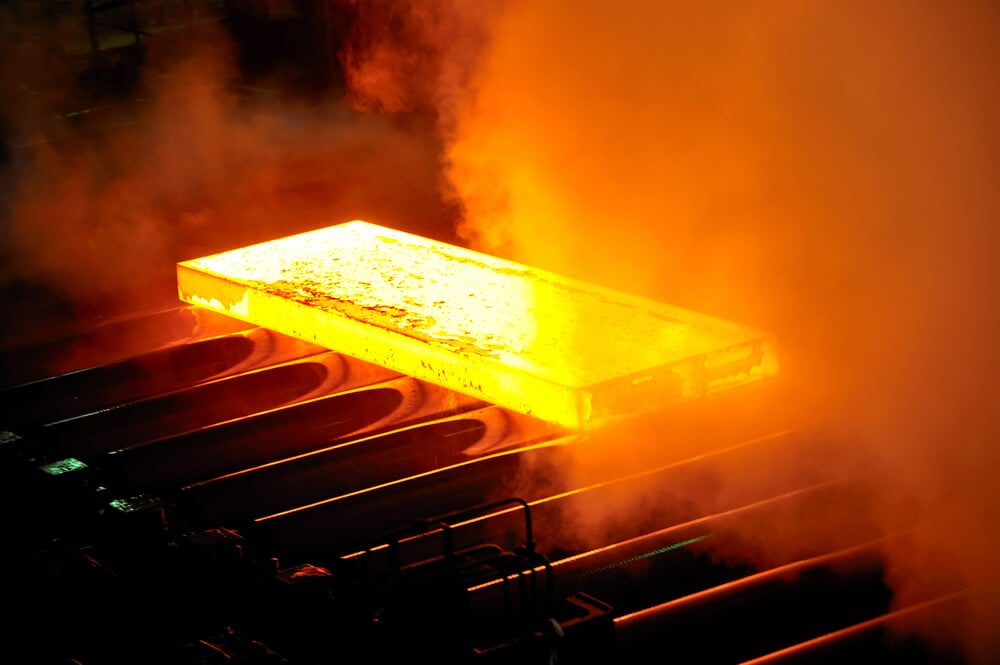
Steel mills ran continuously because a blast furnace cannot easily be shut down and fired up again. Photographs of mill workers at night show glowing metal pouring into molds, with men in heavy aprons and face shields standing at a careful distance. The shift schedules were grueling and often rotated through nights.
Rosie the Riveter on the Swing Shift
— Photo by actionsports
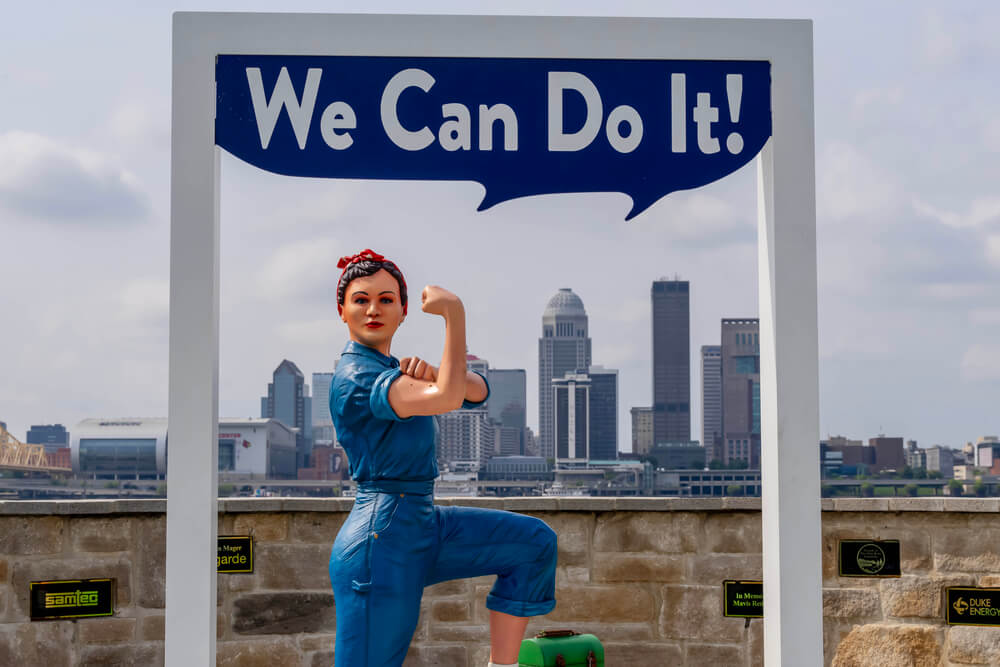
During World War II, defense plants ran multiple shifts, and many women took jobs building aircraft and ships on the swing and graveyard shifts. Photographs show women in coveralls and bandanas working on fuselages under bright lamps. The images became a symbol of the home front’s mobilization.
Shipyard Workers on the Late Watch
— Photo by Photos world
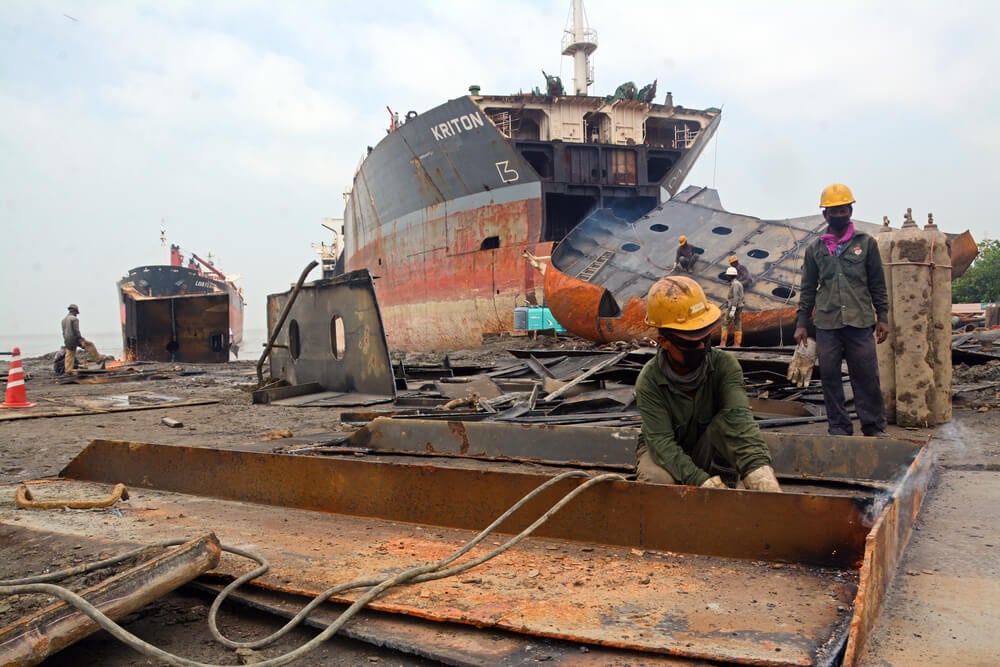
Wartime shipyards, such as the ones on the West Coast, operated around the clock to build merchant vessels as quickly as possible. Photographs show welders working under sparks with ships on the slipways behind them. The speed of production was possible only because crews kept working through the night.
Hoover Dam Construction Crews

Work on Hoover Dam in the 1930s went on around the clock, with crews working in shifts to pour concrete and drill tunnels. Photographs of the project show floodlit construction sites in the Nevada desert, with scaffolding and equipment lit in the dark. The dam was finished ahead of schedule, in part thanks to those unending shifts.
Coal Miners Underground
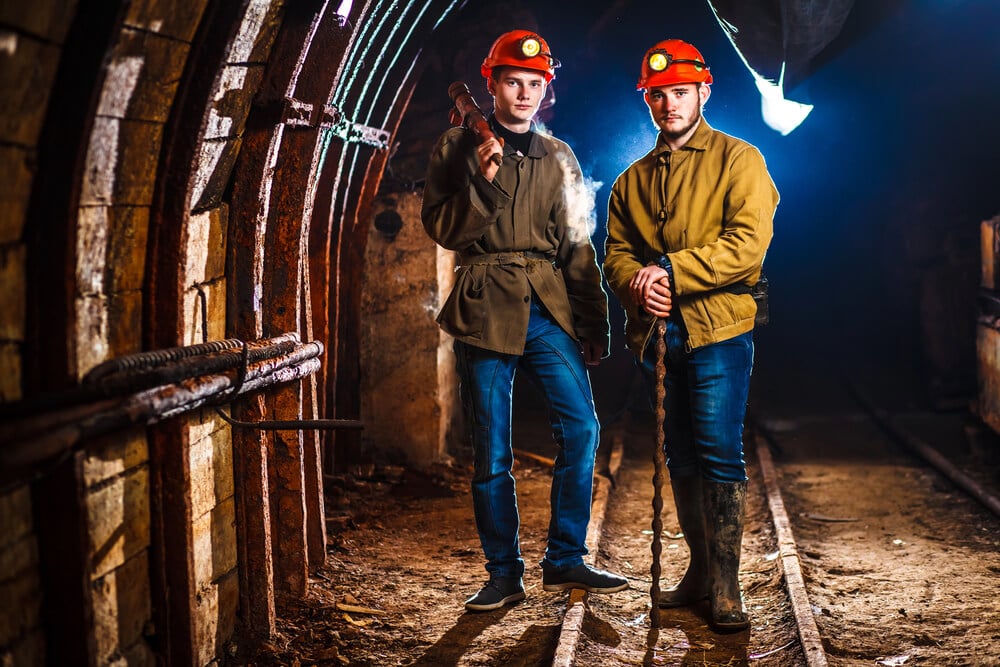
For coal miners, night and day made little difference, since the work took place underground in the dark. Shifts changed on a schedule, and photographs show miners with lamps on their helmets heading into the pit as another crew came out. The surface time of day mattered mostly to their families.
Bakers Before Dawn

Bakeries began work in the middle of the night so fresh bread would be on shelves by morning. Photographs of early bakeries show workers shaping loaves and sliding trays into brick ovens while the street outside was empty. The trade has always begun before dawn, and its schedule has barely changed.
Night Nurses on the Hospital Ward

Hospitals never close, and night nurses watched over patients during the quietest and often most dangerous hours. Photographs show nurses in white uniforms and caps moving between beds with a small lamp. Their work was demanding and mostly invisible to the families who visited during the day.
Longshoremen Under the Dock Lights
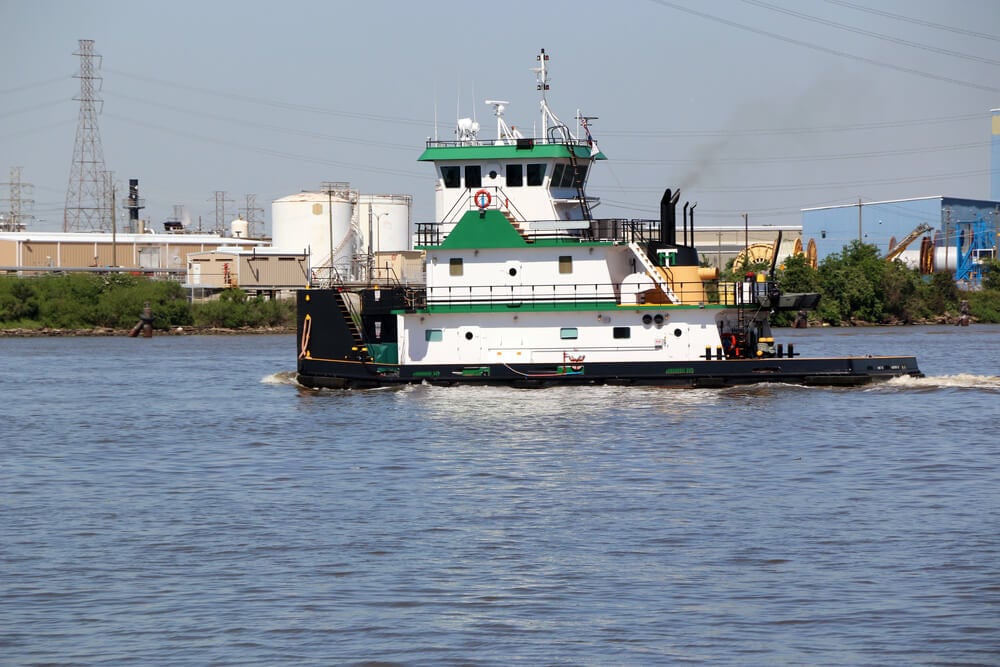
Ships arrived on the tide, not on a business schedule, and dockworkers unloaded cargo at all hours. Photographs of ports show crews hauling sacks and crates under floodlights while cranes swung overhead. The work was physical, and a ship sitting idle cost the owners money.
Night Watchmen and Janitors

Large buildings were cleaned and guarded after hours, and the people who did it formed a quiet workforce of their own. Photographs show custodians pushing mops down empty corridors of offices and government buildings. These workers rarely met the people whose desks they tidied.
Diner Cooks and Counter Staff

Roadside diners and city lunch counters stayed open for truckers, cab drivers, and other night workers. Photographs show cooks at a griddle and a few customers on stools under fluorescent lights. The diner at night was a kind of society of its own, serving the people who kept everything else running.
Milk and Bread Delivery

Before supermarkets, many households relied on early morning deliveries of milk and bread, and drivers began their routes in the dark. Photographs show delivery trucks and horse-drawn wagons moving along sleeping streets. The bottles on the porch were evidence of someone else’s long night.
Fishing Crews and Cannery Workers
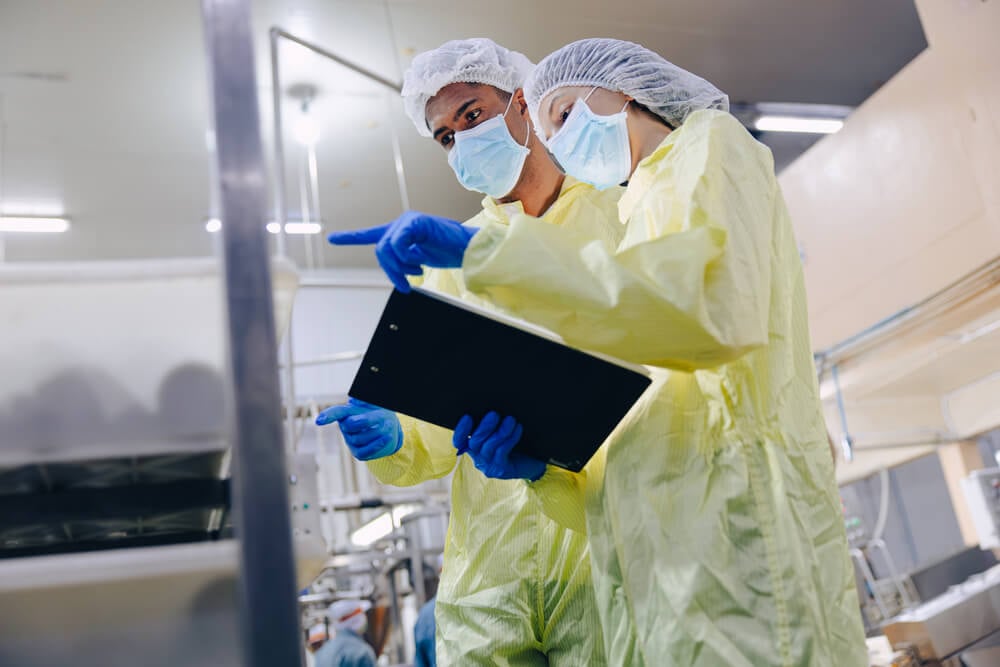
On the coasts, fishing boats left before sunrise and returned at odd hours, and canneries processed the catch as soon as it arrived. Photographs show workers in rubber aprons at long tables under electric lights, packing fish by the thousands. The tide and the season set the schedule, not the clock.
The Hidden Half of the Economy

Night work has always been the part of the economy that most people never see. The photographs of it tend to be striking because the lighting is dramatic, but the subjects are ordinary people doing necessary jobs.
The images remind viewers that a modern society depends on people who work while others sleep. Their schedules cost them time with family and sleep, and the photographs are some of the best evidence of that trade.
More from Go2Tutors!

- 27 Silver Dollars and Half Dollars Worth Keeping
- 28 Restaurant Menu Items Nobody Orders Anymore
- 17 Places Built in Seemingly Impossible Spots
- 27 Vintage Rings Worth More Than They Look
- 25 Restricted Sites Tourists Can’t Enter
Like Go2Tutors’s content? Follow us on MSN.