Top 15 Worst Dictators in History
History has no shortage of rulers who abused their power. But some rose to a level of cruelty, destruction, and control that set them apart from even the most authoritarian governments.
These are not just leaders who made bad decisions — they were architects of suffering on a massive scale. The stories behind them are difficult to read, but they matter, because forgetting them makes repeating them easier.
1. Adolf Hitler — The Architect Of Genocide

Hitler’s name is almost synonymous with evil, and for good reason. As the leader of Nazi Germany from 1933 to 1945, he orchestrated the Holocaust — the systematic murder of six million Jews, along with millions of Roma, disabled people, political prisoners, and others deemed undesirable by his regime.
His obsession with racial purity and German supremacy led to World War II, which killed an estimated 70 to 85 million people worldwide. He didn’t just cause destruction — he built an entire state apparatus designed specifically to identify, dehumanize, and eliminate groups of people.
The efficiency of that machine remains one of history’s most chilling achievements in organized cruelty. Hitler rose to power through democratic channels, which is its own disturbing lesson.
By the time most people understood what he was, it was far too late.
2. Joseph Stalin — The Soviet Iron Fist

Stalin ruled the Soviet Union for nearly three decades and transformed it into one of the most repressive states in history. His purges of the 1930s targeted military officers, intellectuals, party members, and ordinary citizens.
Millions were executed or sent to the Gulag — a vast network of labor camps where conditions were deliberately designed to break and kill people. The Ukrainian famine of 1932–1933, known as the Holodomor, is one of the most debated atrocities of his reign.
Historians argue whether it was deliberate genocide or catastrophic mismanagement, but the result was the same: somewhere between 3.5 and 7.5 million people starved to death while grain was exported abroad. Stalin’s total death toll is contested, but most serious estimates put it between 6 and 20 million.
He died in bed in 1953, never facing trial.
3. Mao Zedong — The Great Leap Backward

Mao’s Great Leap Forward, launched in 1958, was supposed to rapidly industrialize China and collectivize agriculture. Instead, it triggered the deadliest famine in human history.
Between 15 and 55 million people died — estimates vary widely — as a direct result of his policies, which prioritized steel production quotas over food, and punished farmers for reporting crop failures. His Cultural Revolution, which followed in 1966, targeted intellectuals, teachers, and anyone seen as insufficiently revolutionary.
Millions were persecuted, imprisoned, or killed. Schools closed for years.
An entire generation’s education was dismantled. Mao remains a complicated figure in China, officially described as “70% good, 30% bad” by the Communist Party.
But the numbers tell a different story.
4. Pol Pot — Year Zero
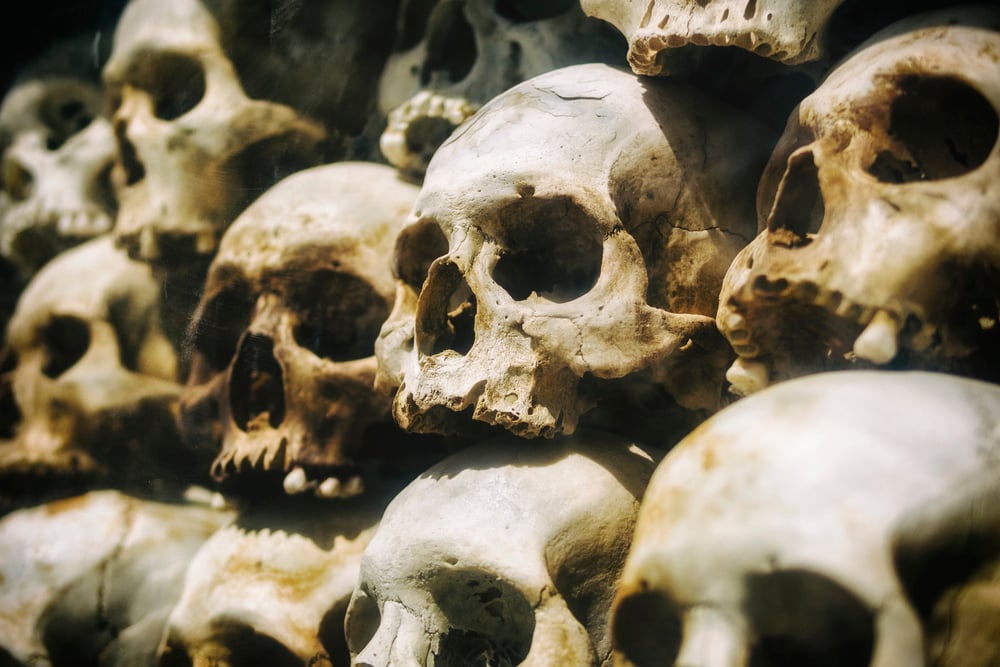
When the Khmer Rouge took power in Cambodia in 1975, Pol Pot declared it “Year Zero” — a complete erasure of the past. Cities were emptied.
Money was abolished. Intellectuals, ethnic minorities, and anyone wearing glasses (seen as a sign of education) were targeted for execution.
In just four years, roughly 1.5 to 2 million people — about a quarter of Cambodia’s entire population — were killed through execution, forced labor, starvation, and disease. The killing fields became synonymous with his reign: mass graves scattered across the countryside where bodies were dumped after brutal executions.
Pol Pot lived in hiding for years after being removed from power and died under house arrest in 1998, having never faced justice in an international court.
5. Idi Amin — Uganda’s Self-Declared King
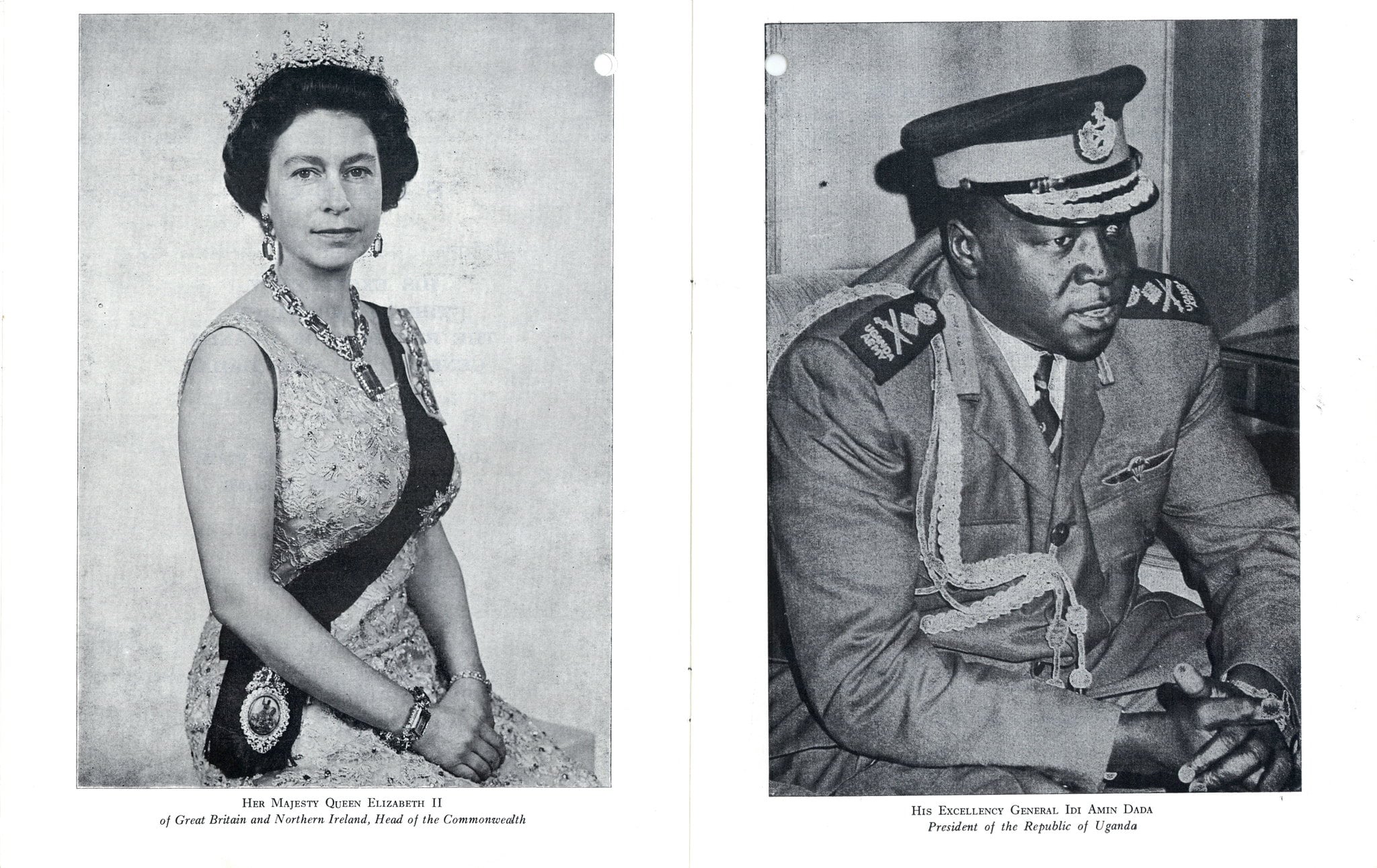
Idi Amin seized power in Uganda in 1971 and almost immediately began purging the military of anyone he considered a threat. He gave himself titles like “His Excellency, President for Life, Field Marshal Al Hadji Doctor Idi Amin Dada, VC, DSO, MC, Lord of All the Beasts of the Earth and Fishes of the Seas.”
Beneath the absurdity was a genuinely terrifying regime. His State Research Bureau tortured and killed political opponents, and estimates of the total death toll during his eight-year rule range from 100,000 to 500,000.
He expelled Uganda’s entire Asian community — roughly 60,000 people — in 72 hours, collapsing the economy. Credible reports suggest he kept body parts of enemies as trophies.
He fled to Saudi Arabia when Tanzania invaded in 1979 and lived there comfortably until his death in 2003.
6. Kim Il-sung — Building A Nation Around A God
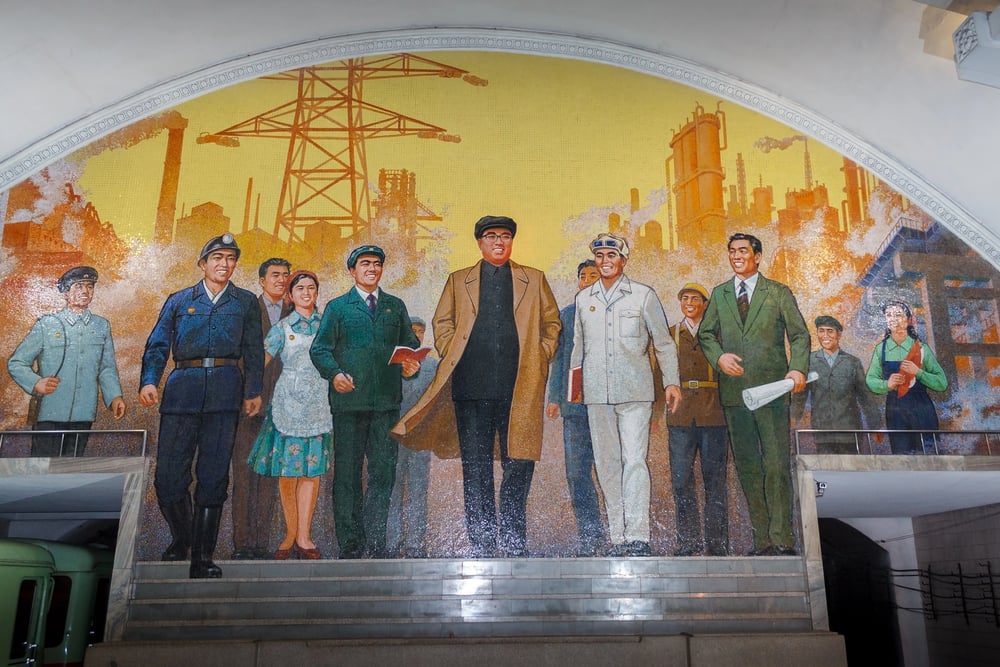
North Korea under Kim Il-sung became something history had rarely seen: a state built entirely around the worship of one man. Kim ruled from 1948 until his death in 1994, constructing a cult of personality so total that it has outlasted him by decades through his son and grandson.
His regime used forced labor camps, public executions, and systematic starvation as tools of control. Estimates suggest hundreds of thousands died in political prison camps alone.
The famine of the 1990s, which exploded under his son Kim Jong-il but had its roots in Kim Il-sung’s economic policies, killed between 240,000 and 3.5 million people. What makes Kim Il-sung particularly distinctive is that his system endured.
The regime he built is still running today, decades after his death.
7. Muammar Gaddafi — Libya’s Eccentric Tyrant
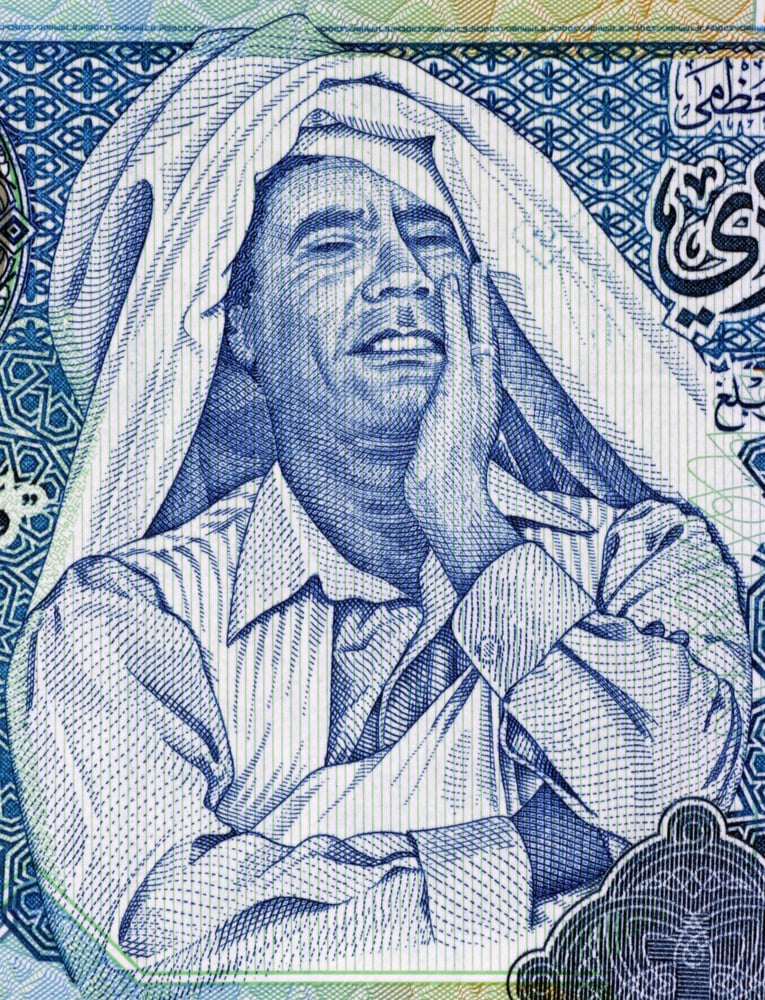
Gaddafi ruled Libya for 42 years after seizing power in a 1969 coup. His rule was marked by unpredictability, paranoia, and state-sponsored violence that extended far beyond Libya’s borders.
He funded terrorist organizations worldwide, including groups responsible for the 1988 Lockerbie bombing that killed 270 people. Domestically, dissidents were publicly hanged on live television, and his security forces were notorious for torture.
He lived in an elaborate compound protected by an all-female bodyguard unit and traveled with a Bedouin tent he pitched wherever he stayed. When the Arab Spring reached Libya in 2011, he vowed to hunt down opponents “house by house.”
He was captured and killed by rebel fighters that same year. The state he left behind has not recovered.
8. Saddam Hussein — Rule Through Terror

Saddam Hussein ran Iraq from 1979 to 2003 with an iron grip maintained through executions, torture, and the strategic use of fear. His government routinely had political opponents — real or imagined — disappeared.
Entire families were punished for one member’s perceived disloyalty. His most notorious atrocity was the Anfal campaign against Kurdish Iraqis in 1986–1989, which included chemical weapon attacks on the town of Halabja in 1988, killing thousands of civilians in a single day.
He also crushed a Shia uprising following the Gulf War in 1991 with extreme violence. Saddam was captured by U.S. forces in 2003, tried by an Iraqi court, and executed in 2006.
9. Robert Mugabe — Zimbabwe’s Long Unraveling

Follow
Mugabe came to power in Zimbabwe in 1980 as a liberation hero. By the time he was removed in a military coup in 2017, he had transformed one of Africa’s most prosperous nations into an economic catastrophe.
His land reform program in the early 2000s — which violently seized farms from white landowners and redistributed them to political allies with no farming experience — destroyed agricultural output and triggered hyperinflation so extreme that Zimbabwe once printed a 100 trillion dollar note.
At its worst, inflation reached an estimated 89.7 sextillion percent. His early years were also marked by the Gukurahundi massacres in the 1980s, in which his North Korean-trained Fifth Brigade killed an estimated 20,000 Ndebele civilians in Matabeleland.
Mugabe died in 2019, never having answered for any of it.
10. Nicolae Ceaușescu — Romania’s Paranoid Prince
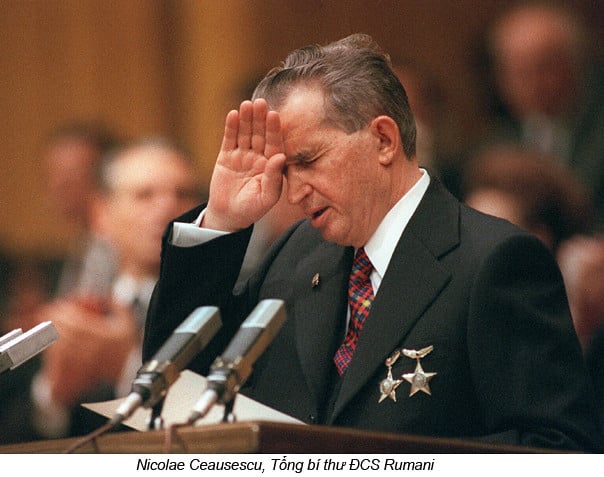
Ceaușescu turned Romania into one of Eastern Europe’s most oppressive states during his 24-year rule. His Securitate secret police maintained surveillance networks so vast that ordinary Romanians were encouraged to report on their neighbors, friends, and family.
His obsession with paying off Romania’s foreign debt led him to export food while his own people went hungry. In winter, homes had heating for only a few hours a day.
His attempt to increase Romania’s birth rate led to the criminalization of contraception and abortion, resulting in thousands of women dying from illegal procedures and a generation of children abandoned to state orphanages. When the 1989 revolution finally came, it moved fast.
Ceaușescu and his wife were arrested, tried in a hasty military tribunal, and executed on Christmas Day — all within hours.
11. Francisco Franco — Spain’s Slow Suffocation
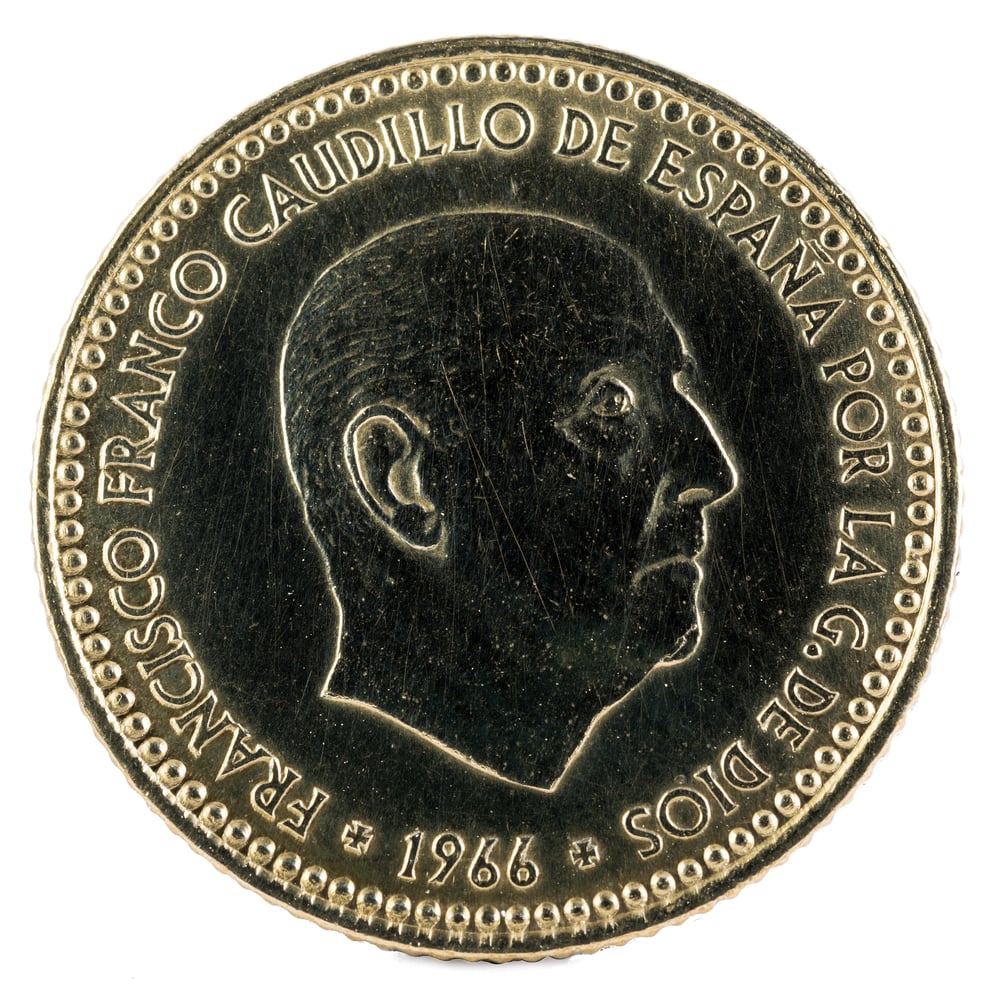
Franco’s regime in Spain lasted from 1939 to 1975, making him one of the longest-ruling dictators of the 20th century. He came to power after winning a brutal civil war with help from Nazi Germany and Fascist Italy, and the repression that followed was systematic.
Estimates of those killed in the immediate post-war period range from 30,000 to 150,000. Political prisoners were used as forced labor to build infrastructure.
Regional languages like Catalan and Basque were banned. The Catholic Church was given sweeping control over education and public life.
Franco managed to survive World War II by staying officially neutral, then slowly repositioning himself as a Cold War ally of the West. He died in his bed, peacefully, while still head of state.
12. Augusto Pinochet — Chile’s Quiet Terror

Pinochet came to power in a 1973 coup that overthrew Chile’s democratically elected president Salvador Allende. What followed was a campaign of disappearances, torture, and murder targeting leftists, union leaders, students, and anyone considered a threat.
The regime killed an estimated 3,000 people and tortured tens of thousands more. One of the most chilling tools was the use of a sports stadium in Santiago as a temporary detention center, where prisoners were interrogated and executed.
Pinochet was arrested in London in 1998 on a warrant from a Spanish judge but was released on health grounds and returned to Chile. He died in 2006 without being convicted of any crime, though proceedings were underway.
13. Jean-Bédel Bokassa — Central Africa’s Self-Made Emperor

Bokassa took control of the Central African Republic in 1966. By 1977, he crowned himself emperor during a lavish event said to have used about $30 million – close to one-third of the nation’s yearly spending, most of it backed by French funds.
Blood stained his time in power. That year, witnesses claimed he stood among those killing students who refused to wear costly uniforms made by his own firm.
Anger spread fast beyond borders when news broke. French troops stepped in, ending his rule soon after.
Back in the Central African Republic by 1986, a death sentence followed soon after. That punishment shifted over time – life behind bars took its place instead.
Years passed before freedom came again in 1993. His life ended three years later, in 1996.
14. Mengistu Haile Mariam And Ethiopia’s Red Terror
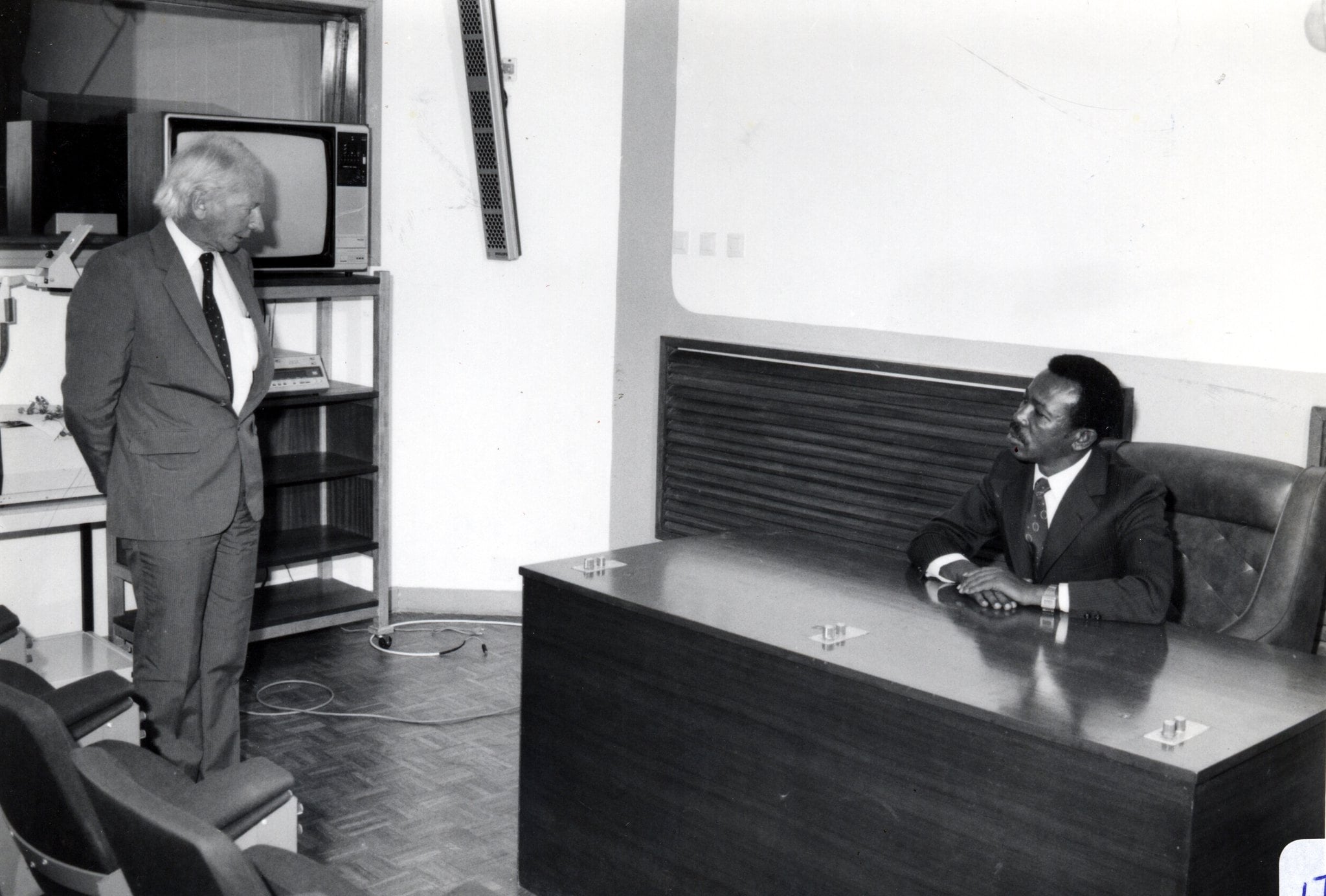
Power shifted to Mengistu in 1974 when Emperor Haile Selassie was removed. Following that change, a violent period unfolded years later – dubbed the “Red Terror.”
Targeted attacks spread widely by 1977, focused on those who disagreed politically. Students and thinkers faced harsh treatment during this time.
The worst intensity lasted into 1978. Between half a million and two million lives were lost under his leadership.
Deaths came from killings, mass relocations, and hunger between 1983 and 1985. His administration made the shortage worse.
Aid meant for food was rerouted elsewhere. Help was kept out of areas controlled by opposition forces.
Running away started in 1991 after everything fell apart back home. Found guilty of mass killings without being present, a judge in Ethiopia decided on execution in 2006.
Staying put in Zimbabwe ever since, sheltered under whoever came next after Mugabe stayed in power.
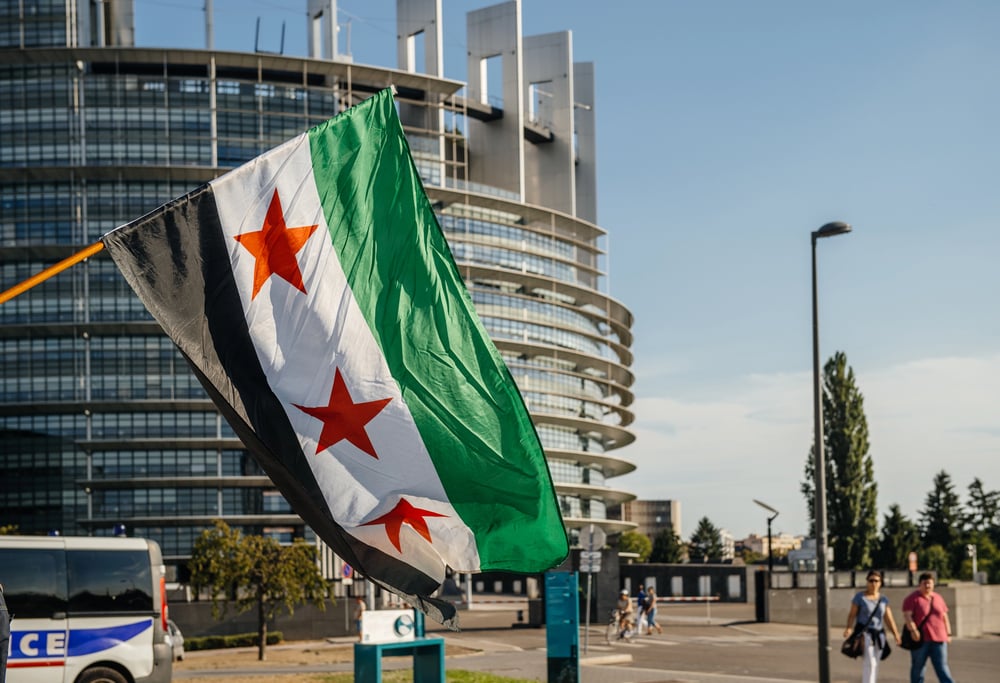
15. Bashar Al-Assad Once A Doctor Now A Killer

A doctor by training, Assad took power in Syria after his father Hafez stepped down in 2000, once thought maybe different because of studies abroad. Soon enough, though, expectations faded.
When protests spread across Syria during the Arab uprisings eight years later, any hope for change vanished fast. London education did not shape policy; instead, crackdowns defined his rule.
Right away, he cracked down hard when people took to the streets peacefully. Once marches spread, his troops opened fire with real bullets, hauled off demonstrators, beat them in jails, then later dropped crude explosives from helicopters and unleashed poison gas on towns full of ordinary families.
That war inside Syria ended up claiming around half a million lives while pushing over twelve million to flee their homes – about every second person before the fighting started.
Even after global protests and stern warnings from major nations, Assad stayed in charge because of help from Russian and Iranian forces. A fast-moving uprising at the end of 2024 pushed him out, forcing his escape to Russia.
The Same Pattern Happens Again
Staying on top ties these fifteen together more than the sheer brutality. Control over what people heard mattered most.
Information got locked down by nearly every one. Institutions that could push back? Torn apart.
Loyalty bought support. Speaking out risked consequences. Enemies weren’t seen as people – just threats to crush.
One moment they’re making promises, next thing you know – entire populations erased. Not one stood up and said I will kill millions.
It crept in slowly, each choice just small enough to seem excusable. While folks debated if words like crisis applied yet, the ground kept shifting beneath their feet.
What history does goes beyond listing names. Spotting trends early is its real purpose.
More from Go2Tutors!

- The Romanov Crown Jewels and Their Tragic Fate
- 13 Historical Mysteries That Science Still Can’t Solve
- Famous Hoaxes That Fooled the World for Years
- 15 Child Stars with Tragic Adult Lives
- 16 Famous Jewelry Pieces in History
Like Go2Tutors’s content? Follow us on MSN.