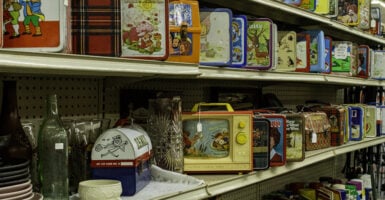
16 Modern Conveniences That Are Way More Complicated Than the Old Way
Remember when technology was supposed to make our lives easier? While many innovations have genuinely simplified daily tasks, a surprising number of “improvements” have actually added layers of complexity to things that used to be straightforward. From kitchen appliances with unnecessary features to digital systems that require constant updates, sometimes the traditional approach was refreshingly simple.
Here is a list of 16 modern conveniences that, despite their promise of simplicity, often leave us longing for the straightforward methods of the past.
Smart Refrigerators
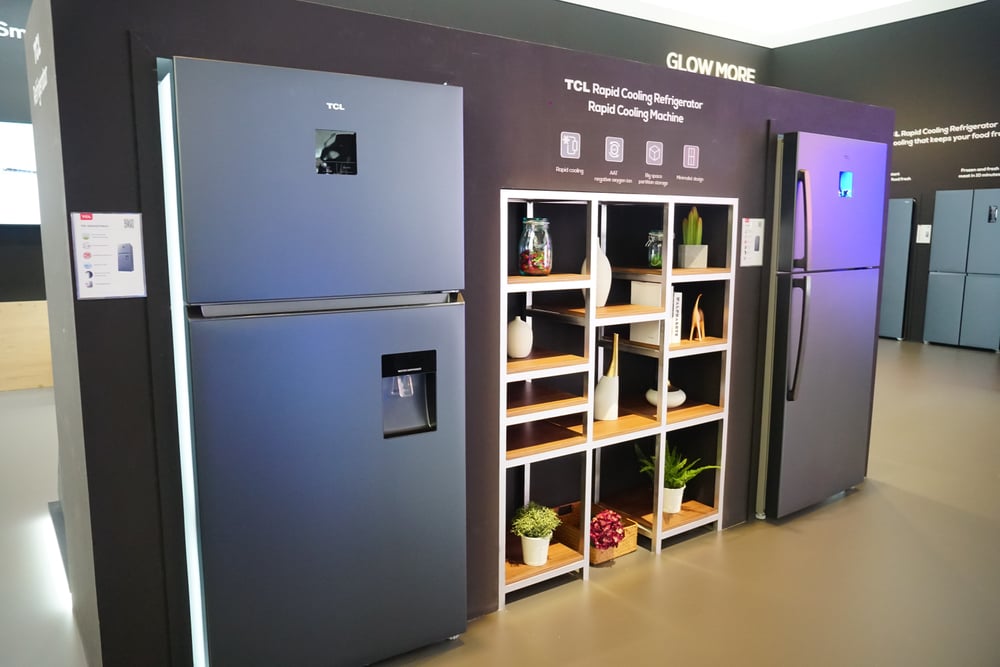
What used to be a simple appliance that kept food cold has evolved into a complex computer with touchscreens, cameras, and Wi-Fi connectivity. Smart refrigerators require software updates, troubleshooting, and sometimes even password resets.
The traditional refrigerator with basic temperature controls rarely needed anything more than occasional cleaning and never forgot how to keep your milk cold because of a firmware issue.
Digital Car Dashboards
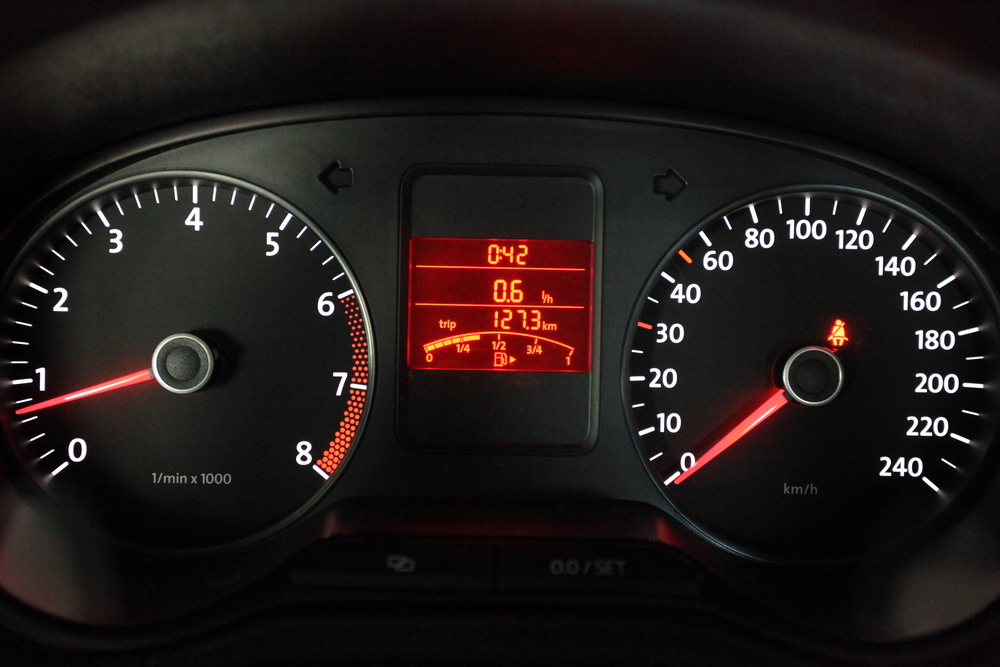
Traditional analog gauges were instantly readable and rarely malfunctioned. Today’s digital dashboards feature complex menu systems requiring multiple button presses just to adjust basic settings like temperature.
Many drivers find themselves taking their eyes off the road longer to navigate these interfaces, and when they malfunction, you can’t fix them with basic mechanical knowledge—you need specialized diagnostic equipment and software.
Like Go2Tutors’s content? Follow us on MSN.
Streaming Services

Remember when watching TV meant turning on the set and flipping through channels? Now we juggle multiple streaming subscriptions, each with different interfaces, recommendations, and content libraries.
The frustration of searching across platforms to find a specific show, dealing with buffering issues, and keeping track of which service has what content makes the simplicity of traditional cable or broadcast television seem appealingly straightforward in comparison.
Voice-Activated Assistants
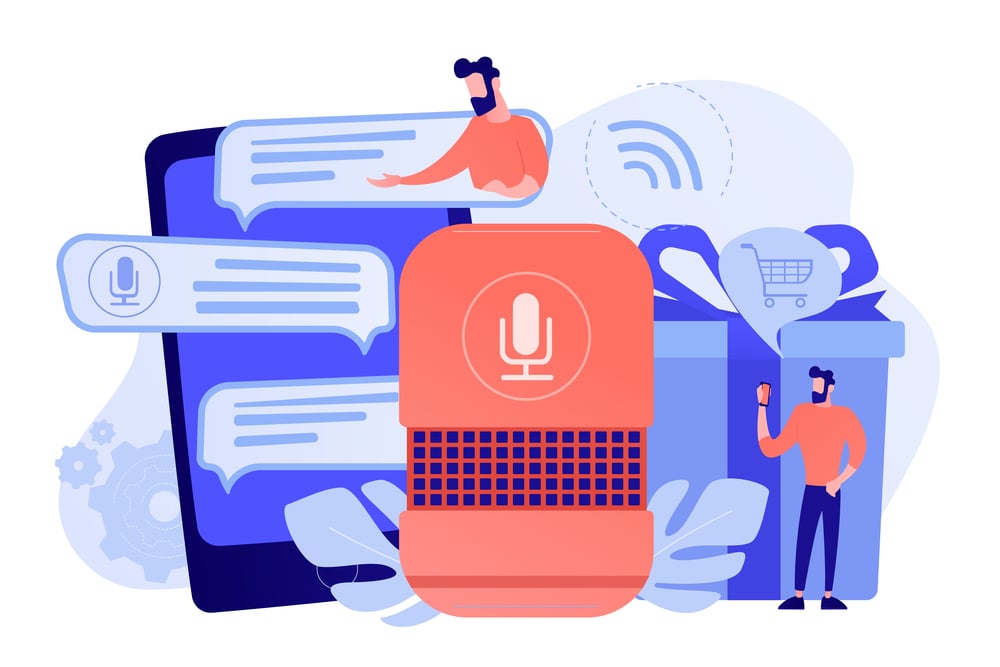
These AI helpers promise convenience but often require precise phrasing, struggle with accents, and activate accidentally during conversations. Simple tasks like setting a timer or checking the weather can turn into frustrating exchanges of ‘I didn’t understand that’ or performing unintended actions.
The physical act of turning a dial or pressing a button provided immediate, reliable feedback without the need to repeat yourself or wonder if your request was properly understood.
Modern Washing Machines
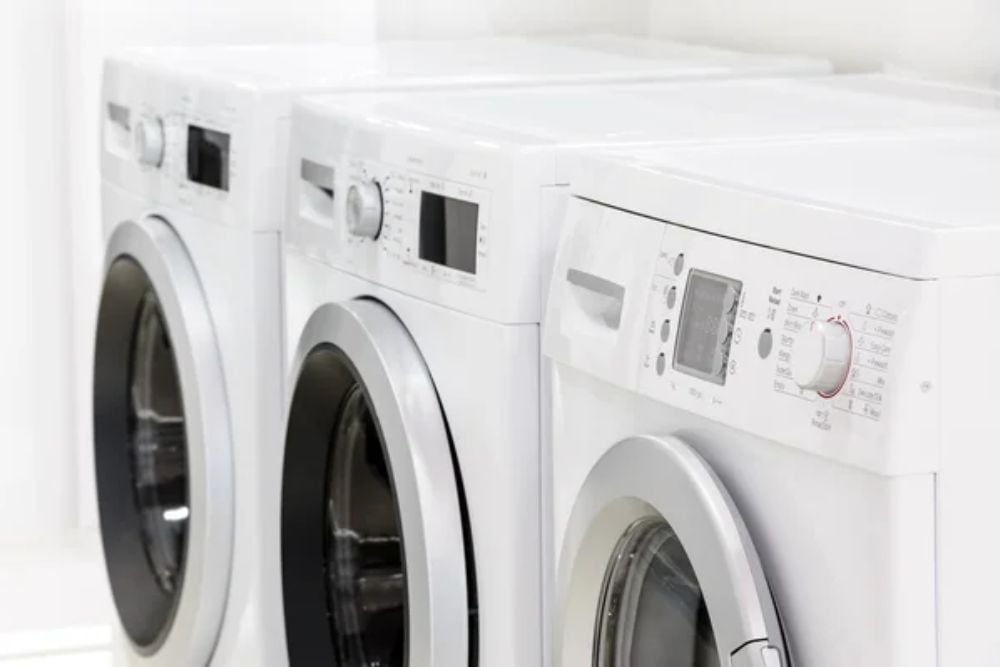
Today’s washing machines come with dozens of cycles, settings, and specialized options that most people never use. The instruction manuals often run dozens of pages long, yet many users default to the same basic cycle every time.
Older washing machines with simple dials for temperature, load size, and cycle type were intuitive to operate and easier to repair when problems arose.
Like Go2Tutors’s content? Follow us on MSN.
Coffee Makers
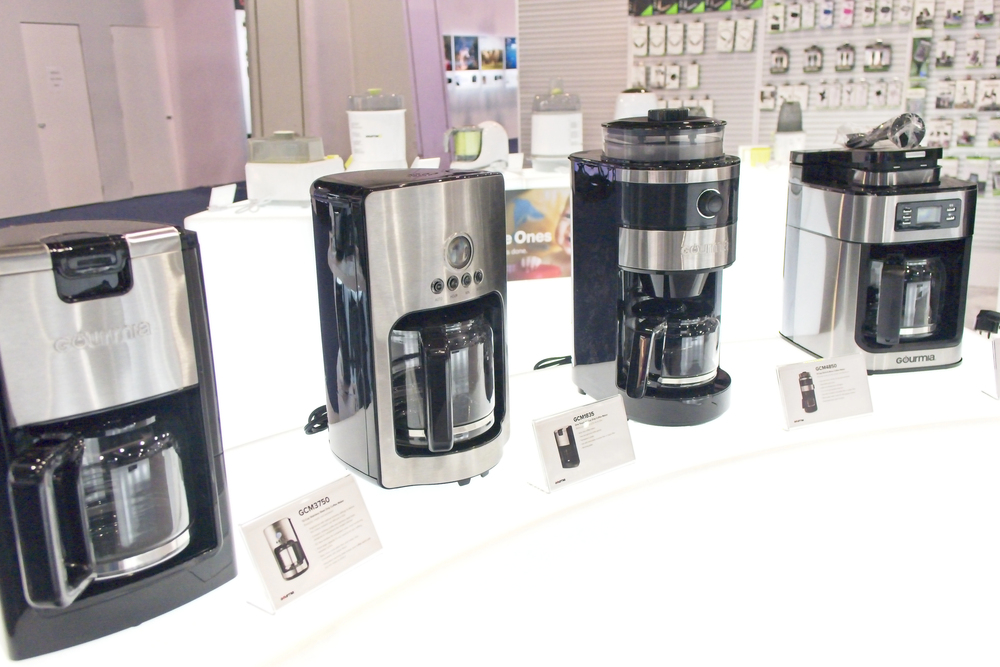
What once required just coffee grounds and hot water now involves pods, descaling solutions, water filters, and complicated brewing systems. Single-serve coffee makers generate plastic waste, require proprietary capsules, and often break down after a couple of years.
A traditional drip coffee maker or French press delivers great coffee with minimal fuss and environmental impact, with fewer components that can malfunction.
Car Key Fobs

Traditional metal keys rarely failed unless physically damaged. Modern key fobs require battery replacements, can deactivate mysteriously, and cost hundreds of dollars to replace.
When they malfunction, you might find yourself locked out of your car despite standing right next to it. The simple mechanical action of inserting a key into a lock provided reliable access without worrying about electronic failures or dead batteries.
Smart Home Systems
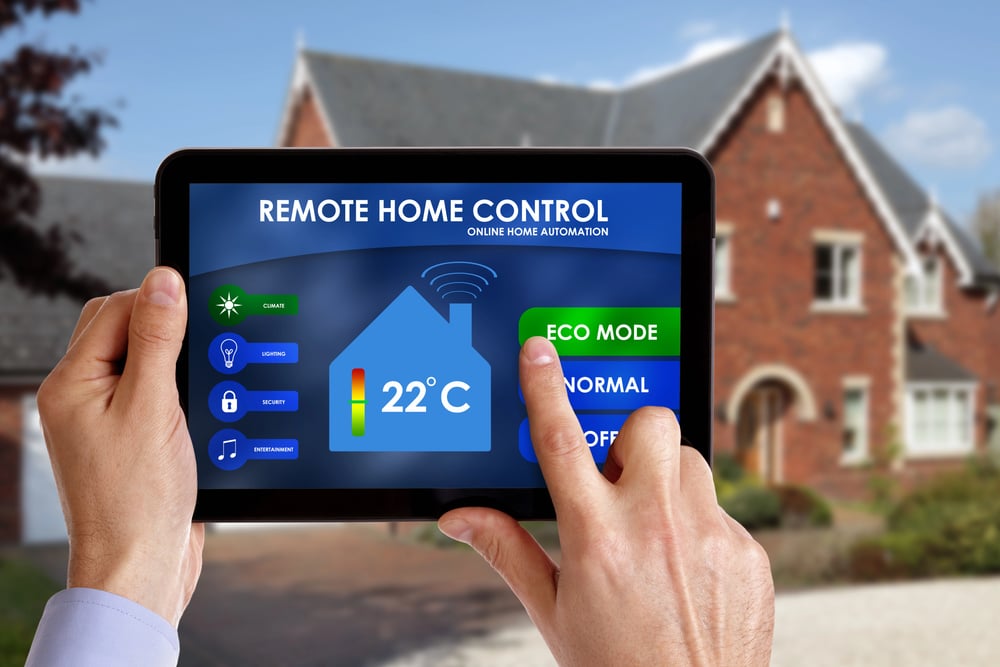
Controlling lights and appliances used to be as simple as flipping a switch or turning a knob. Now it involves apps, hubs, Wi-Fi connectivity, software updates, and compatibility issues between different brands.
When your internet goes down or a server experiences problems, you might lose control of basic home functions. The promise of convenience often dissolves into troubleshooting sessions and unexpected system downtime.
Like Go2Tutors’s content? Follow us on MSN.
Digital Textbooks

Physical textbooks allow for quick flipping between pages, easy highlighting, and natural note-taking in margins. Digital versions require power, can crash, make cross-referencing between pages cumbersome, and often come with access codes that expire.
Despite technological advances, many students still prefer physical books for serious studying because the tactile experience and spatial memory aids enhance comprehension and retention.
Self-Checkout Machines
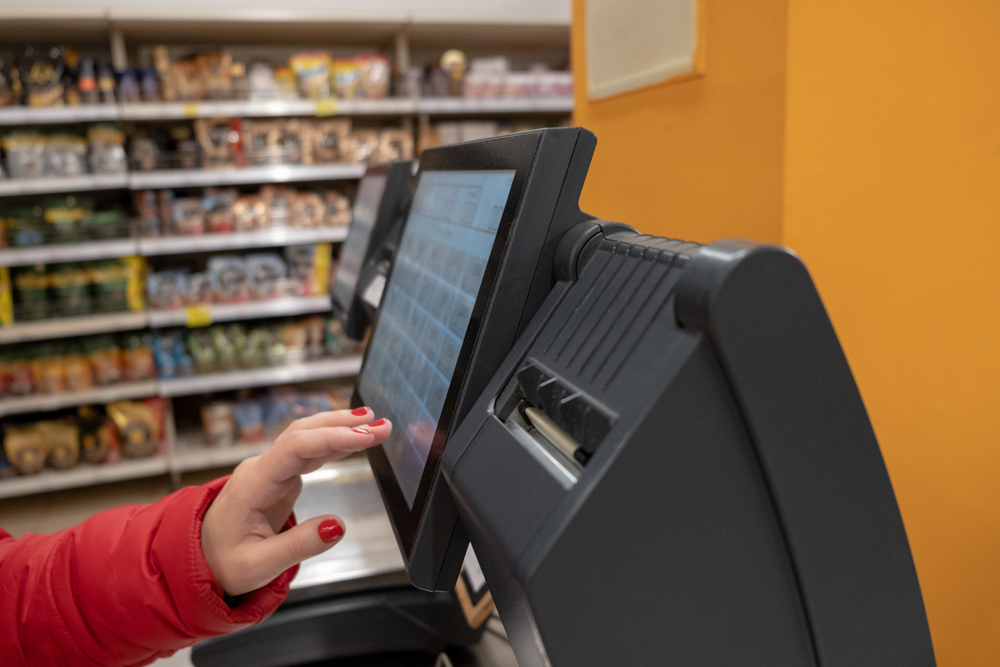
These supposedly time-saving devices frequently require staff intervention for unexpected items in the bagging area, age verification, or technical glitches. The promise of a quick exit often turns into a frustrating experience of waiting for assistance.
A human cashier can process items more intuitively, handle exceptions smoothly, and provide a personal interaction that machines simply cannot replicate.
TV Remotes
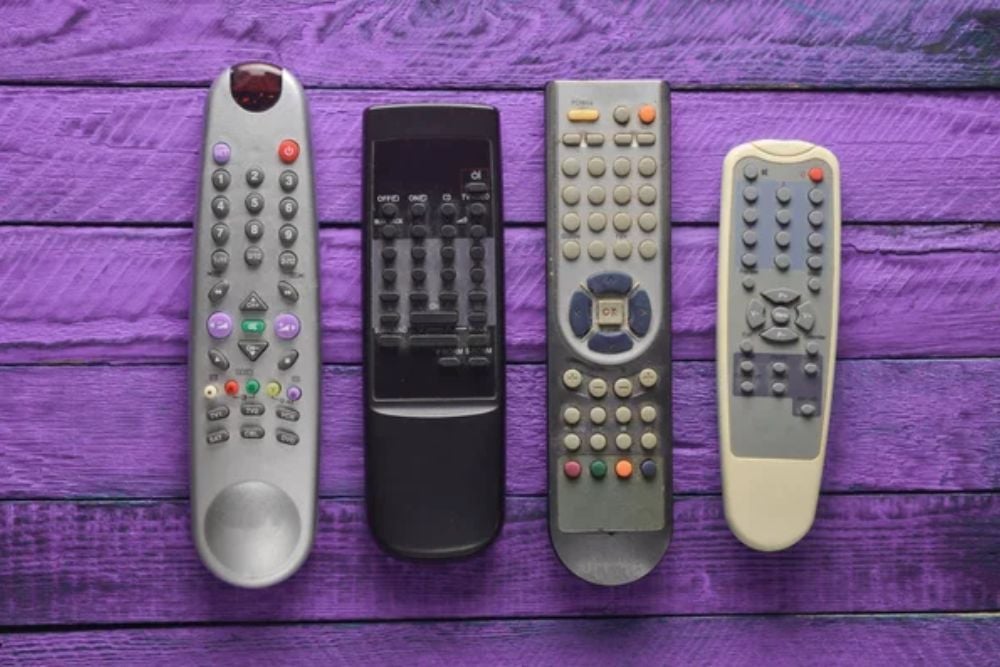
Modern entertainment system remotes have evolved from simple channel-changing devices to complex controllers with dozens of buttons for various functions across multiple devices. Finding the right button often requires looking away from the screen, and programming universal remotes can be a weekend project.
The original few-button remotes for basic functions were intuitive enough to use without looking down or consulting a manual.
Like Go2Tutors’s content? Follow us on MSN.
Digital Cameras

While smartphone cameras have improved dramatically, dedicated digital cameras have become increasingly complex with menus within menus of settings and options. What used to be the simple process of point-and-shoot now involves navigating through multiple screens of white balance, ISO settings, and focus modes.
Film cameras with manual controls provided tactile feedback and a direct connection between physical adjustments and photographic results.
Online Banking

Traditional banking involved deposit slips, withdrawal forms, and face-to-face interactions with tellers who could immediately address concerns. Online banking requires remembering passwords, navigating security questions, dealing with two-factor authentication, and sometimes waiting days for responses to issues.
When something goes wrong, resolving it often involves lengthy phone calls rather than a quick conversation at the local branch.
Modern Printers

What should be a simple task of putting text on paper has become a technological nightmare of driver updates, wireless connection issues, and mysterious error messages. Printers seemingly develop personalities, refusing jobs for inscrutable reasons or demanding specific maintenance at inconvenient times.
Older printers with fewer features were more reliable workhorses that consistently performed their single function without the drama of their modern counterparts.
Like Go2Tutors’s content? Follow us on MSN.
Password Management
The average person now needs to remember dozens of passwords for various accounts, each with different requirements for length, special characters, and update frequency. What used to be a simple matter of remembering one or two important codes has evolved into a complex security puzzle requiring password managers, recovery options, and frequent resets.
The cognitive load of digital identity management has increased exponentially with our online presence.
Online Shopping Returns

In-store shopping gave us the option to try before and simple in-store returns if necessary. Online returns typically involve printing labels, handling items carefully so they are neatly repackaged, finding drop-off locations, and waiting for weeks for the refund to arrive.
The home shopping convenience is frequently offset by the inconvenience of the return experience when things fail or get broken.
The Complexity Paradox

As we’ve seen in all of these examples, technological advancement doesn’t always equal simplification. Many modern conveniences have introduced layers of complexity that their older counterparts never required.
Even as innovation continues to enhance our lives in so many respects, there’s value in the polished simplicity of designs that prioritized core functionality without unnecessary features. Sometimes the most sophisticated solution is the one that’s remained gracefully simple to operate, understand, and maintain.
Like Go2Tutors’s content? Follow us on MSN.
More from Go2Tutors!

- 18 Unexpectedly Valuable Collectibles You Might Have Lying Around
- 20 Little-Known Historical Battles That Had Huge Consequences
- 20 Historical Artifacts That Scientists Can’t Explain
- 15 Inventions That Were Immediately Banned After Being Created
- 20 Actors Who Were Almost Cast in Iconic Roles
Like Go2Tutors’s content? Follow us on MSN.