14 Sea Creatures That Glow in Total Darkness
The ocean’s depths hold many secrets, but perhaps none as mesmerizing as bioluminescence – the ability of living organisms to produce light. While most of us experience darkness when the sun sets, the deep sea never truly goes dark.
In the midnight zone, where sunlight cannot penetrate, an extraordinary light show takes place thanks to the fascinating adaptations of marine life. Here is a list of 14 remarkable sea creatures that create their own light in the ocean’s darkest regions.
Anglerfish
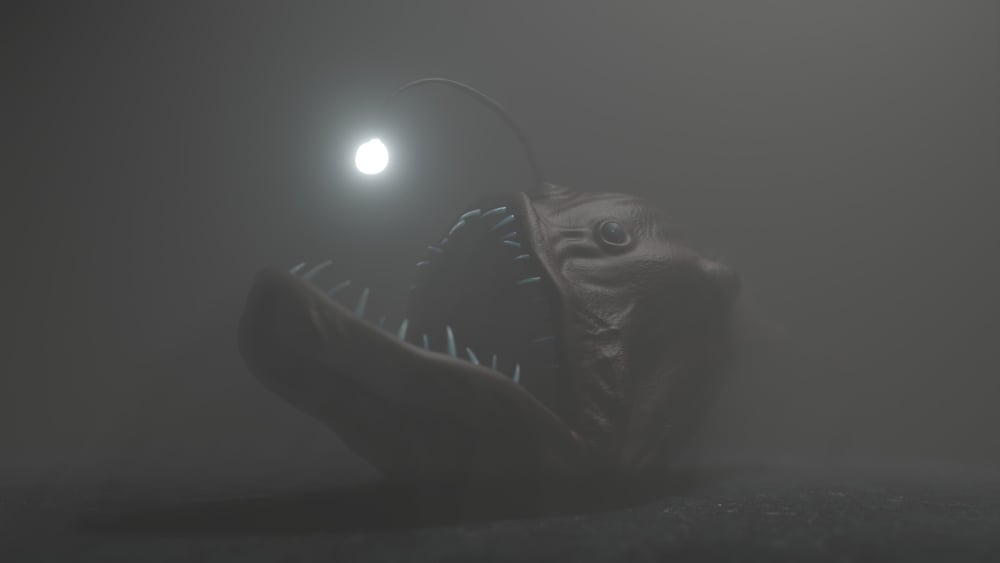
The anglerfish might be the poster child for deep-sea bioluminescence with its famous dangling lure that glows eerily in the darkness. This isn’t actually the fish itself producing light, but rather specialized bacteria living in its modified dorsal fin.
The anglerfish has essentially evolved a living fishing rod, using this biological lantern to attract curious prey within striking distance of its massive jaws.
Crystal Jellyfish

The crystal jellyfish is so transparent that it appears nearly invisible in water, except for the mesmerizing blue-green light it produces along its rim. Scientists have harnessed the jellyfish’s glowing proteins to create Green Fluorescent Protein (GFP), a revolutionary tool in medical research used to track proteins inside cells.
These delicate creatures essentially float through the water column like living chandeliers, their gentle pulses creating waves of light in the darkness.
Vampire Squid
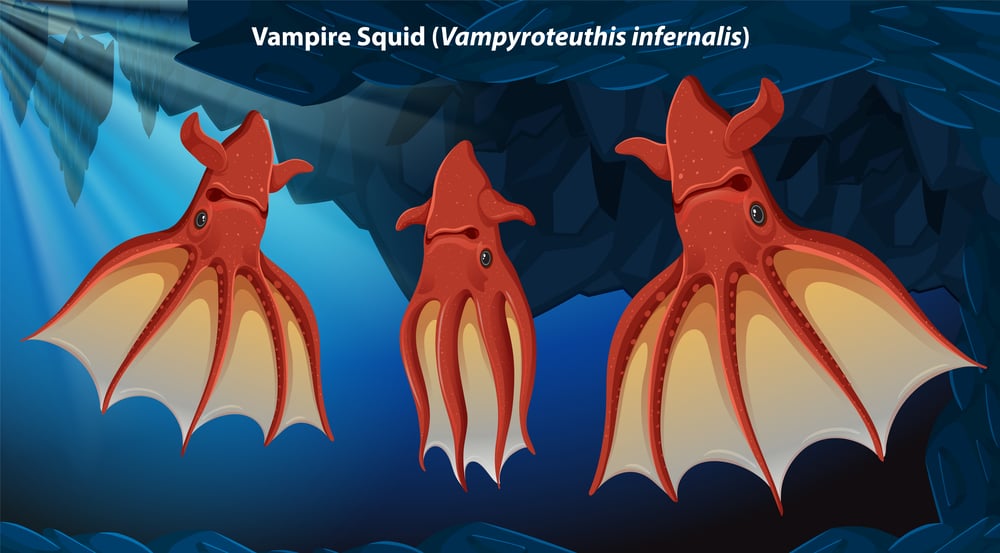
Despite its frightening name, the vampire squid is a gentle creature about the size of a football. It has large photophores (light-producing organs) at the tips of its arms and across its body surface that can be turned on and off at will.
When threatened, this unusual cephalopod can perform a stunning defense – it can emit clouds of bioluminescent mucus, creating a disorienting light show that confuses predators while it makes its escape.
Firefly Squid

Japan’s Toyama Bay becomes a glowing blue wonderland each spring when millions of firefly squid come to spawn in shallow waters. These tiny squid, only about three inches long, have photophores distributed across their entire bodies which can flash in synchronized patterns.
Unlike many deep-sea creatures, these squid migrate up to surface waters at night, creating one of nature’s most spectacular bioluminescent displays that draws thousands of tourists annually.
Lanternfish

Lanternfish are among the most abundant vertebrates on the planet, making up about 65% of all deep-sea fish biomass. These small fish have rows of photophores along their undersides that help them blend with the faint light filtering down from above when seen from below.
They participate in daily vertical migrations, traveling hundreds of feet up toward the surface at night to feed, then returning to darker depths during daylight hours.
Flashlight Fish

The flashlight fish carries its illumination in a pouch beneath each eye, looking like a swimming pair of headlights. These light organs contain bioluminescent bacteria that create a consistent glow, which the fish can control by opening and closing a specialized lid.
They use these living flashlights to communicate with others of their kind, find food in dark coral reefs, and confuse predators with quick flashes as they dart away.
Viperfish

With needle-like teeth too large to fit inside its mouth, the viperfish is one terrifying deep-sea predator. Along its dorsal spine and underbelly run photophores that produce greenish light.
This fearsome hunter dangles a bioluminescent lure over its head to attract smaller fish, then uses its enormous teeth to impale prey with a lightning-fast strike that’s among the quickest movements in the animal kingdom.
Comb Jellies
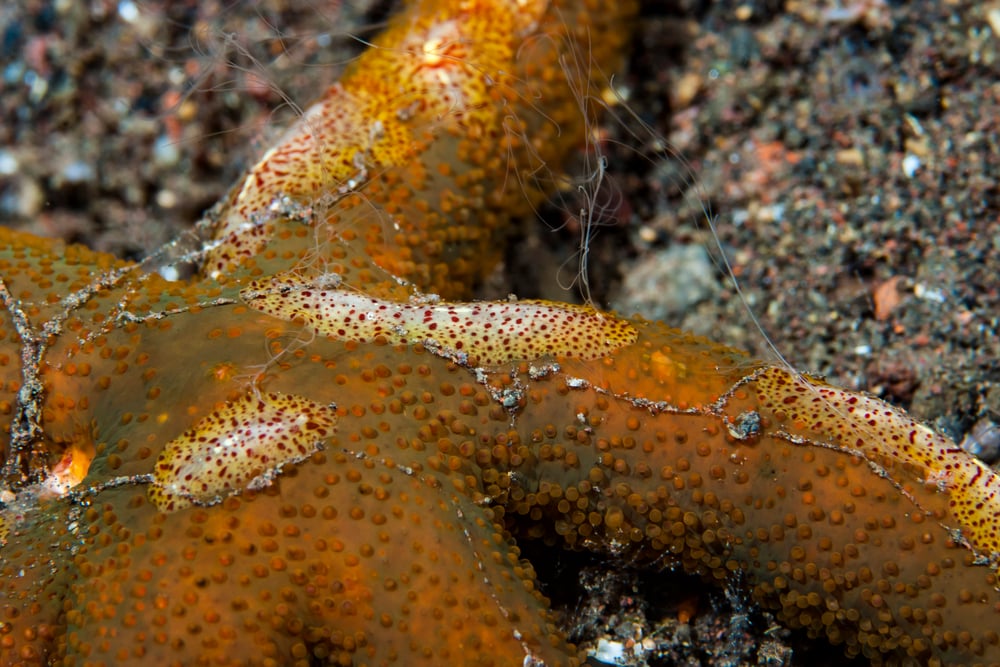
Comb jellies aren’t true jellyfish but belong to a separate group of transparent, gelatinous animals. While they don’t actively produce bioluminescence like other creatures on this list, they create an even more impressive light show.
Their rows of tiny, hair-like cilia scatter light as they move, creating rainbow-like patterns that ripple along their bodies like the world’s most delicate neon signs.
Sea Pens

Named for their resemblance to old-fashioned quill pens, these colonial animals consist of many tiny polyps working together as a single organism. When disturbed, sea pens can release waves of blue light that travel up their feather-like structure, looking almost like digital signals moving through biological fiber optics.
This coordinated light display works effectively to startle would-be predators and give the sea pen time to retreat into the seafloor.
Hawaiian Bobtail Squid

The Hawaiian bobtail squid has developed one of the most sophisticated bioluminescent systems in the ocean. This tiny creature harbors a special light organ filled with luminous bacteria that help it avoid detection from below.
The squid can control the brightness of its glow to precisely match the moonlight or starlight filtering down from above, creating the perfect camouflage that eliminates its shadow against the night sky.
Brittle Stars

These relatives of starfish don’t seem particularly remarkable at first glance, but some species possess bioluminescent capabilities that glow green when disturbed. Their slender, snake-like arms can flash with light or even break off and continue glowing, creating moving decoys that distract predators while the brittle star escapes.
The light-producing cells are distributed throughout their bodies, allowing for precise control over their illumination.
Dragonfish
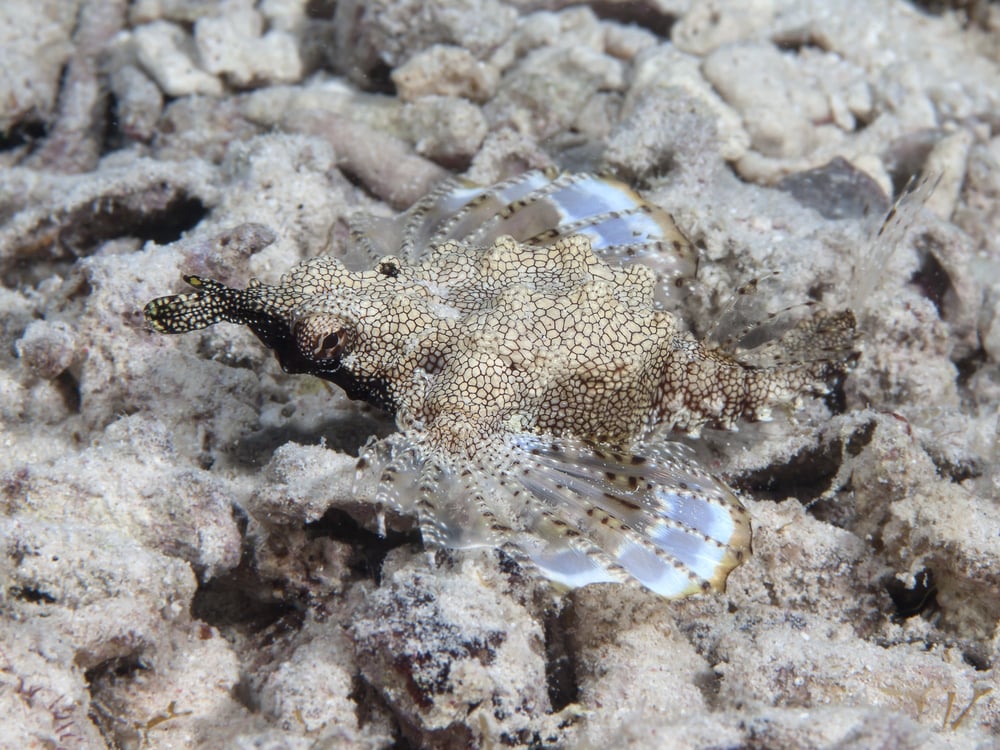
The dragonfish employs a sneaky trick in the deep sea’s darkness – it produces red light from specialized organs beneath its eyes. This adaptation is particularly clever because most deep-sea creatures cannot see red wavelengths, essentially giving the dragonfish a set of invisible headlights it can use to hunt without being detected.
Its prey never sees the predator coming until it’s far too late.
Dinoflagellates
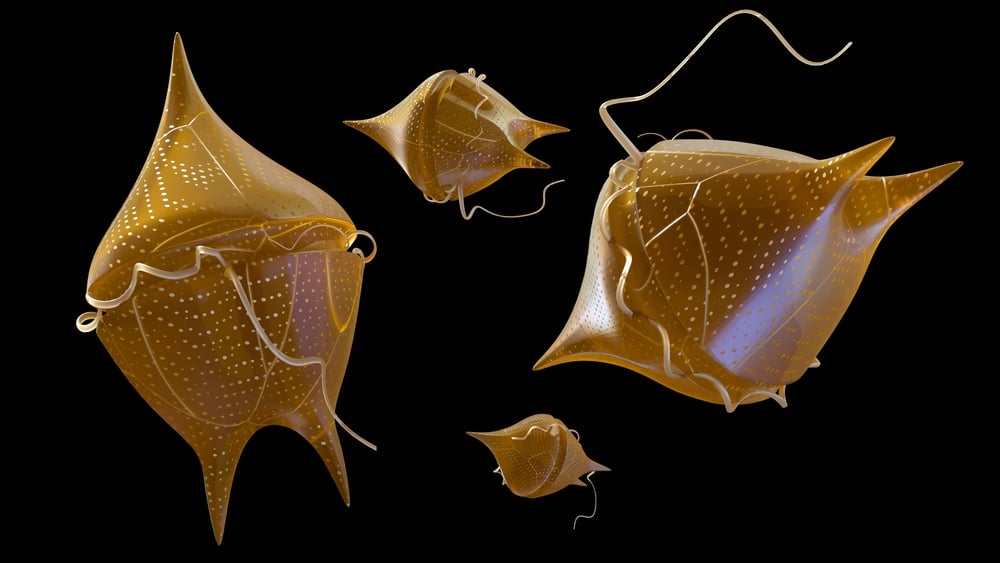
These microscopic single-celled organisms create some of the most spectacular bioluminescent displays visible to humans. When agitated by wave action or movement, they produce brief flashes of blue light, turning breaking waves, swimming fish, or even footsteps along the shoreline into magical blue-glowing outlines.
Their light comes from a chemical reaction involving a compound called luciferin, activated when the cells are physically disturbed.
Bamboo Coral

Unlike the quick flashes of most bioluminescent creatures, bamboo corals produce a constant, subtle glow deep in the ocean trenches. These ancient animals can live for centuries, growing their skeleton-like tree rings that scientists use to study climate history.
Their soft orange glow helps attract plankton and other microscopic food sources, essentially functioning as a living lure as they wave gently in the deep ocean currents.
The Hidden Language of Light
The deep sea’s light show represents millions of years of evolutionary adaptations to an environment we’ve only begun to explore. Whether used for hunting, hiding, communication, or finding mates, bioluminescence demonstrates the incredible creativity of natural selection.
As we develop better technology to explore these depths, we’re discovering that the darkest places on Earth might actually be filled with more light than we ever imagined – just not the kind our human eyes evolved to see without assistance.
More from Go2Tutors!

- The Romanov Crown Jewels and Their Tragic Fate
- 13 Historical Mysteries That Science Still Can’t Solve
- Famous Hoaxes That Fooled the World for Years
- 15 Child Stars with Tragic Adult Lives
- 16 Famous Jewelry Pieces in History
Like Go2Tutors’s content? Follow us on MSN.



