16 Most Important Discoveries in Ancient History
Everything we believed to be true about human civilization is altered by the secrets hidden beneath our feet.
Every few decades, archaeologists discover something so amazing that our entire perspective of the past changes and textbooks are revised.
They provide evidence that ancient peoples were far more advanced, inventive, and complex than anyone had previously thought, and they are more than just ancient artifacts collecting dust in museums.
A closer look at the findings that altered our understanding of human history is provided here.
Rosetta Stone (1799)
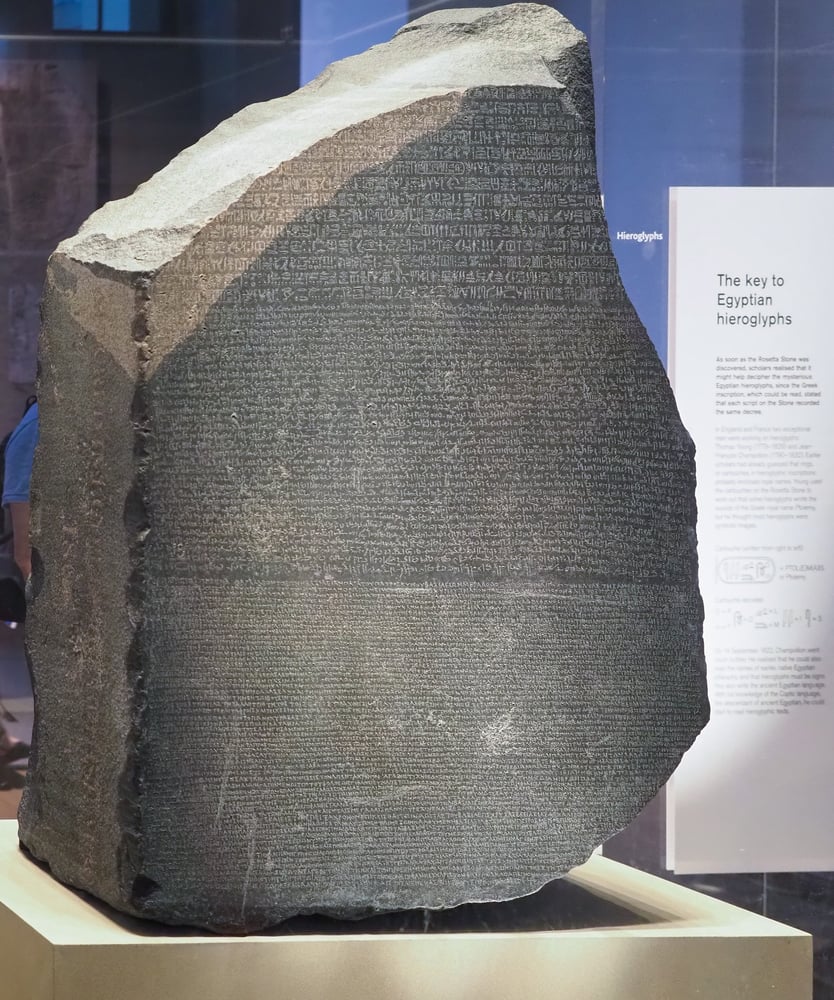
In 1799, French soldier Pierre-François Bouchard was rebuilding a fort near el-Rashid, Egypt, when he discovered a huge slab of granodiorite.
Little did he know that he had discovered the secret to a lost language.
The same text was written in three different scripts—ancient Greek, Demotic script, and Egyptian hieroglyphs—on the Rosetta Stone, which was inscribed with a decree from 196 BC under Ptolemy V Epiphanes.
Scholars finally had a starting point for deciphering hieroglyphs, a language that had been unintelligible for more than a thousand years, because they could still read ancient Greek.
In 1822, Jean-François Champollion deciphered the code, allowing for the reading and comprehension of thousands of Egyptian papyri, tombs, and monuments.
A large portion of ancient Egyptian civilization would be unknown without this stone.
Tutankhamun’s Tomb (1922)
After years of excavation in the Valley of the Kings in Egypt, Howard Carter came up empty-handed.
His team then discovered a staircase that led to tomb KV62 on November 4, 1922.
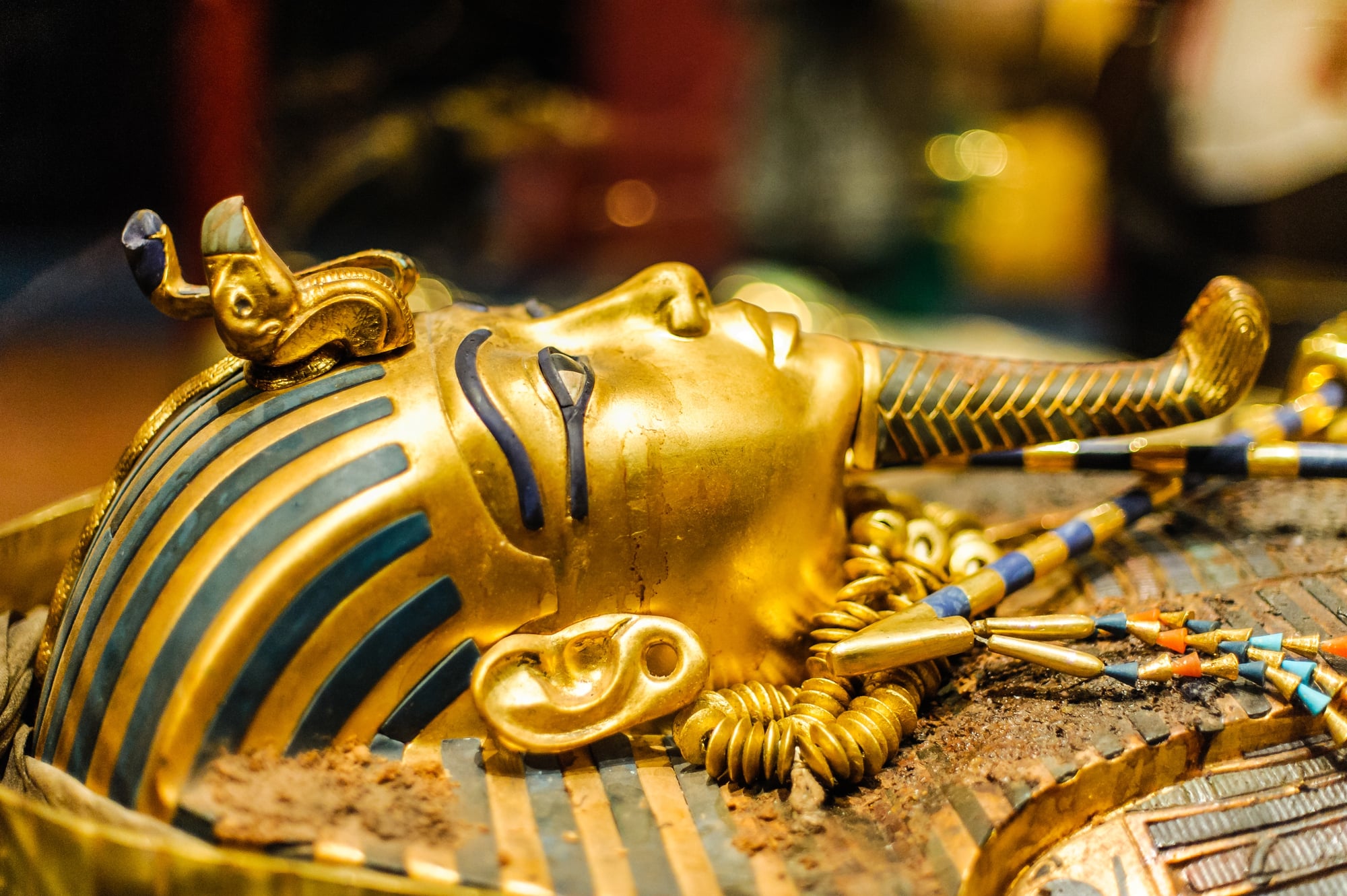
The magnificent gold death mask of the young pharaoh Tutankhamun was among the more than 5,000 items in the intact royal tomb, which was formally opened in February 1923.
For roughly 3,200 years, the tomb had largely remained undisturbed, preserving everything from food and furniture to chariots and weapons.
Despite the fact that Tutankhamun was a relatively minor king who passed away in his teens, his tomb provided the world with a unique window into ancient Egyptian daily life and royal burial customs.
Egyptology has remained popular throughout the world since the discovery.
Pompeii (79 AD)
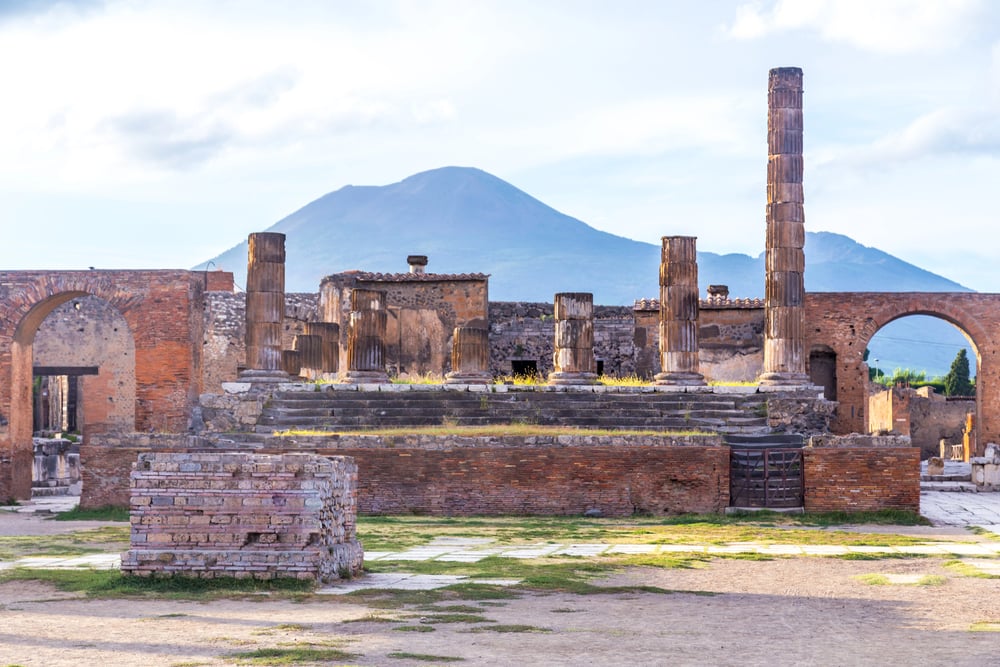
The Roman city of Pompeii disappeared when Mount Vesuvius erupted, likely on August 24 or October 79 AD, burying it under approximately 20 feet of volcanic ash and pumice.
That catastrophic event turned out to be an archaeologist’s dream—the ash created an airless, moisture-free environment that preserved buildings, art, food, and even the bodies of victims for nearly 1,700 years.
When excavations began in 1748, researchers found a city frozen in time.
Bread still sat in ovens.
Graffiti covered walls.
Frescoes retained their vibrant colors.
The disaster that killed thousands of people gave modern scholars the most complete picture of everyday Roman life ever discovered.
Dead Sea Scrolls (1947–1956)

Between 1947 and 1956, Bedouin shepherds and archaeologists discovered approximately 800 manuscripts hidden in 11 caves near Qumran by the Dead Sea.
These texts, dating from approximately 250 BC to 68 AD, include the oldest known versions of Hebrew biblical documents—predating the Masoretic Text by over a millennium.
The scrolls also contained sectarian documents, administrative records, and other writings that revolutionized understanding of Judaism during the Second Temple period and early Christianity.
Finding these ancient texts preserved in the dry desert climate provided unparalleled insights into the period.
Lucy (1974)
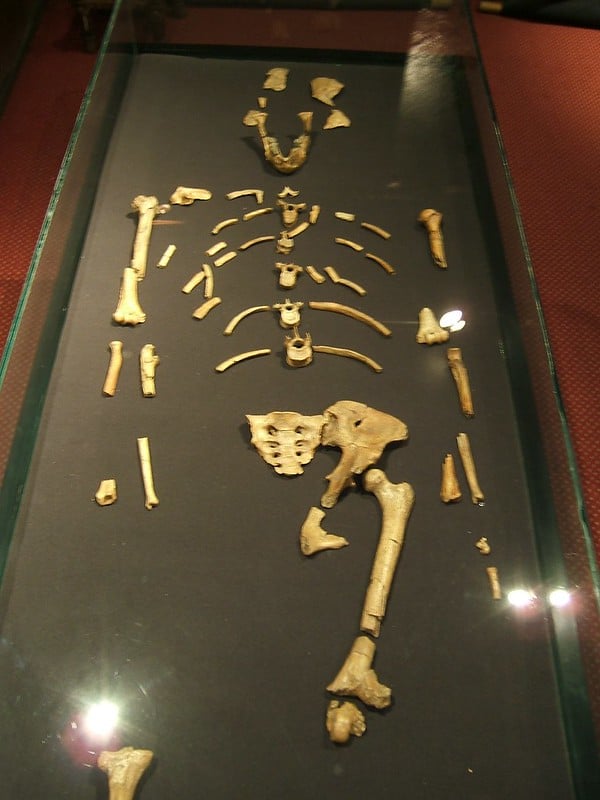
On November 24, 1974, paleoanthropologist Donald Johanson spotted a piece of elbow bone jutting from the ground in Ethiopia’s Afar region.
His team eventually recovered 40 percent of a skeleton belonging to a female Australopithecus afarensis who lived approximately 3.18 million years ago and stood about 1.1 meters tall.
Nicknamed Lucy after the Beatles song playing at the celebration that night, this fossil became one of the most famous human ancestors ever found.
Lucy proved that bipedalism—walking upright on two legs—evolved before large brains, fundamentally changing theories about human evolution.
Her skeleton showed a mix of ape-like and human-like features, bridging a crucial gap in understanding how humans came to be.
Laetoli Footprints (1976–1978)
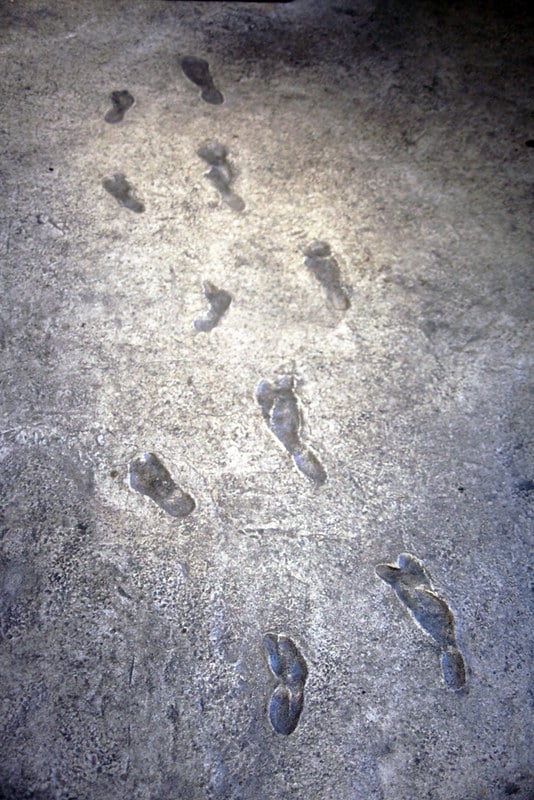
In 1978, Mary Leakey’s team discovered something extraordinarily preserved in volcanic ash in Tanzania: footprints made by early humans walking across wet sediment approximately 3.66 million years ago.
The trackway stretched 27 meters and contained about 70 prints, showing that these ancient beings walked upright with a heel-strike, toe-off gait remarkably similar to modern humans.
The prints confirmed that bipedalism was firmly established millions of years before the human brain expanded.
This discovery provided the oldest unequivocal evidence of upright walking in the human lineage.
Terracotta Army (1974)
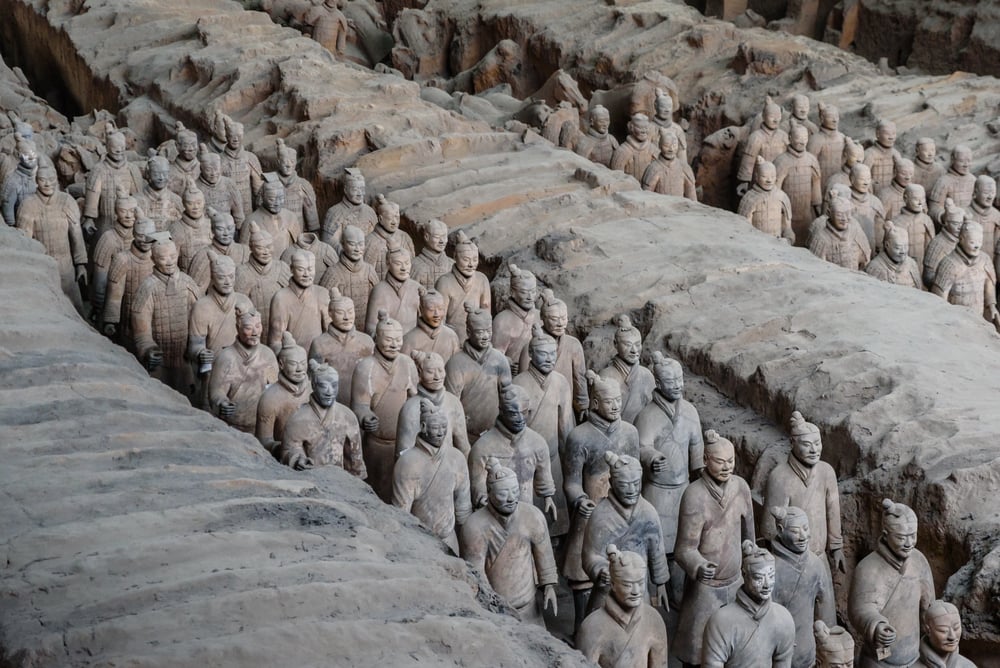
Farmers digging a well near Xi’an, China, in 1974 unearthed something extraordinary: a life-sized clay warrior.
Further excavation revealed an estimated 8,000 individually crafted terracotta soldiers, along with horses, chariots, and weapons.
These figures were buried around 210 BC near the tomb of Emperor Qin Shi Huang (259–210 BC), China’s first emperor, to serve as his army in the afterlife.
The scale and artistry of the project demonstrated the incredible organizational power and artistic sophistication of ancient China.
Each warrior has unique facial features, revealing remarkable attention to detail.
Göbekli Tepe (circa 9500 BC)
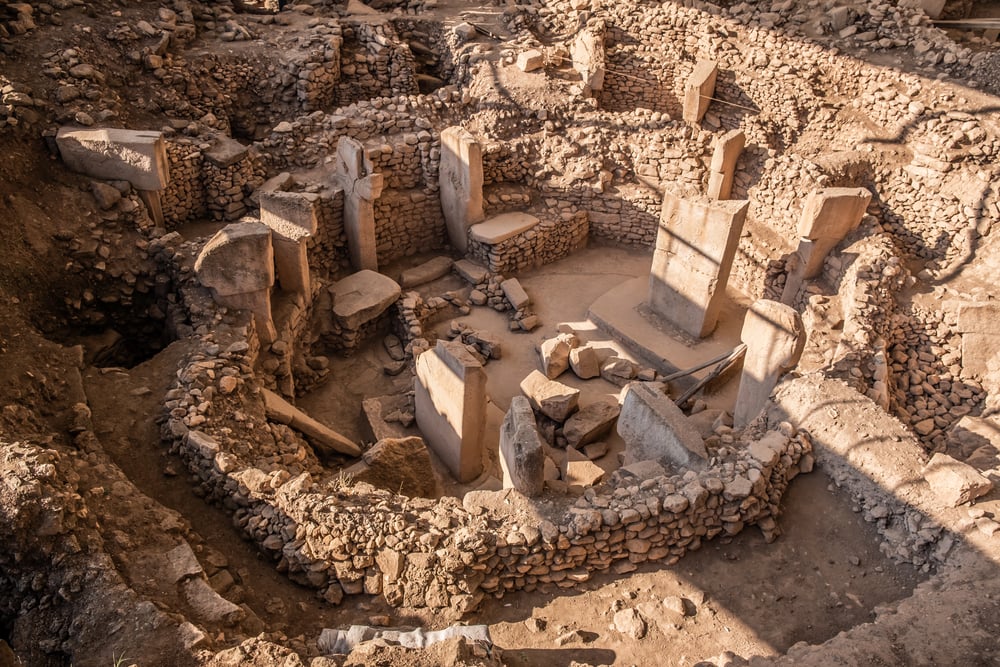
When German archaeologist Klaus Schmidt realized in the 1990s that stone slabs at a Turkish site were actually the tops of massive buried pillars, he uncovered something that rewrote the timeline of human civilization.
Göbekli Tepe, the oldest known monumental ritual site from the Pre-Pottery Neolithic A period, contains megaliths erected as early as 9500 BC—roughly 6,000 years earlier than Stonehenge.
The site features elaborate circular structures with T-shaped limestone pillars weighing up to 10 tons, carved with images of animals, humans, and abstract symbols.
What makes this discovery paradigm-shifting is that hunter-gatherers built it, proving that complex religious or ceremonial sites preceded agriculture and settled civilization.
Library of Ashurbanipal (1849)
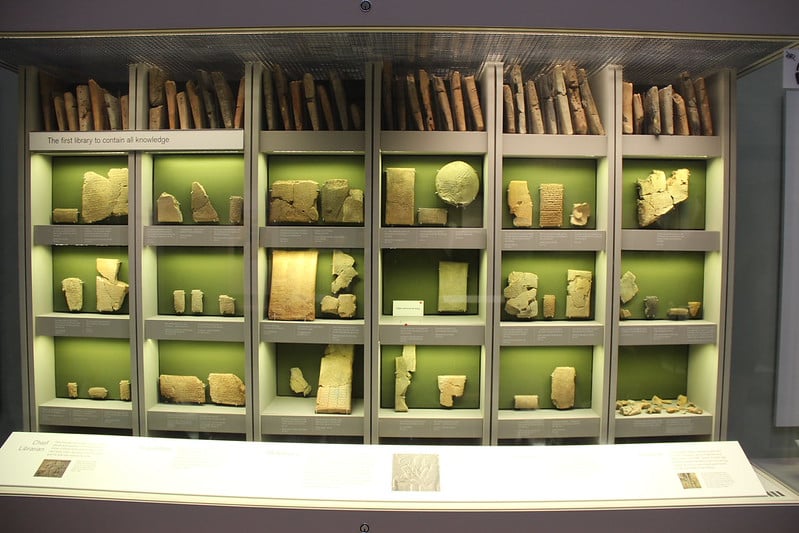
English explorer Austen Henry Layard discovered something remarkable in the ruins of an ancient palace at Nineveh, modern-day Mosul, Iraq, in 1849: an estimated 30,000 clay tablets comprising the library of Assyrian King Ashurbanipal, who ruled in the 7th century BC.
The king had ordered the collection of all written works in Mesopotamia, creating an archive that preserved knowledge about multiple ancient civilizations including the Assyrians, Sumerians, Akkadians, and Babylonians.
Among these tablets was the standard version of the Epic of Gilgamesh, widely considered the oldest piece of literature in human history.
Machu Picchu (1911)
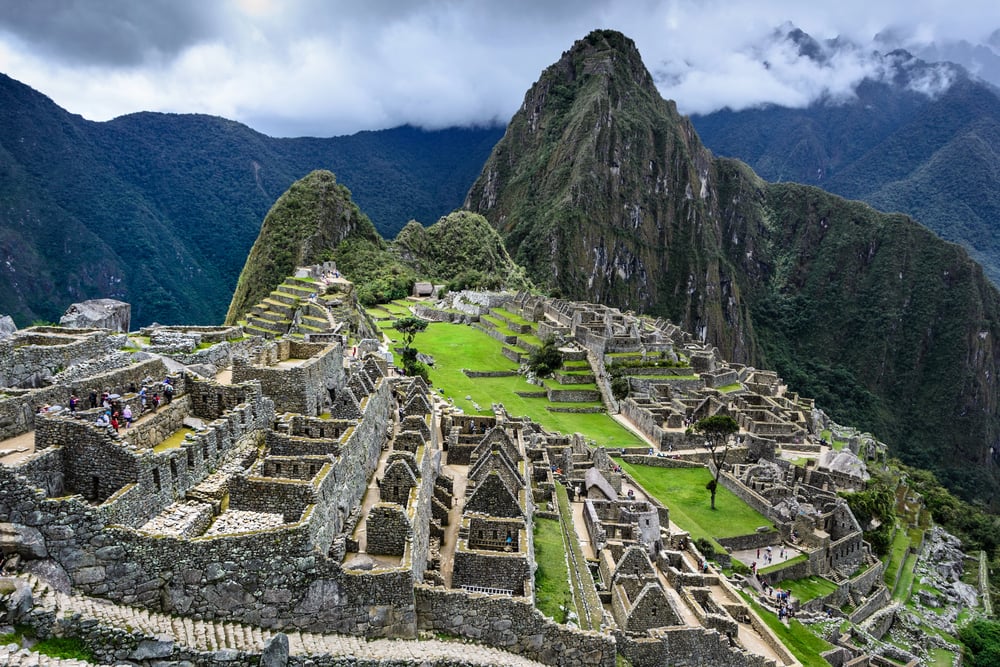
High in the Peruvian Andes, an Incan city lay hidden beneath jungle vegetation for centuries.
When American historian Hiram Bingham III was led to the site by local guides in 1911, he brought international attention to one of the most spectacular archaeological sites in the world.
Constructed in the mid-15th century under Pachacuti Inca Yupanqui and abandoned around the 1530s—possibly due to Spanish conquest or disease—Machu Picchu showcases sophisticated stone construction, agricultural terraces, and astronomical alignments.
The site demonstrates the engineering brilliance of the Inca, who built this mountain citadel without wheels, iron tools, or written language.
Sutton Hoo (1939)
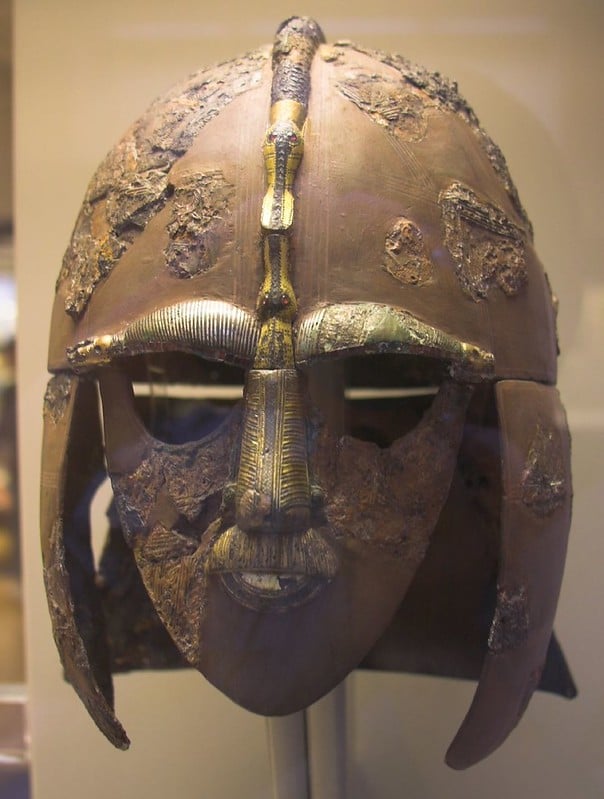
When landowner Edith Pretty asked archaeologist Basil Brown to investigate burial mounds near Woodbridge, Suffolk, in 1939, neither expected to uncover Britain’s greatest Anglo-Saxon treasure.
Excavated in August 1939, Mound 1 contained an entire 27-meter ship burial packed with gold jewelry, weapons, Byzantine silver, and the iconic Sutton Hoo helmet.
The discovery revolutionized understanding of Anglo-Saxon England, proving that the so-called Dark Ages were far more sophisticated than previously believed.
Most evidence suggests the burial belonged to King Rædwald of East Anglia, who ruled around 625 AD.
Derinkuyu (1963)
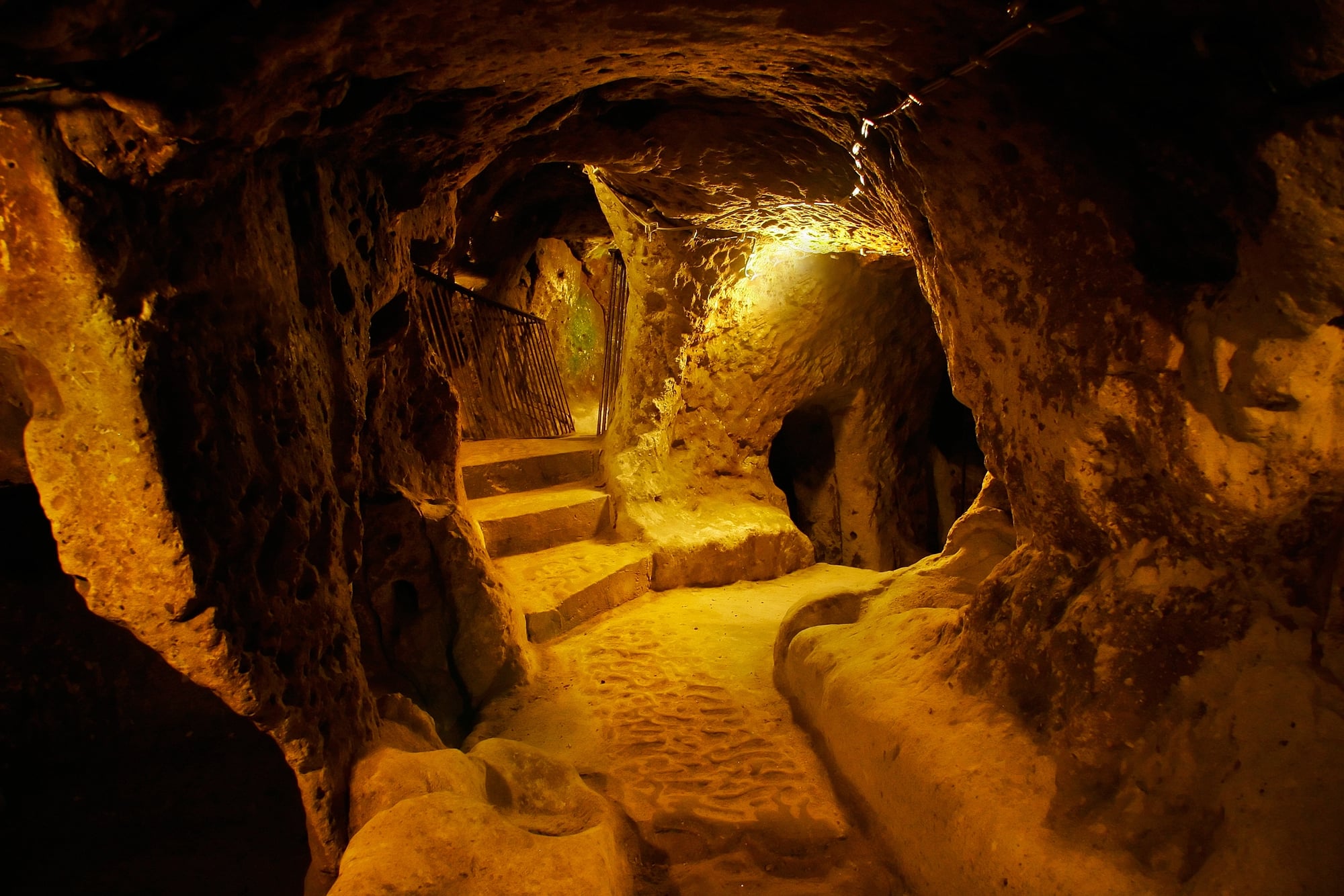
A Turkish man chasing escaped chickens through a crack in his basement wall in 1963 accidentally discovered the entrance to the world’s largest underground city.
Derinkuyu, built during the Phrygian period or possibly late Hittite era in the 8th–7th century BC, extends approximately 18 levels deep, descending about 60 meters beneath the surface.
The vast subterranean complex features hundreds of miles of tunnels and could shelter up to 20,000 people.
Complete with ventilation shafts, wells, wine presses, stables, and chapels, this hidden city served as a refuge from invaders for centuries.
Petra (1812)
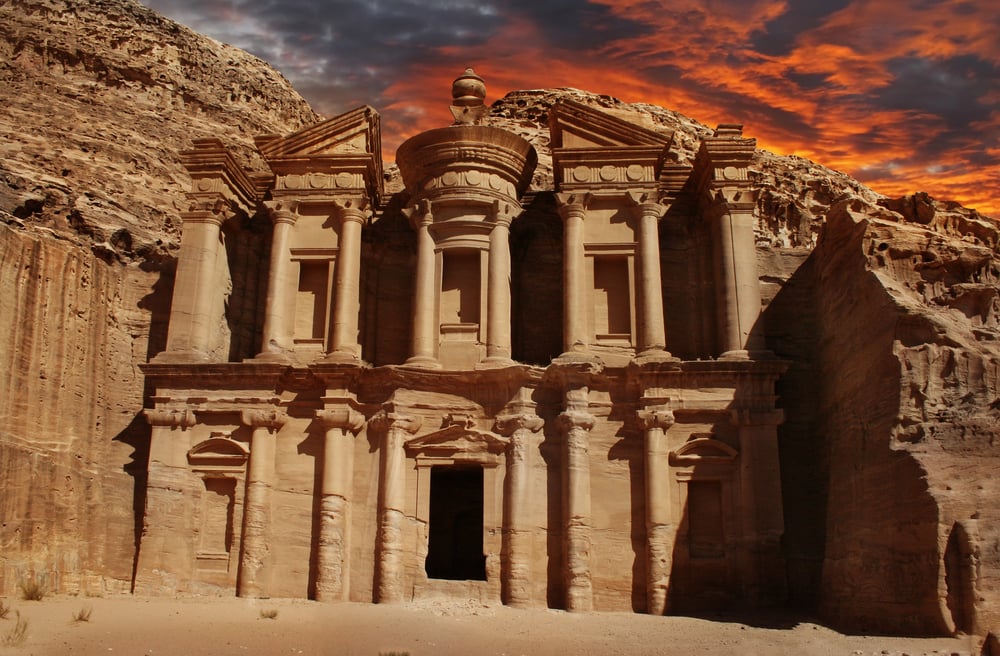
Swiss explorer Johann Ludwig Burckhardt became the first Westerner to document Petra in 1812, revealing a spectacular city carved directly into rose-colored sandstone cliffs in Jordan.
The Nabateans created this architectural marvel beginning in the 4th century BC, with the capital flourishing through the 2nd century AD, chiseling elaborate facades, tombs, and temples into the rock face.
The city thrived as a major trading post for centuries, with an ingenious water management system that allowed civilization to flourish in the harsh desert environment.
The iconic Treasury building stands approximately 39 meters tall, all carved from solid rock.
Cave of Altamira (1880)

When Spanish nobleman Marcelino Sanz de Sautuola’s young daughter looked up at the ceiling of a cave in 1880 and exclaimed about the paintings, she made history.
The Cave of Altamira in Spain contains Upper Paleolithic art dating from approximately 36,000 to 14,000 years before present, featuring stunning depictions of bison, horses, deer, and human handprints.
This discovery shattered prevailing beliefs that prehistoric humans lacked the intellectual capacity for artistic expression, forcing scholars to recognize the creativity and sophistication of our distant ancestors.
Akrotiri (1967)

The Bronze Age city of Akrotiri on the Greek island of Santorini lay buried under volcanic ash for 3,500 years until excavations began in 1967.
The catastrophic Thera eruption around 1600 BC created perfect preservation conditions.
Archaeologists uncovered multi-story houses, advanced drainage and toilet systems, vibrant frescoes, and sophisticated pottery—but remarkably, no human remains.
Residents apparently had enough warning to evacuate before the eruption.
Sanxingdui (1927)
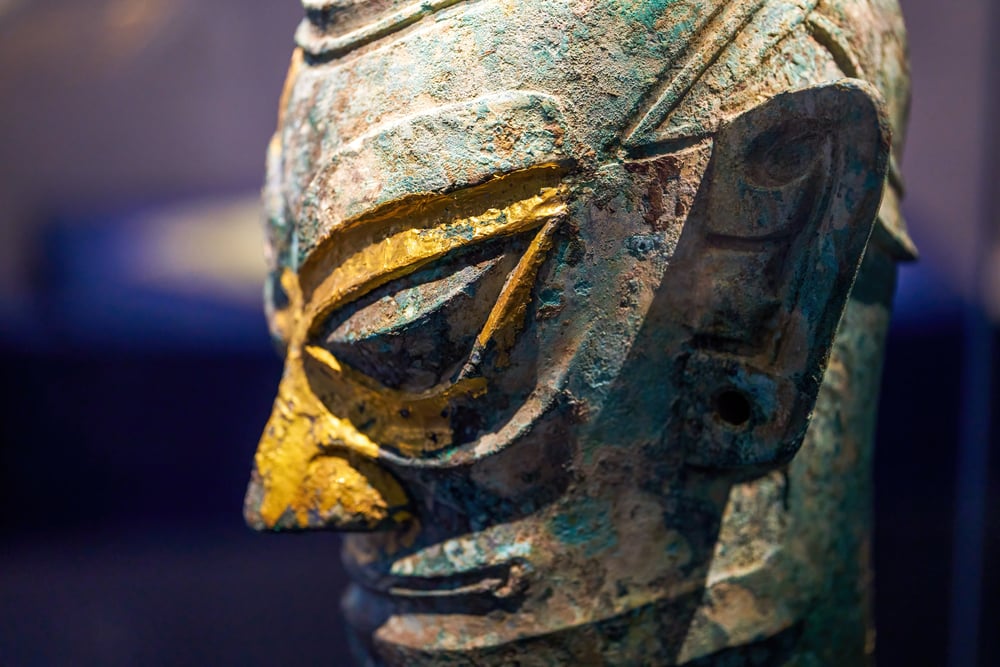
A Chinese farmer’s accidental discovery in 1927 led to decades of excavation at Sanxingdui, revealing a mysterious Bronze Age civilization in Sichuan province that thrived approximately 1200–1000 BC.
The site has yielded thousands of artifacts, including massive bronze sculptures, elaborate gold masks, jade treasures, and elephant tusks.
In 2021, archaeologists discovered six additional sacrificial pits, expanding understanding of this enigmatic culture.
What makes Sanxingdui particularly intriguing is how different its art style is from other known Chinese cultures of the period.
The Pattern Emerges
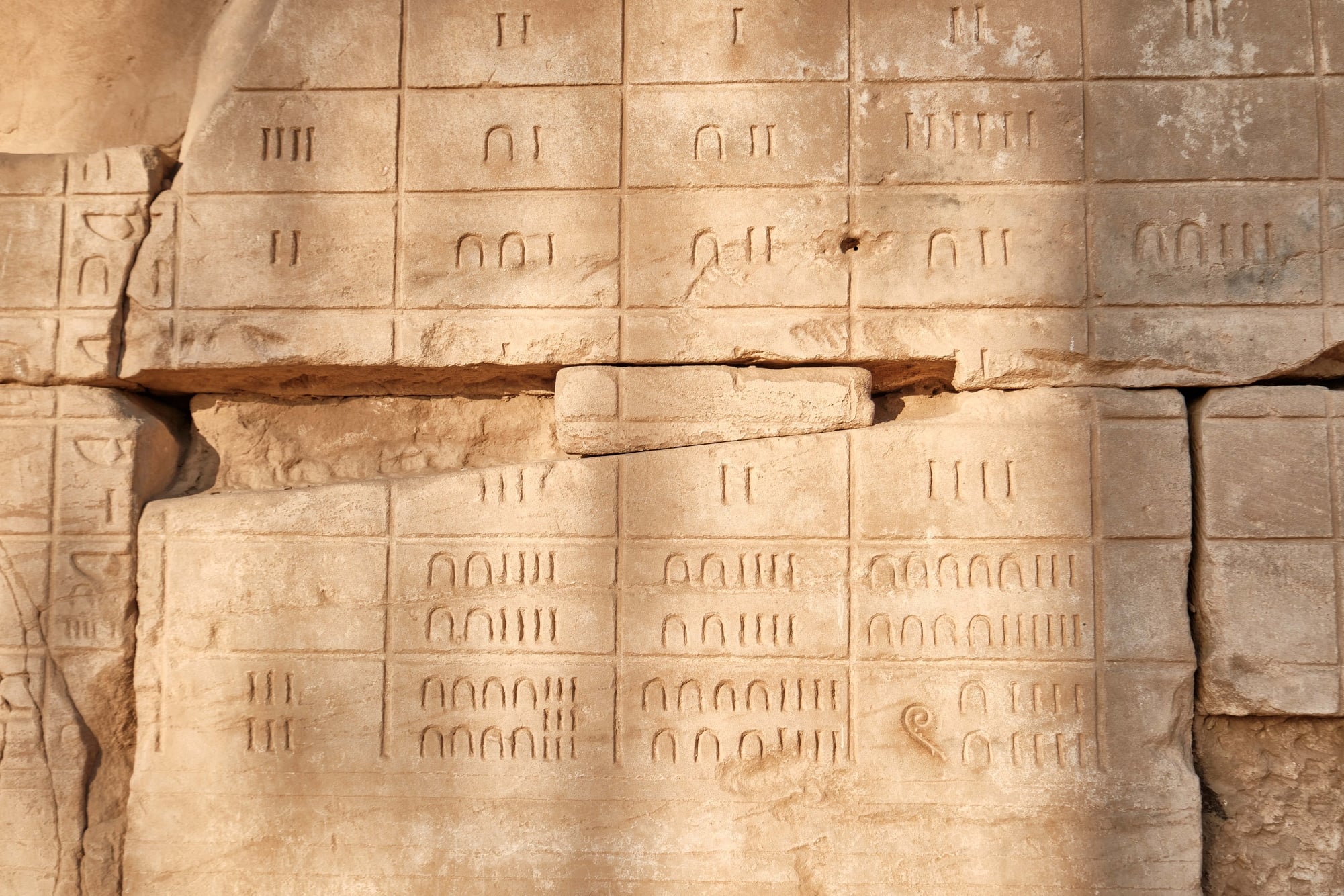
One thing unites these discoveries: they made academics reevaluate their cozy presumptions about the past.
The ancient peoples were not primitive; they were writers, engineers, astronomers, and artists who produced works that continue to awe us today.
The story of civilization is far more intricate, unexpected, and magnificent than textbooks portray, and each discovery adds a new piece to the puzzle of human history.
Numerous secrets are still hidden beneath the earth, just waiting to come to light and change history once more.
More from Go2Tutors!

- The Romanov Crown Jewels and Their Tragic Fate
- 13 Historical Mysteries That Science Still Can’t Solve
- Famous Hoaxes That Fooled the World for Years
- 15 Child Stars with Tragic Adult Lives
- 16 Famous Jewelry Pieces in History
Like Go2Tutors’s content? Follow us on MSN.