15 Quirky Christmas Tree Facts You Won’t Believe
Christmas trees have become such a normal part of the holiday season that most people never stop to think about how strange the tradition actually is. Dragging an entire tree into the living room, decorating it with lights and ornaments, and then tossing it out a few weeks later is objectively odd when you really think about it.
But the history and facts surrounding these festive evergreens are even weirder than the practice itself. Here are some of the most surprising and downright bizarre facts about Christmas trees that will change how you see your holiday centerpiece forever.
The first decorated trees weren’t Christmas trees at all
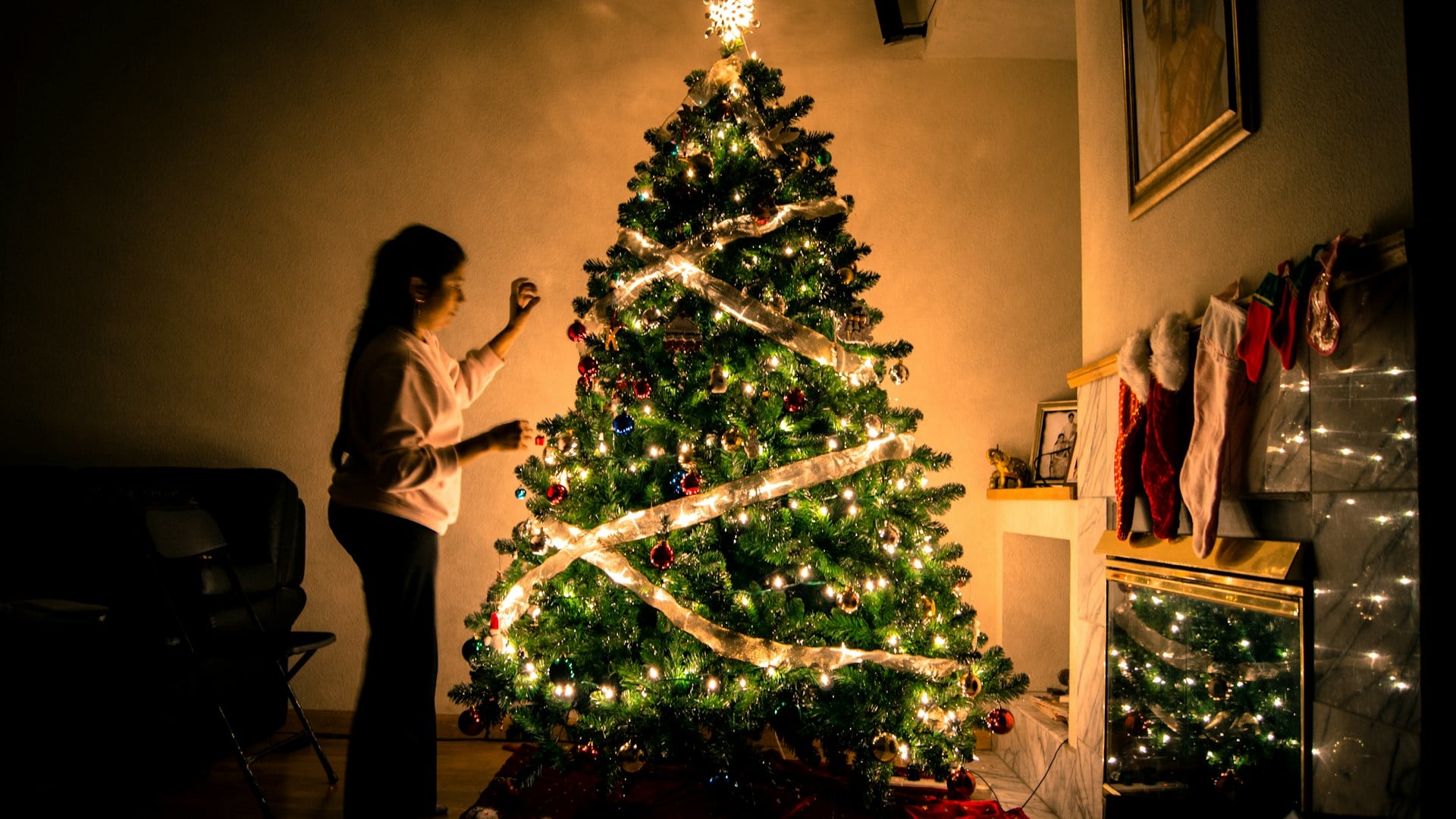
People in ancient Rome decorated trees during winter celebrations long before Christianity existed. They hung metal pieces and small faces carved from stone on evergreen branches during Saturnalia, a festival honoring the god Saturn.
Egyptians also brought palm branches into their homes during the winter solstice as symbols of life’s victory over death. The connection to Christmas came much later, when German Christians in the 16th century started bringing trees indoors and decorating them with candles and paper.
Tinsel was originally made from real silver

Back in the 1600s in Germany, people created tinsel by hammering real silver into thin, shimmering strips. These delicate strands were incredibly expensive and only wealthy families could afford them.
The tradition caught on, but silver tinsel had a problem. It tarnished quickly and turned black.
Later manufacturers switched to cheaper metals like aluminum and copper, then eventually to plastic. Today’s tinsel is lightweight and affordable, but it lacks that original silver sparkle that started the whole trend.
Christmas trees were once hung upside down from ceilings

In medieval times, some Eastern European households suspended their Christmas trees from the ceiling with the top pointing toward the floor. This practice freed up floor space in small homes and created a dramatic visual effect.
The upside-down arrangement also carried religious symbolism, with the inverted triangle representing the Holy Trinity. Modern stores and shopping centers have brought back this quirky tradition as a space-saving decoration technique.
Some people find it stylish while others think it looks completely wrong.
Spiders are considered good luck on Christmas trees in Ukraine

Ukrainian tradition includes adding artificial spiders and webs to Christmas tree decorations because of an old folk tale. The story tells of a poor widow who couldn’t afford decorations, so spiders in her home spun beautiful webs all over her tree overnight.
When morning came, the webs transformed into silver and gold, saving her family from poverty. Today, Ukrainians hide a spider ornament somewhere on their tree, and whoever finds it receives good fortune for the coming year.
This explains why you might see sparkly web decorations on trees in Ukrainian households.
The tallest Christmas tree ever stood over 221 feet high
In 1950, a Douglas fir at the Northgate Shopping Center in Seattle claimed the record for the world’s tallest cut Christmas tree. The massive evergreen required a crane to position it and teams of workers to decorate it properly.
For comparison, that’s taller than a 20-story building and almost as tall as the Leaning Tower of Pisa. The tree became a major attraction, drawing thousands of visitors who couldn’t believe their eyes.
Teddy Roosevelt banned Christmas trees from the White House

President Theodore Roosevelt refused to have a Christmas tree in the White House during his time in office from 1901 to 1909. As a conservationist, he worried that cutting down trees for decoration was wasteful and set a bad example for the nation.
His sons rebelled against this rule and secretly brought a small tree into their room one year. When Roosevelt discovered it, he initially planned to remove it, but his friend Gifford Pinchot convinced him that proper forest management actually required thinning trees.
Roosevelt changed his stance, and the White House has featured Christmas trees ever since.
Rockefeller Center’s first tree was put up by construction workers
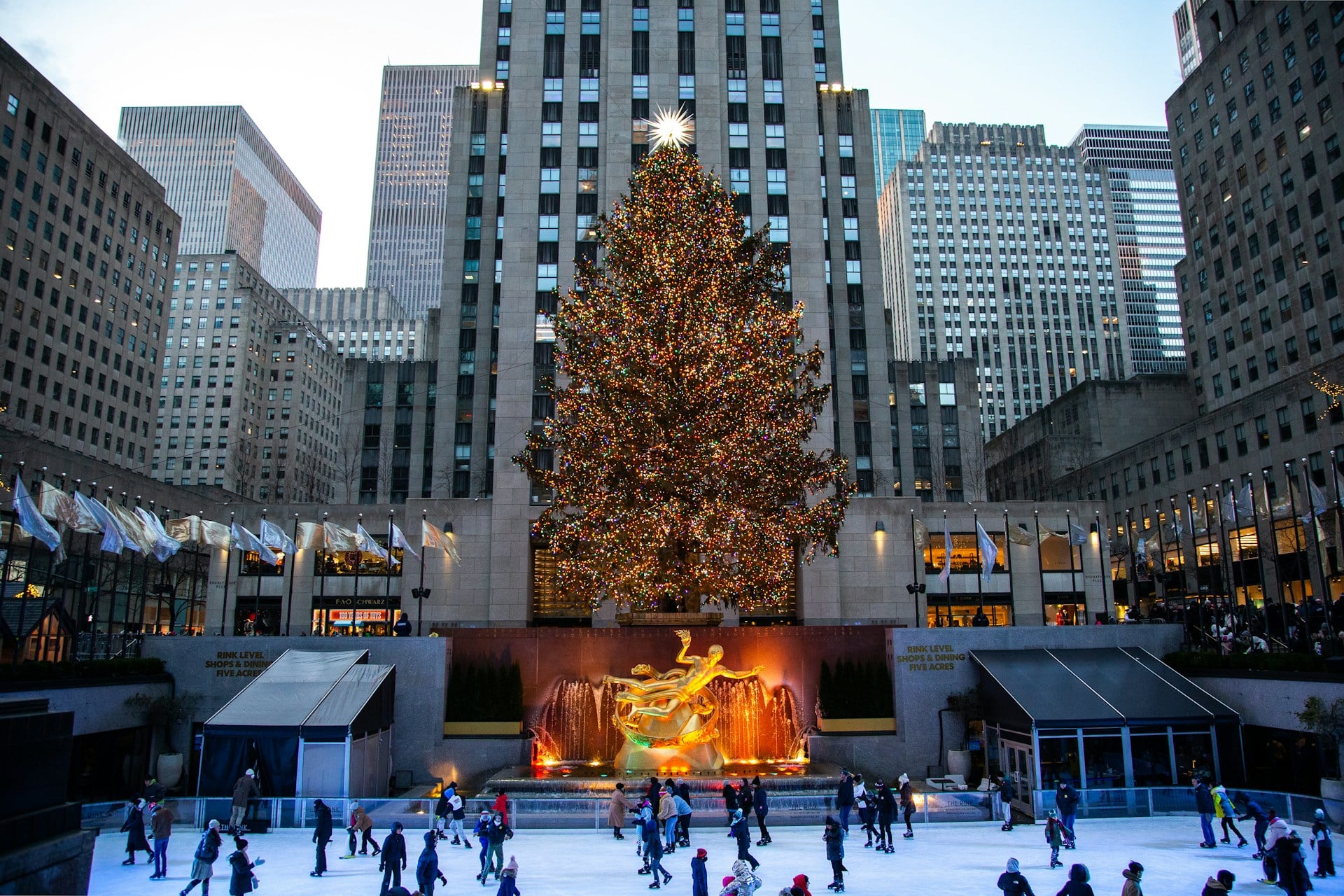
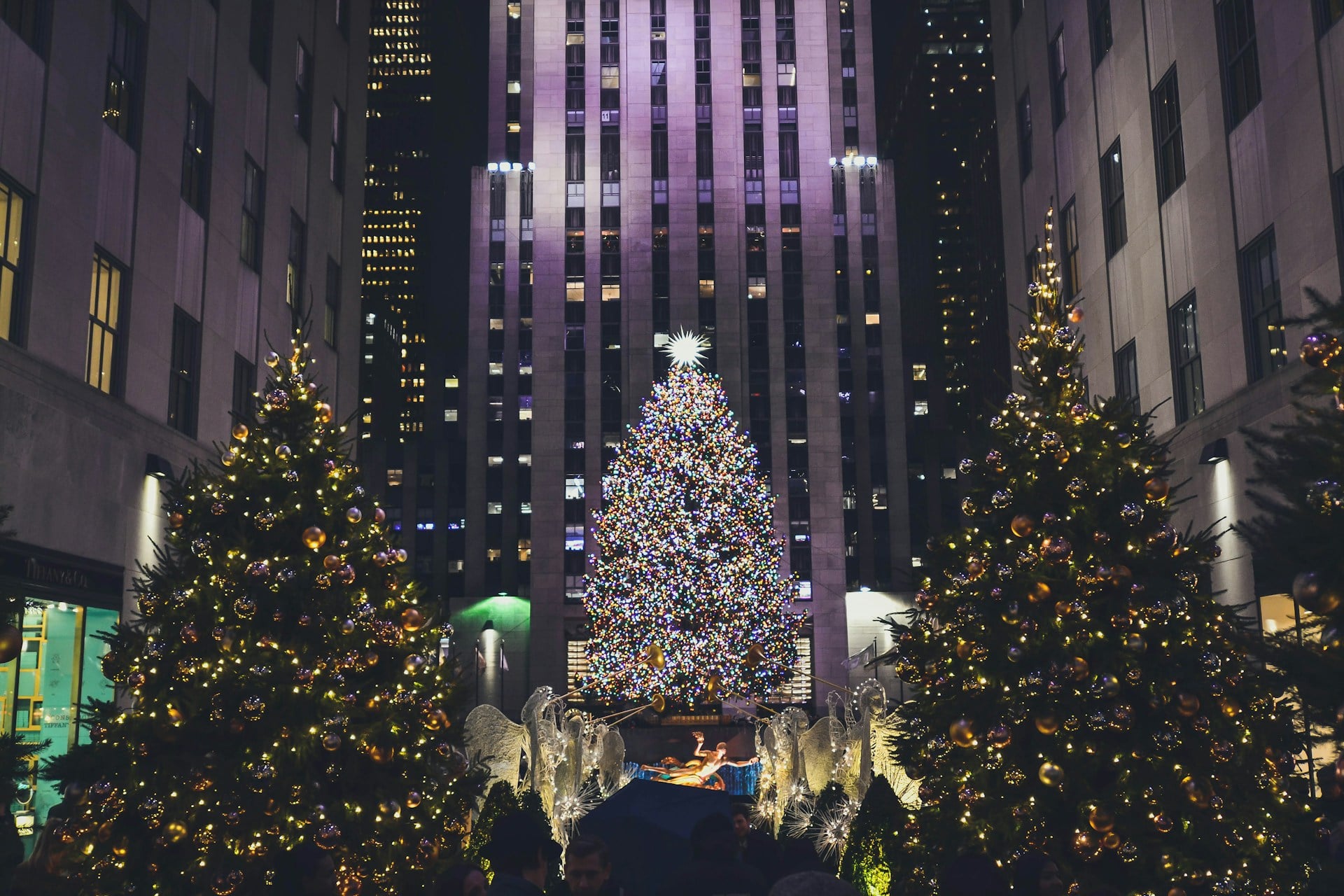
The iconic Rockefeller Center Christmas tree tradition started during the Great Depression in 1931. Construction workers building the complex pooled their money together and decorated a small 20-foot balsam fir on the muddy construction site.
They strung it with homemade garlands made from cranberries and paper, creating a moment of joy during incredibly hard times. Two years later, the tree lighting became an official ceremony with thousands of lights.
Today’s Rockefeller tree can weigh up to 12 tons and features more than 50,000 LED lights.
Some people rent living Christmas trees instead of cutting them
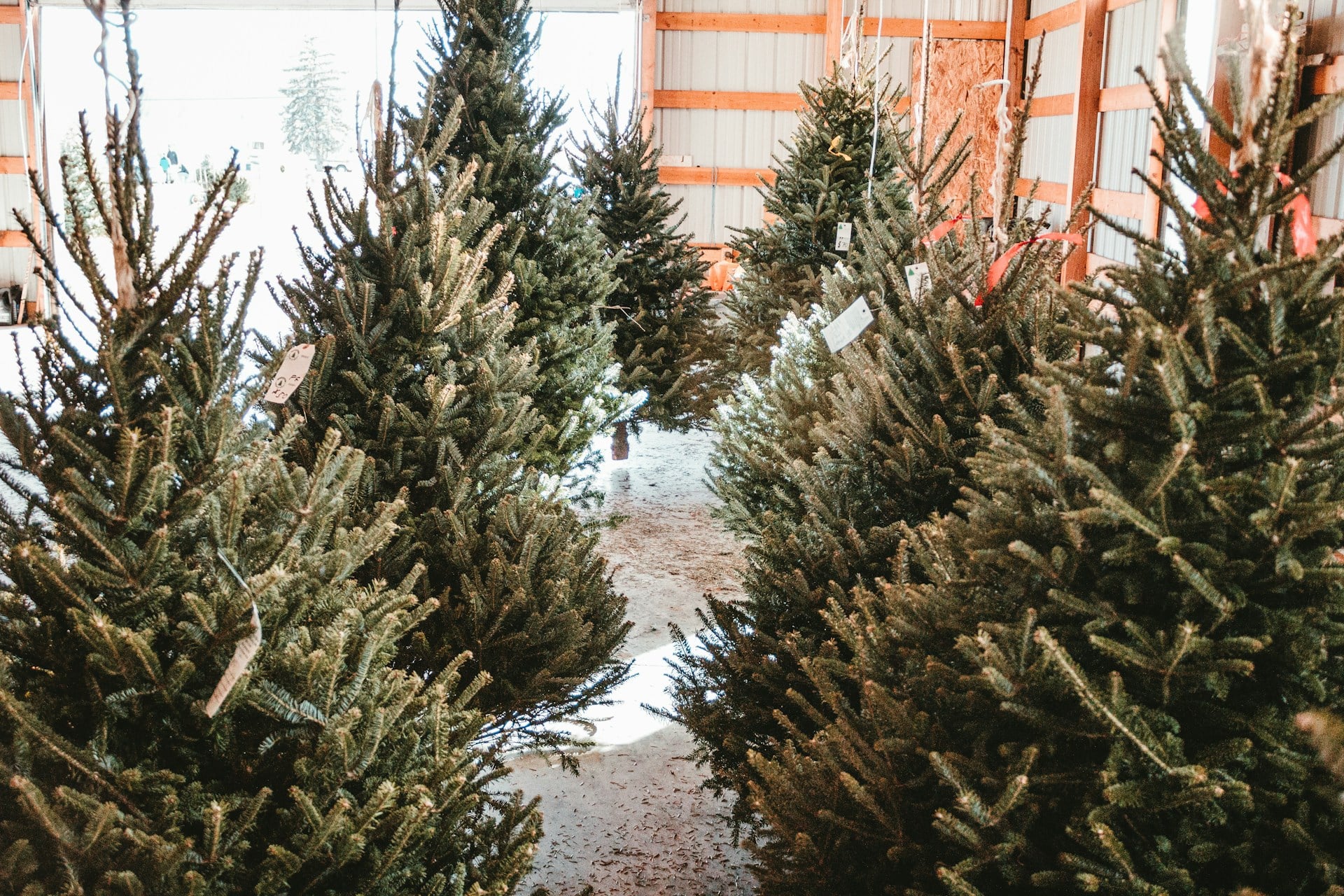
Companies now offer Christmas tree rental services where they deliver a potted, living tree to your home for the holidays. After the season ends, workers pick up the tree and plant it in a forest or keep it growing for next year’s rentals.
This option costs more than buying a cut tree but eliminates the waste problem entirely. The trees arrive in large pots or wooden boxes and need regular watering throughout December.
Some families have rented the same specific tree multiple years in a row, watching it grow taller each season.
The most expensive Christmas tree ornament sold for over three million dollars
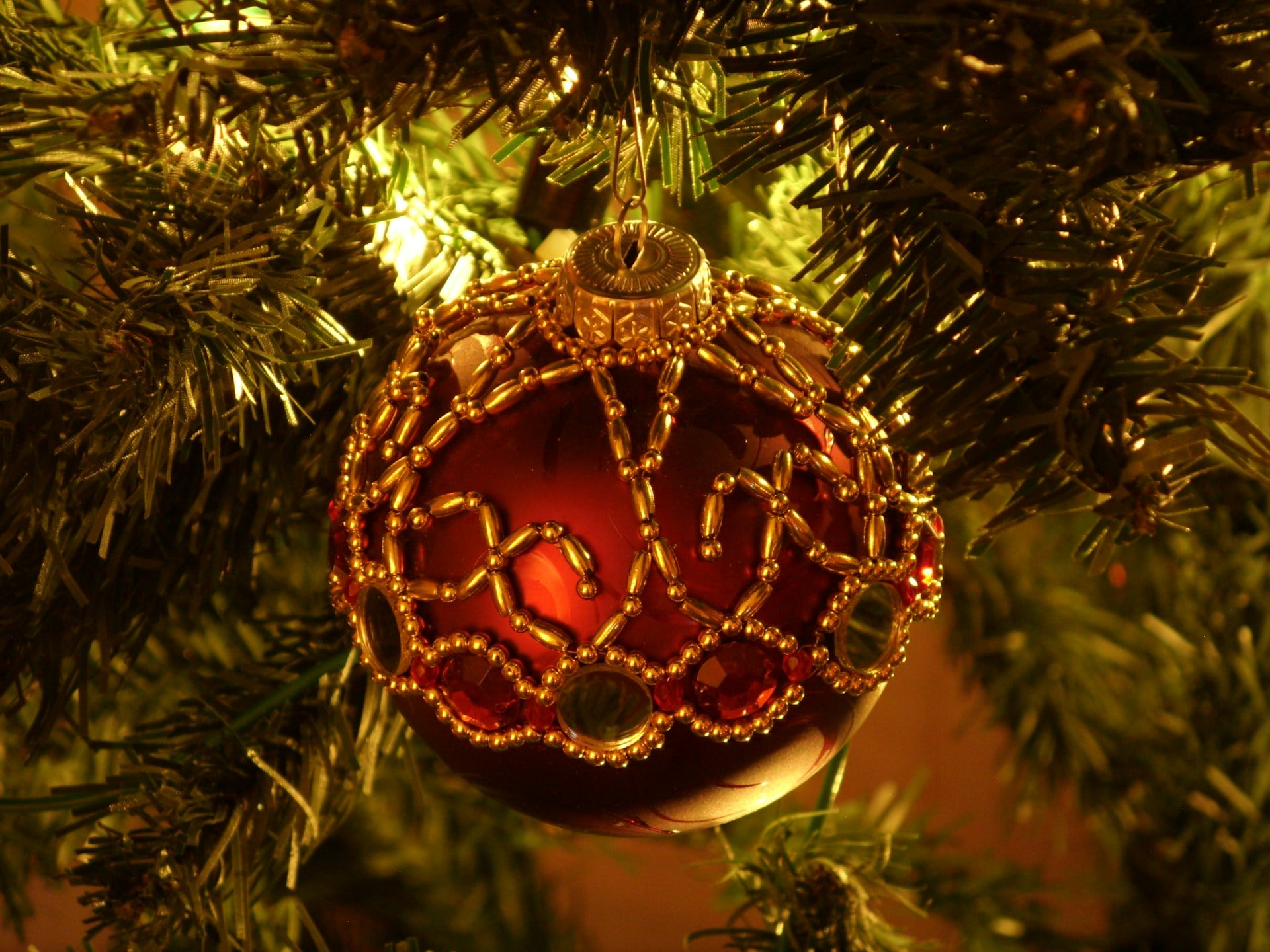
A jewelry company in Tokyo created a Christmas ornament in 2010 made from 18-karat gold and covered in diamonds. The extravagant decoration featured precise craftsmanship and contained gemstones worth more than most people’s homes.
Only the wealthiest collectors could afford such an ornament, and it was more of an art piece than a practical decoration. The same company had previously made other luxury ornaments with six-figure price tags.
Christmas trees can stay fresh for years with the right preservation
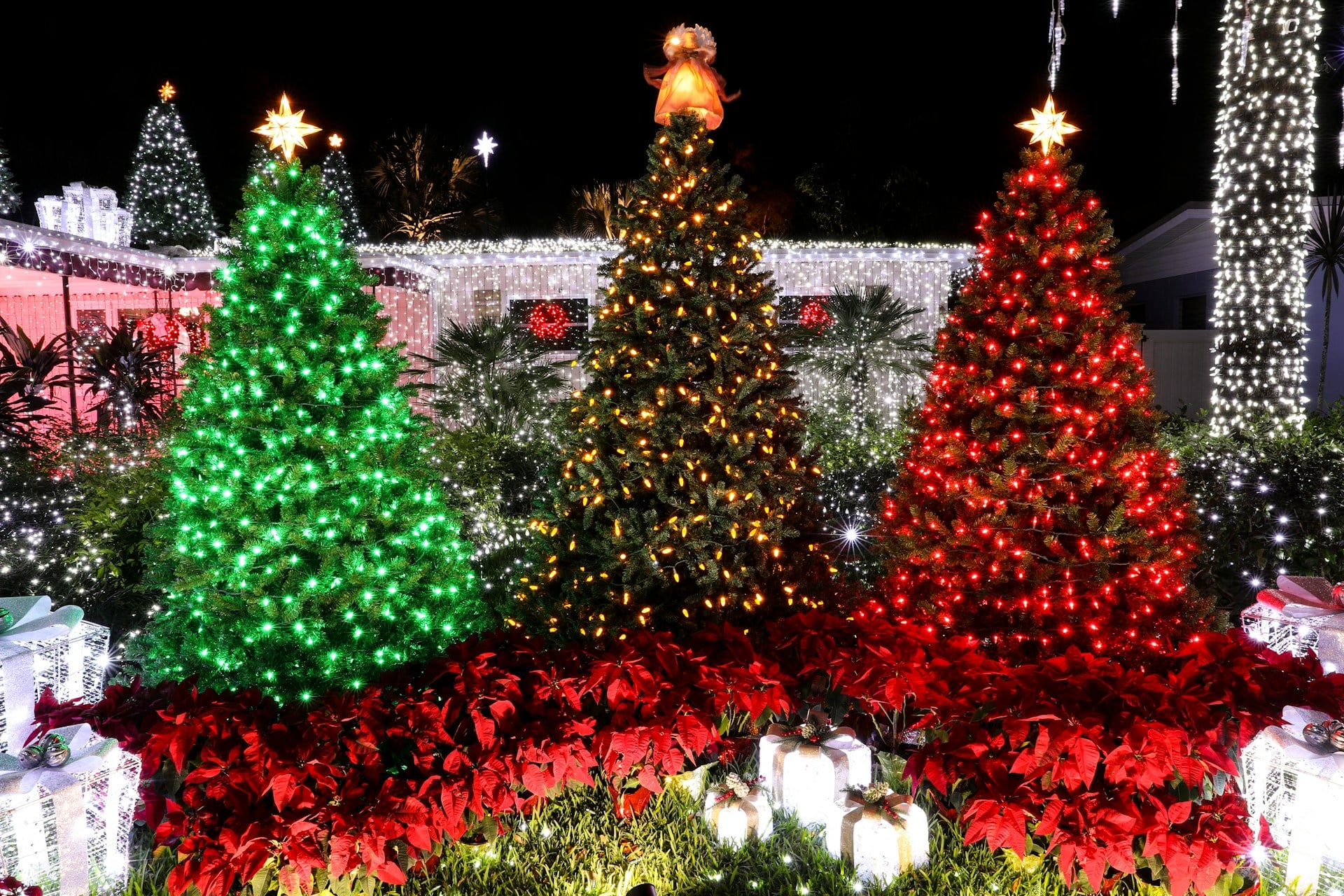
Scientists have discovered ways to preserve cut Christmas trees so they maintain their green color and needle retention for extended periods. Special chemical solutions replace the tree’s sap and prevent decomposition.
Museums and historical societies use these techniques to keep trees from important events looking fresh decades later. Some preserved trees from the 1800s still exist in perfect condition in private collections.
The process costs thousands of dollars and takes several months to complete properly.
Cat owners in the 1800s tied their trees to the ceiling for protection
Victorian-era cat owners faced the same problem modern pet parents deal with. Cats love climbing Christmas trees.
Their solution involved securing the tree’s top to the ceiling with strong wire or rope. This prevented the entire tree from toppling over when curious cats scaled the branches.
Some households used decorative chains or ribbons to make the safety measure look intentional. The practice has come back in recent years as pet owners share the same struggles their ancestors faced.
Back in the day, fake trees came from goose feathers instead
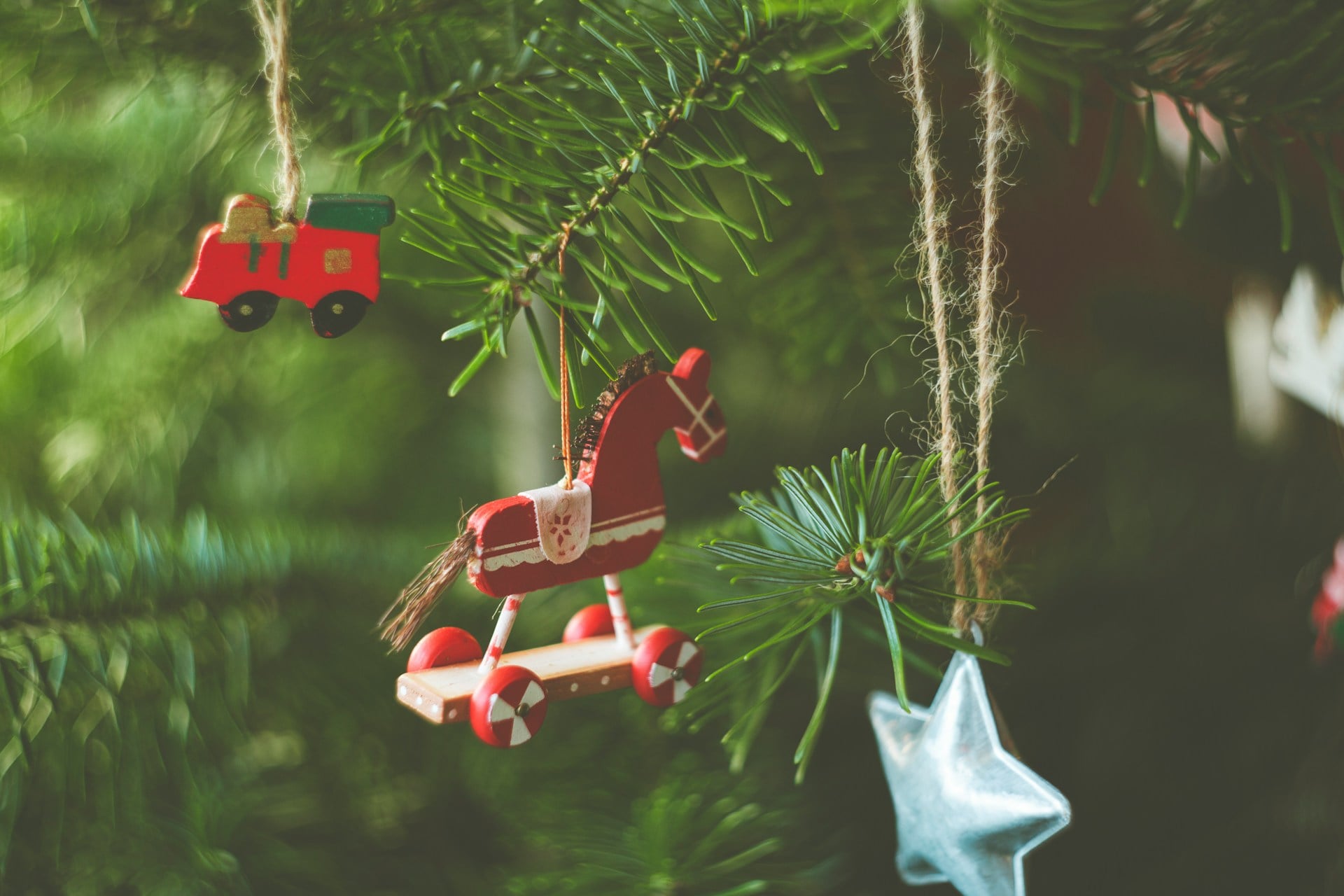
In the 1880s, German makers built early artificial Christmas trees using green-dyed goose feathers twisted onto metal stems. Since real trees with candles were dangerous, these feather versions caught on fast.
Every single feather was wound by hand – slow work that took ages. From afar, they seemed lifelike; up close, though, they didn’t feel like pine or fir at all.
People who owned one usually kept it for many seasons instead of replacing it.
The custom of turning on tree lights began during a live television show
Back in 1923, President Calvin Coolidge kicked off the National Christmas Tree event – though it didn’t catch fire until 1952. Instead of just local crowds, this time TV carried the show straight into homes from coast to coast.
Folks saw the White House tree light up at once, glowing bright through living room screens. Because of that signal, households synced up, watching side by side even if miles apart.
These days, you don’t need an antenna; just open a browser and tune in from anywhere.
Some Christmas tree farms need a full dozen years just to raise one tree
A standard six-to-seven-foot holiday tree takes around seven to ten years of steady care before it’s ready to come down. Yet top types – say, Fraser or Noble firs – usually take more time to get that full look folks want.
Growers clip them now and then, feed the soil, also keep bugs and sickness away during development. Since it’s such a slow process, farmers drop thousands of baby trees into the ground every single year just to stay stocked up.
The evergreens getting chopped this winter? They went in the dirt back when current teens were still in grade school.
Lighting up fake trees to check fire risks uses real blowtorches
Labs check fake Christmas trees with heavy-duty flamethrowers when looking at fire risks. They hit the trees with serious heat, just to watch how fast they catch and where fires go.
Each tree’s gotta pass tight rules so companies can actually sell them retail. Live ones get tested much the same way – helps figure out how many days it’s safe to keep one inside.
All this fiery trial work pushed better materials for plastic trees and smarter tips on keeping real ones watered.
The tradition goes on – fresh tales come every twelve months

Christmas trees change over time – every generation mixes in something fresh. It began with basic candles, but now we’ve got flashy lights dancing to tunes.
Folks mix past habits with cool new touches, making moments kids won’t forget – or outgrow. These green symbols link us to strangers across ages and borders.
Each one’s got a tale, maybe an ancient European legend or just what happened during the holidays back in December.
More from Go2Tutors!

- The Romanov Crown Jewels and Their Tragic Fate
- 13 Historical Mysteries That Science Still Can’t Solve
- Famous Hoaxes That Fooled the World for Years
- 15 Child Stars with Tragic Adult Lives
- 16 Famous Jewelry Pieces in History
Like Go2Tutors’s content? Follow us on MSN.



