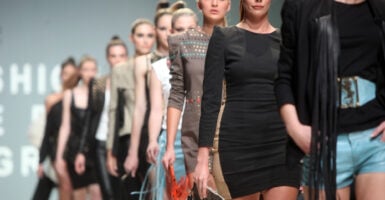
Iconic 80s Fashion Looks That Ruled The World And Then Vanished
The 1980s didn’t just do fashion differently—it did fashion loudly, boldly, and with zero apologies. Every trend seemed designed to take up as much space as possible, both physically and culturally.
These weren’t subtle style shifts that evolved over decades; they were fashion explosions that dominated everything from MTV to mall culture, then disappeared almost as quickly as they arrived. What makes 80s fashion so fascinating isn’t just how extreme it was, but how completely it vanished from everyday wardrobes, leaving behind only costume parties and nostalgic photo albums as evidence of its reign.
Shoulder Pads
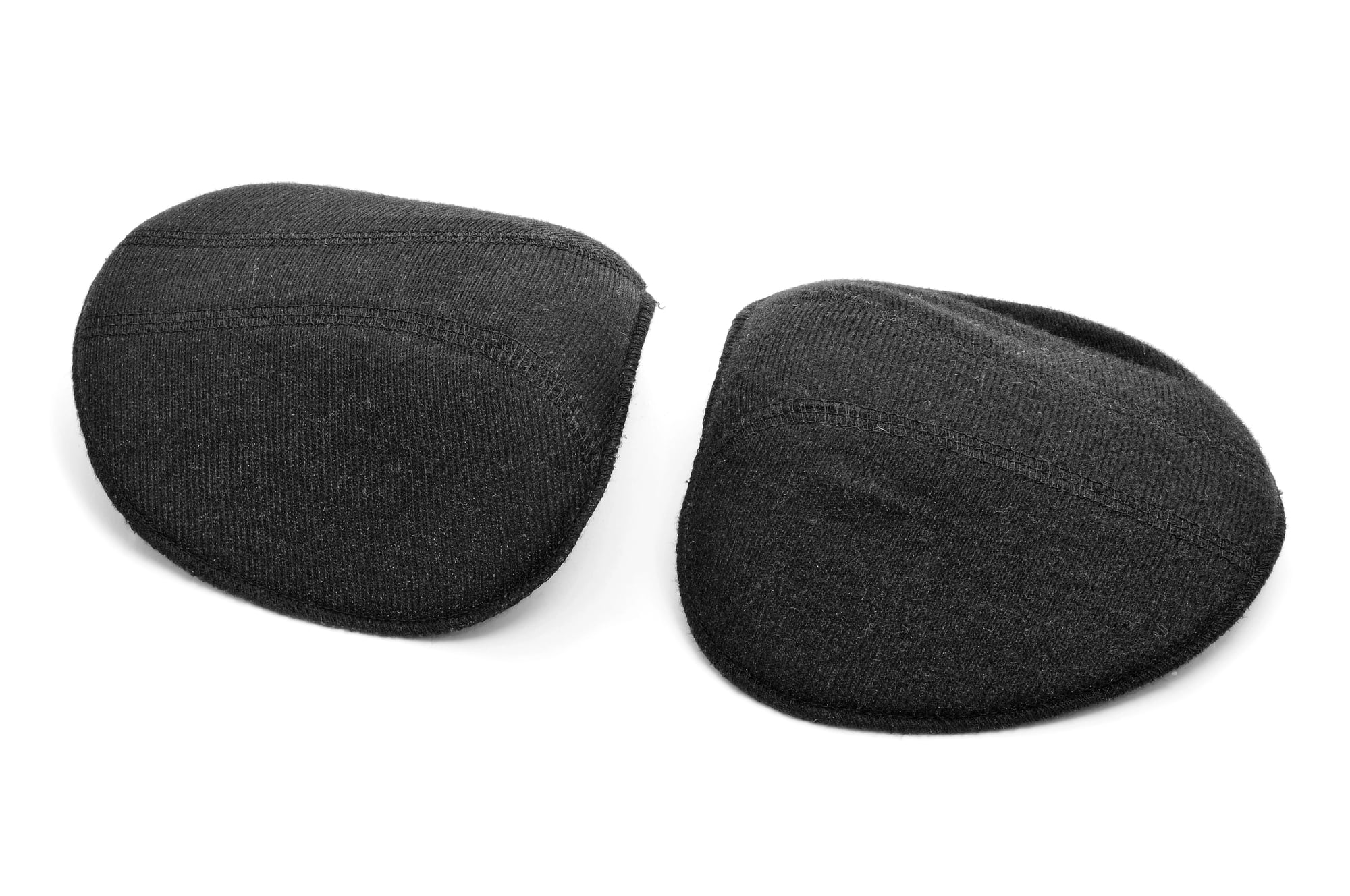
Power dressing meant business. Literally.
Those triangular foam inserts transformed every blazer into architectural armor, and women wore them like badges of corporate ambition.
The bigger the shoulders, the more serious you were about climbing that ladder. Nobody questioned the logic.
Members Only Jackets
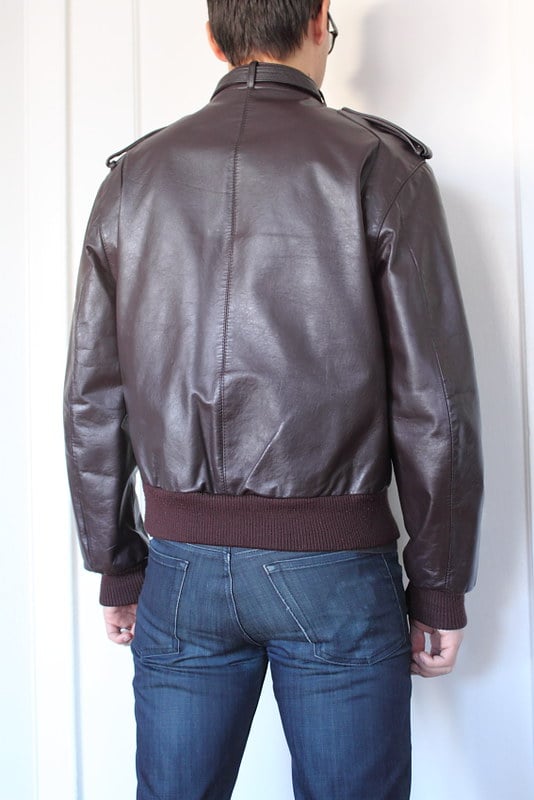
These lightweight windbreakers became the unofficial uniform of cool guys everywhere. The collar stood up just right, the fit was snug without being tight, and that little label on the chest made you feel like you belonged to something exclusive (even though everyone owned one, which was precisely the point—exclusivity for the masses, wrapped in polyester and priced for teenagers with part-time jobs).
Leg Warmers

Dance studios leaked into street fashion, and suddenly everyone was wearing knitted tubes around their ankles. You didn’t need to take aerobics classes to justify them—leg warmers worked with jeans, skirts, shorts, basically anything that exposed the space between your shoes and your knees.
They served no practical purpose for most wearers. That wasn’t the point.
Parachute Pants
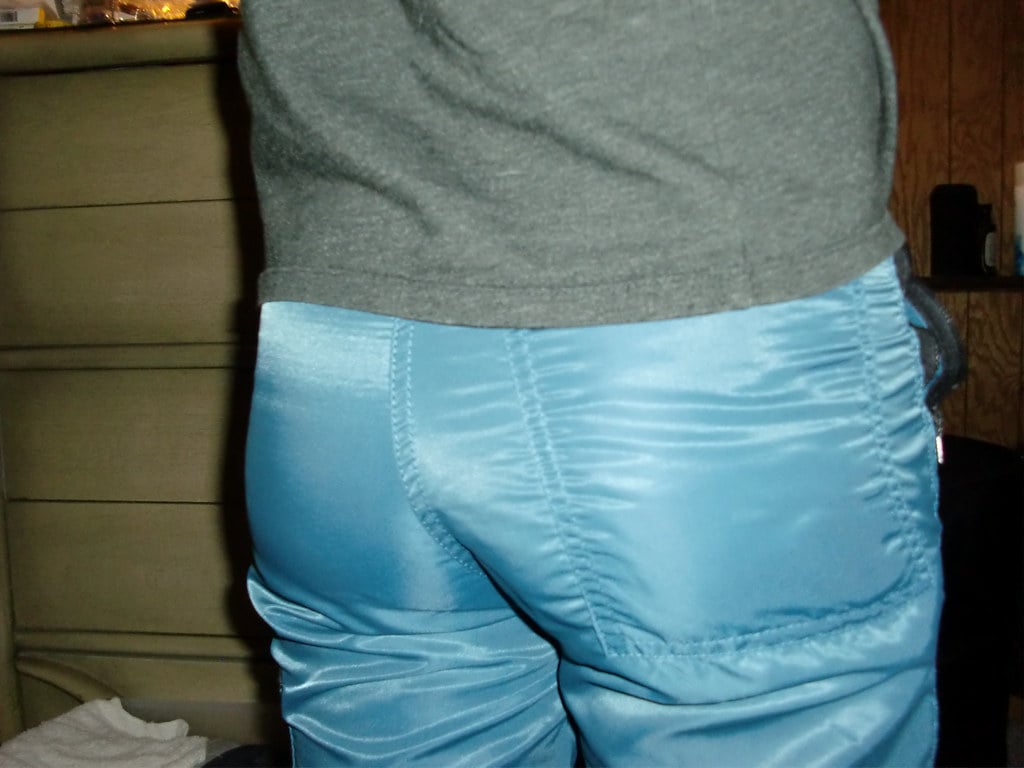
The fabric was designed for jumping out of airplanes, but it found its true calling on dance floors and in school hallways. These pants moved like liquid metal—every step created ripples and waves that caught light differently, transforming walking into a small performance (whether you intended it or not).
And the zippers: decorative ones that served no function except to announce that your pants cost more than they needed to, that you’d chosen complexity over simplicity, flash over function. The pockets were deep enough to lose things in permanently, which somehow felt like a feature rather than a bug.
Neon Colors

Electric pink wasn’t just a color choice. It was a declaration.
Same with lime green, electric blue, and that particular shade of orange that seemed to glow under fluorescent lights.
The idea was visibility from space. Mission accomplished.
Big Hair

Hair became sculpture in the 1980s, defying gravity through sheer determination and industrial quantities of hairspray. The bigger it got, the more it seemed to communicate—confidence, rebellion, or simply the commitment to spend an hour each morning with a blow dryer and a round brush.
Bangs stood at attention like tiny soldiers, while the back cascaded in carefully constructed waves that moved as one solid unit. You could spot big hair from across a crowded room (which was often the point), and everyone understood the language it spoke without needing translation.
Stirrup Pants

These leggings came with built-in foot straps that looped under your shoe, creating a smooth line from waist to ankle that eliminated any possibility of the fabric bunching up or riding up your leg. They were practical in theory—no constant tugging or adjusting required—but they also meant you were committed to the look from the moment you stepped into them until you got home and could properly escape (because removing stirrup pants required the same careful choreography as putting them on, except in reverse and usually while tired).
Oversized Blazers
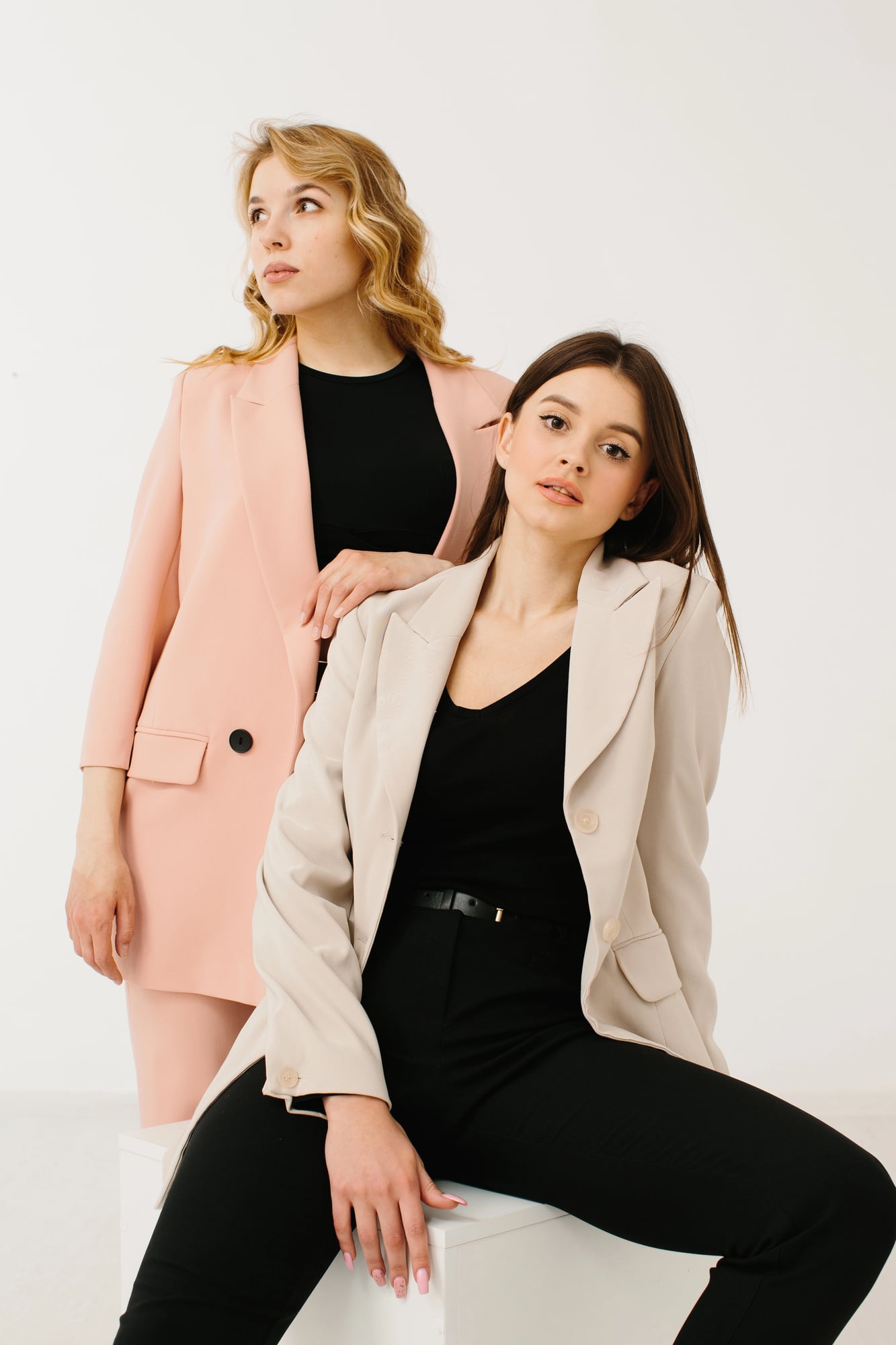
Borrowed from the boys’ section, these jackets swallowed women whole and somehow made them look more powerful in the process. The shoulders extended past natural proportions, the sleeves required rolling, and the overall effect suggested someone who took up space without apologizing for it.
Paired with narrow pants, they created a silhouette that was part penguin, part power player. Nobody seemed to mind the penguin part.
Headbands

Athletic gear crossed over into everyday wear, and suddenly fabric bands around your forehead became acceptable office attire. They came in terry cloth, elastic, and those wide fabric versions that covered half your head.
The look suggested you might break into a workout at any moment. Most people never did.
Fingerless Gloves

Madonna made them famous, but everyone made them their own. These gloves protected your palms while leaving your fingers free to handle important 80s tasks like operating Walkmans and applying lip gloss.
They suggested toughness and practicality, even when worn to the mall. Especially when worn to the mall.
Jelly Shoes
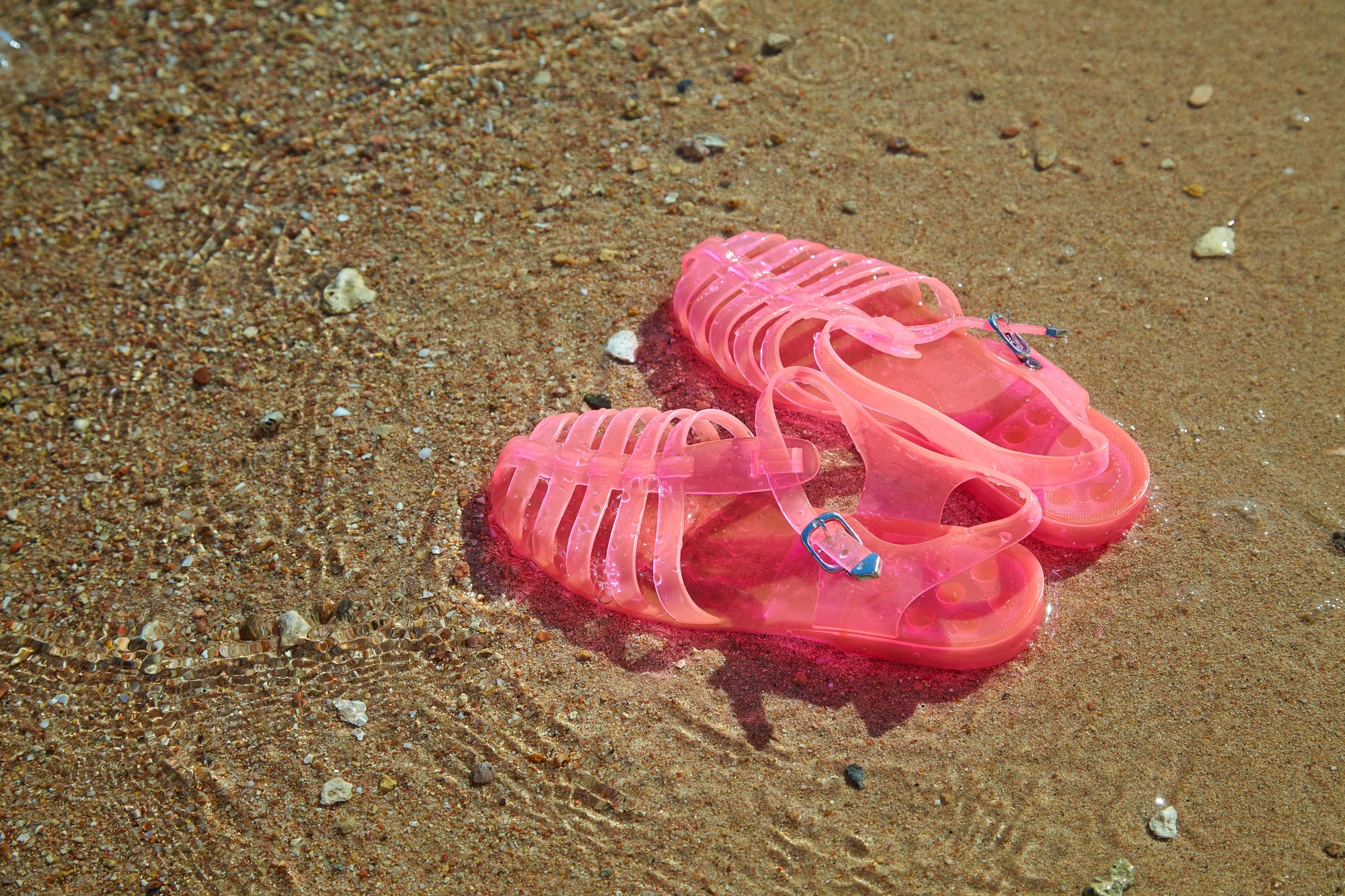
Translucent plastic footwear that came in every color imaginable, these shoes were part fashion statement, part foot torture device. They didn’t breathe, they made strange squeaking sounds when you walked, and they left interesting tan lines during summer (assuming you could wear them long enough in the heat to develop any kind of tan).
But they were cheap, they were fun, and they came in colors that matched every possible outfit—including those neon ensembles that demanded equally bold accessories.
Layered Tank Tops

One tank top was never enough. The 80s required at least two, preferably in contrasting colors, worn in carefully calculated combinations that created stripes of fabric across your torso.
The art was in the color coordination and the shoulder strap placement. Get it right, and you looked effortlessly put-together.
Get it wrong, and you looked like you got dressed in the dark.
When Fashion Moves This Fast

Looking back at 80s fashion feels like examining artifacts from a lost civilization—one that valued volume over subtlety and believed more was always better than less. These trends didn’t fade gradually; they collapsed all at once, leaving behind closets full of clothes that suddenly seemed impossible to wear in daylight.
Maybe that’s what made 80s fashion so pure: it committed completely to its own absurdity, burned bright for a decade, then gracefully exited without trying to evolve into something more sensible.
More from Go2Tutors!

- The Romanov Crown Jewels and Their Tragic Fate
- 13 Historical Mysteries That Science Still Can’t Solve
- Famous Hoaxes That Fooled the World for Years
- 15 Child Stars with Tragic Adult Lives
- 16 Famous Jewelry Pieces in History
Like Go2Tutors’s content? Follow us on MSN.