16 Movie Details So Small You Definitely Missed Them
Every frame is shaped by the invisible. A memorable scene? created by artisans who pay attention to details, such as the way mist rises from coffee or the way light strikes ancient walls at dusk.
Nothing just shows up. Every piece lands precisely as someone determined.
When you notice small details that others overlook, something delightful happens. Beneath the surface, sixteen silent scenes from popular movies are waiting to alter your perception of them—quickly, subtly, and without warning.
Background Extras With Full Storylines

Complete life stories were first written about the people mingling behind the main cast in Avengers: Infinity War. Not just names, but whole histories, professions, and the reasons behind their locations.
Even if a person appears in the vicinity of a doorway for just 30 seconds, their identity was carefully considered. Everywhere, directors strived for that level of depth.
Even though it may not be immediately apparent, it nevertheless manifests itself. On paper, it may be overkill, but the outcome feels different.
Wall-E’s Hidden Boot Sequence

At the very start of WALL-E, the boot-up screen that flashes briefly on WALL-E’s eyes shows an actual operating system sequence. It lasts less than two seconds.
Pixar’s animators coded a functioning interface and animated it frame by frame just for that moment. Nobody was supposed to catch it on the first watch, and most people still have not.
The Carpet in The Shining

What lies beneath your feet at the Overlook isn’t there for decoration. Hallways stretch oddly because Kubrick picked shapes that trick the eye on purpose.
Behind every line was research into how people react to repetition and form. Unease creeps in slowly, even if you can’t name what’s wrong.
That quiet discomfort? Exactly what he wanted.
Tony Stark’s MIT Journal
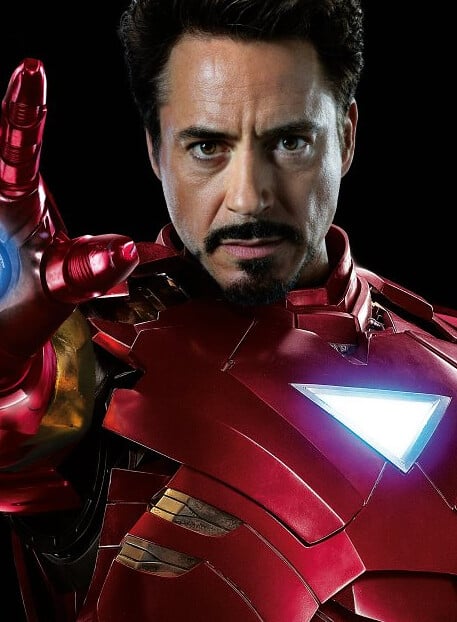
In Captain America: Civil War, a brief shot shows Tony Stark’s old MIT notebook. If you freeze-frame that scene, the notebook contains actual engineering sketches that are technically accurate.
A real aerospace engineer reviewed and drew them. That notebook appears on screen for roughly three seconds.
Pixar’s A113 Classroom Number

The number A113 shows up in nearly every Pixar film, tucked into license plates, signs, and codes. It refers to a classroom at California Institute of the Arts where many Pixar directors studied.
It is a quiet inside nod from the filmmakers to their roots. Most audiences see it dozens of times across films and never connect the dots.
The Smell of Fear in Mad Max: Fury Road

That gritty look in Mad Max: Fury Road? The team stirred together odd pastes, slathered them on garments mid-shoot. Not just dirt – exhaustion you could nearly smell, baked into every thread.
Sweat gleams differently when it’s real, not brushed on. Screens can’t carry odor, still, eyes pick up traces that trick thought into believing.
Each stain stacked over time, much like stories pressed between moments.
Mufasa’s Face in the Clouds
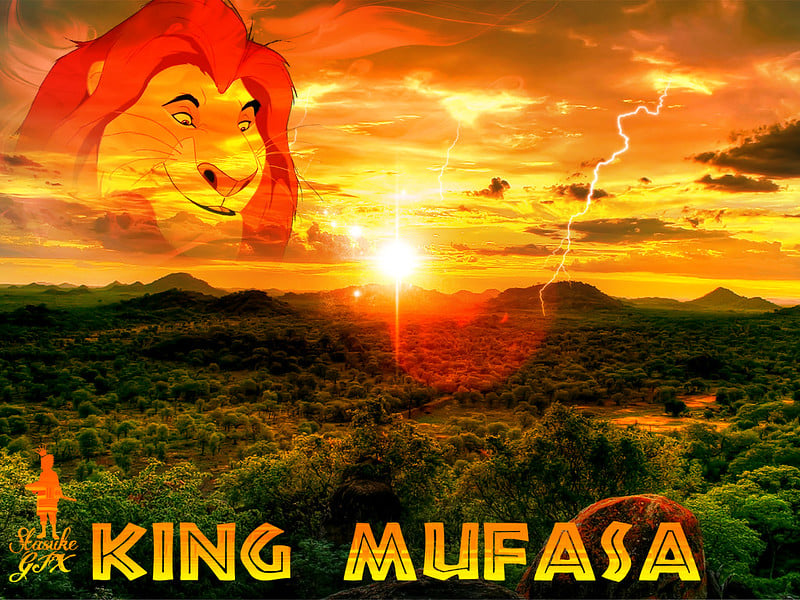
In The Lion King, a figure that looks like Mufasa immediately following his fall appears in the clouds. Flickers across the sky, barely longer than a breath.
Children who are watching with sad eyes often ignore the high-up image. Rarely do adults notice it until their second or third viewing, and occasionally even after that.
The Newspaper Headline in Batman v Superman

As Batman fights Superman, a page changes on the screen, and a missing persons notice appears, partially hidden. A name appears in the corner, subtly connected to Lex Luthor’s actions.
The majority of eyes ignored it, considering it to be background noise. There was weight in that sliver of image that was meant to unfold later.
Behind-the-scenes changes never pulled that thread tight, leaving it hanging.
Color-Coded Costume Logic in Clueless

Cher was surrounded by cool hues when doubt began to creep in and warm hues whenever she stood tall. Every on-screen appearance conveyed a subliminal message that was connected to emotion rather than style.
Mona May charted each color as if it were a silent mood chart. People felt the shift, but they were blind to the forces behind it.
Uncertainty turned into whispers of blue-gray, while confidence blossomed in reds.
Hidden Mickey in Tarzan

Mickey’s face is formed by a single flicker of fruits hanging deep in a wild run through trees just before Tarzan concludes. The blink-and-miss detail quickly disappears.
These devious markers appear throughout Disney movies; the artists tuck them in like hidden tags. Fans began to quietly and fervently search for these subtle nods over time.
The Accurate Hieroglyphs in The Mummy (1999)

Those markings on walls and objects in The Mummy aren’t just random designs made for show. Experts who study Egyptian writing checked them – some match real old writings word for word.
People building the sets looked up facts in scholarly books while planning. Few viewers would even notice, let alone know how to check if it’s right.
John Wick’s Coin Design

Old hands shaped the gold coins in John Wick’s world, built on real past money forms. Not just props – each mark tells something about who uses them beneath the surface.
Crafted to look lived-in, like they passed through many pockets over years. Though audiences rarely catch the details, every groove was placed with care.
Fast cuts hide how much work lives inside each small disc when the camera flies by.
The Recurring Hummingbird in Breaking Bad (The Movie Reference)

A tiny hummingbird appears out of nowhere while El Camino sits still. Silence stays complete when it arrives, no lines explain why.
In certain Native traditions, such creatures carry messages from lost ones. Behind the scenes, the team confirmed – its presence was planned all along.
Stillness holds Jesse, untouched by what comes next. The moment slips in quiet, beneath his awareness yet heavy on those nearby.
The Aging of Woody’s Owner in Toy Story
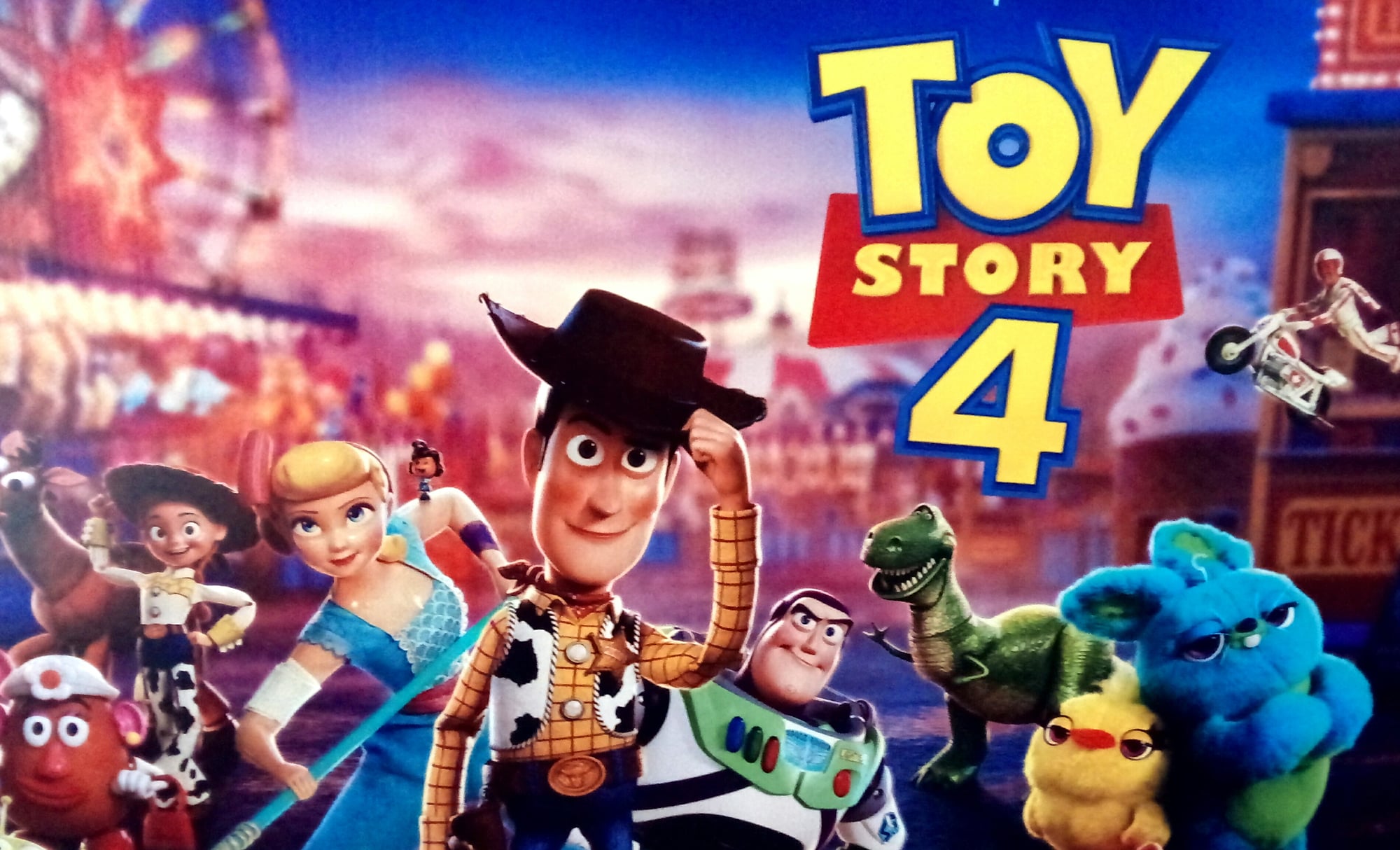
Year after year, Pixar quietly documented how Andy’s look evolved – his stance, his voice, his features – like clockwork. By the third film, changes are faint, yet they match what came before without slipping.
Few animation series bother with such detail at all. Because of it, he doesn’t just seem alive – he seems to have lived.
Real Hospital Gear Appears in Joker
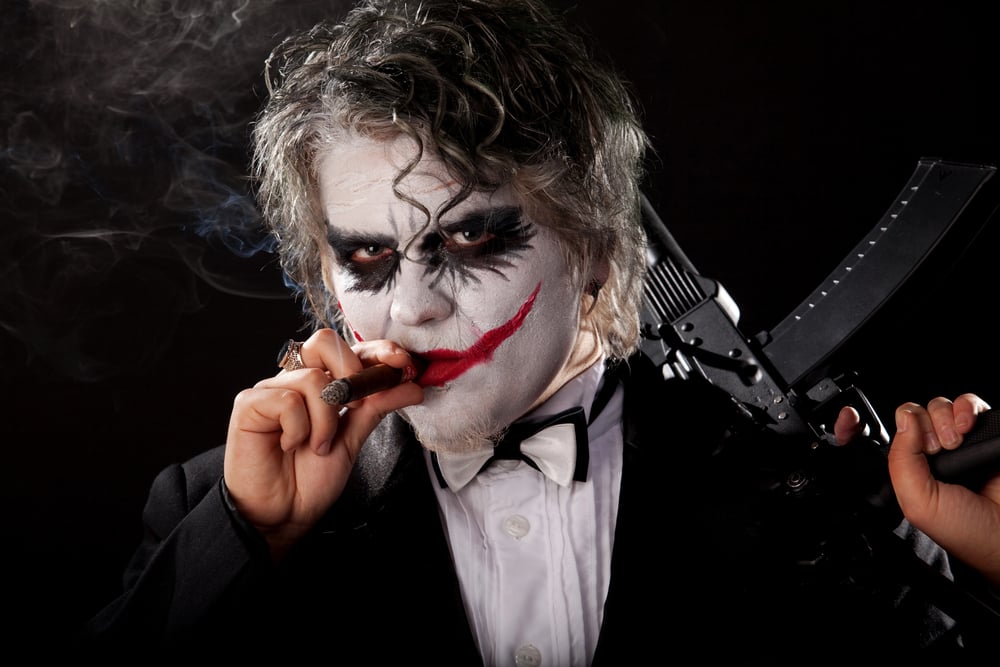
Cold from the light above, metal bedframes emerged from abandoned storerooms. Wrist ties hanging from recliners provided by actual medical offices.
Like in urban infirmaries, sunlight streamed through overhead panels. The floor was covered in worn linoleum, a common sight in tunnels where noise looms large.
The room appeared crowded because every item contained remnants of a sick person. Long before there was any filming, life took place here.
The Clock Runs Backward in Memento

Backward ticking shows up in some frames of Memento, tucked into scenes by Christopher Nolan as if they were hidden marks under paint. Since the plot demands so much attention, viewers often skip past those odd blinks.
The clocks moving wrong are not mistakes. They suggest – memory twists, shakes, breaks apart – whenever Leonard looks back, searches further, questions what feels real.
Every Frame Is a Choice

A single frame in great films is almost never accidental. Even if audiences glance past, filmmakers, designers, painters, builders – each linger on details most will never notice.
Little decisions stack up behind silence. Truth in storytelling shows not through facts but feeling, grown from unseen labor.
A moment lands because it was touched again and again, shaped outside the light. Someone sat with it long before you saw.
More from Go2Tutors!

- The Romanov Crown Jewels and Their Tragic Fate
- 13 Historical Mysteries That Science Still Can’t Solve
- Famous Hoaxes That Fooled the World for Years
- 15 Child Stars with Tragic Adult Lives
- 16 Famous Jewelry Pieces in History
Like Go2Tutors’s content? Follow us on MSN.