16 Music Trends That Came and Went in Less Than a Year
The music industry constantly reinvents itself, with new sounds, fashions, and technologies emerging at a dizzying pace. While some musical movements define entire decades, others flash brilliantly before fading just as quickly.
These short-lived phenomena sometimes leave lasting impacts despite their brief time in the spotlight. Here is a list of 16 music trends that burst onto the scene with tremendous hype but disappeared almost as quickly as they arrived.
The Macarena

In 1996, Los del Río’s dance track dominated the charts for 14 weeks, creating a worldwide dance phenomenon. The simple choreography became inescapable at weddings, sporting events, and even political conventions.
By early 1997, the song and its accompanying dance had virtually disappeared from popular culture, relegated to the status of novelty act.
Witch House

This dark, occult-themed electronic music microgenre emerged around 2009 with artists using triangles and Unicode symbols in their names. Characterized by chopped and screwed samples, industrial beats, and an overall eerie atmosphere, the style peaked with groups like †‡† (Ritualz) and ▲▲▲ (Salem).
By late 2010, the trend had largely dissolved, though its aesthetic influences occasionally resurface in modern electronic music.
Bloghouse
This dance music phenomenon existed primarily online around 2006-2007, spread through music blogs rather than traditional media. Artists like Justice, MSTRKRFT, and Digitalism defined the sound with distorted basslines and electro elements.
The genre’s popularity crashed almost as quickly as it rose, becoming obsolete when streaming platforms replaced MP3 blogs as music discovery tools.
Harlem Shake Videos
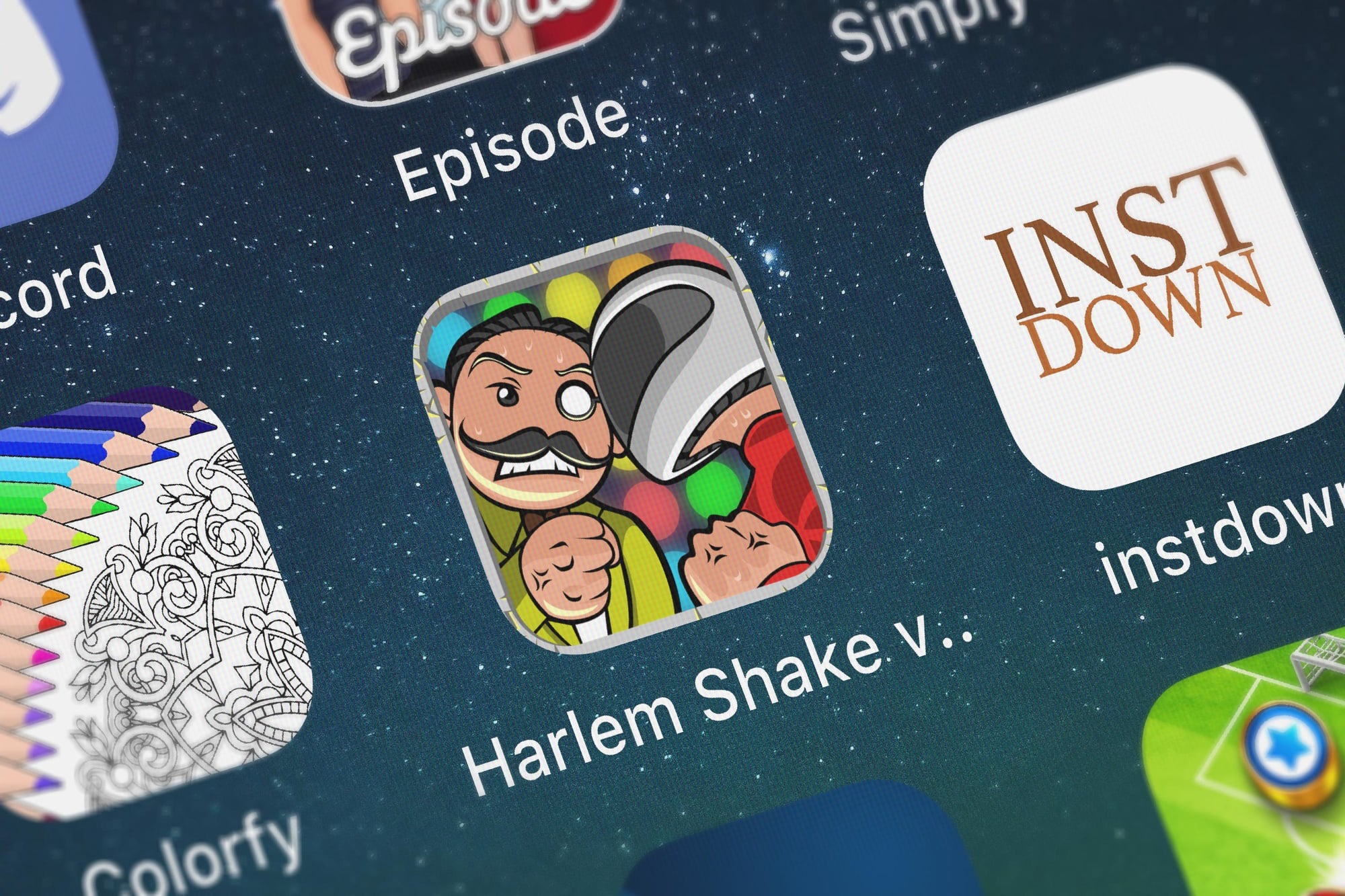
In February 2013, the Baauer track spawned a viral video format featuring groups of people suddenly transforming into wild dance performances. The meme generated thousands of imitations within weeks, from office workplaces to military units.
By April, the trend had virtually disappeared, making it one of the fastest-rising and fastest-fading internet music phenomena ever recorded.
Nu-Metal Rap
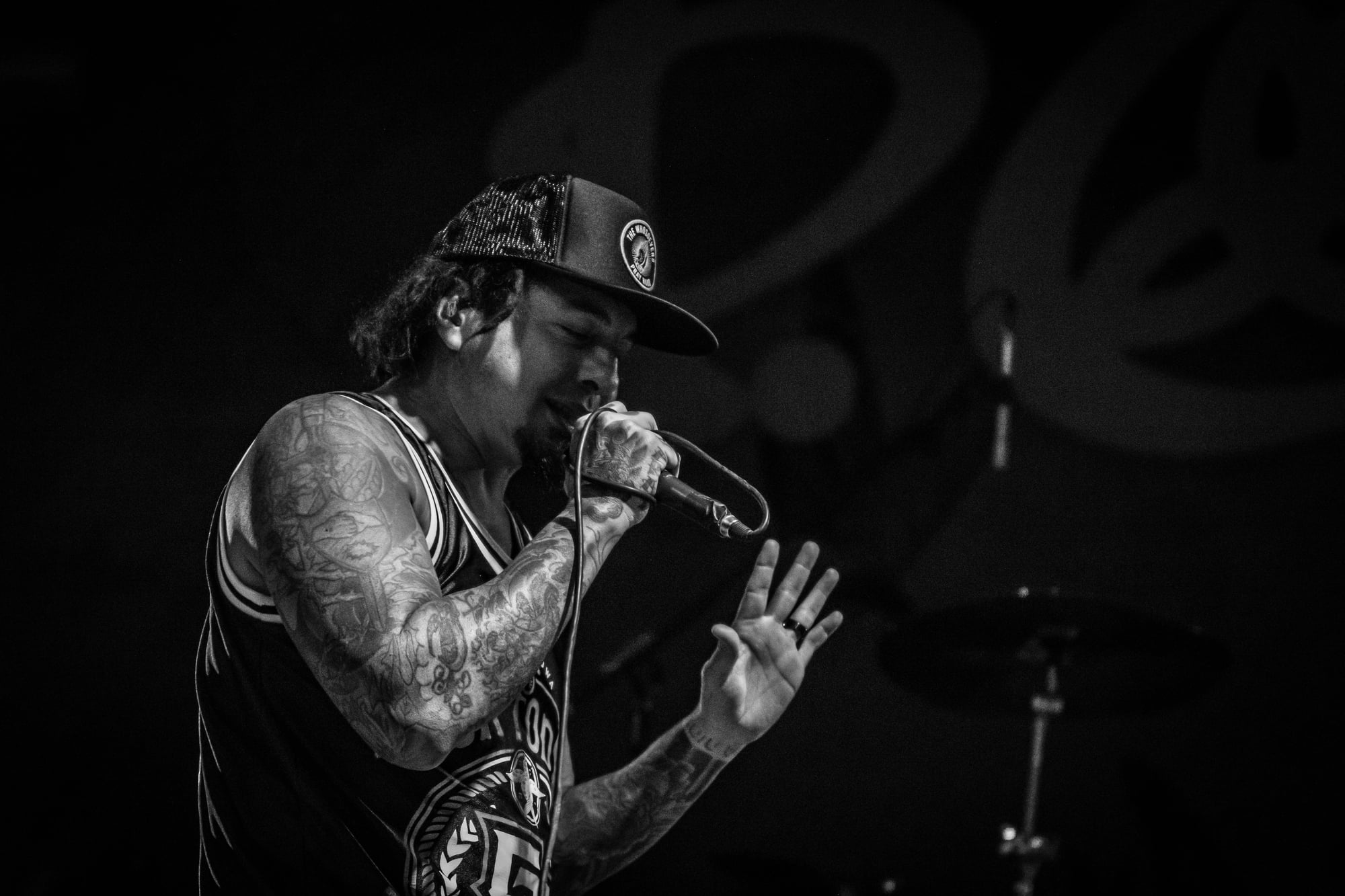
The fusion of heavy metal instrumentation with rap vocals briefly dominated alternative music around 1999-2000. Limp Bizkit’s ‘Significant Other’ and Papa Roach’s ‘Infest’ exemplified this aggressive sound that resonated with young audiences.
The genre’s commercial appeal deteriorated rapidly after critical backlash and market oversaturation, with many bands quickly distancing themselves from the style.
Seapunk

This internet-born aesthetic combined 1990s nostalgia, ocean imagery, and electronic music in early 2012. The visual style featured turquoise, dolphins, and early computer graphics, paired with chopped and screwed R&B samples.
After Rihanna and Azealia Banks appropriated the look for mainstream performances later that year, the originators declared the trend officially dead.
Answer Songs
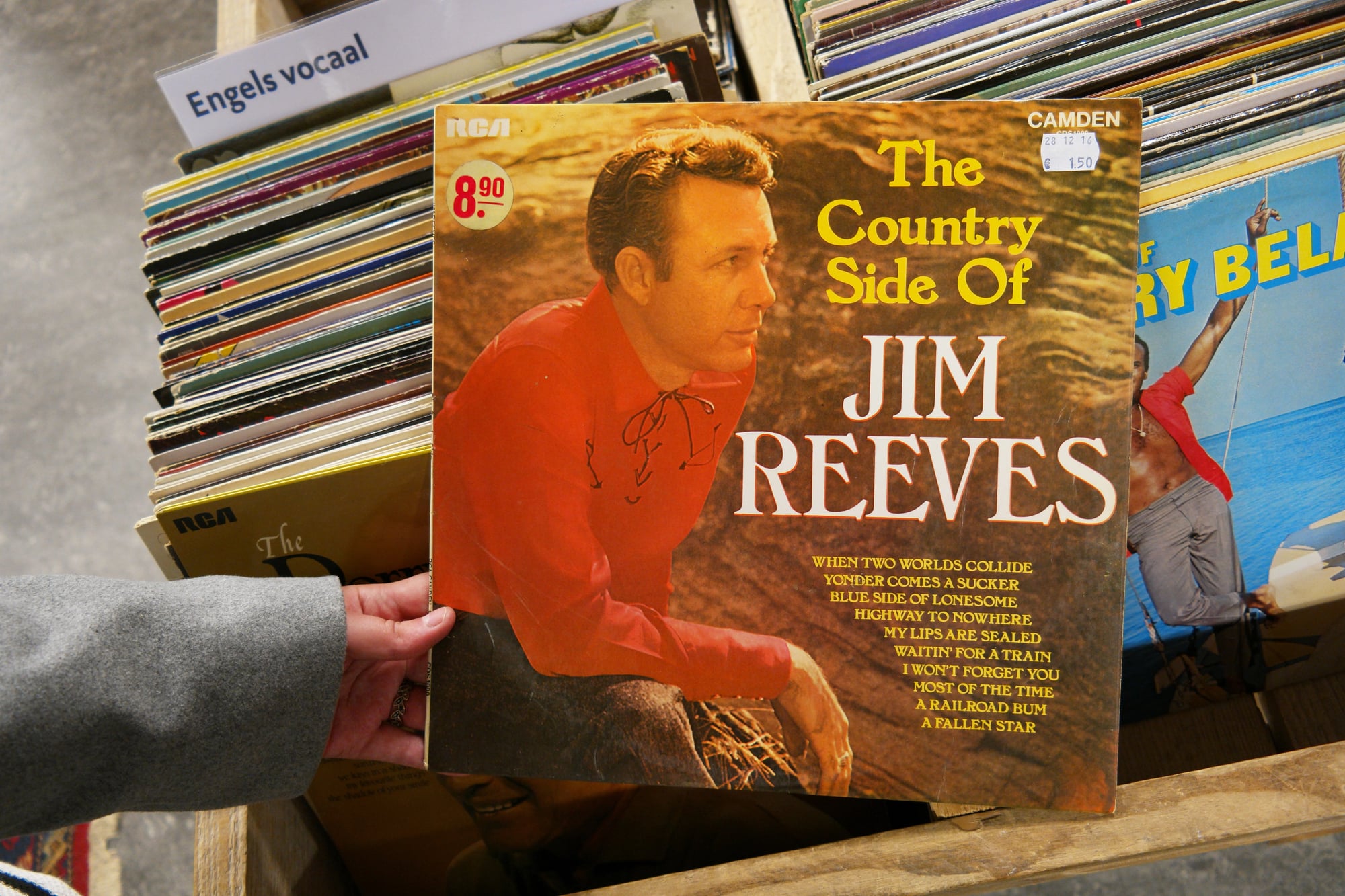
In late 1960, the trend of recording direct musical responses to hit songs briefly captured public attention. Jeanne Black’s ‘He’ll Have To Stay’ answered Jim Reeves’ ‘He’ll Have To Go,’ while Jody Miller’s ‘Queen of the House’ responded to Roger Miller’s ‘King of the Road.’
The novelty wore off quickly as listeners tired of the formula, though occasional answer songs still appear today.
Piano House

This dance music trend dominated clubs in the early 1990s with its distinctive combination of house beats and prominent piano riffs. Tracks like Black Box’s ‘Ride on Time’ and Crystal Waters’ ‘Gypsy Woman’ exemplified the sound that briefly ruled pop charts worldwide.
The style faded almost completely by 1991 as darker rave sounds replaced its uplifting piano melodies.
The Whisper Song
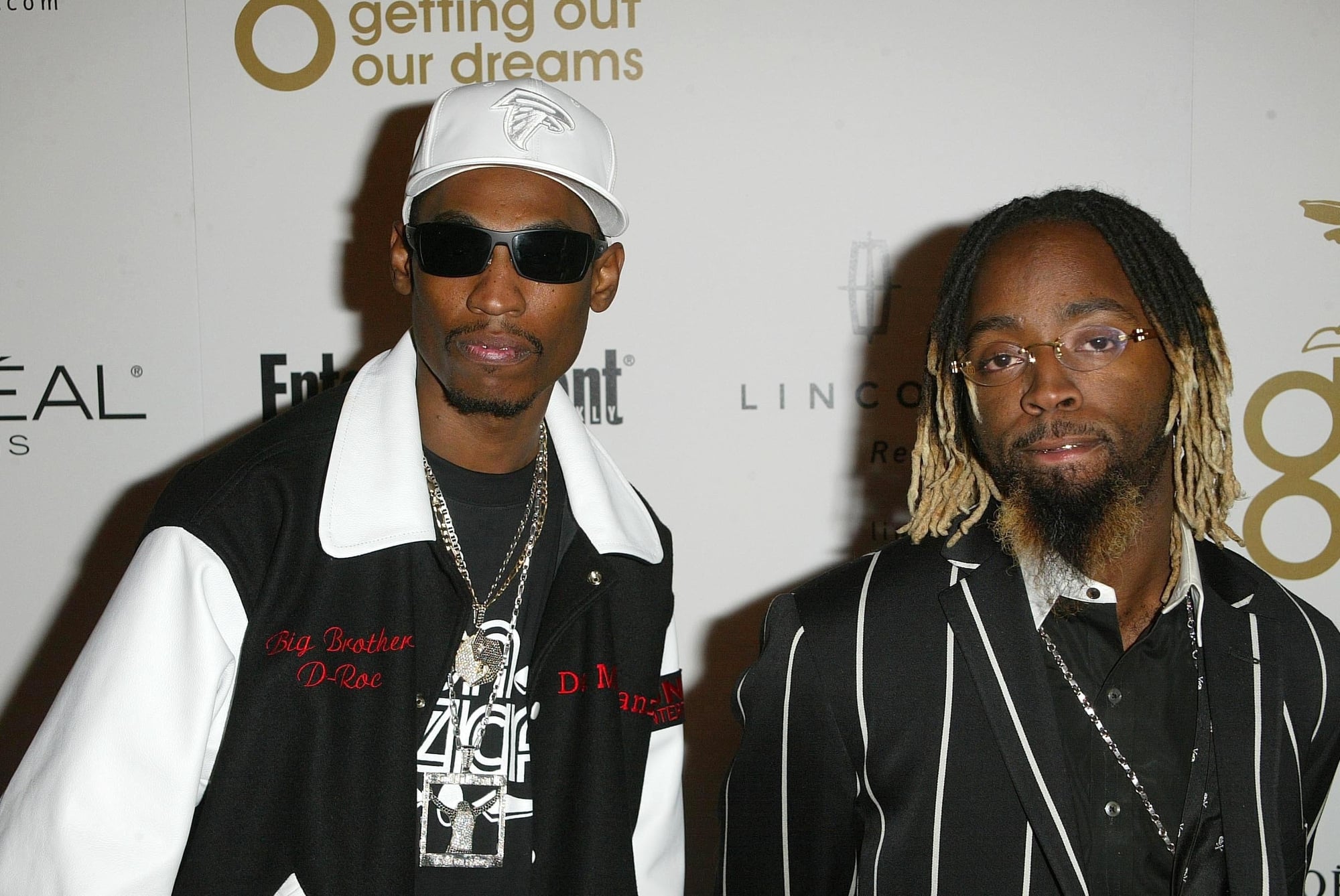
Following the success of the Ying Yang Twins’ hit in 2005, numerous hip-hop artists adopted a whispering vocal technique in their tracks. The provocative style created a brief sensation that dominated urban radio for several months.
The trend disappeared almost completely by early 2006 when listeners and artists alike moved on to the next vocal innovation.
Tropical House
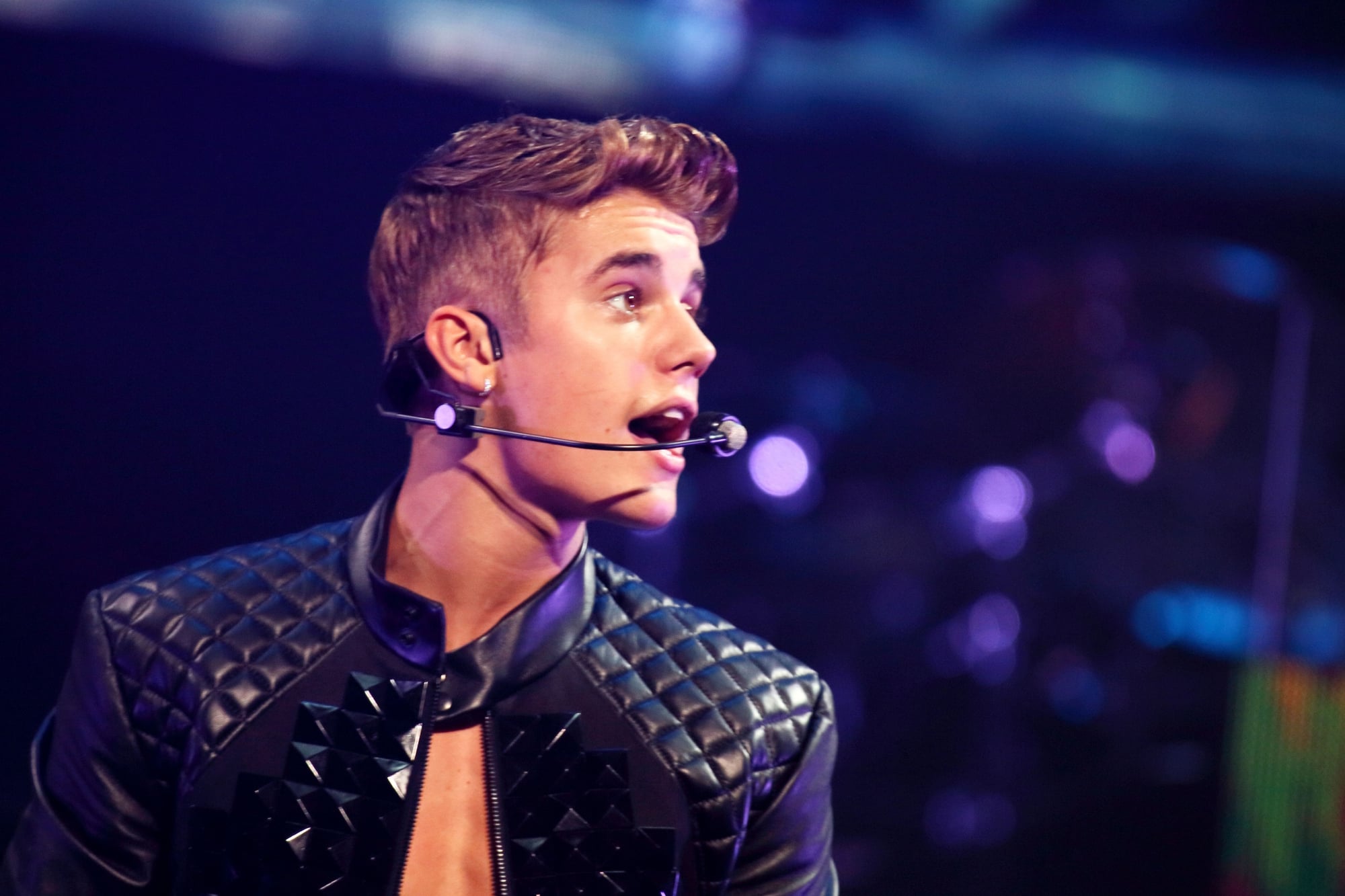
This relaxed, island-influenced electronic music style briefly dominated pop in 2015 with its gentle beats and warm synthesizers. Justin Bieber’s ‘What Do You Mean?’ and Felix Jaehn’s remix of OMI’s ‘Cheerleader’ exemplified the sound that ruled summer playlists.
By early 2016, the sound had been so thoroughly absorbed into mainstream pop production that it ceased to exist as a distinct trend.
New Rave
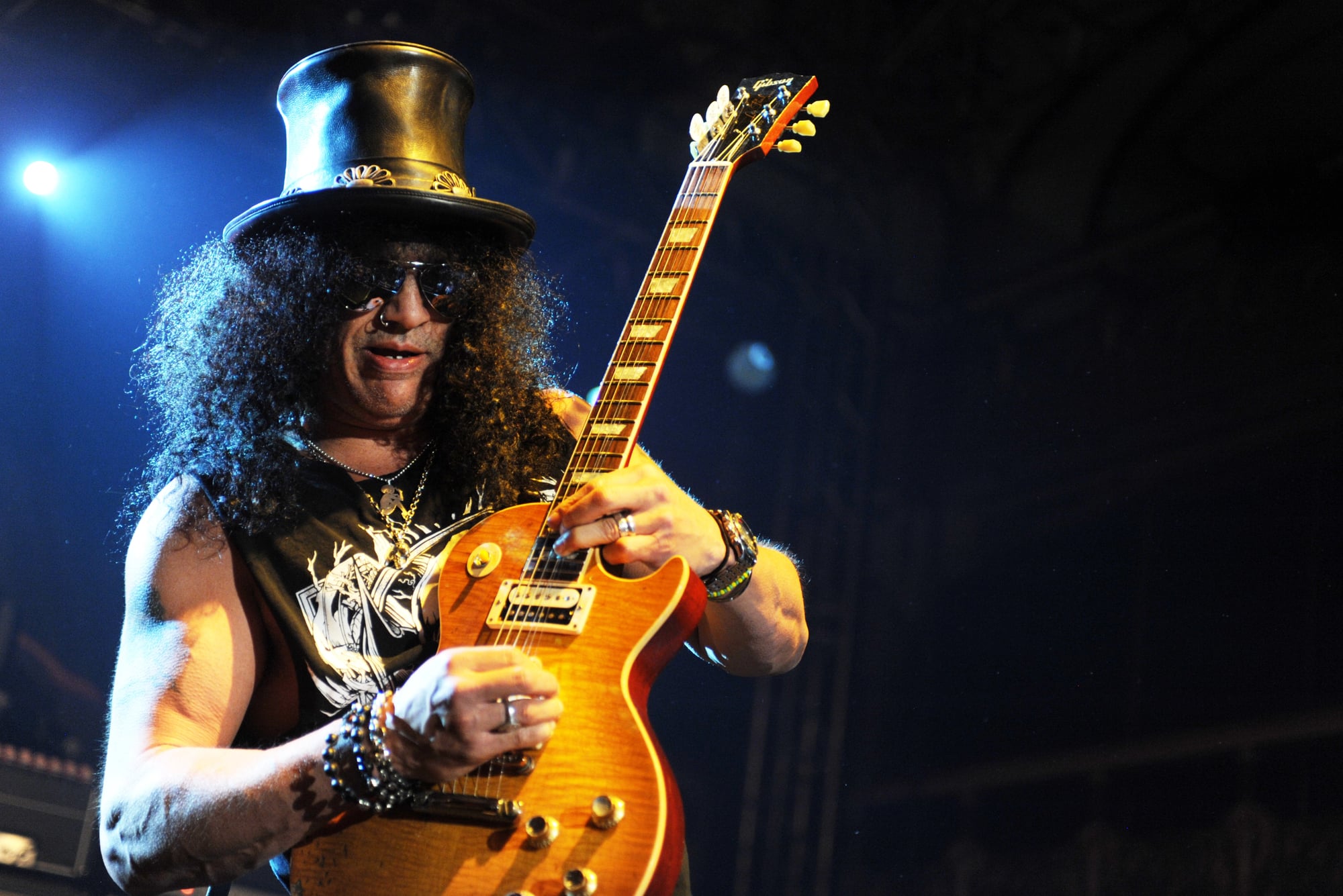
This British music press creation combined indie rock sensibilities with neon aesthetics and electronic dance influences around 2006. Bands like Klaxons and New Young Pony Club became poster children for a movement characterized more by fashion than musical innovation.
The trend collapsed almost immediately after NME magazine declared it the ‘next big thing,’ becoming a cautionary tale of media-manufactured genres.
Vaporwave
This internet-born genre emerged in 2011, characterized by slowed-down 1980s muzak, corporate imagery, and Japanese text. Artists like Macintosh Plus and Saint Pepsi created nostalgic soundscapes that examined consumer culture through a distorted lens.
The aesthetic peaked in popularity around 2012 before quickly receding, though it periodically resurfaces in fashion and visual design.
Chipmunk Soul
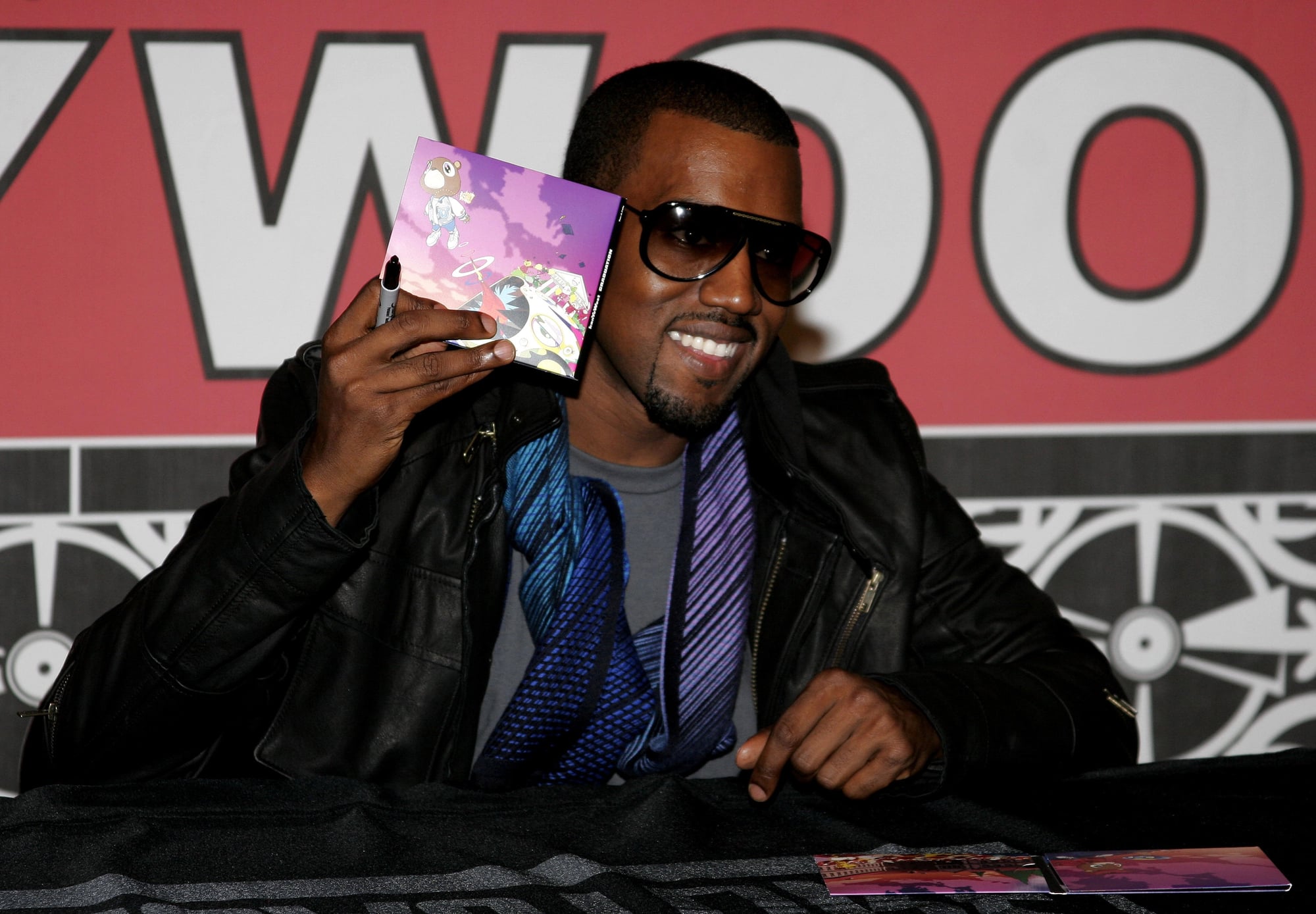
This production style featuring sped-up soul samples dominated hip-hop around 2003-2004 after Kanye West popularized it on Jay-Z’s ‘The Blueprint.’ The technique created distinctive high-pitched vocal effects that appeared on countless tracks.
The sound fell from favor by late 2004 as producers sought new sampling techniques to differentiate themselves in the crowded hip-hop landscape.
PC Music
This divisive art collective/label led by A.G. Cook created hyper-exaggerated, artificial pop music that dominated online music discussion in 2014. Artists like SOPHIE and Hannah Diamond produced glossy, synthetic tracks that commented on commercialism while embracing pop structures.
The distinctive sound quickly retreated from mainstream attention but significantly influenced hyperpop several years later.
Nightcore
This technique of speeding up and pitch-shifting existing songs originated in the early 2000s but had a massive surge on YouTube around 2014. Characterized by accelerated tempos and chipmunk-like vocals, the style gained millions of views across various channels and spawned countless remixes.
The trend’s mainstream appeal faded dramatically by mid-2015, though it continues to exist in specific internet communities.
The Sound of Tomorrow

These flash-in-the-pan music trends remind us how ephemeral cultural phenomena can be in our accelerated media landscape. What seems revolutionary in January might feel dated by December as the constant churn of innovation pushes music forward.
The briefly popular styles often serve as important bridges between major movements, allowing artists to experiment with concepts that eventually evolve into more sustainable directions.
While these trends disappeared quickly, many planted seeds that would later bloom in unexpected ways throughout music history. Their rapid rise and fall demonstrates not only the fickle nature of public taste but also the music industry’s restless search for the next revolutionary sound.
More from Go2Tutors!

- The Romanov Crown Jewels and Their Tragic Fate
- 13 Historical Mysteries That Science Still Can’t Solve
- Famous Hoaxes That Fooled the World for Years
- 15 Child Stars with Tragic Adult Lives
- 16 Famous Jewelry Pieces in History
Like Go2Tutors’s content? Follow us on MSN.



