Bizarre Rituals Involving the Mummies of Egypt
Ancient Egypt continues to fascinate us thousands of years after the last pharaoh ruled the Nile. While most people know about mummification as a burial practice, the full scope of what Egyptians did with their preserved dead goes far beyond wrapping bodies in linen.
Some of these practices would seem downright strange by today’s standards, blending reverence with rituals that feel almost otherworldly.
Opening Of The Mouth
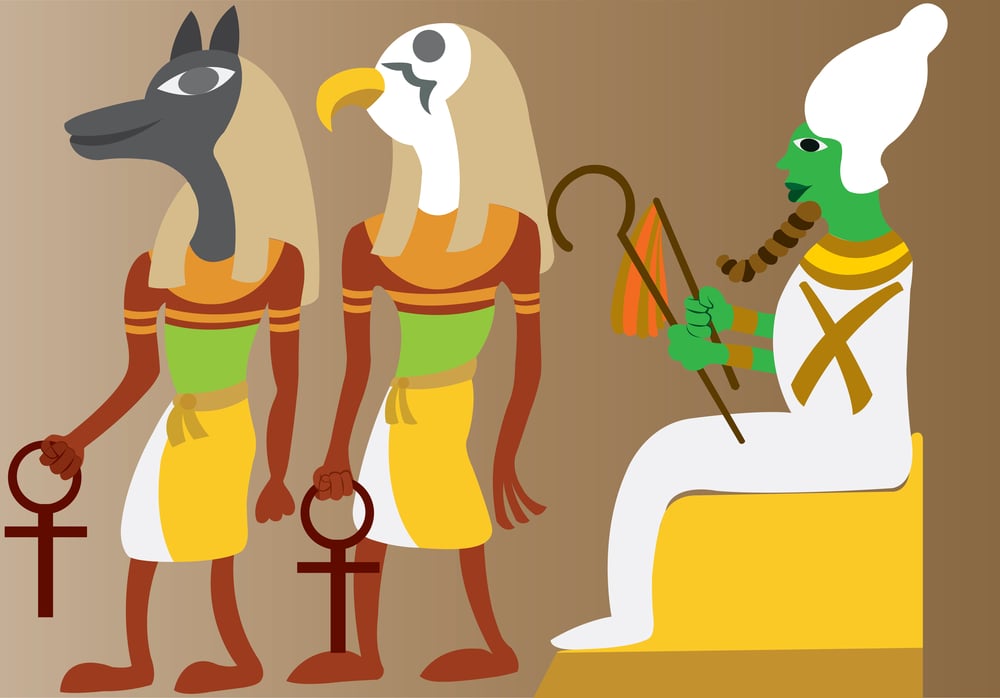
The mummy couldn’t eat, speak, or breathe in the afterlife without this ceremony. Priests used special tools to touch the wrapped corpse’s mouth and eyes.
The ritual literally brought the dead back to functional life in the next world.
Canopic Jar Ceremonies
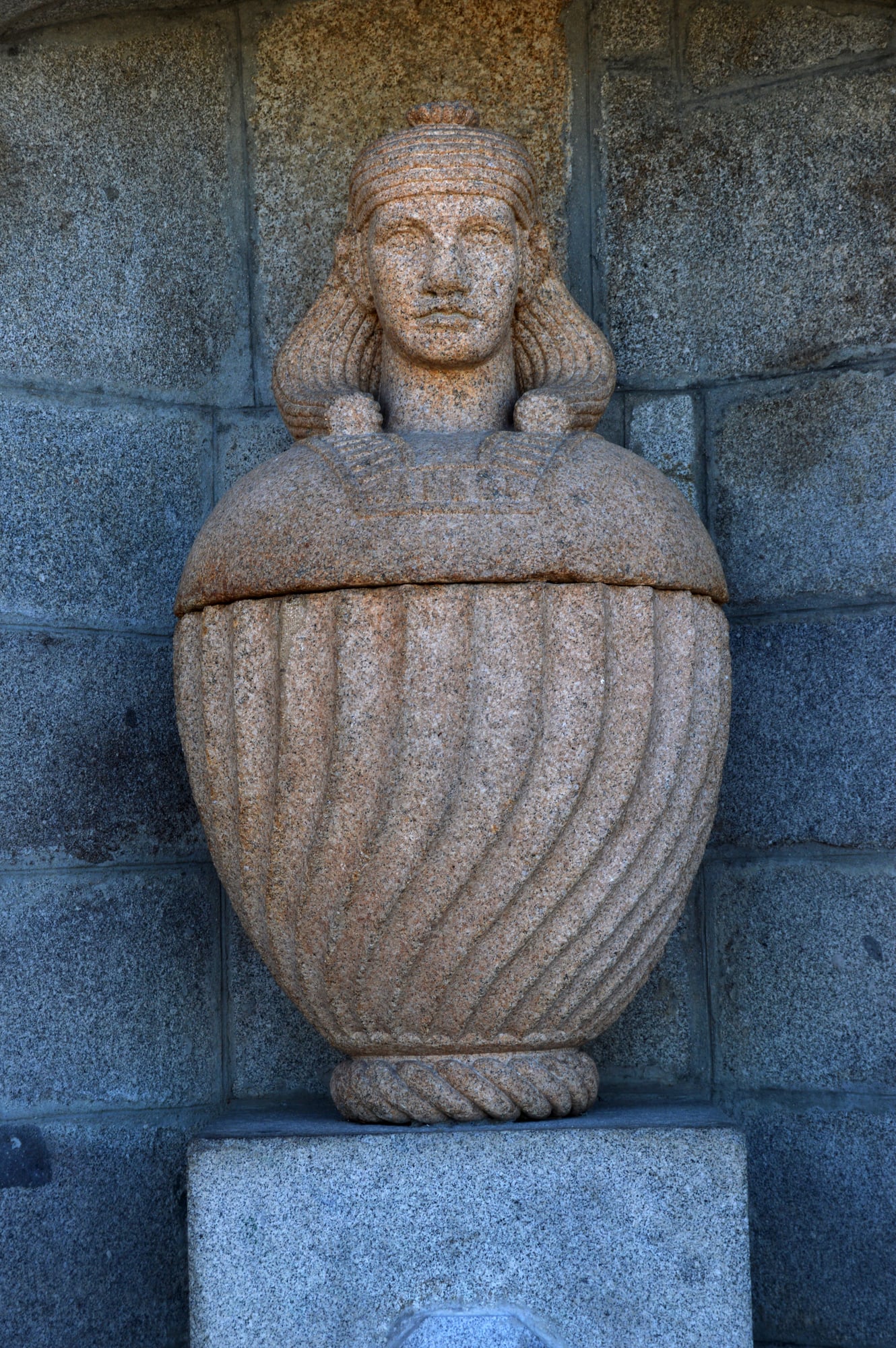
There’s something unsettling about removing someone’s organs, placing them in decorated containers, then conducting elaborate rituals around those jars as if the liver and lungs were honored guests at a dinner party. And yet that’s exactly what happened during mummification — the stomach, intestines, liver, and lungs each got their own special jar (the heart stayed put, being considered the seat of intelligence and emotion, which tells you something about how differently ancient Egyptians saw the body’s hierarchy).
But these weren’t just storage containers. The priests performed specific ceremonies for each jar, invoking the four Sons of Horus who would protect these organs in the afterlife, and the whole process could take hours as they carefully blessed each organ with oils and incantations.
So what started as practical preservation became something far more elaborate.
Weighing Of The Heart
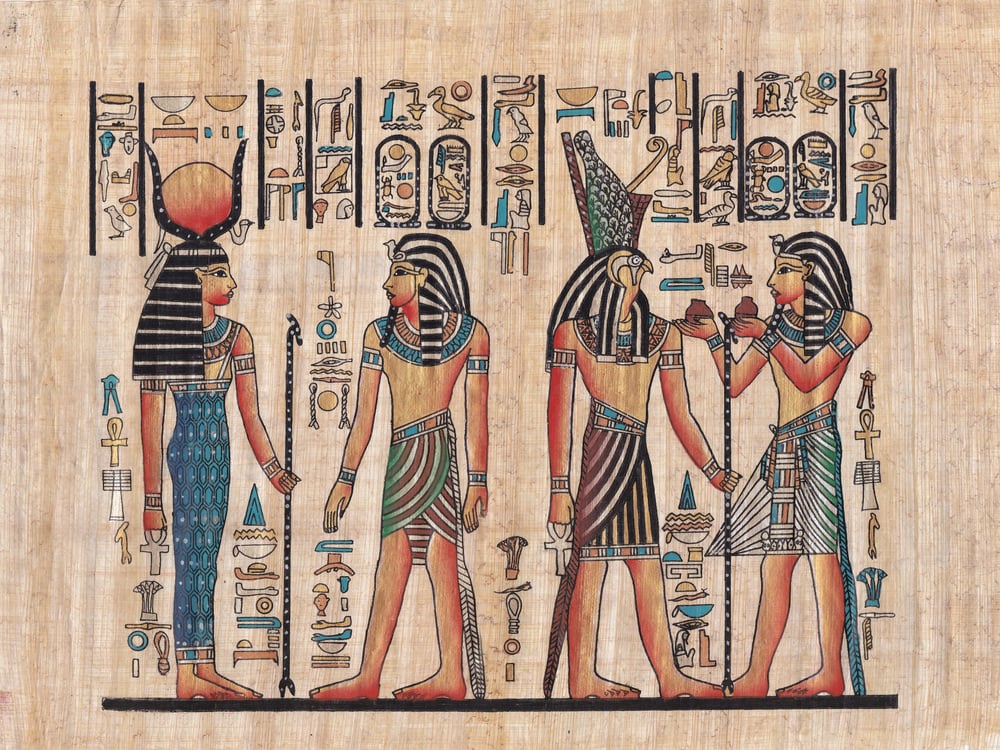
Picture death not as an ending, but as the most important job interview of your existence. The heart gets placed on golden scales opposite a feather from Ma’at, goddess of truth.
Too heavy with sin and a crocodile-headed monster devours it immediately. The mummy’s entire eternal fate balanced on something lighter than air — which says everything about how the Egyptians viewed moral weight.
Pulling The Brain Through The Nose
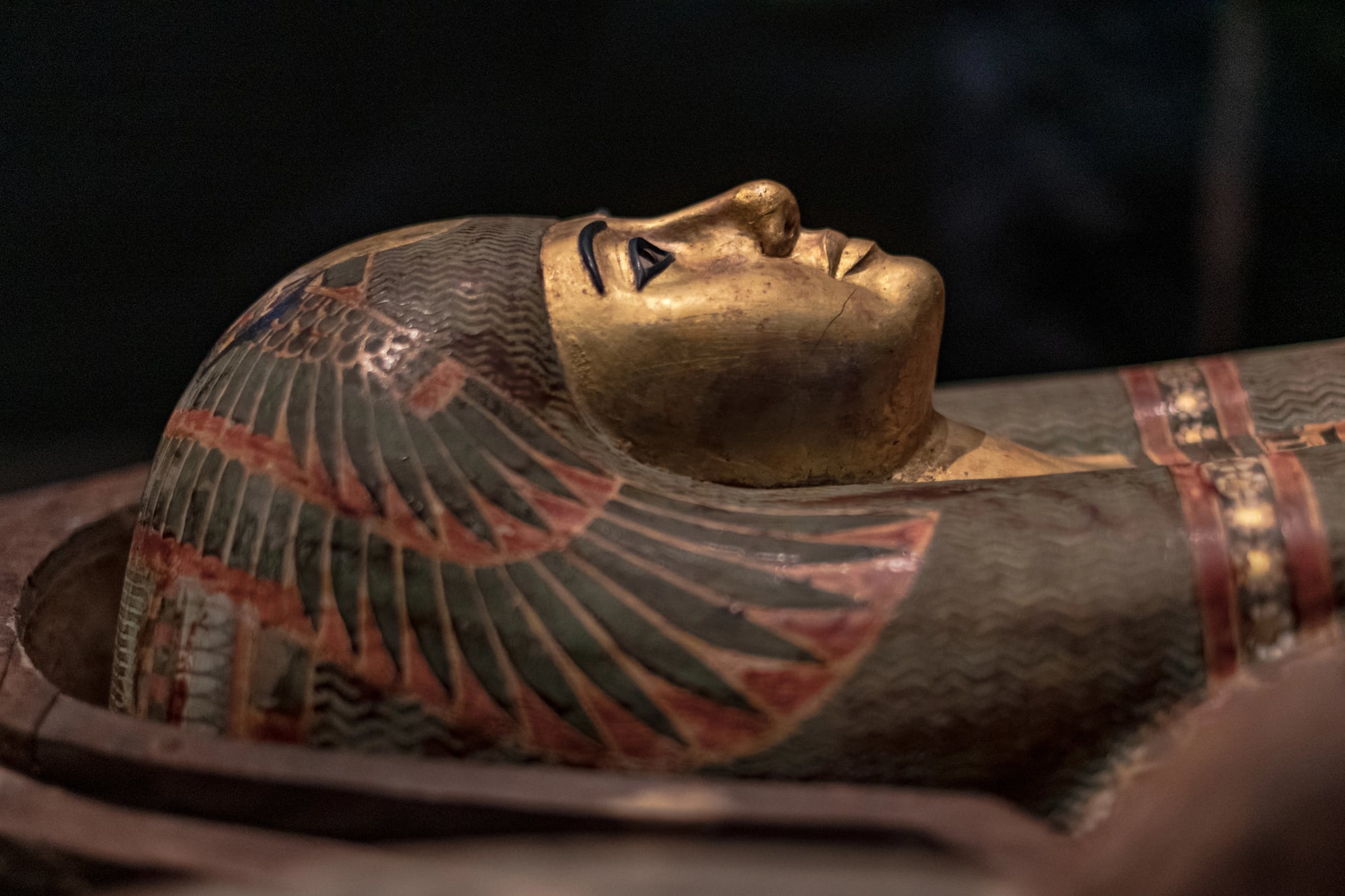
This one’s exactly as disturbing as it sounds. Embalmers inserted long metal hooks through the nostrils to break up brain tissue, then turned the body upside down to let everything drain out.
The brain was considered unimportant — just filler taking up skull space. They threw it away while preserving organs that actually mattered for the afterlife journey.
Mummy Portrait Placement
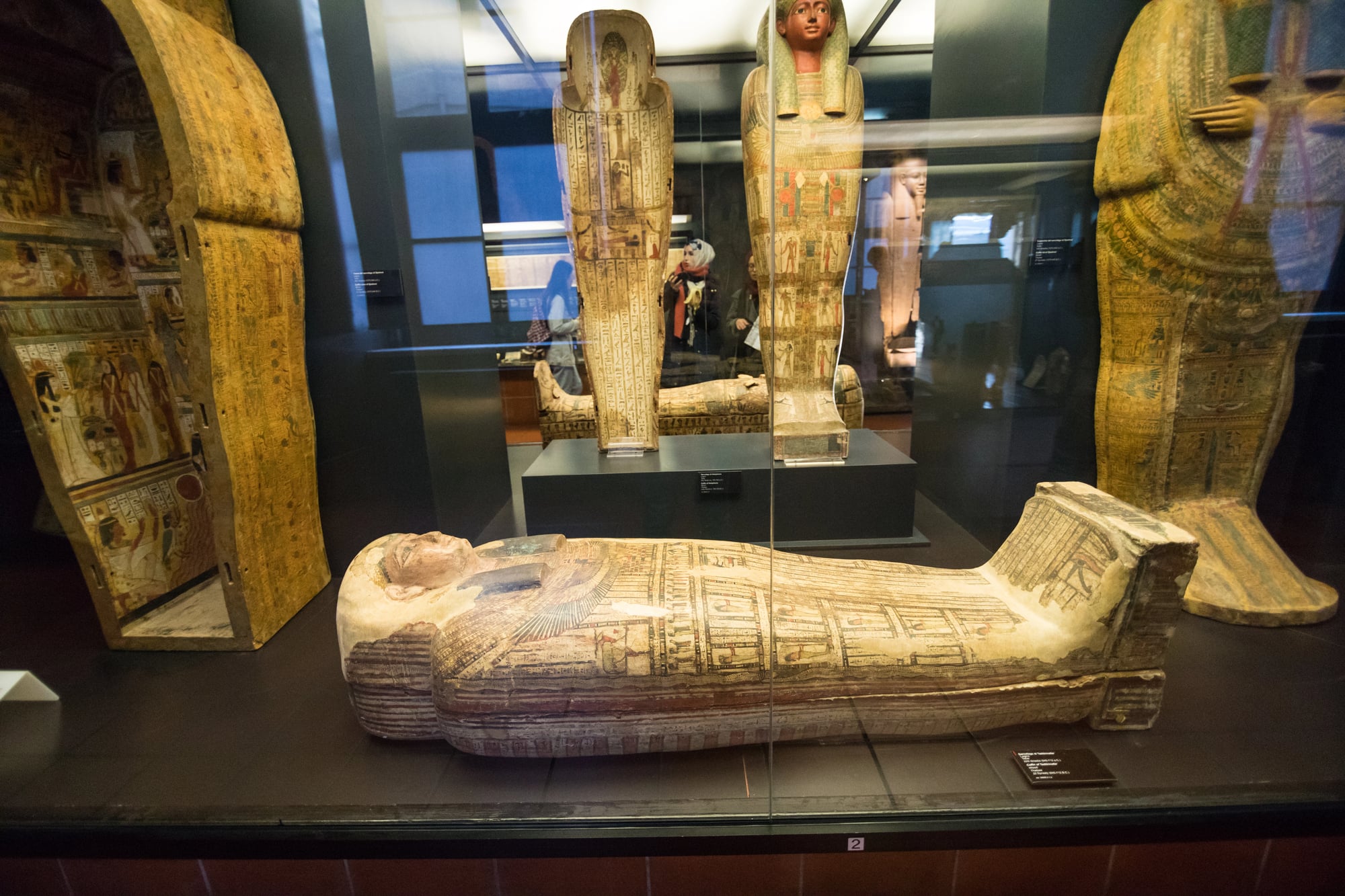
During the Roman period in Egypt, families commissioned realistic painted portraits of their deceased relatives on wood panels, then placed these portraits directly over the mummy’s face, creating a kind of artistic resurrection that was part memorial, part identity preservation, and entirely haunting when you consider these weren’t idealized images but actual likenesses meant to help the person recognize their own body in the afterlife. The portraits were painted after death and incorporated into the mummification process itself.
The technical skill required was extraordinary — these weren’t rough sketches but detailed works that captured individual features, expressions, even personality traits in ways that made the mummy seem almost alive under the wrapping.
Natron Salt Baths
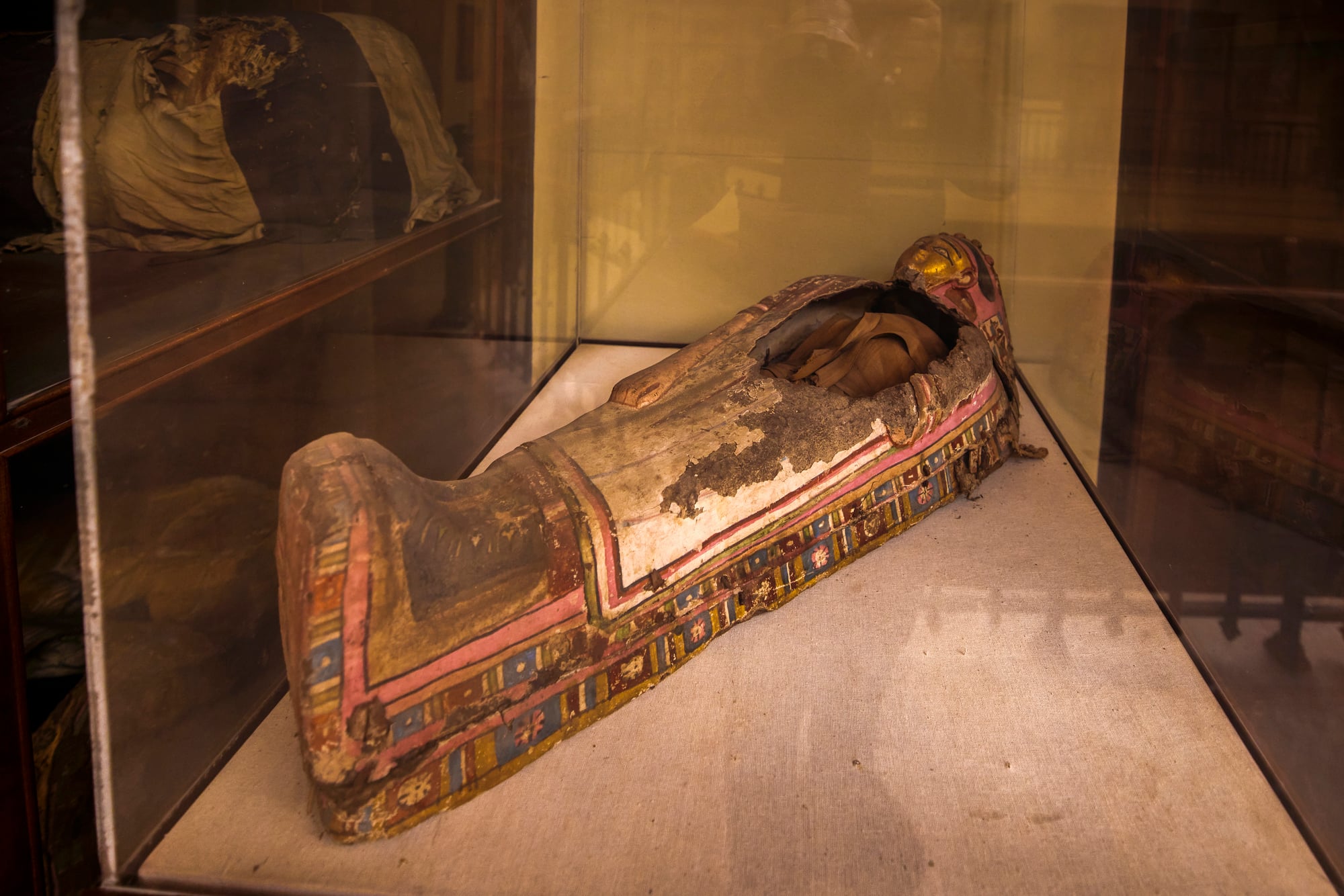
Think of it as the world’s most expensive spa treatment, except the client is dead and the process takes seventy days. The body gets packed in natron salt to draw out every drop of moisture.
What emerges looks nothing like the person who went in — more like leather furniture that once walked around making conversation.
False Door Installations
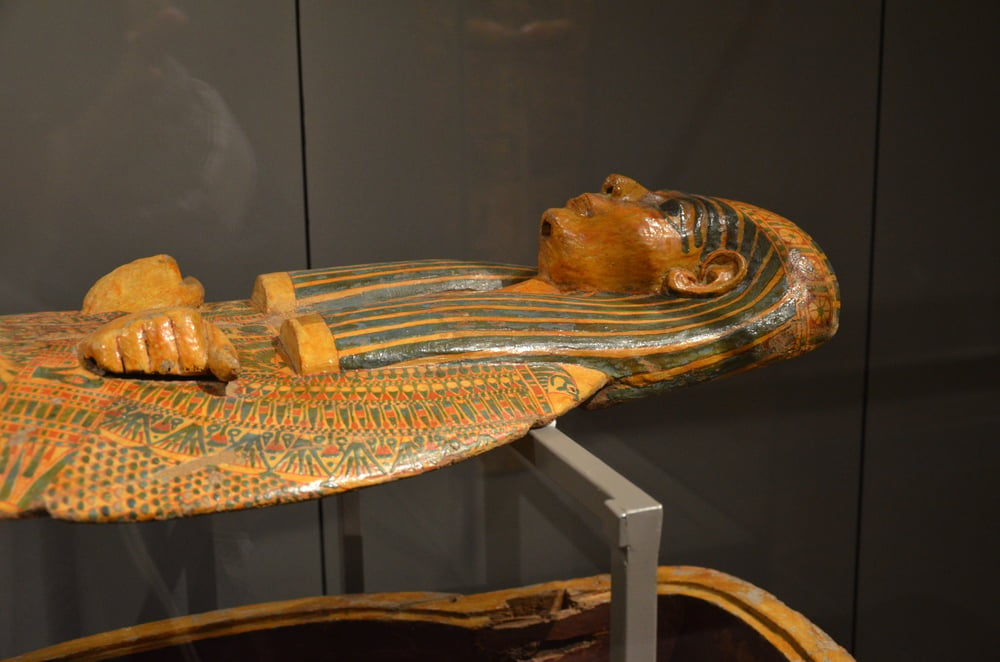
Tomb builders carved fake doorways into burial chamber walls specifically for the mummy’s spirit to use. These weren’t decorative — they were functional architecture for ghosts.
The dead needed a way to come and go from their burial site, so craftsmen created elaborate stone doors that opened onto solid rock. Makes perfect sense if you think about death as relocation rather than termination.
Removal And Preservation Of Fingernails
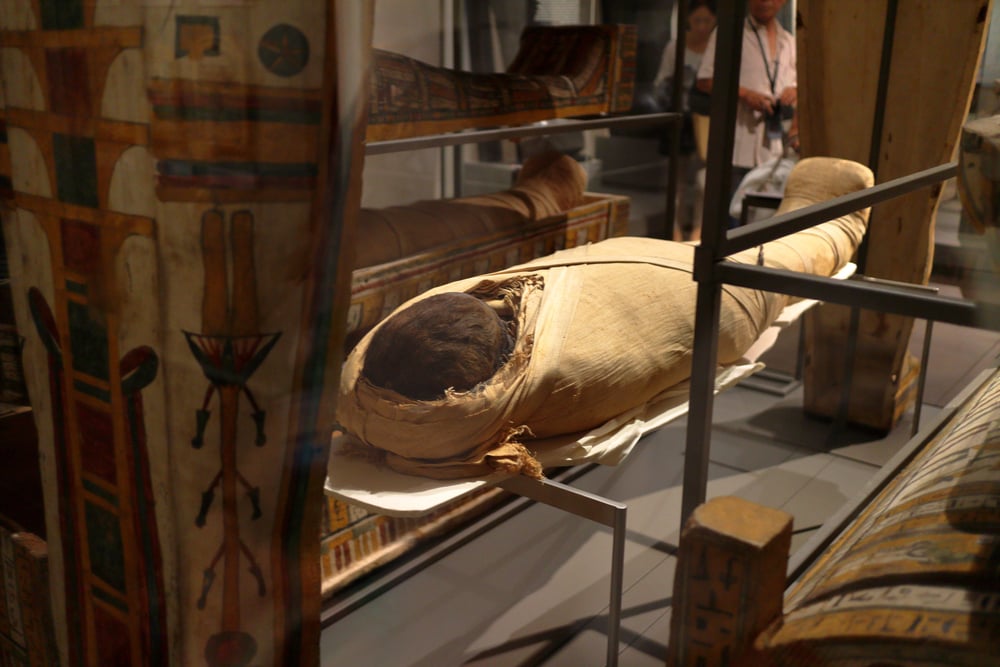
The attention to detail in mummification extended to parts of the body most people never think about — fingernails and toenails were carefully removed during the preservation process, treated separately with oils and resins, then tied back onto the mummy’s fingers and toes with thread, because apparently you needed well-groomed nails for eternity (which raises questions about ancient Egyptian priorities that modern nail salon customers might actually understand). But this wasn’t vanity.
The Egyptians believed the body needed to be complete and perfect for resurrection, so every tiny piece mattered, down to the smallest nail clipping. Even more bizarre: sometimes the nails were painted or decorated before being reattached, suggesting that death was seen not as decay but as preparation for a formal presentation to the gods.
So your manicure had to be eternal-afterlife ready.
Amulet Placement Between Bandage Layers
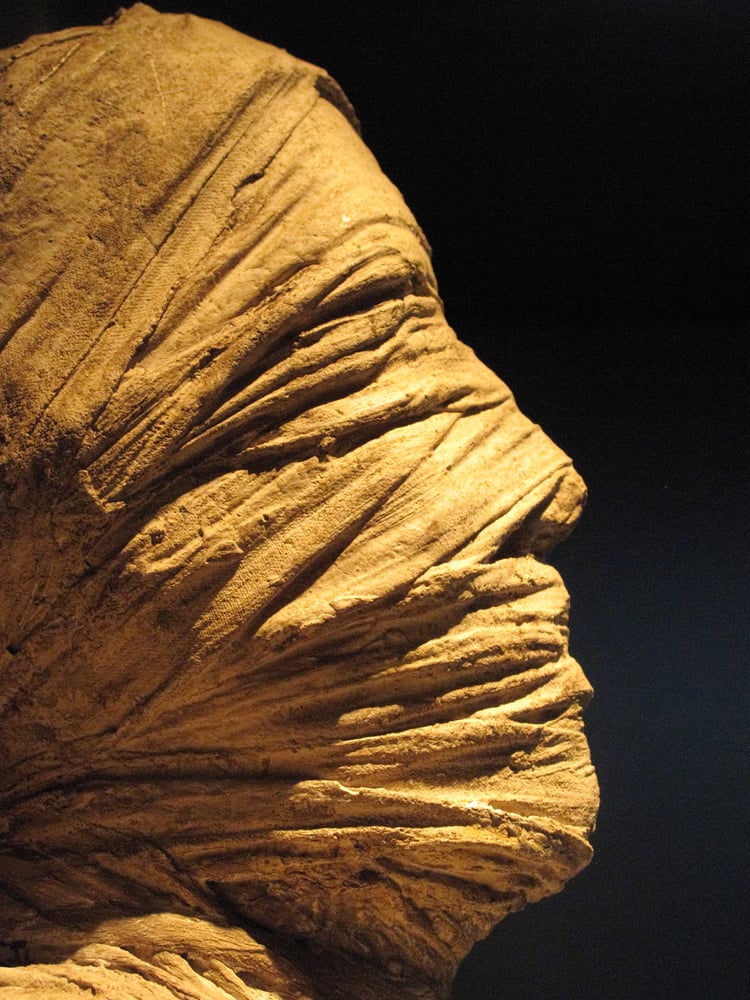
Wrapping a mummy wasn’t just about preservation — it was about turning the body into a walking jewelry store. Hundreds of protective amulets got tucked between linen layers at specific points.
Each charm served a different purpose: safe passage, protection from demons, ensuring the heart stayed put during judgment. The most important people ended up looking like armored magical warriors under all that cloth.
Bitumen Application
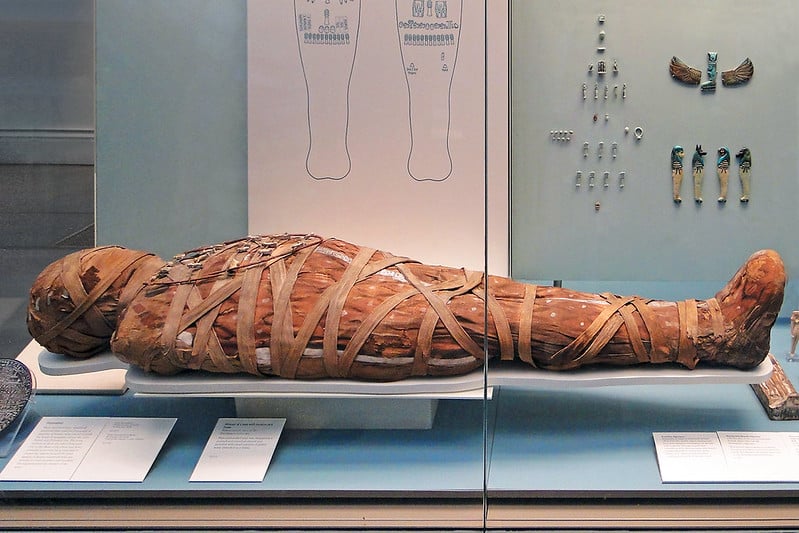
Later period embalmers painted mummies with thick black tar-like substances made from tree resins and petroleum products. This gave the wrapped bodies a dark, glossy finish that was supposed to provide extra protection against decay.
It also made them look distinctly non-human — more like ancient artifacts than people who once walked around complaining about the weather.
Sacred Animal Mummification Rituals
The Egyptians didn’t limit mummification to humans (which, when you think about it, raises interesting questions about their understanding of what deserved eternal life and what didn’t). Cats, birds, crocodiles, and even insects got the full preservation treatment, complete with tiny sarcophagi and burial ceremonies that rivaled those of minor nobles.
But here’s where it gets really strange: some animals were mummified not because they were beloved pets, but because they represented gods, which meant a random ibis bird might receive more elaborate funeral rites than most people could afford for their relatives. And the sheer volume was staggering — archaeologists have found entire catacombs packed with millions of mummified animals, suggesting that this practice became almost industrial in scale.
So you had professional animal embalmers working around the clock to meet religious demand for mummified creatures that would carry prayers to specific deities.
Resin-Soaked Linen Wrapping Ceremonies
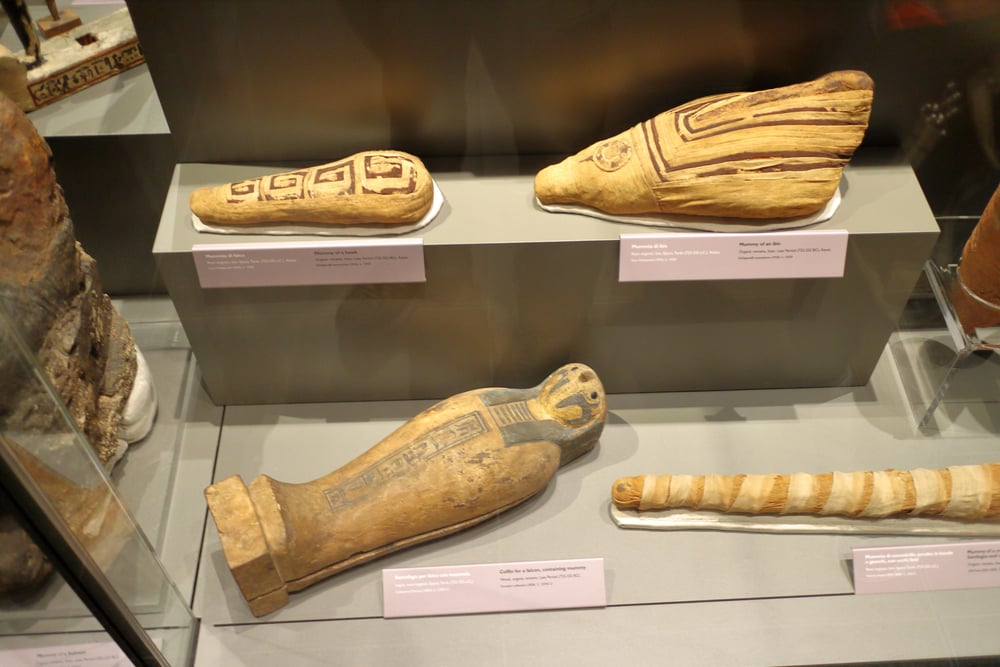
— Photo by davros009.outlook.it
Each layer of linen bandage got soaked in tree resins and oils while priests chanted specific incantations. The wrapping process could take weeks, with different body parts requiring different treatments.
Arms got wrapped separately from legs, fingers individually bound, and the head received special attention with multiple layers and protective masks. By the end, the mummy looked nothing like a human body — more like an elaborate textile sculpture.
Mummy Mask Creation And Blessing
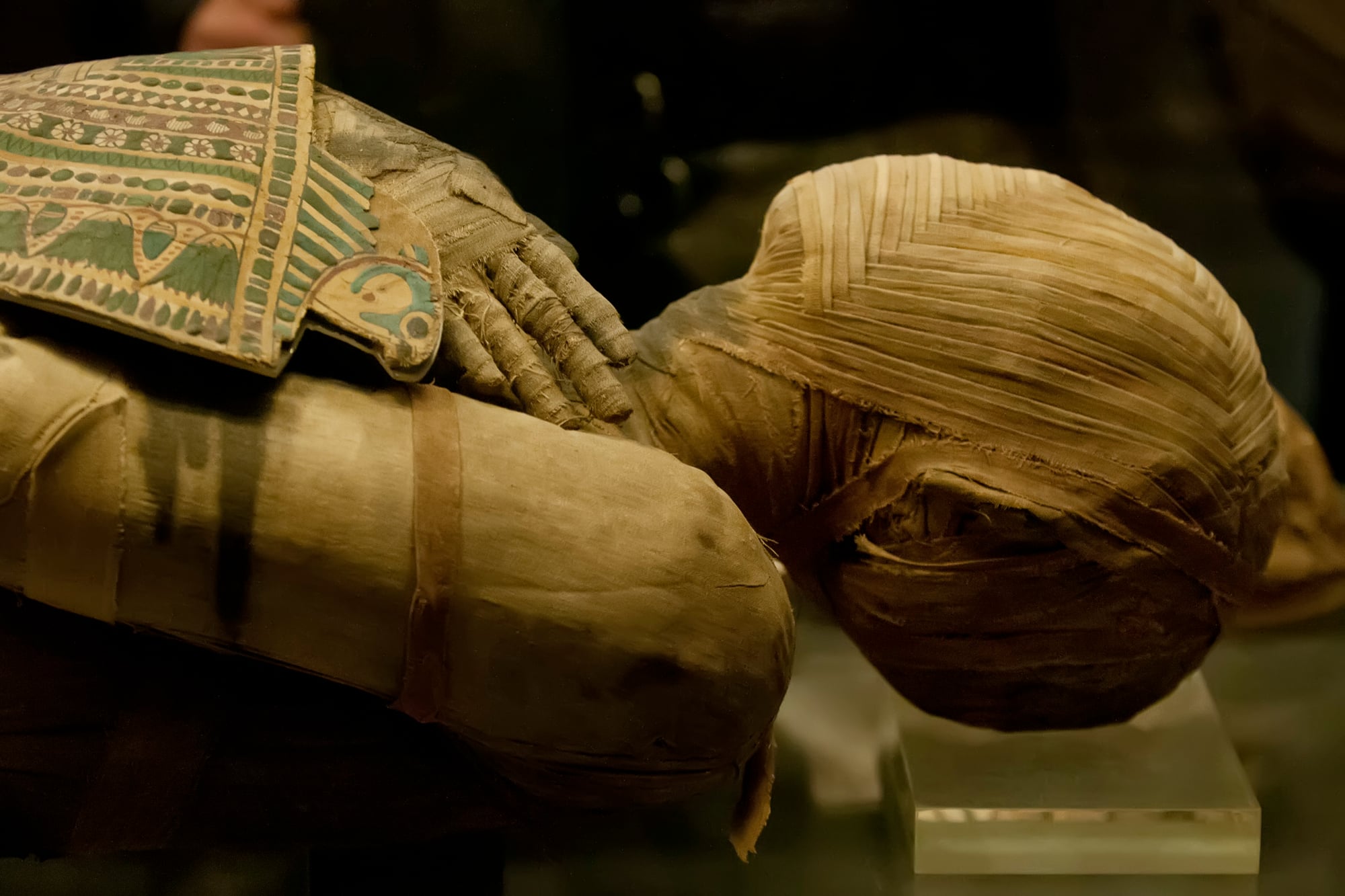
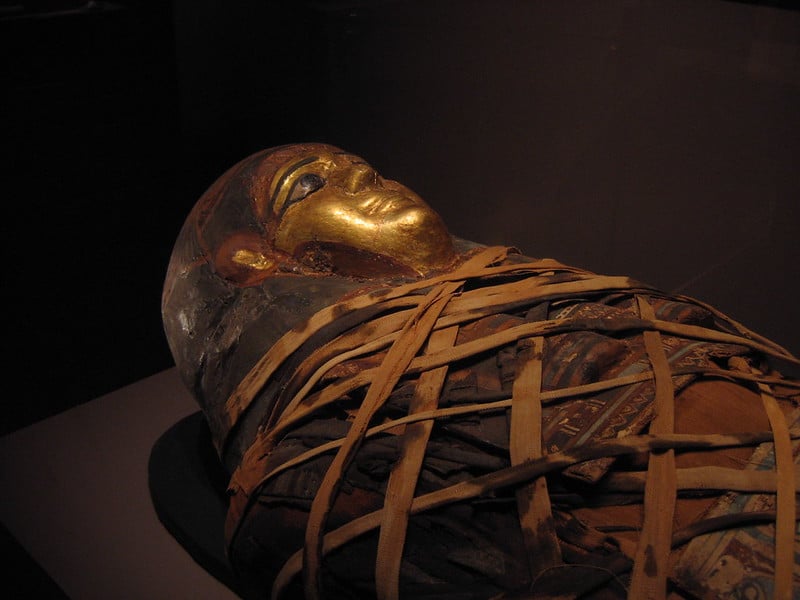
The final step involved placing an ornate mask over the wrapped head, but not before conducting elaborate blessing ceremonies over the mask itself. For pharaohs, these masks were made of solid gold and precious stones.
For everyone else, painted cartonnage had to suffice. The mask wasn’t just decorative — it was the face the person would wear for eternity, so getting it right mattered more than any portrait ever painted of them while alive.
The Eternal Preservation Paradox
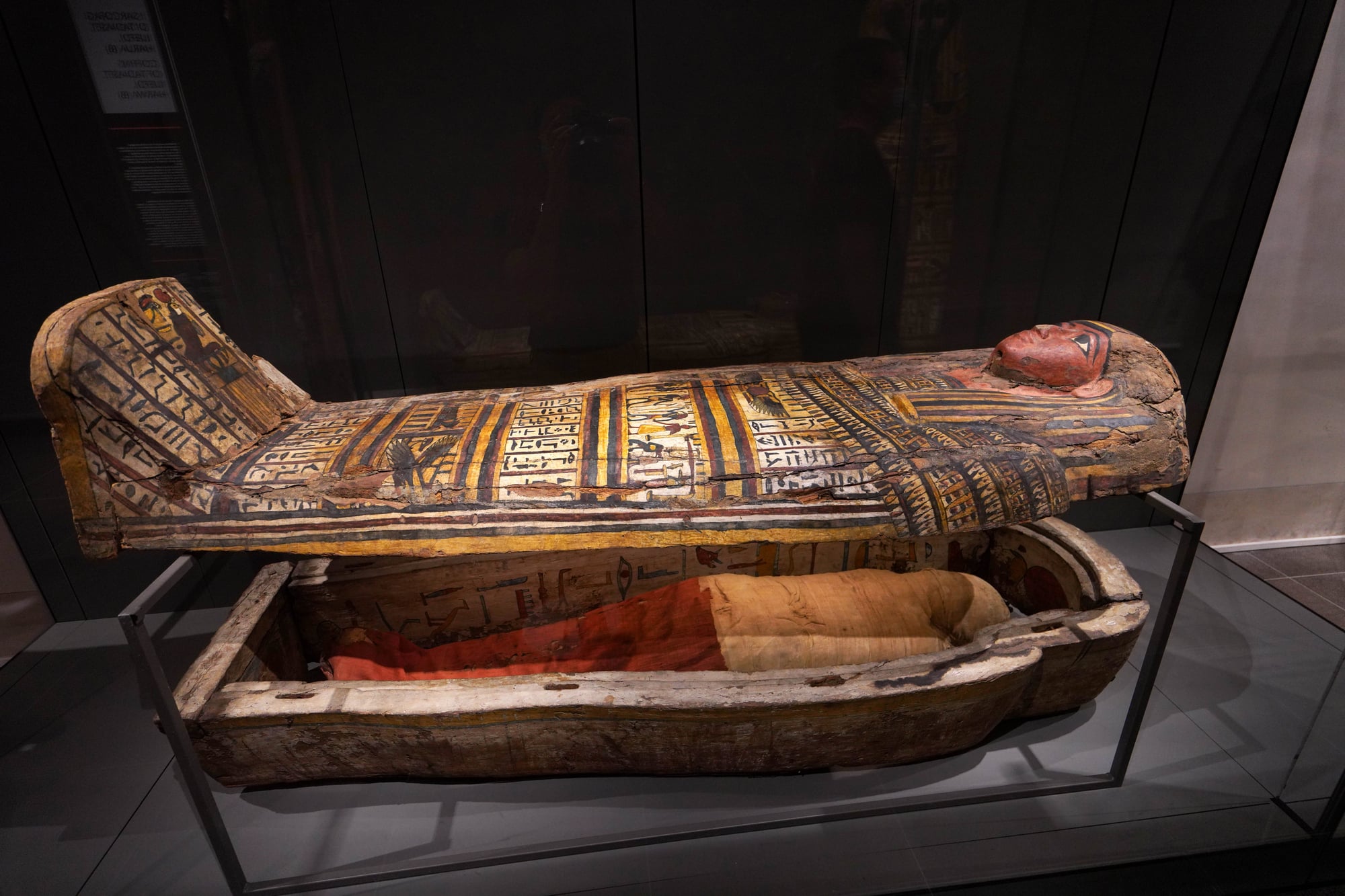
What strikes you most about these mummy rituals isn’t their strangeness, but their absolute certainty that death was just a career change requiring extensive preparation. The Egyptians approached eternal life with the same meticulous planning most people bring to a two-week vacation, except their destination was forever and the packing list included organs in jars and enough jewelry to stock a small store.
Perhaps the most human thing about these bizarre practices is how they reveal our oldest fear dressed up as our greatest hope — that somehow, with enough care and ceremony, we might make permanent what was always meant to be temporary.
More from Go2Tutors!

- The Romanov Crown Jewels and Their Tragic Fate
- 13 Historical Mysteries That Science Still Can’t Solve
- Famous Hoaxes That Fooled the World for Years
- 15 Child Stars with Tragic Adult Lives
- 16 Famous Jewelry Pieces in History
Like Go2Tutors’s content? Follow us on MSN.



