Artifacts That Perfectly Confirm What We Already Knew
The most satisfying archaeological discoveries aren’t the ones that rewrite history books. They’re the ones that prove your grandmother was right all along. After decades of scholarly debate and academic hand-wringing, someone digs up a clay tablet or unearths a settlement that essentially says: “Yes, people really did live exactly the way you thought they did.” These finds don’t challenge assumptions—they validate them with the authority of physical evidence. There’s something deeply human about needing that confirmation, even when common sense already pointed in the same direction.
Roman Engineering Excellence

Romans built things to last. Every tourist wandering through the Colosseum or driving across a bridge that’s been carrying traffic for two millennia already knew this. When archaeologists excavate Roman construction sites and find evidence of sophisticated concrete mixing, precise measurements, and quality control that would impress modern contractors, the reaction isn’t surprise—it’s vindication.
The concrete evidence (literally) just confirms what anyone who’s seen the Pantheon could tell you: these people knew what they were doing.
Medieval Hygiene Standards
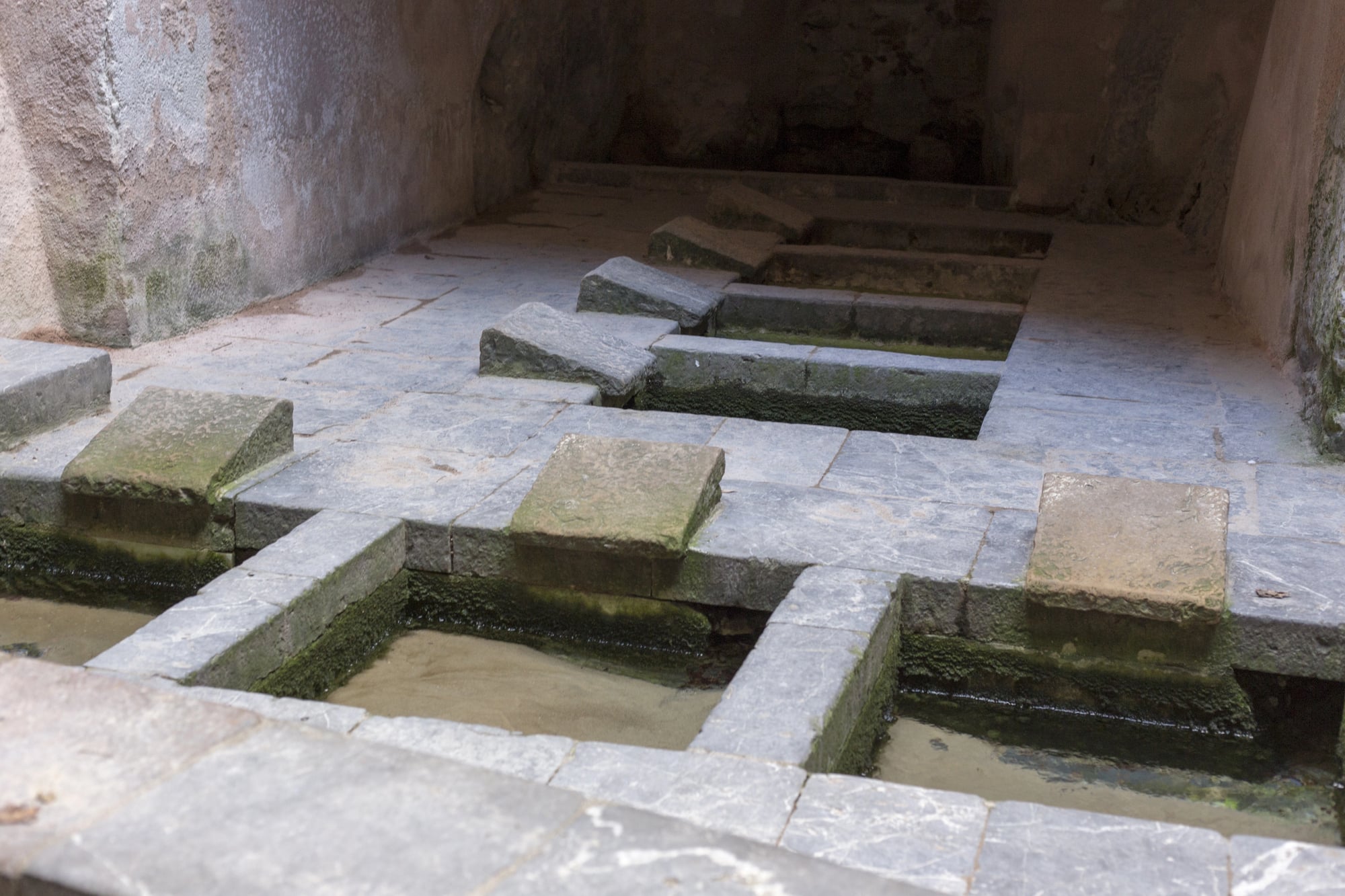
The idea that medieval people were filthy, toothless savages who never bathed turns out to be Victorian propaganda, and archaeological evidence keeps proving it. Bath houses, soap residue, dental care implements, and sophisticated waste management systems emerge from medieval sites with predictable regularity (because of course they cared about not living in squalor, just like every other civilization that wanted to survive). And yet each discovery gets treated like breaking news, as if the notion that people in the 1300s preferred being clean was some kind of revolutionary concept.
But here’s what’s interesting: the gap between what we suspected and what we needed to prove reveals more about us than about them. Medieval people left behind cathedrals that required mathematical precision most of us can’t comprehend, illuminated manuscripts that demonstrate artistic skill we still admire, and agricultural innovations that fed growing populations—so why did anyone assume they couldn’t figure out basic hygiene? Sometimes the artifacts aren’t just confirming what we knew about the past; they’re correcting what we convinced ourselves to believe.
Viking Maritime Capabilities

Vikings crossed oceans and established trade networks spanning continents. This fact appears in their own sagas, shows up in historical records from multiple cultures, and gets confirmed every time someone finds a Viking artifact in what should be an impossible location. The Greenland settlements, the North American expeditions, the trade goods from Asia found in Scandinavian sites—none of this should surprise anyone who’s looked at a Viking longship and thought about what it was designed to do.
Each new discovery feels like archaeology catching up to what the evidence already suggested, rather than revealing hidden truths.
Ancient Astronomical Knowledge

There’s something almost insulting about the persistent surprise that ancient civilizations understood astronomy. People who built Stonehenge, the Pyramids of Giza, and Machu Picchu with astronomical alignments that still work thousands of years later obviously knew where the stars were going to be on any given night. When archaeologists uncover star charts, celestial calculators, or observatory structures, the findings confirm what should be obvious: humans have been watching the sky and recognizing patterns for as long as humans have existed.
The night sky doesn’t change that much over centuries. If you’re planning agricultural cycles, religious ceremonies, or navigation routes, you learn to read it. Ancient people had the same sky, the same cognitive abilities, and more reason to pay attention than most modern humans do.
Trade Network Complexity

Silk roads and spice routes weren’t just poetic names—they were economic realities that connected distant civilizations long before anyone invented the term “globalization.” When archaeologists find Chinese silk in Roman tombs, African gold in Viking hoards, or New World crops in Old World settlements, the discoveries map onto trade routes that historians had already reconstructed from written sources and logical necessity.
Humans have always been traders. Resources exist in some places and not others, creating natural incentives for exchange. The archaeological evidence just fills in the details of networks that economic logic predicted had to exist.
Sophisticated Food Preparation

Cooking is one of the defining characteristics of human civilization, so finding evidence of complex food preparation techniques shouldn’t shock anyone. Fermentation vessels, grinding stones, elaborate hearths, and food storage systems appear at archaeological sites because people have always cared about making food taste better and last longer. The techniques vary by region and available ingredients, but the underlying principles remain constant across cultures and centuries.
What’s revealing is how often these discoveries get framed as surprising, as if the assumption was that people in the past just ate raw vegetables and unprocessed grains until someone invented seasoning.
Advanced Metallurgy Skills

When you find swords that are still sharp after a thousand years, jewelry with intricate designs that require precision tools, or architectural elements that demonstrate sophisticated alloy knowledge, you’re not uncovering hidden secrets—you’re confirming what the finished products already demonstrated. The Damascus steel that medieval warriors prized, the bronze work that ancient civilizations produced, the gold smithing that created artifacts beautiful enough to steal repeatedly across centuries: all of it required advanced metallurgy.
The artifacts just show how they did what we already knew they could do.
Complex Social Hierarchies
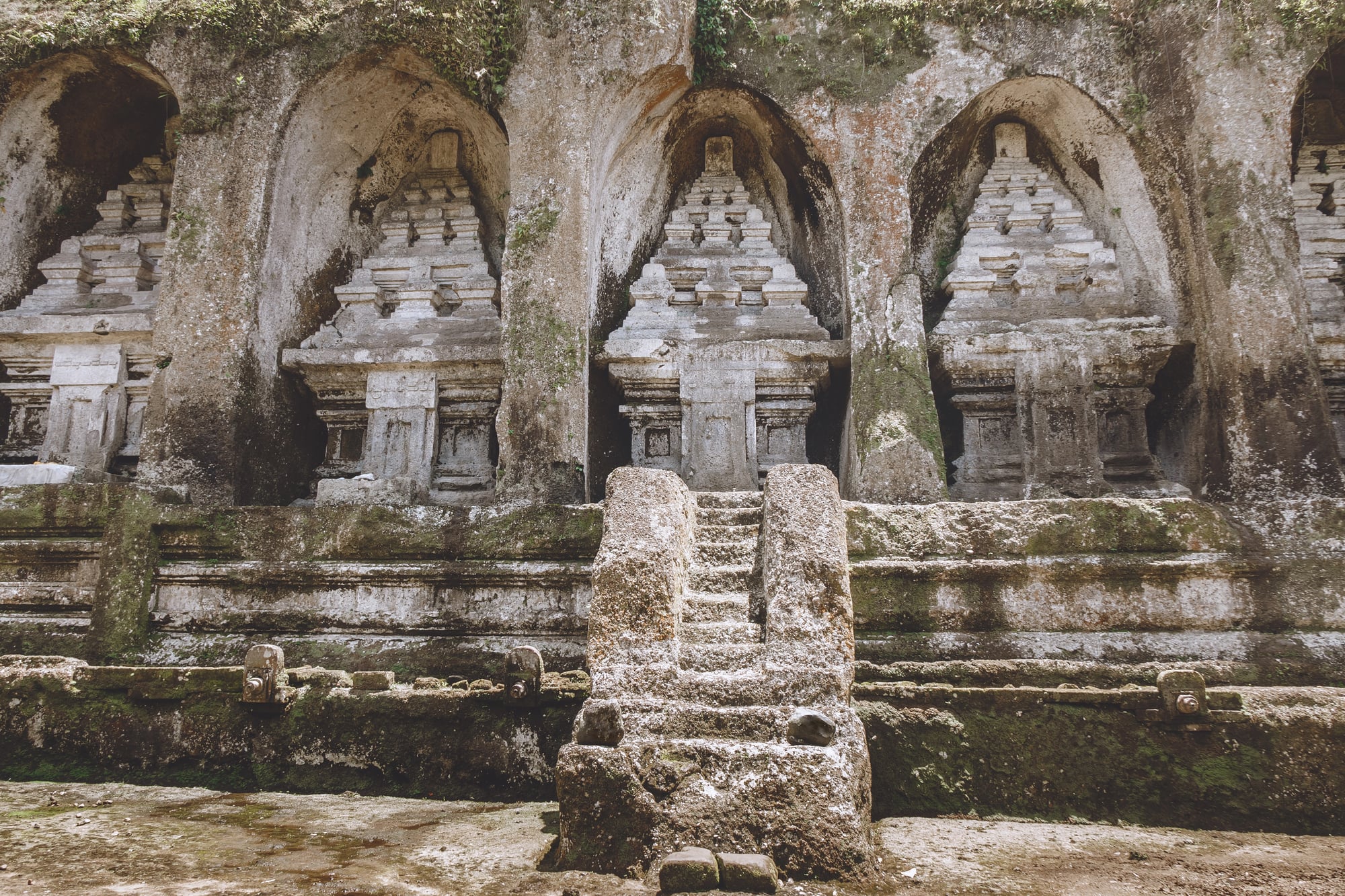
Palaces, tombs, and settlements consistently reveal social stratification that matches what historical sources describe. Elite burials with expensive grave goods, residential areas with clear wealth disparities, and administrative buildings that indicate organized governance structures confirm social hierarchies rather than revealing them. Human societies have been organizing themselves into complex systems for millennia, and archaeological evidence rarely contradicts this pattern.
The surprise would be finding a civilization that didn’t develop social complexity as it grew larger and more prosperous.
Agricultural Innovation

Terraced fields, irrigation systems, crop rotation evidence, and seed storage facilities appear wherever people transitioned from hunting and gathering to farming. These discoveries confirm that ancient farmers faced the same challenges modern farmers face: how to grow more food on the available land, how to manage water resources, and how to maintain soil fertility over multiple growing seasons.
Innovation was a necessity, not an option, and archaeological evidence consistently shows that people rose to meet that necessity with solutions that often remained unchanged for centuries because they worked.
Medical Knowledge
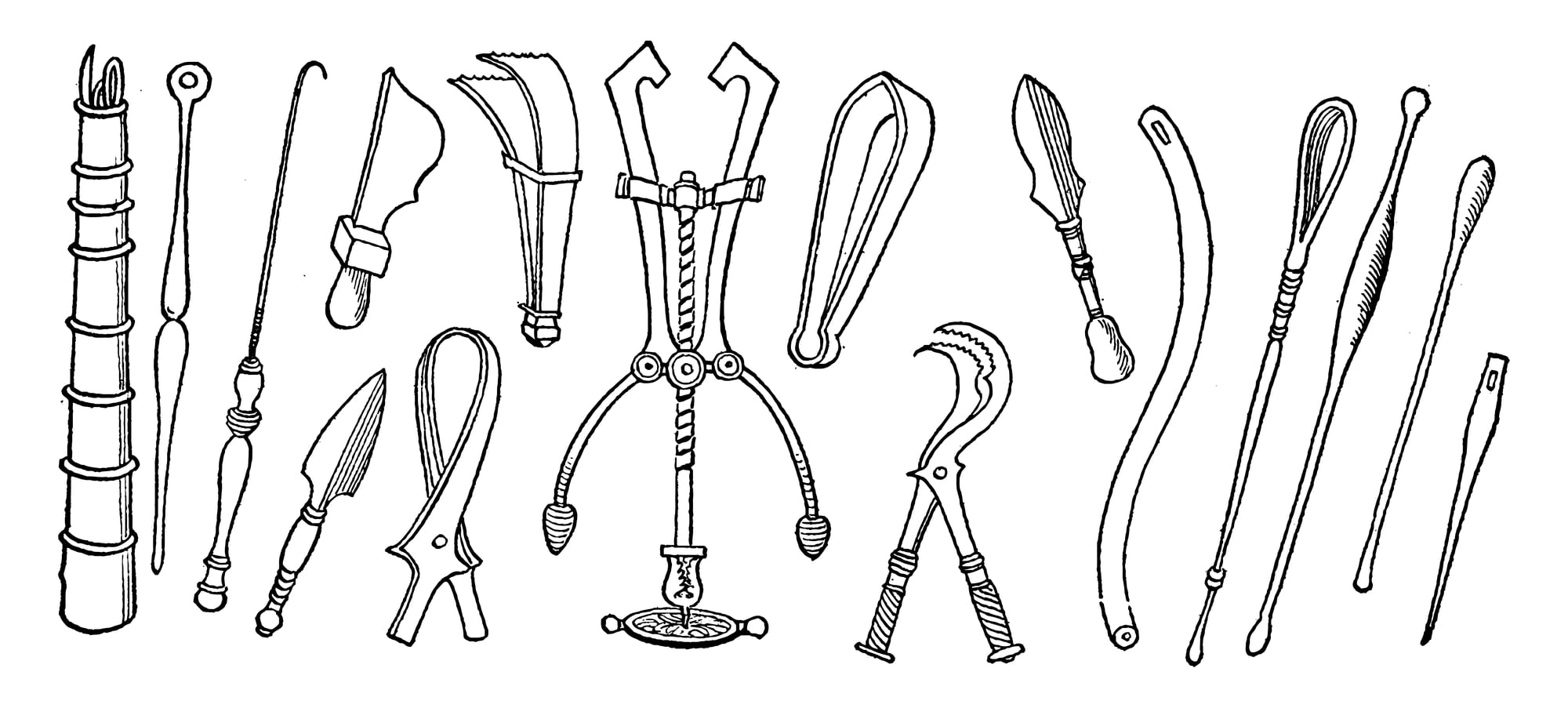
Surgical instruments, pharmaceutical residues, and skeletal evidence of successful medical procedures appear regularly in archaeological contexts. Ancient people got sick and injured just like modern people do, and they developed treatments for common problems just like any rational population would. The discoveries confirm medical knowledge rather than revealing it, since the alternative—that people just suffered and died from treatable conditions without trying to help each other—never made logical sense.
What’s interesting is how often the archaeological evidence shows techniques that modern medicine eventually rediscovered rather than techniques that modern medicine surpassed.
Artistic Sophistication
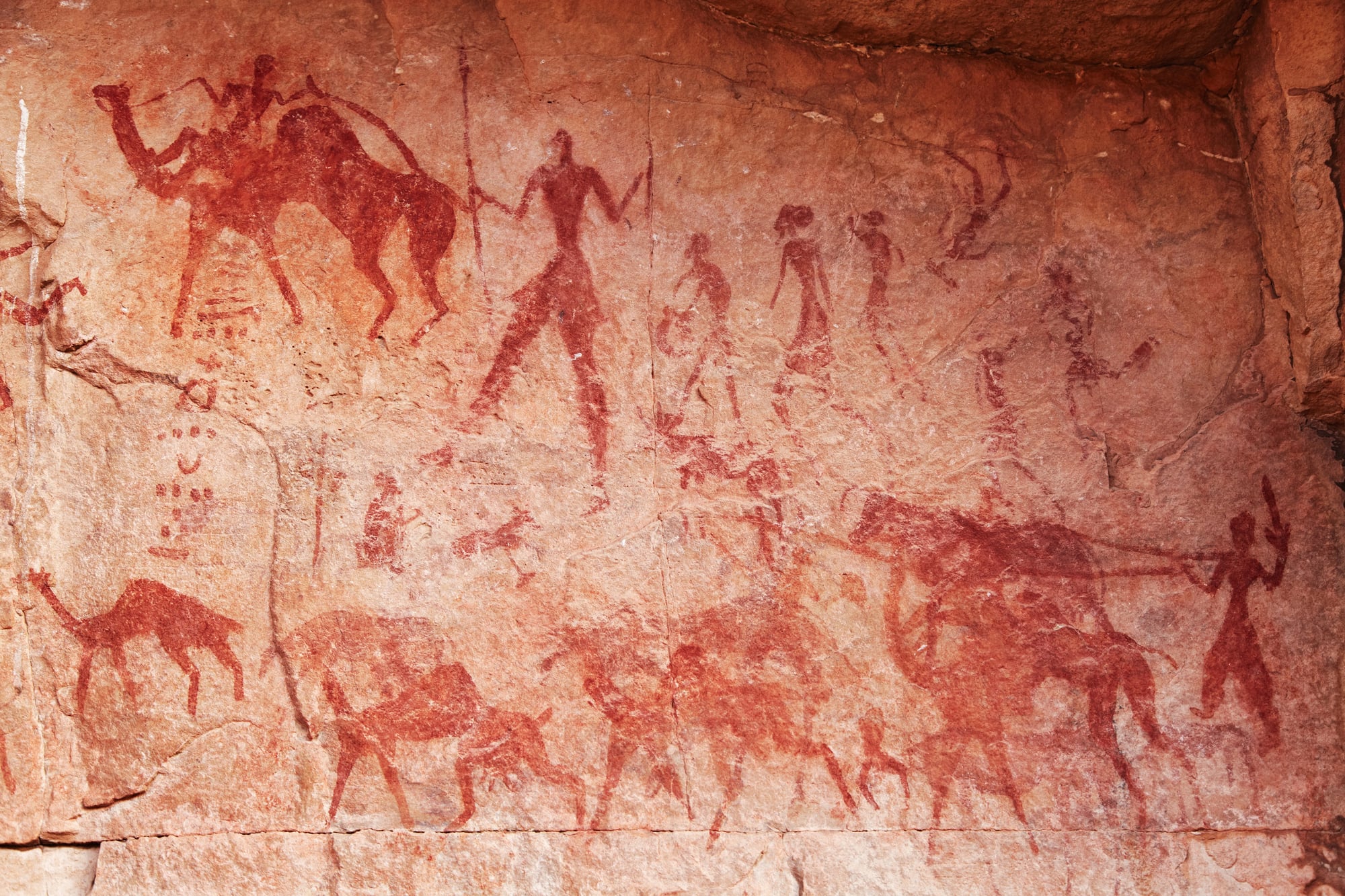
Cave paintings, sculptures, textiles, and decorative objects demonstrate that humans have always created art, and that artistic skill has remained remarkably consistent across cultures and time periods. When archaeologists uncover examples of sophisticated artistic techniques, they’re documenting human creativity rather than discovering it. The urge to create beautiful objects appears to be as fundamental to human nature as the urge to create useful ones.
The archaeological record consistently shows that people made things beautiful even when they didn’t have to, which confirms what anyone who’s ever visited a museum already knew: humans have always been artists.
Religious and Ceremonial Practices

Temples, ritual objects, and ceremonial spaces appear in virtually every archaeological context because humans have always organized themselves around shared beliefs and communal practices. These discoveries confirm religious behavior rather than revealing it, since the alternative—that people lived without any sense of meaning or community ritual—contradicts everything we understand about human social psychology.
What the archaeological evidence does is provide specific details about how different cultures expressed universal human needs for meaning, community, and connection to something larger than individual survival.
Environmental Adaptation

Human settlements consistently show evidence of adaptation to local environmental conditions: different building materials, food storage techniques, and resource management strategies depending on climate, geography, and available materials. These discoveries confirm human adaptability rather than revealing it, since the evidence for human presence in diverse environments already demonstrated that people could figure out how to survive anywhere they decided to live.
The archaeological record just shows the specific solutions people developed for universal challenges like staying warm, staying fed, and staying safe in whatever environment they found themselves occupying.
What the Evidence Really Tells Us

The most profound thing about artifacts that confirm what we already knew isn’t what they reveal about the past—it’s what they reveal about knowledge itself. Sometimes the most important discoveries aren’t the ones that surprise us, but the ones that prove our instincts were sound all along. There’s wisdom embedded in assumptions that turn out to be correct, and validation in evidence that supports common sense over academic skepticism.
These artifacts remind us that humans have always been humans: clever, adaptable, and remarkably consistent in their solutions to universal problems. The details change, but the underlying patterns remain stable across cultures and centuries. Maybe the real discovery isn’t what people were capable of in the past, but what we’re still capable of recognizing as fundamentally, recognizably human.
More from Go2Tutors!

- The Romanov Crown Jewels and Their Tragic Fate
- 13 Historical Mysteries That Science Still Can’t Solve
- Famous Hoaxes That Fooled the World for Years
- 15 Child Stars with Tragic Adult Lives
- 16 Famous Jewelry Pieces in History
Like Go2Tutors’s content? Follow us on MSN.



