Forgotten Sports That Deserve a Comeback
Sports come and go; they gain popularity and then lose it. Others disappear for less legitimate reasons, such as shifting cultural preferences, safety concerns that could be resolved with contemporary equipment, or just being eclipsed by more ostentatious alternatives.
Some disappear because they were truly awful ideas. These lost games weren’t merely idle hobbies; they were real sports contests that attracted spectators, fostered communities, and displayed amazing talent.
What seemed out of date yesterday might be ideal for today’s audience because the sports world is always changing. Many of these lost sports could be revived with the help of contemporary safety equipment, improved planning, and streaming services that are always looking for new content.
These 12 lost sports are worthy of a resurgence.
Tug of War

This ancient strength competition was actually an Olympic sport from 1900 to 1920, which sounds almost unbelievable today. Two teams of eight athletes would grip a thick rope and attempt to pull their opponents six feet across a center line, requiring raw power, strategy, and perfectly synchronized teamwork.
Great Britain and the United States claimed the most victories during its Olympic run. The sport was dropped after the 1920 Antwerp Games when the International Olympic Committee removed several team events.
The Tug of War International Federation still exists and holds world championships, proving the sport never truly disappeared. Modern CrossFit competitions have proven there’s still massive interest in team-based strength challenges, making tug of war ripe for revival.
Real Tennis
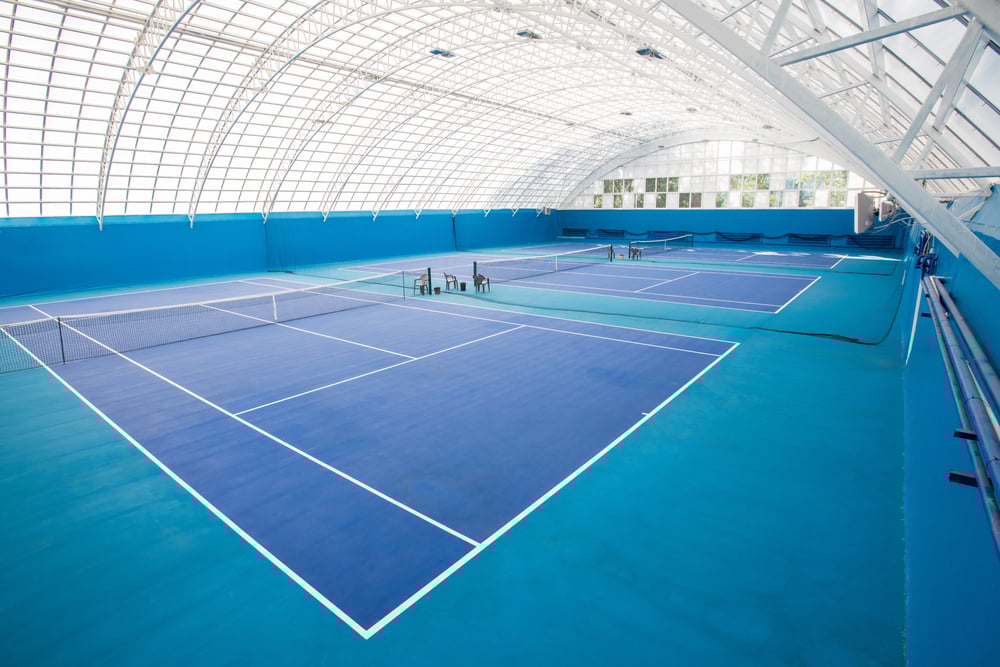
Before lawn tennis took over the world, real tennis dominated among European nobility. This indoor game, also known as jeu de paume in France, originated as a handball sport before rackets were introduced.
Players competed in asymmetric indoor courts with slanted roofs, galleries, and complex scoring that made modern tennis look simple by comparison. King Louis XIV was an avid player, and the sport was prestigious enough to appear in the 1908 Olympics.
Only about 45 courts still exist worldwide in the United Kingdom, Australia, the United States, and France, with a small but dedicated community keeping the tradition alive through annual world championships that have run since 1749—making it the oldest active trophy in international sport.
Like Go2Tutors’s content? Follow us on MSN.
Lacrosse
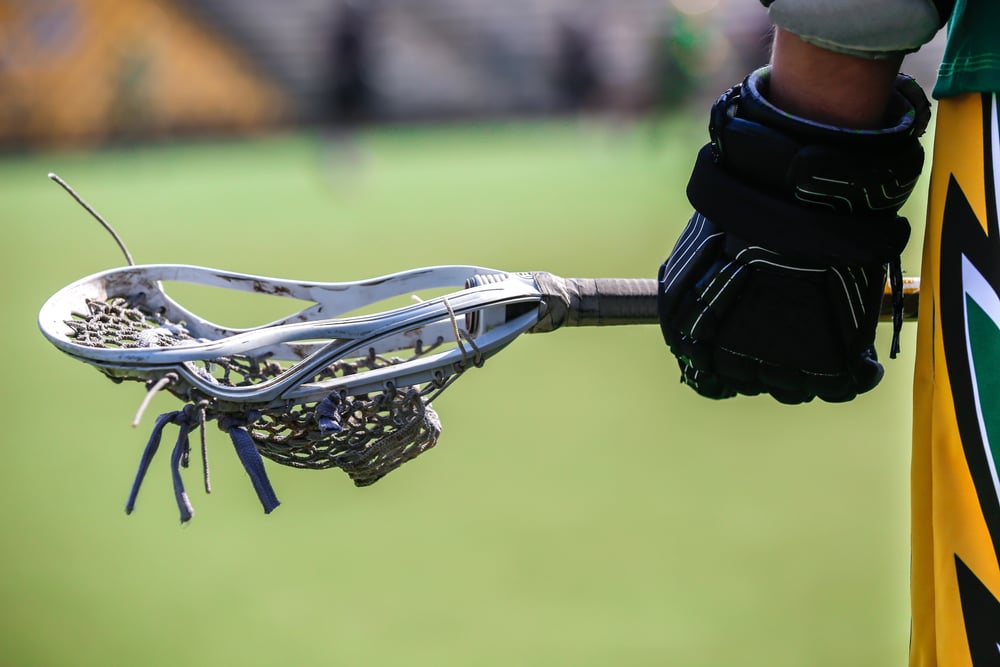
Lacrosse was an official Olympic sport in 1904 and 1908, then appeared as a demonstration sport in 1928, 1932, and 1948 before disappearing from the program entirely. The sport has deep roots in indigenous cultures and combines speed, skill, and physicality in ways that translate beautifully to spectator entertainment.
Canada dominated the early Olympic competitions, and the rivalry between the US and Canada alone would justify bringing it back. Good news for fans—the International Olympic Committee has officially reinstated lacrosse for the 2028 Los Angeles Olympics.
With lacrosse thriving at the collegiate level and professional leagues gaining traction, its return feels long overdue. The sport has everything modern audiences want—fast action, dramatic goals, and enough physicality to keep things interesting.
Basque Pelota

This collection of court sports from the Basque region uses various equipment including bare hands, rackets, wooden bats, or wicker baskets to fling a pelota against a wall at incredible speeds. The most exciting variant, jai alai, features players using curved wicker baskets to catch and hurl the pelota at velocities exceeding 180 miles per hour, making it one of the fastest sports in existence.
Pelota was an official Olympic event in 1900 and returned as a demonstration sport multiple times. The game requires lightning reflexes, precise timing, and nerves of steel since players are essentially standing in front of what amounts to a projectile weapon.
Spain, France, and several Latin American countries still play competitively, and the sheer spectacle of jai alai would kill on modern sports networks.
Calcio Storico

This brutal ancestor of modern football originated in 16th century Florence and makes modern rugby look tame. Teams of 27 players battled to move the object across the opposing goal line using any means necessary—punching, kicking, wrestling, and general mayhem were all fair game.
The sport was so violent it was banned in the 1570s, though it was revived in 1930 and continues today as Calcio Storico Fiorentino. Every June, four neighborhood teams compete in Florence’s historic matches that draw thousands of spectators.
Modern MMA has proven audiences have appetites for controlled combat sports, and calcio storico sits somewhere between team sports and organized fighting. With proper safety regulations and medical staff on hand, this tradition shows how ancient brutality can survive in the modern world.
Like Go2Tutors’s content? Follow us on MSN.
Mallakhamb

This Indian sport combines gymnastics, wrestling, and pole climbing into a display of raw strength and flexibility. Athletes perform acrobatic moves while hanging from or climbing a vertical wooden pole or rope, requiring immense upper body strength and body control.
The sport has roots dating back to 12th century India, with organized competitions emerging in the 20th century under the Akhil Bharatiya Mallakhamb Federation, including the first national championship in 1958. Western sports eventually overshadowed mallakhamb’s popularity in India, but it never disappeared completely.
Modern fitness culture’s obsession with functional strength training and calisthenics makes mallakhamb perfectly positioned for a comeback. It’s essentially CrossFit meets Cirque du Soleil, and the visual spectacle alone would make it social media gold.
Stoolball

Dating back to 14th century Sussex, this bat-and-wicket game is considered an ancestor of both cricket and baseball. Players would strike the object with a wooden paddle and run between stools that served as bases or wickets.
The game was notable for being played by both men and women, which was remarkably progressive for medieval times. It even appears in The Two Noble Kinsmen, a play co-authored by John Fletcher and William Shakespeare, giving it serious cultural credentials.
Stoolball England still governs about 20 clubs mainly in Sussex, keeping the tradition alive. With cricket and baseball both thriving globally, there’s clearly an audience for bat-and-wicket sports, and stoolball’s simpler rules might appeal to casual players.
Knattleikr

The Vikings played this ancient Nordic sport that historians believe resembled modern lacrosse or field hockey, though details about the exact rules have been lost to time. Teams competed with sticks and an object, combining speed, skill, and the kind of aggressive physicality you’d expect from Norse warriors.
The sport appears in Viking sagas and was considered important enough to be played during major gatherings and festivals. Given the current popularity of Viking culture in entertainment, reviving knattleikr could tap into that interest.
While no verified rule set survives, modern enthusiasts could reconstruct the sport based on saga descriptions and archaeological evidence, creating something that honors Viking tradition while being playable today.
Like Go2Tutors’s content? Follow us on MSN.
Club Swinging
This Olympic event appeared in 1904 and 1932, featuring athletes who whirled bowling-pin-shaped clubs in elaborate routines without releasing them from their hands. The sport evolved from Indian clubs, a popular 19th century exercise tool that spread throughout Europe and America.
Competitors were judged on the complexity and fluidity of their movements, requiring coordination, strength, and showmanship. While it might sound silly, modern fitness culture has embraced all sorts of equipment-based workouts, from kettlebells to battle ropes.
Club swinging could find new life as both a competitive sport and a workout trend, especially given the current interest in functional fitness movements.
Ski Ballet
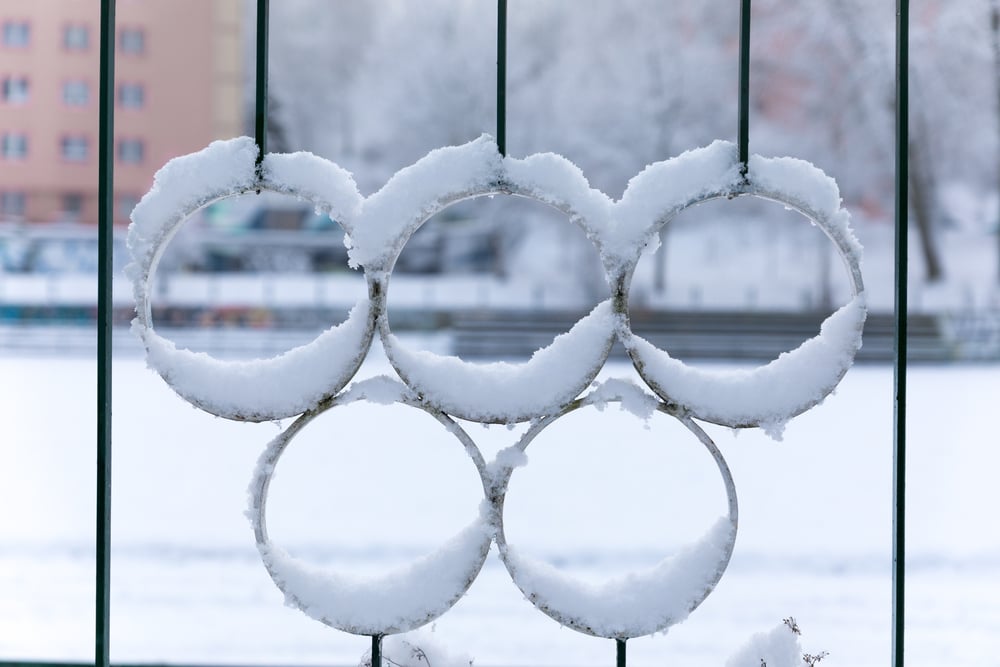
Also called acroski, this demonstration sport appeared at the 1988 Calgary and 1992 Albertville Winter Olympics before being dropped. Competitors performed choreographed routines on snowy slopes, incorporating spins, jumps, and flips while skiing to music.
The sport looked exactly as ridiculous and amazing as it sounds—imagine figure skating meets freestyle skiing. Ski ballet continued through the 2000 FIS Freestyle World Cup season before finally fading away.
Modern audiences have embraced similarly theatrical athletic performances in skateboarding and snowboarding competitions. The combination of technical skiing ability and artistic expression could work beautifully with contemporary judging systems and production values.
Solo Synchronized Swimming
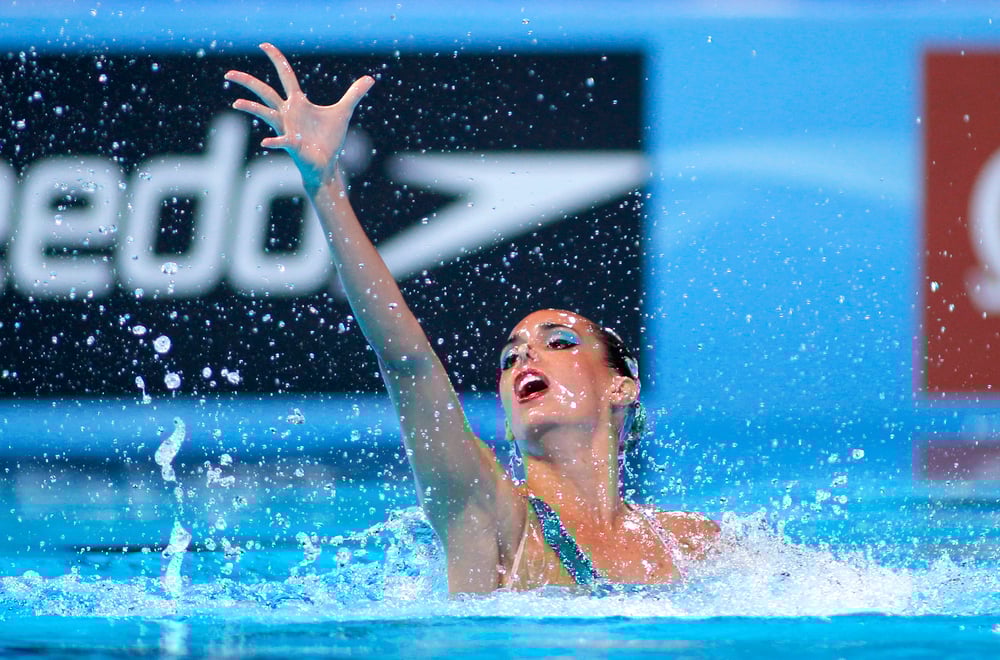
The paradox was right there in the name, which might explain why it didn’t last long. This Olympic event ran from 1984 to 1992, with swimmers performing choreographed routines synchronized to music rather than to other swimmers.
The technical skill required was identical to team synchronized swimming—precise movements, breath control, and artistic interpretation—just without teammates. The sport has actually made a comeback, now recognized as Artistic Swimming – Solo Division by World Aquatics, with events reintroduced at the World Championships in 2023.
The athletic demands were always legitimate, and solo artistic swimming showcases individual artistry in ways team events cannot.
Like Go2Tutors’s content? Follow us on MSN.
Auto Polo

In 1912, Ford dealer Ralph ‘Pappy’ Hankinson created this sport to promote Model T automobiles, and it quickly became popular in the United States and Europe throughout the 1920s. Teams would drive around fields trying to strike an object with mallets while navigating at speed, which was exactly as chaotic and dangerous as it sounds.
The sport eventually died out due to frequent injuries and the high cost of replacing destroyed vehicles. Modern demolition derbies prove audiences still love watching cars smash into each other, so auto polo could work with proper safety cages, controlled speeds, and vehicles designed for impact.
It would be like bumper cars meeting actual competition.
Why These Sports Matter Now
The only sports that survived were those that suited specific historical periods, not necessarily the best ones. From competitive video gaming to marble racing during lockdown, modern audiences have demonstrated that they will watch nearly anything if it is entertaining and well-made.
These underappreciated sports provide something that modern sports frequently lack: originality. People already understand how basketball and football operate, but just think of the interest that would be generated by a professional jai alai league or a calcio storico competition that was broadcast on television.
Additionally, bringing these sports back to life protects athletic traditions and cultural heritage that should be honored beyond the pages of history. There are communities all over the world that have never stopped playing, the equipment is available, and the regulations are written down.
A larger stage is all they require.
More from Go2Tutors!

- 16 Historical Figures Who Were Nothing Like You Think
- 12 Things Sold in the 80s That Are Now Illegal
- 15 VHS Tapes That Could Be Worth Thousands
- 17 Historical “What Ifs” That Would Have Changed Everything
- 18 TV Shows That Vanished Without a Finale
Like Go2Tutors’s content? Follow us on MSN.