16 Photos From History That Still Haunt Us
Photography captures fleeting moments, transforming them into permanent records of human experience. While some images document celebration or triumph, others preserve humanity’s most devastating chapters with brutal honesty. These photographs transcend their original purpose—they become symbols, witnesses, and mirrors reflecting our collective past.
Certain images possess an almost supernatural ability to disturb viewers decades after they were taken. The power lies not just in what they show, but in how they make us feel. Here is a list of 16 photographs from history that continue to haunt us.
The Falling Man

Richard Drew’s lens captured something unthinkable on September 11, 2001. A man plummets headfirst from the North Tower, his body forming a perfect vertical line against the building’s facade.
Newspapers worldwide ran the image the next day, though many quickly pulled it when readers recoiled from its stark reality. The photograph remains one of the most controversial images in modern journalism.
Tank Man

One person. Four tanks. Tiananmen Square, June 5, 1989. Jeff Widener and other photographers documented this extraordinary moment of defiance—a lone protester blocking an entire column of Type 59 tanks after the government’s violent crackdown on democracy advocates.
Nobody knows who this man was or what happened to him, yet his courage echoes through history.
Like Go2Tutors’s content? Follow us on MSN.
Napalm Girl

Nick Ut’s camera froze a moment of pure terror on June 8, 1972. Nine-year-old Phan Thi Kim Phuc runs unclothed down a Vietnamese road—her back seared by napalm, her mouth open in a silent scream.
The Pulitzer Prize-winning photograph didn’t just document war; it helped end one by shifting American public opinion against the Vietnam conflict.
The Hooded Man
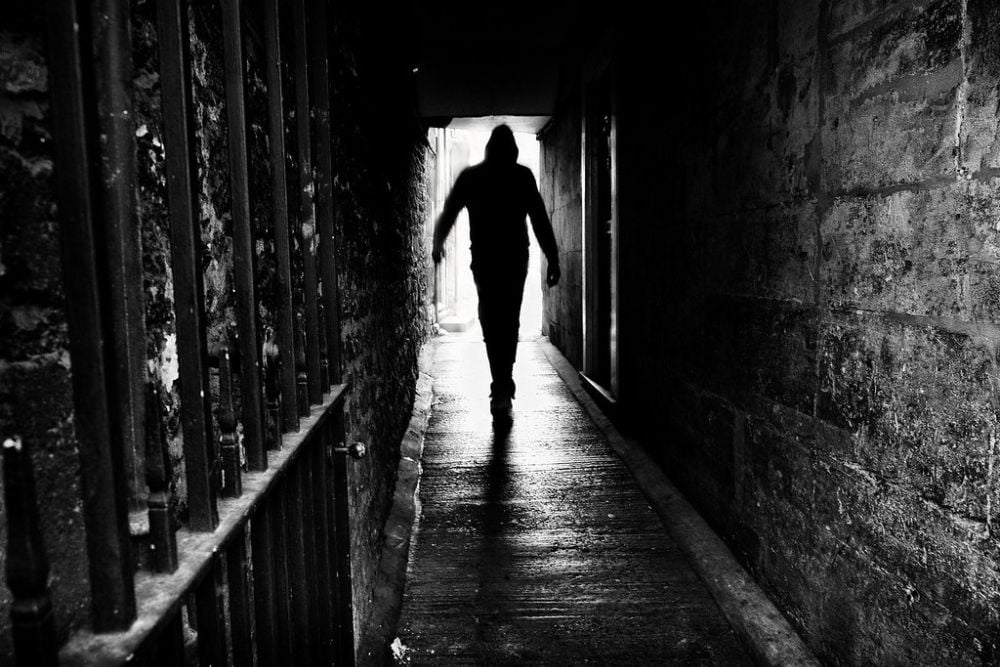
A prisoner stands on a box, hood covering his face, electrical wires attached to his fingers. This 2004 image from Abu Ghraib prison became the defining symbol of American military abuse in Iraq.
The man survived—later identified as Abdou Hussain Saad Faleh—but the photograph sparked international outrage that reverberates today.
Migrant Mother

Dorothea Lange found Florence Owens Thompson at a California pea pickers’ camp in 1936. Thompson’s weathered face tells the story of the Great Depression better than any economics textbook could.
Two children lean against their mother’s shoulders while worry etches deep lines around her eyes—a 32-year-old woman aged by hardship and uncertainty.
Like Go2Tutors’s content? Follow us on MSN.
The Vulture and the Little Girl

Kevin Carter’s 1993 photograph won him a Pulitzer Prize and endless torment. A Sudanese toddler collapses from starvation while a vulture waits nearby, patient and calculating.
Critics asked why Carter photographed the scene instead of helping the child. The question haunted him until he took his own life, unable to reconcile his role as documenter versus human being.
The Mushroom Cloud Over Hiroshima

The Enola Gay’s crew watched through their viewfinder as August 6, 1945, became the day everything changed. Their photograph shows the massive mushroom cloud rising over Hiroshima—the first atomic weapon used in warfare.
Eighty thousand people died instantly, though tens of thousands more would succumb to radiation sickness in the months that followed.
The Burning Monk

Malcolm Browne’s camera captured something that seemed impossible: Thích Quảng Đức sitting calmly in lotus position as flames consumed his body. The 66-year-old monk’s self-immolation in Saigon on June 11, 1963, protested South Vietnam’s oppression of Buddhists.
President Kennedy later said this single photograph influenced American Vietnam policy more than any other event.
Like Go2Tutors’s content? Follow us on MSN.
The Warsaw Ghetto Boy

Small hands raised in surrender. Fear frozen in young eyes. This 1943 photograph from the Warsaw Ghetto liquidation shows a boy—his identity lost to history—facing armed soldiers during the Holocaust.
Found in SS officer Jürgen Stroop’s personal album, the image became one of the most recognizable symbols of Nazi persecution.
The Execution of Nguyễn Văn Lém

Eddie Adams didn’t expect to witness an execution when he raised his camera on that Saigon street. His 1969 Pulitzer Prize-winning photograph captures the exact moment South Vietnamese Police Chief Nguyễn Ngọc Loan fires his pistol into Viet Cong prisoner Nguyễn Văn Lém’s head.
Adams later regretted taking the shot, saying it destroyed Loan’s life without telling the full story.
The Hindenburg Disaster

The German airship Hindenburg approached its New Jersey docking station on May 6, 1937, when disaster struck. Photographers captured the massive vessel erupting in flames, passengers and crew fleeing the inferno below.
Thirty-six people died that day, effectively ending the era of passenger airships and proving that even the most advanced technology couldn’t guarantee safety.
Like Go2Tutors’s content? Follow us on MSN.
Bloody Sunday

Edmund Pettus Bridge, Selma, Alabama. March 7, 1965. Civil rights marchers walked peacefully toward Montgomery until police attacked them with clubs and tear gas.
The photographs from that day brought the violence of the civil rights struggle directly into American homes through television and newspapers, helping build support for the Voting Rights Act that followed.
The Challenger Explosion
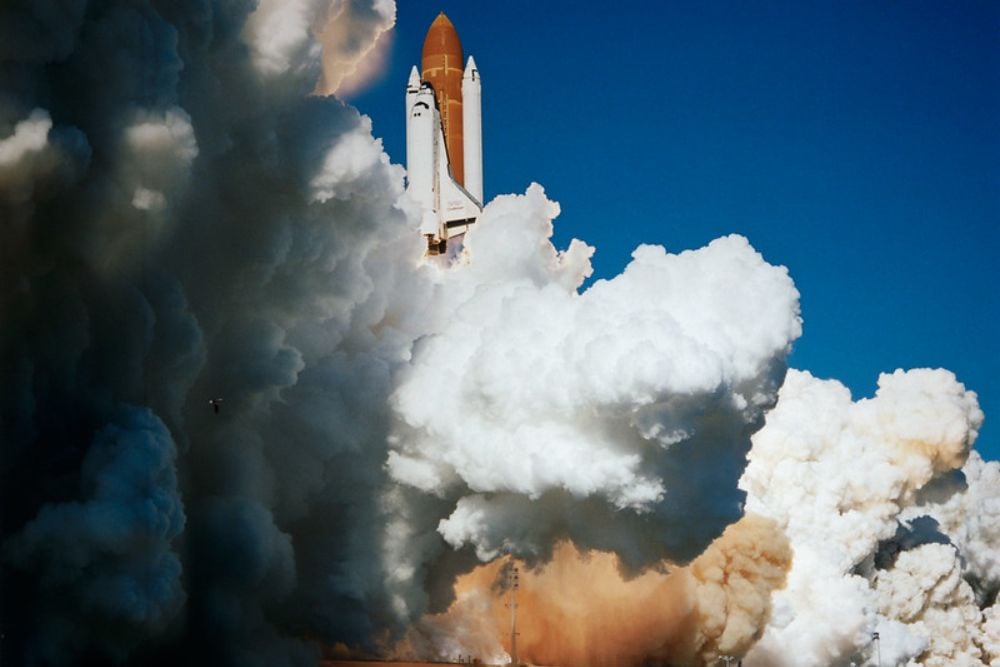
America watched live as the Space Shuttle Challenger tore apart 73 seconds after launch on January 28, 1986. The photograph shows the shuttle’s distinctive Y-shaped vapor trail against blue sky, marking the moment when seven crew members—including teacher Christa McAuliffe—perished.
Schoolchildren across the country witnessed their space program dreams shatter in real time.
The Dust Bowl
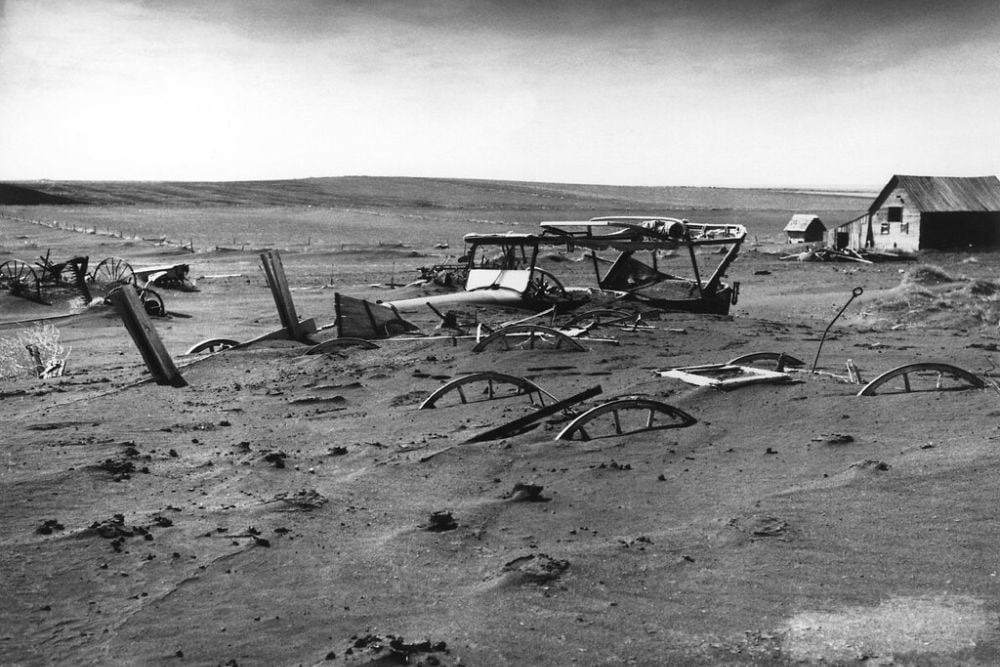
Arthur Rothstein’s 1936 photograph captures three figures bent against nature’s fury in Oklahoma. A farmer and his sons walk through a dust storm so thick it nearly obscures them completely.
The image documented the environmental catastrophe that displaced hundreds of thousands of families during the 1930s, showing how human actions could literally reshape the landscape.
Like Go2Tutors’s content? Follow us on MSN.
The Kent State Shootings
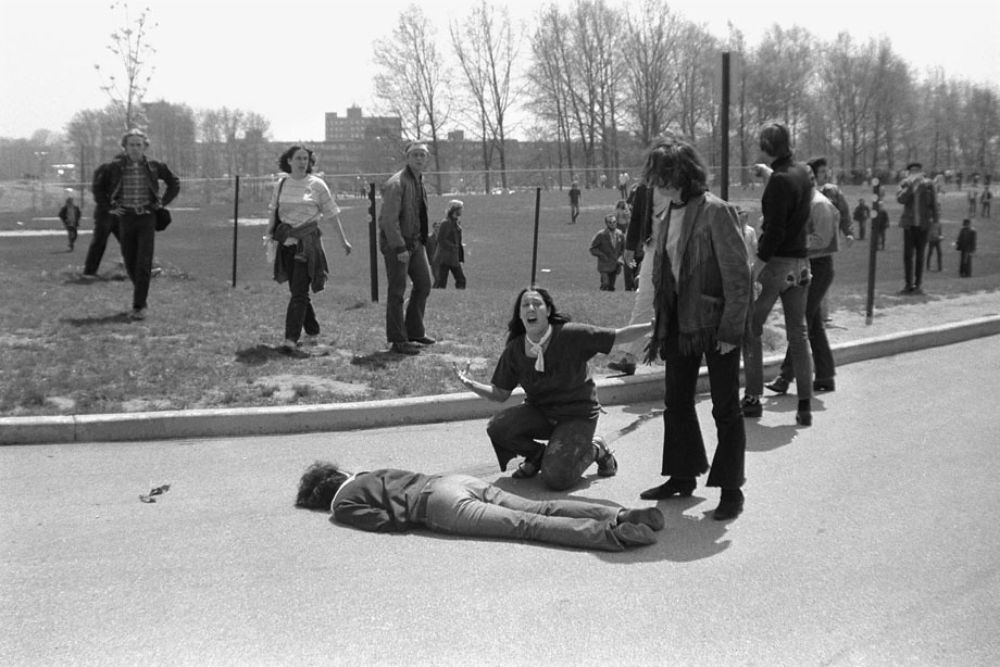
Mary Ann Vecchio was only 14 when John Filo’s camera captured her kneeling over Jeffrey Miller’s body at Kent State University on May 4, 1970. Her anguished expression as she cradles the slain student became the defining image of anti-war protests.
Four students died when National Guard troops opened fire, sparking demonstrations across the country and intensifying opposition to Vietnam.
The Falling Bodies from 9/11

Beyond the famous ‘Falling Man,’ numerous other photographs documented people jumping from the World Trade Center towers on September 11, 2001. Most of these images were never published—editors recognized they were too disturbing, too personal, too final.
They captured the impossible choices faced by those trapped in the burning buildings, serving as stark reminders of the human cost of terrorism.
When Pictures Become Memory

These photographs do more than document history—they shape how we remember it. Each image carries emotional weight that transcends its original context, becoming a bridge between past and present that helps us understand what happened and why it matters.
They force uncomfortable confrontations with human nature, societal failures, and the consequences of our collective choices. In our image-saturated world, these photographs stand apart because they captured moments that changed everything, preserving them for future generations to witness, learn from, and never forget.
Like Go2Tutors’s content? Follow us on MSN.
More from Go2Tutors!

- 16 Historical Figures Who Were Nothing Like You Think
- 12 Things Sold in the 80s That Are Now Illegal
- 15 VHS Tapes That Could Be Worth Thousands
- 17 Historical “What Ifs” That Would Have Changed Everything
- 18 TV Shows That Vanished Without a Finale
Like Go2Tutors’s content? Follow us on MSN.



