16 Places Where the First Human Settlements Began
The story of human civilization doesn’t begin with grand cities or towering monuments. It starts with small groups of people deciding to stay put — choosing to build something permanent instead of following the herds or chasing the seasons.
These first settlements, scattered across continents and separated by thousands of years, share something remarkable: they represent the moment when humanity shifted from surviving to thriving. Some sprouted along riverbanks where the soil ran rich and dark.
Others took root in valleys sheltered from wind and enemies. Each location tells us something different about what our ancestors valued most when they finally decided to call a place home.
Jericho
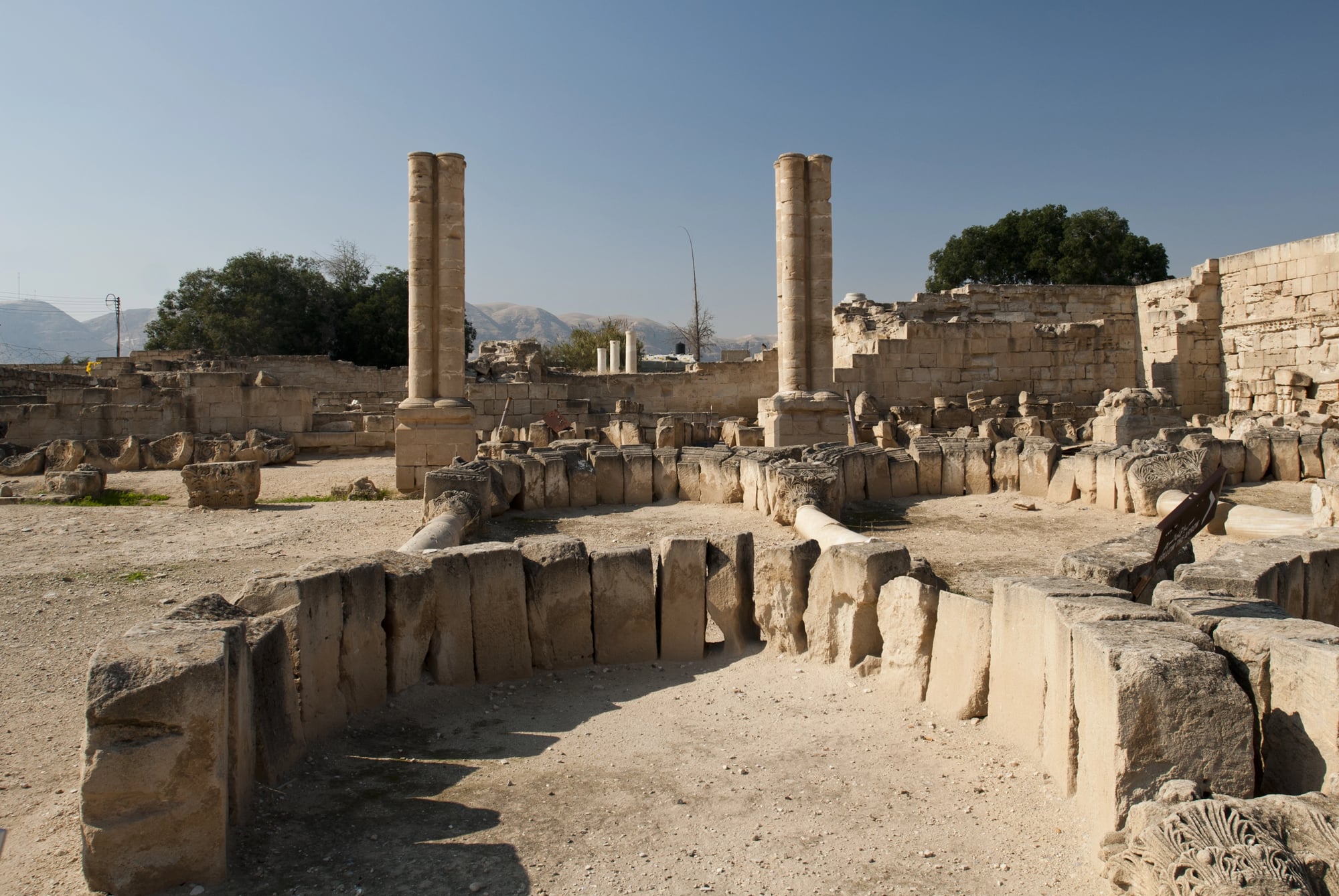
Jericho doesn’t mess around. Ten thousand years ago, people first settled here, and within a few millennia they built walls — not to keep animals out, but to keep other people out.
The first city had enemies before it had proper roads.
The spring that bubbles up from the ground never stops flowing. In a landscape where water means everything, that spring made Jericho inevitable.
Çatalhöyük
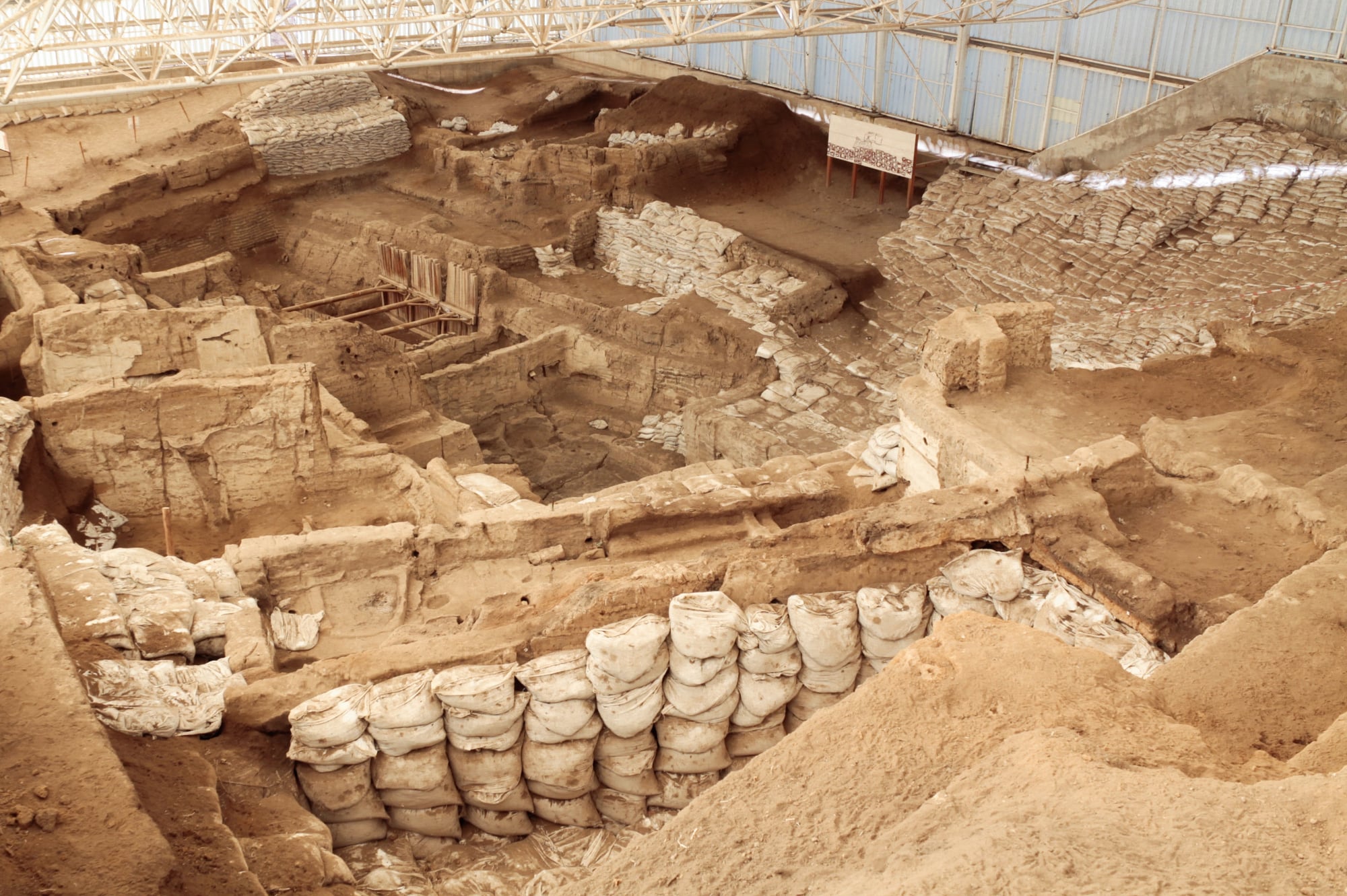
Houses pressed against each other like teeth, no streets between them (because streets hadn’t been invented yet, which makes perfect sense when you think about it). People climbed through pits in their roofs to get home, and when someone died, they buried them under the kitchen floor — because apparently leaving the family behind wasn’t part of the plan, even in death.
The whole arrangement sounds claustrophobic until you realize that about nine and a half thousand years ago, your neighbors weren’t just people you tolerated; they were the difference between making it through winter and becoming fertilizer for next year’s crops.
But here’s what’s fascinating (and slightly unsettling): they plastered over the skulls of their dead and painted faces on them, keeping them around the house like the world’s most macabre family portraits. And yet this wasn’t considered weird — it was Tuesday.
So the next time someone complains about their neighborhood being too close-knit, remind them that at least their neighbors don’t keep decorated skulls as interior design.
Göbekli Tepe
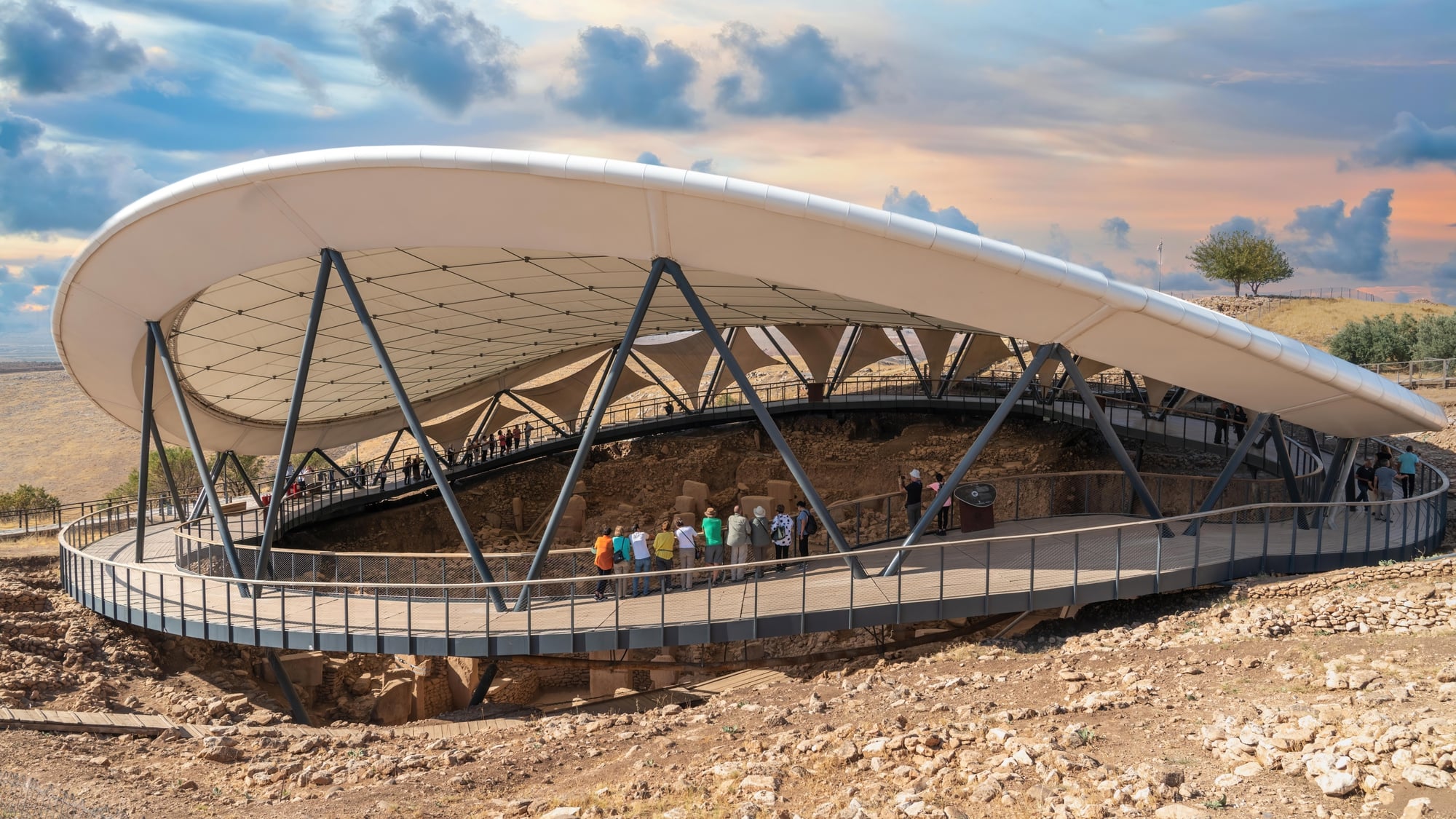
Picture this: hunter-gatherers who haven’t figured out farming yet somehow decide to haul twenty-ton stone pillars across rough terrain and arrange them in perfect circles. It’s like finding out your ancestors built Stonehenge during their weekend camping trips.
The massive T-shaped stones rise from the Turkish hillside like ancient exclamation points, each one carved with animals that seem to prowl and hunt even in death. Wild boars with tusks bared.
Serpents coiled around the stone arms. Lions frozen mid-leap.
The whole place pulses with an energy that predates temples, predates cities, predates everything we thought we knew about when humans first gathered to build something larger than survival.
Damascus
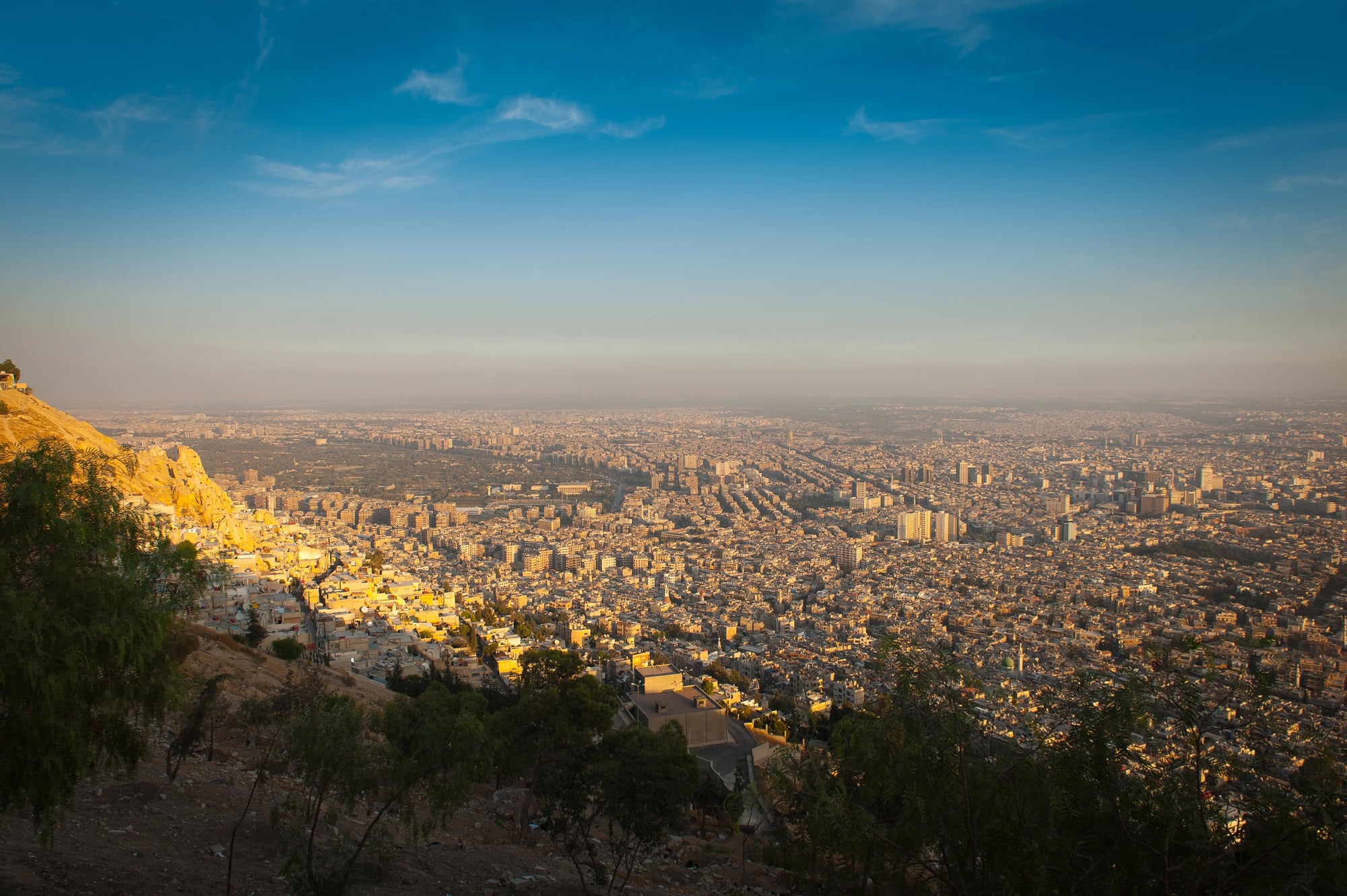
Damascus has outlasted empires the way some people outlast fashions. For over five millennia since its documented founding, this city has shifted hands dozens of times yet endured.
Early settlements existed in the region around eleven thousand years ago, but the Damascus we know today traces its major continuous habitation from around 4500 years ago onward.
The secret sits in geography that refuses to quit. Rivers converge here, trade routes intersect, and the soil grows things without much argument. Damascus became essential because it solved problems that never go away — where to find water, how to move goods, why certain places just work.
Political borders have redrawn themselves around Damascus dozens of times. The city remains.
Byblos
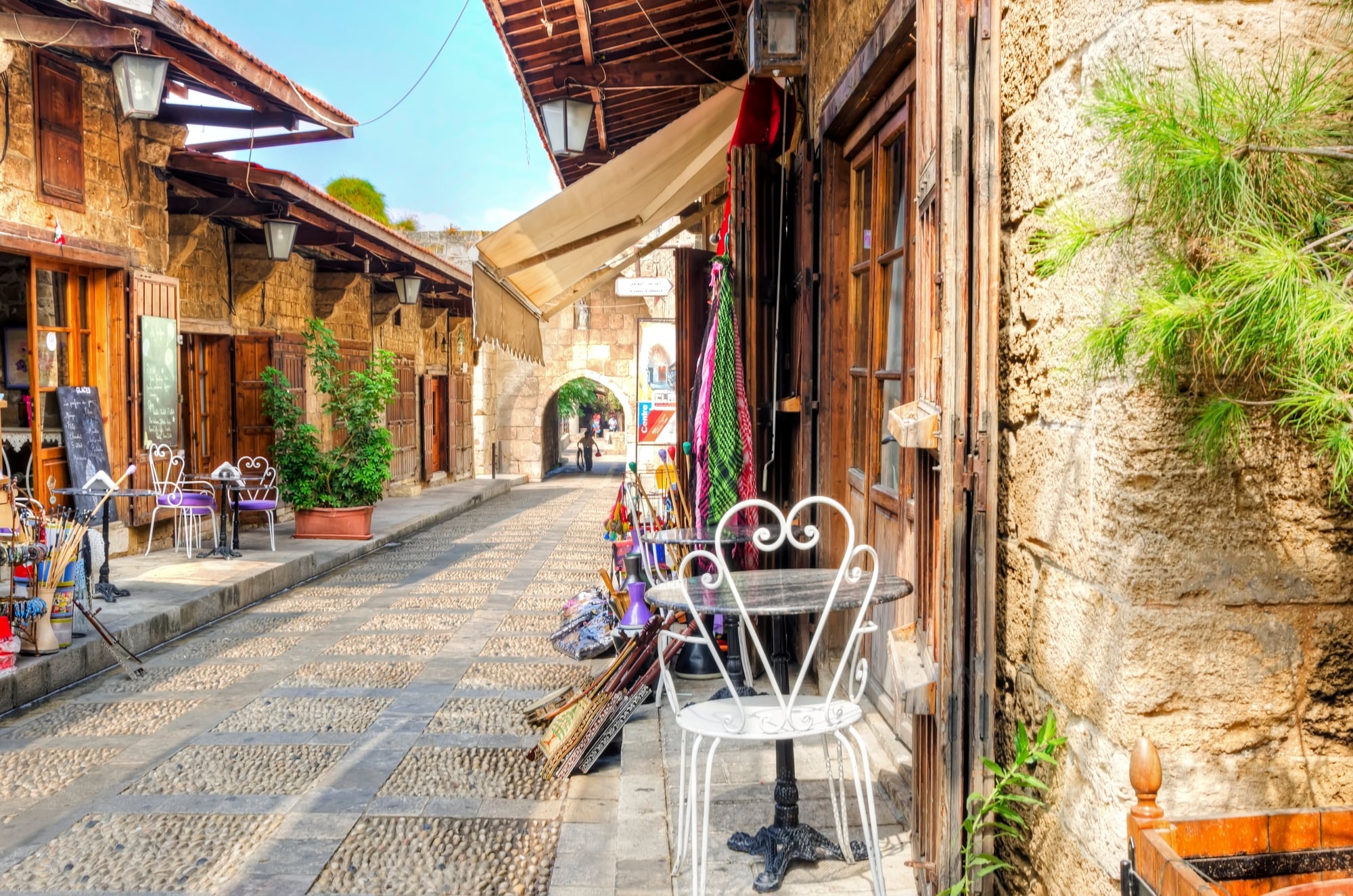
The Phoenicians turned this coastal town into humanity’s first global shipping company. They didn’t just trade goods — they traded ideas, alphabets, and the revolutionary concept that the world was smaller than anyone imagined.
Lebanese cedar trees grew straight and tall, perfect for building ships that could handle open ocean. So Byblos became the place where landlocked civilizations first tasted salt air and realized there were other people across the water doing interesting things with bronze and pottery.
The word “Bible” comes from Byblos, which makes sense. This was where papyrus arrived from Egypt and got distributed to anyone who had something important to write down.
Plovdiv
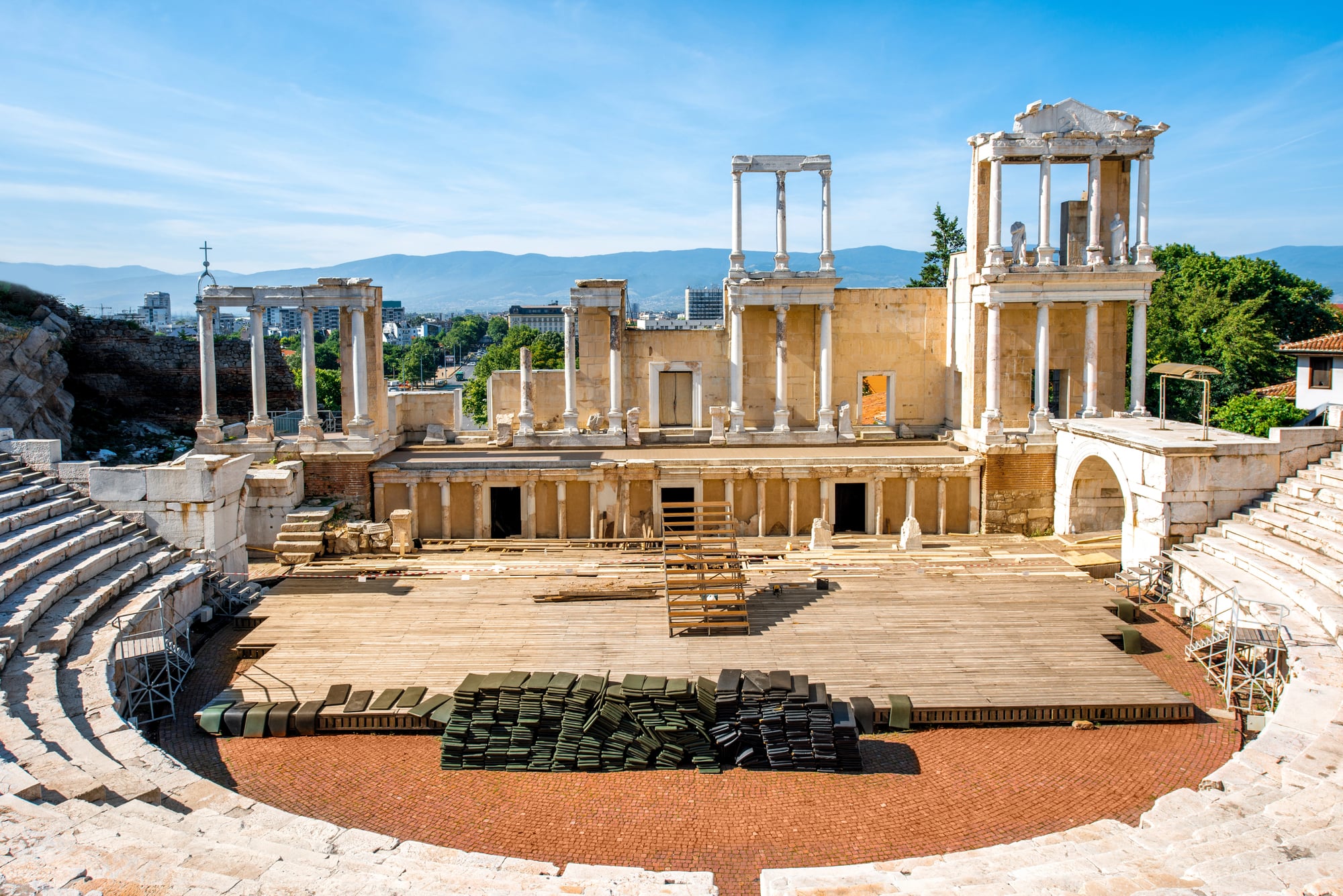
Six thousand years of people deciding this Bulgarian hilltop was worth defending. The Thracians built it first, then the Romans upgraded it, then the Byzantines renovated it, then the Ottomans added their own architectural opinions.
The hills rise just enough to see trouble coming but not so high that hauling water becomes a daily nightmare. Three rivers meet nearby, which meant trade and transportation without having to negotiate with neighboring kingdoms every time someone wanted to move grain or pottery.
Modern Plovdiv still follows the ancient street patterns. Some decisions stick around longer than the people who made them.
Sidon
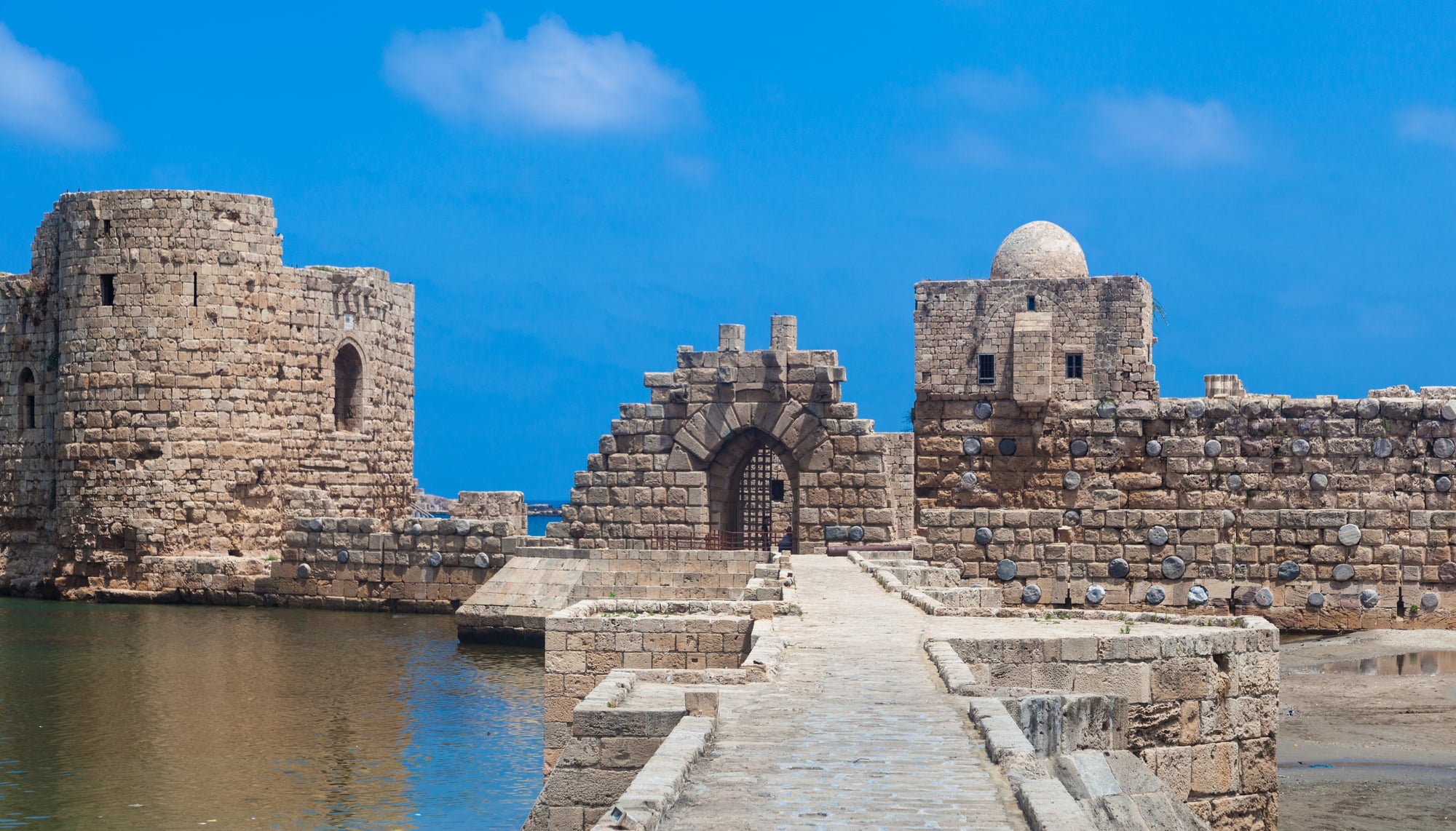
The purple dye that once made Sidon rich came from murex shells — thousands of them boiled down to produce just a few drops of color so vibrant it became the signature of royalty. The irony is perfect: a city built on the patience required to turn sea snails into imperial fashion statements.
Sidon’s harbor could shelter ships from the Mediterranean’s moods, which mattered more than natural resources or strategic location. When your economy depends on boats coming and going safely, you need a coastline that cooperates. The Sidonians found one and built a civilization around it.
Aleppo
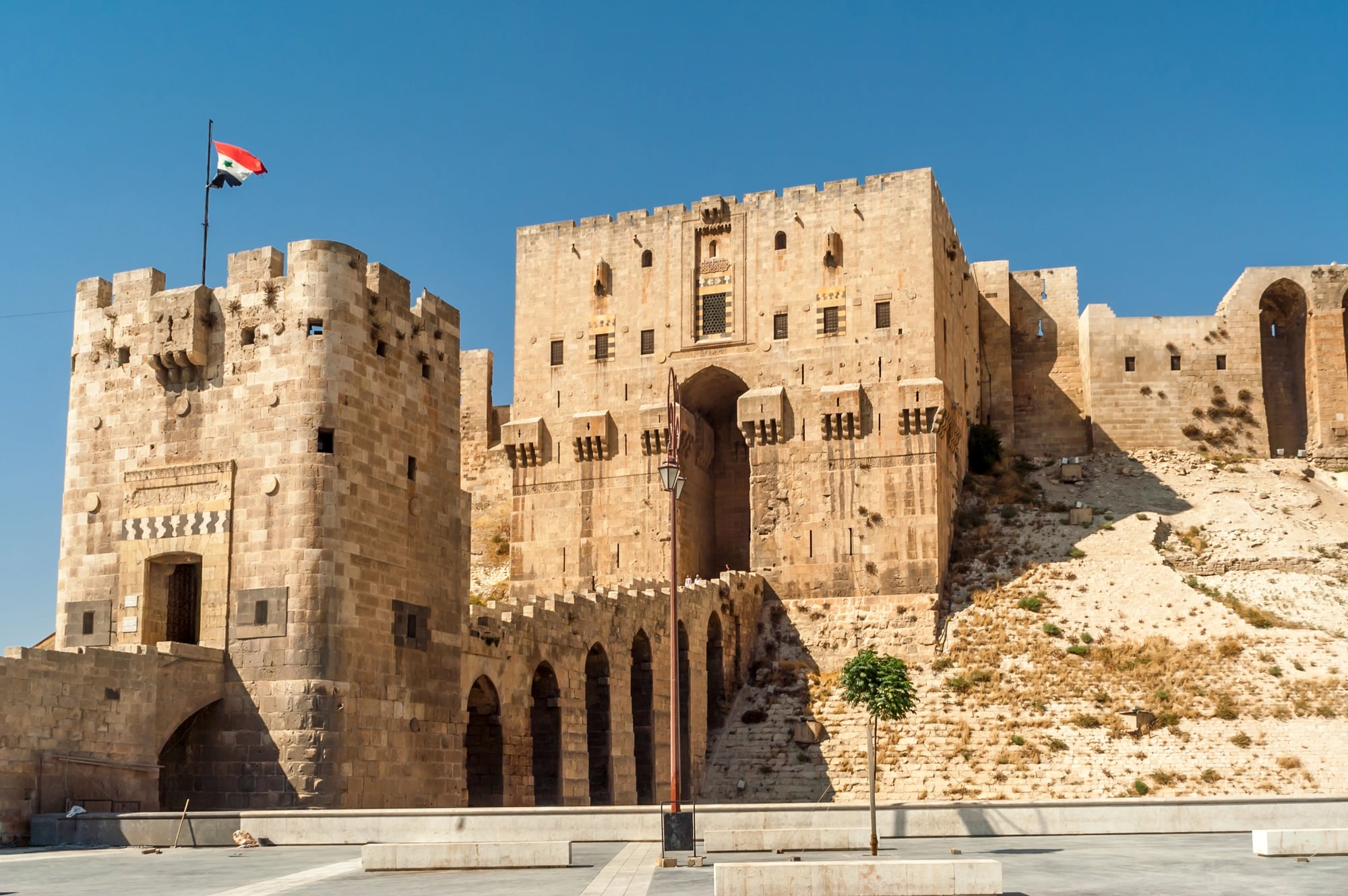
Trade routes don’t bend around cities by accident. Aleppo sits where the path from Asia meets the road to Europe, where caravans from the south cross routes heading north. Geography made this place inevitable.
The covered markets — souks that stretch for miles underground — exist because merchants needed somewhere to do business that didn’t depend on weather or seasons. So they built a commercial city beneath the regular city, complete with its own economy and social rules.
Aleppo has been conquered, rebuilt, conquered again, and rebuilt again. Cities this strategically placed don’t get to stay neutral.
Faiyum
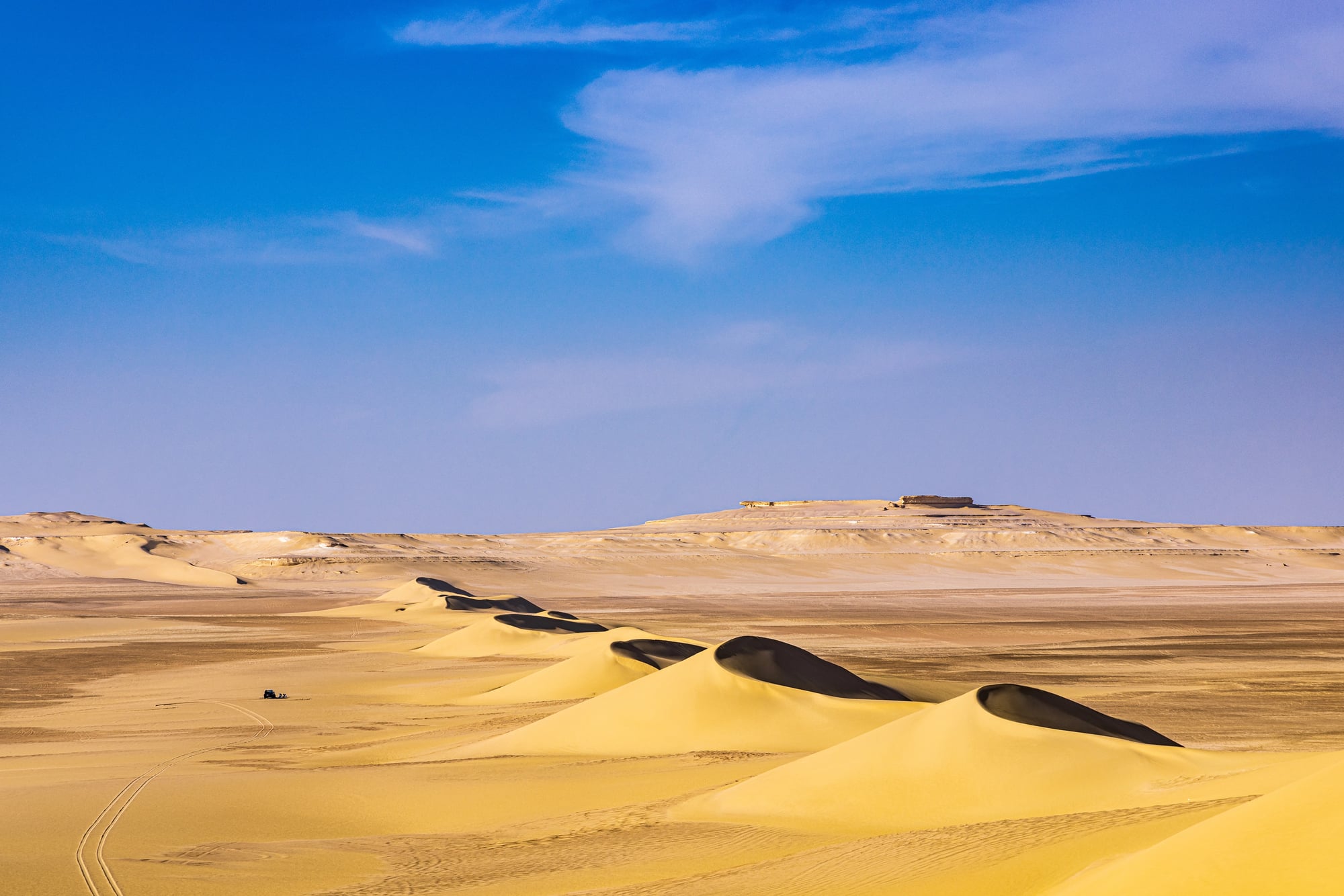
The Nile floods, but not everywhere equally. The Faiyum depression catches overflow water and holds it like a natural reservoir, creating Egypt’s most reliable agricultural land outside the main river valley.
Ancient Egyptians figured this out early and turned Faiyum into the kingdom’s breadbasket. When the Nile ran high, the depression stored extra water. When the river ran low, Faiyum’s lakes and canals kept crops alive.
Simple engineering that solved the problem of depending entirely on flood cycles. The town that grew around this agricultural certainty became one of Egypt’s longest-inhabited places. Reliable food supplies have that effect on settlements.
Varanasi
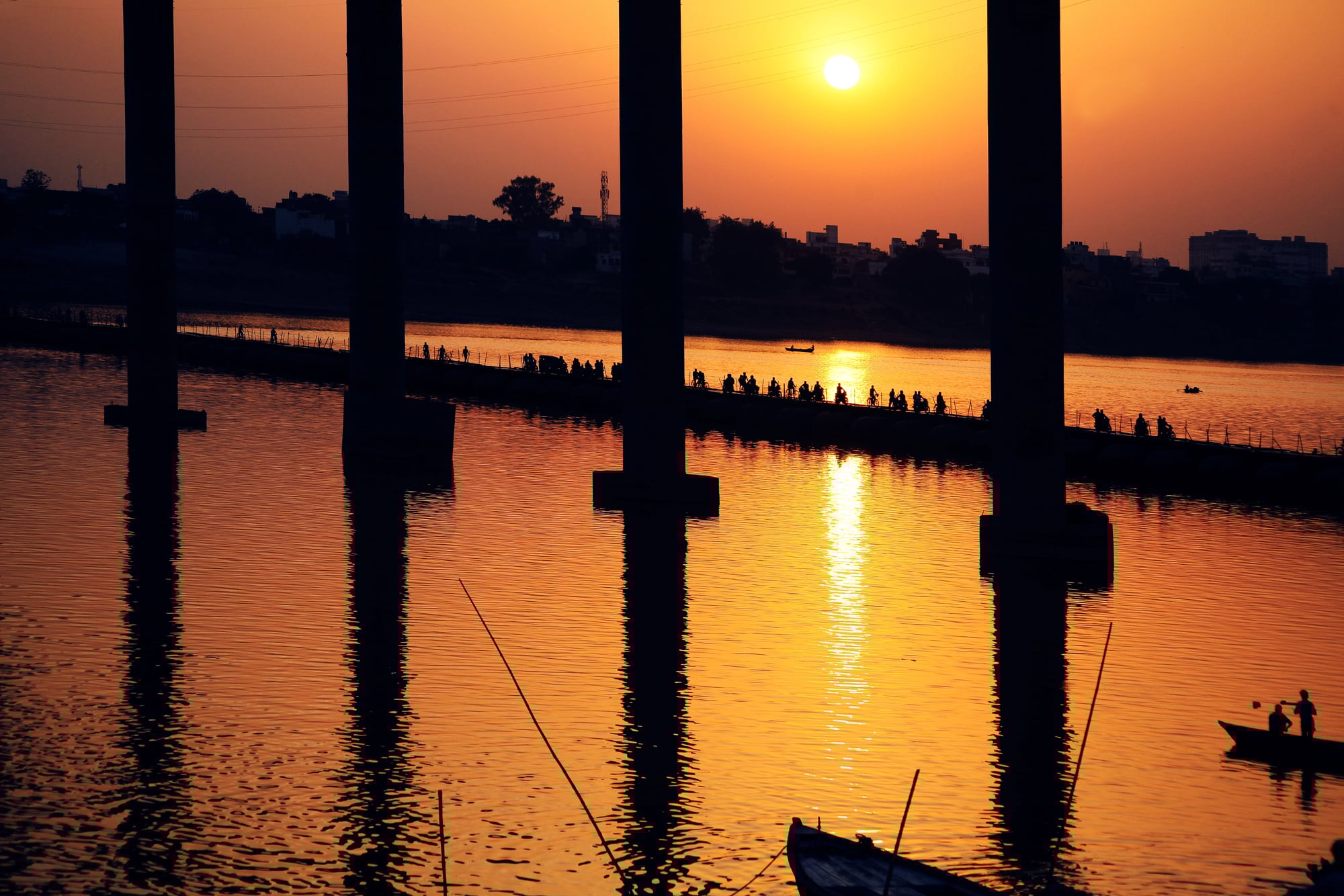
Varanasi makes other ancient cities look like recent developments. Five thousand years of pilgrims have walked these steps down to the Ganges, and the ritual hasn’t changed much — people come to wash away whatever needs washing away, then they stay because something about the place insists on permanence.
The ghats — stone steps leading down to the river — exist because someone long ago understood that sacred geography requires infrastructure. You can’t have a holy city without practical ways for people to reach the water. So they built steps that have been rebuilt, reinforced, and extended for millennia.
Mark Twain said Varanasi was older than history, older than tradition, older than legend. He wasn’t being poetic. He was just paying attention to what the stones were telling him.
Argos
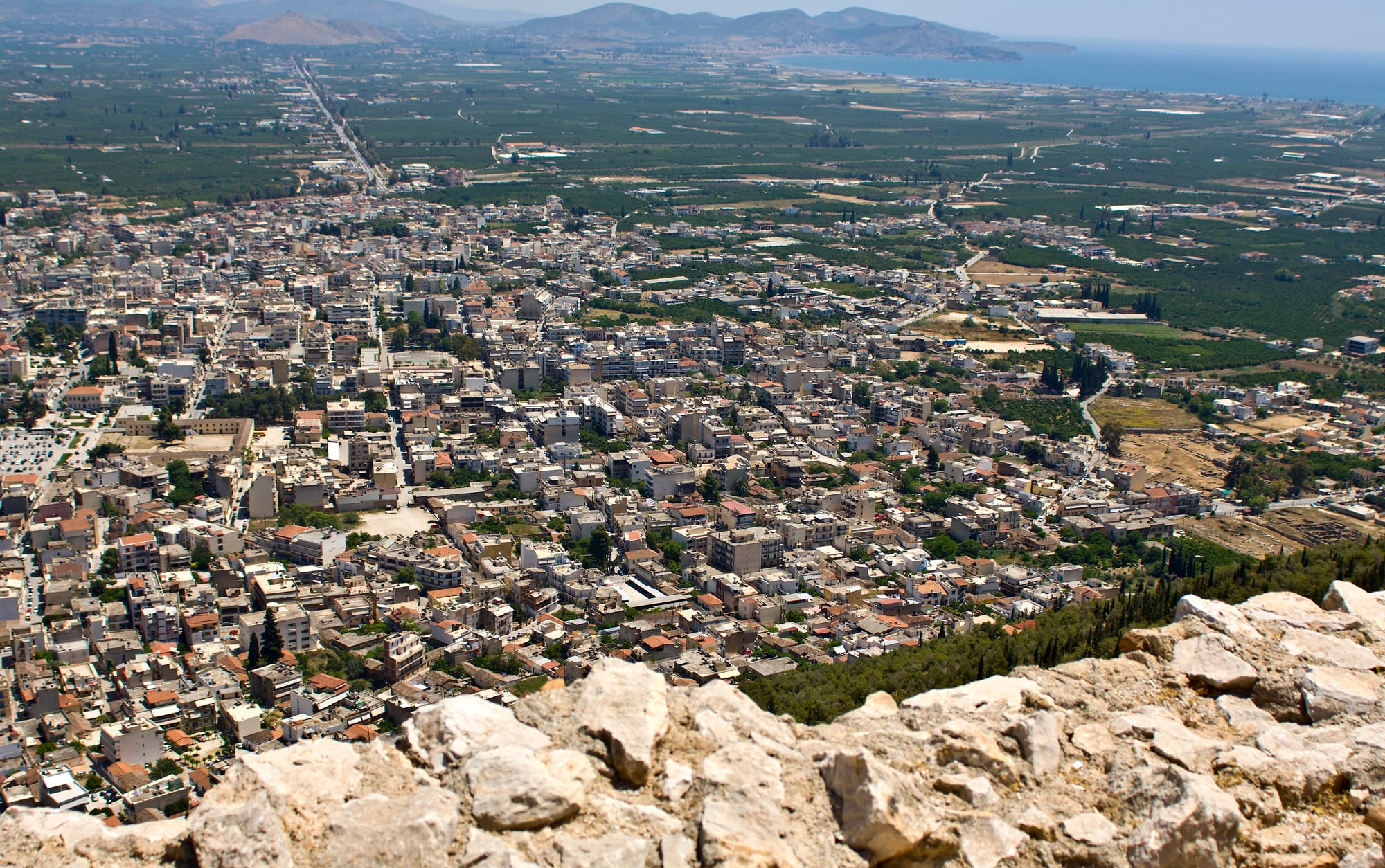
The Greeks loved their hills, but they loved their water more. Argos sits in a valley where springs bubble up reliably and rivers converge, which meant agriculture worked and people could build something permanent.
The Argives became skilled metalworkers whose reputation spread throughout the Greek world, giving them influence that lasted centuries. Bronze and iron working developed across the Aegean region around this period, and Argos became a major center for this craft.
Modern Argos still sits exactly where ancient Argos sat. Some locations are too practical to abandon.
Cholula
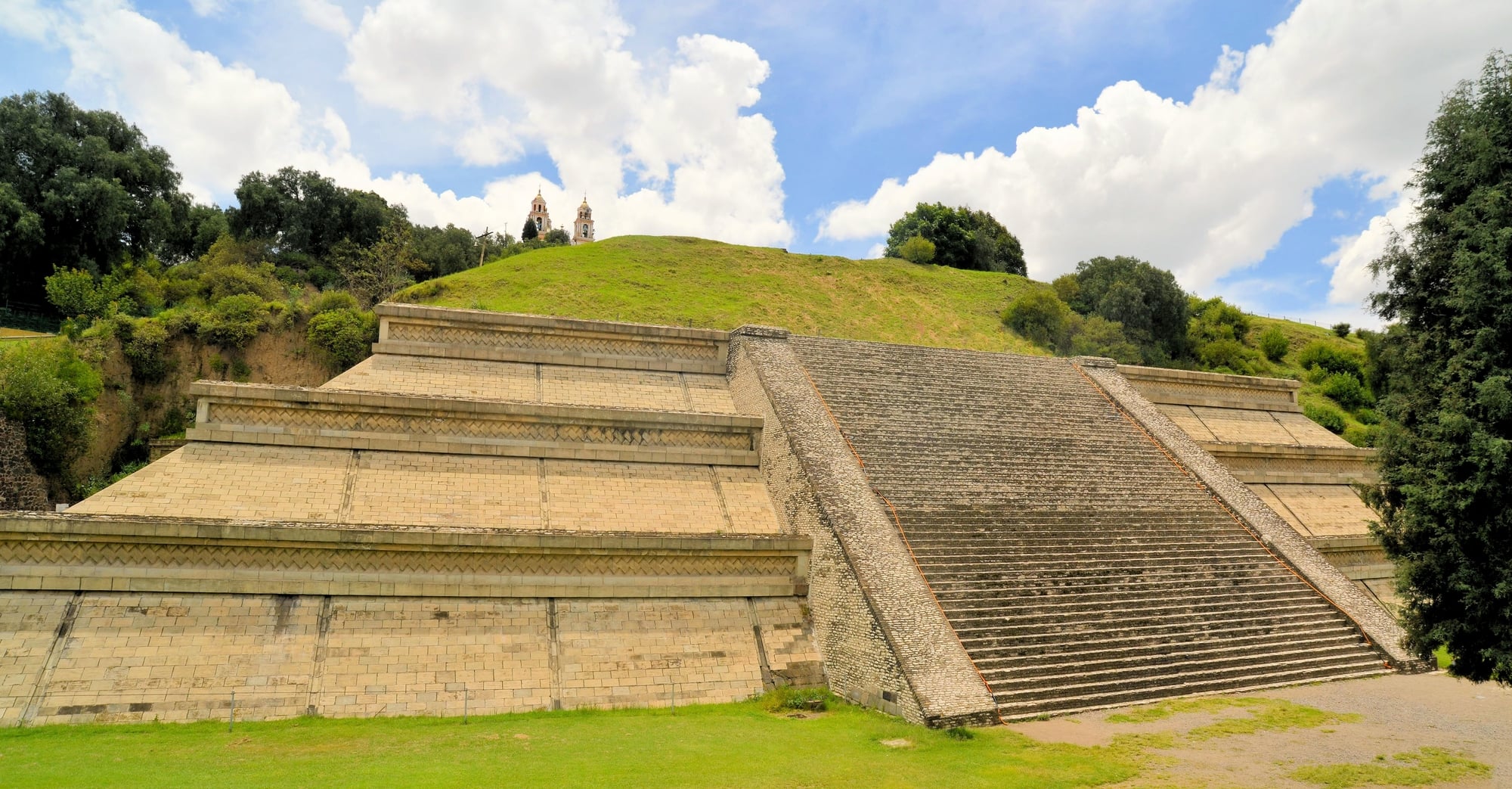
Before the Spanish arrived, Cholula’s pyramid was the largest structure in the Americas — bigger than anything the Egyptians built, though not nearly as tall. The difference reveals something about priorities: Egyptian pyramids reached toward the sky, but Cholula’s pyramid spread across the earth like a man-made mountain.
Layer after layer of construction shows different civilizations building on top of previous civilizations’ work. Nobody wanted to start over when they could just build higher.
The result is a pyramid that’s also an archaeological timeline, with each level representing a different group of people who decided this spot was worth keeping.
Xi’an
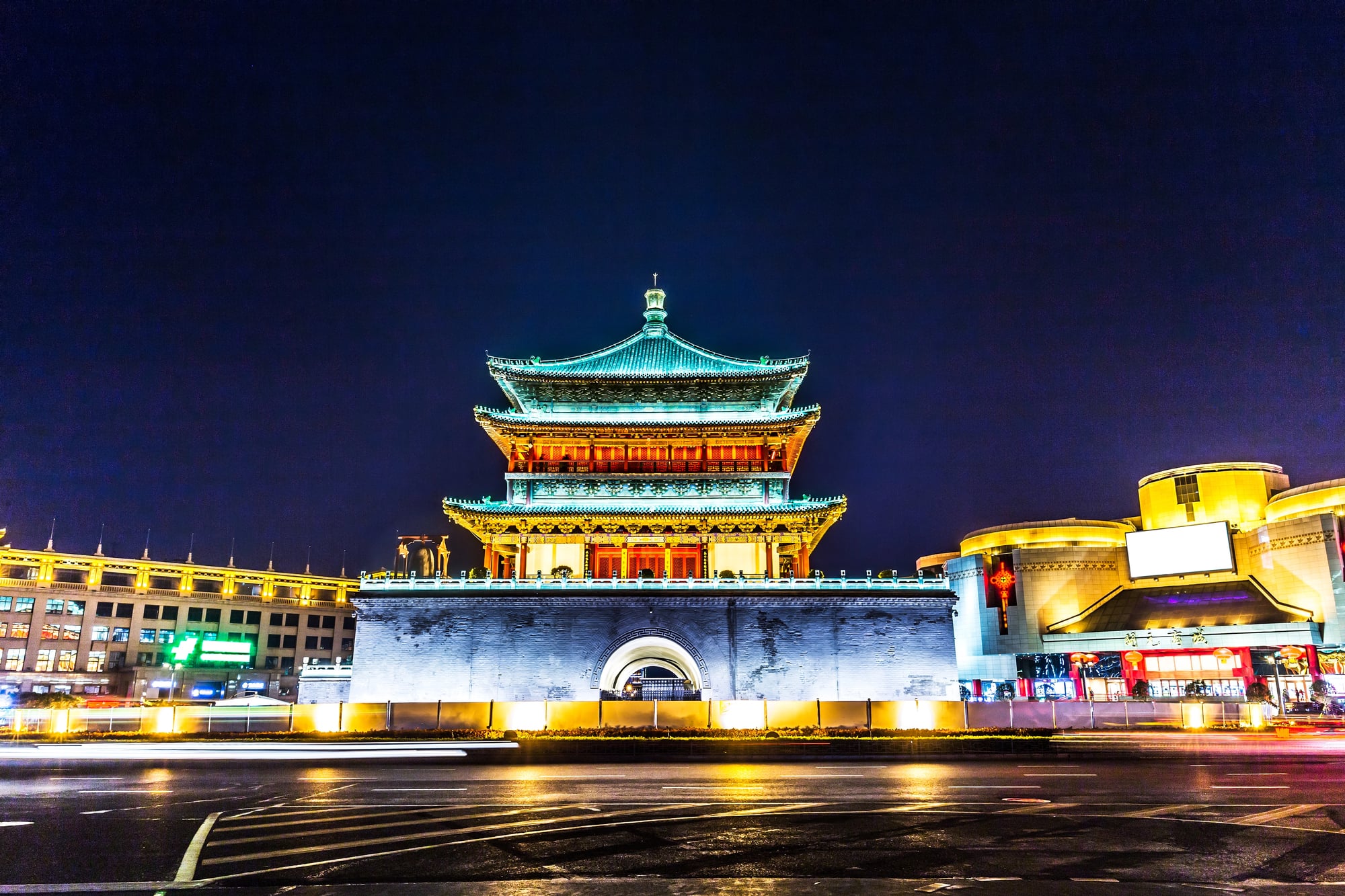
The Silk Road had to end somewhere, and Xi’an made sure it ended there. This Chinese city became the eastern terminus of the world’s most important trade network by being exactly where geography and politics intersected favorably.
Merchants traveling from Central Asia needed a place to rest, resupply, and convert their goods into local currency before heading deeper into China. Xi’an provided all of that, plus access to the Yellow River and the political connections necessary to do business with Chinese emperors.
The city’s walls — built and rebuilt over centuries — stretch for miles and still stand. Some investments in defense pay off for a very long time.
Lod
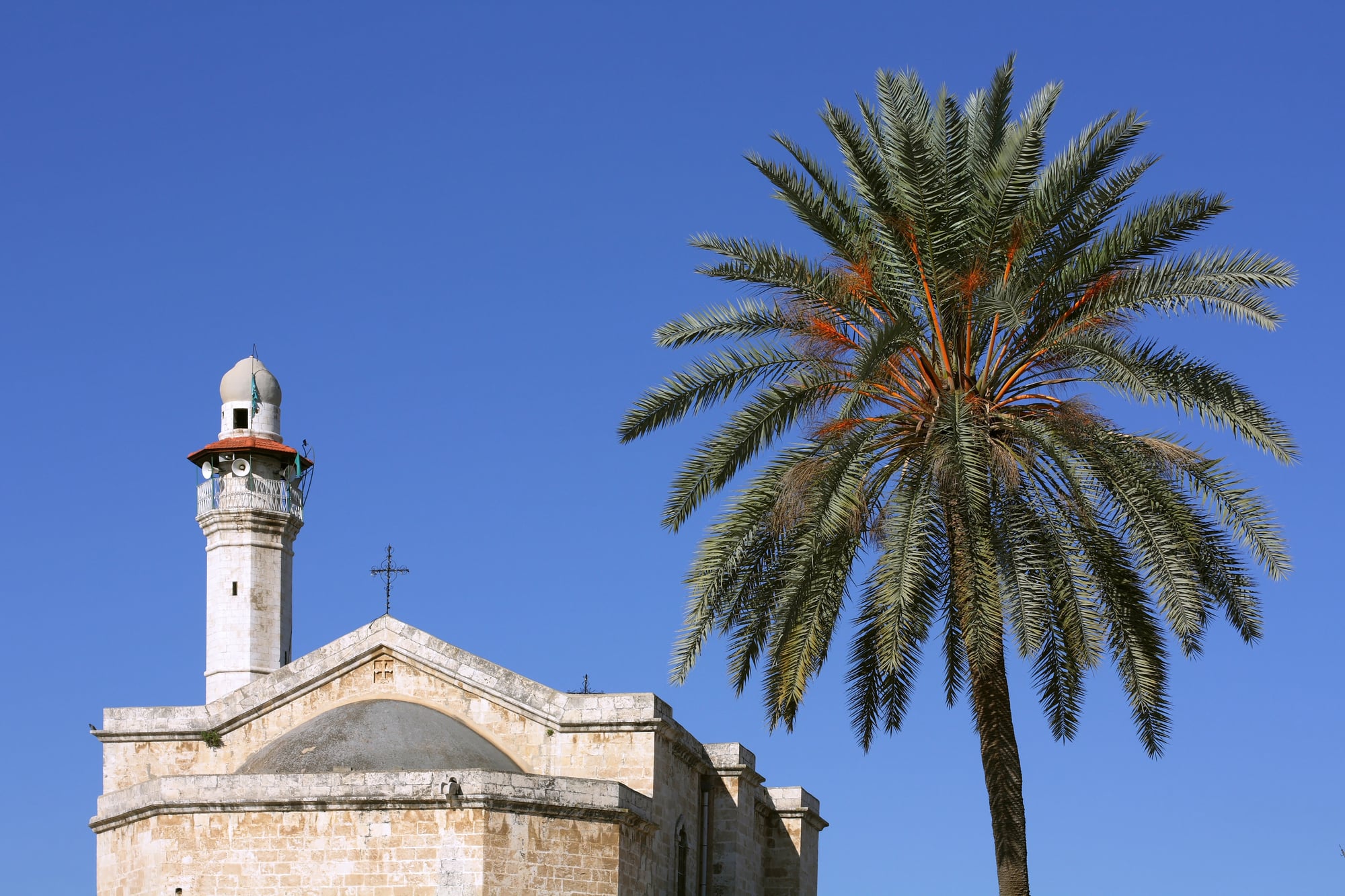
Lod exists because two ancient highways crossed here and somebody had to control the intersection. The road from Egypt to Syria met the path from the Mediterranean coast to Jerusalem, which meant merchants, pilgrims, armies, and messengers all passed through regularly.
Controlling crossroads meant collecting tolls, taxing trade, and gathering information about who was moving where and why. Lod turned geographic necessity into political power by being the place where travel happened whether people wanted to stop or not.
The modern city still sits at the junction of major transportation routes. Some strategic advantages don’t expire.
Rey
Rey controlled the passage through the Zagros Mountains for over two millennia, which meant controlling access to Persia from the west. The city made itself indispensable by being the place where geography forced everyone to slow down and negotiate.
Mountain passes create natural checkpoints, and Rey sat at the most important one. Caravans had to stop here to rest animals, repair equipment, and prepare for the difficult terrain ahead. What started as a practical necessity became a commercial empire.
The ruins spread for miles across the Iranian plateau. Cities built on geographic advantage can grow very large before they finally fade.
Ur
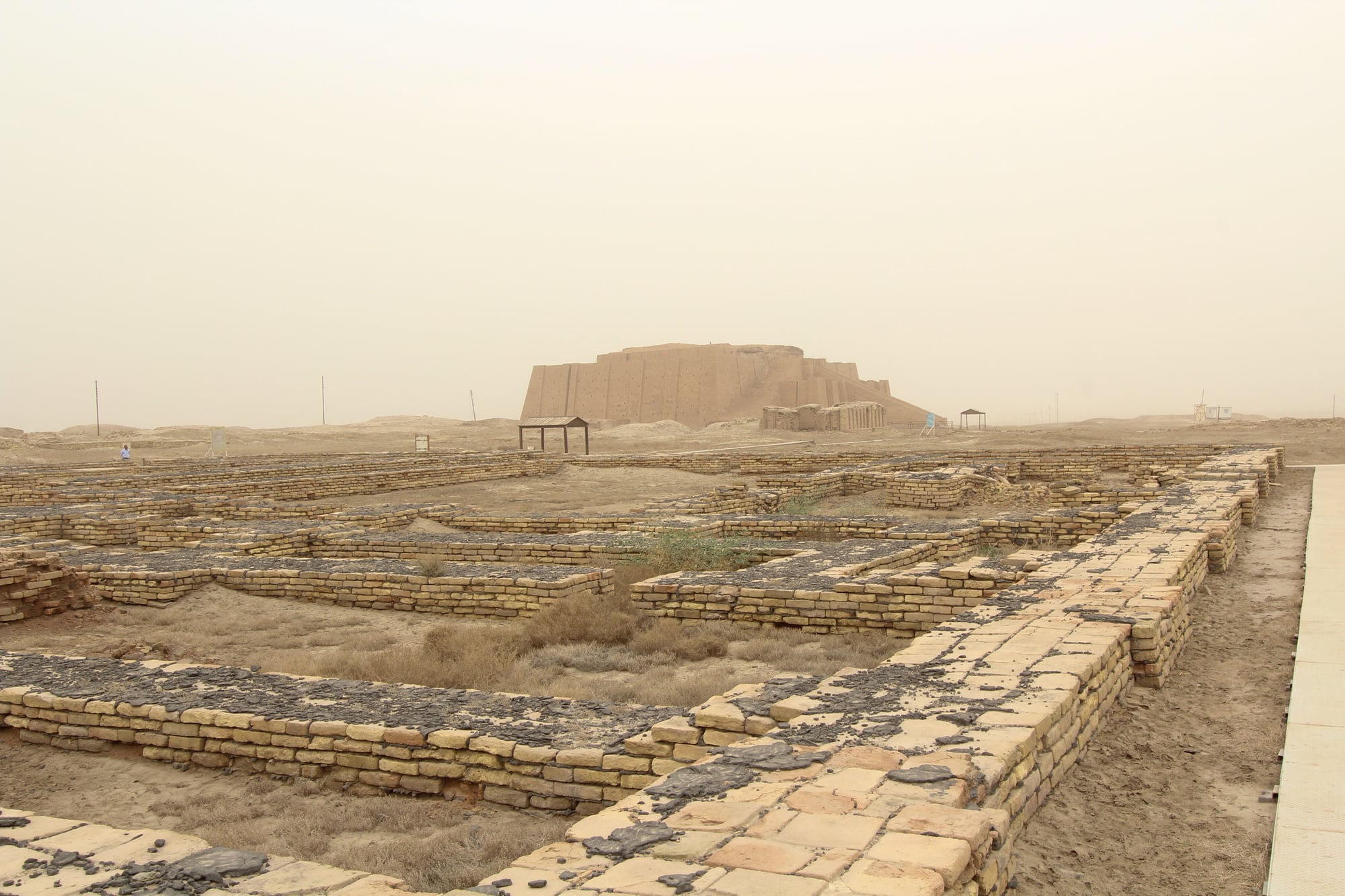
The Euphrates River used to flow right past Ur’s walls, though now the ruins sit miles from water. Rivers change course, but the cities they built don’t always adapt successfully.
When Ur controlled river access, it controlled Mesopotamian trade. The ziggurat that still rises from the desert was built by people who understood that commercial power needed to be visible from a distance. Merchants approaching the city could see Ur’s temple-tower long before they reached the walls.
Abraham supposedly came from Ur, which makes this one of history’s more consequential addresses.
Where It All Led
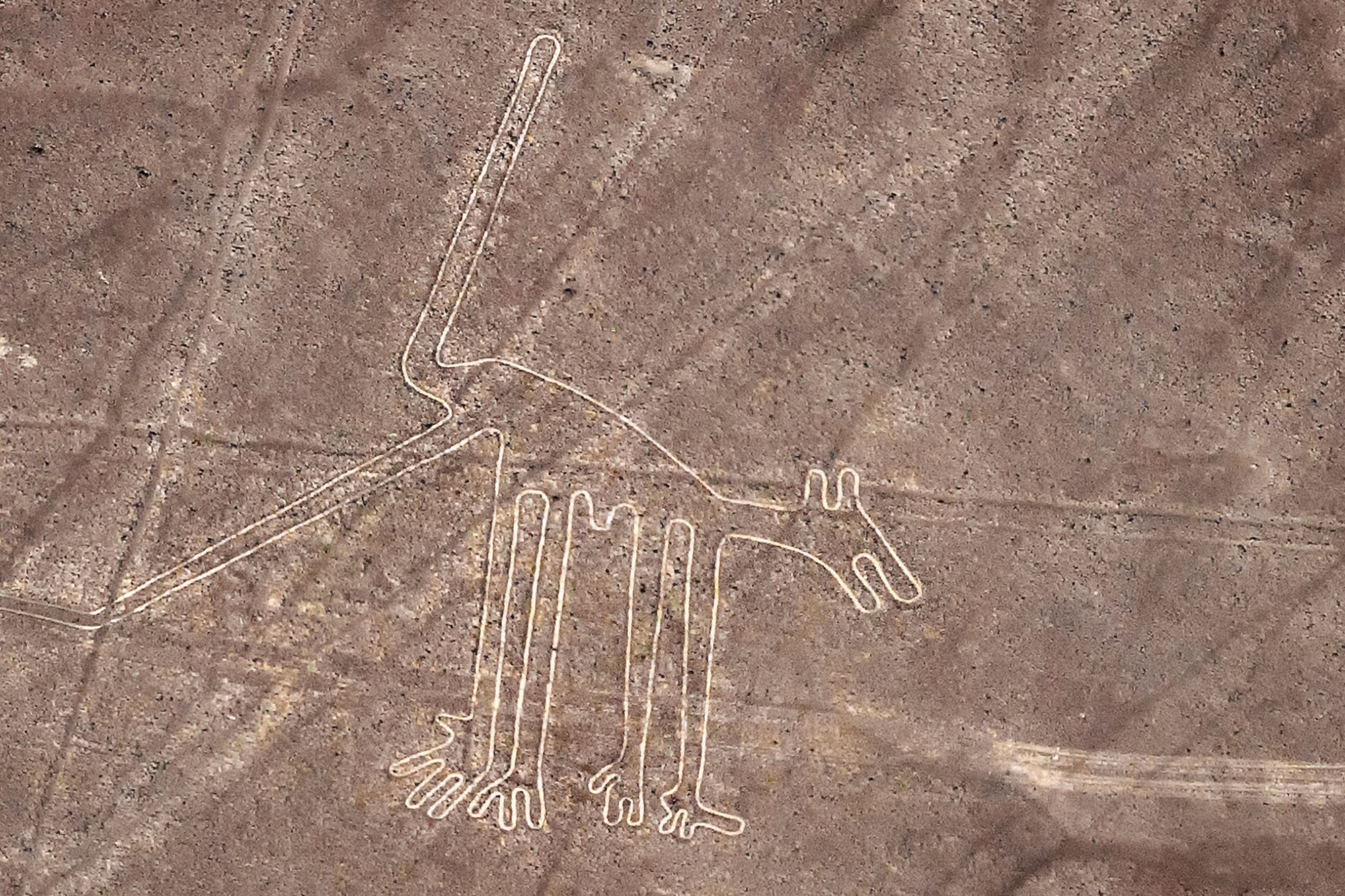
These sixteen places share something beyond age — they represent moments when humans stopped accepting the world as they found it and started reshaping it to match their needs. They represent moments when humans stopped accepting the world as they found it and started reshaping it to match their needs.
The springs at Jericho still flow. The hills around Argos still rise at the same angles. The geography that made these settlements possible remains largely unchanged. What’s different is us: we learned how to stay put long enough to build something that would outlast the people who imagined it.
Every city that exists today traces its lineage back to these first experiments in permanence, these ancient decisions to plant roots and see what grew.
More from Go2Tutors!

- The Romanov Crown Jewels and Their Tragic Fate
- 13 Historical Mysteries That Science Still Can’t Solve
- Famous Hoaxes That Fooled the World for Years
- 15 Child Stars with Tragic Adult Lives
- 16 Famous Jewelry Pieces in History
Like Go2Tutors’s content? Follow us on MSN.