Brands That Dominate a Single Category
Some brands become so dominant in their category that their names replace the generic term entirely. You ask for a Kleenex when you need a tissue.
You grab a Q-tip instead of a cotton swab. You Google something rather than search for it online.
This level of market control doesn’t happen by accident. These companies identified a specific need, executed brilliantly, and maintained their position through decades of competition.
Category dominance creates unusual business dynamics. These brands enjoy pricing power, customer loyalty, and marketing efficiency that competitors can only dream about.
But that dominance also comes with challenges most companies never face.
Kleenex and the Tissue Category

Kleenex became synonymous with facial tissues through aggressive marketing and consistent quality. The brand launched in 1924 as a cold cream remover, but the company noticed customers were using the product to blow their noses.
They pivoted their entire marketing strategy around this unexpected use case. The name stuck because Kleenex made their product available everywhere.
Drug stores, grocery stores, gas stations. Every location where someone might suddenly need a tissue had Kleenex boxes on display.
The ubiquity created familiarity, and familiarity created the name recognition that eventually replaced the generic term. Competitors make perfectly good facial tissues.
Some cost less. Some feel softer.
But most people still ask for Kleenex regardless of which brand they actually purchase. That mental association represents the ultimate marketing achievement.
Band-Aid’s Lock on Adhesive Bandages

Johnson & Johnson created the Band-Aid in 1920, and the name immediately resonated with consumers. The product solved a common problem in a convenient, hygienic way.
Before Band-Aids, treating minor cuts meant dealing with gauze, tape, and scissors. The brand dominated through product innovation that competitors struggled to match.
Band-Aid introduced waterproof versions, different sizes, fun designs for children, and specialized shapes for different body parts. Each innovation reinforced their market position and gave customers another reason to choose their product over generic alternatives.
Parents ask their kids if they need a Band-Aid, not an adhesive bandage. That linguistic shortcut demonstrates how thoroughly the brand captured the category.
Even hospital supply catalogs sometimes list “band-aids” in their inventory, using the brand name as the product description.
Q-tips and Cotton Swabs
The Q-tip started as “Baby Gays” in 1923, but smart marketing led to a name change that emphasized quality. The Q stood for quality, and the tip described the product’s defining feature.
Simple, memorable, effective. The brand’s dominance came from solving a problem people didn’t realize they had until the solution existed.
Before Q-tips, cleaning ears or applying makeup precisely required improvised tools that didn’t work particularly well. The product created its own market and then controlled that market completely.
Saying “cotton swab” sounds clinical and formal. Saying “Q-tip” sounds natural. That linguistic preference drives purchasing decisions even when cheaper alternatives sit right next to Q-tips on store shelves.
Xerox and the Photocopy Revolution

Xerox didn’t just dominate photocopying. The brand became the verb for the action itself.
“Can you xerox this?” was standard office language for decades, regardless of which machine actually did the copying. The company achieved this dominance through genuine technological superiority.
Early Xerox machines worked better, faster, and more reliably than competing products. Businesses bought Xerox copiers because they needed copying technology that wouldn’t fail during critical moments.
That head start created network effects that reinforced Xerox’s position. Repair technicians specialized in Xerox machines.
Office managers learned Xerox controls and settings. Supply chains optimized around Xerox toner and paper specifications.
Switching to a competitor meant retraining staff and reorganizing workflows, so most companies just kept buying Xerox. Digital technology eventually disrupted the category, but for several decades Xerox owned photocopying completely.
ChapStick’s Grip on Lip Balm

ChapStick launched in the 1880s as a medicinal product for chapped lips. The formula worked, the packaging was portable, and the price stayed affordable.
Those three factors combined to create lasting category dominance. The cylindrical tube became iconic.
Competitors could copy the formula and price their products lower, but most consumers still reached for ChapStick out of habit and familiarity. The brand benefited from being in the right place at the right time, becoming the default solution before serious competition emerged.
People lose their ChapStick constantly, which creates repeat purchases at a rate most consumer products can’t match. This high replacement frequency means the brand stays in consumers’ minds and on store shelves more consistently than low-frequency purchase items.
Jacuzzi and Hot Tubs

Jacuzzi started as a brand name for a specific type of hydrotherapy pump. The Jacuzzi brothers invented their product for medical purposes, treating a family member’s arthritis.
The therapeutic benefits attracted customers beyond the medical market, and the brand name became shorthand for hot tubs in general. The product was expensive enough that most people didn’t own one, but familiar enough that everyone knew what a Jacuzzi was.
This created an interesting dynamic where the brand name dominated culturally even though market penetration remained relatively low. Hotels, gyms, and resorts all advertise “jacuzzis” in their amenities, usually without any concern about which manufacturer actually supplied the equipment.
The brand captured the concept of the product category in consumer consciousness.
Post-it Notes and Adhesive Notepaper
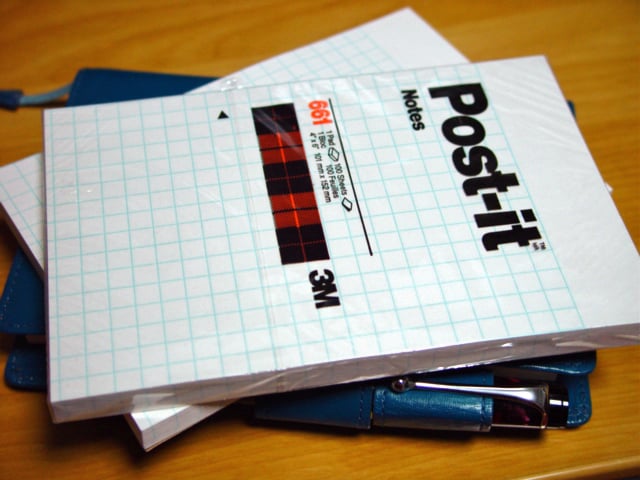
3M accidentally invented the weak adhesive that makes Post-it Notes possible. The product development team was trying to create a super-strong adhesive but failed.
Rather than discard the “failed” formula, they found a use for an adhesive that stuck but didn’t stick permanently. The product succeeded because it solved problems people experienced daily but never articulated.
You need to mark a page in a book temporarily. You want to leave a note that won’t damage the surface it’s stuck to.
You need a reminder that can move from one location to another. Post-it Notes handled all these situations better than any alternative.
The bright yellow color became instantly recognizable, reinforcing brand awareness every time someone used the product. Competitors introduced adhesive notepaper in different colors and sizes, but “Post-it Note” remained the phrase most people used regardless of brand.
Crock-Pot and Slow Cookers
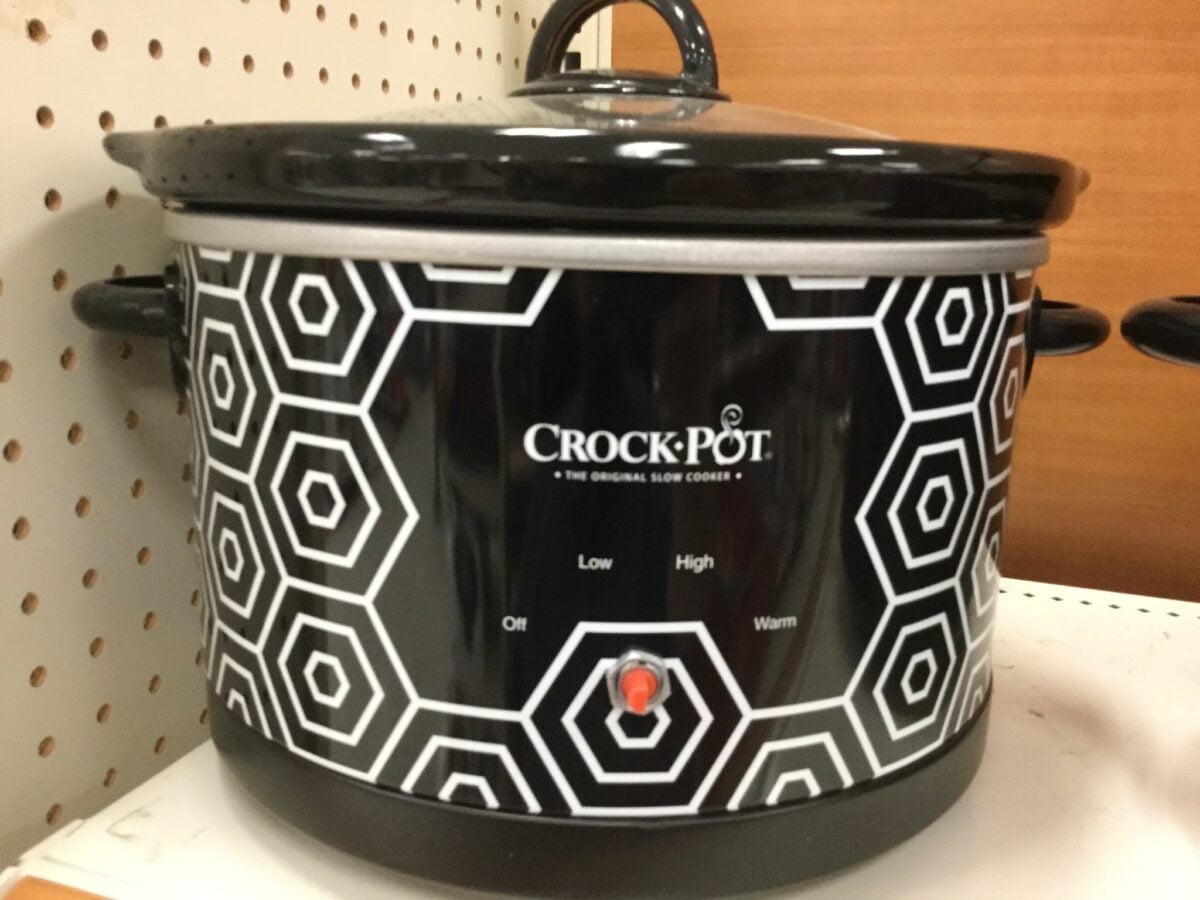
Crock-Pot became the category leader through timing and marketing. The product launched when more women were entering the workforce and needed convenient cooking solutions.
The slow cooker allowed people to prepare dinner in the morning and come home to a fully cooked meal. The brand name was simple, descriptive, and easy to remember.
Recipe books specifically called for “Crock-Pots” in their instructions. Food blogs and cooking shows used the brand name interchangeably with slow cooker.
This linguistic dominance translated directly into market dominance. The product category faced challenges as cooking technology advanced.
Instant Pots and pressure cookers offered faster cooking times. But Crock-Pot maintained its position by adapting the product line while keeping the recognizable name that customers trusted.
Velcro and Hook-and-Loop Fasteners
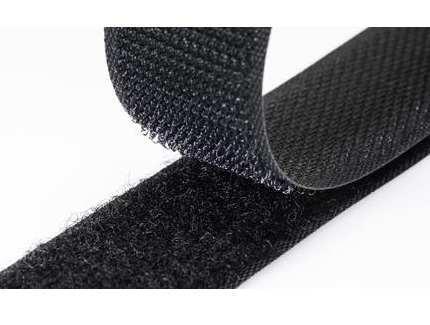
Velcro was invented by a Swiss engineer who noticed how burrs stuck to his dog’s fur after walks. He studied the burr’s hooks under a microscope and recreated the mechanism artificially.
The resulting product was so useful and unique that the brand name immediately became the generic term. The company actually fights against this genericization.
Their legal team actively sends cease-and-desist letters to media outlets and companies that use “velcro” as a common noun instead of a proper brand name. They’ve even created videos explaining why people should say “hook-and-loop fastener” instead.
These efforts rarely succeed. The brand name is simply too entrenched in everyday language.
People will continue asking for Velcro because the alternative phrase is awkward and technical.
Bubble Wrap and Air Cushion Packaging

Bubble Wrap was originally marketed as textured wallpaper. That application failed completely. The inventors then tried selling it as greenhouse insulation.
That also didn’t gain traction. Finally, IBM adopted the product for shipping computers, and Bubble Wrap found its category.
The tactile satisfaction of popping the bubbles created an emotional connection that generic air cushion packaging never achieved. The brand became famous not just for its practical function but for the stress relief people got from popping bubbles.
Marketing that embraced this secondary use reinforced brand awareness. Shipping departments might order “air cushion material” in their supply catalogs, but employees still call it Bubble Wrap when they’re actually packing boxes.
Dumpster and Large Waste Containers

Dumpster was a brand name created by Dempster Brothers in the 1930s. They patented a mechanical system for picking up and emptying large waste containers.
The name combined “dump” with the company’s name, creating a term that described the function while maintaining brand identity. The product became essential infrastructure.
Cities, businesses, and construction sites all needed large waste containers with mechanical emptying systems. Dempster Brothers’ early patent protection and manufacturing capacity allowed them to dominate the market during the crucial early growth period.
Building codes, waste management contracts, and municipal regulations all reference “dumpsters” without specifying brand. The generic use of the brand name became so universal that most people don’t even realize Dumpster started as a trademark.
Scotch Tape and Transparent Adhesive Tape

3M developed Scotch Tape during the Great Depression as a masking tape for automotive painting. The name allegedly came from a complaint that 3M was being “scotch” (stingy) with the adhesive coating.
The company embraced the name, and it stuck. The transparent version of Scotch Tape became the product most people associate with the brand.
It was cheaper than competitors, worked reliably, and came with a built-in dispenser that made cutting precise lengths easy. These practical advantages reinforced the brand’s market position.
Office supply lists, shopping lists, and product requests all use “Scotch tape” to describe transparent adhesive tape regardless of brand. The linguistic dominance proves more powerful than price competition or product innovation from competitors.
Wite-Out and Correction Fluid

Before computers became standard office equipment, fixing typing mistakes required correction fluid. Wite-Out dominated this category through aggressive distribution and consistent quality.
The product solved an immediate, visible problem. Typing errors looked unprofessional, and retyping entire pages wasted time and paper.
Correction fluid allowed quick fixes that were barely noticeable when done carefully. Digital word processing eventually killed most of the correction fluid market.
But during the typewriter era, Wite-Out ownership was so complete that the brand name appeared in office supply budgets, product catalogs, and everyday workplace conversations as the standard term for any correction fluid.
Rollerblade and Inline Skates

Rollerblade wasn’t the first inline skate, but the brand’s marketing and product design made inline skating a mainstream activity. The company sponsored athletes, organized events, and created a lifestyle brand around their product.
The name itself was more dynamic and marketable than “inline skate.” It suggested action and movement in a way that technical descriptions couldn’t match.
Competitors made inline skates, but most people said they were going rollerblading, not inline skating. The brand’s dominance faded as the inline skating trend declined, but during the 1990s and early 2000s, Rollerblade completely owned the category both linguistically and commercially.
The Weight of Being Everyone’s Default

Running strong in one area brings wins that many firms would cheer for. Yet staying stuck there blocks what’s next, while stirring up trouble over brand rights.
These brands battled to get into every home, yet later struggled just to keep rights to their own names. A few managed to shield their trademarks from misuse.
Meanwhile, others saw their labels turn into everyday words – free for anyone to use without permission. The firms staying on top for years get one key thing.
Making a better product isn’t enough anymore. Instead, fit it right into everyday routines until switching feels off.
Soon the brand is what folks reach for without thinking. That habit sticks – and keeps them coming back.
This isn’t a win for ads. It’s straight-up taking over the game.
More from Go2Tutors!

- The Romanov Crown Jewels and Their Tragic Fate
- 13 Historical Mysteries That Science Still Can’t Solve
- Famous Hoaxes That Fooled the World for Years
- 15 Child Stars with Tragic Adult Lives
- 16 Famous Jewelry Pieces in History
Like Go2Tutors’s content? Follow us on MSN.