The Amazon Rainforest’s Deepest Secrets
Although the Amazon covers an area of 5.5 million square kilometers, the majority of its activities are still unknown. Sunlight is blocked by the canopy.
The depths of the rivers are concealed. Additionally, it is impossible to see everything due to the sheer scale.
What remains to be discovered is only hinted at by what we have learned thus far.
The Forest Creates Its Own Rain
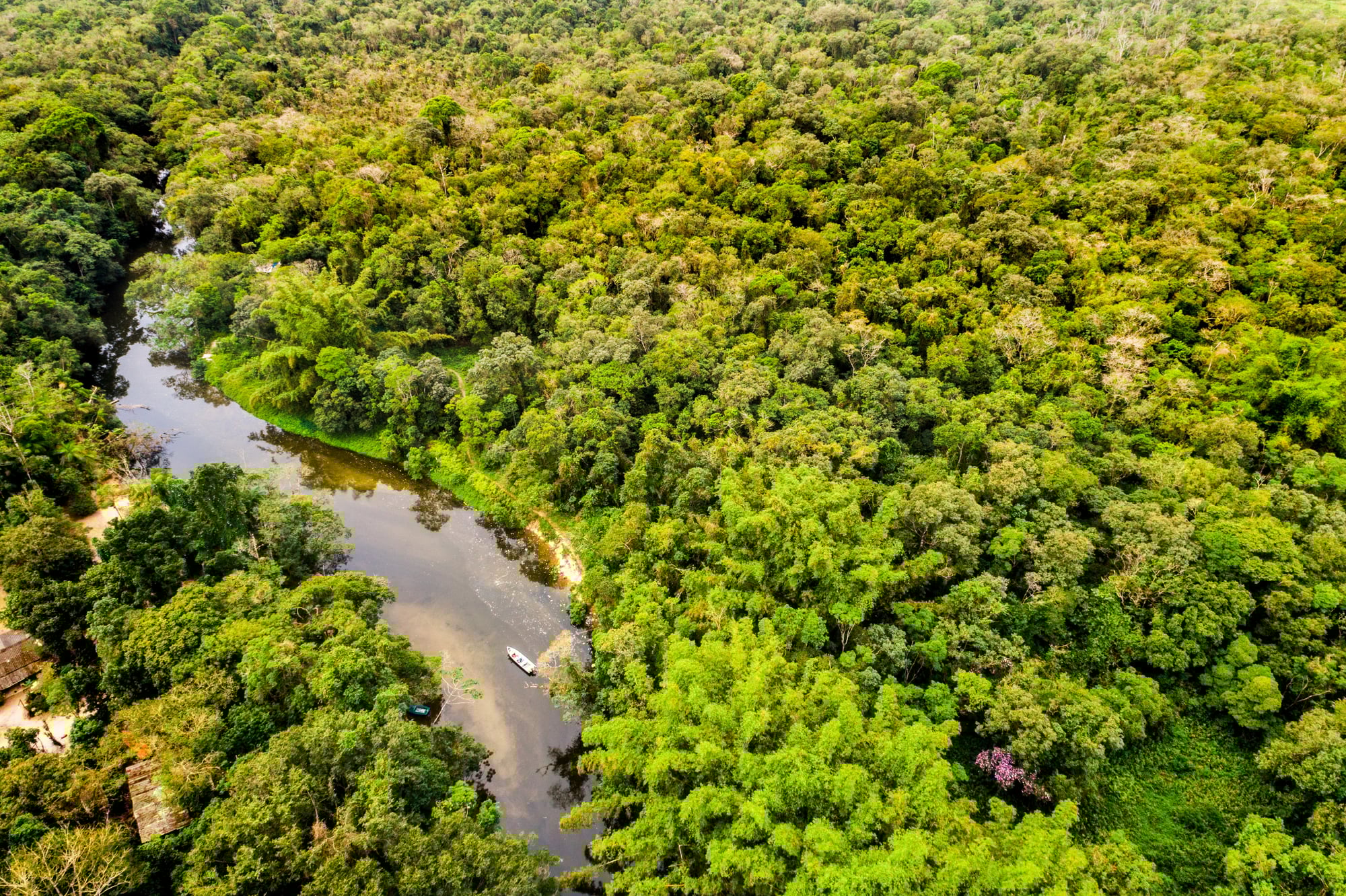
The Amazon produces rainfall rather than merely receiving it. Transpiration is the process by which trees release water vapor through their leaves.
This moisture rises, creates clouds, and then descends as precipitation. According to scientific estimates, the forest generates roughly half of its own precipitation.
In essence, the trees create a self-sufficient system by recycling water. If enough trees are cut down, the rain will stop.
For the forest to survive, it needs itself.
Groundwater Flows Deep Beneath the Amazon
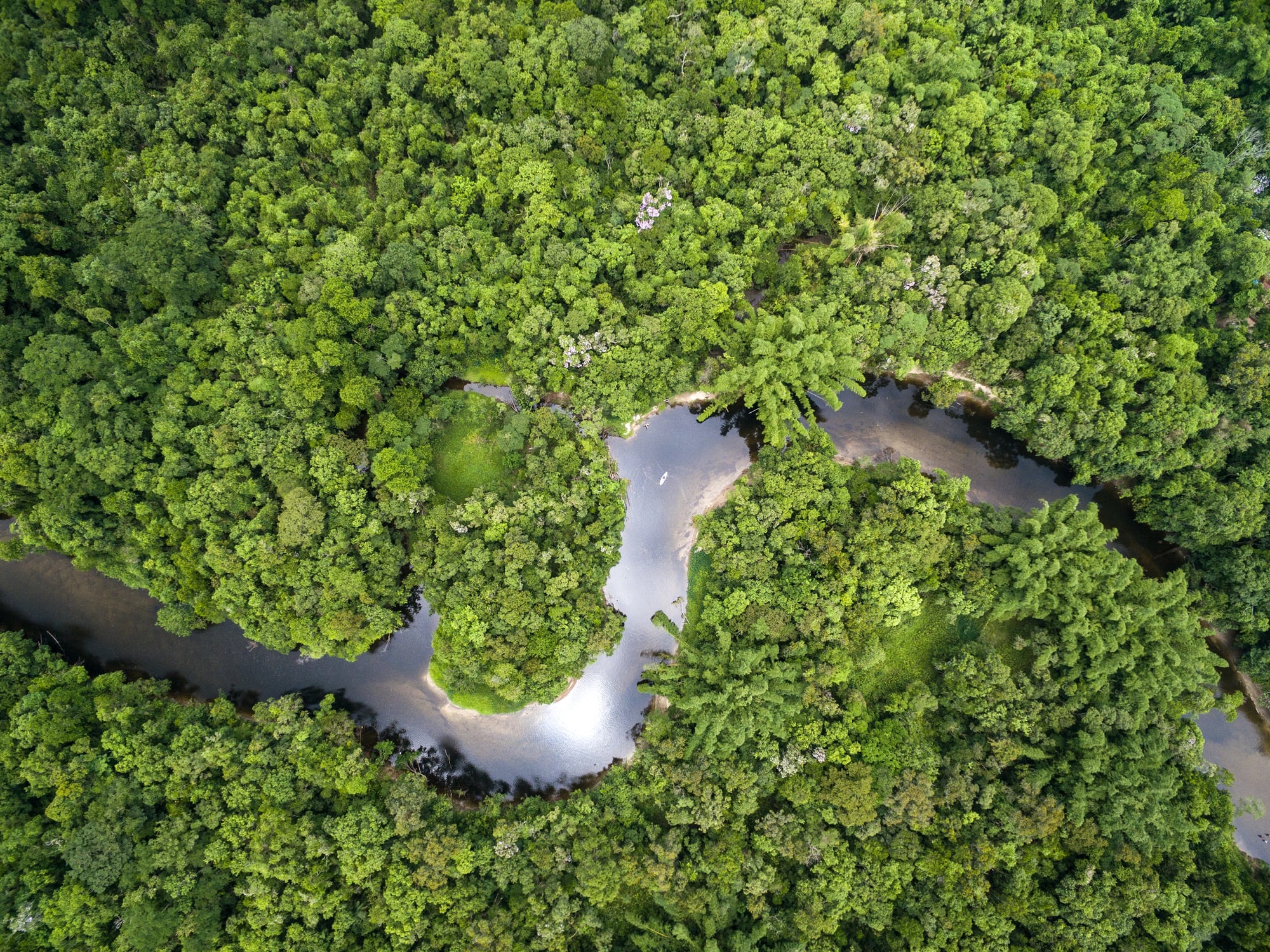
Four kilometers beneath the Amazon River, groundwater moves through porous rock. Scientists discovered this flow in 2011 and called it the Hamza, after the researcher who found it.
It’s not actually a river—it’s a broad zone of slow-moving groundwater. This underground flow moves at about 10 to 100 meters per year—thousands of times slower than the surface river.
The zone of movement is massive, spreading across vast areas beneath the basin. The water is salty, unlike the fresh water above.
Pink Dolphins Actually Exist There
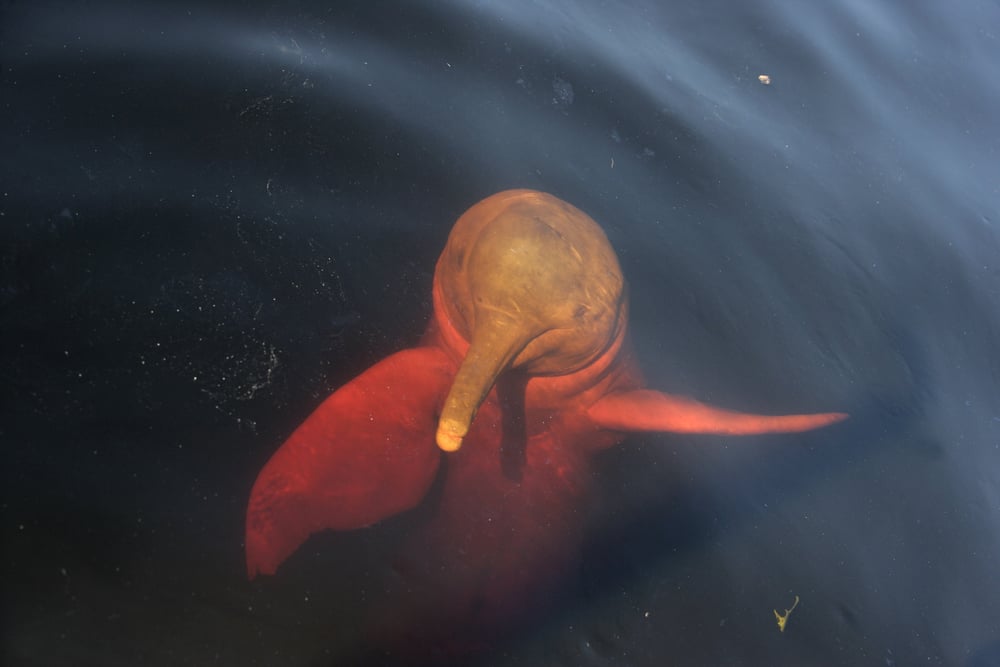
The Amazon river dolphin, or boto, turns pink as it ages. Young dolphins are gray, but adults develop pink coloring, especially males.
The color intensifies when they get excited or during physical activity, as blood flows closer to the skin. These dolphins are larger than you’d expect—up to 2.5 meters long, with most adults weighing between 100 and 160 kilograms.
They navigate murky water using echolocation, hunting fish in flooded forests during the wet season. Their flexible necks let them weave through submerged tree roots.
Local legends say the dolphins can transform into handsome men at night and seduce women in riverside villages. The stories are widespread enough that some communities treat the dolphins with caution.
The Forest Floor Is Nearly Dark at Noon
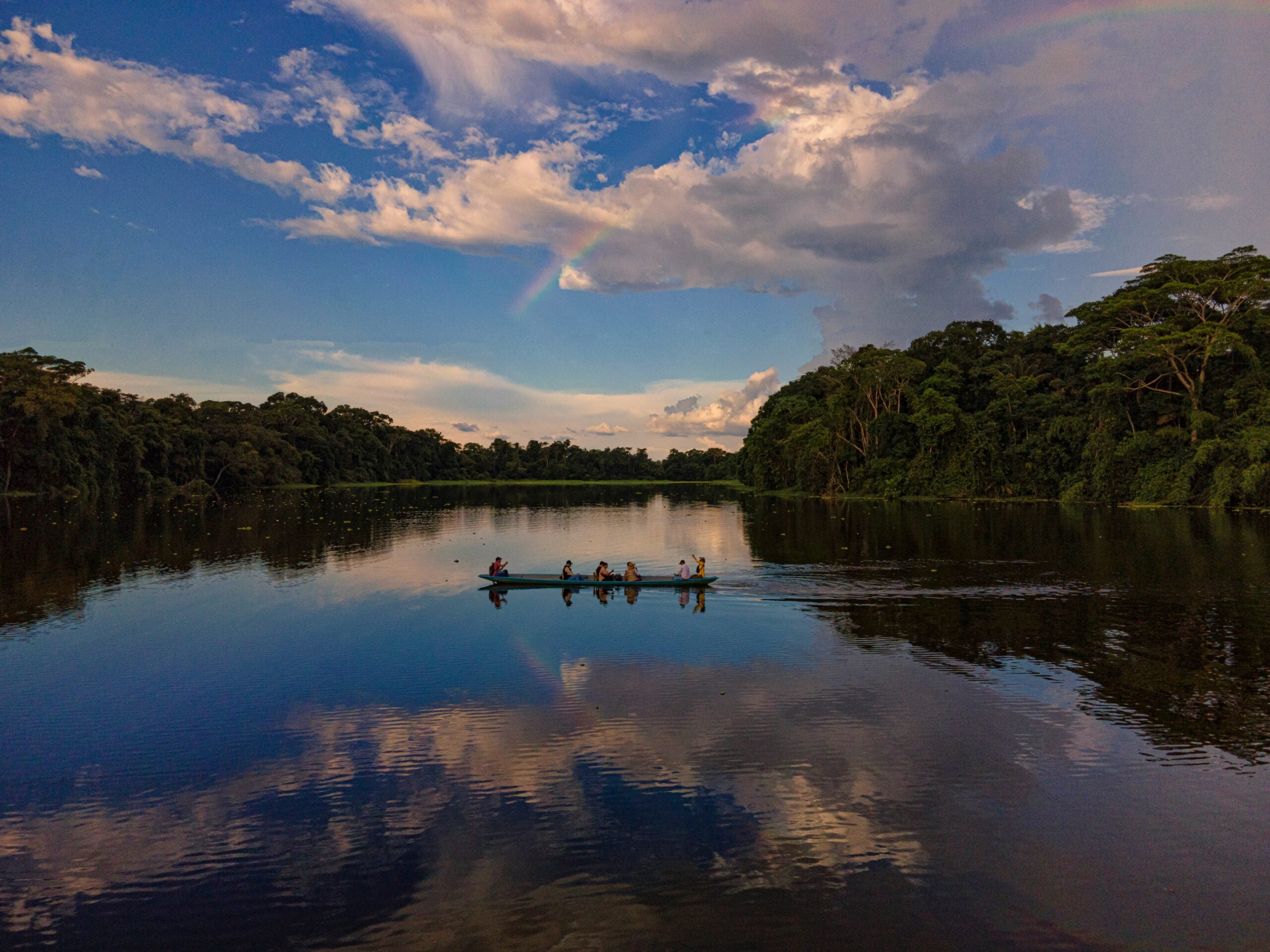
Only about 1 to 5% of sunlight reaches the Amazon floor, depending on the location and density of the canopy. The canopy absorbs or reflects the rest.
Walking through the understory at midday feels like twilight. This darkness shapes everything.
Plants on the forest floor have enormous leaves to capture every bit of available light. Some flowers bloom at night instead, relying on bats for pollination.
Animals have adapted with enhanced night vision or other senses. The canopy itself contains most of the life.
Scientists estimate that half of all rainforest species live in the canopy and never touch the ground. Entire ecosystems exist in the treetops—frogs that never leave the branches, plants that grow on other plants, and animals that spend their entire lives 40 meters above the earth.
Uncontacted Tribes Still Live There
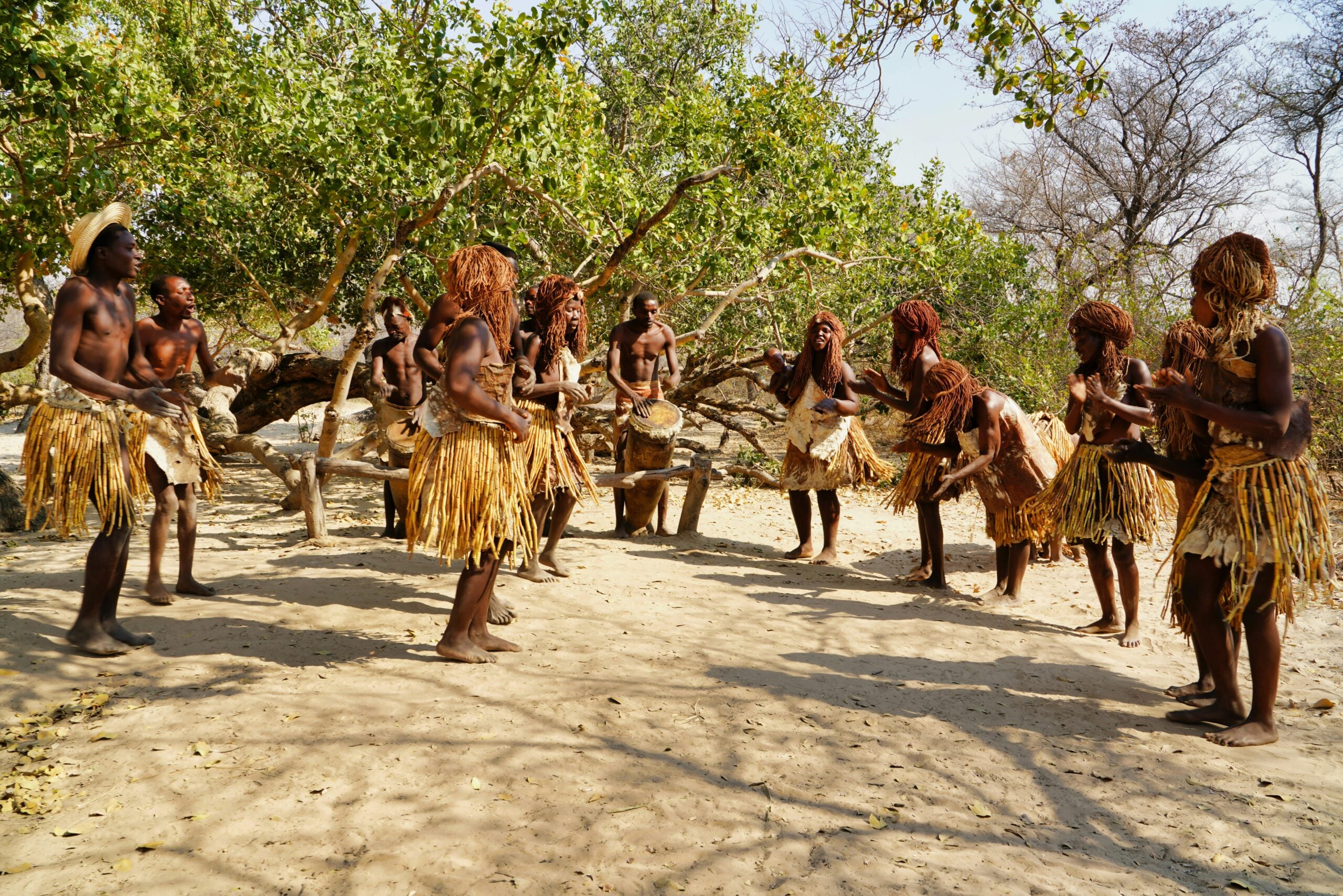
Around 70 to 80 uncontacted indigenous groups inhabit the Amazon. They’ve chosen isolation, actively avoiding contact with the outside world.
Some have violent encounters with outsiders and make it clear they want to be left alone. These groups have lived in the forest for thousands of years.
They possess knowledge about plants, animals, and survival that doesn’t exist anywhere else. When contacted tribes disappear, that knowledge vanishes with them.
Protecting uncontacted peoples means respecting their choice to remain isolated. It also means protecting vast areas of forest from development, logging, and encroachment.
The Amazon Produces 6% of Earth’s Oxygen (And It’s Complicated)
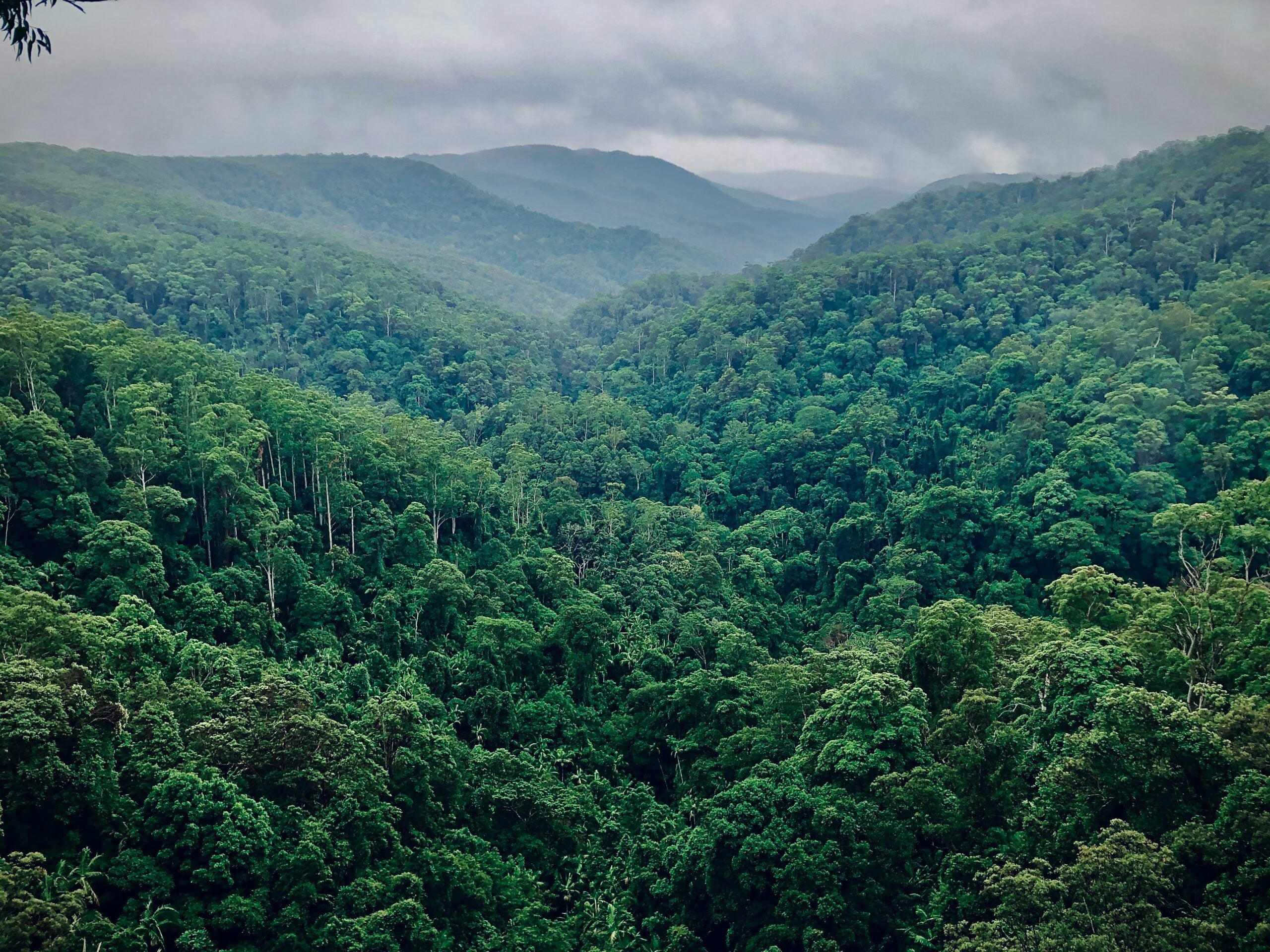
You’ll often hear that the Amazon produces 20% of the world’s oxygen. That figure is wrong.
The actual contribution is closer to 6% of global oxygen production through photosynthesis. But the forest also consumes roughly the same amount through respiration and decomposition.
The net contribution to atmospheric oxygen is close to zero. The forest is essentially oxygen-neutral over the long term.
What the Amazon does contribute is carbon storage. The trees lock up massive amounts of carbon that would otherwise enter the atmosphere as carbon dioxide.
This makes the forest crucial for climate regulation, just not in the way most people think.
Bullet Ants Deliver the Most Painful Sting on Earth
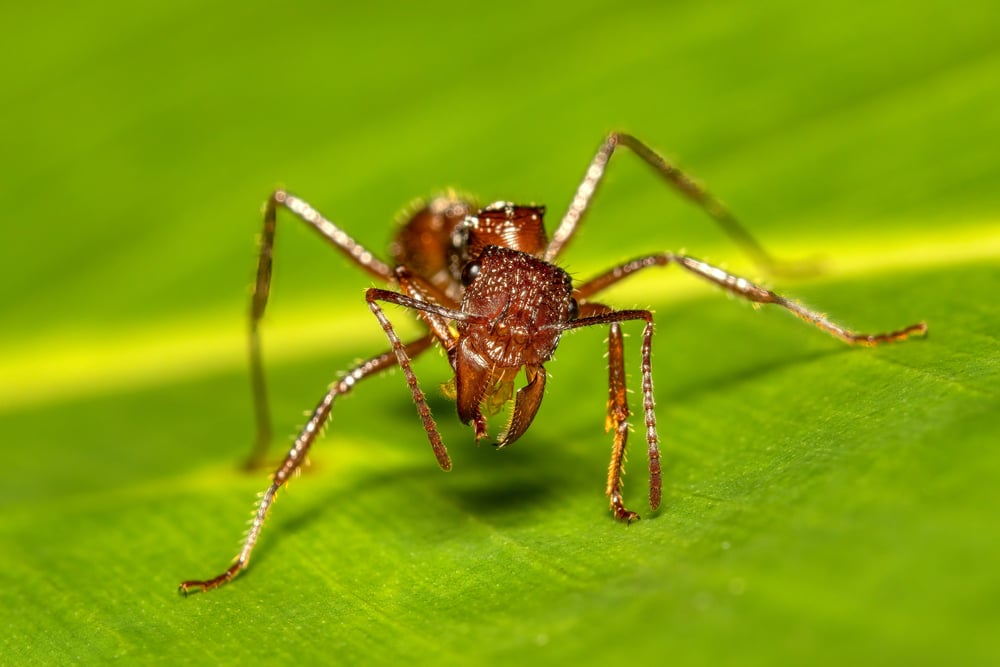
The bullet ant earns its name honestly. People who’ve been stung describe the pain as feeling like being shot.
The pain lasts for hours, sometimes over 24 hours, and includes waves of burning and throbbing. The Schmidt Pain Index rates insect stings on a scale of 1 to 4.
The bullet ant scores a 4+. Entomologist Justin Schmidt, who created the index, described it as “pure, intense, brilliant pain.”
Some indigenous tribes use bullet ants in initiation rituals. Young men must wear gloves filled with hundreds of bullet ants for ten minutes.
They repeat this ritual 20 times over several months to prove their courage. The ants inject a neurotoxin that causes temporary paralysis and uncontrollable shaking.
Giant Anacondas Can Swallow Prey Whole
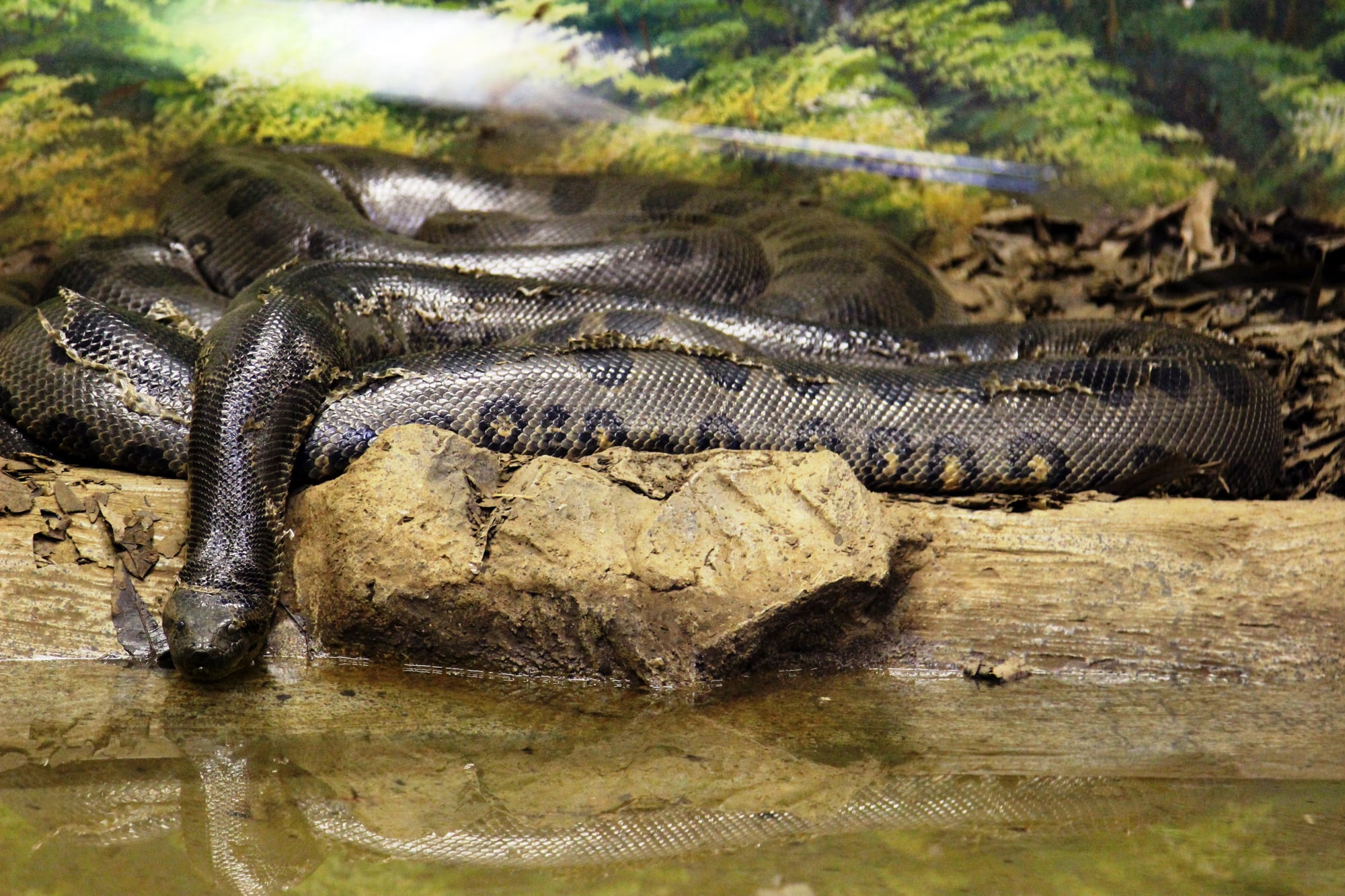
Green anacondas grow up to 6 to 7 meters long and weigh over 200 kilograms. They’re the heaviest snakes in the world.
These constrictors hunt in and around water, ambushing prey that comes to drink. Their jaws unhinge to swallow prey much larger than their heads—deer, capybaras, caimans.
After a large meal, an anaconda might not eat again for months. It sits in the shallows or hangs from branches, slowly digesting.
Despite their size and strength, anacondas rarely threaten humans. Attacks are extremely rare.
The snakes would rather avoid confrontation. Most local people who work in the forest have never seen one despite years in anaconda habitat.
Deforestation Outpaces Regrowth in Key Areas
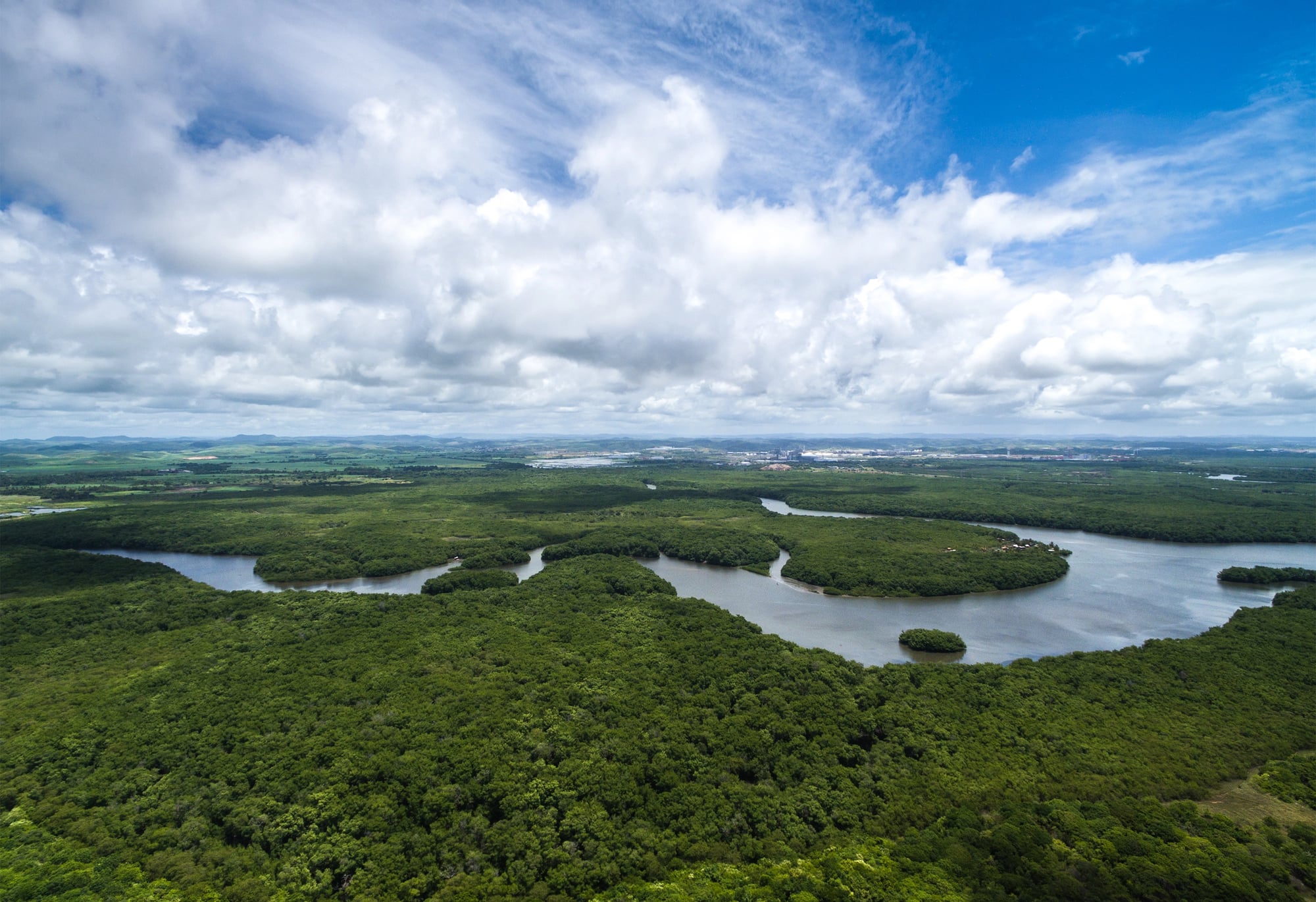
Deforestation has accelerated dramatically in recent decades. Fire, logging, and agricultural clearing destroy sections of rainforest every day.
In 2019 alone, fires destroyed an area larger than Israel. Some regions do recover when left alone.
But in heavily impacted zones, deforestation far outpaces natural regrowth. The forest can bounce back—just not fast enough to keep up with the destruction.
Amazon is approaching a tipping point. Scientists estimate that if 20-25% of the forest disappears, the remaining forest won’t generate enough rain to sustain itself.
The system will collapse, turning into savanna. Current estimates put forest loss at around 15 to 18%, depending on the measurement method used.
The margin is shrinking. And the rate of destruction continues to increase.
New Species Are Discovered Every Few Days
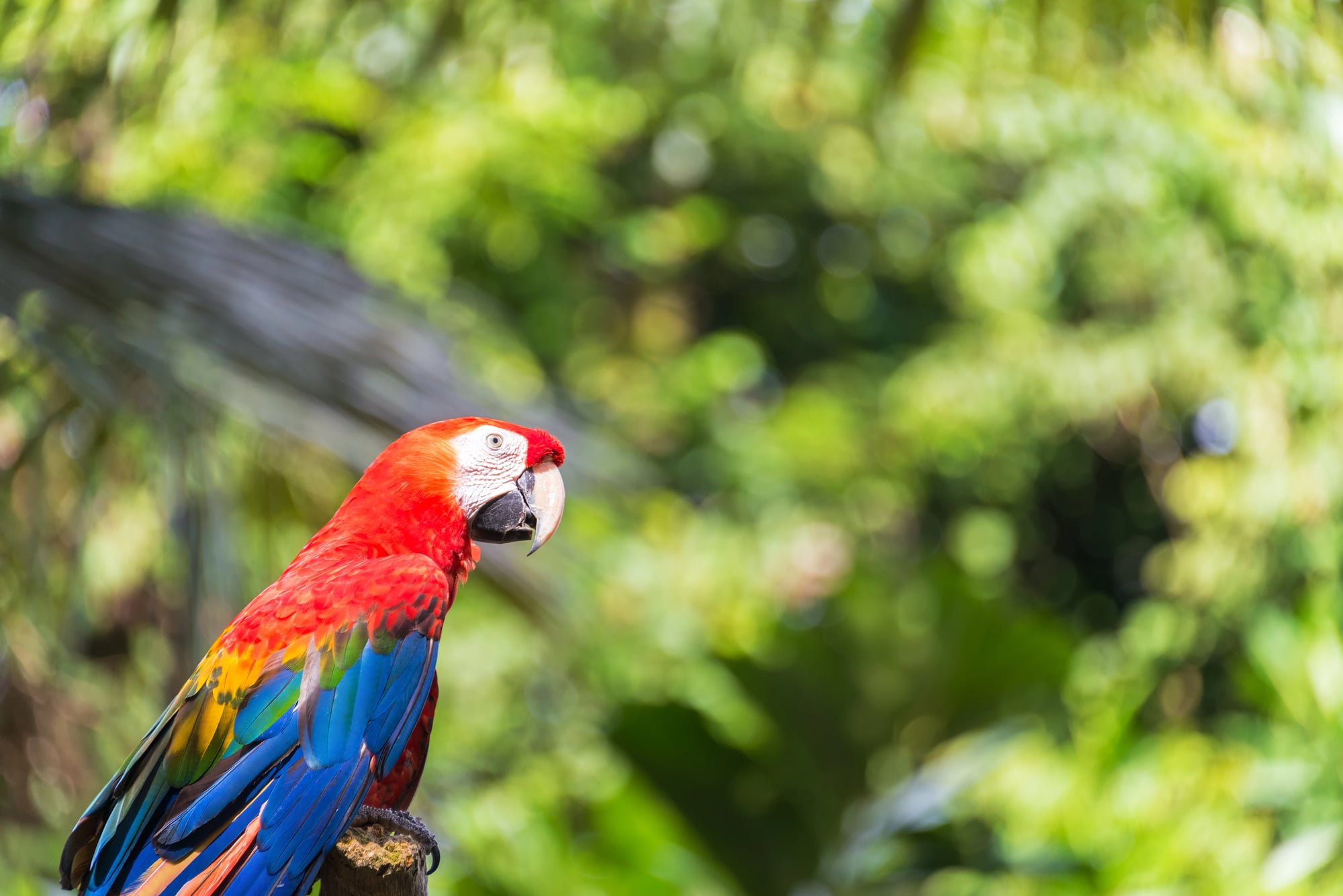
In the Amazon, researchers discovered more than 2,000 new vertebrate species between 1999 and 2015—one new species every two days. Only fish, reptiles, amphibians, birds, and mammals are included in this count.
The discovery rate increases significantly when insects and other invertebrates are included. Although formal classification takes years, the actual rate of discovery is still ongoing.
Many of these species occupy extremely specialized niches. A frog that lives only on one mountain.
A fish found only in one tributary. an insect that only eats certain kinds of flowers.
They are vulnerable because of this specificity; if their habitat is destroyed, they will completely disappear. Scientists estimate we’ve catalogued less than half of the species living in the Amazon.
Thousands remain undiscovered. Some will go extinct before we even know they existed.
Where the Breathing Happens
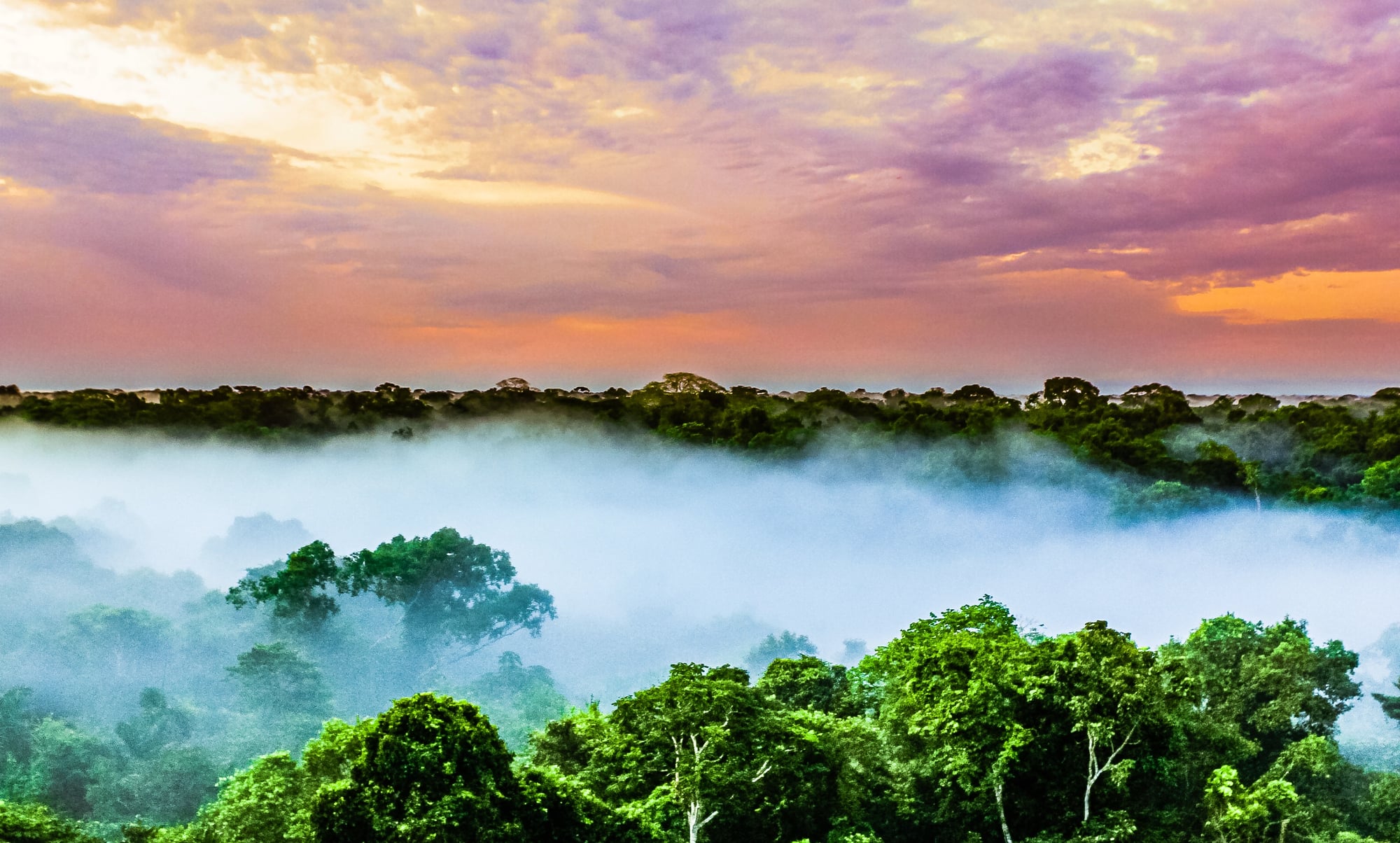
You can hear the forest awakening when you stand in the Amazon at dawn. Birds begin to call.
Howler monkeys let out a roar. Insects start to buzz.
From silhouette to green, the canopy changes. The forest breathes, taking in carbon dioxide and expelling oxygen to maintain a balance that was created over millions of years.
Every tree is important. Each animal has a part to play.
The mysteries we’ve unearthed show a system that is more intricate and brittle than anyone could have predicted. And we still don’t know a great deal.
There are parts of the Amazon that have never been thoroughly investigated. Rivers are still not mapped.
In the shadows, species wait. Most likely, the most profound secrets are still concealed, just waiting for someone to look closely enough to discover them.
More from Go2Tutors!

- The Romanov Crown Jewels and Their Tragic Fate
- 13 Historical Mysteries That Science Still Can’t Solve
- Famous Hoaxes That Fooled the World for Years
- 15 Child Stars with Tragic Adult Lives
- 16 Famous Jewelry Pieces in History
Like Go2Tutors’s content? Follow us on MSN.