16 Survival Skills That Work in Any Environment
Survival isn’t just about wrestling bears or building elaborate shelters from scratch. Most survival situations come down to making smart decisions with limited resources, staying calm under pressure, and knowing a few key techniques that work whether you’re lost in the desert, stranded in a snowstorm, or dealing with an urban emergency.
The best survival skills are surprisingly simple and don’t require expensive gear or years of wilderness training. Here is a list of 16 essential survival skills that can keep you alive and safe regardless of where trouble finds you.
Finding Water Sources
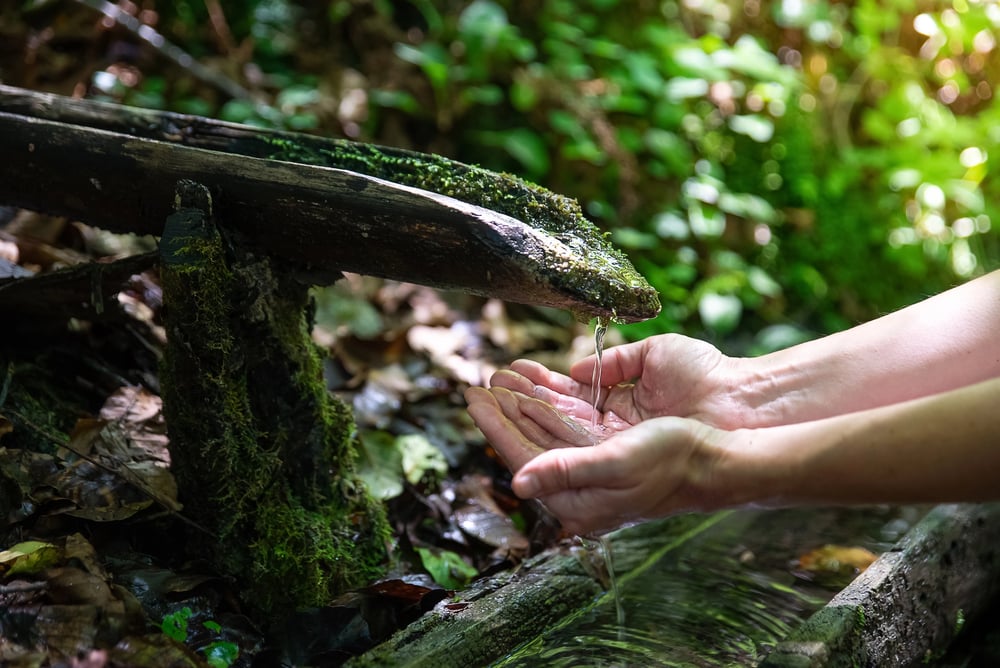
Water beats food every time when it comes to immediate survival needs. Your body can go weeks without eating but only three to four days without drinking.
Look for natural indicators like green vegetation, animal tracks converging in one direction, or the sound of flowing water. Even in seemingly dry environments, you can often find moisture by digging near the base of cliffs, in dried creek beds, or around large rocks where dew collects.
Purifying Water Safely
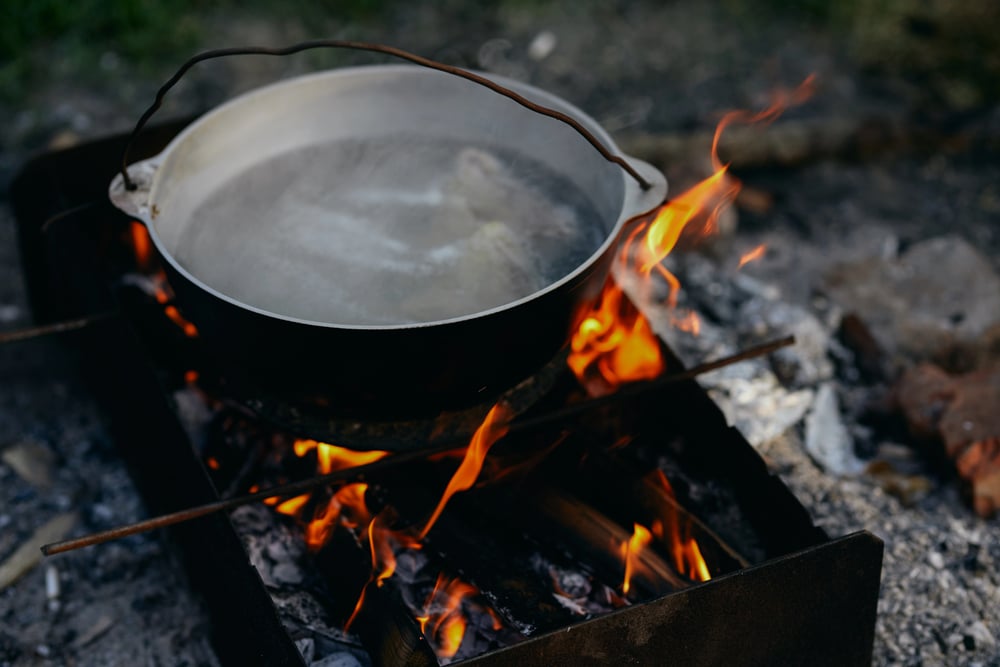
Finding water is only half the battle—making it safe to drink is equally crucial. Boiling remains the most reliable method, killing bacteria, viruses, and parasites that could leave you worse off than when you started.
If you don’t have a container, you can heat rocks in a fire and drop them into a makeshift vessel made from bark or even a plastic bag. Clear water through cloth first to remove visible debris, then boil for at least one minute at sea level, longer at higher altitudes.
Building Basic Shelter
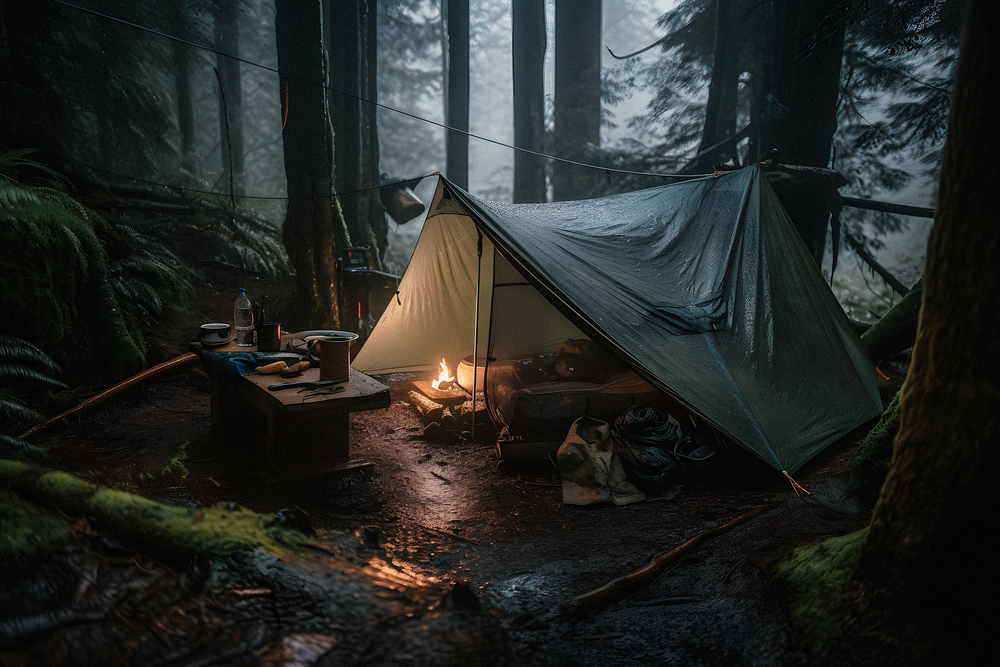
Shelter protects you from the elements and helps regulate your body temperature, which can mean the difference between life and death. The key is insulation from the ground and protection from wind and precipitation.
A simple lean-to using branches, logs, or debris can work in most environments. In snow, dig down to create a windbreak, and in hot climates, focus on shade and airflow.
Starting Fire Without Matches
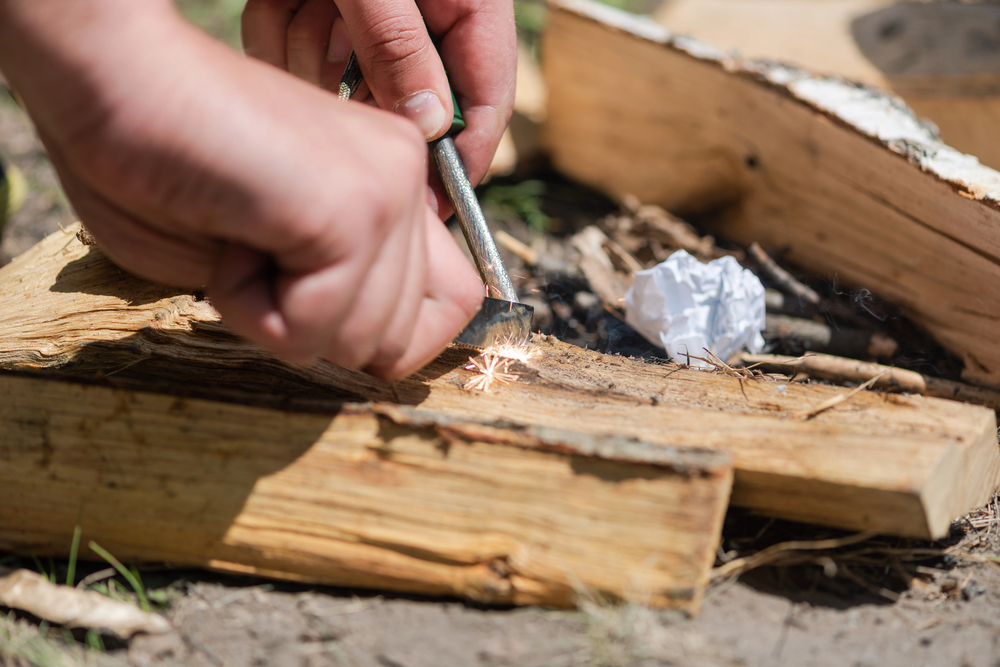
Fire provides warmth, light, a way to purify water, and a powerful psychological boost when everything seems hopeless. The friction method works reliably once you get the hang of it—use a bow drill or hand drill technique with dry wood.
Steel wool and a battery create instant sparks, and even without traditional tools, you can use eyeglasses or a clear plastic bottle filled with water to focus sunlight. The real trick is having dry tinder ready before you create your spark.
Signaling for Rescue
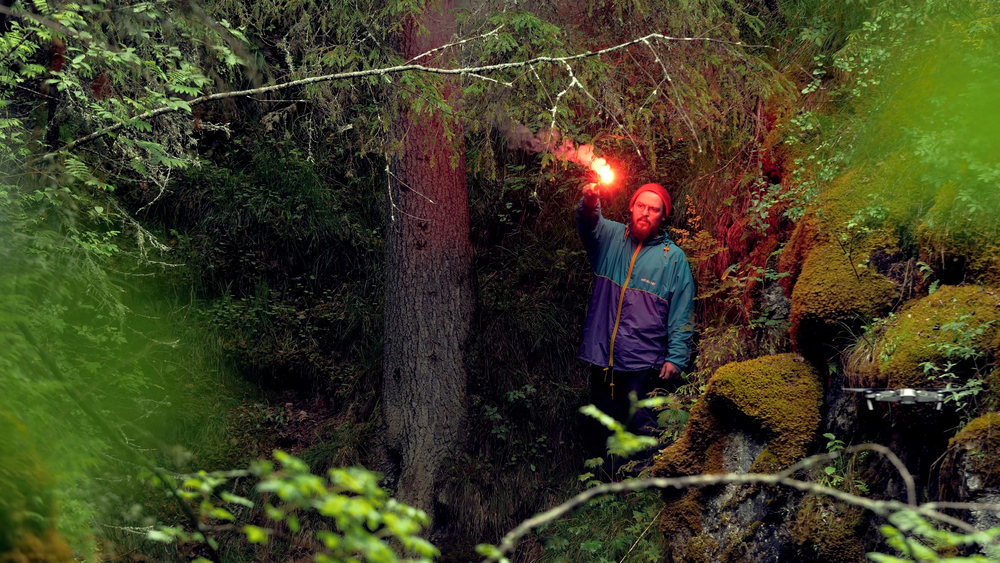
Making yourself visible to rescuers dramatically increases your chances of being found quickly. Three of anything—whistle blasts, mirror flashes, or smoke columns—is the universal distress signal.
Bright colors stand out against natural backgrounds, so use clothing, gear, or even arrange rocks to create contrast. At night, any light source becomes visible from miles away.
Basic First Aid Techniques
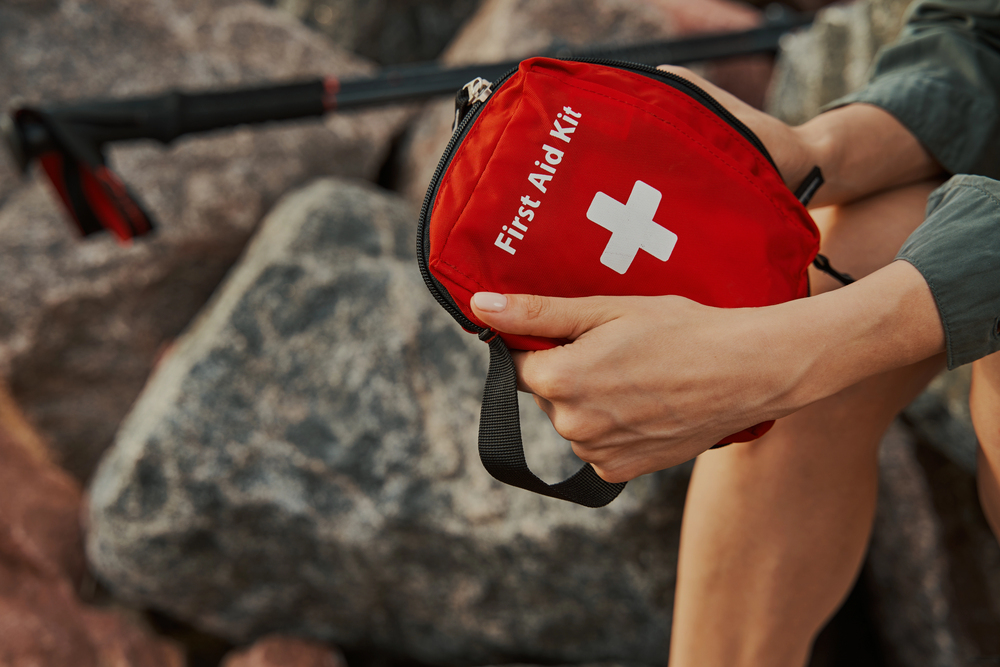
Medical emergencies become exponentially more dangerous when you’re far from help. Control the loss of blood by applying direct pressure with any clean cloth, elevate the wounded area above the heart if possible, and don’t remove objects stuck in wounds.
Recognize signs of shock—pale skin, rapid pulse, confusion—and keep the person warm and lying down with legs elevated. Learn to identify and treat hypothermia and heat exhaustion, as temperature-related injuries are among the most common in survival situations.
Food Identification in the Wild
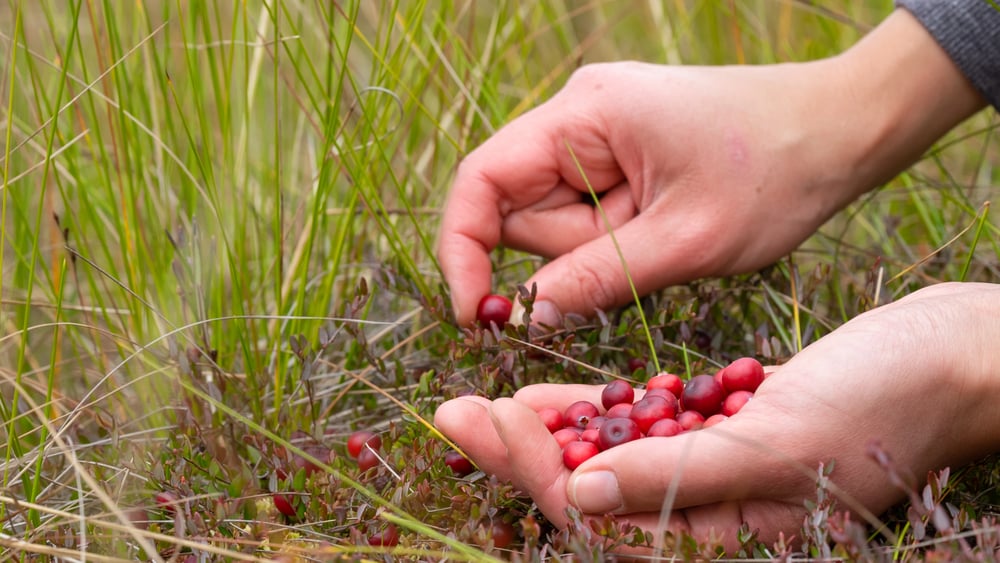
While you can survive much longer without food than without water, knowing what’s safe to eat can sustain you during extended survival situations. The universal edibility test involves small steps—smell, touch to lips, touch to tongue, chew and spit, swallow a tiny amount, then wait for reactions.
Avoid mushrooms entirely unless you’re absolutely certain, as the risk isn’t worth it. Focus on familiar plants like dandelions, clover, and cattails, which grow in many regions and are easily identifiable.
Navigation Without a Compass
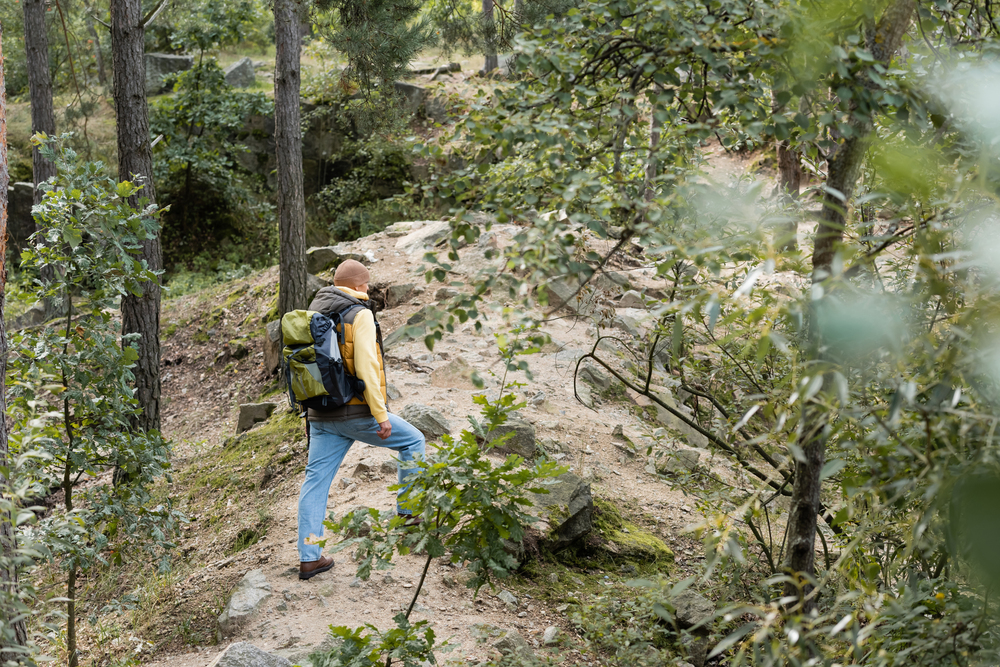
Getting lost turns a manageable situation into a dangerous one fast. The sun rises in the east and sets in the west everywhere on Earth, giving you a reliable directional reference during daylight hours.
At night, the North Star sits almost directly above true north in the Northern Hemisphere. Moss doesn’t always grow on the north side of trees, but snow melts faster on south-facing slopes.
Knot Tying Essentials
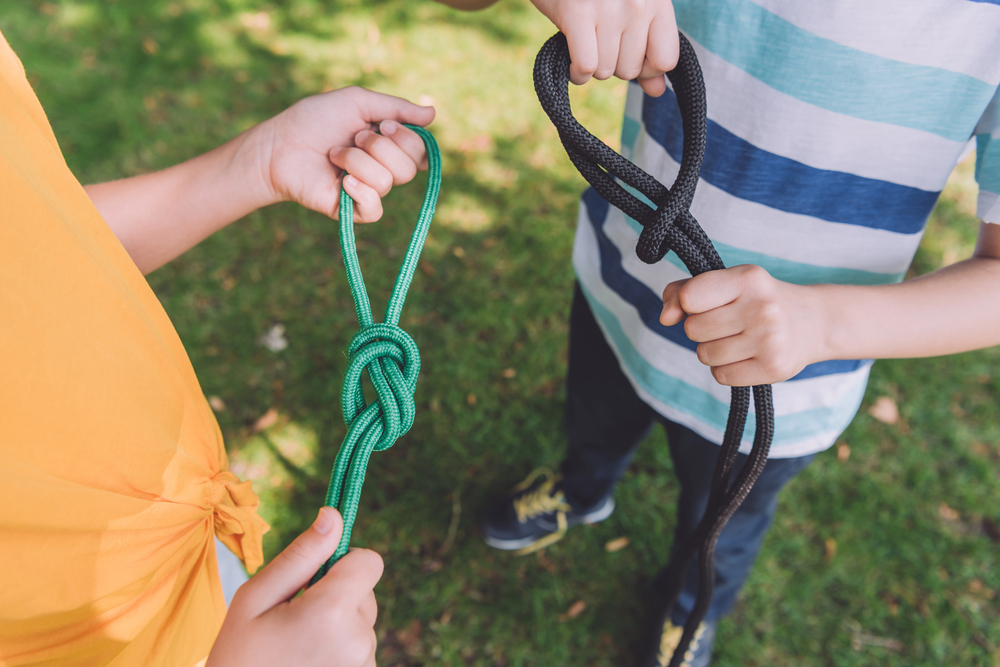
A few well-executed knots can solve countless problems in survival situations. The bowline creates a secure loop that won’t slip, perfect for rescue scenarios or securing shelter.
The clove hitch quickly attaches rope to posts or trees, and the trucker’s hitch provides mechanical advantage for tight lashings. The square knot joins two ropes of similar thickness reliably.
Weather Pattern Recognition
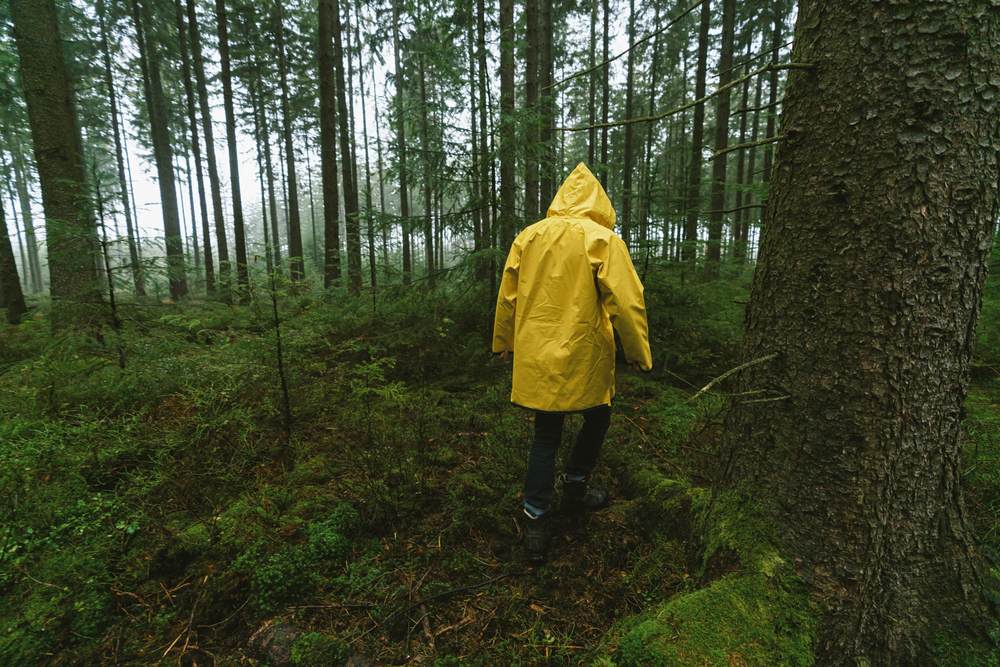
Understanding weather can prevent dangerous situations and help you make better decisions about when to travel or hunker down. Clouds tell stories—high, wispy clouds often mean weather changes in 24-48 hours, while dark, towering clouds suggest immediate storms.
Wind direction changes often signal weather fronts moving through. Animals and insects often become more active before storms, and your own body can sense pressure changes.
Tool Making from Natural Materials
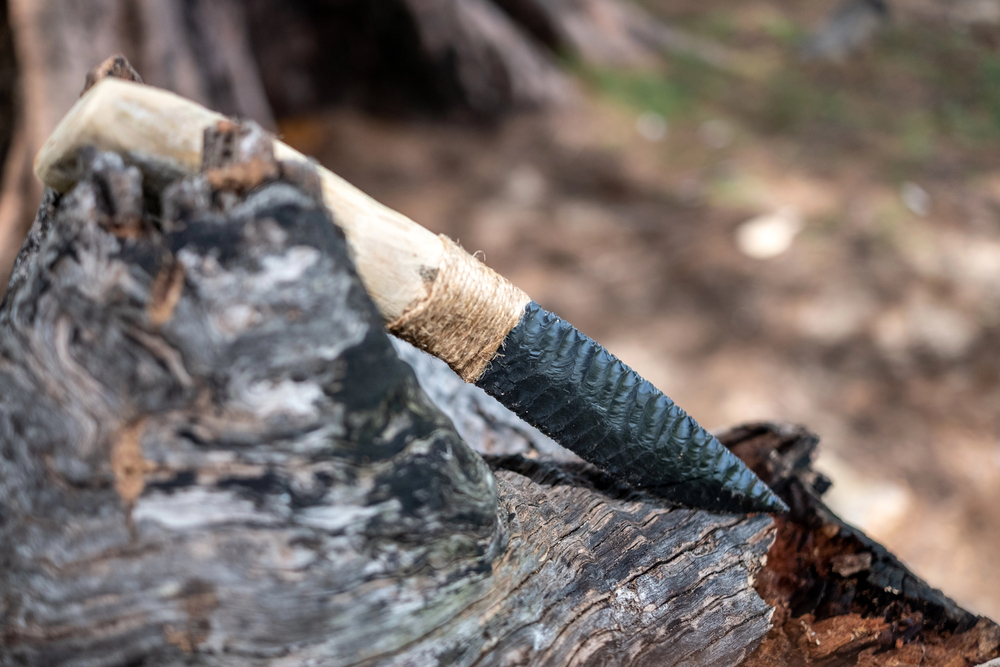
Modern humans forget how resourceful our ancestors were with simple materials. Sharp stones can be knapped into cutting tools by striking them at the right angle against harder rocks.
Straight branches become spears, digging sticks, or tent poles. Bark can be woven into rope, containers, or even crude clothing.
Mental Resilience Techniques
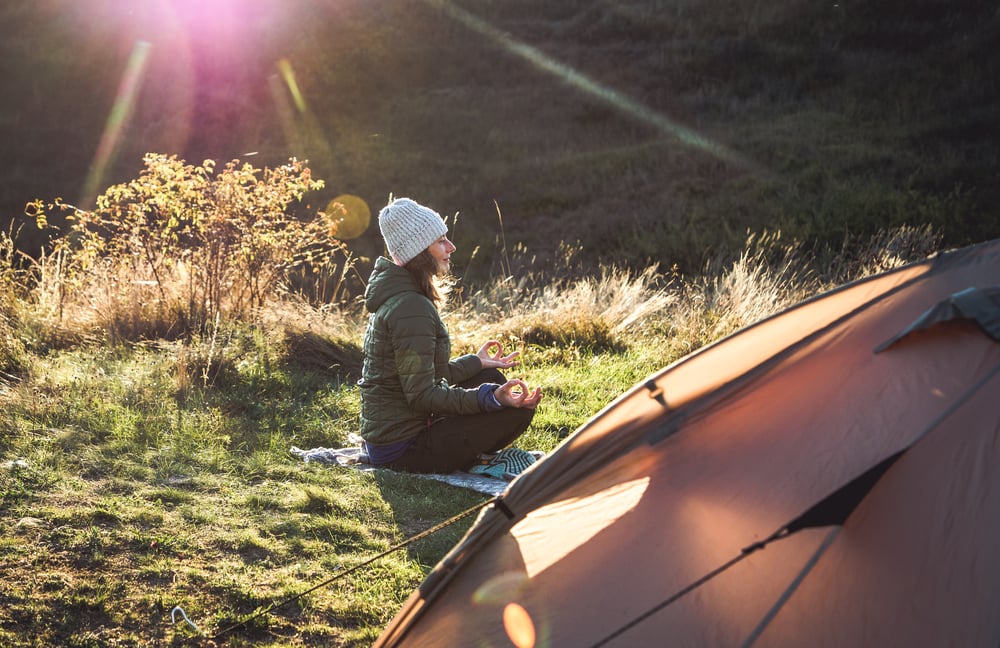
Your mind often determines whether you survive or give up long before your body reaches its limits. The rule of threes helps prioritize—three minutes without air, three days without water, three weeks without food.
Break overwhelming situations into small, manageable tasks instead of focusing on the entire ordeal. Positive self-talk might sound silly, but it works when despair starts creeping in.
Energy Conservation Methods
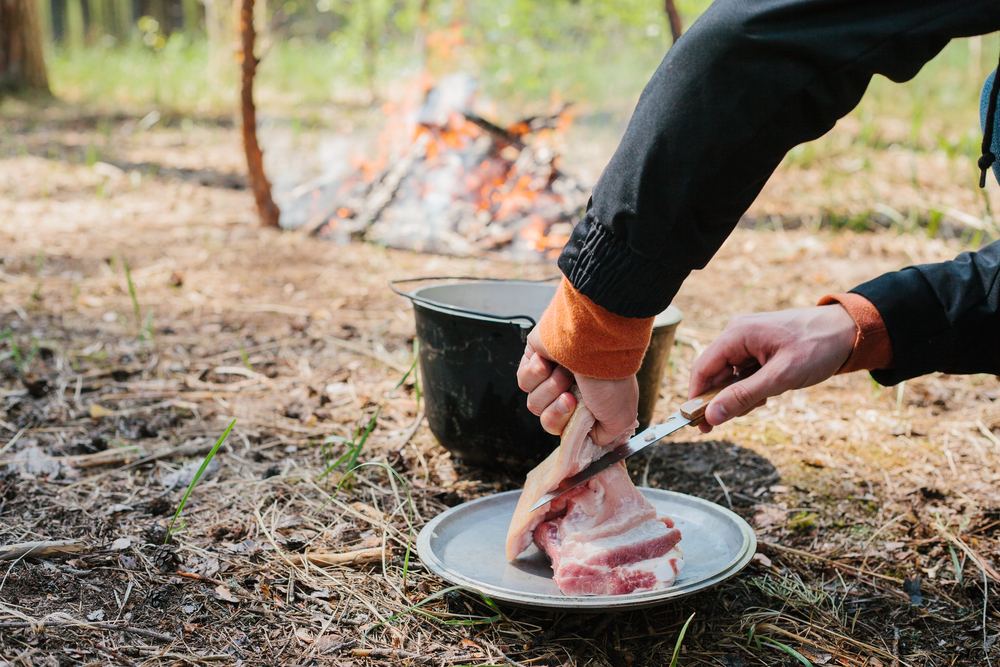
Survival situations aren’t the time to be a hero—every calorie counts when you don’t know when your next meal will come. Move deliberately rather than frantically, rest when you can, and avoid unnecessary exertion during the hottest parts of the day.
Sweating wastes precious water and electrolytes, so work during cooler morning and evening hours when possible. Think like a long-distance runner rather than a sprinter—steady, sustainable effort wins over bursts of frantic activity.
Cold Weather Survival
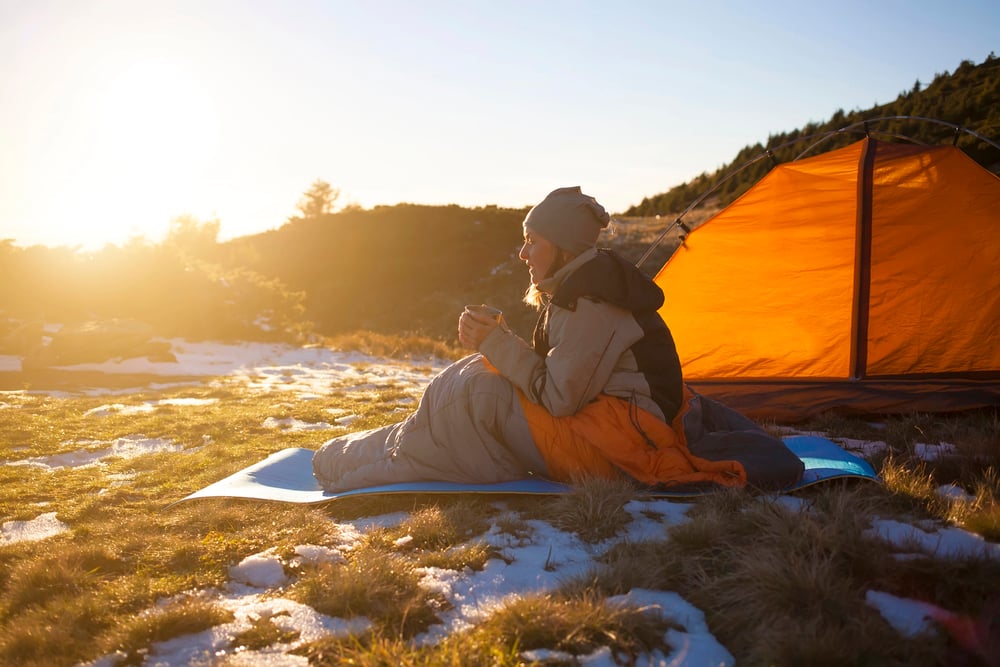
Cold kills faster than almost any other environmental factor, often within hours rather than days. Layer clothing to trap warm air, and keep your core temperature stable even if your extremities get cold.
Stay dry at all costs—wet clothing in cold weather becomes a death sentence. Eat high-energy foods if available, as your body burns tremendous calories trying to stay warm.
Hot Weather Survival
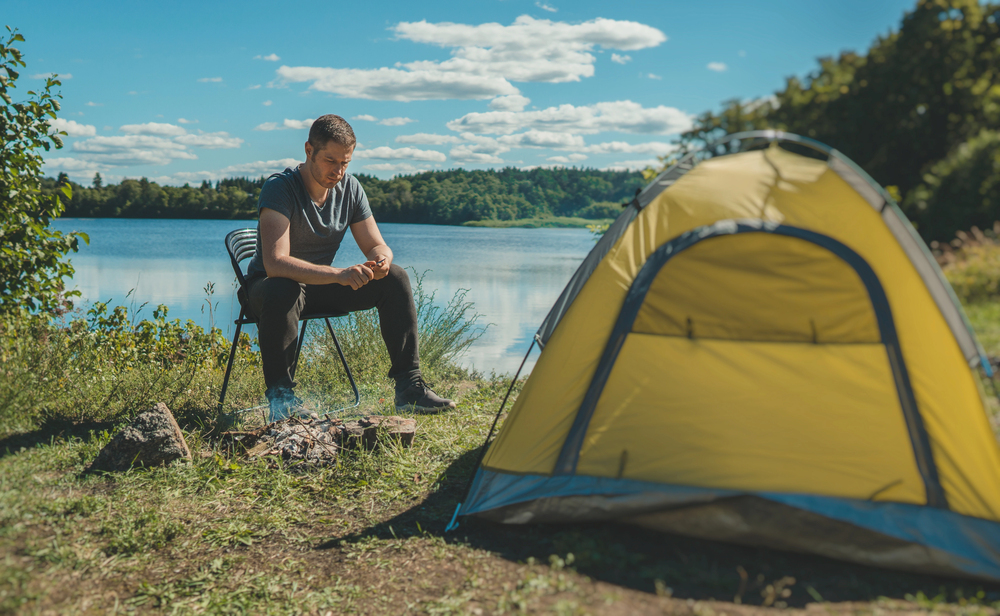
Desert and hot weather survival flips the script—now you’re fighting dehydration, heat exhaustion, and the sun’s relentless energy. Seek shade during peak daylight hours and travel during cooler dawn and dusk periods.
Light-colored, loose clothing reflects heat better than dark, tight clothes. Ration your water intelligently rather than restricting it entirely—severe dehydration impairs judgment and physical ability.
Urban Emergency Preparedness
City survival requires different skills than wilderness survival, but many principles remain the same. Know multiple routes out of your area in case main roads become impassable.
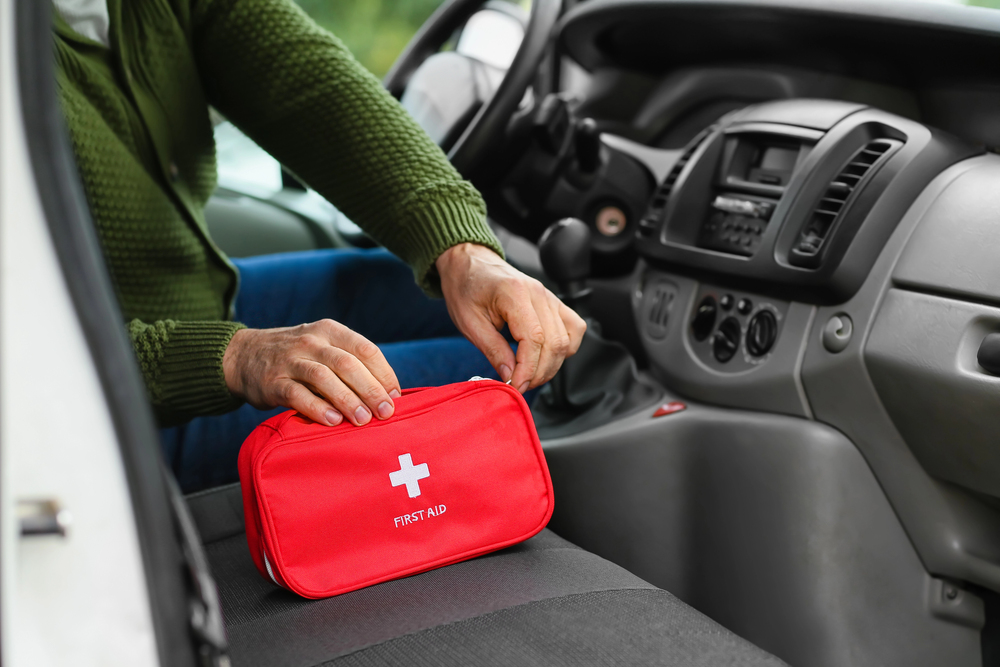
Keep basic supplies—water, food, flashlight, first aid kit—in your home, car, and workplace. Understand that in major emergencies, help might not arrive for days or even weeks.
Why These Skills Matter More Than Ever
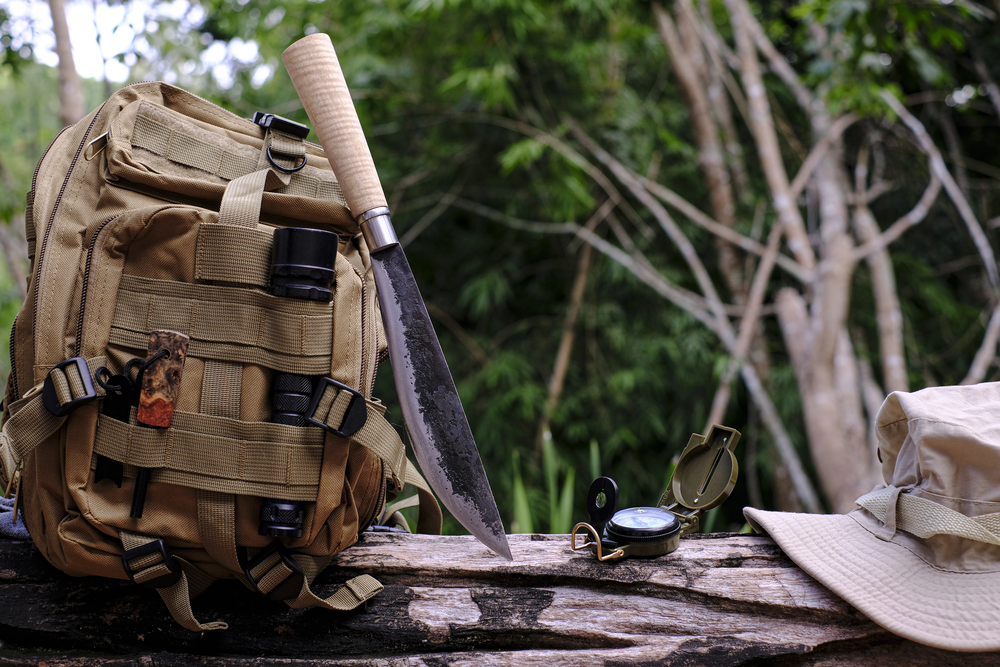
Modern technology creates a false sense of security that can evaporate in moments when GPS fails, cell towers go down, or natural disasters strike. These fundamental survival skills worked for our ancestors long before smartphones existed, and they’ll work for us when our digital safety nets disappear.
The confidence that comes from knowing you can handle emergencies reduces anxiety and helps you make better decisions under pressure, whether you’re dealing with a wilderness mishap or an urban crisis.
More from Go2Tutors!

- The Romanov Crown Jewels and Their Tragic Fate
- 13 Historical Mysteries That Science Still Can’t Solve
- Famous Hoaxes That Fooled the World for Years
- 15 Child Stars with Tragic Adult Lives
- 16 Famous Jewelry Pieces in History
Like Go2Tutors’s content? Follow us on MSN.



