17 Optical Effects That Happen Without Your Knowledge
Your eyes and brain work together in fascinating ways, constantly processing visual information while making split-second decisions about what you’re seeing. Most of the time, this partnership runs so smoothly that these incredible optical phenomena happening right in front of you go completely unnoticed.
From the way light bends and reflects to how your brain fills in missing information, these visual tricks occur daily without any conscious awareness. Here’s a list of 17 optical effects that your eyes and brain create or encounter regularly, often without you having the slightest clue they’re happening.
Blind Spot Compensation

Everyone has a blind spot in each eye where the optic nerve connects to the retina—yet you never notice it because your brain automatically fills in the gap. This spot’s about the size of your thumb held at arm’s length.
Despite this significant visual gap, your visual system seamlessly patches over it using surrounding information, essentially making educated guesses about what should be there based on patterns and context.
Saccadic Masking

Your eyes make rapid movements called saccades several times per second as they jump from one focus point to another—but you don’t experience a blurry mess. Instead, your brain temporarily suppresses visual processing during these movements.
This means you’re essentially blind for brief moments throughout the day, though your brain stitches together a continuous visual narrative that feels completely uninterrupted.
Like Go2Tutors’s content? Follow us on MSN.
Binocular Rivalry

When each eye sees a completely different image, your brain doesn’t blend them together. Rather, it alternates between showing you one image or the other.
This happens naturally when objects partially block your view or when looking through fences—though the switching occurs so quickly you might not notice the alternation. Your visual system takes turns deciding which eye’s input gets priority at any given moment.
Chromatic Aberration Correction

Camera lenses often produce color fringing around high-contrast edges, yet your eyes have the same problem—they just hide it remarkably well. Different wavelengths of light focus at slightly different distances, which should create rainbow-like halos around bright objects against dark backgrounds.
However, your brain automatically compensates for this optical imperfection, filtering out unwanted color distortions before they reach conscious awareness.
Motion Aftereffects
Stare at moving water for a while, then look at stationary rocks—they’ll appear to move in the opposite direction. This happens because neurons that detect motion in one direction become fatigued, making the opposing motion detectors more sensitive by comparison.
The effect occurs naturally after any prolonged exposure to consistent motion, from escalators to highway driving, though it’s usually too subtle to notice unless you’re actively paying attention.
Like Go2Tutors’s content? Follow us on MSN.
Peripheral Vision Enhancement

Your peripheral vision is actually much more sensitive to movement than your central vision—even though it’s terrible at detecting fine details. This enhanced motion detection happens automatically, serving as an early warning system for potential threats or important environmental changes.
Your brain constantly monitors this peripheral input while instantly redirecting attention when something moves in your side vision.
Contrast Sensitivity Adjustment

Your eyes automatically adjust their sensitivity to contrast based on overall lighting conditions—making subtle differences more visible in bright light while emphasizing stronger contrasts in dim conditions. This adjustment happens continuously and unconsciously as you move between different lighting environments throughout the day.
The effect works so seamlessly that you rarely notice how dramatically your contrast perception changes from indoor to outdoor settings.
Depth Perception Fusion

Your brain combines slightly different images from each eye to create a single three-dimensional perception of space—but this process involves sophisticated guesswork. When objects are too far away for true binocular depth perception, your visual system relies on other cues like size, overlap, and perspective to maintain the depth illusion.
This fusion process works so well that you’re rarely aware of when you’re seeing true stereoscopic depth versus calculated estimates.
Like Go2Tutors’s content? Follow us on MSN.
Flicker Fusion

Fluorescent lights and old computer monitors actually flicker dozens of times per second—yet your visual system blends these rapid changes into the perception of steady illumination. This flicker fusion threshold varies from person to person while changing with age, fatigue, and lighting conditions.
Most people can’t consciously detect flicker rates above 50-60 cycles per second, though some individuals are more sensitive and may notice subtle strobing of certain light sources.
Color Constancy

A white shirt looks white whether you’re indoors under yellow incandescent light or outdoors under blue daylight—even though the actual wavelengths reaching your eyes are completely different. Your brain automatically adjusts color perception based on surrounding light sources, maintaining consistent color recognition across varying illumination conditions.
This adjustment happens instantly and unconsciously every time you move between different lighting environments.
Saccadic Compression
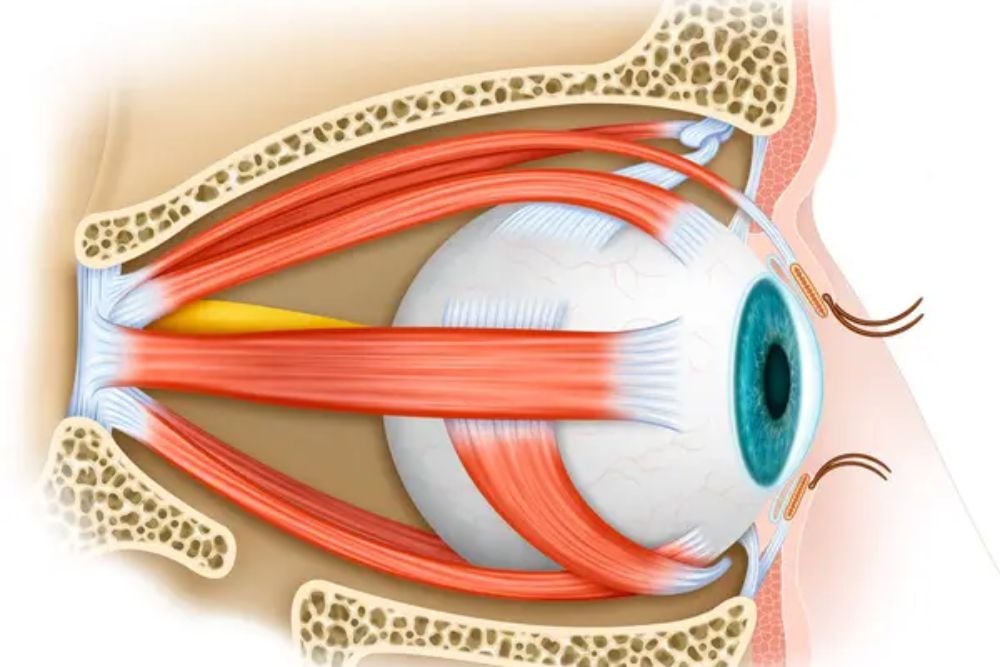
When your eyes move quickly to look at a clock, the second hand sometimes appears to freeze for longer than a second. This happens because your brain fills in the time lost during the eye movement.
Your visual system essentially stretches the first clear image after a saccade to cover the gap created by the rapid eye movement. This effect occurs with any sudden eye movement toward a new visual target, though it’s most noticeable with timing devices.
Like Go2Tutors’s content? Follow us on MSN.
Troxler Fading

Stare directly at one spot for 30 seconds, and objects in your peripheral vision will gradually fade from view, even though they’re still there. This fading occurs because your visual system stops responding to unchanging stimuli, essentially filtering out constant information to focus on changes and movement.
The effect demonstrates how your perception actively constructs reality rather than passively recording it like a camera.
Purkinje Shift

As lighting conditions change from bright to dim, your perception of color brightness shifts considerably. Reds become darker while blues become relatively brighter.
This happens because your eyes switch from cone-dominated vision, which is good for color and detail, to rod-dominated vision that’s better for low-light sensitivity. The transition occurs gradually during twilight hours, subtly altering how you perceive the relative brightness of different colored objects.
Microsaccades

Even when you think you’re staring perfectly still at something, your eyes are actually making tiny, involuntary movements called microsaccades. These minute movements prevent your vision from fading due to neural adaptation.
Without them, stationary objects would gradually disappear from view. Your brain completely filters out the visual disruption caused by these constant micro-movements while maintaining the illusion of steady, stable vision.
Like Go2Tutors’s content? Follow us on MSN.
Atmospheric Perspective Processing

Distant mountains appear blue and hazy not just because of atmospheric scattering, but also because your brain interprets this color shift as a depth cue. Your visual system automatically uses the degree of atmospheric haze to judge distance.
This makes far-away objects appear more distant than they would without this atmospheric effect. This processing happens unconsciously every time you look at distant landscapes, helping you gauge spatial relationships across large distances.
Retinal Stabilization

When you move your head or body, your eyes automatically make compensatory movements to keep images stable on your retina. This prevents the world from appearing to bounce around constantly.
This stabilization system works so efficiently that you’re completely unaware of the constant adjustments your eye muscles are making. The effect is so fundamental to normal vision that you only notice it when the system fails, such as when you’re dizzy or experiencing certain medical conditions.
Temporal Masking

Bright flashes of light can make you temporarily unable to see dimmer objects that appear immediately before or after the flash. This occurs even though your eyes are physically capable of detecting them.
This masking effect happens because your visual system temporarily adjusts its sensitivity based on recent bright stimuli. The phenomenon occurs naturally with camera flashes, lightning, and even sudden changes in sunlight when clouds move, though the masking is usually too brief to notice consciously.
Like Go2Tutors’s content? Follow us on MSN.
The Constant Dance of Perception

These optical effects reveal that vision isn’t simply a matter of light hitting your eyes. Rather, it’s an active, ongoing collaboration between your sensory organs and your brain’s sophisticated processing systems.
Every moment you’re awake, your visual system is making countless automatic adjustments, corrections, and interpretations that create the seamless experience of sight. Understanding these hidden processes makes you realize that what you consider ‘seeing’ is actually one of the most complex computational tasks your brain performs, happening continuously without any conscious effort on your part.
More from Go2Tutors!

- 16 Restaurant Chains That Went Too Fast
- 12 Things Sold in the 80s That Are Now Illegal
- 15 Strange Things People Have Tried to Ban (And Failed)
- 16 Collectibles People Tossed Out Too Soon
- 17 Myths from Your Childhood That Were Actually Based on Real Things
Like Go2Tutors’s content? Follow us on MSN.