19 Bizarre Beauty Hacks From Different Eras
Beauty standards have always been fascinating, but the methods people used to achieve them throughout history? Absolutely wild. From ancient civilizations to the not-so-distant past, our ancestors had some truly creative—and often dangerous—approaches to looking their best. These weren’t just quirky trends either; many of these practices were considered the height of sophistication and beauty in their time.
What’s particularly interesting is how these historical beauty hacks reveal so much about the societies that embraced them. Here’s a list of 19 bizarre beauty practices that will make you appreciate modern skincare routines.
Lead-Based Face Paint in Ancient Rome

Roman women mixed white lead with vinegar to create a pale complexion that screamed aristocracy. The whiter your skin, the more obvious it was that you didn’t have to work outdoors like the common folk.
Unfortunately, this beauty hack slowly poisoned users, causing everything from hair loss to organ failure.
Urine Mouthwash in Ancient Rome

Romans believed that urine—particularly Portuguese urine, which was considered premium—made an excellent mouthwash and teeth whitener. They genuinely thought the ammonia content would keep their pearly whites sparkling.
The poet Catullus even wrote about how Spanish women used this method religiously.
Like Go2Tutors’s content? Follow us on MSN.
Crushed Beetles for Lip Color

Long before modern lipstick, women in ancient Egypt and medieval Europe crushed cochineal beetles to create a vibrant red pigment. These tiny insects produced a stunning crimson color that lasted longer than plant-based alternatives.
The practice was so effective that cochineal is still used in some cosmetics today, though most people have no idea they’re applying bug juice to their lips.
Nightshade Eye Drops for Dilated Pupils
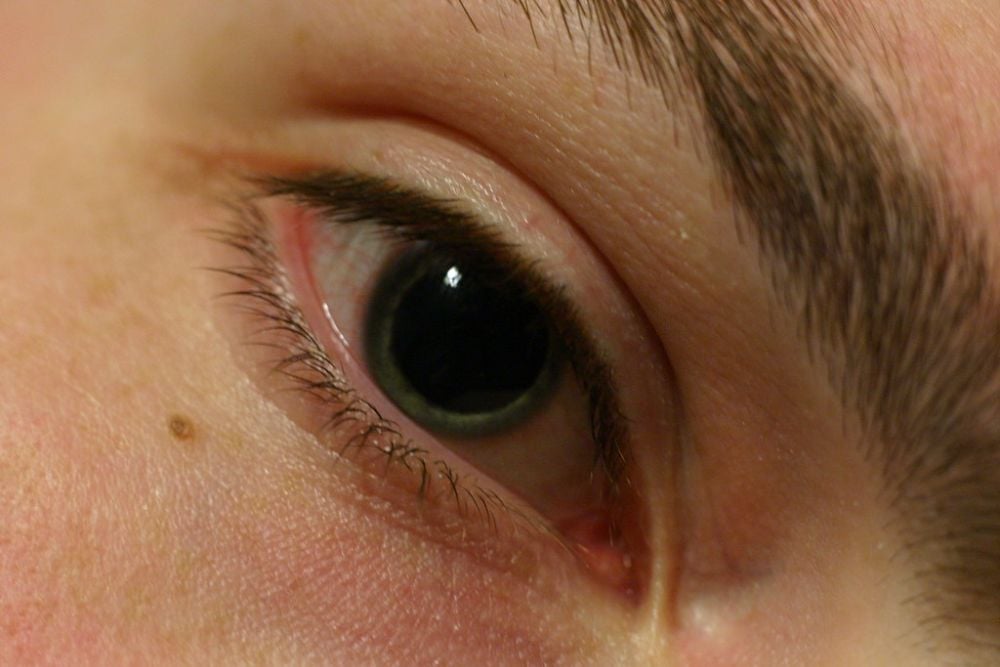
Renaissance women dropped belladonna extract directly into their eyes to achieve that dreamy, wide-eyed look. The plant’s name literally means ‘beautiful woman’ in Italian, and dilated pupils were thought to make women appear more alluring and mysterious.
The side effects included blurred vision, light sensitivity, and in some cases, blindness.
Arsenic Complexion Wafers
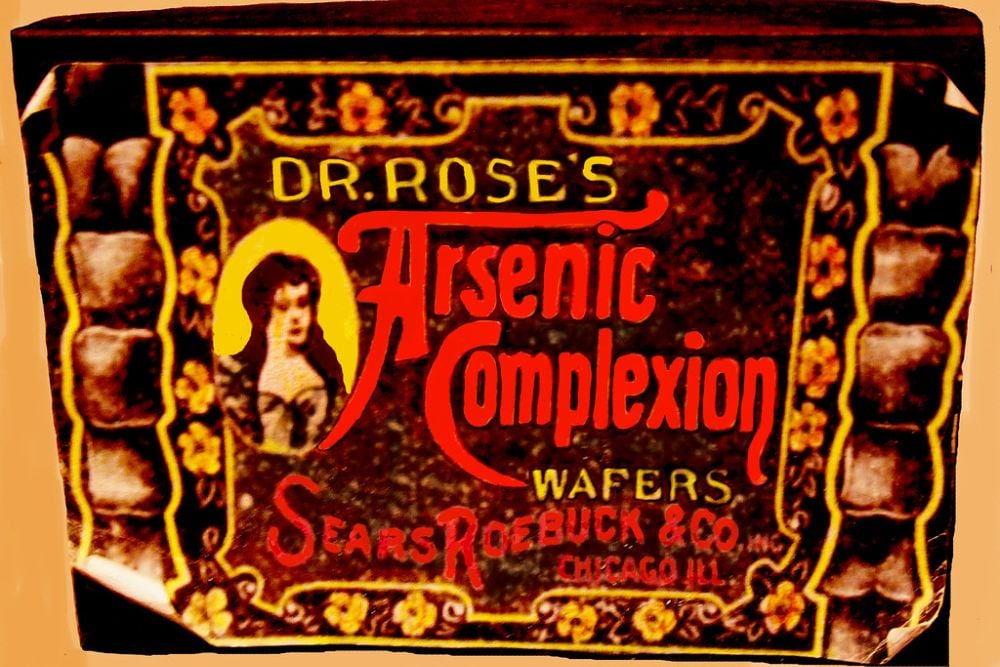
Victorian women ate arsenic-laced wafers like candy to achieve a translucent, ethereal complexion from the inside out. These ‘Arsenic Complexion Wafers’ were marketed as a safe way to get that coveted pale, almost ghostly appearance.
The arsenic would slowly accumulate in their systems, creating a luminous but ultimately lethal glow.
Like Go2Tutors’s content? Follow us on MSN.
Tapeworm Diet Pills
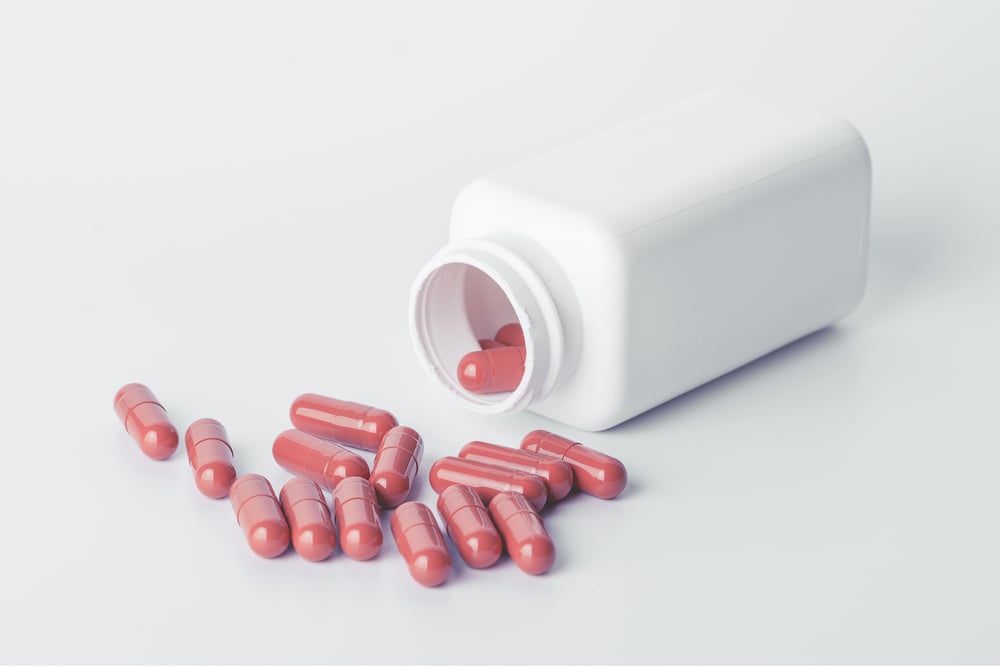
In the early 1900s, women swallowed tapeworm eggs encased in pills to lose weight quickly. The idea was that the parasites would consume food in their intestines, preventing weight gain while allowing them to eat normally.
This horrifying beauty hack could lead to malnutrition, intestinal blockages, and cysts forming in vital organs.
Radium-Infused Skincare
The 1920s brought us radium face creams that promised to give users a natural, healthy glow. Companies like Tho-Radia marketed these products as scientific breakthroughs that would rejuvenate skin at the cellular level.
The radioactive element did indeed make skin appear to glow, but it also caused severe radiation poisoning and cancer.
Kohl Made from Antimony

Ancient Egyptians, Greeks, and Romans created dramatic eye makeup using antimony-based kohl. This heavy metal gave eyes an intense, smoldering appearance that could be seen from across a room.
While it looked stunning, antimony is toxic and prolonged use led to eye infections, vision problems, and systemic poisoning.
Like Go2Tutors’s content? Follow us on MSN.
Mercury-Based Freckle Removers

Throughout the 16th and 17th centuries, European women applied mercury compounds to eliminate freckles and age spots. These treatments promised flawless, uniform skin tone by literally burning away pigmented areas.
The mercury would absorb through the skin, causing tremors, kidney damage, and neurological problems.
Leeches for Lip Plumping
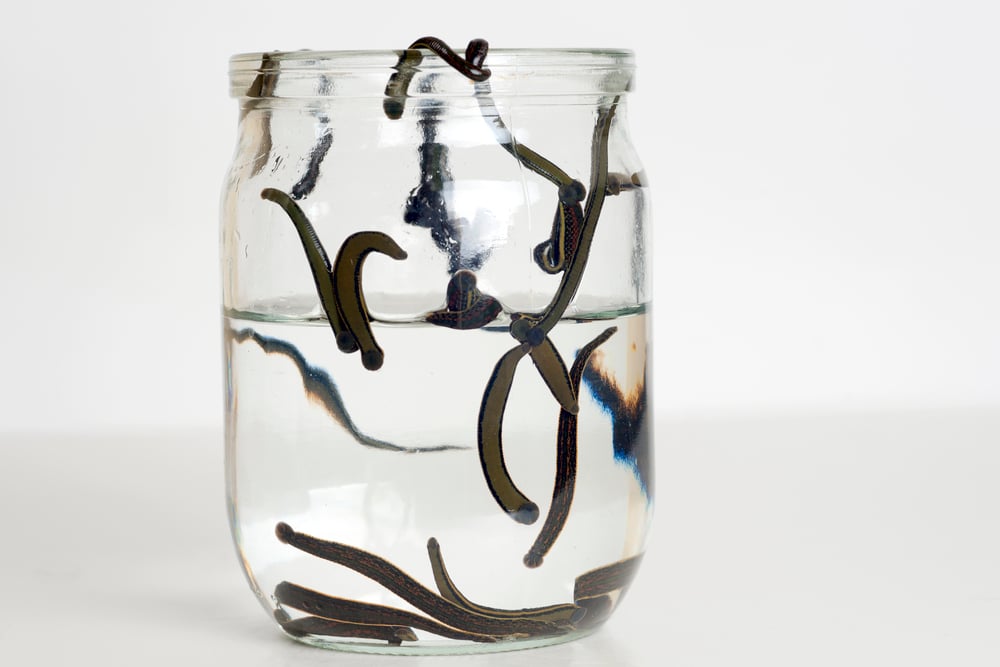
Medieval women placed leeches on their lips to create a naturally swollen, fuller appearance. The bloodsucking creatures would cause inflammation and temporary swelling that was considered incredibly attractive.
This practice often led to infections, scarring, and sometimes permanent disfigurement.
Crocodile Dung Face Masks

Ancient Egyptian women mixed crocodile dung with mud to create rejuvenating face masks. They believed the combination would tighten skin and reduce wrinkles while providing essential nutrients.
The high bacteria content in the dung frequently caused severe skin infections and scarring.
Like Go2Tutors’s content? Follow us on MSN.
Vinegar Drinking for Pale Skin
Young women in the 18th and 19th centuries drank vinegar daily to achieve a pale, delicate complexion. The acid was thought to thin the blood and create that fashionable sickly-sweet appearance that suggested fragility and refinement.
This practice caused stomach ulcers, tooth enamel erosion, and digestive issues.
Bloodletting for Rosy Cheeks
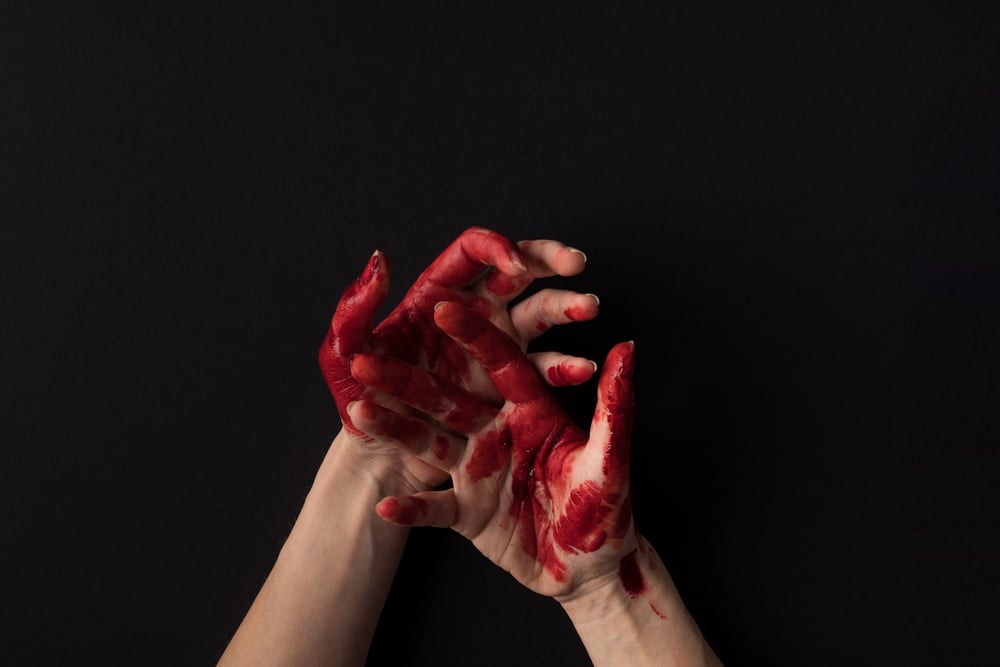
Medieval and Renaissance women used controlled bloodletting to create natural-looking rosy cheeks. Small cuts would be made near the face, and the resulting blood flow was believed to give a healthy, flushed appearance.
The practice weakened immune systems and created perfect entry points for dangerous infections.
Crushed Pearls as Toothpaste

Wealthy Romans and Renaissance Europeans ground up precious pearls to create luxurious toothpaste. They believed the calcium carbonate in pearls would strengthen teeth and create a brilliant white smile.
While not toxic, this practice was incredibly abrasive and actually wore down tooth enamel over time.
Like Go2Tutors’s content? Follow us on MSN.
Goat Hair Eyebrows

In 18th-century Europe, women glued goat hair to their faces to create fuller, more dramatic eyebrows. The practice arose during a time when high foreheads were fashionable, so women would pluck their natural brows entirely and replace them with animal hair.
The adhesives used often caused allergic reactions and permanent hair loss.
Flour and Egg White Hair Powder

Georgian women mixed flour with egg whites to create elaborate powdered hairstyles that could reach several feet in height. These towering creations were meant to display wealth and fashion awareness, but they attracted vermin and created breeding grounds for lice.
The weight of these styles also caused neck strain and headaches.
Crushed Strawberries for Teeth Whitening

Renaissance women rubbed crushed strawberries on their teeth, believing the fruit’s natural acids would create a brilliant white smile. While strawberries do contain mild acids, the sugar content actually promoted tooth decay.
The practice often left teeth stained pink and created perfect conditions for cavities.
Like Go2Tutors’s content? Follow us on MSN.
Ground Charcoal Eye Makeup
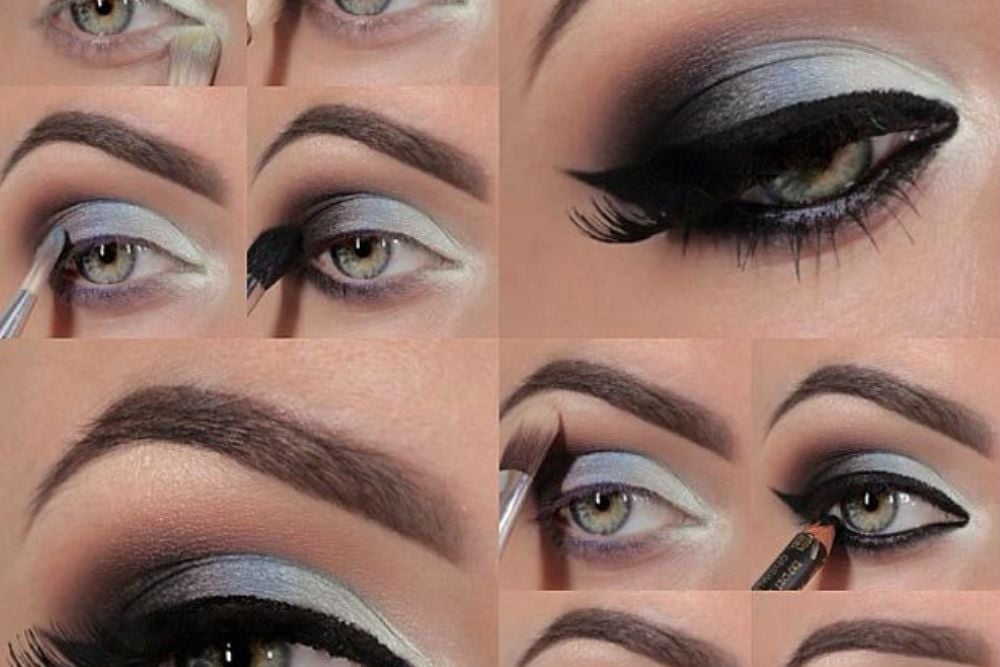
Ancient civilizations from Egypt to Japan used ground charcoal mixed with various oils to create dramatic eye makeup. The carbon created intense black colors that were impossible to achieve with other materials, making eyes appear larger and more mysterious.
The rough texture often caused eye irritation and corneal scratches.
Heated Metal Hair Curlers

Victorian women heated metal rods in fires and wrapped their hair around them to create fashionable curls. These early curling irons had no temperature control and frequently burned both hair and scalp.
The practice often resulted in severe burns, hair breakage, and permanent scarring.
When Beauty Meant Survival

These historical beauty practices remind us that looking good has always been about more than vanity—it was often about social survival and economic opportunity. While we might laugh at our ancestors’ willingness to poison themselves with lead or swallow tapeworms, their dedication to beauty standards was driven by the same desires for acceptance and success that motivate us today.
The main difference is that we now have safer, more effective ways to achieve our beauty goals, though some might argue that modern standards are just as demanding and potentially harmful in their own ways.
Like Go2Tutors’s content? Follow us on MSN.
More from Go2Tutors!

- 16 Historical Figures Who Were Nothing Like You Think
- 12 Things Sold in the 80s That Are Now Illegal
- 15 VHS Tapes That Could Be Worth Thousands
- 17 Historical “What Ifs” That Would Have Changed Everything
- 18 TV Shows That Vanished Without a Finale
Like Go2Tutors’s content? Follow us on MSN.