16 Times People Got Rich in Ridiculous Ways
It’s not always necessary to have a great business plan or years of arduous work to make money. Fortune can sometimes smile on the most unlikely ideas, converting trivial observations into significant revenue or everyday annoyances into million-dollar solutions.
These tales, which range from strange business endeavors to unintentional inventions, demonstrate that riches can arise from the most unexpected sources. This is a list of 16 instances where people became wealthy in utterly absurd ways.
The Pet Rock Creator
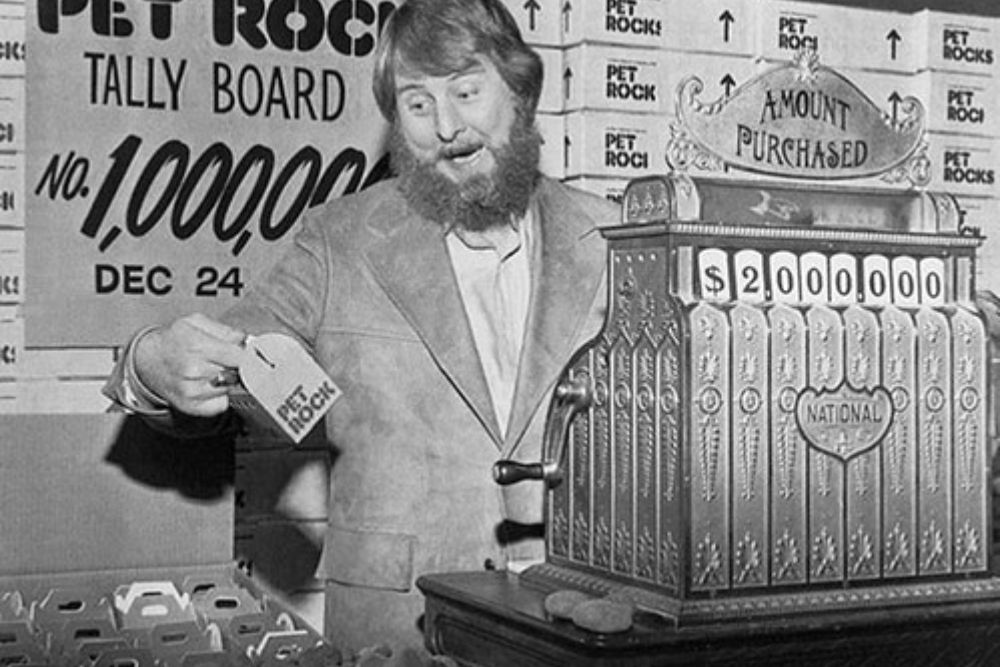
Gary Dahl became a millionaire in 1975 by selling ordinary rocks as pets. He packaged smooth stones from a beach in cardboard carriers with air openings and included a care manual with tongue-in-cheek instructions like ‘how to teach your pet rock to roll over.’ Within six months, he sold over a million Pet Rocks at $4 each, proving that people will buy almost anything if it’s marketed cleverly enough.
The Doggles Inventor
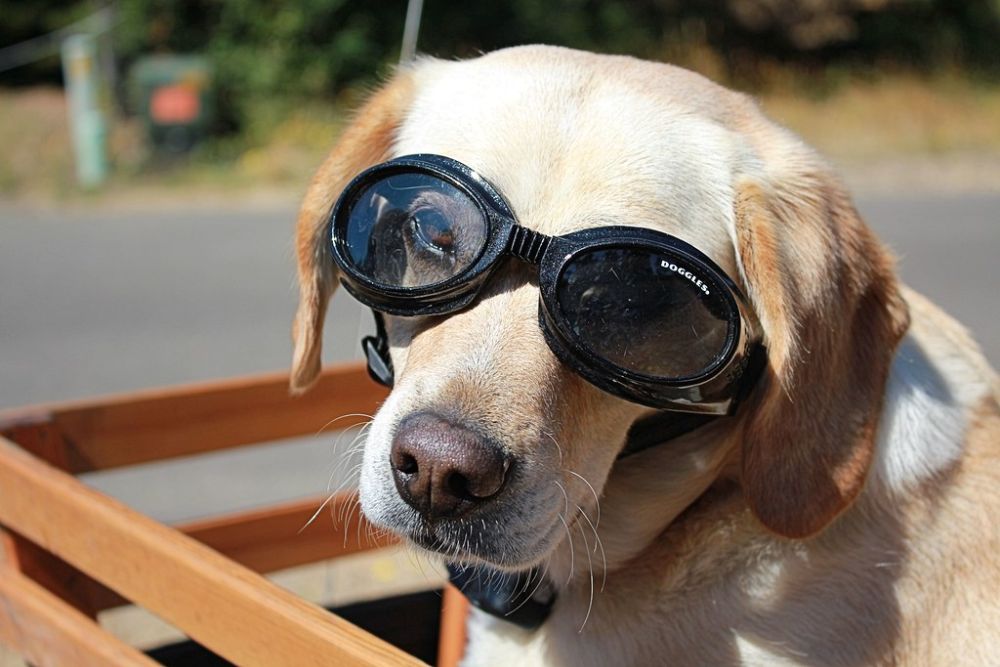
Roni Di Lullo noticed her dog squinting in bright sunlight and created protective eyewear for canines. Her company Doggles now generates millions in revenue selling sunglasses, goggles, and protective eyewear specifically designed for dogs.
What started as concern for one pet’s comfort turned into a thriving business serving overprotective pet owners worldwide.
Like Go2Tutors’s content? Follow us on MSN.
The Beanie Baby King
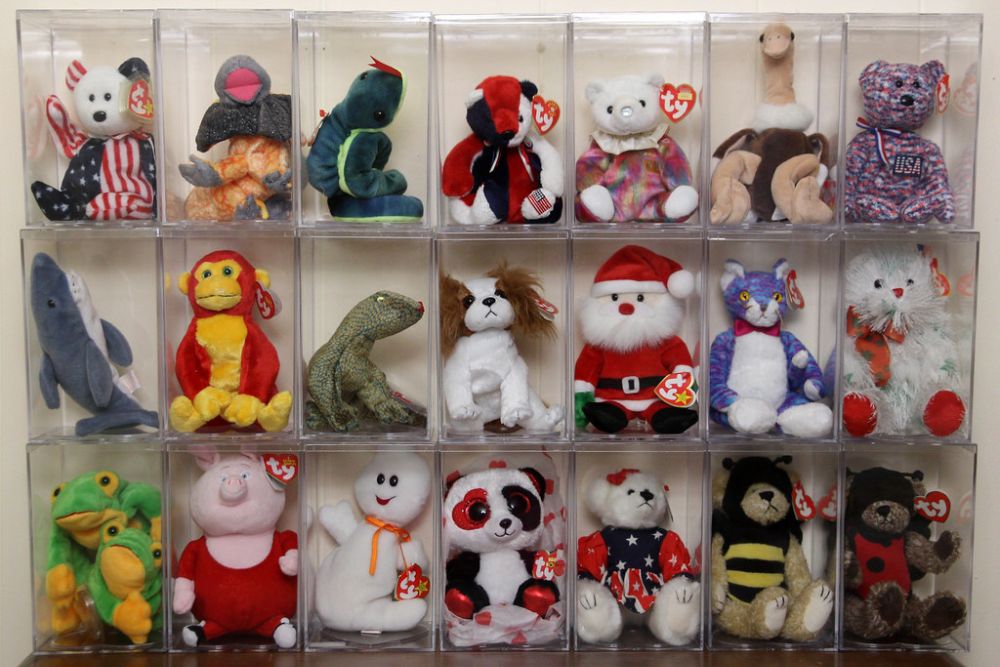
Ty Warner transformed simple stuffed animals into a cultural phenomenon by making them collectible and artificially scarce. He retired certain Beanie Babies to create demand, causing people to line up at stores and pay hundreds of dollars for toys that cost pennies to produce.
At the height of the craze, Warner was worth over $2 billion from what were essentially bean-filled fabric animals.
The Yellow Smiley Face Artist

Harvey B. drew the iconic yellow smiley face in 1963 in just 10 minutes for a local insurance company campaign. While he only received $45 for the original design, others capitalized on his creation and made millions licensing the image on everything from t-shirts to coffee mugs.
The simple circle with two dots and a curve became one of the most recognizable symbols in the world.
The Snuggie Inventor
Scott Boilen turned a backwards bathrobe into a $500 million empire with the Snuggie blanket. His infomercials featuring people struggling to use regular blankets while reading or watching TV struck a chord with consumers.
The absurdly simple concept of a blanket with sleeves became a pop culture phenomenon and one of the most successful As Seen on TV products ever.
Like Go2Tutors’s content? Follow us on MSN.
The SkyMall Catalog Empire
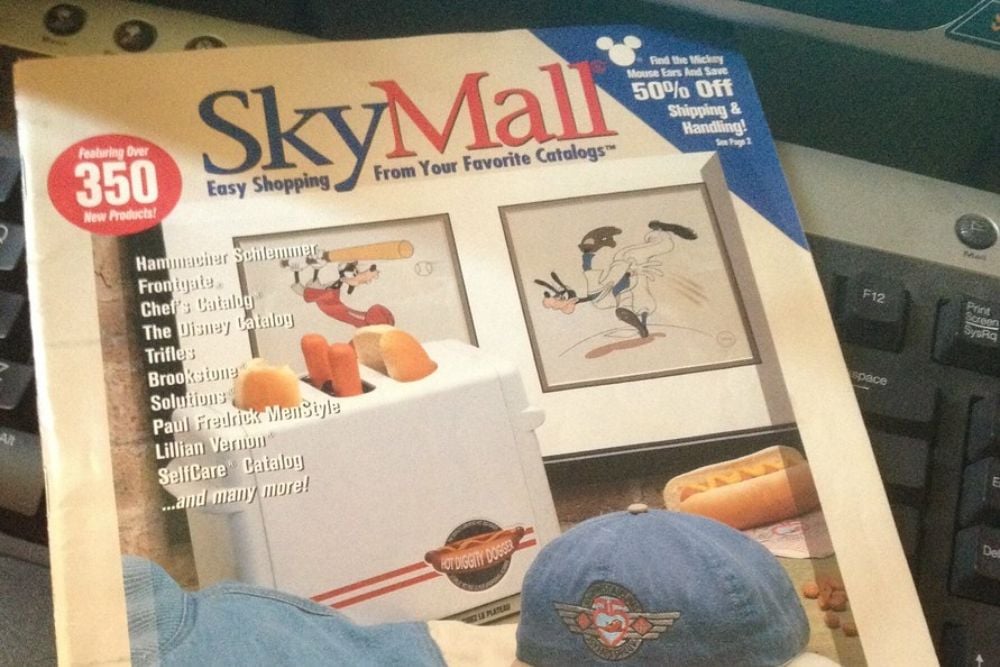
Robert Worsley built a fortune selling bizarre and overpriced products to bored airplane passengers through his SkyMall catalog. From dog stairs to personal submarines, his company made millions by targeting people with nothing to do but flip through pages of ridiculous gadgets at 30,000 feet.
The catalog became synonymous with impulse purchases that nobody actually needed.
The Stick Figure Artist
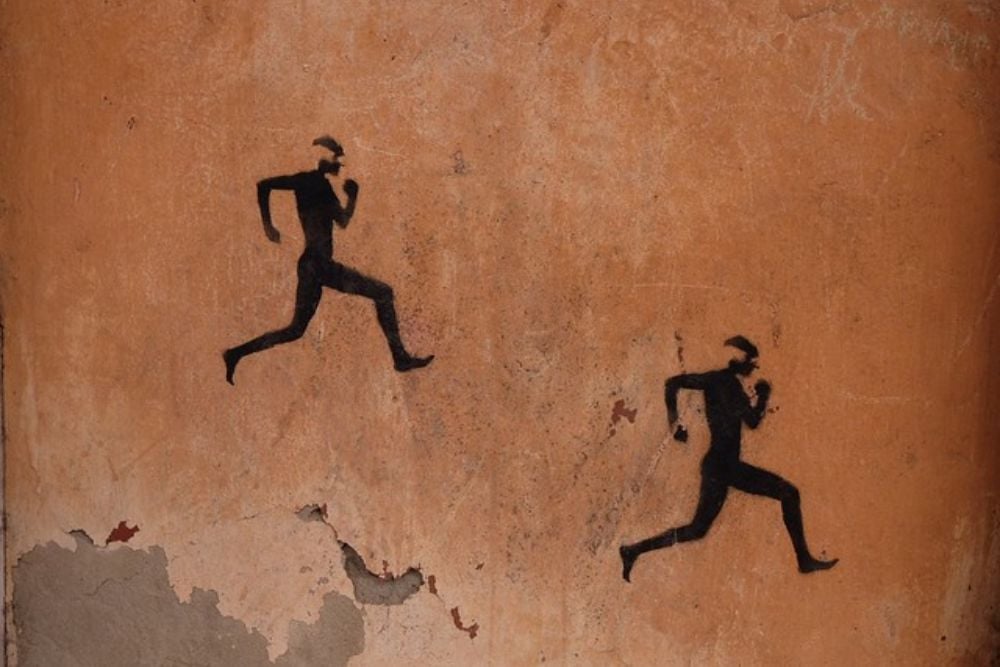
Randall Munroe turned his simple stick figure webcomic ‘xkcd’ into a lucrative career by appealing to geeks and scientists with clever humor. His minimalist drawings require no artistic skill but generate substantial income through book sales, merchandise, and licensing deals.
Munroe proves that content can trump artistic ability when it resonates with the right audience.
The Website Pixel Seller
Alex Tew sold advertising space on his website one pixel at a time for $1 each, creating the Million Dollar Homepage. Companies bought blocks of pixels to display their logos, and Tew reached his goal of making $1 million while still in college.
The concept was so simple and attention-grabbing that it spawned countless imitators trying to recreate his success.
Like Go2Tutors’s content? Follow us on MSN.
The Wacky Wall Walker Creator
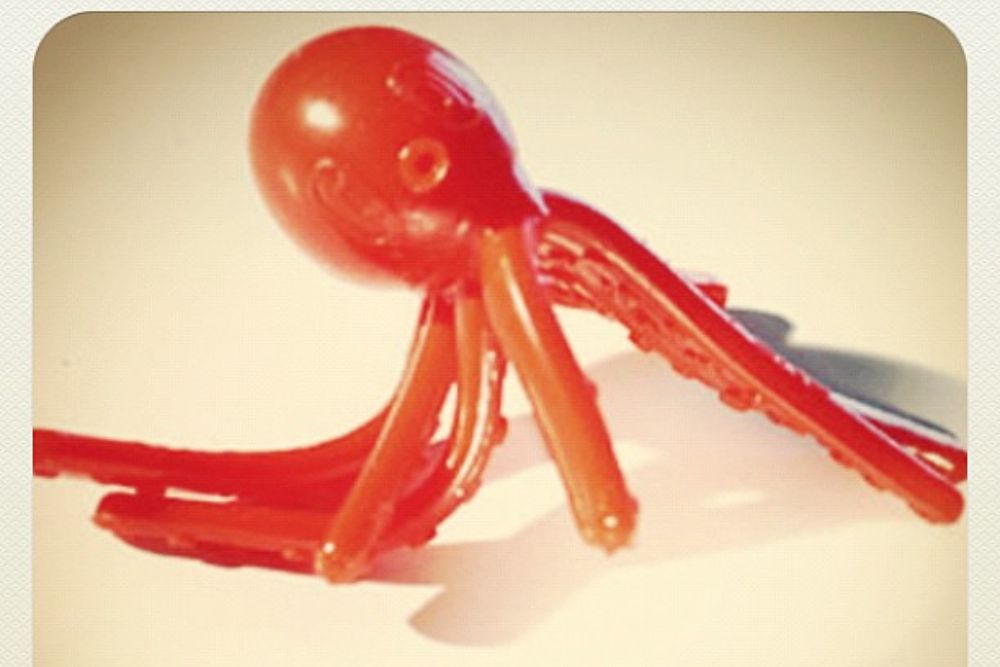
Ken Hakuta imported sticky octopus toys from Japan and rebranded them as Wacky Wall Walkers in America. These gooey toys that stick to walls and slowly crawl down became a fad in the 1980s, earning Hakuta millions from what was essentially a novelty item that cost pennies to manufacture.
His success came from recognizing the American market’s appetite for silly toys.
The Name Your Baby Book Author

Bruce Lansky made millions by compiling lists of baby names into books, becoming America’s baby name guru. His simple reference books consistently topped bestseller lists because expectant parents desperately wanted guidance on naming their children.
Lansky turned basic demographic research into a publishing empire that dominated the parenting book market for decades.
The Chia Pet Inventor
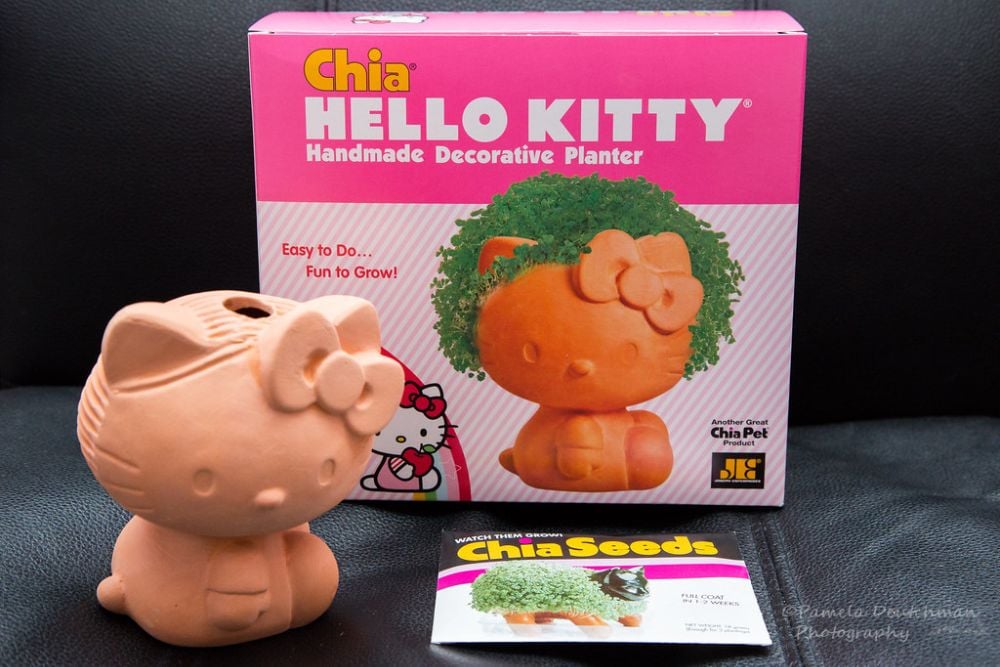
Joseph Pedott made millions selling terracotta figurines that grow grass hair when watered. His Chia Pets became holiday gift staples through catchy TV commercials featuring the unforgettable jingle ‘Ch-Ch-Ch-Chia!’
The concept was absurd, but people couldn’t resist the novelty of growing ‘fur’ on ceramic animals.
Like Go2Tutors’s content? Follow us on MSN.
The Tickle Me Elmo Creator
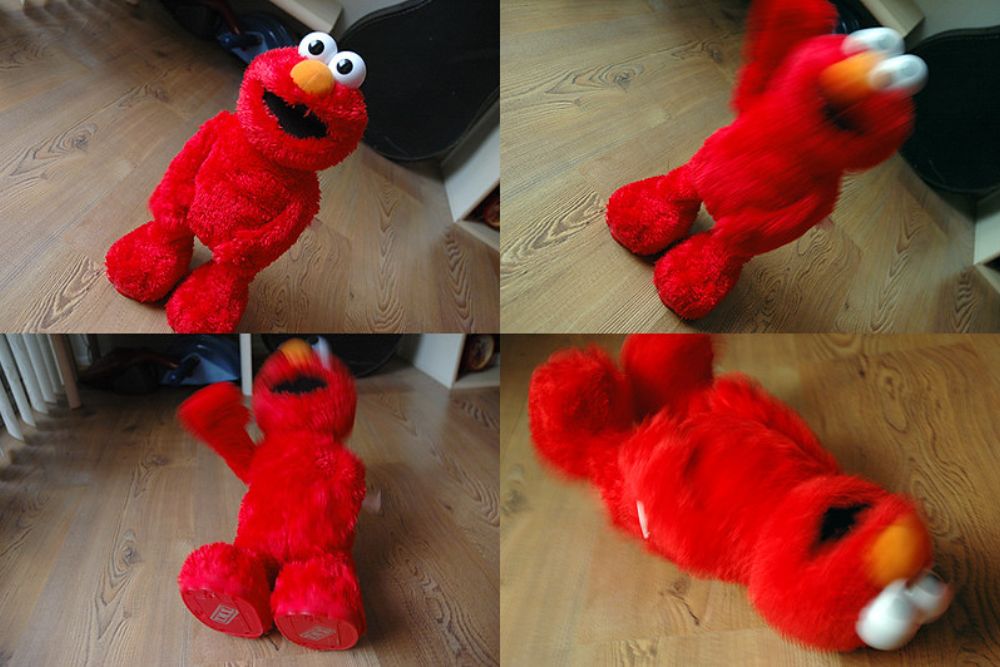
Ron Dubren created a simple vibrating mechanism that made the Sesame Street character giggle and shake when pressed. His Tickle Me Elmo became the must-have toy of 1996, causing shopping frenzies and selling for hundreds of dollars above retail price.
Dubren’s fortune came from understanding that children’s laughter is worth its weight in gold to parents.
The Troll Doll Designer
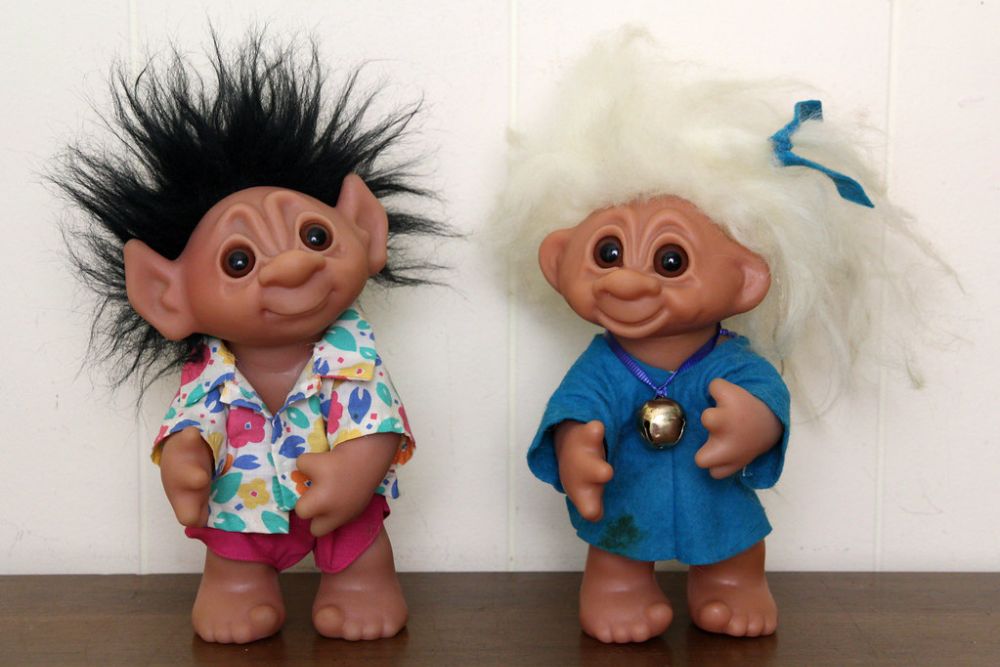
Thomas Dam carved the first troll doll from wood as a gift for his daughter because he couldn’t afford a store-bought present. His creation became a global phenomenon, spawning countless variations and generating hundreds of millions in sales worldwide.
Dam’s desperate act of love accidentally created one of the most successful toy franchises in history.
The Slap Bracelet Inventor
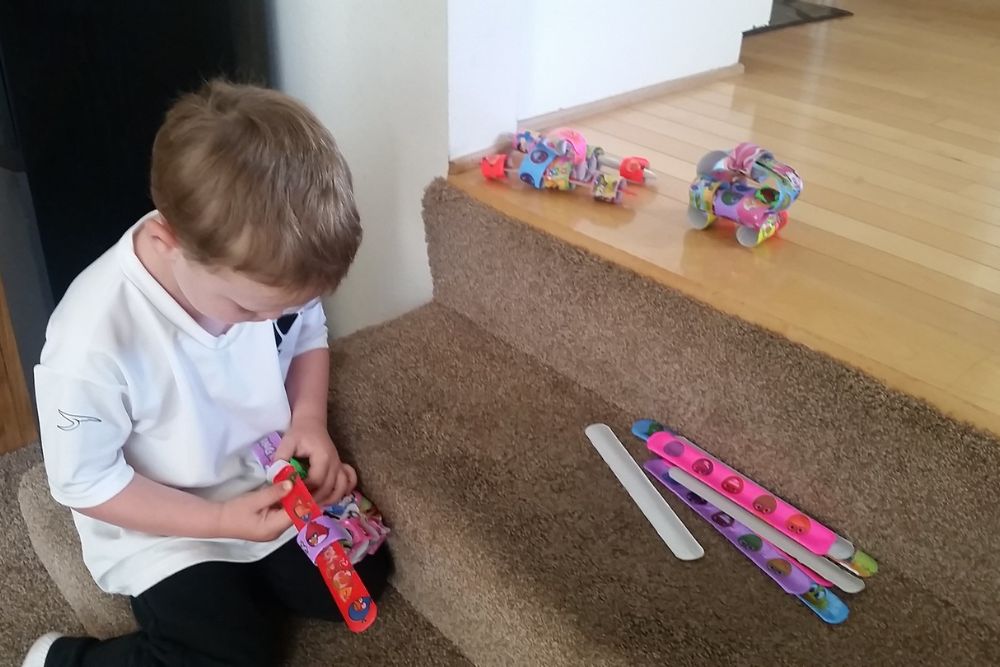
Fabric-covered spring steel bands that curl around wrists when slapped brought Stuart Anders millions of dollars. At their height of popularity in the 1990s, his Slap Bracelets sold over 20 million units and became a school playground sensation.
Anders demonstrated that even the most basic mechanical ideas can captivate kids’ attention and parents’ wallets.
Like Go2Tutors’s content? Follow us on MSN.
The Bobblehead King
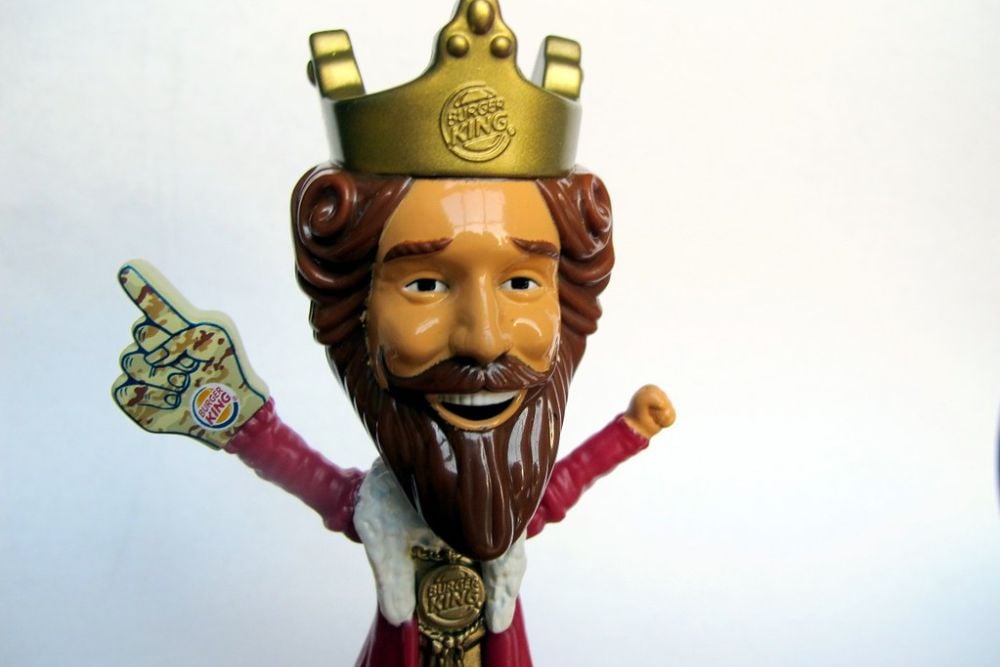
The National Bobblehead Hall of Fame and Museum is the result of Phil Sklar’s obsession with bobblehead dolls. His collection and industry knowledge resulted in high-paying consulting assignments, services for creating personalized bobbleheads, and media appearances, turning his pastime into a successful business.
Sklar demonstrates how a love of even the most ridiculous collectibles can turn into a profitable business.
The Pool Noodle Pioneer

Steve Hartman invented the pool noodle as a simple flotation device and exercise tool for water therapy. His foam cylinder design became a pool essential worldwide, generating millions in sales from what amounts to shaped foam.
The pool noodle’s success came from solving multiple problems with one ridiculously simple product.
From Absurd to Fortune

These stories remind us that wealth often comes from the most unexpected places, usually by solving problems we didn’t even know we had. The common thread among these successes isn’t brilliant innovation but rather the ability to recognize that people will pay for convenience, novelty, or simple entertainment.
Sometimes the most ridiculous ideas succeed precisely because they’re so absurd that they capture our attention and refuse to let go. The next million-dollar idea might be hiding in plain sight, waiting for someone brave enough to embrace its ridiculousness.
Like Go2Tutors’s content? Follow us on MSN.
More from Go2Tutors!

- 16 Historical Figures Who Were Nothing Like You Think
- 12 Things Sold in the 80s That Are Now Illegal
- 15 VHS Tapes That Could Be Worth Thousands
- 17 Historical “What Ifs” That Would Have Changed Everything
- 18 TV Shows That Vanished Without a Finale
Like Go2Tutors’s content? Follow us on MSN.