Things You’ve Probably Never Thought About — Until Now
Something odd happens inside your head sometimes. Most days it moves through routines without pause, managing tasks like breathing or walking.
Then out of nowhere – a tiny idea slips through, catching you off guard. Suddenly that familiar chair, sound, or face seems foreign.
Hidden truths sit around us always, unnoticed until one clicks into place. Buckle up – a few of these might tag along when you’re rinsing off, sticking around like they live there.
Stairs Go Both Ways
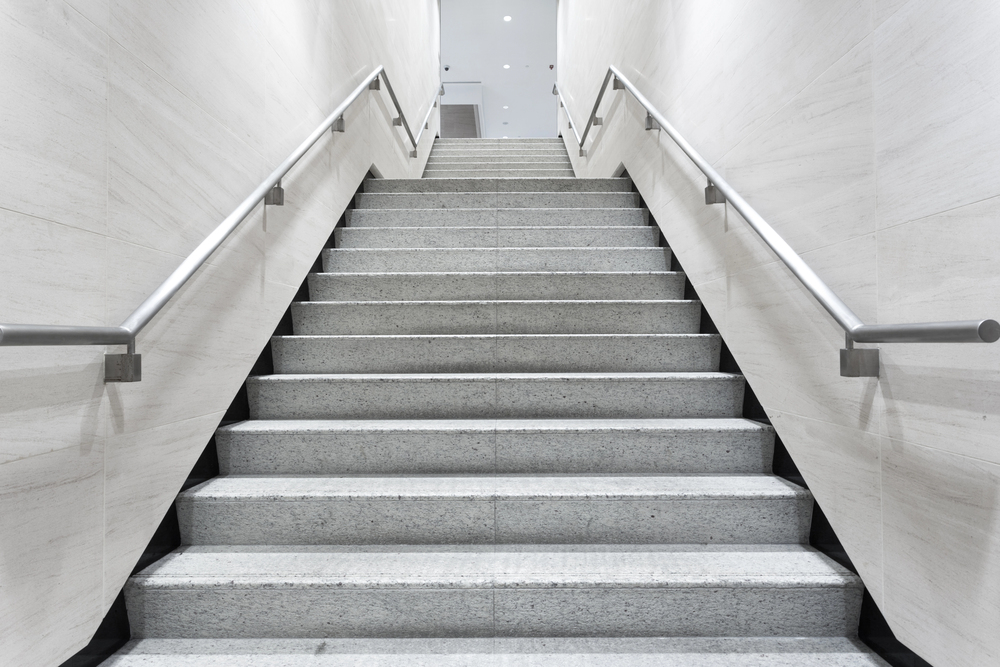
Stair by stair, each climb becomes a descent when seen backward. Direction decides what it means, yet minds rarely pause on such detail.
Instead, thought locks onto motion – forward, upward, whatever feels right. Still, the truth sits quiet: one foot rising here matches another falling there.
Same tread, same board, different journey. Once spotted, it sticks like dust on glass – clear, constant, refusing to blur again.
Clocks Are Guesses

Only when keeping separate times got messy did people bother to fix them. Trains forced the issue, since missed connections annoyed everyone involved.
Towns once set clocks by sunlight overhead, nothing more official than that. Noon shifted block by block, really.
A shared system felt pointless until punctuality mattered across distances. Agreement came not from desire but necessity.
Elevators Have A Secret Psychology
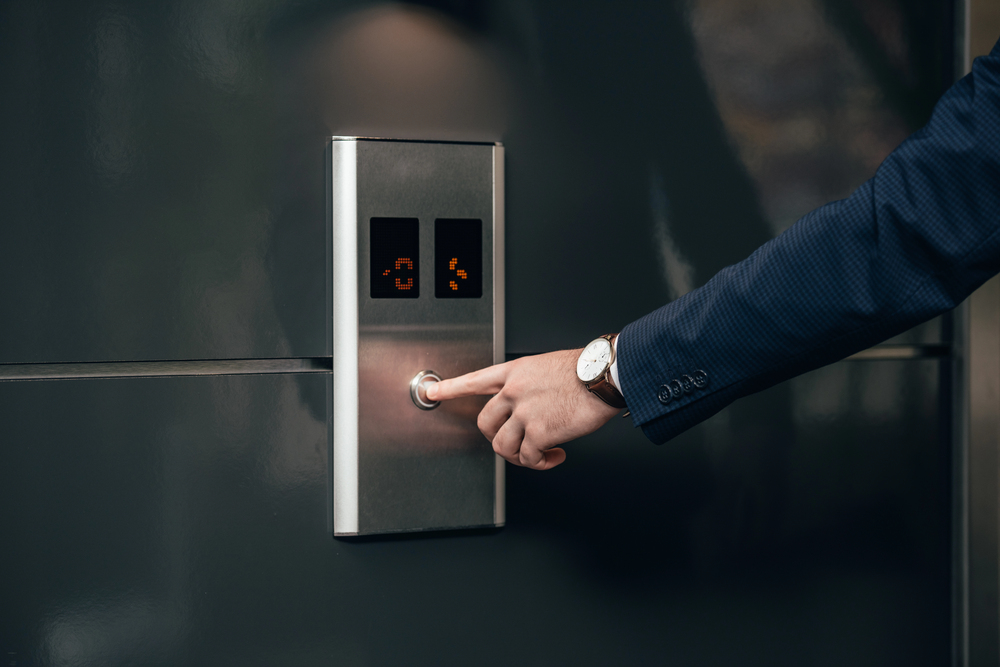
Staring into an elevator’s glass isn’t about checking your hair. A quiet fix slipped in years ago – eyes on a surface that bounces back light ease tension when walls seem too close.
Decades passed, yet few pause mid-floor to wonder why their face shows up on short rides between levels. Space feels larger when it doubles in sight, even if only pretend.
Clever tweaks often hide in plain view, doing their job while staying silent.
Fire Needs Permission To Exist

Fires do not start without help. Heat plus something burnable along with air must meet together first.
Take away just one piece, and flames die straightaway. That explains how puffing air on a small flame kills it, yet doing the same near logs can feed the blaze instead.
One move leads to two totally different outcomes based purely on what the fire lacks right then.
Cows Have Best Friends
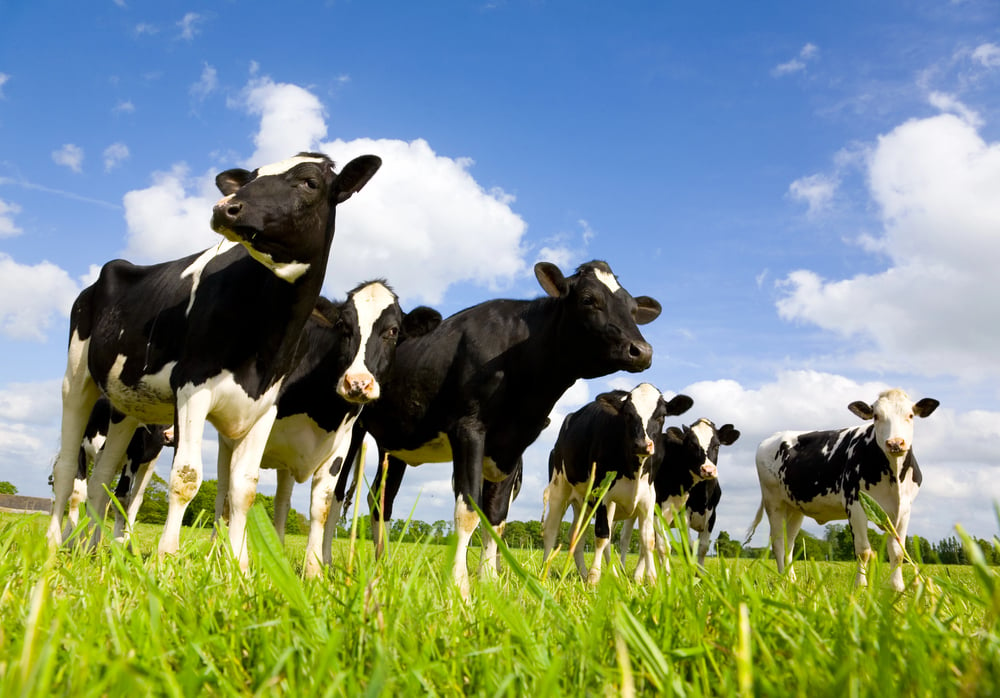
Cows pick certain buddies in the herd, reveals a study out of the University of Northampton. When split from these chosen pals, their bodies react – heartbeats quicken, actions shift.
Not every animal bond gets noticed right away. What seems surprising now has roots in careful observation.
These creatures displayed complex ties long before people took time to watch. Friendship, it turns out, isn’t only human.
Blue Comes From Sunlight Scattering Across Air

Blue comes from sunlight scattering across air molecules. Not because it owns a shade.
When light bends through the atmosphere, what we see changes. Color depends on how rays travel.
Without sun, darkness takes over completely. Blue shows up in the sky not since it lives there, yet due to how sunlight breaks apart while moving through air.
Tiny blue waves scatter far more compared to their peers, filling what we see with that shade. When the sun climbs or falls, its rays cut across thicker layers before hitting observers – then reddish tones dominate.
What wears the color shifts based on when you look.
Fonts Carry Emotional Weight
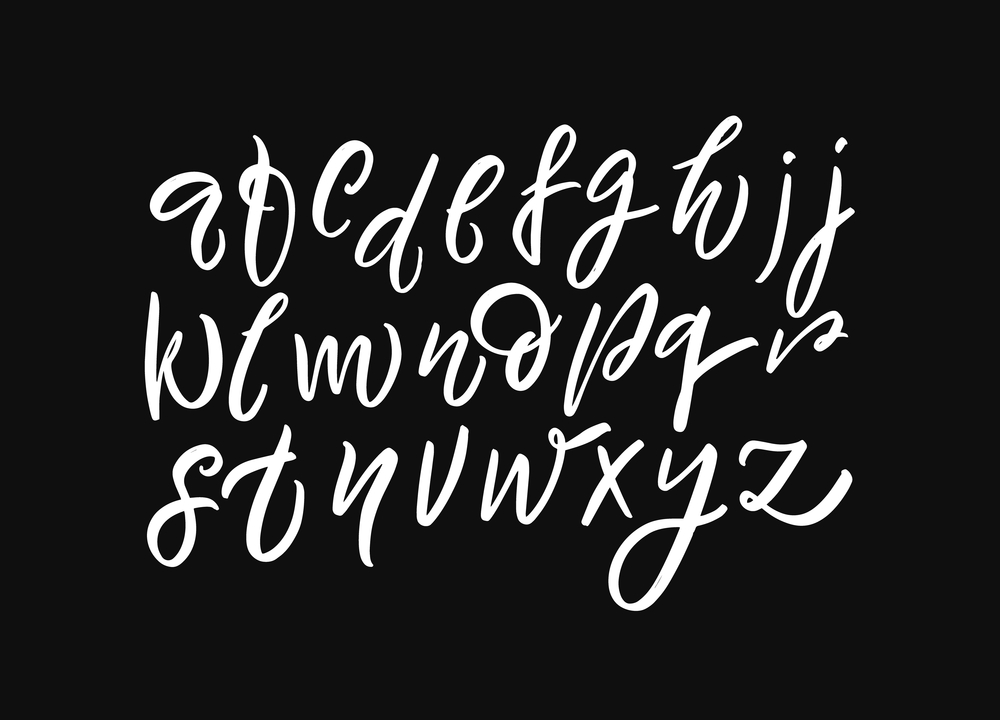
A bold, spiky font can stir unease while the exact same phrase in smooth curves might relax you. When letters feel harsh, the message seems louder, sharper somehow.
Hospitals pick neat, open lettering because it eases tension without saying a word. Horror films go crooked, messy, like ink melting down the page.
What something looks like hits first, long before your mind catches up to what it says. Shape changes sensation, even if the words never do.
Roads Are Mostly Empty Space

Most vehicles occupy little room on highways, still congestion appears nonstop. It’s rarely about how many automobiles are present, instead it’s the distances separating them along with when drivers choose to slow down.
A single person pressing the brake just a bit more than needed might trigger delays stretching across several kilometers, continuing long after that first vehicle has resumed normal speed. Experts refer to such events as ghost bottlenecks – these unfold with nothing blocking the way at all.
Sand Is Disappearing

Sand is one of the most consumed natural resources on Earth, second only to water. Construction, glass manufacturing, and land reclamation projects use it at a rate far faster than rivers and coastlines can produce it.
Some countries have begun importing sand from other nations because their own supply is running low. The world is quietly running short of something most people walk over without a second thought every summer at the beach.
Grocery Stores Are Designed To Slow People Down

The layout of most large grocery stores follows a deliberate pattern. Fresh produce is placed near the entrance to create a sense of abundance and health before shoppers reach the processed foods further inside.
Dairy and eggs are almost always at the back of the store, forcing people to walk past everything else to reach the items they most commonly need. Every aisle placement, lighting choice, and music selection in a supermarket has been tested and adjusted to encourage spending more time and money.
Pencils Can Draw A Very Long Line
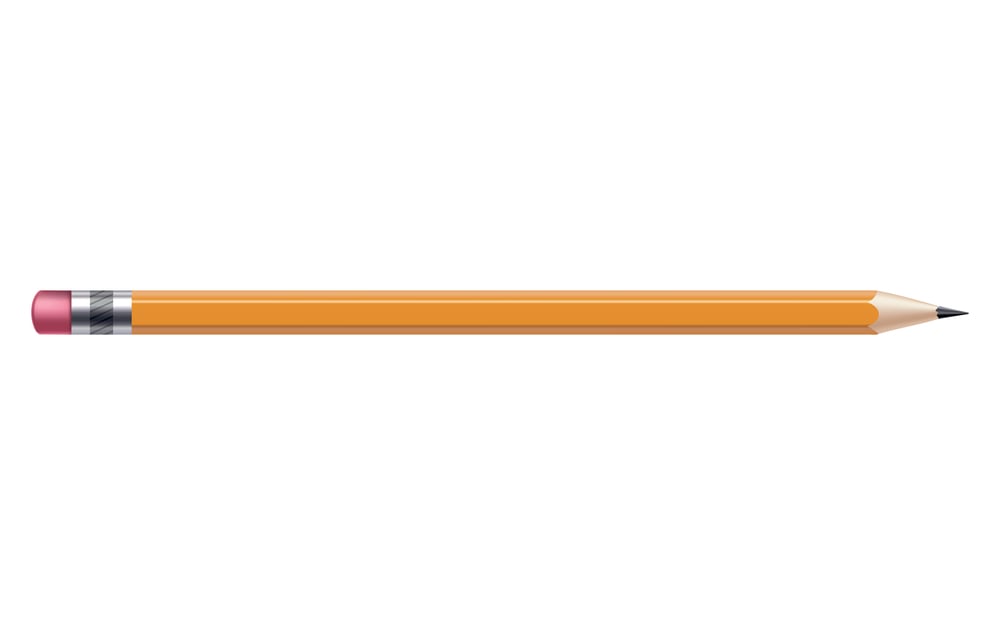
A single standard pencil contains enough graphite to draw a line approximately 35 miles long or write around 45,000 words. Most pencils get lost, chewed, or broken long before they come close to that limit.
This means the world is full of deeply underachieving pencils. It is oddly satisfying to think about the full potential sitting inside something that costs less than a dollar.
Silence Sounds Different Everywhere

True silence is almost impossible to find in modern life. Even in very quiet rooms, people can hear their own heartbeat, breathing, and the faint electrical hum of appliances around them.
Researchers and sound engineers use specially constructed ‘anechoic chambers’ to study the absence of sound, and many people who sit inside them for too long report finding the experience deeply uncomfortable. The brain, it turns out, is not built for complete quiet.
Salty Water Makes Food Taste Less Salty

Adding a small amount of salt to certain foods actually suppresses the perception of bitterness rather than adding flavor. This is why a pinch of salt in coffee or chocolate makes them taste smoother and less harsh, not saltier.
The salt is not adding a flavor but blocking a competing one. Professional chefs have understood this for a long time, and now it is one of those facts that changes the way a kitchen works forever.
Sleeping On A Problem Actually Works

The phrase ‘sleep on it’ is not just good advice, it is backed by neuroscience. During sleep, the brain processes and reorganizes information from the day, making connections between things that seemed unrelated while awake.
This is why a problem that felt impossible at night sometimes has an obvious solution in the morning. The brain keeps working long after a person has stopped trying.
Buttons On The Left Tell A Story
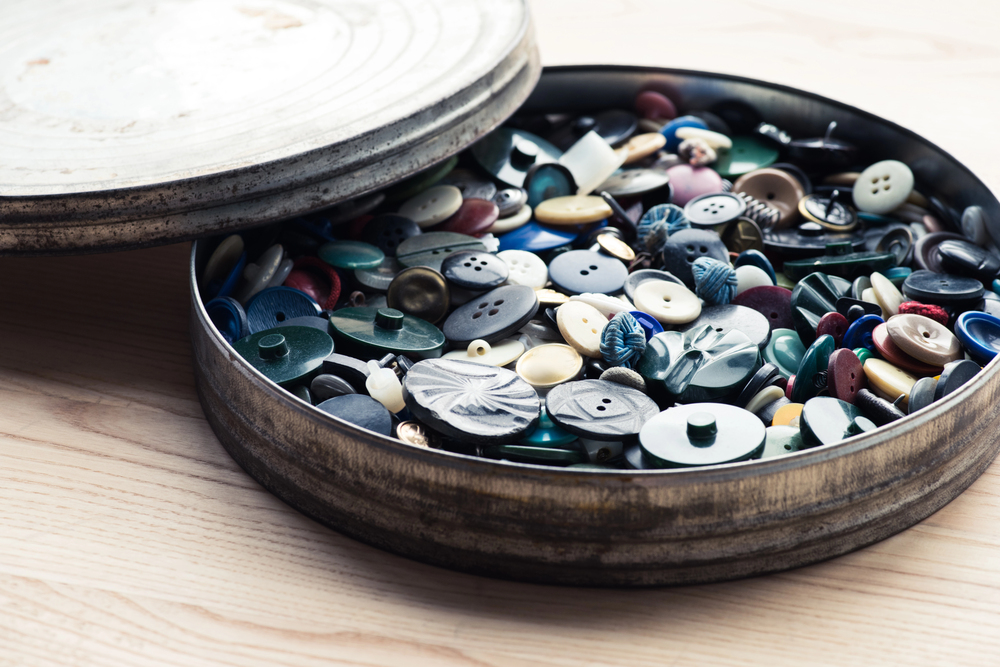
On most women’s clothing, buttons sit on the left side, while on men’s clothing they sit on the right. This difference dates back to the 1800s, when wealthy women were dressed by servants who stood facing them, making right-handed fastening easier from the servant’s perspective.
Men, who typically dressed themselves, had buttons on the right to suit their own hands. Fashion held onto this distinction long after servants stopped dressing anyone, and most people wear it every day without ever wondering why.
Old Photos Were Not Gloomy
People in old photographs from the 1800s almost never smiled, which has led many people to assume life back then was grim and joyless. The real reason is far more practical.
Early cameras required exposure times of several seconds to several minutes, and holding a natural smile for that long was genuinely difficult. A relaxed, still expression was simply the most comfortable thing to hold.
The people in those photos were not sad. They were just tired of keeping their face in one position.
The Present Moment Is Slightly In The Past

The human brain takes a small but real amount of time to process sensory information. By the time a person consciously sees, hears, or feels something, that event has already happened a fraction of a second ago.
The brain stitches these tiny delays together into what feels like a smooth, continuous present. In reality, conscious experience is always a very brief replay of events that have already occurred.
What Ordinary Things Are Hiding

The world has been full of these quiet surprises the whole time, sitting inside everyday objects, habits, and moments that most people walk past without a second look. The gap between ‘I never thought about that’ and ‘I can’t stop thinking about that’ turns out to be surprisingly thin.
Paying a little more attention to ordinary things tends to make the world feel bigger, not smaller. Once the habit of noticing starts, it tends to be very hard to stop.
More from Go2Tutors!

- The Romanov Crown Jewels and Their Tragic Fate
- 13 Historical Mysteries That Science Still Can’t Solve
- Famous Hoaxes That Fooled the World for Years
- 15 Child Stars with Tragic Adult Lives
- 16 Famous Jewelry Pieces in History
Like Go2Tutors’s content? Follow us on MSN.