17 Times Actors Used Serious Prosthetics for a Role
There’s something magical about watching an actor disappear completely into a character. The voice changes, the mannerisms shift, but sometimes the most striking transformation happens before they even speak a word.
When prosthetics are done right, you forget you’re looking at someone famous. You’re just watching a character live and breathe on screen.
The best prosthetic work doesn’t announce itself. It serves the story first, the spectacle second.
These transformations required hours in the makeup chair, often starting before dawn and ending long after the cameras stopped rolling. Some actors called it meditative.
Others called it torture.
Gary Oldman in Darkest Hour
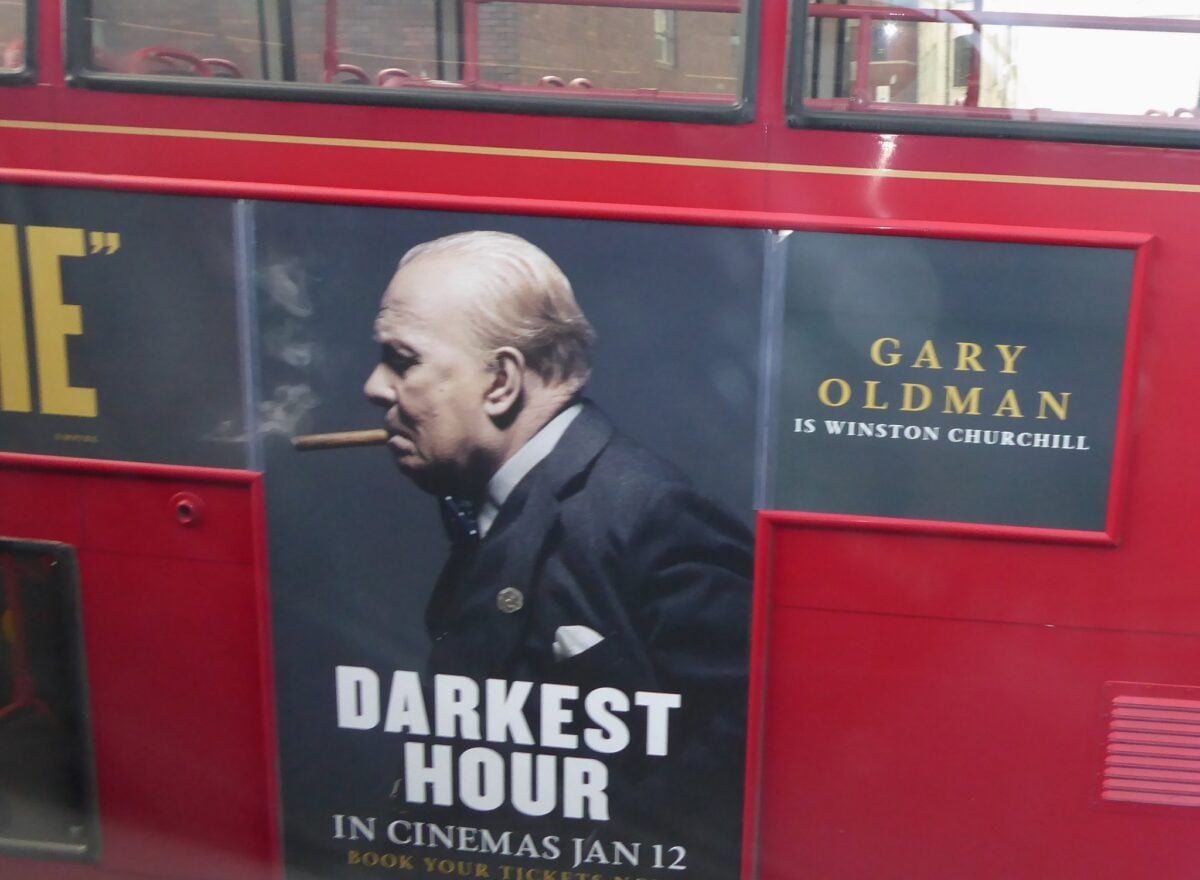
Winston Churchill lived in Gary Oldman’s body for months. The jowls, the scowl, even the way his shoulders carried the weight of wartime Britain.
Oldman sat in the makeup chair for four hours every morning. The prosthetics didn’t just change his face—they changed how he moved, how he held his head, how he breathed.
Eddie Murphy in The Nutty Professor
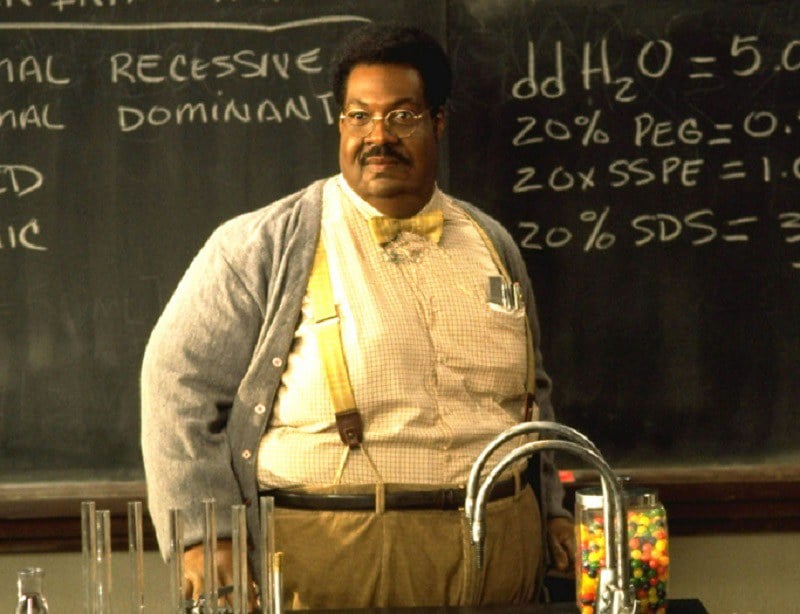
Murphy disappeared into multiple characters so completely that audiences forgot they were watching the same person. The Klump family dinner scene remains a masterclass in prosthetic storytelling.
Each character had distinct facial features, body language, and vocal patterns. Murphy spent up to seven hours in makeup for some transformations.
The prosthetics allowed him to become an entire family.
Charlize Theron in Monster
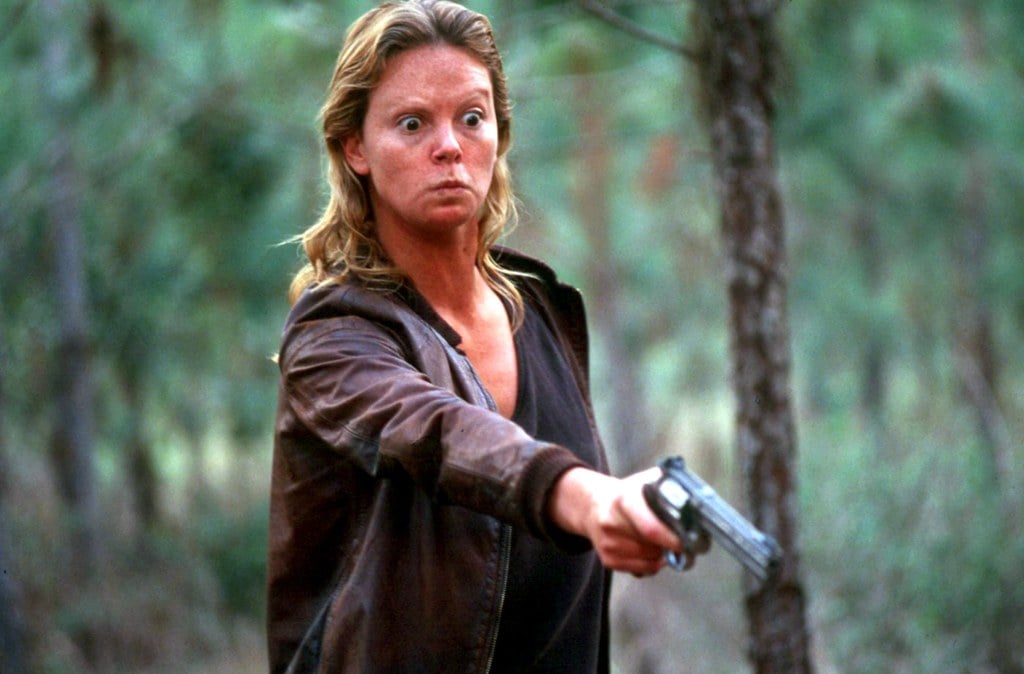
The transformation stripped away every trace of Hollywood glamour, and what emerged was something raw and unsettling—a performance that lived entirely in the space between beauty and brutality. Theron gained 30 pounds and spent hours each day having prosthetic teeth, scarred skin, and thinning hair applied, but the real transformation happened somewhere deeper, in the way she learned to inhabit a body that felt nothing like her own.
Watching her move through scenes, you could see how the physical changes informed every gesture, every glance, every moment of stillness (the prosthetics weren’t just changing her appearance, they were teaching her how to be someone else entirely). The makeup team created a face that looked lived-in and weathered, but Theron filled it with a humanity that made the character unforgettable.
And the result was haunting—not because of the prosthetics themselves, but because of how completely they allowed her to disappear.
Ron Perlman in Hellboy
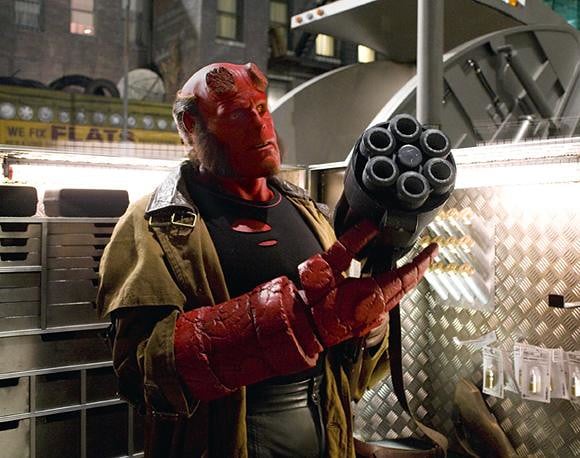
Perlman was born to play Hellboy. The prosthetics just made it official.
The makeup process took four hours daily. Perlman wore contact lenses, facial prosthetics, and a mechanical hand. He never complained about the discomfort.
Some roles are worth the suffering.
Jim Carrey in How the Grinch Stole Christmas

Carrey’s Grinch transformation pushed him to the edge of sanity. The full-body prosthetics were so restrictive he nearly quit the production multiple times.
A Navy SEAL torture consultant taught him coping techniques to handle the claustrophobia. The costume weighed over 40 pounds and took hours to apply.
Carrey channeled his frustration into the character’s misanthropy. Method acting through makeup hell.
John Hurt in The Elephant Man
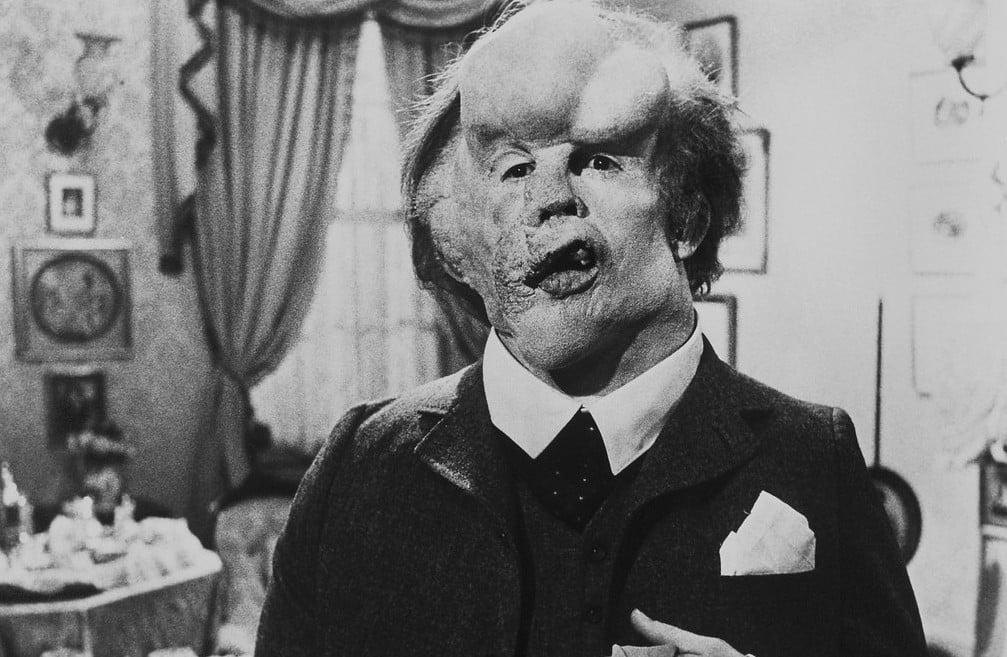
The prosthetics were intentionally uncomfortable, and that discomfort became part of the performance—every labored breath and careful movement was informed by the weight and restriction of the makeup that transformed Hurt into Joseph Merrick. What’s remarkable is how Hurt used the physical limitations as emotional guideposts, letting the prosthetics teach him how someone might move through the world when their body had betrayed them so completely.
The transformation took seven hours each day, and by the end of filming, Hurt said he had learned to see beauty differently (not through conventional standards, but through the recognition of dignity that persists regardless of physical form). Audiences never forgot they were watching someone in makeup, exactly.
But they also never doubted they were witnessing something true about the human condition, which is a different kind of magic altogether.
Colin Farrell in The Lobster
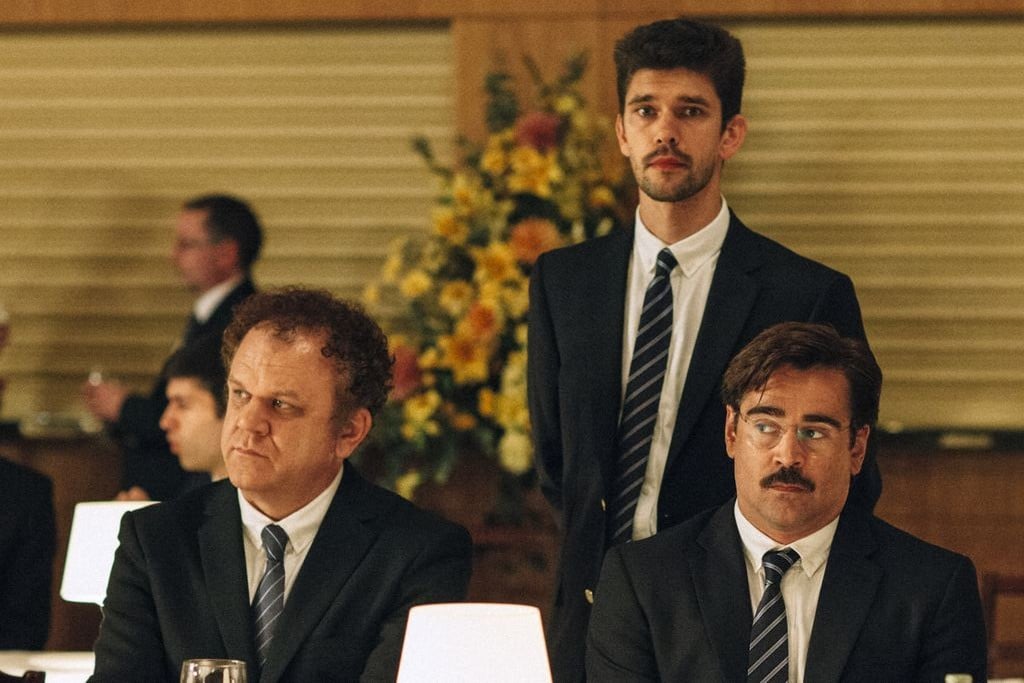
Farrell packed on 40 pounds and wore prosthetics to create his deliberately awkward appearance. The physical transformation matched the film’s absurdist tone perfectly.
His character moved through scenes with the resigned shuffle of someone who had given up on his own body. The prosthetics helped Farrell find that particular brand of defeated masculinity.
Christian Bale in Vice
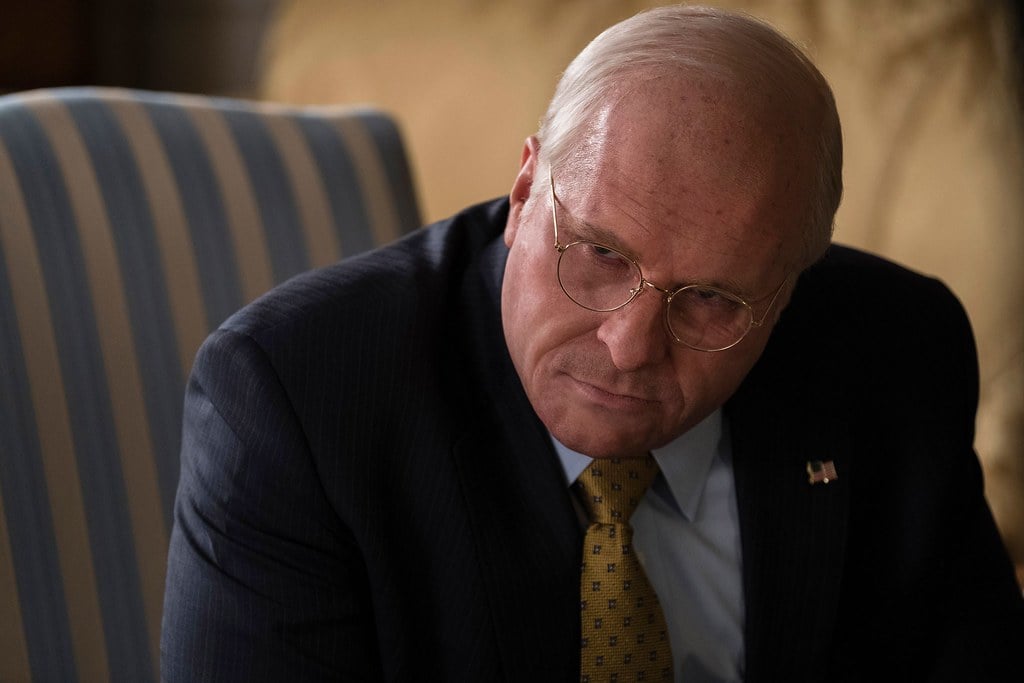
Bale’s Cheney transformation was so complete that crew members didn’t recognize him on set. The prosthetics included a bald cap, facial appliances, and dental work to replicate Cheney’s distinctive smile (or lack thereof). Bale gained 40 pounds for the role, but the real magic happened in the makeup chair where subtle changes to his facial structure created an uncanny resemblance.
The transformation was unsettling in its accuracy—watching Bale move through scenes, you could see how he had studied not just Cheney’s appearance but his particular way of inhabiting power, the way he held his mouth when listening, the slight cock of his head that suggested he was always calculating something just beyond your comprehension. And yet the prosthetics never felt like a costume; they felt like a revelation of something that had been hiding under Bale’s features all along, waiting to be discovered.
Danny DeVito in Batman Returns
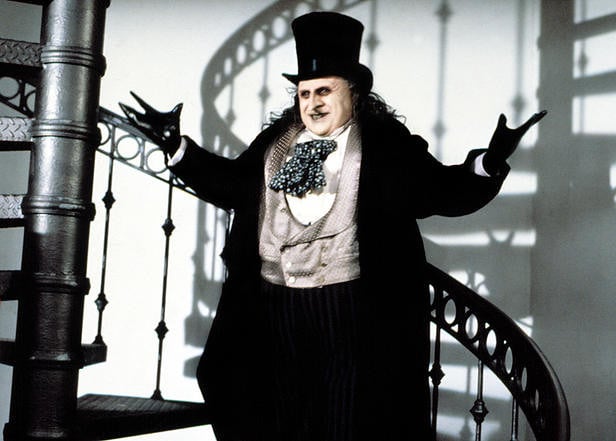
DeVito’s Penguin was grotesque and sympathetic in equal measure. The prosthetics created a character caught between human and animal.
Flipper hands, blackened teeth, and pale makeup completed the transformation. DeVito found the character’s wounded humanity beneath the monster makeup.
Nicole Kidman in The Hours
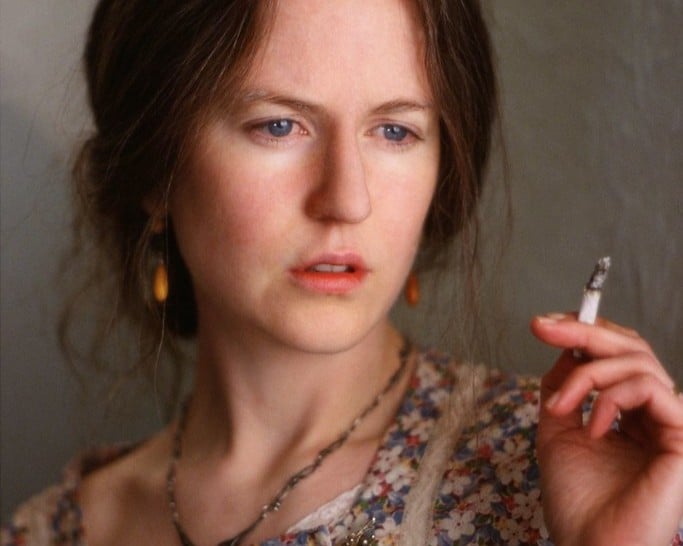
Virginia Woolf’s distinctive nose became Kidman’s most famous prosthetic. The simple addition changed her entire face and earned her an Oscar.
The nose piece was subtle but transformative. Kidman studied Woolf’s photographs for months to perfect the resemblance.
Sometimes the smallest changes create the biggest impact.
Ralph Fiennes in Harry Potter
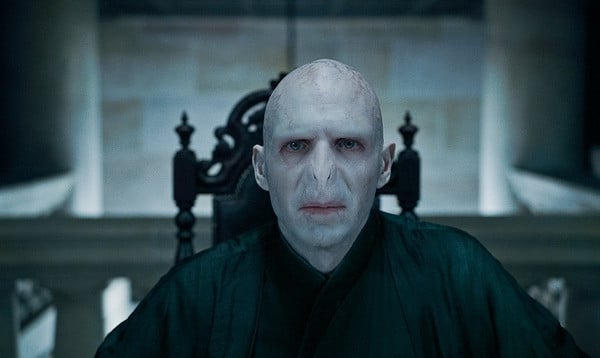
Voldemort’s snake-like appearance required extensive digital enhancement alongside minimal practical prosthetic work. Fiennes wore contact lenses and some facial appliances, but the skeletal, otherworldly features and missing nose were created primarily through CGI in post-production.
The makeup process contributed to the transformation, but what made the performance work wasn’t just the practical changes, but how Fiennes used minimal prosthetics to find a different physicality, a way of moving that suggested something predatory and unnatural had taken residence in a human-shaped shell. The contact lenses alone changed how he could use his eyes to convey menace, but it was the way he learned to speak without a nose—adjusting his breathing, his vocal placement—that completed the transformation from distinguished British actor to the most feared wizard in fiction.
Robert Downey Jr. in Tropic Thunder
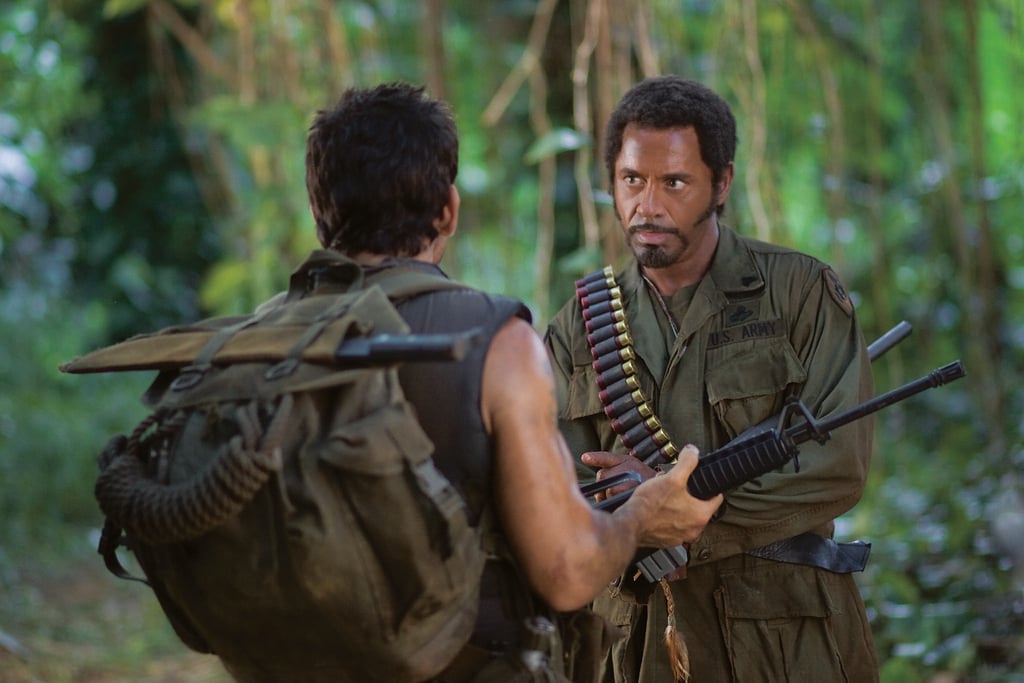
Downey Jr. ‘s transformation into an Australian method actor playing an African American soldier was controversial and bold. The prosthetics were just the beginning of a performance that satirized Hollywood’s approach to serious roles.
The makeup took hours daily. Downey Jr. stayed in character between takes, creating one of cinema’s most audacious prosthetic performances.
Helena Bonham Carter in Planet of the Apes (2001)
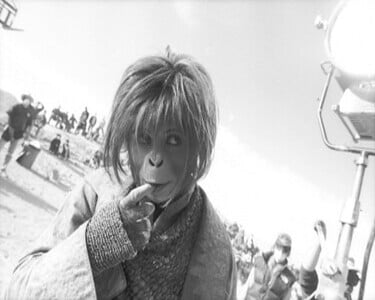
Carter’s ape makeup was a marvel of prosthetic artistry, and she wore it with a grace that made her character Ari both alien and deeply familiar. The transformation took four hours each morning, covering her entire face and head with intricate pieces that allowed for full facial expression while creating the illusion of simian features (the real challenge wasn’t just looking like an ape, but finding a way to be recognizably human underneath all that makeup).
Carter studied real chimpanzees for months, learning their gestures and social dynamics, but the prosthetics gave her the confidence to fully commit to movements that would have seemed ridiculous without that physical transformation. Watching her navigate scenes, you could see how the makeup informed every choice—the way she tilted her head to accommodate the appliances, how she learned to speak clearly through the dental work, how she found dignity and intelligence in a face that could easily have been just a monster mask.
Johnny Depp in Edward Scissorhands
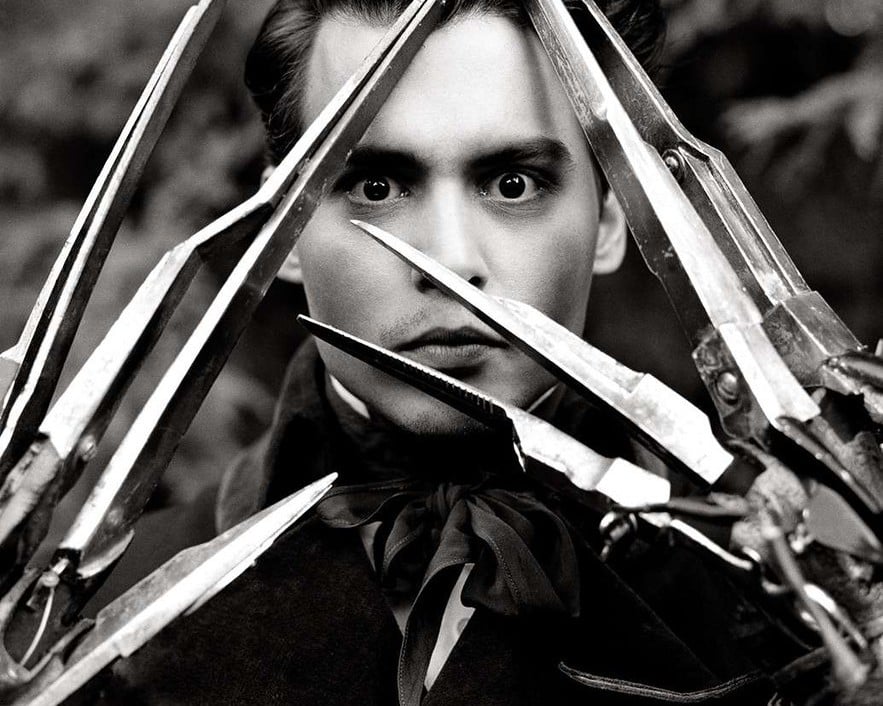
The scissor hands were just the beginning. Depp’s pale makeup, scarred face, and wild hair created Tim Burton’s most iconic character.
The prosthetic scars told Edward’s story without words. Depp found the character’s gentle soul beneath the frightening exterior.
The hands made every gesture meaningful.
Anthony Hopkins in The Elephant Man
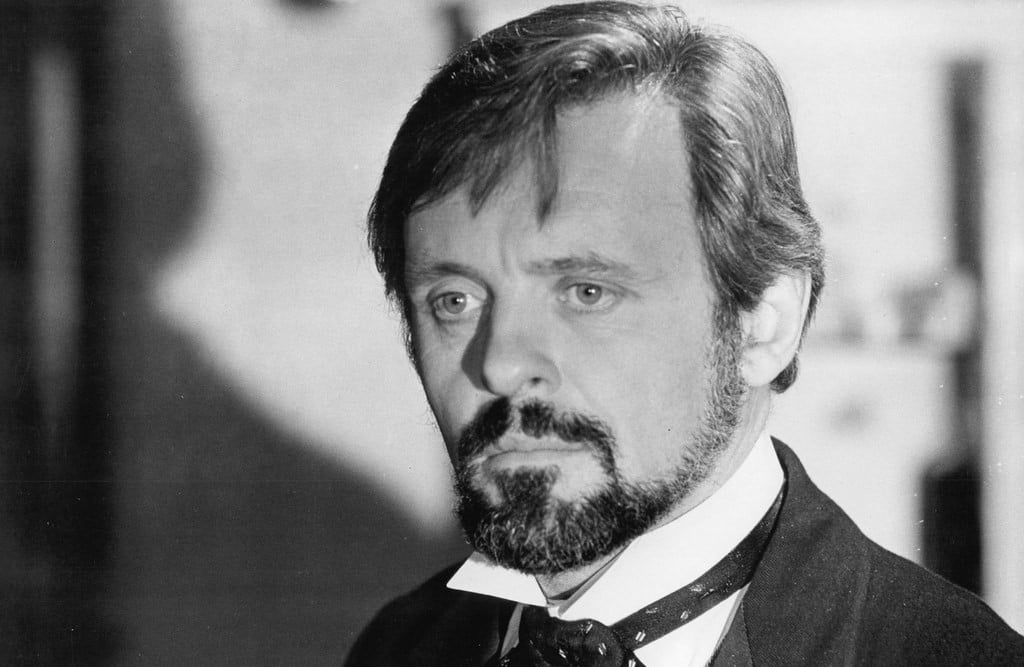
Wait—that was John Hurt. Hopkins played the doctor. But Hopkins’ transformation in other roles, particularly his subtle prosthetic work as Hannibal Lecter, deserves recognition.
The dental work and contact lenses were minimal but effective. Hopkins understood that sometimes less prosthetic work creates more terror.
Doug Jones in The Shape of Water
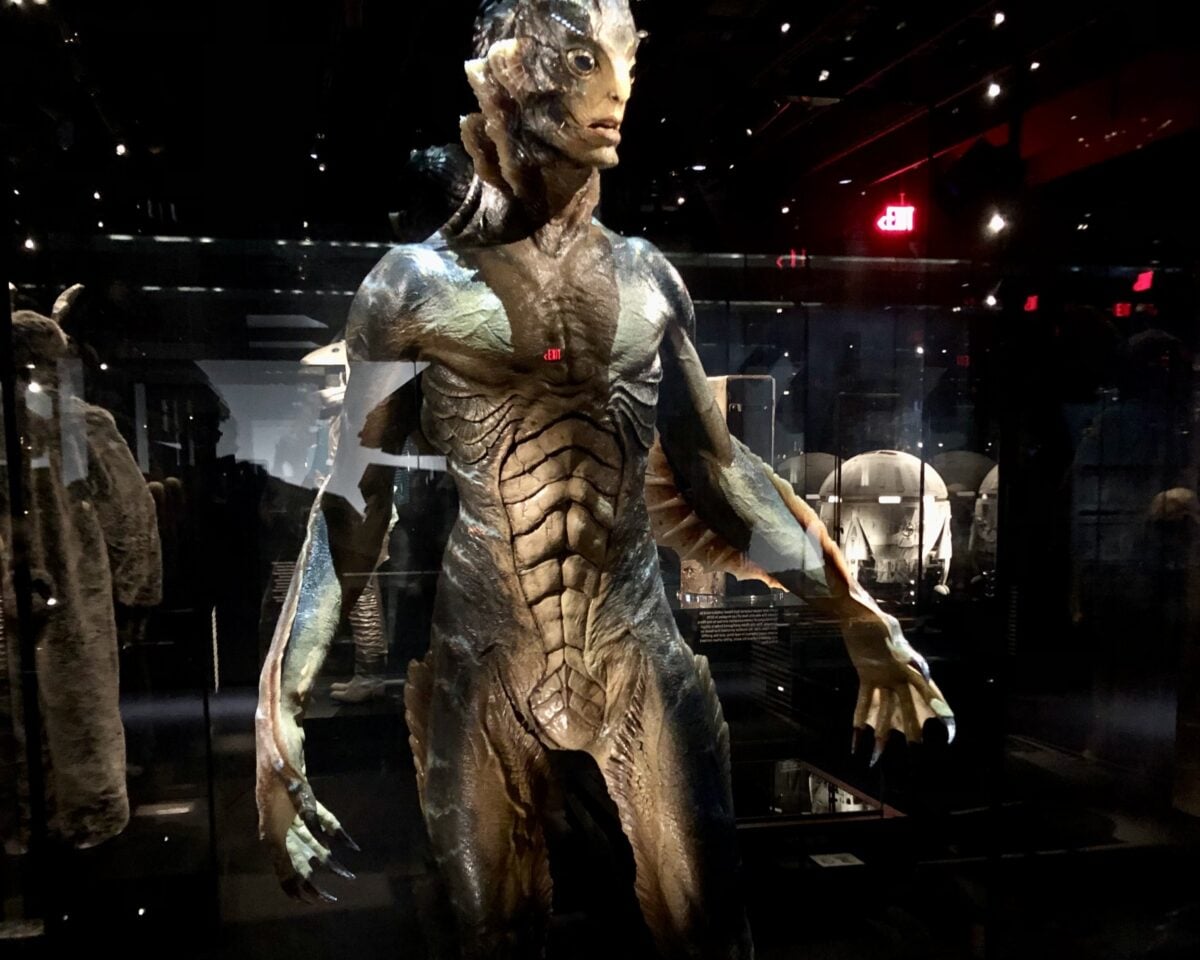
Jones spent his career disappearing into elaborate prosthetic creations, but his Amphibian Man required him to find humanity within a completely non-human form. The full-body suit took hours to apply and severely limited his mobility, but Jones used those restrictions to create a performance that was both graceful and otherworldly (every movement had to be deliberate because the costume demanded it, and that deliberation became part of the character’s strange dignity).
The prosthetics covered every inch of his body, yet Jones managed to convey emotion through subtle body language and the tilt of his head, proving that great acting can transcend even the most elaborate makeup. What made the performance extraordinary wasn’t the technical marvel of the prosthetics—though they were stunning—but how Jones found ways to make the creature’s love story feel genuine and heartbreaking.
The costume could have been just an impressive display of craftsmanship, but Jones inhabited it so completely that audiences forgot they were watching a man in a very elaborate fish suit.
Tilda Swinton in Suspiria
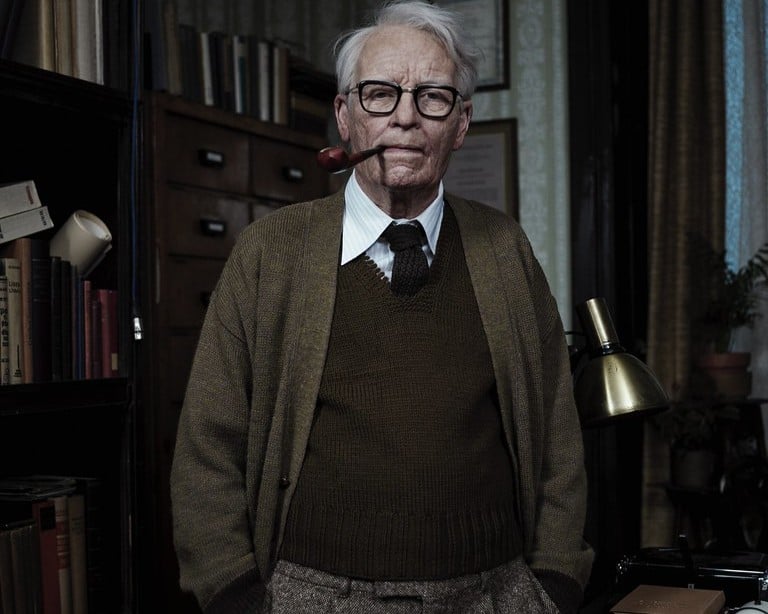
Swinton’s transformation into the elderly Dr. Klemperer was so complete that the film’s credits listed a fake male actor. The prosthetics aged her decades and changed her gender presentation entirely.
Swinton studied elderly men for months to perfect their physicality. The makeup team created a face that looked authentically aged, not just old.
The performance was a masterclass in disappearing completely.
The Art of Becoming Someone Else
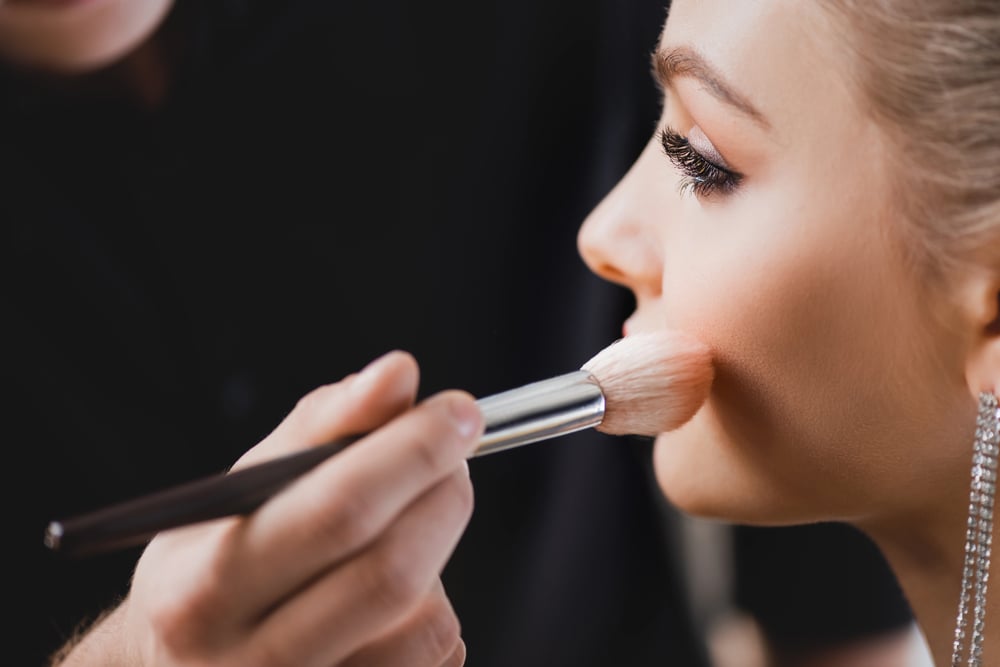
These transformations remind us why cinema remains magical. In an age of digital effects, there’s something irreplaceable about practical prosthetics—the weight they add to a performance, the way they change how an actor breathes and moves and exists in space.
The best prosthetic work doesn’t just change appearances; it unlocks new ways of being human.
More from Go2Tutors!

- The Romanov Crown Jewels and Their Tragic Fate
- 13 Historical Mysteries That Science Still Can’t Solve
- Famous Hoaxes That Fooled the World for Years
- 15 Child Stars with Tragic Adult Lives
- 16 Famous Jewelry Pieces in History
Like Go2Tutors’s content? Follow us on MSN.



