16 Travel Destinations That Look Nothing Like Their Photos
Social media has transformed how we discover travel destinations, with stunning photographs promising once-in-a-lifetime experiences at picture-perfect locations around the globe. These carefully curated images flood our feeds with impossibly blue waters, pristine beaches, and majestic landmarks that seem too beautiful to be real.
Unfortunately, many travelers discover that reality often falls short of these digital promises. The disconnect between expectation and reality can be jarring when you arrive at a destination that’s been heavily filtered, photographed from misleading angles, or captured during rare perfect conditions.
Here’s a list of 16 travel destinations that look nothing like their photos once you actually get there.
Times Square, New York
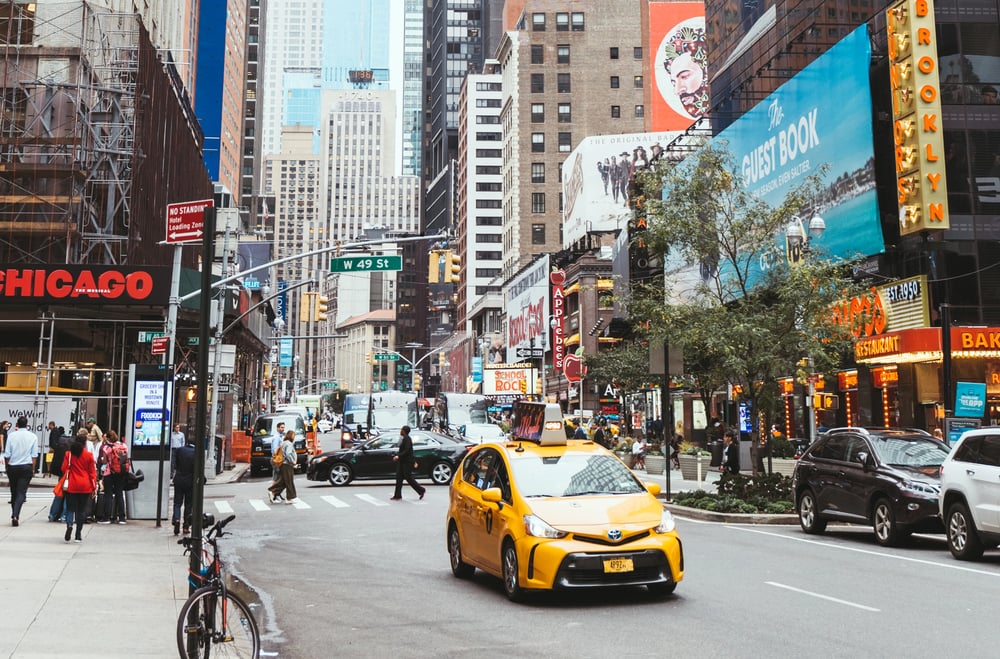
Those vibrant photos of Times Square make it look like a magical wonderland of lights and excitement, but the reality involves shoulder-to-shoulder crowds, aggressive street performers, and the persistent smell of hot dogs mixed with questionable urban aromas. The dazzling LED billboards that look so impressive in photos are often overwhelmed by the chaos of tourists trying to take selfies while dodging costumed characters demanding tips.
What appears as an energetic urban paradise in pictures feels more like sensory overload when you’re actually standing in the middle of it all.
Santorini’s Blue Domes, Greece
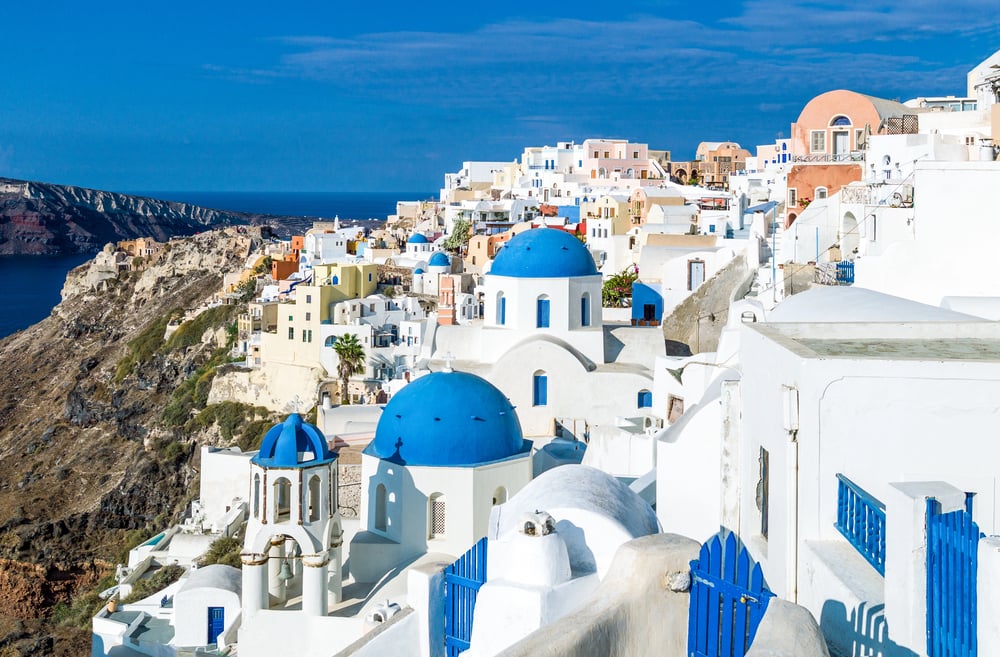
Instagram photos of Santorini’s famous blue-domed churches suggest you’ll have peaceful moments contemplating stunning architecture against dramatic clifftop views. The reality during peak season involves waiting in line with hundreds of other tourists for the chance to snap the same photo everyone else is taking.
Those serene, romantic images don’t capture the crowds of people jostling for position or the fact that many of the most photographed spots are actually tiny areas that can barely accommodate a few visitors at once.
The Leaning Tower of Pisa, Italy
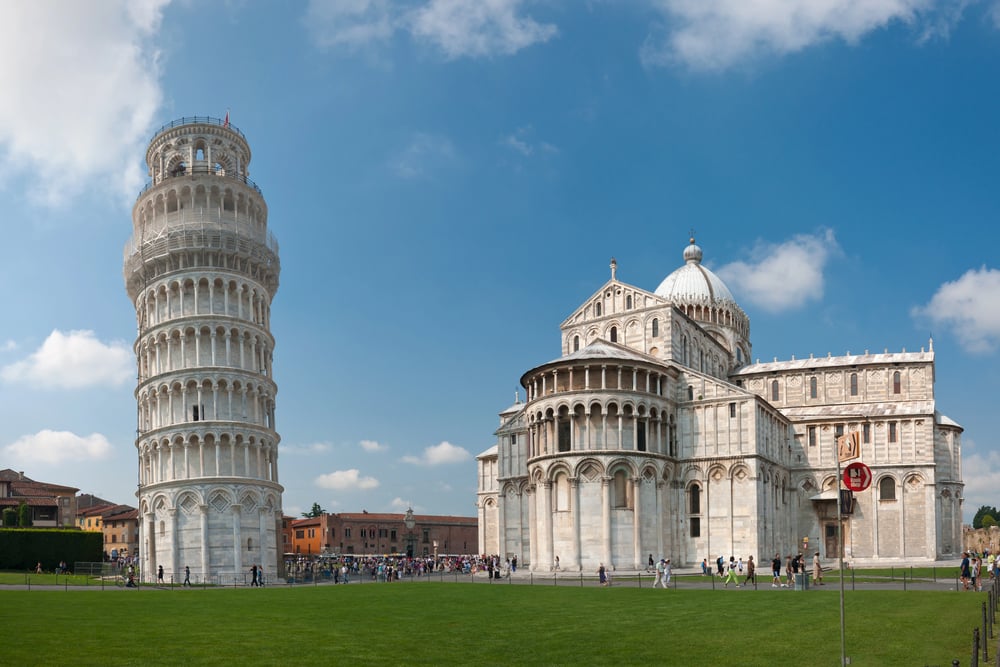
Professional photos of this iconic landmark use clever angles and timing to make the tower appear isolated and majestic against clear Italian skies. When you arrive, you’ll find the tower surrounded by souvenir stands, tour groups, and hundreds of people performing the same ‘holding up the tower’ pose that seemed so original when you planned it.
The surrounding area is essentially a tourist trap designed to extract money from visitors, rather than the charming Italian piazza that promotional photos suggest.
Bourbon Street, New Orleans

Travel photos showcase Bourbon Street as a vibrant celebration of Southern culture, complete with beautiful historic architecture and lively street musicians. The actual experience involves navigating through crowds of intoxicated tourists, stepping over questionable substances on the sidewalk, and dealing with an overwhelming assault on your senses that’s more chaotic than charming.
Those gorgeous wrought-iron balconies look significantly less romantic when you’re trying to avoid the various liquids being spilled from above.
Hollywood Walk of Fame, California
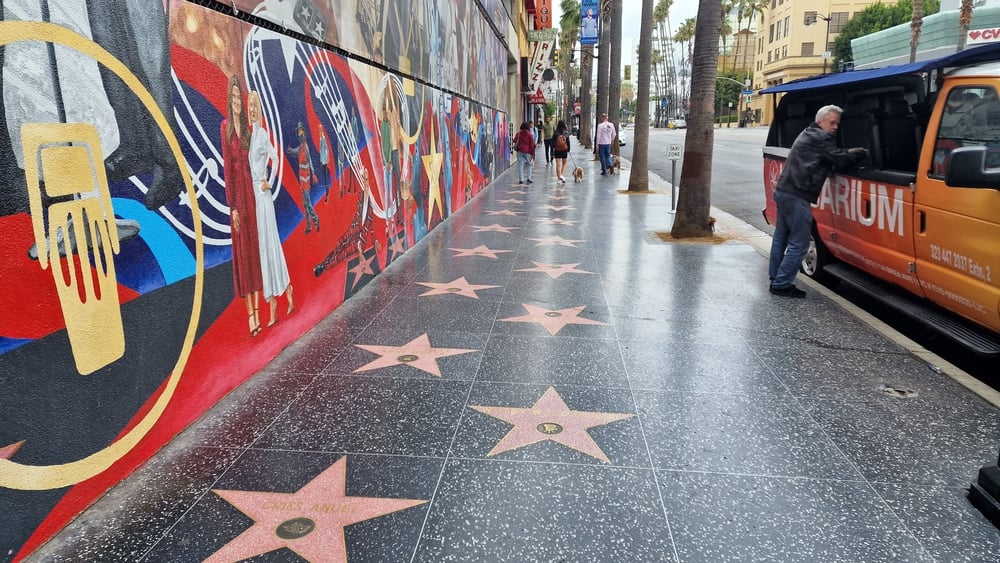
The star-studded sidewalk looks glamorous and exciting in photos, suggesting you’ll be walking among entertainment history in a pristine setting. Reality delivers a stretch of dirty concrete surrounded by costume-wearing hustlers, aggressive panhandlers, and tourist trap shops selling overpriced souvenirs.
The stars themselves are often cracked, stained, or covered with grime, making the whole experience feel more like walking through a neglected urban area than celebrating Hollywood glamour.
The Little Mermaid Statue, Copenhagen

Photos of this Danish landmark are typically shot from low angles that make the statue appear larger and more impressive than it actually is. When you finally locate this tiny bronze figure sitting on a rock, you’ll likely wonder why you made the journey to see what amounts to a modestly-sized sculpture that’s constantly surrounded by disappointed tourists.
The statue is significantly smaller than most people expect, and the surrounding area offers little in the way of the romantic waterfront setting that photos often suggest.
Manneken Pis, Brussels

This famous Brussels statue appears charming and whimsical in travel photography, often shot in ways that emphasize its cultural significance and artistic merit. The actual statue is barely two feet tall, tucked into a street corner, and usually surrounded by confused tourists trying to figure out what all the fuss is about.
The surrounding area is essentially a busy intersection with traffic and shops, rather than the quaint European square that many visitors expect based on the carefully framed photos they’ve seen.
Four Corners Monument, USA

Photos of this geographical landmark suggest you’ll be standing at an meaningful intersection of four states in a setting that honors this unique location. The reality involves paying an entrance fee to visit what amounts to a concrete slab in the middle of a dusty parking lot, surrounded by souvenir vendors selling overpriced Native American crafts.
The monument itself looks exactly like what it is—a simple concrete marker—rather than the significant landmark that travel photos make it appear to be.
Lombard Street, San Francisco
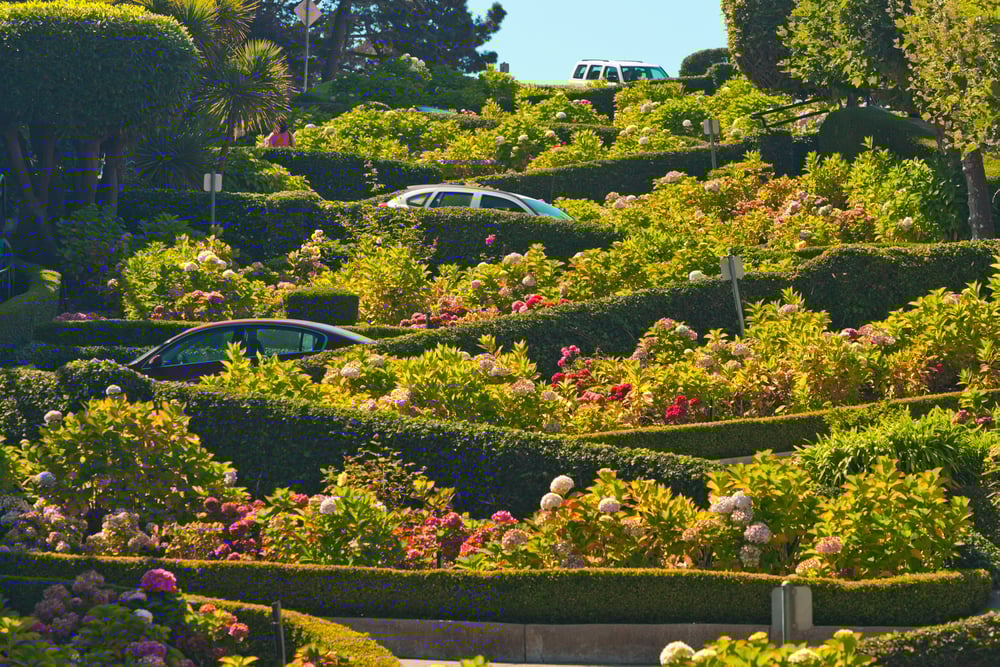
Those stunning aerial shots make this ‘crookedest street in the world’ look like a charming residential area with beautiful landscaping and unique urban planning. When you actually visit, you’ll find yourself in bumper-to-bumper traffic with frustrated drivers navigating the tight turns while pedestrians crowd the sidewalks trying to get photos.
The street is essentially a traffic jam masquerading as a tourist attraction, with the beautiful gardens and peaceful atmosphere of photos replaced by car exhaust and crowded conditions.
The Bean (Cloud Gate), Chicago
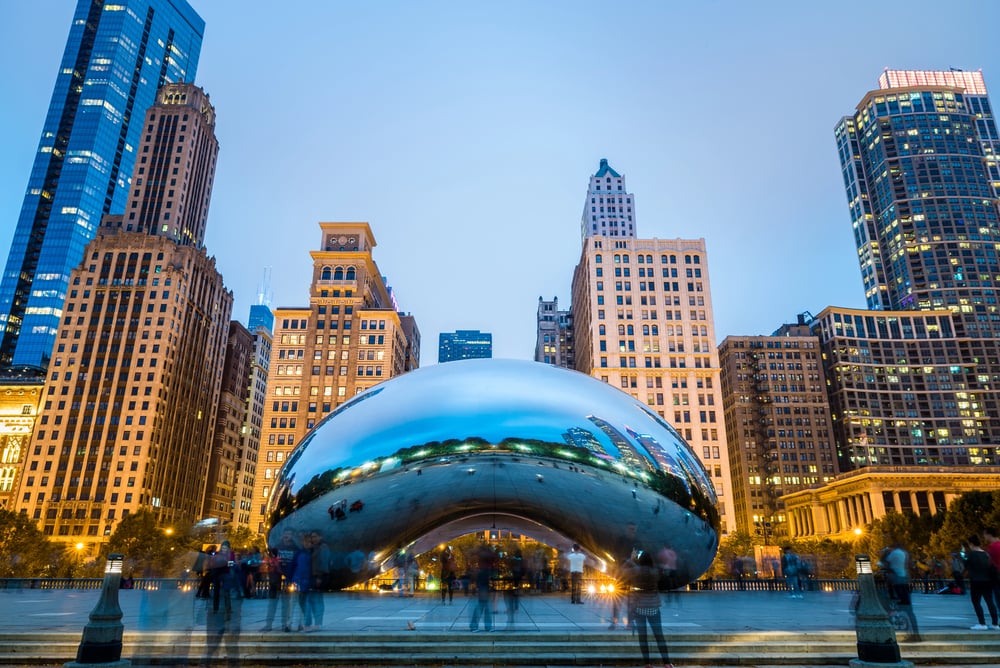
Professional photographs of this reflective sculpture showcase its artistic merit and the interesting way it distorts the Chicago skyline in its surface. The actual experience involves fighting through crowds of people to get close enough to touch the sculpture, while dealing with security guards constantly asking people to move along.
The pristine reflection shown in photos is often obscured by fingerprints, and the peaceful contemplation of art that images suggest is replaced by the chaos of a busy tourist destination.
Stonehenge, England

Photos of this ancient monument typically show the stone circle in isolation, emphasizing its mysterious prehistoric significance and spiritual atmosphere. Modern visitors discover that Stonehenge is surrounded by busy roads, with traffic noise constantly interrupting the mystical experience that photographs promise.
You’re kept at a significant distance from the actual stones by barriers and ropes, making the monument appear much smaller and less impressive than the close-up photography suggests it should be.
The Love Locks Bridge, Paris

Before the locks were removed, photos of Pont des Arts suggested a romantic tradition where couples could symbolically attach their love to this beautiful Parisian bridge. The reality involved a structure so overloaded with padlocks that it became a safety hazard, surrounded by vendors selling overpriced locks and crowds of tourists recreating what they’d seen in photos.
The romantic atmosphere that images conveyed was replaced by commercial exploitation and the practical problems of too many people trying to participate in the same Instagram-worthy moment.
Plymouth Rock, Massachusetts

Historical photos and artistic renditions give this landmark an air of significance and gravitas that befits its role in American history. The actual rock is a small boulder sitting in a pit, covered by a classical portico that looks more like a highway rest stop pavilion than a monument to the Pilgrims.
Most visitors spend more time trying to figure out if they’re looking at the right thing than appreciating any historical significance the site might have.
The Mona Lisa, Louvre Museum
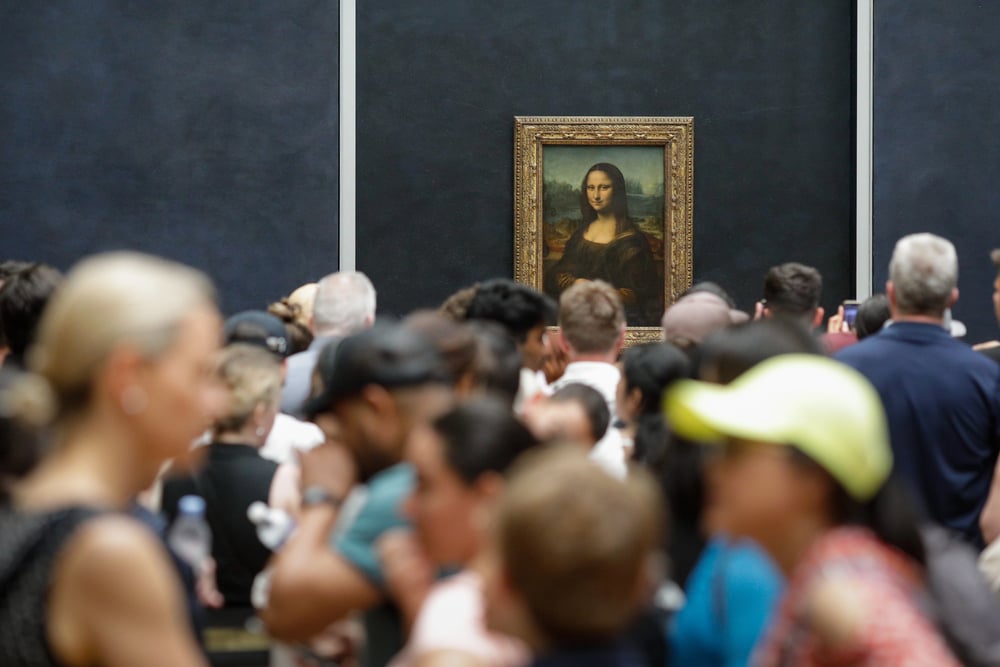
Art books and postcards show Leonardo da Vinci’s masterpiece in perfect detail, suggesting you’ll have an intimate encounter with one of history’s greatest paintings. The museum reality involves peering over several rows of people to catch a glimpse of a surprisingly small painting behind bulletproof glass, while security guards rush everyone along to keep the crowds moving.
The contemplative art appreciation that photos suggest is replaced by a frustrating attempt to see anything at all through the mass of tourists taking photos with their phones.
Niagara Falls
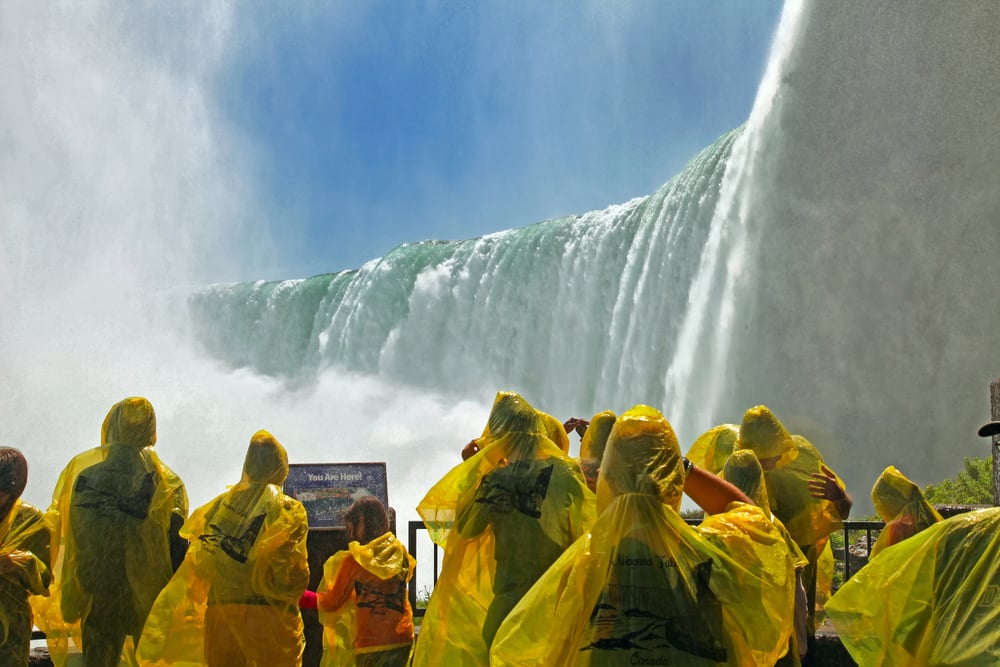
Promotional photos capture the raw power and natural beauty of these famous waterfalls, often showcasing the mist and rainbows that make the location seem like a natural wonder. The tourist area around the falls resembles a carnival midway, complete with chain restaurants, souvenir shops, and attractions that have nothing to do with the natural beauty you came to see.
The falls themselves are impressive, but the commercial development surrounding them makes the experience feel more like visiting a theme park than experiencing nature.
The Blarney Stone, Ireland
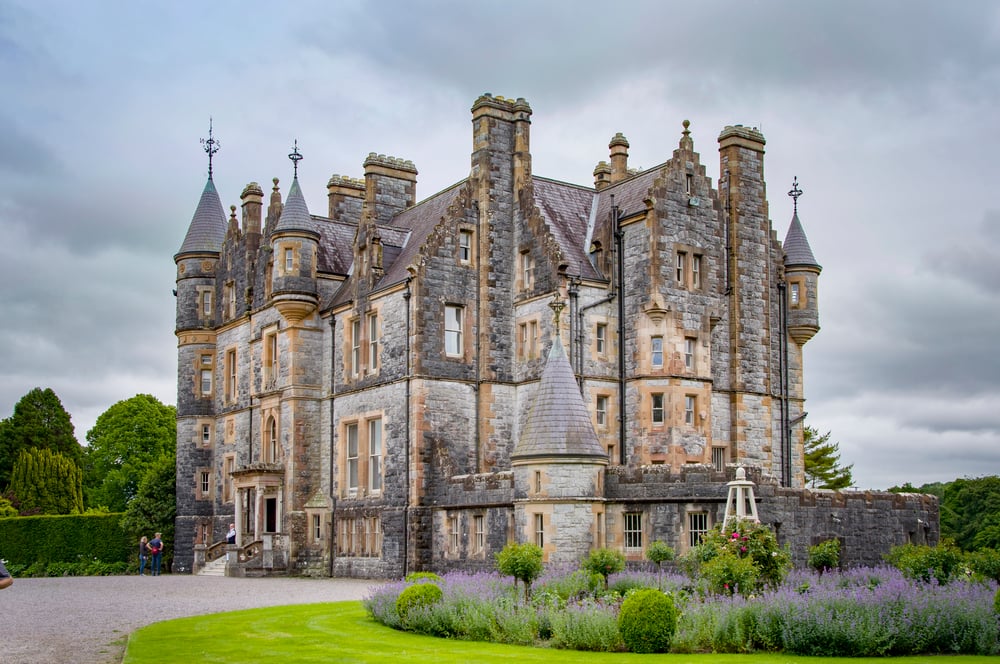
Travel photos suggest kissing the Blarney Stone is a charming Irish tradition that takes place in a romantic castle setting with beautiful countryside views. The actual experience involves waiting in line to hang backwards over a castle wall while a staff member holds your legs, kissing a rock that thousands of other tourists have kissed before you, often in less-than-ideal weather conditions.
The mystical Irish experience that photos promise is replaced by what amounts to an awkward and somewhat unsanitary tourist stunt.
When Reality Doesn’t Match the Marketing

These destinations demonstrate how photography and social media can create expectations that reality simply can’t match. The problem isn’t necessarily that these places lack merit, but rather that carefully curated images set visitors up for disappointment by promising experiences that don’t account for crowds, commercialization, or practical realities.
Understanding the difference between marketing photography and actual travel experiences can help set more realistic expectations and lead to more satisfying trips. Sometimes the most rewarding travel experiences happen at places that don’t photograph well but offer genuine cultural connections, natural beauty, or historical significance without the burden of trying to live up to impossible visual standards that exist only in perfectly timed and edited images.
More from Go2Tutors!

- The Romanov Crown Jewels and Their Tragic Fate
- 13 Historical Mysteries That Science Still Can’t Solve
- Famous Hoaxes That Fooled the World for Years
- 15 Child Stars with Tragic Adult Lives
- 16 Famous Jewelry Pieces in History
Like Go2Tutors’s content? Follow us on MSN.