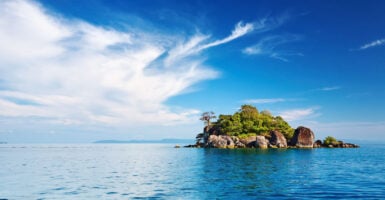
16 Volcano Insights That Erupt With Drama
Volcanoes are nature’s most explosive performers, capable of reshaping entire landscapes in a matter of hours or creating new islands from scratch. These geological giants have fascinated humans for centuries, inspiring both terror and wonder with their raw, unstoppable power.
From the depths of the Earth’s molten core to the explosive spectacles that light up the sky, volcanic activity reveals some of our planet’s most incredible secrets. Here is a list of 16 volcano insights that showcase the dramatic forces lurking beneath our feet.
Lava Moves Like Molten Honey
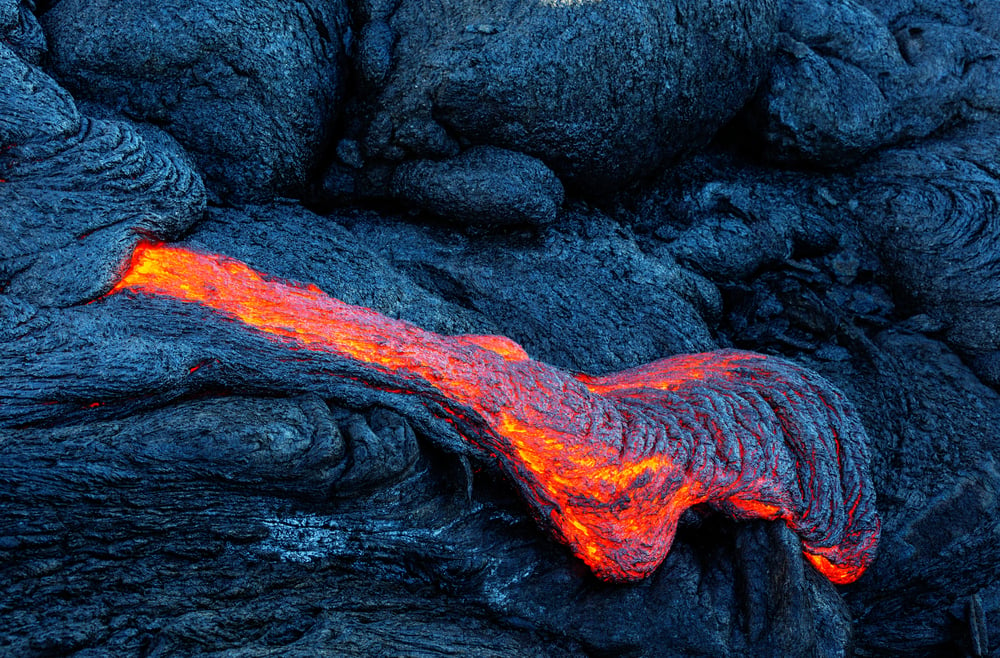
When most people picture lava, they imagine a fast-moving river of fire racing down mountainsides. The reality is far more interesting—lava typically crawls along at about the same speed you walk, roughly 3 miles per hour.
This leisurely pace happens because lava is incredibly thick, with a consistency similar to honey mixed with chunks of rock and gas.
Volcanic Lightning Creates Electric Storms
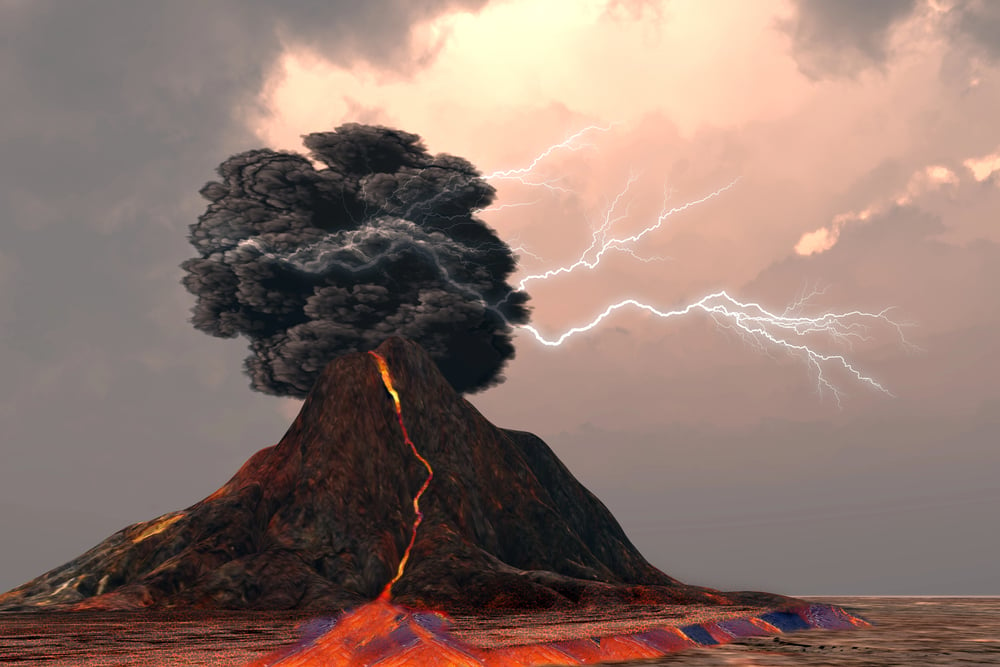
During explosive eruptions, ash particles collide violently in the volcanic plume, generating massive electrical charges that create lightning bolts within the ash cloud. These volcanic lightning storms can produce thousands of strikes in a single eruption, turning the sky into a terrifying light show.
The phenomenon looks like nature’s own fireworks display, except each bolt carries enough power to level a building.
Mount Vesuvius Preserved an Entire City
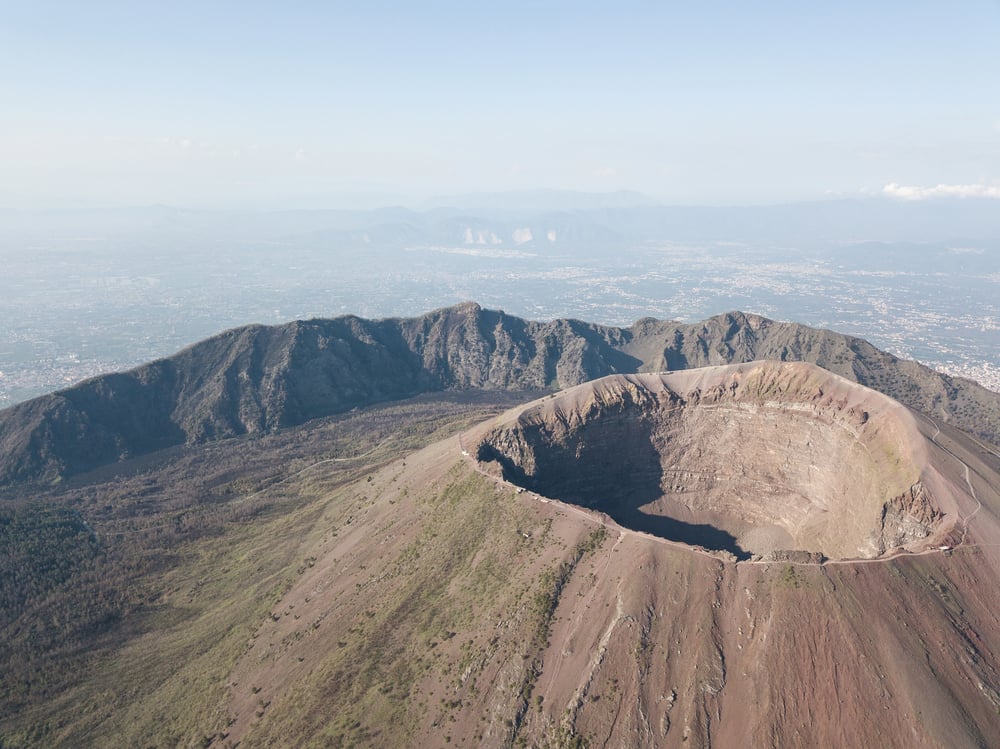
The 79 AD eruption of Mount Vesuvius didn’t just destroy Pompeii—it created the world’s most perfectly preserved ancient city by accident. The volcanic ash and pumice buried everything so quickly that it trapped people, animals, and objects exactly as they were at the moment of disaster.
Today, archaeologists can see loaves of bread still sitting in ovens and people frozen in their final moments, creating a time capsule that’s nearly 2,000 years old.
Underwater Volcanoes Create New Islands
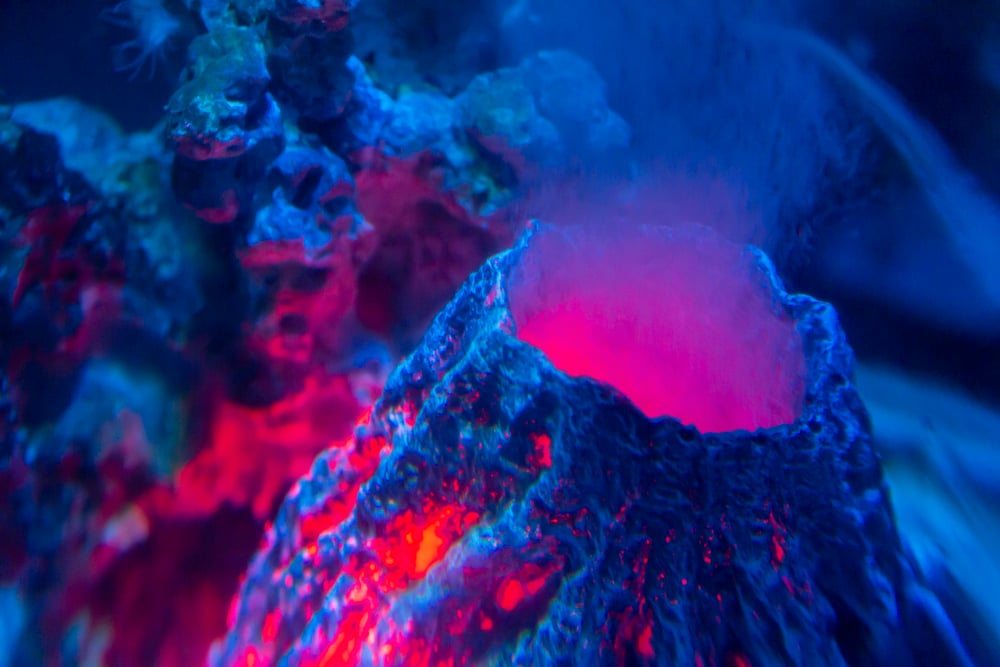
About 75% of all volcanic activity happens underwater, where eruptions build massive underwater mountains that eventually break the ocean surface. Hawaii’s islands formed this way over millions of years, with each island representing a different stage in the volcanic process.
The newest Hawaiian island, Loihi, is currently growing underwater and won’t surface for another 10,000 to 100,000 years.
Yellowstone Sits on a Supervolcano
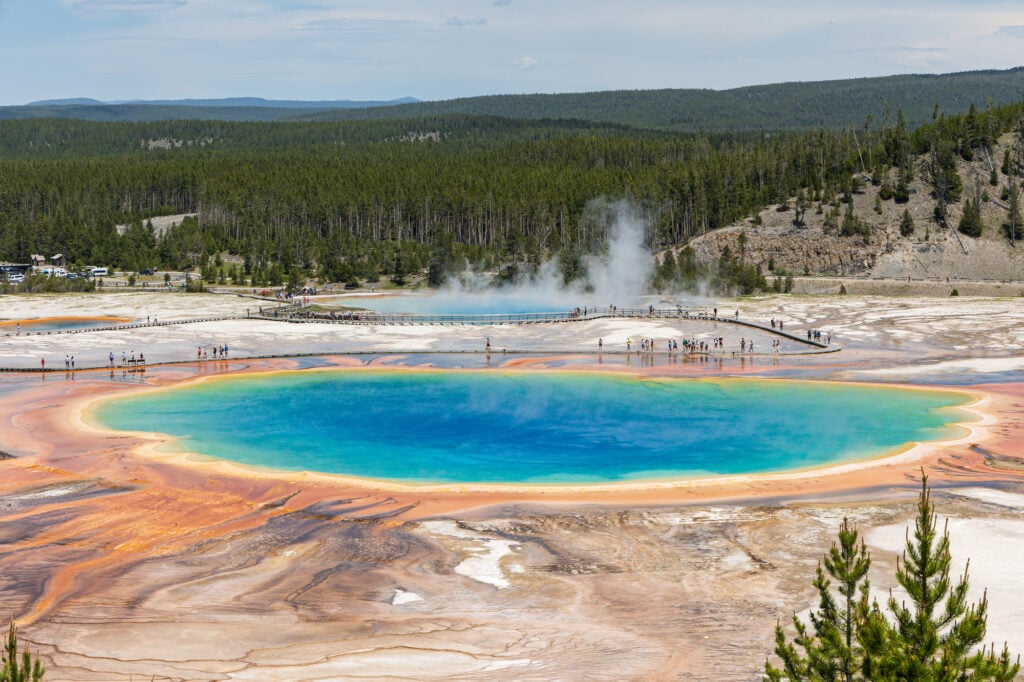
Beneath Yellowstone National Park lies one of the world’s largest active volcanic systems, with a magma chamber that’s roughly 37 miles long and 18 miles wide. This supervolcano has erupted three times in the past 2.1 million years, with the last major eruption occurring 640,000 years ago.
When Yellowstone eventually erupts again, it could blanket half the United States in ash and trigger a global climate crisis.
Volcanic Glass Forms Natural Razors
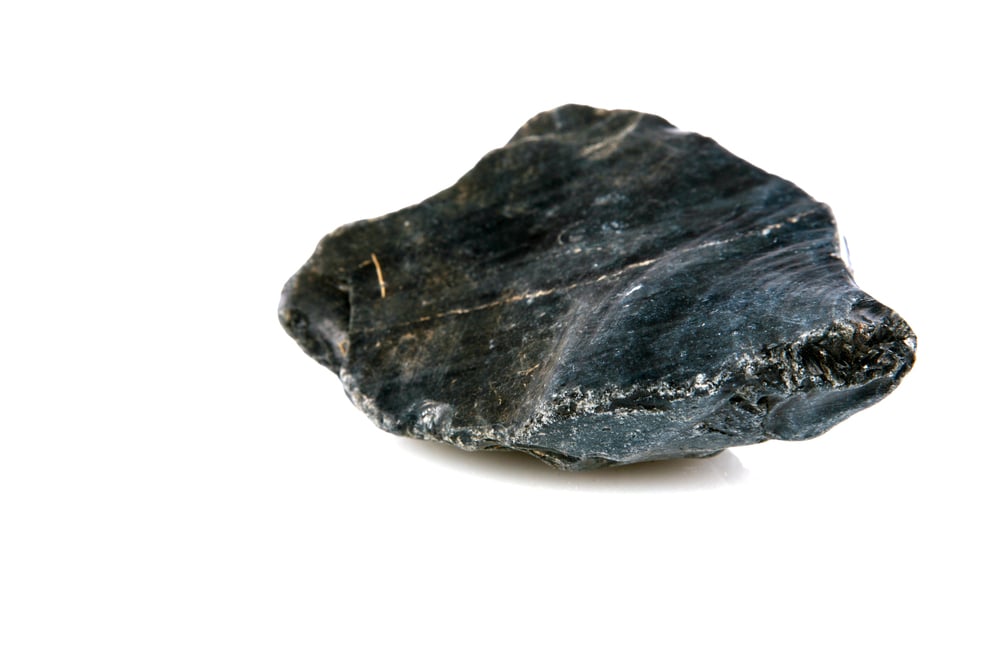
When lava cools extremely quickly, it can form obsidian, a type of volcanic glass that’s sharper than any metal blade. Ancient civilizations used obsidian to create surgical tools and weapons because it could be chipped into edges just a few molecules thick.
Modern surgeons still use obsidian scalpels for certain delicate procedures because they create cleaner cuts than steel.
Krakatoa’s Explosion Was Heard 3,000 Miles Away
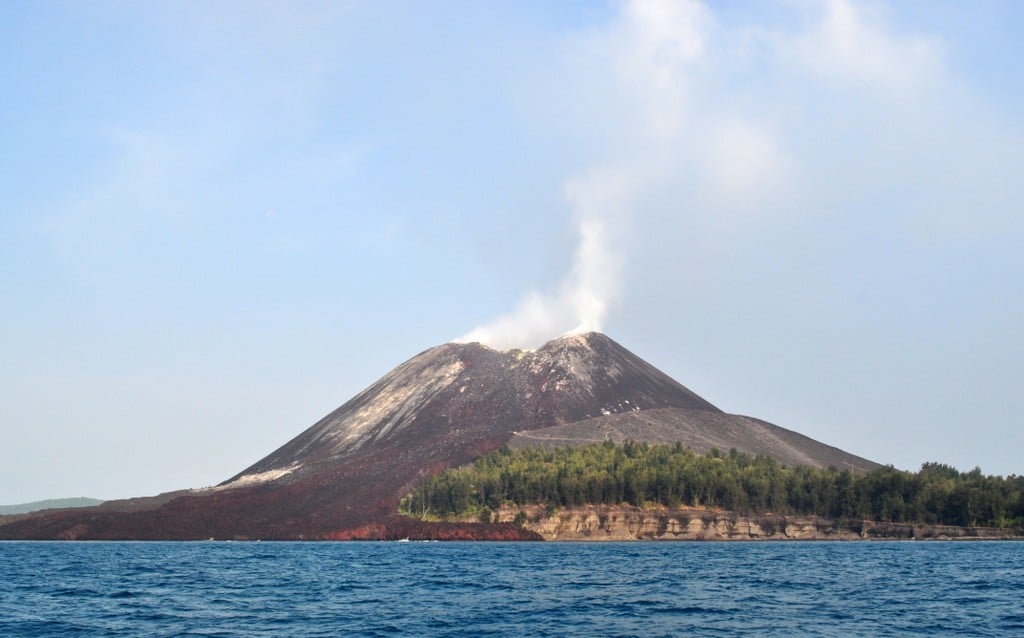
The 1883 eruption of Krakatoa in Indonesia produced the loudest sound in recorded human history, with the explosion heard clearly in Australia and Madagascar. The sound wave circled the Earth four times and was so powerful that it ruptured the eardrums of sailors 40 miles away.
The explosion was equivalent to 200 megatons of TNT, making it about 13,000 times more powerful than the atomic bomb dropped on Hiroshima.
Volcanic Ash Can Circle the Globe
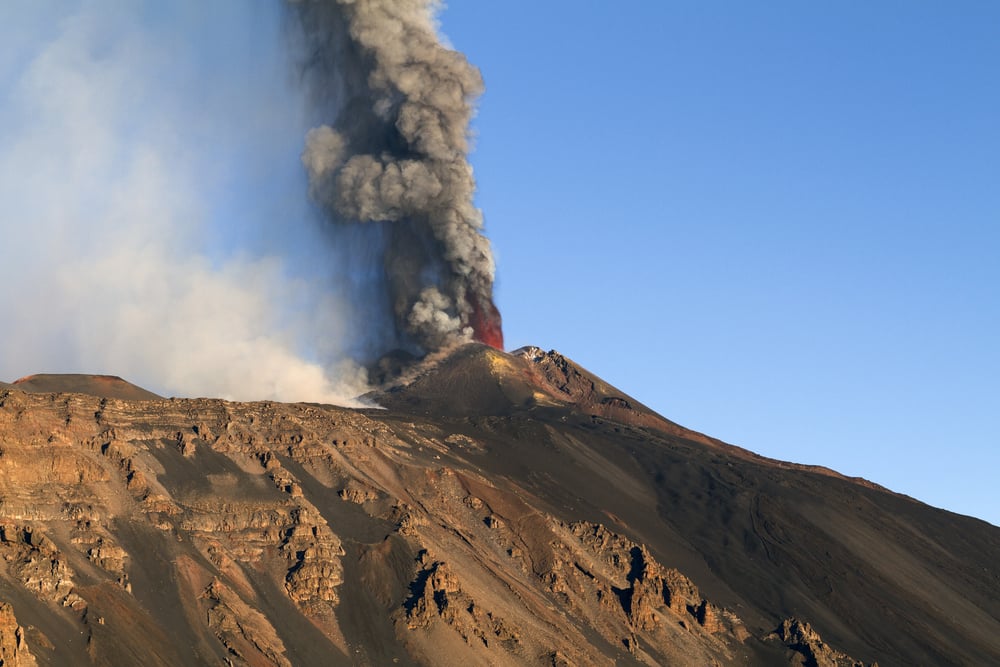
When volcanoes erupt explosively, they can shoot ash columns up to 25 miles high into the stratosphere, where powerful winds carry the particles around the world. The 1815 eruption of Mount Tambora in Indonesia caused global climate changes, creating the ‘Year Without a Summer’ in 1816.
Crops failed across Europe and North America, causing widespread famine and even inspiring Mary Shelley to write Frankenstein during the gloomy, ash-darkened summer.
Lava Tubes Form Underground Highways
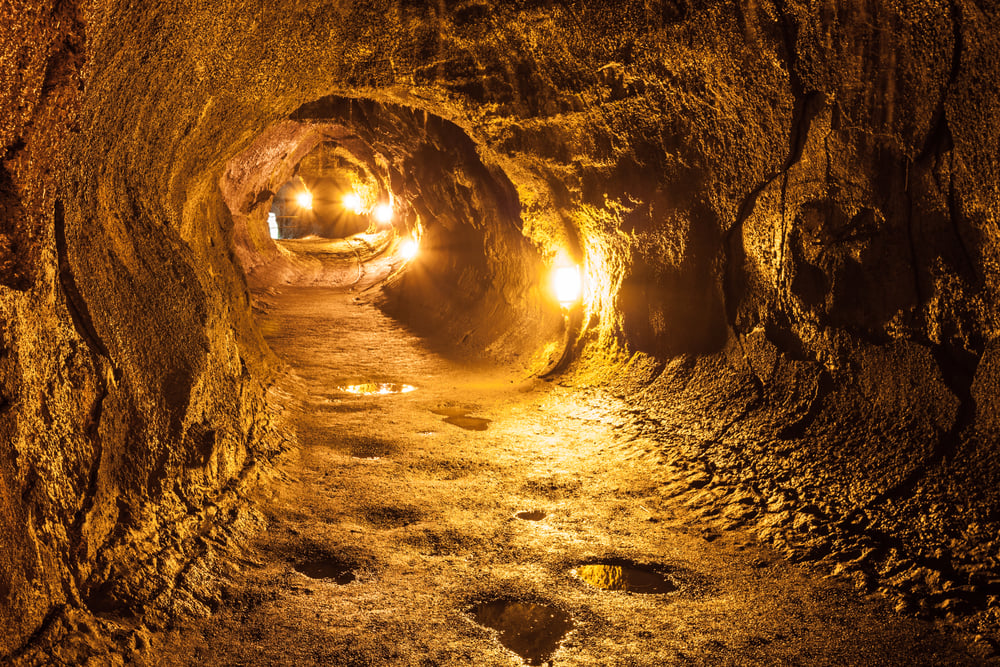
As lava flows cool on the surface but continue flowing underneath, they create hollow tubes that can stretch for miles underground. These natural tunnels can be large enough to drive a truck through and often remain intact long after the lava flow stops.
Some lava tubes in Hawaii are so extensive that they’ve become tourist attractions, allowing visitors to walk through the same paths that molten rock once traveled.
Volcanic Soil Creates Agricultural Goldmines
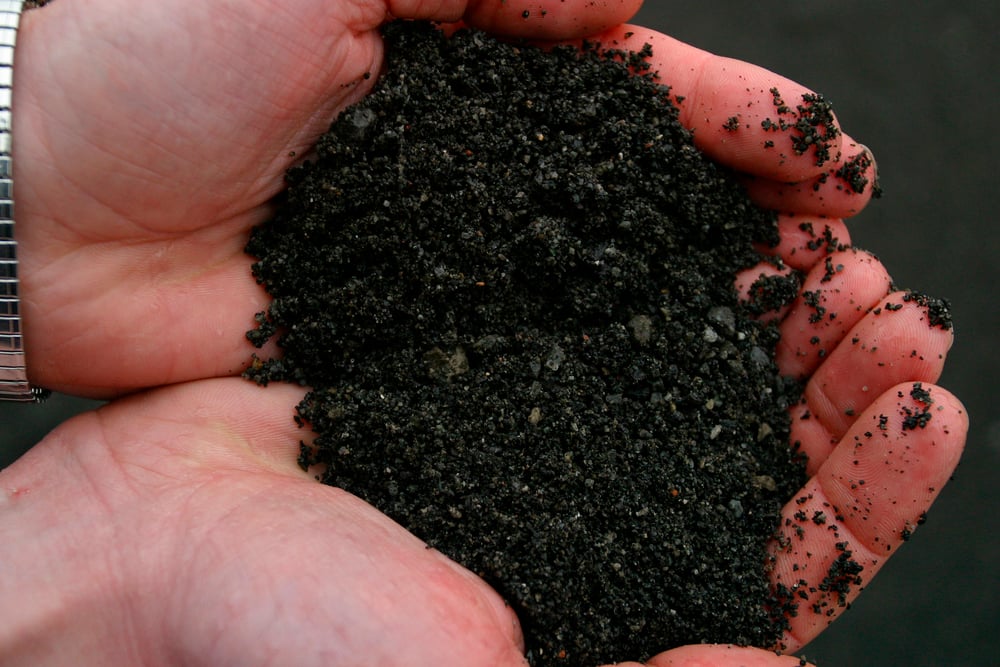
Volcanic ash and weathered lava create some of the world’s most fertile soil, packed with minerals that plants love. Countries like Italy and Indonesia have some of their most productive farmland on the slopes of active volcanoes, despite the obvious risks.
The trade-off between danger and incredibly rich soil has led millions of people to live in the shadow of volcanoes throughout history.
Volcanoes Can Trigger Their Own Weather
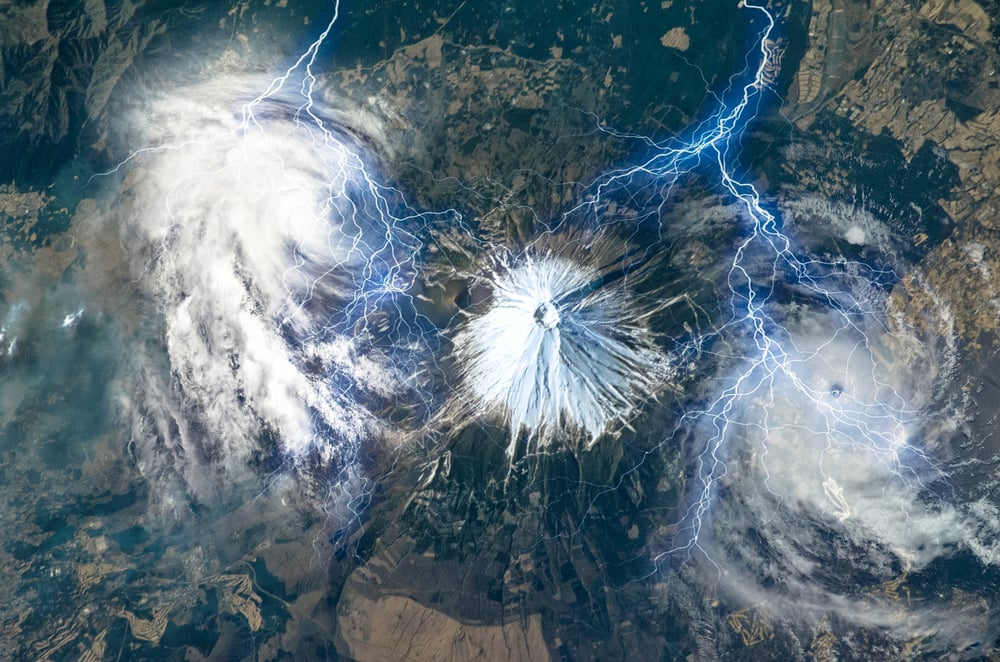
Large eruptions create their own weather systems, including volcanic tornadoes and pyroclastic flows that behave like avalanches of superheated gas and rock. These pyroclastic flows can reach temperatures of 1,500 degrees Fahrenheit and travel at speeds up to 450 miles per hour.
They’re so hot and fast that they can literally vaporize everything in their path, including houses, trees, and unfortunately, people.
Ice and Fire Create Explosive Combinations
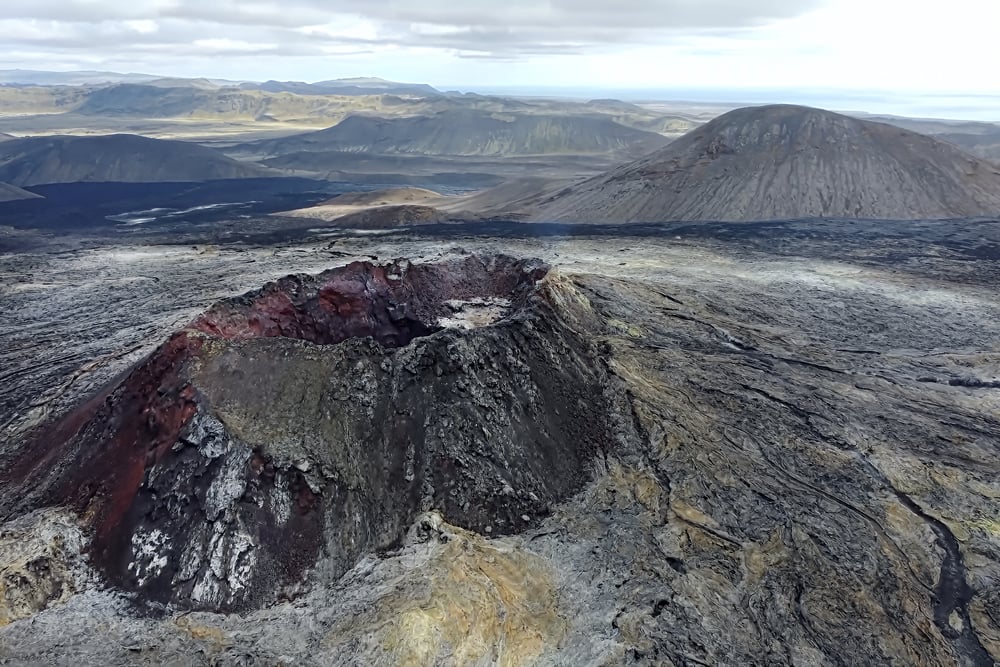
When volcanoes erupt beneath glaciers or ice sheets, the interaction between extreme heat and ice creates incredibly violent explosions. Iceland’s volcanoes regularly demonstrate this phenomenon, producing massive steam explosions that can launch house-sized blocks of ice miles into the air.
The 2010 eruption of Eyjafjallajökull shut down European air travel for weeks because the ice-cooled eruption created particularly fine ash that was perfect for clogging jet engines.
Volcanic Islands Can Disappear Overnight
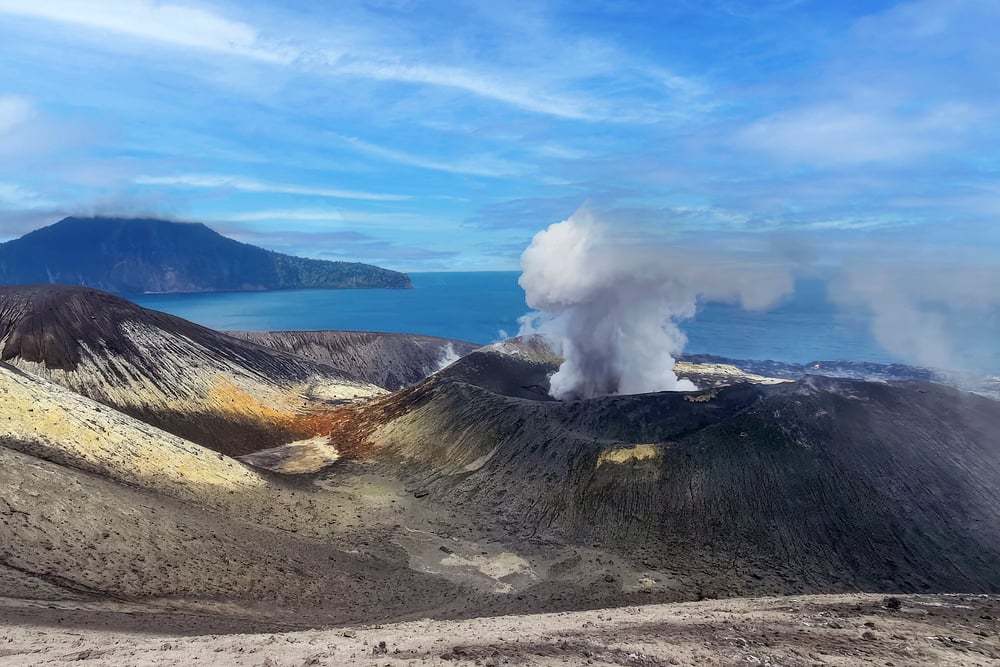
Some volcanic islands are built from relatively loose volcanic material that can collapse back into the ocean during major eruptions or earthquakes. The island of Krakatoa was mostly destroyed during its 1883 eruption, leaving only small remnants of what was once a much larger landmass.
New volcanic activity has since built up a new island called Anak Krakatau, or ‘Child of Krakatoa,’ which continues to grow and change shape with each eruption.
Lava Lakes Are Windows to Earth’s Interior
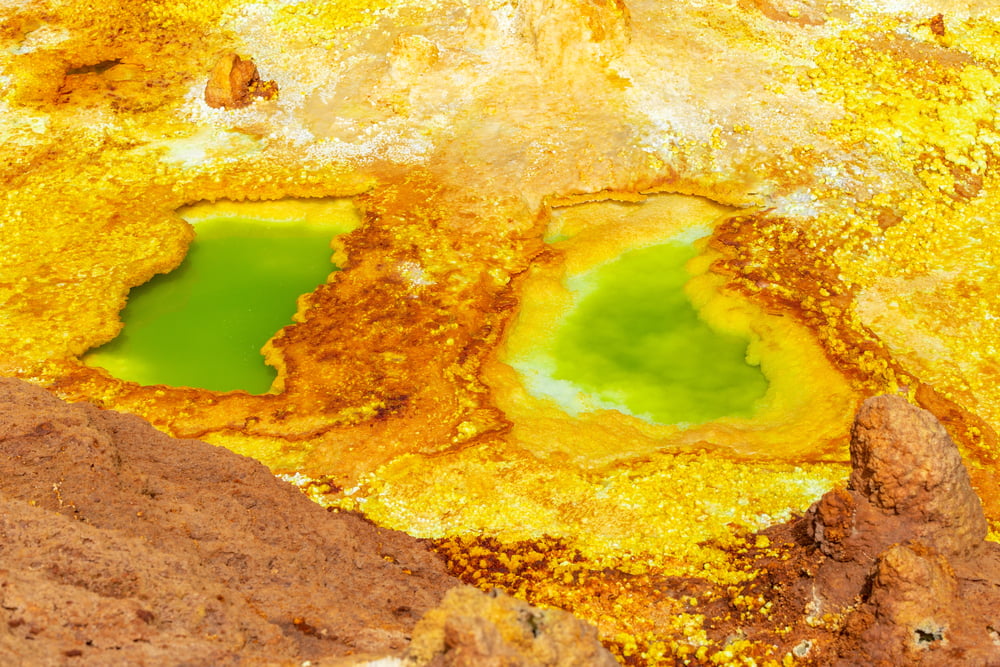
A few volcanoes around the world maintain permanent lava lakes—literally pools of molten rock that provide scientists with rare glimpses into the Earth’s interior. These lava lakes, found in places like Hawaii and the Democratic Republic of Congo, act like giant natural laboratories where researchers can study magma behavior in real time.
The constantly churning surface reveals how molten rock moves and changes deep beneath our feet.
Volcanic Gases Can Be Deadly and Invisible
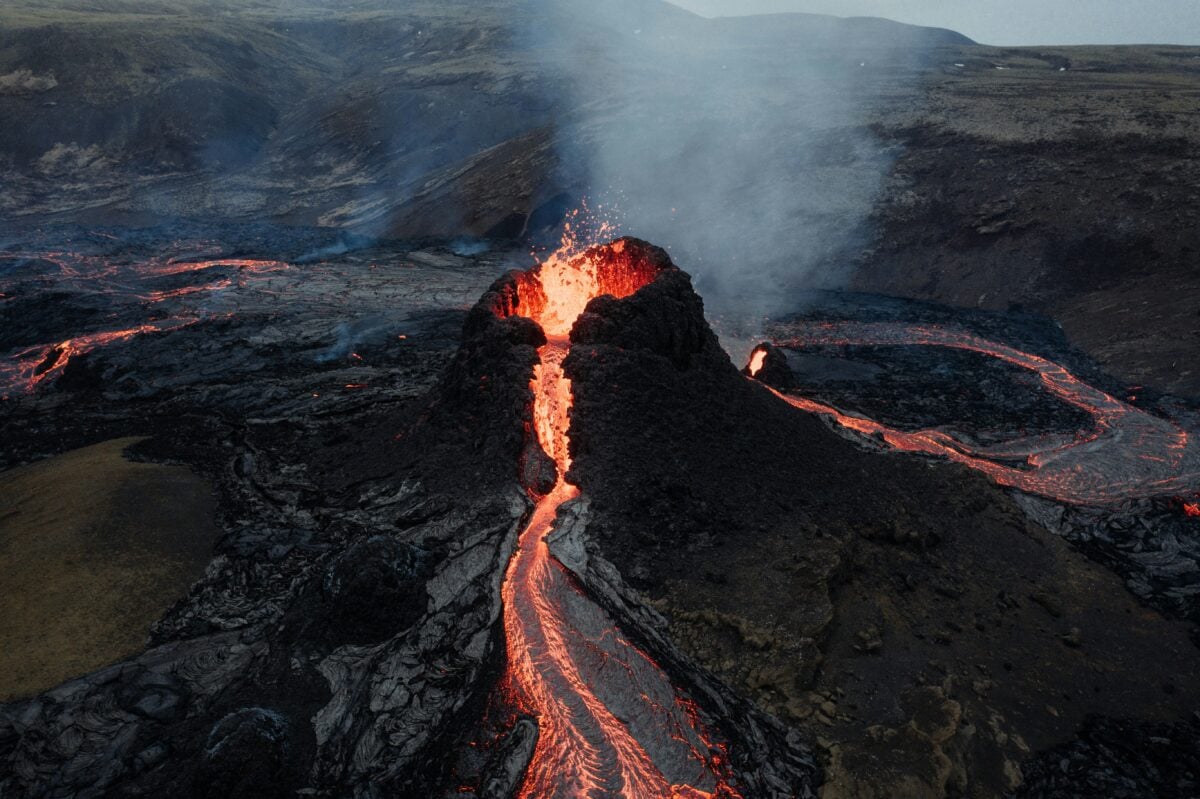
Volcanoes release a cocktail of gases including carbon dioxide, sulfur dioxide, and hydrogen sulfide, many of which are invisible and deadly to humans and animals. Lake Nyos in Cameroon experienced a tragic example in 1986 when volcanic carbon dioxide suddenly escaped from the lake’s depths, creating a deadly cloud that suffocated 1,746 people and 3,500 livestock.
The gas was heavier than air and flowed silently through valleys like an invisible river of death.
Volcanoes Help Regulate Earth’s Climate
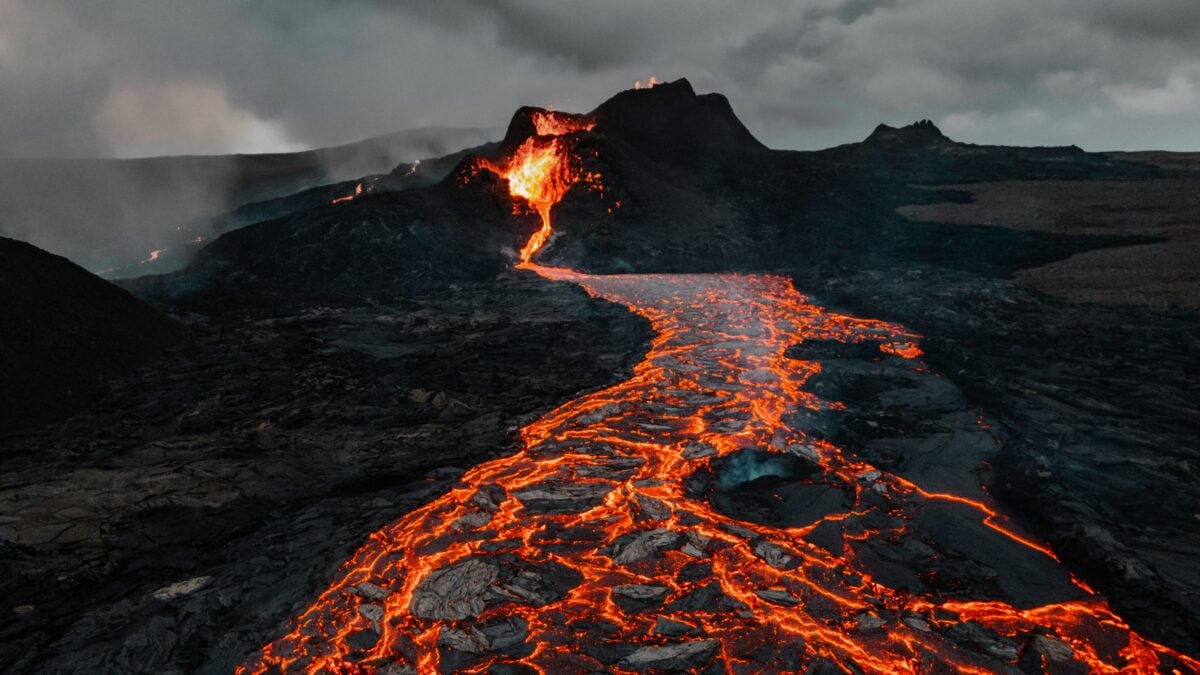
While explosive eruptions can cause short-term cooling by blocking sunlight with ash and particles, volcanoes play a crucial role in Earth’s long-term climate regulation by releasing carbon dioxide and other greenhouse gases. Without volcanic activity continuously recycling carbon from deep within the Earth back to the atmosphere, our planet would likely be a frozen, lifeless rock.
Volcanoes essentially act as Earth’s pressure release valves, maintaining the delicate balance that makes life possible.
Earth’s Fiery Guardians Keep Our World Alive
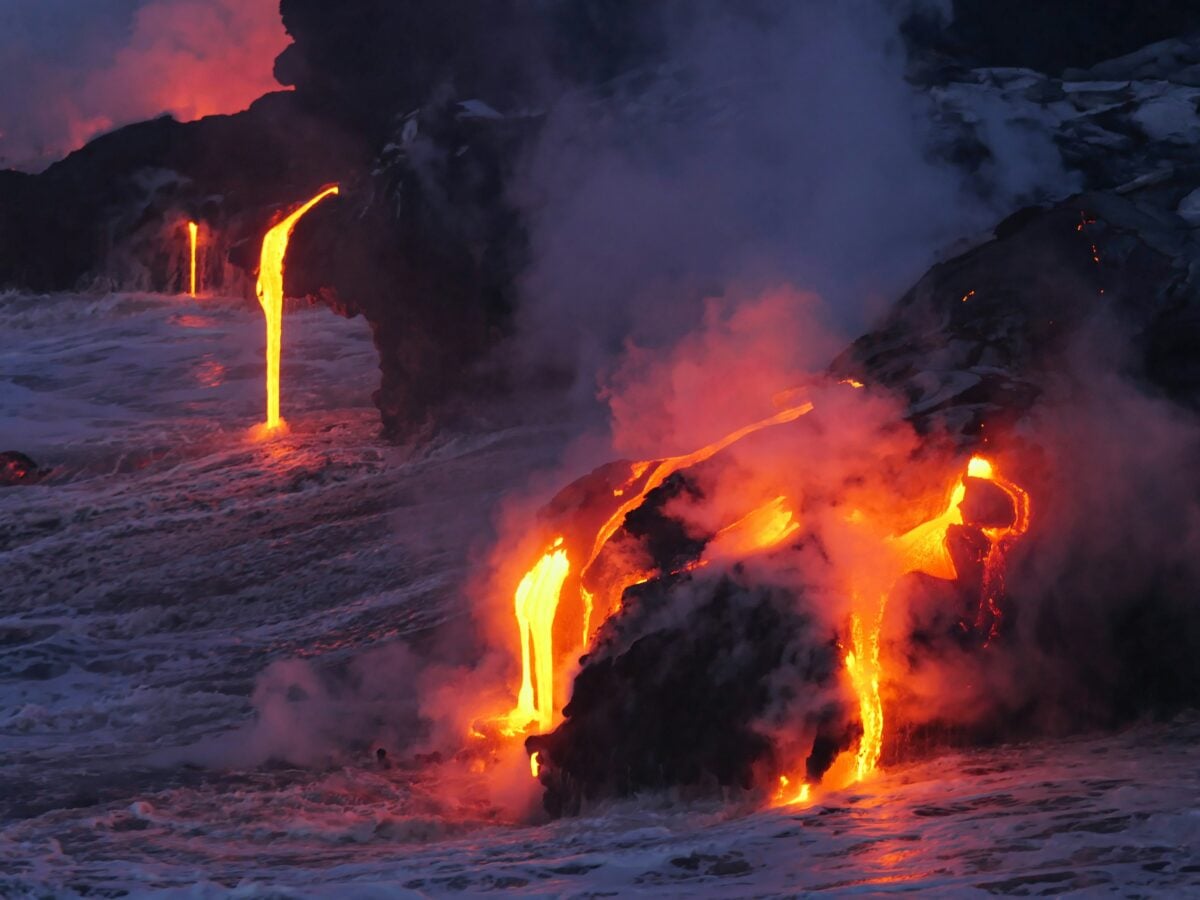
These geological powerhouses represent far more than destructive forces—they’re essential architects of our planet’s evolution and continued habitability. From creating the fertile soils that feed billions to regulating the climate systems that sustain life, volcanoes serve as Earth’s dynamic engines of change.
While their explosive nature commands respect and caution, understanding these remarkable geological features reveals how our planet’s most dramatic processes are also among its most vital for maintaining the world we call home.
More from Go2Tutors!

- The Romanov Crown Jewels and Their Tragic Fate
- 13 Historical Mysteries That Science Still Can’t Solve
- Famous Hoaxes That Fooled the World for Years
- 15 Child Stars with Tragic Adult Lives
- 16 Famous Jewelry Pieces in History
Like Go2Tutors’s content? Follow us on MSN.