16 Trees with Bizarre Territorial Behavior
Trees might seem like peaceful giants, but beneath their serene appearance lies a competitive world where survival means claiming your space. Some trees have developed fascinating strategies to keep their neighbors at bay, whether through chemical warfare or by maintaining mysterious gaps between their canopies. These territorial tactics help them secure resources like light, water, and nutrients in crowded forests.
Here is a list of 16 trees that have mastered the art of keeping their distance.
Black Walnut
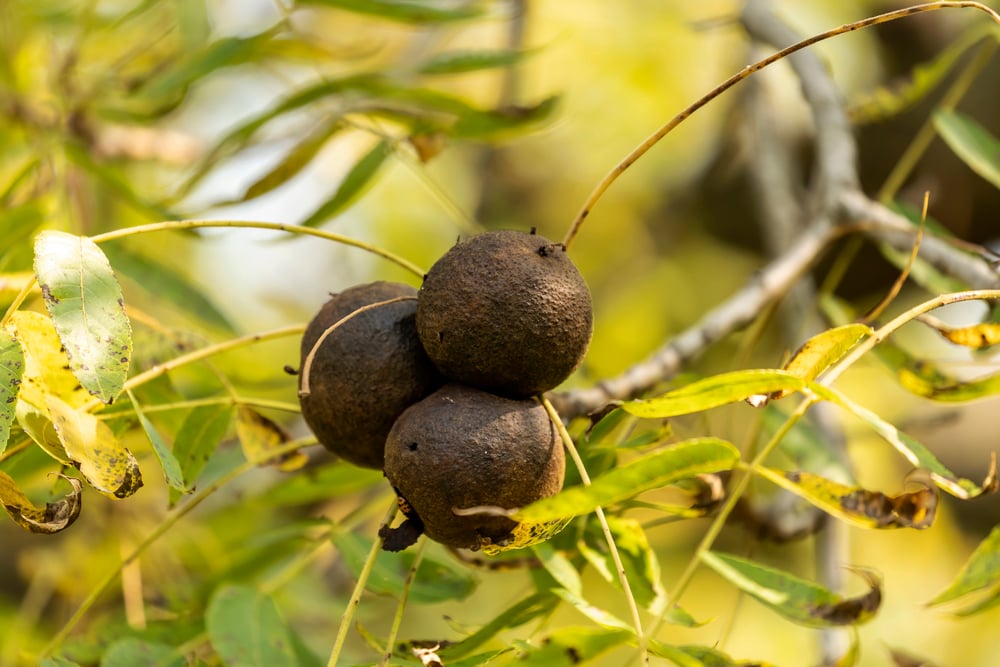
The black walnut produces juglone, a toxic compound found in its leaves, roots, bark, and nut hulls that remains active in the soil and inhibits the growth of many nearby plants. Tomatoes, peppers, potatoes, rhododendrons, and azaleas are particularly vulnerable to juglone toxicity, often showing yellowed leaves and stunted growth before dying. The chemical concentration peaks at the tree’s drip line, though roots can spread the compound much farther. Interestingly, some plants like oaks and forsythia seem immune to its effects, creating patchwork communities around these imposing trees.
Tree of Heaven

This invasive species from eastern Asia produces quassinoids and alkaloids from its roots, leaves, stems, and even seeds, giving it an advantage over other allelopathic plants. The tree’s chemical allanthone has properties similar to nonselective herbicides like glyphosate, devastating both herbaceous and woody plants in temperate forests. These chemicals cause neighboring plants to develop elongated roots while interfering with photosynthesis and nutrient uptake. Where this tree grows, native plant biodiversity drops dramatically as it establishes dense, impenetrable stands.
Eucalyptus
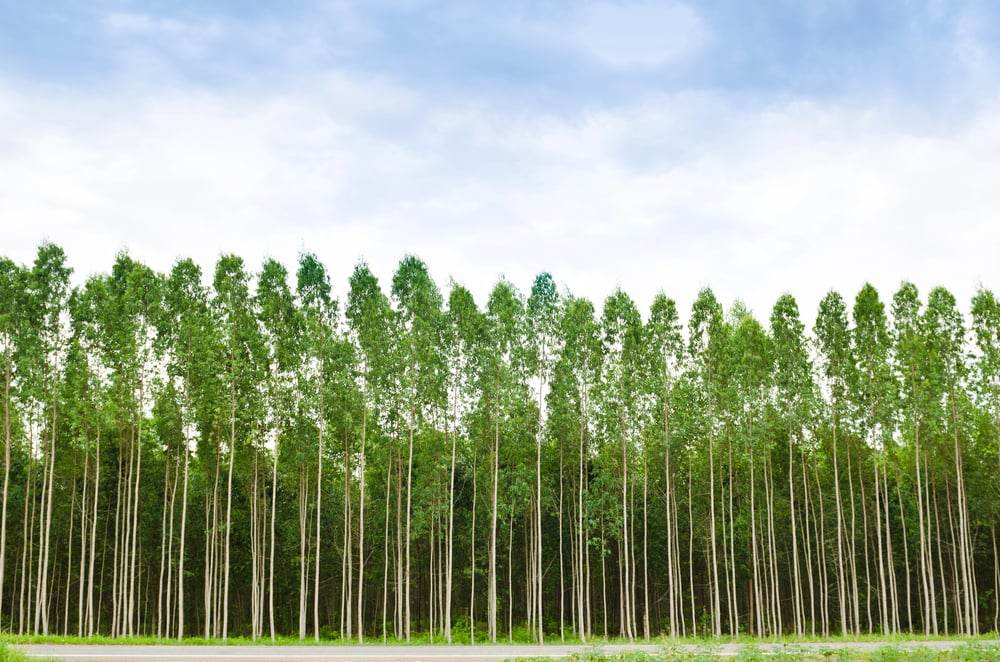
Eucalyptus trees release allelopathic compounds including eucalyptol and cineole through volatilization, leaf leaching, and foliage decomposition. Studies show that certain eucalyptus species selectively affect different tree species, with native species often suffering lower seedling survival and growth compared to some introduced species. The trees’ leaf litter and root exudates can inhibit soil microbes and nearby vegetation, creating zones where few other plants thrive. Farmers in some regions have even practiced trenching around eucalyptus woodlots to prevent their chemicals from affecting neighboring crops.
Black Mangrove

Black mangroves demonstrate crown shyness, where wind causes their branches to collide and scrape against each other, leading to reciprocal pruning that creates channel-like gaps in the canopy. Research from Costa Rica found that the more mangroves swayed in the wind, the more widely their canopies were spaced from their neighbors. Branches at the edges of crown shyness gaps typically show broken twigs and fewer leaves than more protected parts of the canopy. This spacing might help individual trees avoid disease transmission while maximizing their access to sunlight.
Red Pine
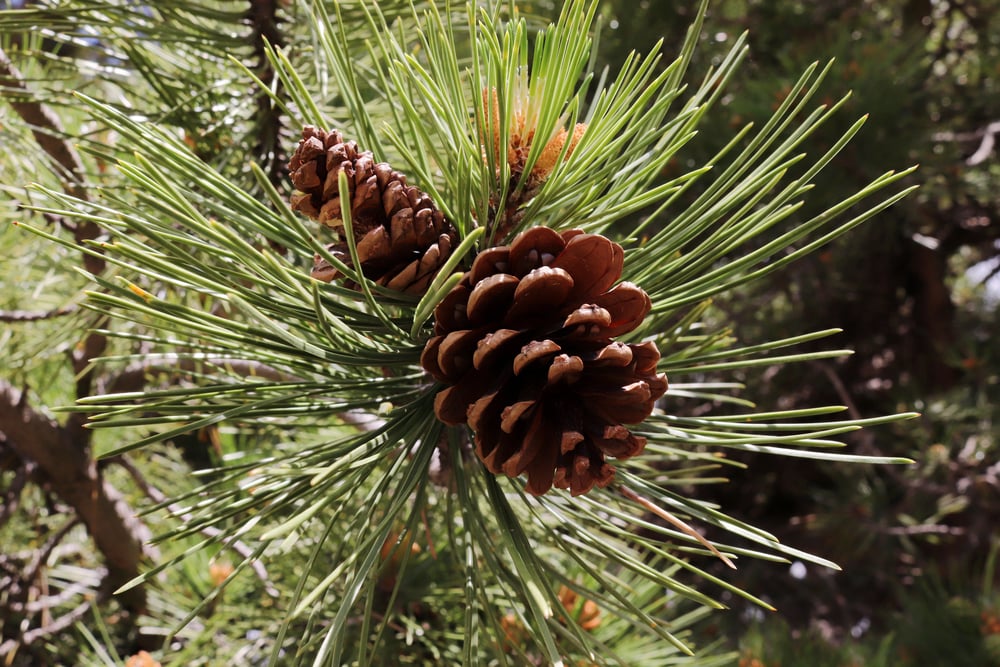
Red pine forests form sparse forest floors where herbaceous plants struggle to grow, and the litter contains allelopathic substances beyond the typical phenolic acids found in many plants. Compounds extracted from red pine needles inhibit root growth in various species by 9 to 18 percent and shoot growth by 20 to 65 percent. The trees release these chemicals as their needles decompose on the forest floor, creating an inhospitable environment for potential competitors. Pine tannins also dry out the top layer of soil, compounding the challenge for other plants trying to establish themselves.
Lodgepole Pine
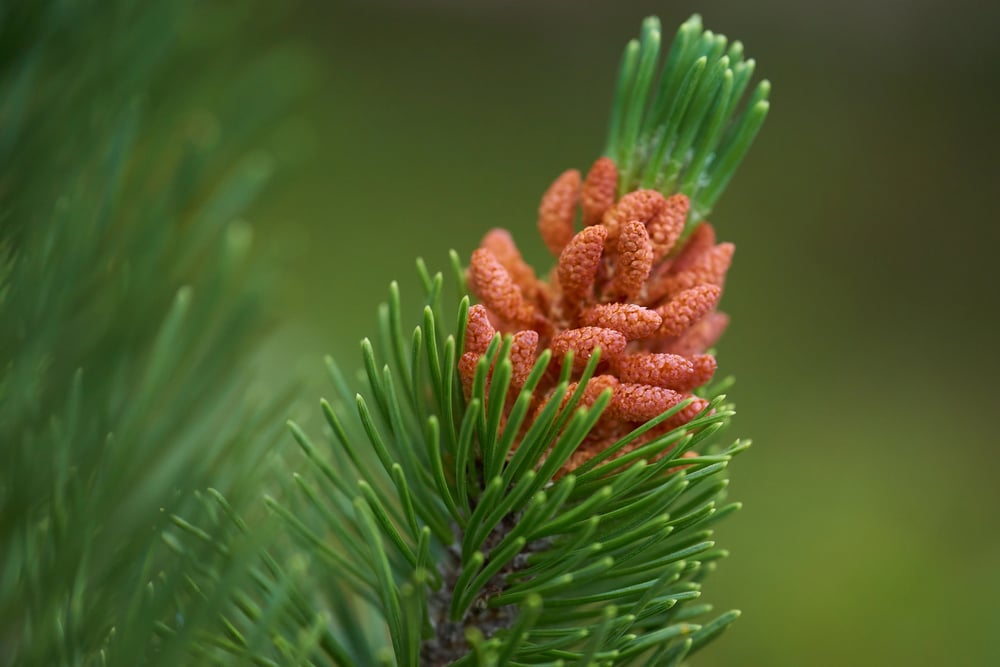
Lodgepole pines in Alberta, Canada, particularly tall, spindly trees of similar height in windy forests, are especially prone to crown shyness. When researchers used nylon ropes to prevent neighboring pines from colliding, the plants interlocked their canopies and filled in the gaps between adjacent crowns. This demonstrates that physical contact plays a crucial role in maintaining these trees’ personal space. The flexible branches of young lodgepole pines make them particularly susceptible to wind-induced abrasion, which then shapes their growth patterns.
Sugar Maple
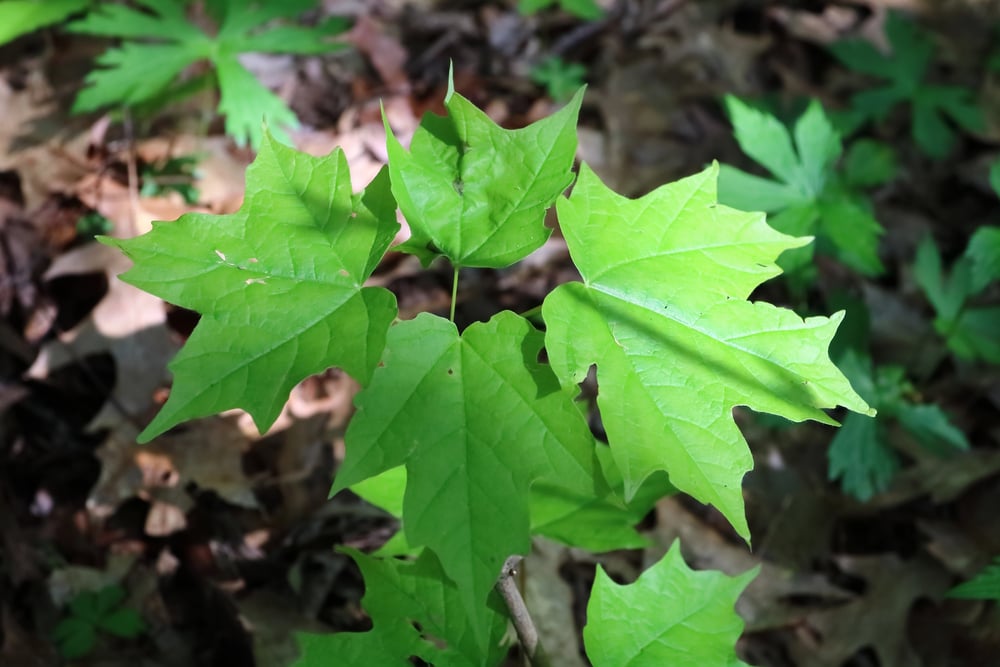
Sugar maple trees produce root exudates that inhibit the growth of yellow birch and northern conifers, with goldenrod and aster being important producers of water-soluble compounds that inhibit maple germination and nutrient uptake. The deleterious effects of goldenrod on maple nutrition and growth can be overcome by large additions of soluble phosphorus fertilizer. Sugar maple roots have strong to moderate allelopathic properties that create barriers to growing many other plants in dry, shady conditions beneath the trees. This creates a complex web of chemical interactions in forests where these species coexist.
Norway Maple
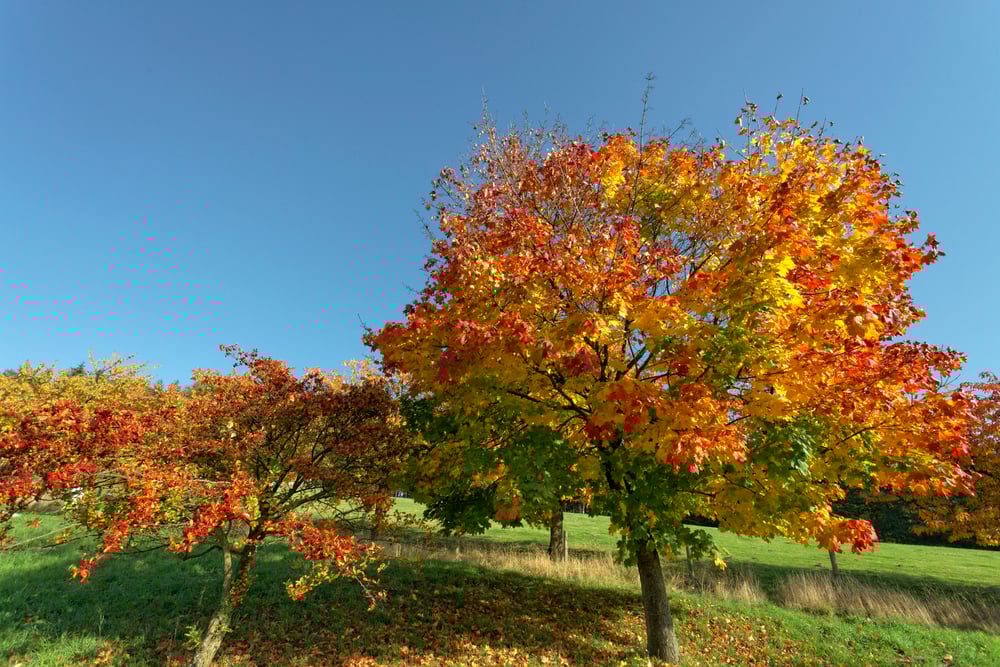
Norway maple produces chemicals that inhibit or prevent the establishment of other plants within its root zone, eliminating competition for water, nutrients, and light. Studies show that red maple growth is negatively affected by soil from forest stands dominated by Norway maple. The tree’s dense shade compounds the problem, preventing native seedling regeneration beneath its broad canopy. Its ability to uptake large amounts of water from soil amplifies these impacts on native vegetation, making it a particularly effective invader in North American forests.
Japanese Larch

Japanese larch is among the tree species that exhibit crown shyness, where fully stocked trees avoid touching each other and form channel-like gaps in the canopy. The phenomenon appears most prevalent among trees of the same species but can occur between different species as well. These larches seem to detect far-red light bouncing off neighboring foliage, which triggers them to stop growing toward each other. The puzzle-like pattern created by their canopies becomes especially visible when viewed from below in areas with little undergrowth.
Borneo Camphor
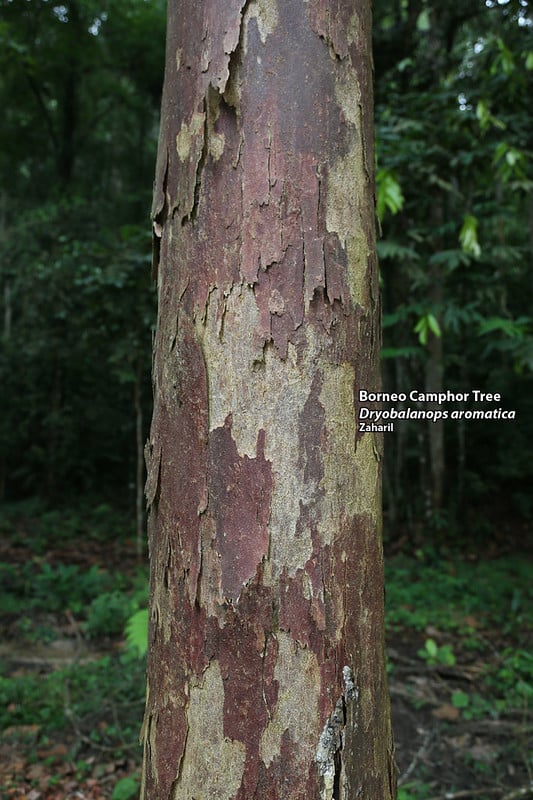
Borneo camphor trees demonstrate crown shyness, with spaces appearing in their canopy to prevent branches from touching and forming channel-like gaps. These towering Malaysian trees create some of the most visually striking examples of this phenomenon. The gaps between their crowns may help reduce disease transmission in tropical forests where humidity favors pathogen spread. From the forest floor, their canopies appear to fit together like an intricate jigsaw puzzle against the sky.
Red Maple

Red maple extracts show strong allelopathic effects, with studies demonstrating greater inhibition of lettuce seedling growth than even black walnuts in laboratory tests. The tree affects both the radical length and hypocotyl length of neighboring plants’ seedlings. Despite this chemical aggression, red maples thrive in various soil conditions and have increased in abundance across eastern United States forests. Their ability to act as both early and late successional species gives them competitive advantages in diverse environments.
Eastern Red Cedar
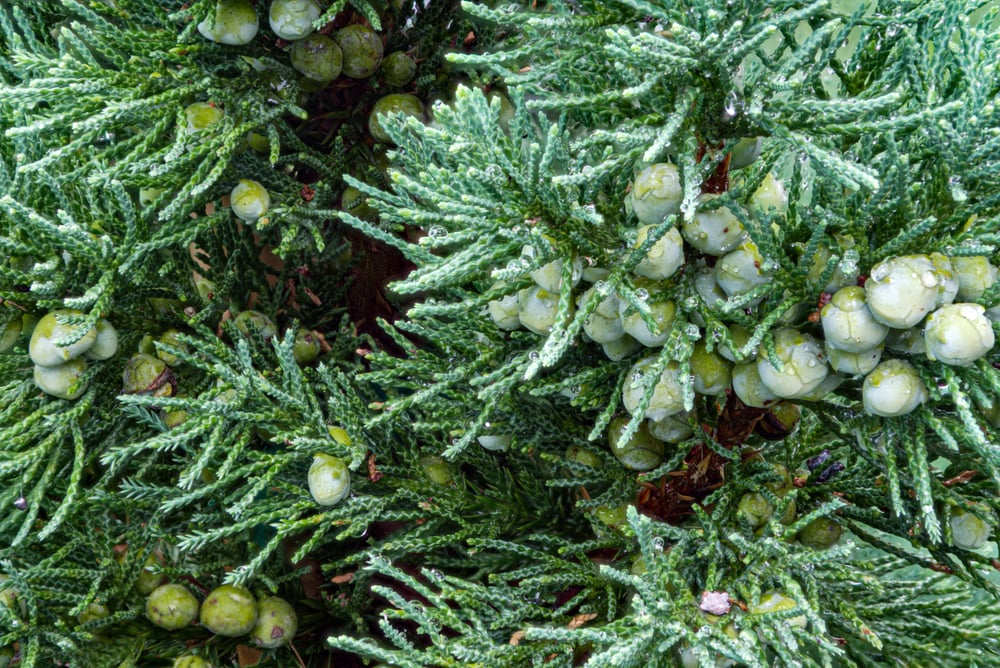
Eastern red cedar needles, especially freshly trimmed live needles, act as strong growth inhibitors. Studies show that red cedar mulch drastically inhibits the growth of plants like Florida beggarweed. This native tree produces allelopathic chemicals that can harm neighboring plants. The volatile compounds from cedar can affect plants even without direct soil contact, making it particularly effective at maintaining its territory. Gardeners often avoid using cedar mulch near sensitive plants for this reason.
Swamp Chestnut Oak

Swamp chestnut oak produces some of the strongest allelopathic compounds among oak species, showing greater effects than black walnut in reducing seedling growth. Water extracts from this tree’s wood chips significantly inhibit seed germination and early plant growth. The tree releases these chemicals through its roots and decomposing leaf litter, creating zones of influence in wetland areas where it grows. Its chemical arsenal helps it dominate bottomland hardwood forests across the southeastern United States.
Live Oak
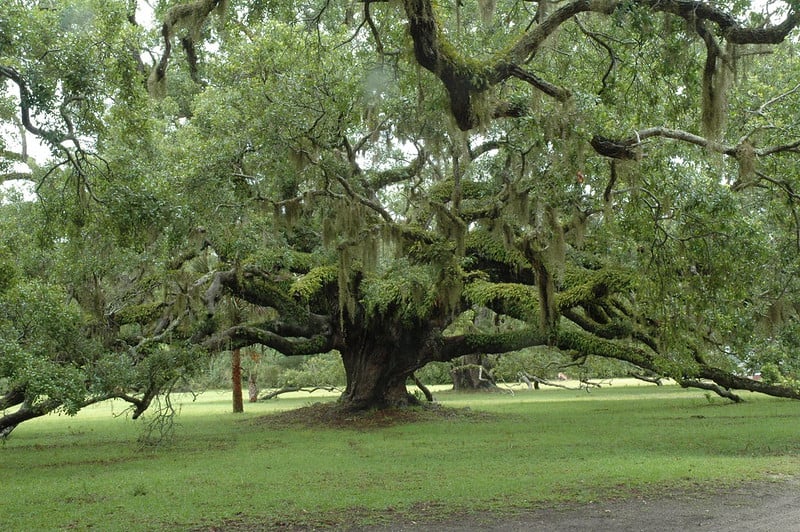
Live oak leaf compost appears more allelopathic than black walnut leaf compost, though both trees demonstrate mild inhibitory effects on garden crops. The breakdown of live oak leaves creates chemical compositions that make it difficult for smaller ground plants to establish themselves. Combined with the tree’s dense canopy that blocks light and directs rainfall to the drip line rather than beneath the crown, live oaks create cave-like environments where little else grows. The high tannin content in their leaves contributes to these allelopathic properties.
Acacia

Some acacia species produce allelopathic compounds including tannins and phenolics that inhibit the growth of neighboring plants and reduce competition for resources. Research has documented the allelopathic potential of certain acacia species in agroforestry systems in arid regions. These leguminous trees use their chemical defenses to maintain territory in harsh environments where resources are scarce. The combination of deep taproots and allelopathic chemicals makes them formidable competitors in their native habitats.
Chinese Tallow

Chinese tallow trees have allelopathic properties in their leaves that can alter soil chemistry and negatively affect native vegetation. The species has been suspected of allelopathic interference with loblolly pine regeneration in multilayered plant communities, with compounds including tannins detected in its leaves and bark. This invasive tree from Asia uses chemical warfare to outcompete native species wherever it establishes itself. The leaves are toxic to herbivores, providing additional protection while the tree spreads its chemical influence through the soil.
Nature’s Space Keepers

These territorial trees reveal how competition shapes forest ecosystems in ways we’re only beginning to understand. Whether through toxic chemicals in the soil or carefully maintained gaps in the canopy, trees have evolved sophisticated methods to secure their place in crowded environments. What appears as simple coexistence from our perspective is actually an ongoing battle for survival, fought with chemical weapons and strategic spacing rather than visible aggression.
More from Go2Tutors!

- The Romanov Crown Jewels and Their Tragic Fate
- 13 Historical Mysteries That Science Still Can’t Solve
- Famous Hoaxes That Fooled the World for Years
- 15 Child Stars with Tragic Adult Lives
- 16 Famous Jewelry Pieces in History
Like Go2Tutors’s content? Follow us on MSN.