20 Historical Figures Whose Early Lives Look Nothing Like Their Legacy
History often presents us with the polished, final versions of great individuals – the inventors, leaders, and visionaries who shaped our world. Yet behind every extraordinary legacy lies a beginning that few would have predicted.
The paths these remarkable people traveled were rarely straight lines from obvious talent to inevitable success. Here is a list of 20 historical figures whose humble, troubled, or completely unrelated beginnings stand in stark contrast to how we remember them today.
Albert Einstein
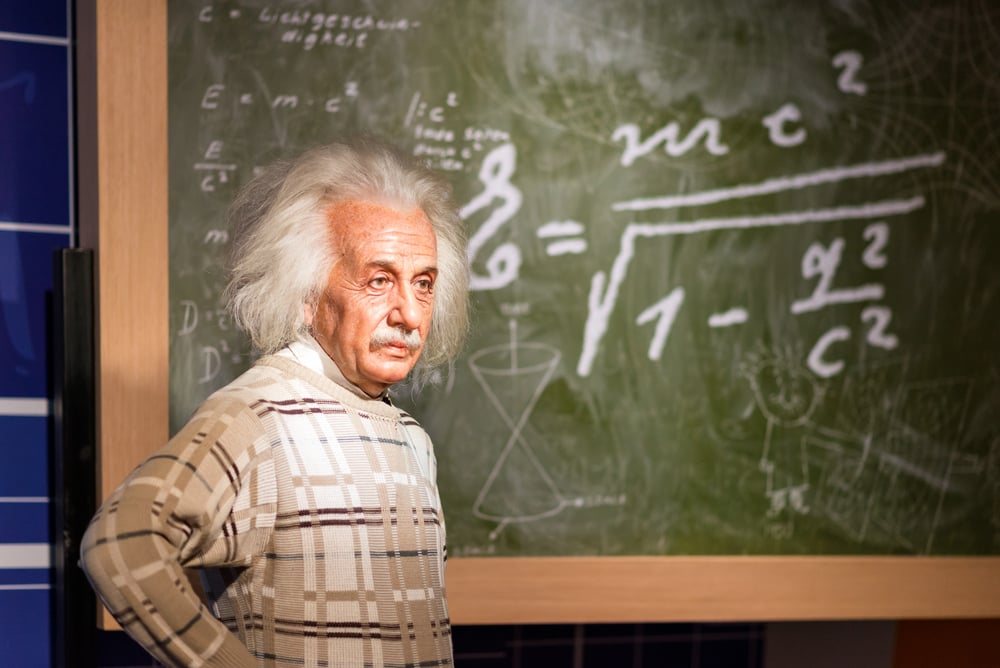
The man synonymous with genius struggled tremendously in his early years. Einstein didn’t speak until age four, leading teachers to believe he might have learning difficulties.
After graduating from university, he couldn’t secure an academic position and instead worked as a patent clerk in Switzerland. This seemingly mundane job actually provided him time to develop his revolutionary theories while evaluating technical patents.
Julia Child

Before becoming America’s beloved French cooking guru, Julia Child worked as a government spy. During World War II, she served in the Office of Strategic Services (predecessor to the CIA), developing shark repellent for underwater explosives.
Child didn’t even learn to cook until her mid-30s when her husband’s diplomatic posting took them to France, proving that culinary expertise isn’t necessarily an inborn talent.
Vincent van Gogh

The post-impressionist painter whose works now sell for millions tried numerous careers before finding his artistic calling. Van Gogh worked unsuccessfully as an art dealer, schoolteacher, and missionary before picking up painting at age 27.
He sold only one painting during his lifetime and lived in poverty, often dependent on his brother’s financial support while creating the masterpieces that would eventually make him immortal.
Harriet Tubman
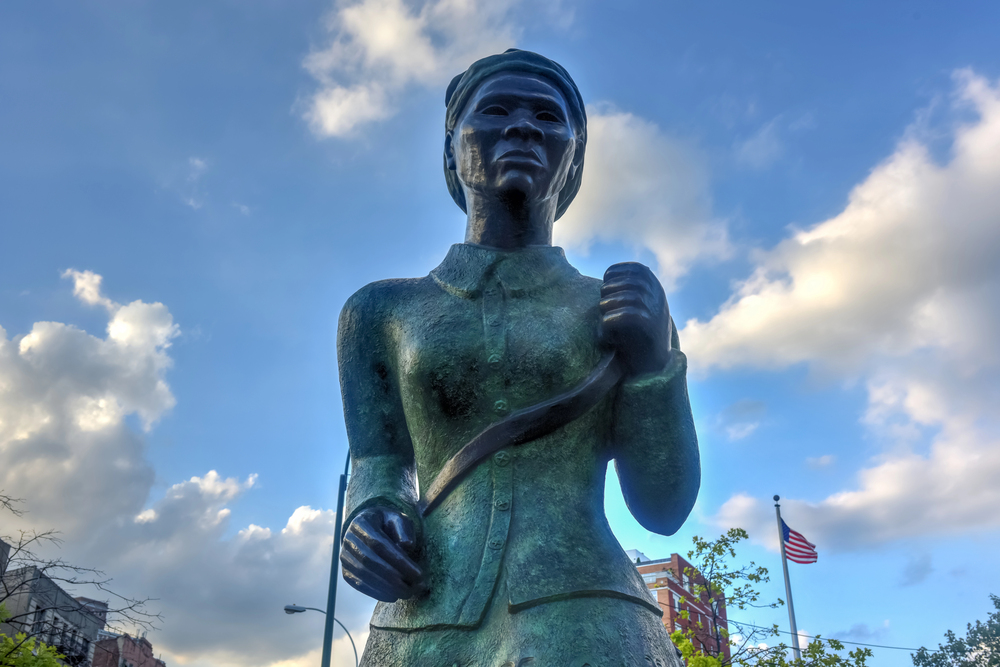
Before becoming one of America’s greatest freedom fighters and conductors of the Underground Railroad, Tubman endured unimaginable hardship. Born into slavery, she suffered a severe head injury when an overseer threw a heavy metal weight at another enslaved person but hit her instead.
This injury caused lifelong seizures and headaches, yet Tubman went on to lead dozens of people to freedom and serve as a Union spy during the Civil War.
Walt Disney
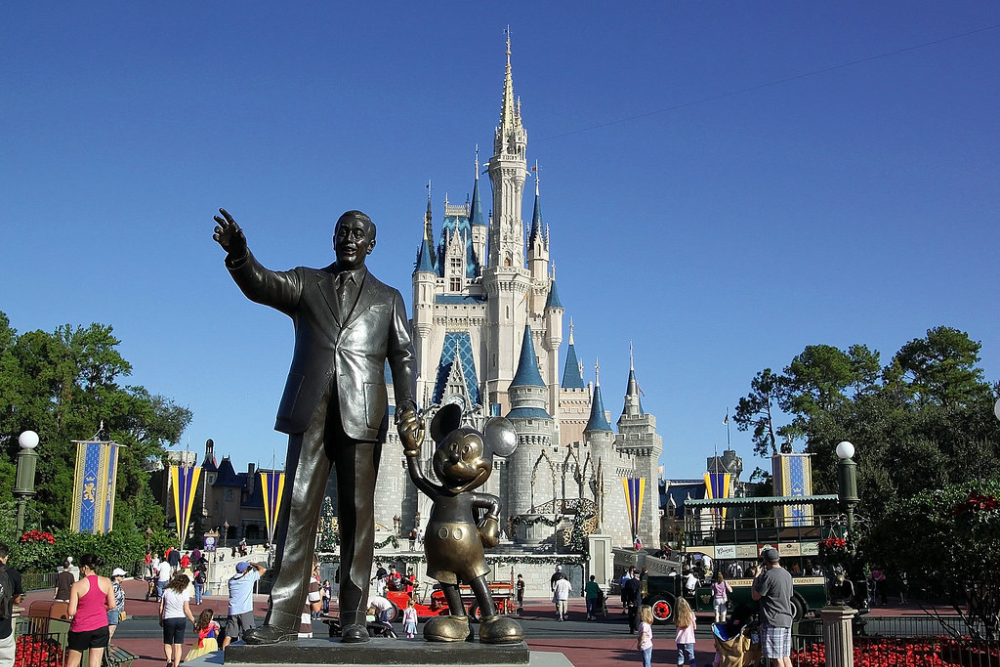
The entertainment visionary behind the world’s most famous mouse was once fired from a newspaper for ‘lacking imagination.’ Disney’s first animation company went bankrupt, and he reportedly had to eat dog food to survive during his earliest days in Hollywood.
These setbacks didn’t deter him from pursuing his creative vision, eventually building an entertainment empire that continues to shape childhoods worldwide.
George Washington
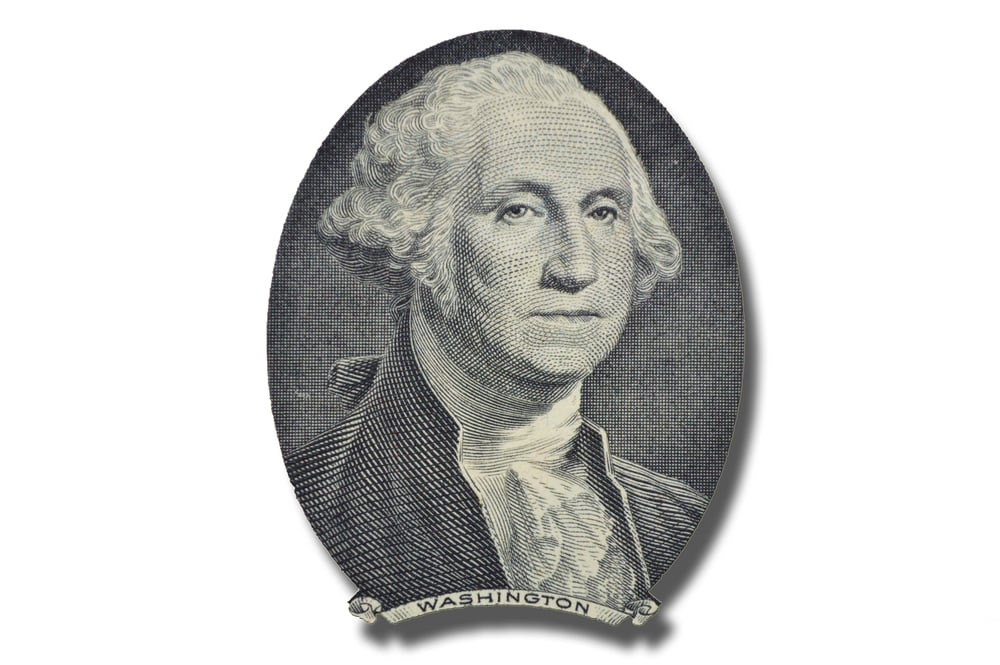
America’s first president spent his early career as a surveyor in Virginia’s wilderness before joining the military. Washington actually began as an officer in the British colonial forces during the French and Indian War, fighting for the very crown he would later rebel against.
His early military career included several defeats and a controversial incident that helped spark that conflict, hardly suggesting he would become the father of a nation.
Abraham Lincoln

Before becoming one of America’s most revered presidents, Lincoln endured a string of failures. He lost eight elections, failed in business twice, and suffered a nervous breakdown. Lincoln worked as a rail-splitter, flatboat operator, and country store owner before teaching himself law.
His humble beginnings in a one-room log cabin and largely self-directed education reveal nothing of the eloquent leader who would guide the nation through its greatest crisis.
Clara Barton
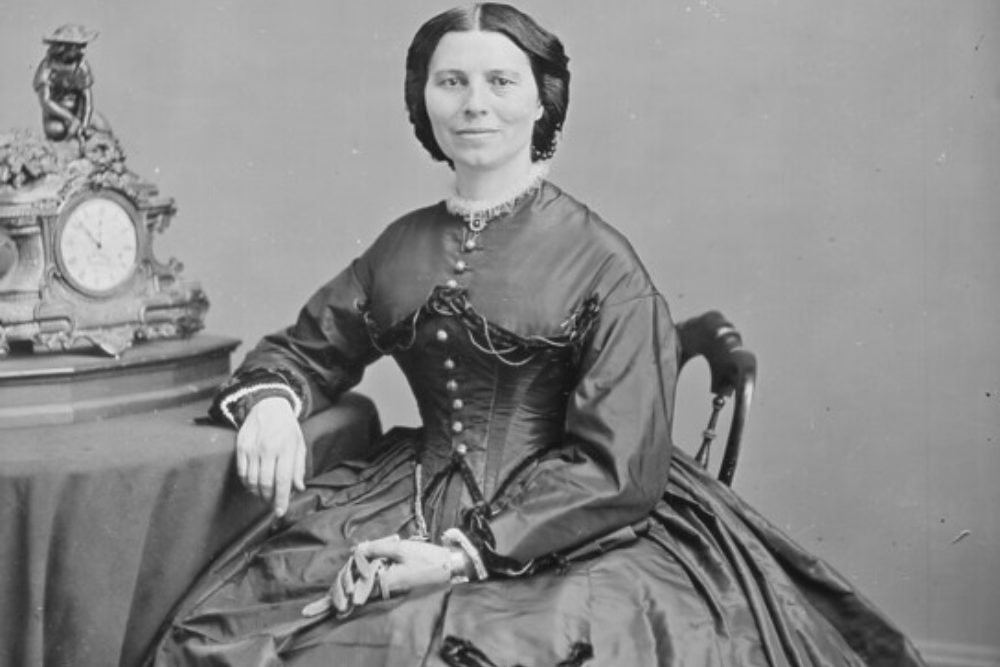
The founder of the American Red Cross began her career as a shy, stuttering schoolteacher. Barton established New Jersey’s first free public school, but educational officials hired a man to oversee ‘her’ school because they didn’t believe a woman could handle the job.
She later worked as a copyist in the Patent Office before finding her true calling as a battlefield nurse during the Civil War, where her fearless service earned her the nickname ‘Angel of the Battlefield.’
Charles Darwin

The revolutionary naturalist whose theory of evolution changed science forever originally studied to become a doctor and then a clergyman. Darwin showed little academic promise in his youth, with his father once telling him, ‘You care for nothing but shooting, dogs, and rat-catching, and you will be a disgrace to yourself and all your family.’
His opportunity to serve as the HMS Beagle’s naturalist came almost by chance, setting him on the path to scientific immortality.
J.K. Rowling

Before creating the wizarding world of Harry Potter, Rowling was a struggling single mother living on welfare. She wrote the first Potter book in cafés while her baby daughter slept beside her, often choosing to write there because it was warmer than her unheated apartment.
Her manuscript was rejected by twelve publishers before finally being accepted, launching what would become one of the most successful literary franchises in history.
Mahatma Gandhi
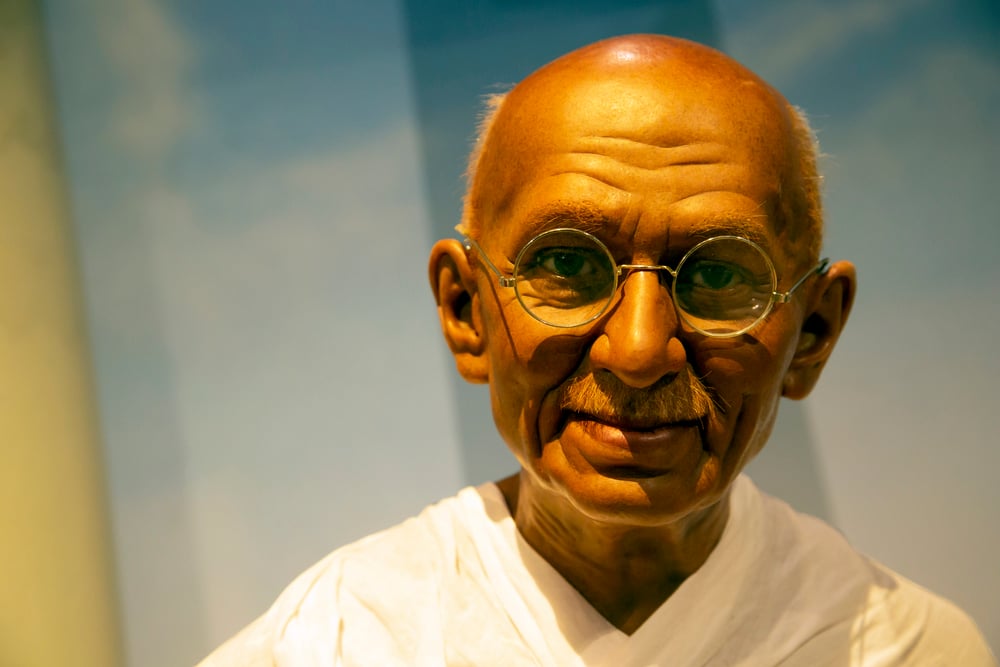
The peaceful revolutionary who helped free India from British rule began as a painfully shy law student in London. Gandhi actually failed at establishing a law practice in India after his studies due to his extreme nervousness in court.
When he moved to South Africa to work for an Indian firm, he was thrown off a train for refusing to move from first class despite having a ticket, an incident that began his transformation into a champion for civil rights.
Oprah Winfrey

Television’s most influential talk show host endured severe childhood trauma and poverty before rising to prominence. Winfrey was born to an unwed teenage mother, raised in extreme poverty, and suffered abuse in her early years.
Her first job in media was as a news anchor, where she was fired for being ‘unfit for television’ because she became too emotionally invested in her stories – the very quality that would later make her connect so powerfully with audiences.
Nelson Mandela

Before becoming South Africa’s first Black president and a global symbol of reconciliation, Mandela was a poor boy from a remote village. He became the first in his family to attend school, where a teacher gave him the name ‘Nelson’ (his birth name was Rolihlahla).
Mandela later trained as a lawyer and boxer while steadily becoming more involved in anti-apartheid activism, eventually spending 27 years in prison before achieving his remarkable legacy.
Amelia Earhart

The pioneering aviator who captivated the world with her flying feats originally worked as a nurse’s aide and social worker. Earhart didn’t even take her first plane ride until she was 23, and she worked multiple jobs as a photographer, truck driver, and stenographer to save money for flying lessons.
Her transformation from a young woman who collected newspaper clippings about successful women to becoming one herself demonstrates how passion can emerge at unexpected times.
Steve Jobs

The visionary behind Apple was a college dropout who slept on friends’ floors and returned Coke bottles for the 5-cent deposits to buy food. Jobs even walked seven miles weekly to get a decent meal at a Hare Krishna temple.
His early electronic hacking ventures with Steve Wozniak included selling ‘blue boxes’ that allowed people to make free long-distance phone calls – hardly suggesting he would revolutionize multiple industries and become a business legend.
Eleanor Roosevelt

Before becoming the most influential First Lady in American history and a champion for human rights, Roosevelt described herself as an ‘ugly duckling’ who was deeply insecure. Orphaned at age ten and sent to a strict boarding school in England, young Eleanor was painfully shy and struggled with depression.
Her transformation into a fearless public figure who later chaired the UN commission that drafted the Universal Declaration of Human Rights shows how completely a person can reinvent themselves.
Leonardo da Vinci

The quintessential Renaissance genius was born illegitimate, which barred him from traditional education and established professions. Da Vinci received only basic education and was apprenticed to an artist’s workshop at 14.
His illegitimate status may have actually fueled his self-directed learning and extraordinary curiosity across multiple disciplines. The same man who produced some of history’s greatest artworks also filled notebooks with designs for flying machines, anatomical studies, and engineering innovations centuries ahead of their time.
Mother Teresa

The Nobel Peace Prize winner and champion for the poor began life as Agnes Gonxha Bojaxhiu, a comfortable middle-class girl in the Ottoman Empire. She lived a relatively ordinary life until age 12 when she felt a religious calling.
Even after becoming a nun, Teresa taught at a comfortable convent school for 17 years before experiencing her ‘call within a call’ that led her to found her missionary order and work in Calcutta’s slums, showing how dramatically life’s purpose can shift midcourse.
Winston Churchill

The legendary British Prime Minister who helped defeat Nazi Germany struggled tremendously in school. Churchill had a speech impediment, performed poorly academically, and failed the entrance exam to the Royal Military College twice before finally being accepted.
His early military and journalistic career included being captured as a prisoner of war during the Boer War, an experience he escaped from by climbing through a bathroom window. These inauspicious beginnings gave little hint of the inspirational leader who would emerge decades later.
Marie Curie

The groundbreaking physicist who discovered radioactivity and became the first person to win Nobel Prizes in two different scientific fields began life as Maria Skłodowska in Russian-occupied Poland. Unable to attend university in her homeland due to her gender, Curie worked as a governess to fund her sister’s medical education before saving enough to pursue her own studies in Paris.
She conducted her revolutionary research in poorly ventilated sheds with inadequate equipment, overcoming both gender and financial barriers to change science forever.
The Unpredictable Journey of Greatness
These remarkable transformations remind us that greatness rarely follows a predictable path. Each of these individuals experienced setbacks, false starts, and unexpected turns before finding their true calling.
Their stories serve as powerful evidence that our beginnings do not determine our endings, and that legacy is built not on perfect starts but on persistence, adaptation, and the courage to change course. Perhaps the most inspiring aspect of these journeys is how they demonstrate that extraordinary potential often hides in the most ordinary circumstances.
More from Go2Tutors!

- The Romanov Crown Jewels and Their Tragic Fate
- 13 Historical Mysteries That Science Still Can’t Solve
- Famous Hoaxes That Fooled the World for Years
- 15 Child Stars with Tragic Adult Lives
- 16 Famous Jewelry Pieces in History
Like Go2Tutors’s content? Follow us on MSN.



