17 Animals That Can Regrow Body Parts
Nature has some pretty amazing tricks up its sleeve, and one of the most mind-blowing has to be regeneration. While humans might regrow a bit of liver tissue or heal a cut, some animals take this ability to absolutely incredible levels. They can regrow entire limbs, organs, and in some cases, their whole bodies from just tiny fragments.
This remarkable ability isn’t just fascinating from a ‘wow, that’s cool’ perspective. Scientists are studying these regenerative superstars to unlock secrets that could revolutionize human medicine. Imagine if we could regrow lost limbs or damaged organs just like these creatures do.
Here is a list of 17 animals that have mastered the art of regrowing body parts, each with their own unique approach to biological renewal.
Planarians
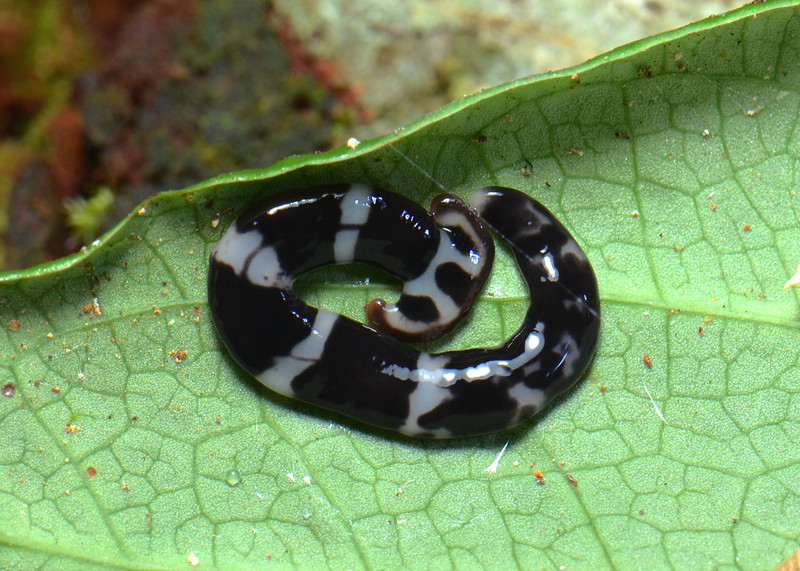
These tiny flatworms are the undisputed champions of regeneration. You can cut a planarian into dozens of pieces, and each fragment will grow into a complete, functional worm. Scientists have found that a piece representing just 1/279th of the original animal can regenerate into a full organism within a couple of weeks. The secret lies in special stem cells called neoblasts that make up about 20-30% of all their cells and can transform into any body part needed.
Axolotls
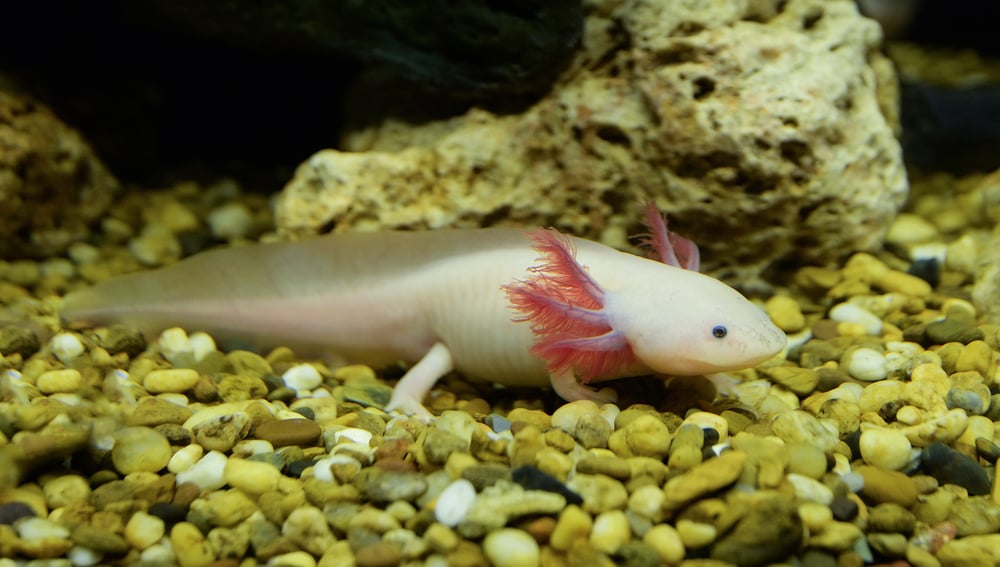
These permanently aquatic salamanders are like the poster children for regeneration research. Axolotls can regrow entire limbs, their tail, parts of their brain, heart, spinal cord, and even their lower jaw. Unlike many other animals that use stem cells, axolotls employ a process called dedifferentiation, where mature cells essentially turn back the clock and become more primitive before rebuilding the lost structure. The regenerated parts are virtually identical to the originals, with no visible scarring.
Starfish
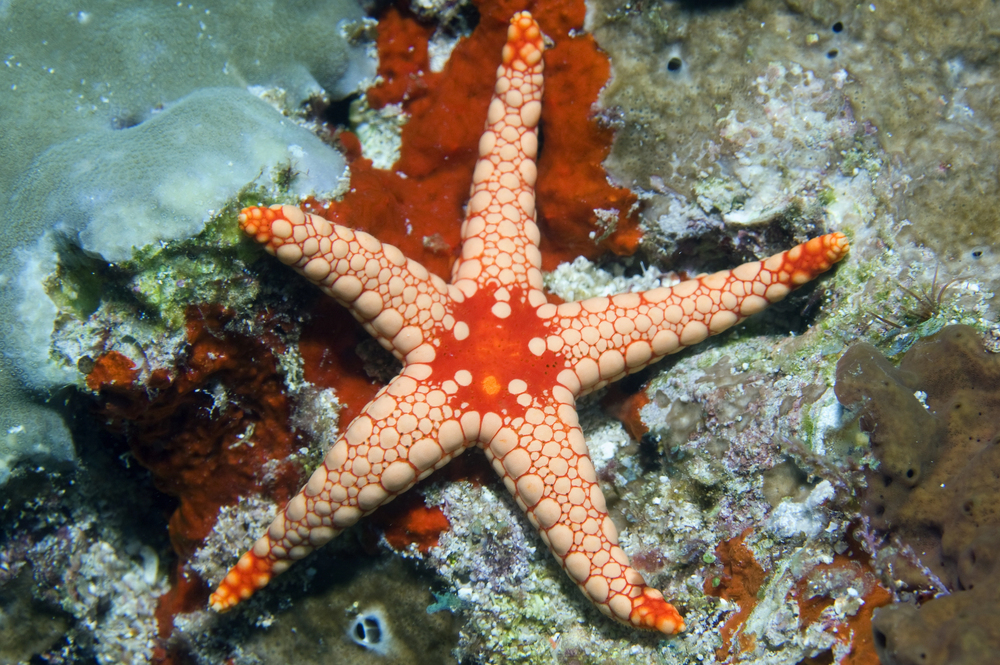
When a starfish loses an arm to a predator, it’s not the end of the world. These marine animals can regrow the missing limb over several months, and in some species, the detached arm can even grow an entirely new starfish body. The regeneration happens through specialized cells that migrate to the injury site and begin the rebuilding process. Some starfish species can regenerate from just a small portion of their central disc.
Lizards
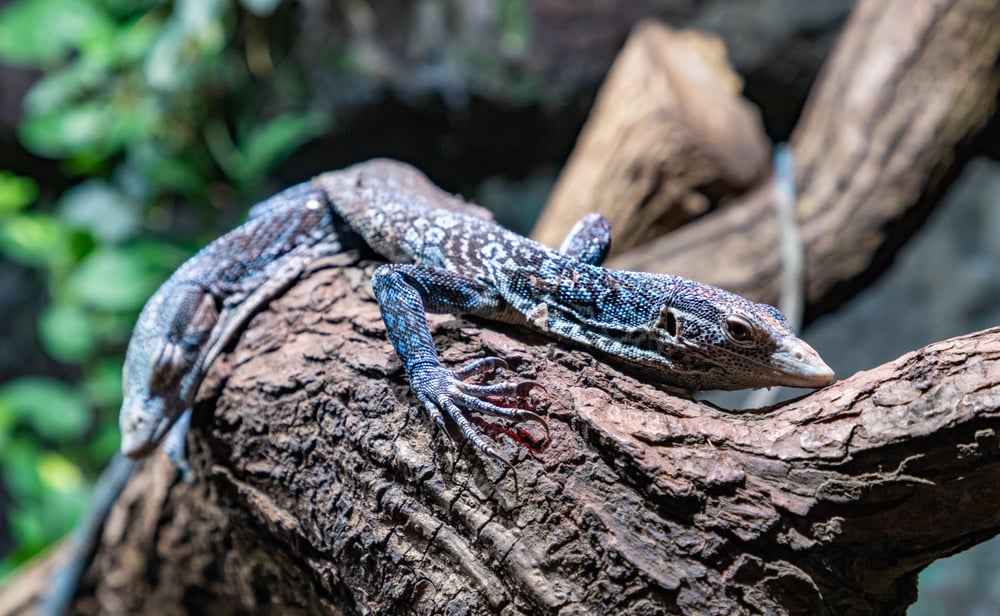
Many lizard species have perfected the art of tail autotomy – deliberately dropping their tail when grabbed by a predator. The discarded tail continues to wriggle, distracting the attacker while the lizard escapes. Most lizards can regrow their tails, though the new version typically contains cartilage instead of bone and often looks different from the original. Geckos, iguanas, and skinks are among the best tail regenerators, with some species completing the process in just a few weeks.
Deer
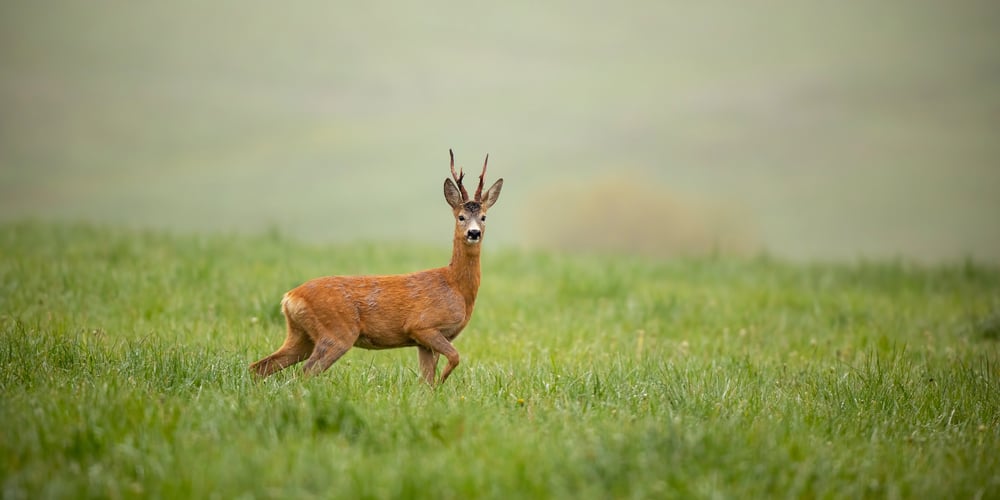
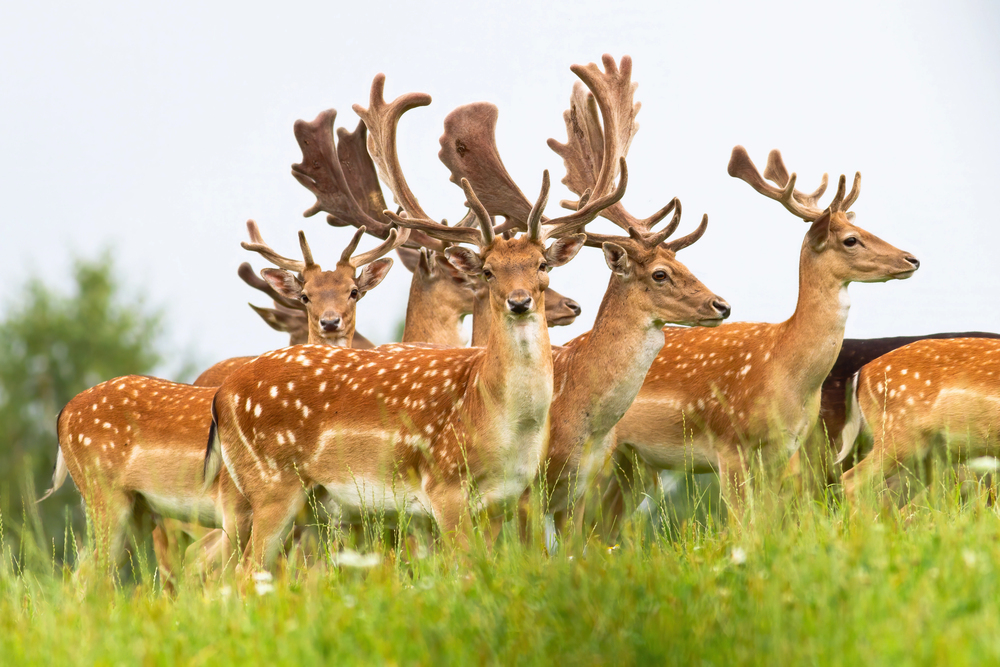
Believe it or not, deer are the only mammals that can completely regenerate an entire appendage. Every year, male deer shed their antlers and grow brand new ones from scratch. This process is incredibly fast – antlers can grow up to an inch per day, making it one of the fastest tissue growth rates in the animal kingdom. The regeneration is controlled by special stem cells in the pedicle, the bony base where antlers attach to the skull.
Hydra
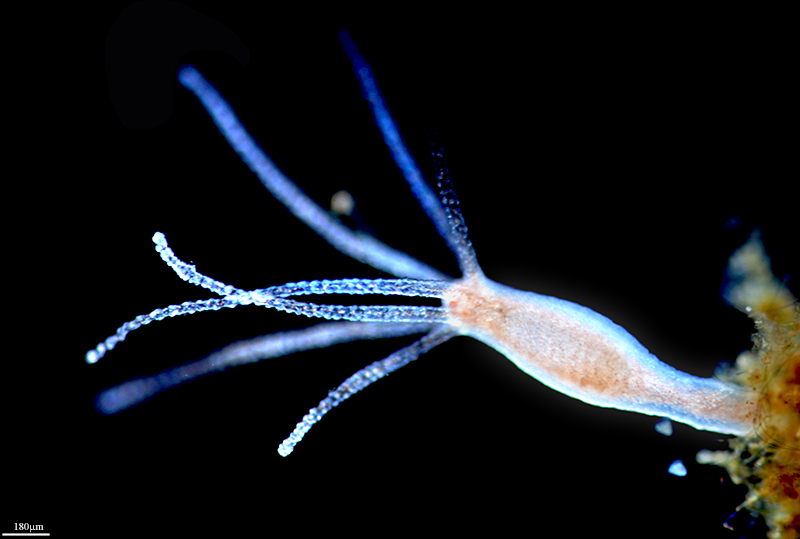
These tiny freshwater animals are practically immortal when it comes to regeneration. A hydra can be cut into multiple pieces, and each piece will develop into a complete organism. They can even regenerate when reduced to just a few thousand cells. Hydra accomplish this through a population of stem cells that they maintain throughout their lives, constantly replacing old cells and rebuilding damaged parts.
Zebrafish
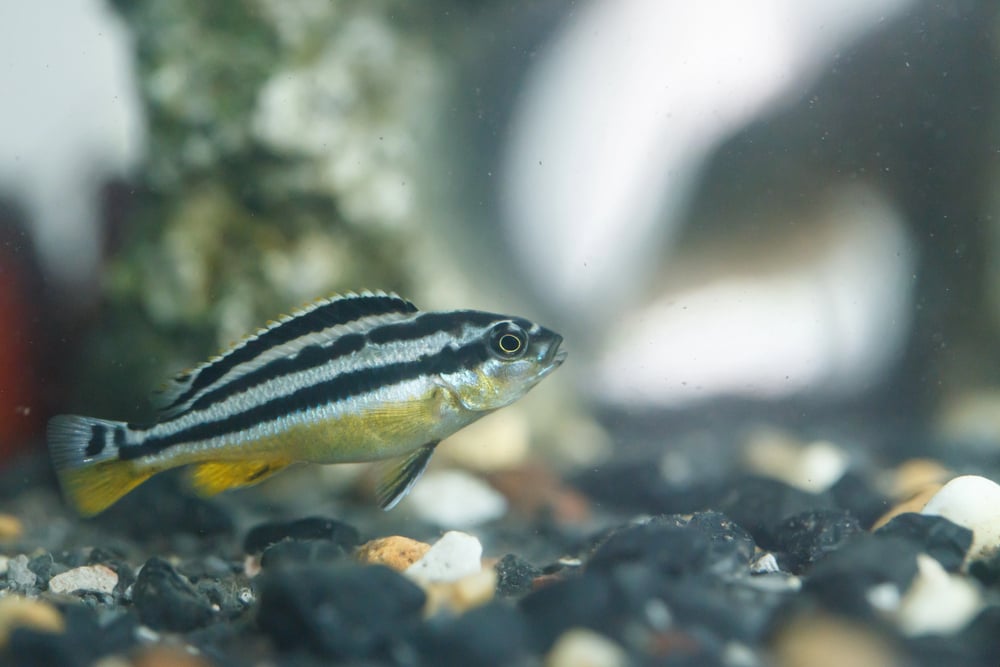
These small aquatic animals are regeneration superstars in the research world. Adult zebrafish can regrow fins, spinal cord, retina, heart tissue, kidneys, and even parts of their brain. They use different regeneration mechanisms depending on the organ – sometimes employing stem cells, other times using the dedifferentiation approach like axolotls. Their ability to regenerate heart tissue without scarring has made them particularly valuable for cardiovascular research.
Sea Cucumbers
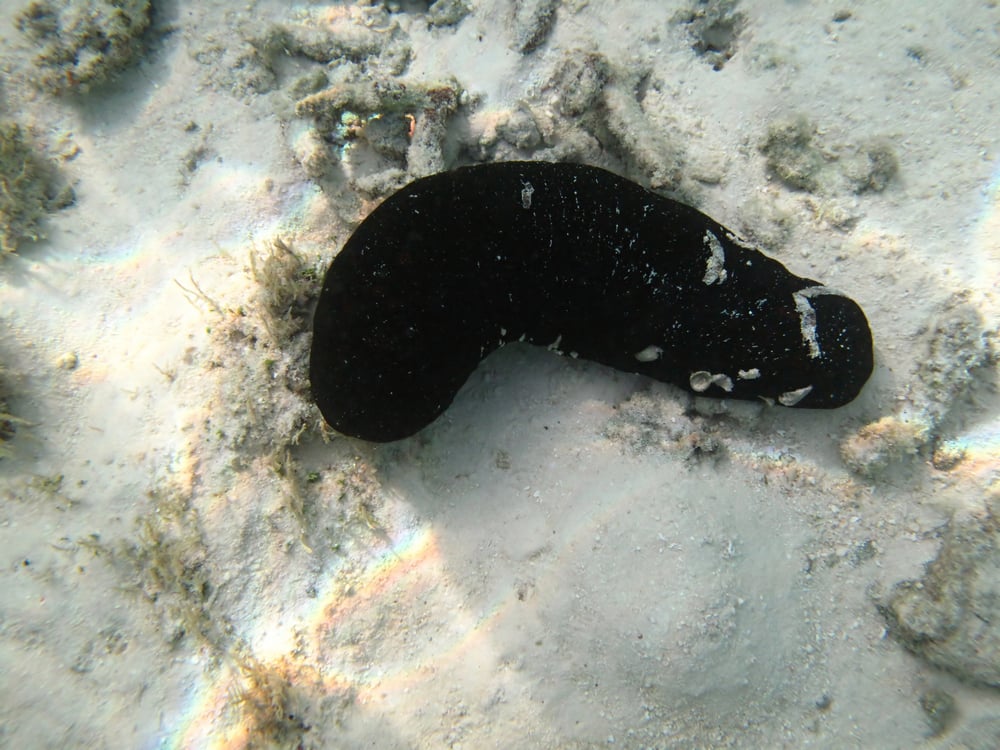
When threatened, some sea cucumbers can expel their internal organs as a defense mechanism – and then regrow them completely. This process, called evisceration, might seem extreme, but it’s highly effective. The animal can regenerate its entire digestive system, respiratory system, and other internal structures over several weeks to months. They accomplish this through populations of stem-like cells that activate after the dramatic self-amputation.
Crabs
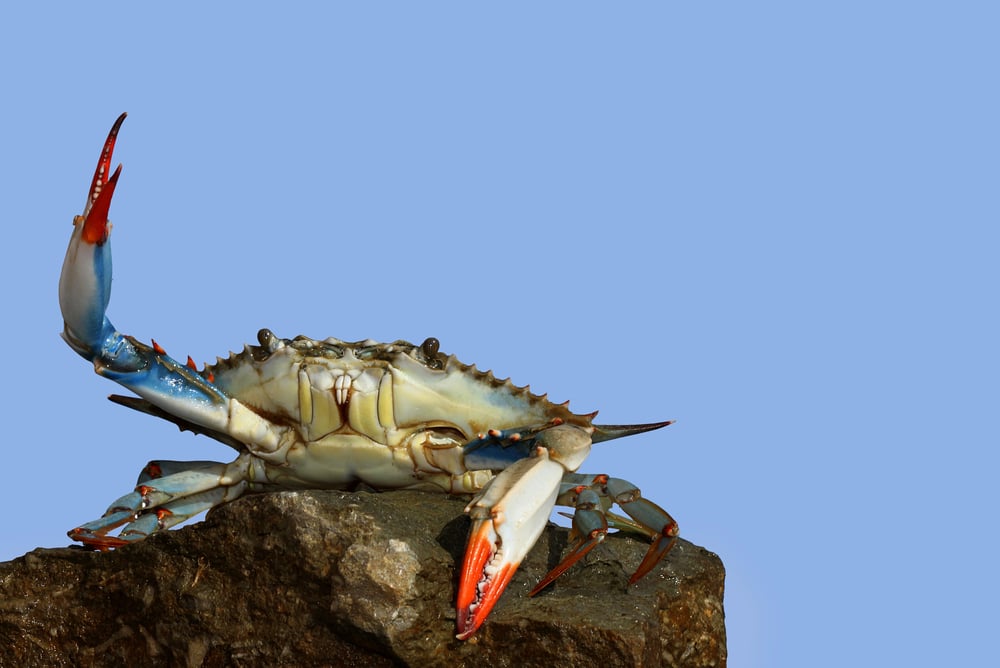
Many crab species can voluntarily shed a claw or leg when caught by a predator, a process called autotomy. The lost appendage will regenerate over several molting cycles, though it may be smaller than the original. Fiddler crabs are particularly notable because their large claws are essential for territorial displays and mating, making regeneration crucial for their survival and reproductive success.
Sharks
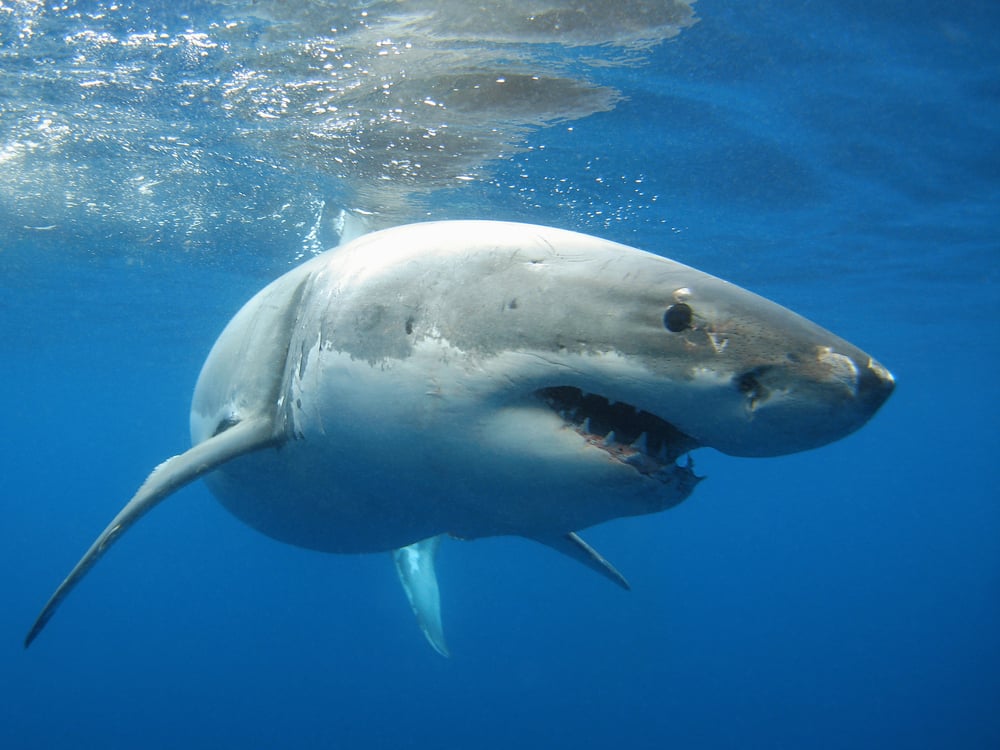
While sharks can’t regrow limbs or organs, they’ve mastered dental regeneration like no other animal. A single shark can grow and shed up to 35,000 teeth in its lifetime, with new rows constantly moving forward to replace lost ones. Some species can regrow a tooth in just a few days to a few months. This continuous tooth replacement system has fascinated scientists studying dental regeneration in other animals, including humans.
Newts
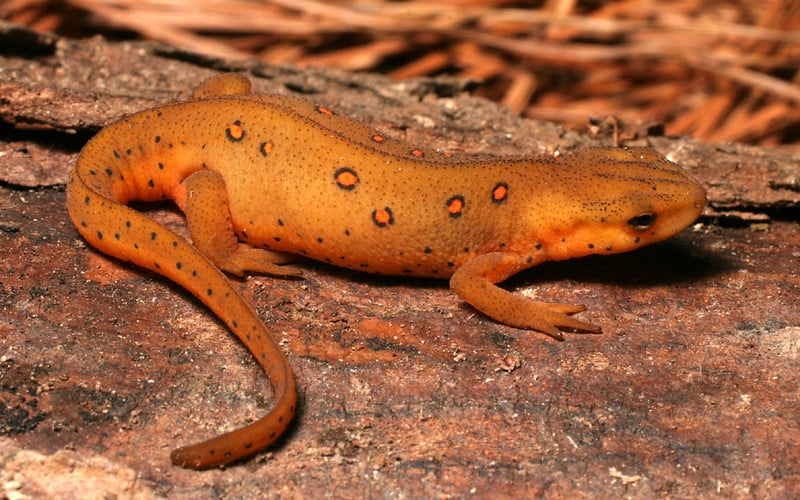
These salamanders are regeneration powerhouses, capable of regrowing limbs, tails, parts of their heart, brain tissue, and even their eyes. European newts can regenerate a limb multiple times throughout their lives, and the new limb is functionally identical to the original. The regeneration process involves forming a structure called a blastema – a mass of undifferentiated cells that rebuild the lost part from the ground up.
Spiny Mice
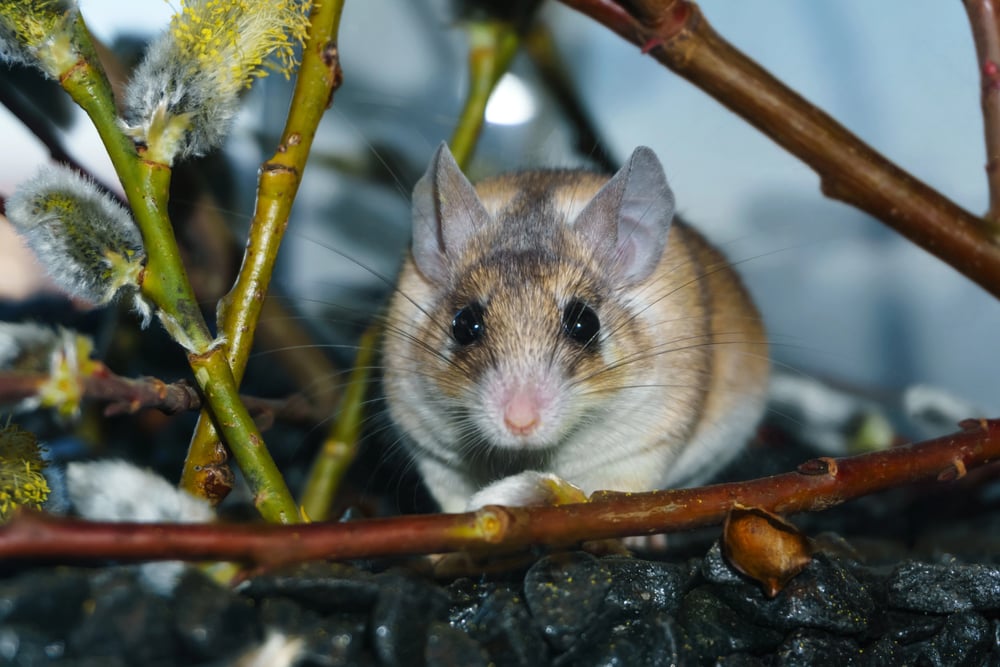
These small African rodents are among the few mammals that can regenerate skin tissue without scarring. When attacked by predators, spiny mice can shed large patches of skin as an escape mechanism, then completely regrow the tissue including hair follicles, sweat glands, and even cartilage. The regenerated skin is virtually indistinguishable from the original, making these mice valuable research models for studying mammalian regeneration.
Jellyfish
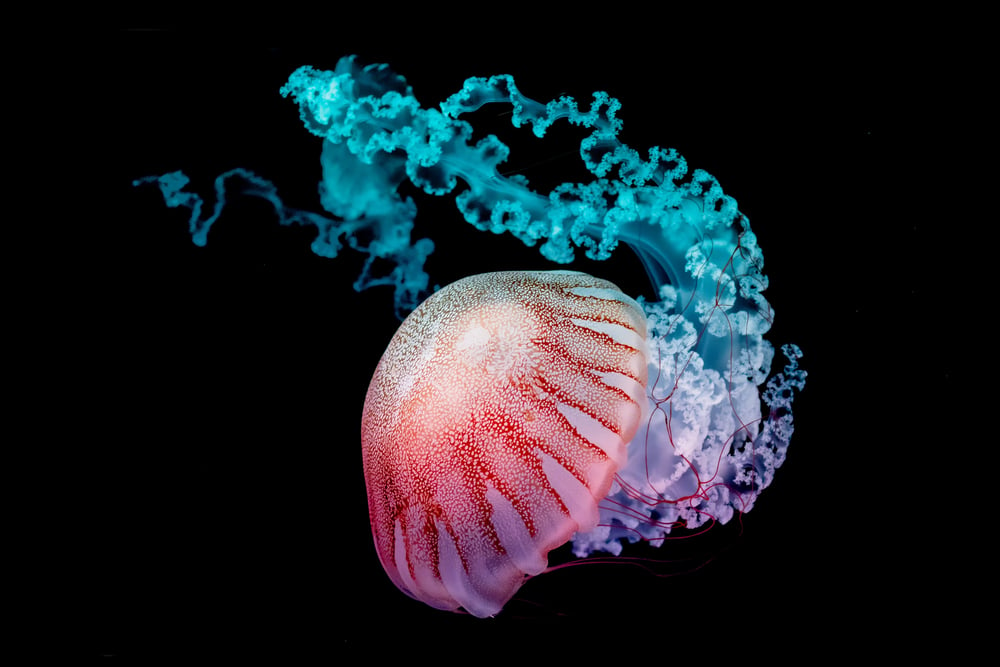
Some jellyfish species can regenerate lost body parts, and a few can even reverse their aging process entirely. The immortal jellyfish (Turritopsis dohrnii) can revert from its adult form back to its juvenile state when stressed or injured, essentially resetting its biological clock. Other jellyfish can regrow damaged bell portions or tentacles using stem-like cells that remain active throughout their lives.
Sea Anemones
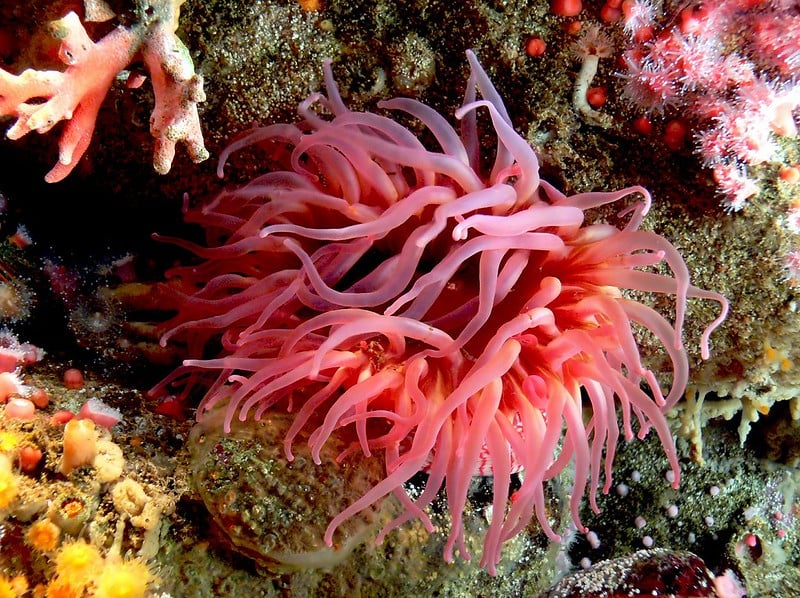
These marine animals can regenerate almost any body part, from tentacles to portions of their body column. Some species can regenerate from fragments as small as 5% of their original size. Sea anemones use a combination of stem cells and cell reprogramming to rebuild lost structures. Their regenerative abilities are so robust that they’re often used in research to understand the fundamental mechanisms of tissue regeneration.
Chameleons
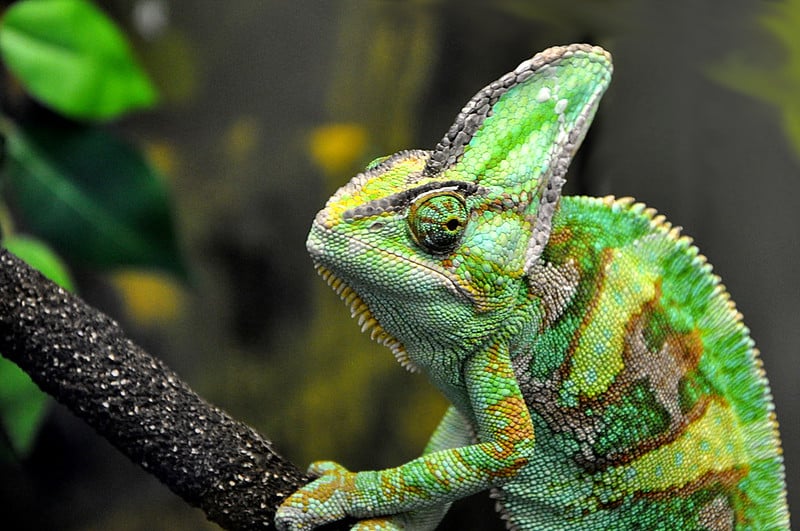
Beyond their famous color-changing abilities, chameleons can also regenerate their tails and sometimes limbs. The regeneration process includes not just the basic structure, but also the complex nerve networks and skin patterns. Young chameleons are better at regeneration than adults, and the process can take several months to complete. The regenerated tail often has slightly different scale patterns than the original.
Sea Squirts
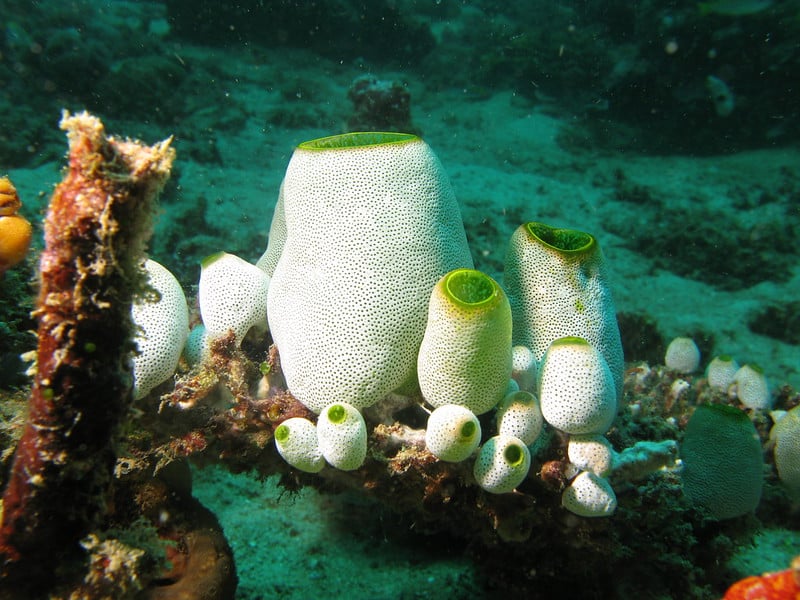
These marine filter-feeders have remarkable regenerative abilities despite being more closely related to humans than many other regenerating animals. Some sea squirt species can regenerate their entire body from small fragments through a process called whole-body regeneration. They share about 77% of their genes with humans, making them particularly interesting for regenerative medicine research.
Mexican Tetra Fish
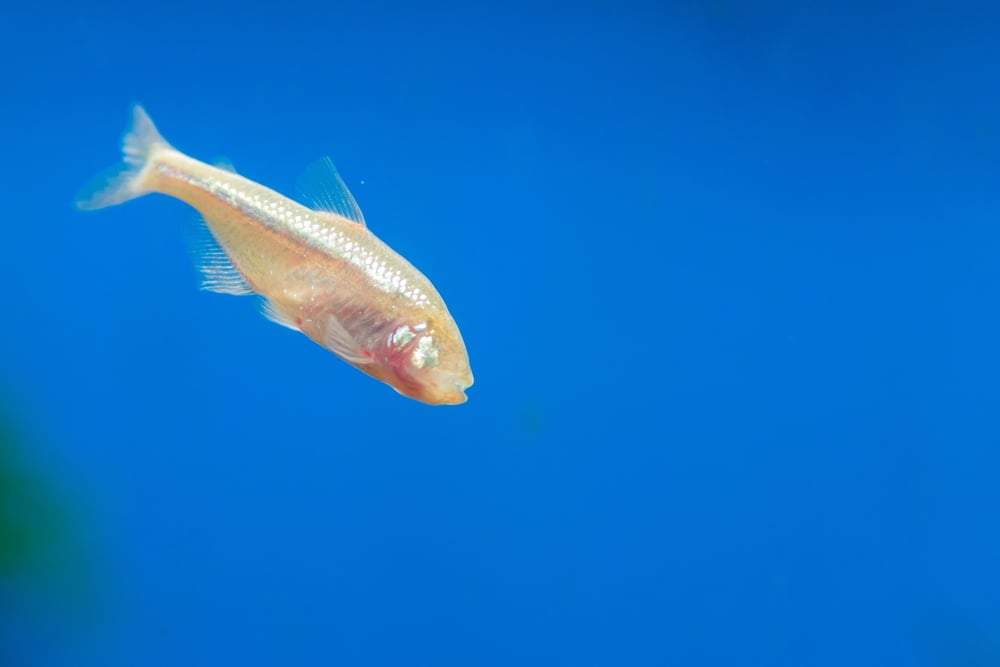
These cave-dwelling fish can regenerate heart tissue without forming scar tissue, which is extremely rare among vertebrates. Unlike mammals, whose heart tissue typically forms scars after injury, Mexican tetras can replace damaged heart muscle with new, functional tissue. This ability has made them a key research model for scientists working on heart disease treatments and cardiac regeneration therapies.
From Ancient Abilities to Future Medicine
The regenerative abilities of these remarkable animals represent millions of years of evolutionary refinement. While humans have largely lost these capabilities as we evolved more complex immune systems and body structures, studying these natural regenerators is opening new possibilities for medicine. From growing replacement organs to healing spinal cord injuries, the secrets these animals hold could transform how we treat human disease and injury. As we continue to decode their biological blueprints, we’re getting closer to unlocking regenerative powers that once seemed like pure science fiction.
More from Go2Tutors!

- The Romanov Crown Jewels and Their Tragic Fate
- 13 Historical Mysteries That Science Still Can’t Solve
- Famous Hoaxes That Fooled the World for Years
- 15 Child Stars with Tragic Adult Lives
- 16 Famous Jewelry Pieces in History
Like Go2Tutors’s content? Follow us on MSN.