Travel Routes That Disappeared Over Time
Getting from one place to another used to be a lot more complicated than hopping on a plane or driving down the interstate. Throughout history, major travel routes have connected cities, countries, and continents, only to fade away when something faster, cheaper, or more practical came along.
Some vanished because of natural disasters, others became victims of technological progress, and a few simply outlived their usefulness. The routes that once defined how people moved across the world tell fascinating stories about innovation, ambition, and the relentless march of progress.
Here is a list of travel routes that disappeared over time.
The Silk Road

The Silk Road wasn’t actually a single road but a massive network of trade routes connecting China to Europe for over 1,300 years. Stretching roughly 4,000 miles, it moved silk, spices, gold, and ideas between civilizations from 130 BCE until 1453 CE. When the Ottoman Empire took control of Constantinople in 1453, they closed these ancient routes and cut all ties with the West, forcing European merchants to find new ways to reach Asia by sea.
This closure kicked off the Age of Discovery, as explorers like Christopher Columbus went looking for alternative paths to the riches of the East.
Pony Express

The Pony Express lasted only 18 months but became one of the most romanticized mail services in American history. From April 1860 to October 1861, young riders changed horses every 10 to 15 miles and carried mail between Missouri and California in just 10 days, which seemed impossible at the time.
The service used about 190 stations, 80 riders, and up to 500 horses at its peak. When the transcontinental telegraph connected Omaha to Sacramento in October 1861, the Pony Express shut down two days later, proving that even the fastest horses couldn’t compete with instant communication.
Butterfield Overland Mail

John Butterfield’s stagecoach company operated a southern mail route covering 2,795 miles from Missouri to California starting in 1858. The route had 139 relay stations positioned about 20 miles apart, and stagecoaches made the journey in roughly 25 days.
When the Civil War began, the southern route became too dangerous and the contract shifted to a central route in 1861, effectively ending Butterfield’s operation after just two and a half years. The route helped stitch together a growing nation, but it couldn’t survive the political turmoil of a country at war with itself.
Transatlantic Ocean Liner Routes
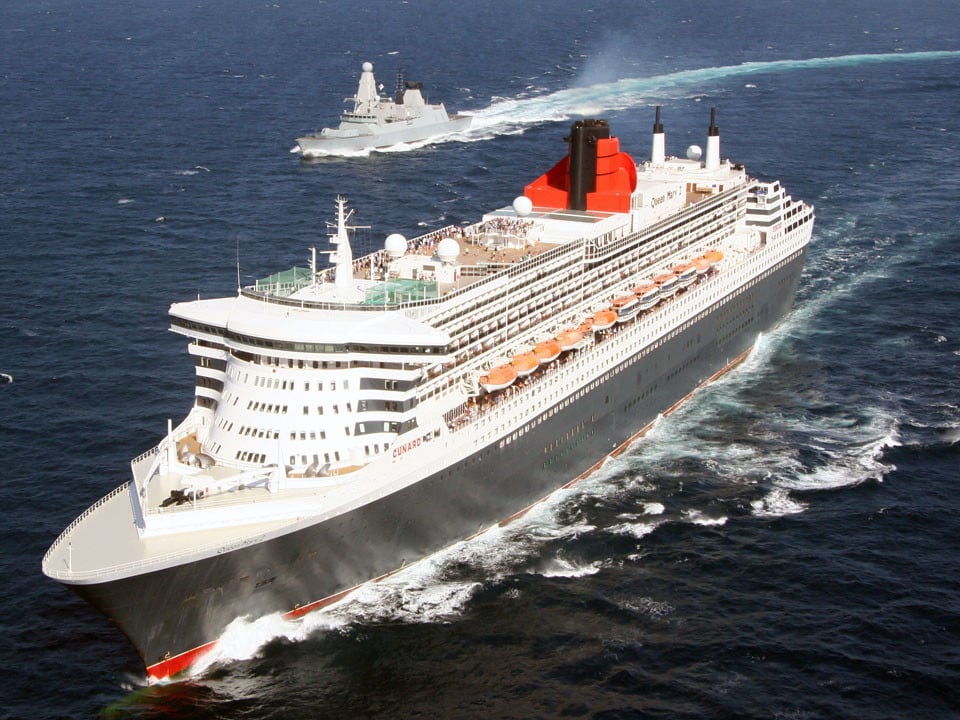
Ocean liners dominated transatlantic travel for over a century, carrying millions of passengers between Europe and North America in grand style. Ships like the Queen Mary, the SS United States, and the SS France crossed the Atlantic regularly, offering everything from steerage class to luxury suites.
The introduction of jet aircraft in the 1950s changed everything, with the Boeing 707 cutting crossing time from days to just hours. By the early 1970s, nearly all scheduled ocean liner services had disappeared, replaced by affordable air travel that could move people faster and cheaper than even the fastest ships.
Pan Am’s Global Network

Pan American World Airways built an international empire that spanned six continents and became America’s unofficial flag carrier. The airline pioneered routes across the Pacific in 1935, the Atlantic in 1939, and eventually operated to over 160 destinations worldwide.
Despite its prestige and innovation, Pan Am filed for bankruptcy and ceased operations in December 1991, becoming the third major U.S. airline to shut down that year. The airline never secured the domestic routes it needed to feed its international flights, and this structural weakness, combined with mounting debts and fierce competition, ultimately grounded the iconic carrier forever.
TWA’s Transpacific Routes

Trans World Airlines operated transpacific services from 1969 to 1975, connecting New York to cities like Tokyo, Hong Kong, Bangkok, and Bombay as part of its round-the-world network. The airline suspended these routes in 1975 as part of a route exchange with Pan Am, taking on more transatlantic flights while Pan Am focused on Asia.
TWA essentially traded one ocean for another, consolidating its operations to concentrate on the Atlantic market where it felt it could compete more effectively. By the time American Airlines acquired TWA in 2001, the airline had been a one-ocean carrier for over 25 years.
Eastern Air Lines Routes

Eastern Air Lines grew from a small mail carrier in the 1920s to become one of America’s ‘Big Four’ airlines, eventually operating to 140 destinations across 26 countries. The airline dominated the eastern United States and built a major Caribbean hub in Puerto Rico, serving markets throughout Latin America.
After years of labor disputes, mounting debt, and mismanagement under Texas Air Corporation, Eastern ceased operations in January 1991. The airline’s valuable East Coast shuttle routes and other assets were divided among competitors, with many of its former gates at Miami International Airport split between United and American.
Ohio and Erie Canal

This 308-mile canal connected Lake Erie at Cleveland to the Ohio River at Portsmouth, transforming Ohio’s economy after it opened in 1827. Mules walking along towpaths pulled barges through 146 locks, carrying goods at a fraction of the cost of overland transport.
The Great Flood of 1913 destroyed aqueducts, washed out banks, and devastated most of the locks, delivering a death blow to a system already struggling to compete with railroads. The canal system was never repaired, and commercial operations ceased permanently, though portions survive today as parks and recreational trails.
Miami and Erie Canal

Stretching 274 miles from Cincinnati to Toledo, the Miami and Erie Canal climbed 395 feet above Lake Erie to reach its highest point, requiring 103 locks to navigate the dramatic elevation changes. Construction took 20 years and cost Ohio $8 million by the time it was completed in 1845.
Railroads began stealing business in the 1850s, and the same catastrophic 1913 flood that destroyed the Ohio and Erie Canal severely damaged this system too. The canal was permanently abandoned, with much of its route later becoming the foundation for Interstate 75 and other modern roads.
Original Erie Canal Sections

The famous Erie Canal that connected the Hudson River to Lake Erie opened in 1825 and became such a success that New York enlarged it multiple times. During the early 20th century, engineers built the New York State Barge Canal, which replaced much of the original route and left many sections abandoned, particularly between Syracuse and Rome.
The new canal utilized rivers that the original had avoided, like the Mohawk, Seneca, and Clyde, making large portions of the 1825 channel obsolete. Today, you can walk along a 36-mile stretch of the old canal preserved as the Old Erie Canal State Historic Park, while other abandoned sections became roads like Erie Boulevard in Syracuse.
New Castle and Frenchtown Railroad

Built in the early 1830s, this 16-mile railroad connected New Castle, Delaware, with Elkton, Maryland, shortening the time needed to shuttle people and goods between the Delaware River and Chesapeake Bay. The line opened when horses had to pull the cars due to a mechanical problem on the first day, though locomotives took over soon after.
The railroad merged with other lines and was ultimately abandoned in 1859, long before most other rail routes disappeared. Today, barely any trace remains beyond a few stone culverts and a faint trail that looks more like a footpath than a former railroad corridor.
New York, Ontario & Western Railway

The NYO&W operated a winding route from Weehawken, New Jersey, to Oswego on Lake Ontario, earning a reputation as a railroad that ‘started nowhere, went nowhere, and ended nowhere.’ Despite serving the scenic landscapes of upstate New York, the line avoided major industrial centers and struggled to attract consistent freight business.
The railroad shut down completely in 1957, with most of its main line and branches subsequently abandoned and removed. It became one of the largest railroad abandonments in American history and a cautionary tale about building routes without adequate traffic to sustain them.
American Railroad Network Decline

America’s railroad network peaked around 1916 with over 254,000 miles of track crisscrossing the nation, but competition from highways and airlines caused steady shrinkage throughout the 20th century. More than 60,000 miles of abandoned rail lines now exist across the United States, with some converted to bike trails and others completely erased from the landscape.
Lines were abandoned when mines closed, competing routes made them redundant, or entire regions deindustrialized and no longer needed freight service. The Northeast was particularly overbuilt as companies scrambled for market share, leaving less-favored lines to wither when traffic declined.
Stagecoach Routes Across the American West
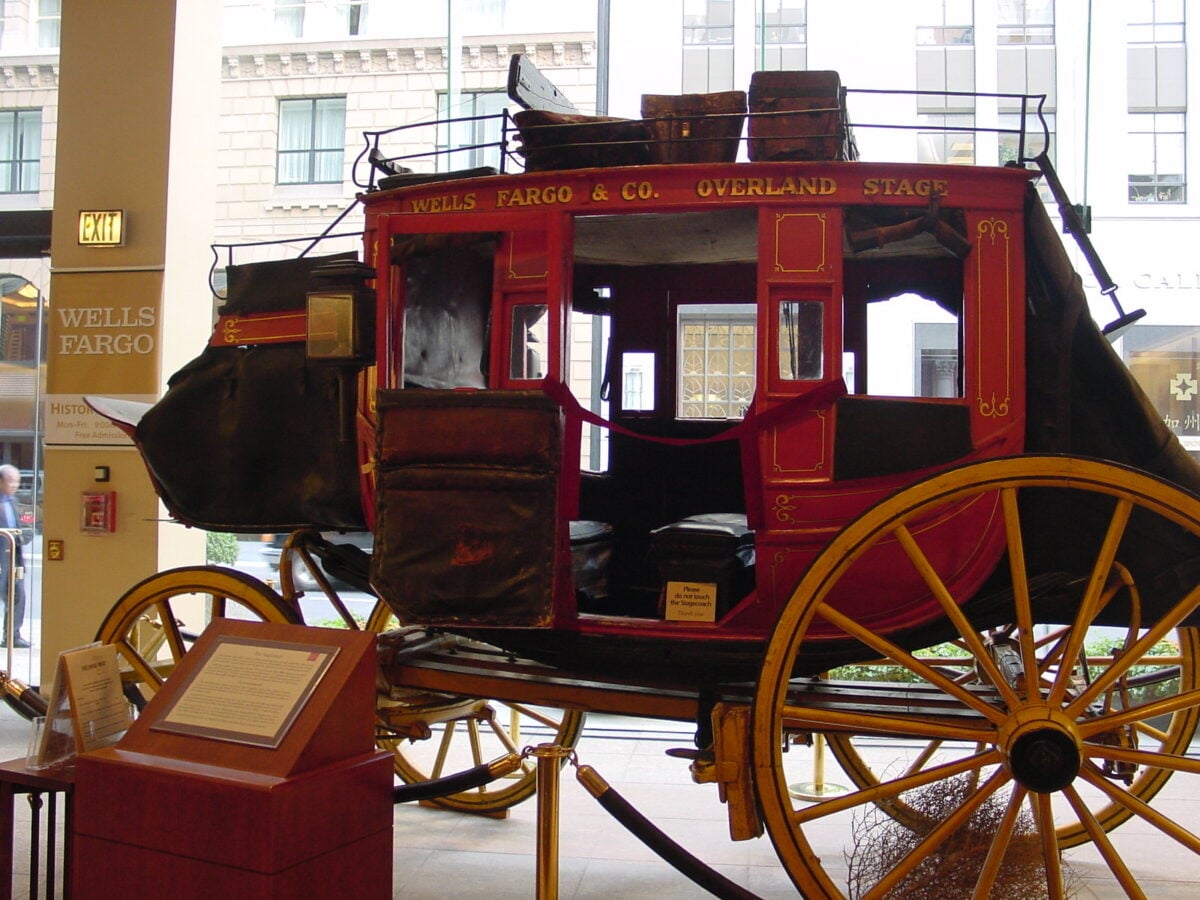
Before the transcontinental railroad, stagecoaches were the primary way to move mail, passengers, and light freight across the western frontier of the United States. Companies like Wells Fargo operated thousands of miles of routes with stations every 10 to 20 miles where horses could be changed and passengers could rest.
The completion of the transcontinental railroad in 1869 ended long-distance stagecoach service, as trains could cover the same distances in a fraction of the time and carry far more cargo. Stagecoaches continued serving areas without rail access for several more decades before automobiles finally made them obsolete in the early 1900s.
Pan Am’s Round-the-World Service

Pan Am operated a prestigious round-the-world service that allowed passengers to circle the globe in style, with flights heading both eastward and westward from New York. The airline discontinued this service on October 31, 1982, when it ceased flying between Delhi, Bangkok, and Hong Kong due to the sector’s chronic unprofitability.
Even a glamorous route couldn’t survive if it lost money on every flight, and Pan Am was already struggling financially by the early 1980s. The end of this service marked another step in Pan Am’s slow decline from world-leading airline to eventual bankruptcy.
Internal German Service Routes
After World War II, the United States, United Kingdom, and France were granted rights to fly into West Berlin, which was surrounded by Soviet-controlled East Germany. Pan Am operated these flights on behalf of the United States, using aircraft like the DC-6 to connect West Berlin to West Germany from the 1950s through German reunification.
When Germany reunified in 1990 and the unique postwar arrangement ended, these specialized routes disappeared along with the political circumstances that created them. The routes represented a quirky footnote in aviation history, where flying to Berlin required special permission and only certain airlines could operate the service.
Maritime Silk Road

While the overland Silk Road gets most of the attention, a Maritime Silk Road flourished from the 2nd century BCE until the 15th century CE, connecting Southeast Asia, East Asia, India, Arabia, and East Africa through sea routes. Austronesian sailors in Southeast Asia established and operated these routes with large ocean-going ships capable of carrying far more cargo than camel caravans.
The maritime routes faced different challenges than the overland paths, including weather and piracy rather than bandit attacks and political instability. The rise of European maritime powers and colonization in the 15th and 16th centuries gradually transformed these ancient Asian trade networks into routes controlled by Portuguese, Dutch, and British interests.
The Geography of Vanished Paths

The disappearance of these travel routes reminds us that nothing in transportation stays permanent, no matter how important it seems at the time. The Silk Road survived for over a millennium, yet it still eventually closed, while the Pony Express barely lasted 18 months before becoming obsolete.
What connects all these vanished routes is that something better came along, whether that meant faster speeds, lower costs, or simply more convenient timing. The next time you board a plane or drive down a highway, remember that future generations might look back at today’s transportation networks with the same curiosity we have for abandoned canals and forgotten railroads.
More from Go2Tutors!

- The Romanov Crown Jewels and Their Tragic Fate
- 13 Historical Mysteries That Science Still Can’t Solve
- Famous Hoaxes That Fooled the World for Years
- 15 Child Stars with Tragic Adult Lives
- 16 Famous Jewelry Pieces in History
Like Go2Tutors’s content? Follow us on MSN.



