16 Music Genres That Briefly Took Over (Then Vanished)
Music history is filled with fascinating moments when certain styles exploded into the mainstream consciousness, captivated listeners worldwide, and then seemingly disappeared overnight. These musical movements often defined specific cultural moments, reflecting the social climate, technological innovations, and creative experimentation of their time.
Here is a list of 16 music genres that once dominated the airwaves, sold millions of records, inspired dedicated fashion trends, and then faded into obscurity—sometimes leaving barely a trace in today’s musical landscape.
Disco
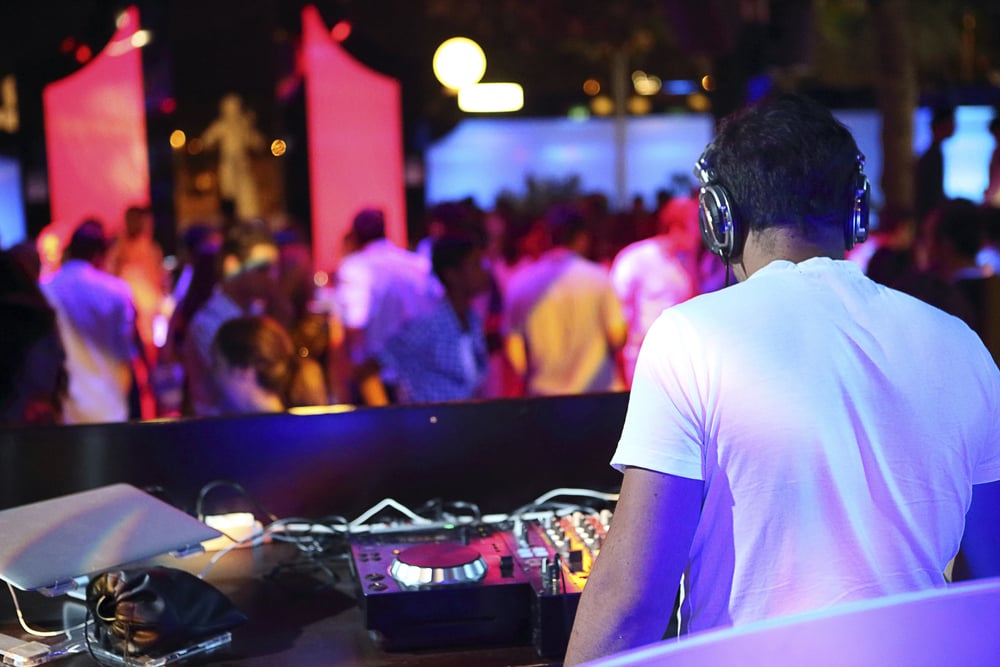
Disco emerged from underground dance clubs in the early 1970s, combining soul, funk, and elaborate orchestration into an irresistibly danceable format. The genre completely dominated popular culture by 1977, with films like ‘Saturday Night Fever’ turning disco into a global phenomenon that influenced everything from fashion to interior design.
However, the infamous “Disco Demolition Night” at Chicago’s Comiskey Park in 1979 signaled the beginning of an aggressive backlash, and by 1981, major radio stations had abandoned the format entirely.
New Jack Swing
This fusion of hip-hop, R&B, and dance-pop emerged in the late 1980s, pioneered by producer Teddy Riley. Artists like Bobby Brown, Bell Biv DeVoe, and Janet Jackson rode the wave to massive commercial success with its distinctive swing-influenced beats and energetic production style.
The sound was everywhere from 1988 to 1992, dominating both radio and music video channels. By the mid-1990s, however, the style had been largely replaced by smoother R&B and harder-edged hip-hop, with its technological innovations absorbed into the mainstream.
Like Go2Tutors’s content? Follow us on MSN.
Ska-Punk
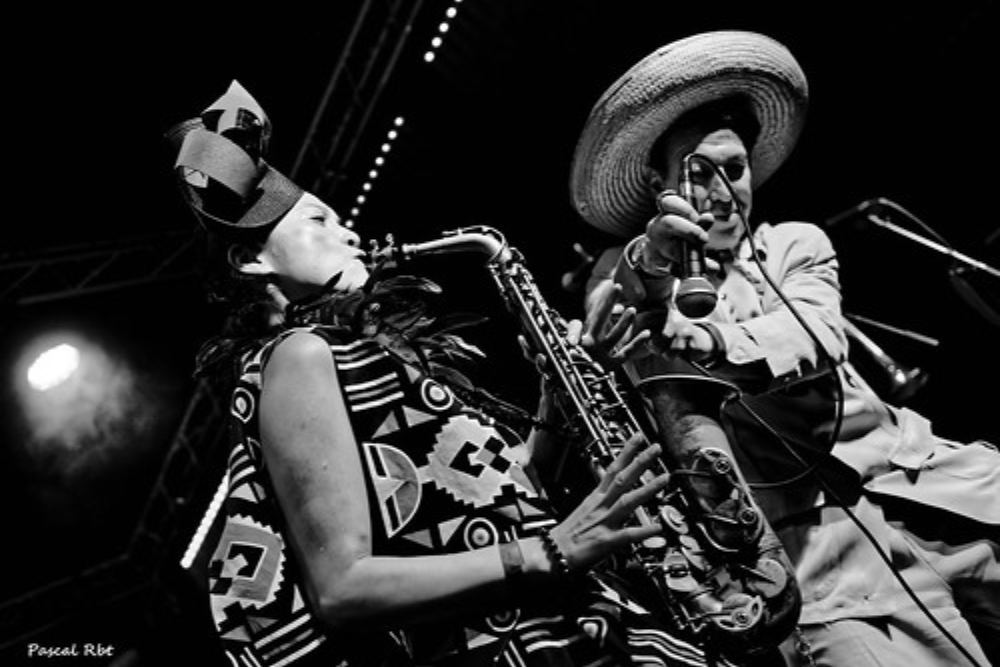
The fusion of traditional Jamaican ska with American punk rock had a remarkable moment in the spotlight during the mid-1990s. Bands like No Doubt, Sublime, and The Mighty Mighty Bosstones brought horn sections and upbeat tempos to alternative rock radio, creating a brief but intense mainstream moment for the genre.
The sound was unavoidable in 1996-1997, with songs like ‘Sell Out’ and ‘The Impression That I Get’ becoming surprise hits. By 1999, however, the trend had largely run its course, with many bands either breaking up or evolving toward different styles.
Electroclash
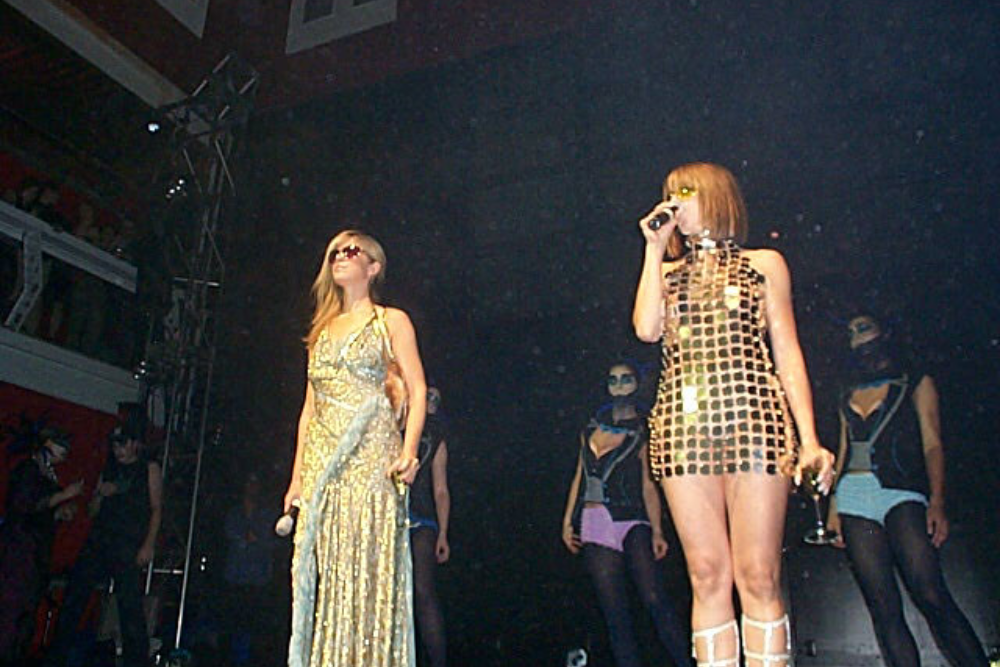
This provocative fusion of 1980s synthpop and 1990s techno emerged from the New York underground scene around 2001. Led by artists like Fischerspooner, Peaches, and Felix Da Housecat, electroclash combined retro electronic sounds with ironic lyrics and a deliberately artificial aesthetic.
The movement quickly captivated fashion magazines and trendy nightclubs in major cities worldwide. Despite intense media coverage and a devoted following, electroclash’s moment in the spotlight proved remarkably brief, largely disappearing by 2004 as its innovations were absorbed into mainstream dance music.
Nu-Metal
The aggressive fusion of heavy metal and hip-hop that dominated rock radio from 1998 to 2003 became one of music’s most polarizing genres. Bands like Korn, Limp Bizkit, and Linkin Park sold millions of albums by combining down-tuned guitars with rap vocals and DJ scratching.
The genre was practically inescapable around the turn of the millennium, headlining massive festivals and dominating MTV. The backlash came swiftly, however, with critics and even former fans turning against the genre’s perceived excesses and limiting formula, causing most bands to distance themselves from the label by the mid-2000s.
Like Go2Tutors’s content? Follow us on MSN.
Trip-Hop
Emerging from Bristol, UK in the early 1990s, trip-hop combined hip-hop beats with atmospheric samples, jazz influences, and often female vocals to create a moody, cinematic sound. Massive Attack, Portishead, and Tricky defined this distinctively British genre that became the soundtrack to countless coffee shops and lounges worldwide.
The genre reached its commercial and critical peak around 1998 before fragmenting, with its artists either moving in more experimental directions or being absorbed into the broader electronic music scene.
Chillwave
This dreamy, nostalgic genre emerged around 2009 from bedroom producers who combined hazy synthesizers, muffled vocals, and lo-fi production techniques. Artists like Toro y Moi, Washed Out, and Neon Indian quickly gained attention through music blogs, becoming the soundtrack for a particular moment in internet culture.
The genre’s deliberately fuzzy aesthetic and nostalgic references to 1980s pop culture perfectly matched the mood of the late 2000s. By 2013, however, most chillwave artists had evolved toward more distinct individual styles, and the term became almost a punchline for its short-lived ubiquity.
Skate Punk
This fast-paced, melodic subgenre of punk rock became the defining sound of skateboarding culture throughout the mid-1990s. Bands like NOFX, Pennywise, and Lagwagon created a template of rapid-fire tempos, technical precision, and often humorous lyrics that spread from Southern California skate parks to suburban bedrooms across America.
The genre reached its commercial peak when bands like The Offspring and Blink-182 brought watered-down versions to mainstream radio. By the early 2000s, most skate punk bands had either broken up or evolved toward different sounds as newer punk styles emerged.
Like Go2Tutors’s content? Follow us on MSN.
Jungle
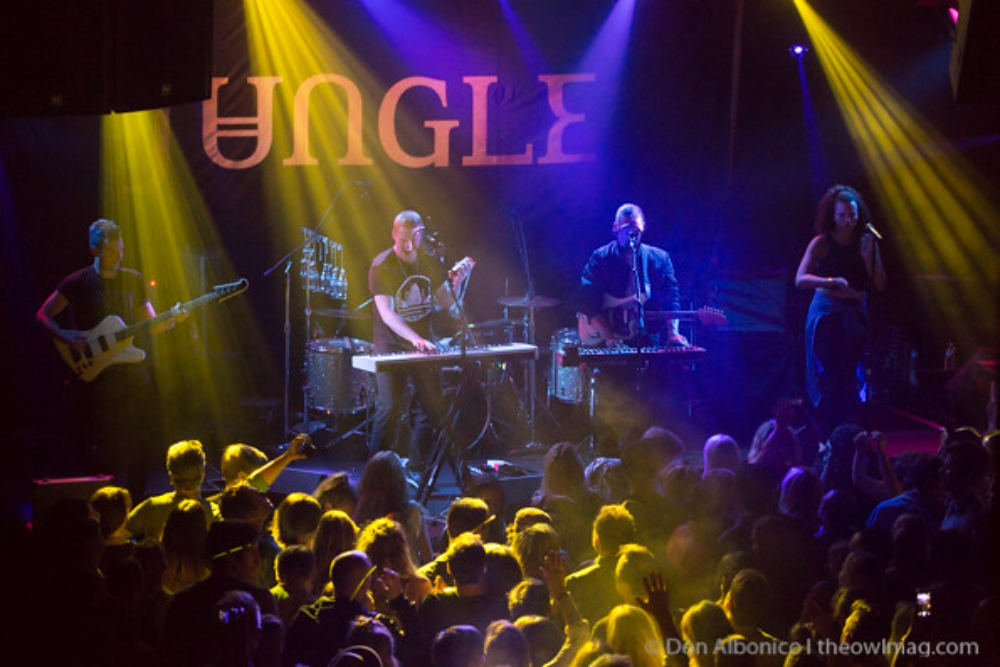
This hyperactive dance music genre emerged from the UK rave scene in the early 1990s, defined by its rapid breakbeats, deep bass lines, and samples from Jamaican reggae and dancehall. Artists like Goldie, Roni Size, and LTJ Bukem pioneered this distinctively British sound that dominated clubs and pirate radio stations.
The genre experienced a massive surge in popularity around 1995-1997, even breaking into mainstream UK pop charts. By the late 1990s, jungle had largely evolved into the more commercially successful drum and bass, leaving its raw, experimental approach as an influential but distinctly time-stamped moment.
Vaporwave
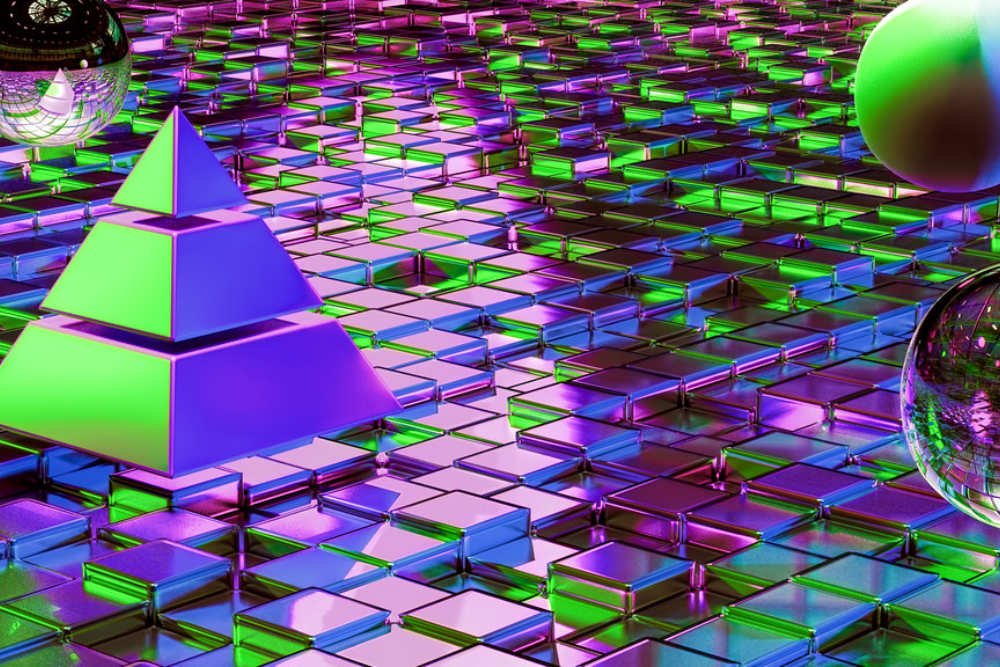
Perhaps no genre better represents the internet’s ability to create and destroy musical movements than vaporwave. Emerging around 2011, the genre centered on slowed-down samples of 1980s elevator music, corporate jingles, and smooth jazz, paired with retro computer graphics and ironic consumerist imagery.
Artists like Macintosh Plus and Saint Pepsi created a distinctive aesthetic that spread rapidly through platforms like Tumblr and Bandcamp. The genre’s self-aware nostalgia and critique of consumer culture made it briefly inescapable in certain online communities before it became something of an internet joke by 2016.
Witch House
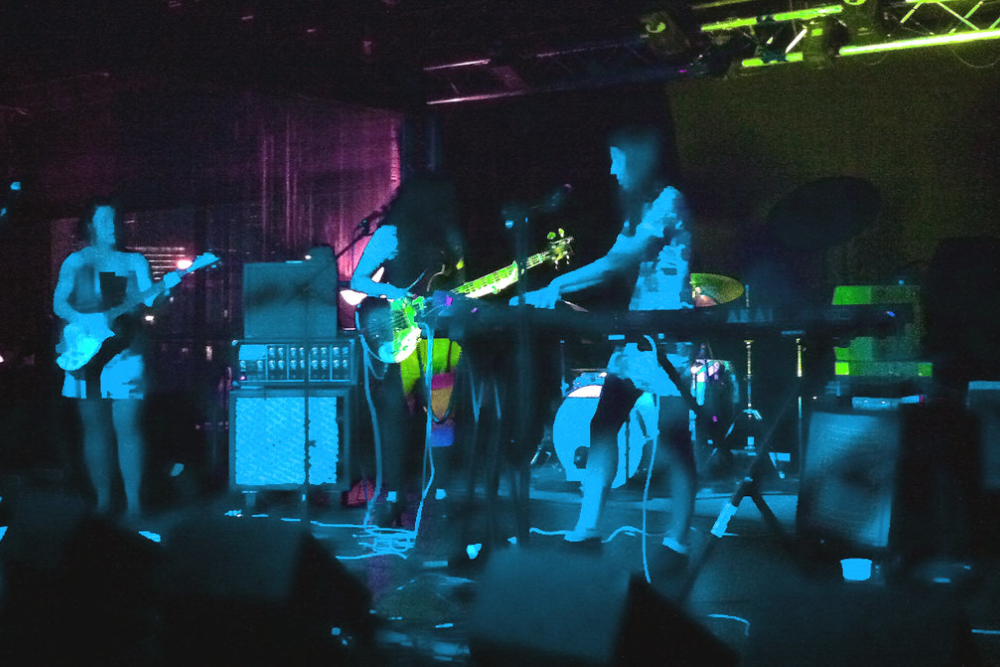
This dark, occult-themed electronic genre emerged around 2009, combining chopped and screwed techniques with industrial influences and deliberately obscure symbolism. Artists like Salem, oOoOO, and †‡† (pronounced “Ritualz”) created a distinctive visual and sonic aesthetic characterized by triangles, crosses, and unconventional Unicode symbols.
The genre spread rapidly through music blogs and social media platforms, captivating a dedicated online following. By 2012, the movement had largely disappeared, remembered more for its visual aesthetic and naming conventions than for its musical innovations.
Like Go2Tutors’s content? Follow us on MSN.
Shibuya-kei
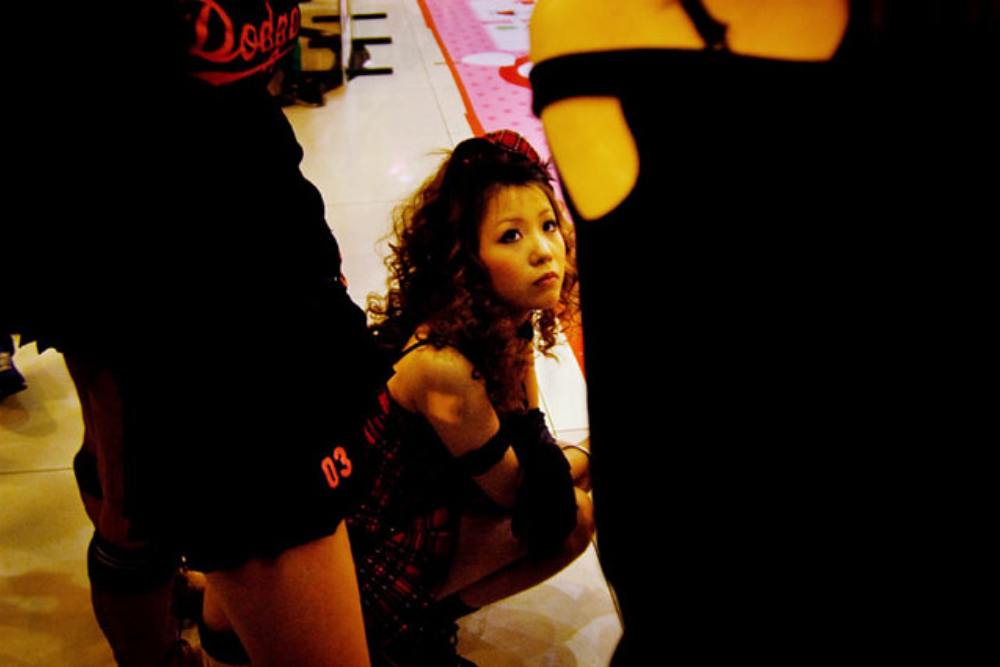
This sophisticated Japanese pop genre flourished in the 1990s, combining influences from French yé-yé, bossa nova, and 1960s American pop into a uniquely cosmopolitan sound. Artists like Pizzicato Five, Fantastic Plastic Machine, and Flipper’s Guitar created meticulously produced music that became the soundtrack to Tokyo’s trendy Shibuya district.
The genre reached international audiences through compilation albums and growing interest in Japanese pop culture. By the early 2000s, however, most of the key artists had moved on to different styles, and the distinctive Shibuya-kei sound had been absorbed into the broader Japanese music industry.
Big Beat
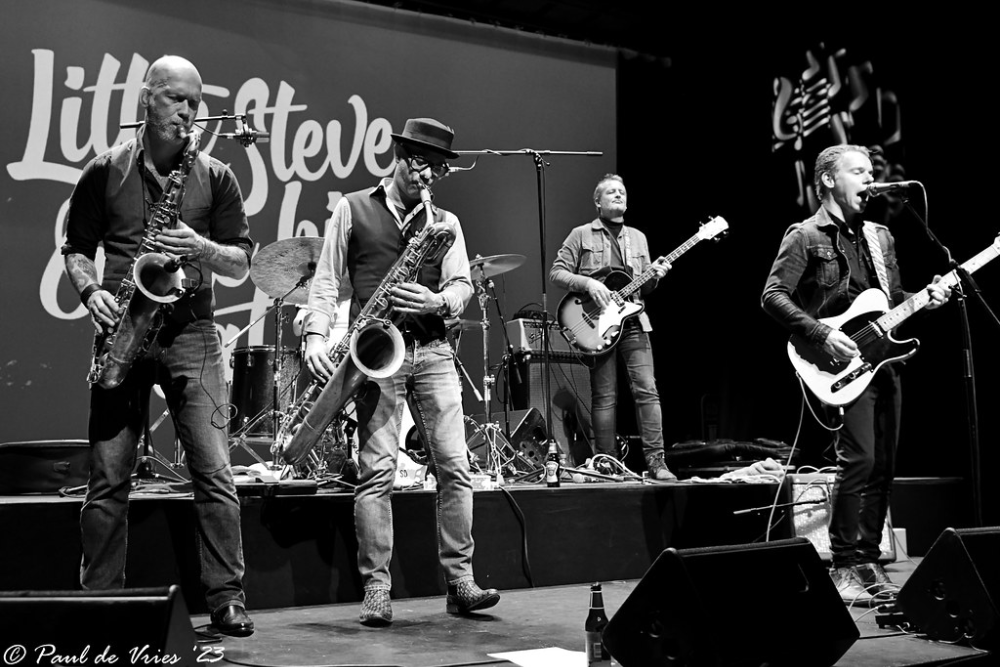
This high-energy electronic genre dominated clubs and advertisements in the late 1990s with its combination of heavy breakbeats, rock-influenced structures, and prominent samples. Acts like The Chemical Brothers, Fatboy Slim, and The Prodigy brought electronic dance music to rock audiences with accessible tracks that crossed over to mainstream radio and movie soundtracks.
The genre was practically inescapable from 1997 to 1999, appearing in countless commercials and blockbuster films. By 2001, the style had fallen out of favor, seen as too commercial by dance music purists and too electronic by rock fans.
Neo-Psychedelia
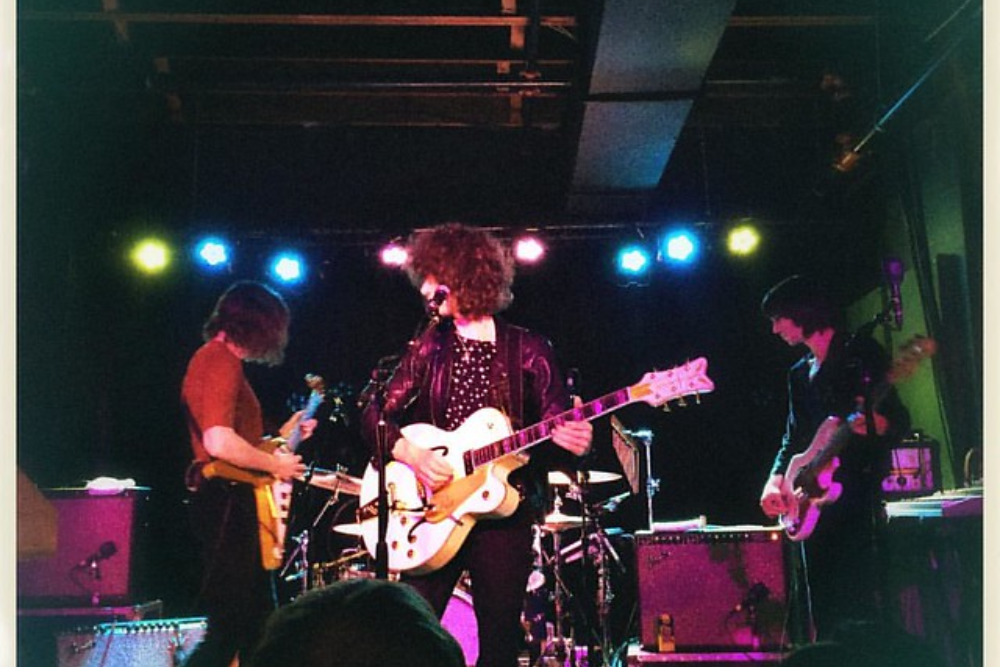
The revival of 1960s psychedelic rock sounds exploded in the late 1980s, combining vintage effects with modern production techniques. Bands like The Stone Roses, Spacemen 3, and The Dream Syndicate updated the trippy sounds of the past for a new generation.
The genre had a significant moment around 1989-1991, influencing fashion and visual arts with its colorful, mind-expanding aesthetic. As grunge and alternative rock took over in the early 1990s, neo-psychedelia retreated to the underground, though its influence would periodically resurface in later waves of psychedelic revival.
Like Go2Tutors’s content? Follow us on MSN.
Bloghouse
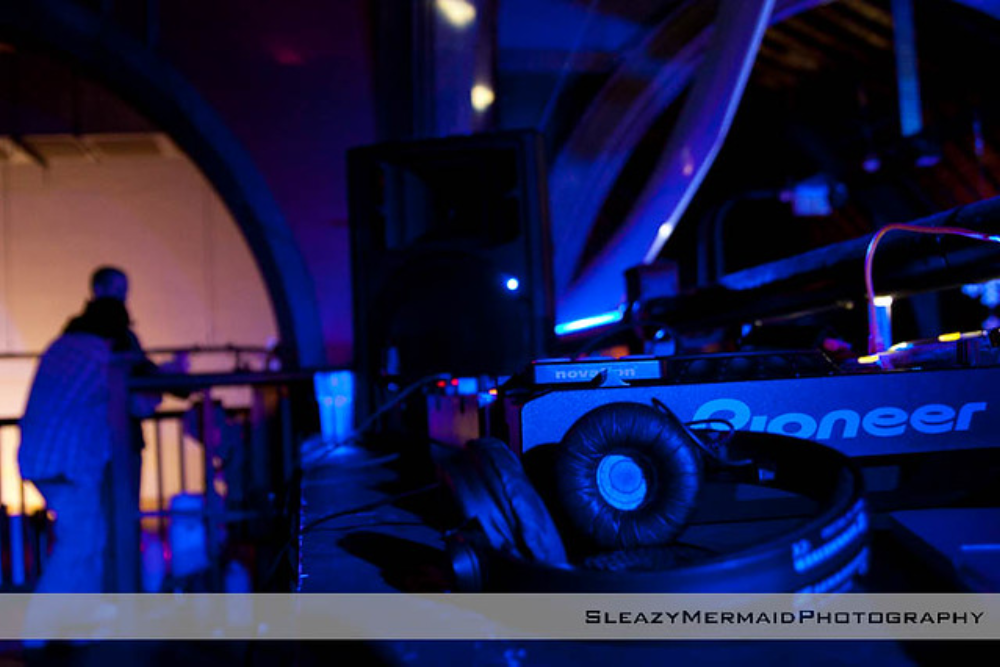
This chaotic fusion of electronic music and indie rock thrived primarily through music blogs between 2006 and 2009. Artists like Justice, MSTRKRFT, and The Bloody Beetroots combined distorted electronic production with rock energy, creating a soundtrack for a generation of internet-savvy partiers.
The genre spread through MP3 blogs and early social media platforms, existing almost entirely online rather than through traditional music industry channels. By 2010, the scene had dissolved as quickly as it formed, with many of its innovations absorbed into mainstream EDM and its distribution model made obsolete by streaming services.
Seapunk
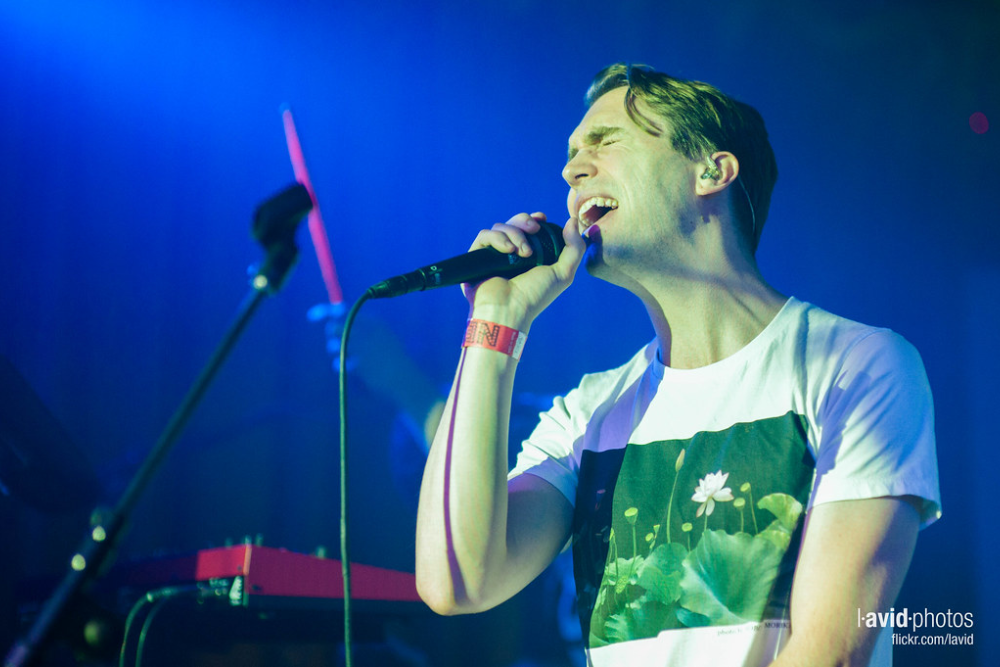
This internet-born microgenre combined 1990s house music, R&B samples, and oceanic imagery into a distinctive aesthetic that briefly captured online attention around 2011-2012. Artists like Ultrademon and Zombelle created a quirky sound dominated by aquatic themes, webpunk visuals, and deliberately kitschy references to dolphins, shells, and waves.
The style gained unexpected mainstream exposure when Rihanna and Azealia Banks incorporated its visual elements into performances. Almost immediately afterward, the genre disappeared beneath the waves of internet culture, remembered more as a meme than a musical movement.
The Ephemeral Nature of Sound
Music genres have always evolved and transformed, but the digital age has accelerated both the rise and fall of distinctive styles. These 16 genres represent fascinating cultural snapshots—moments when particular combinations of sounds, fashion, and attitudes perfectly captured the zeitgeist before fading into history.
Their influence lives on, however, as elements of each have been absorbed into the ever-expanding universe of musical possibilities available to today’s artists and listeners.
Like Go2Tutors’s content? Follow us on MSN.
More from Go2Tutors!

- 18 Unexpectedly Valuable Collectibles You Might Have Lying Around
- 20 Little-Known Historical Battles That Had Huge Consequences
- 20 Historical Artifacts That Scientists Can’t Explain
- 15 Inventions That Were Immediately Banned After Being Created
- 20 Actors Who Were Almost Cast in Iconic Roles
Like Go2Tutors’s content? Follow us on MSN.



