17 Architecture Trends Inspired by Nature
Architecture is finally catching up with what nature figured out millions of years ago. Architects are studying everything from spider webs to tree roots, discovering that the natural world has already solved most of the problems they’re trying to tackle. Energy efficiency, structural strength, even climate control—these aren’t just aesthetic choices. They’re practical solutions that make buildings work better while looking absolutely stunning.
The coolest part? How these nature-inspired designs often outperform traditional approaches in unexpected ways. Here is a list of 17 architecture trends inspired by nature.
Biomimetic Facades

Building exteriors that mimic natural structures are revolutionizing how we think about walls and windows. The Eastgate Centre in Zimbabwe copies termite mound ventilation systems, using 90% less energy for climate control than conventional buildings.
Shark skin-inspired facades reduce wind resistance and improve energy efficiency. These surfaces aren’t just copying nature’s appearance—they’re stealing its engineering secrets.
Living Walls and Vertical Gardens
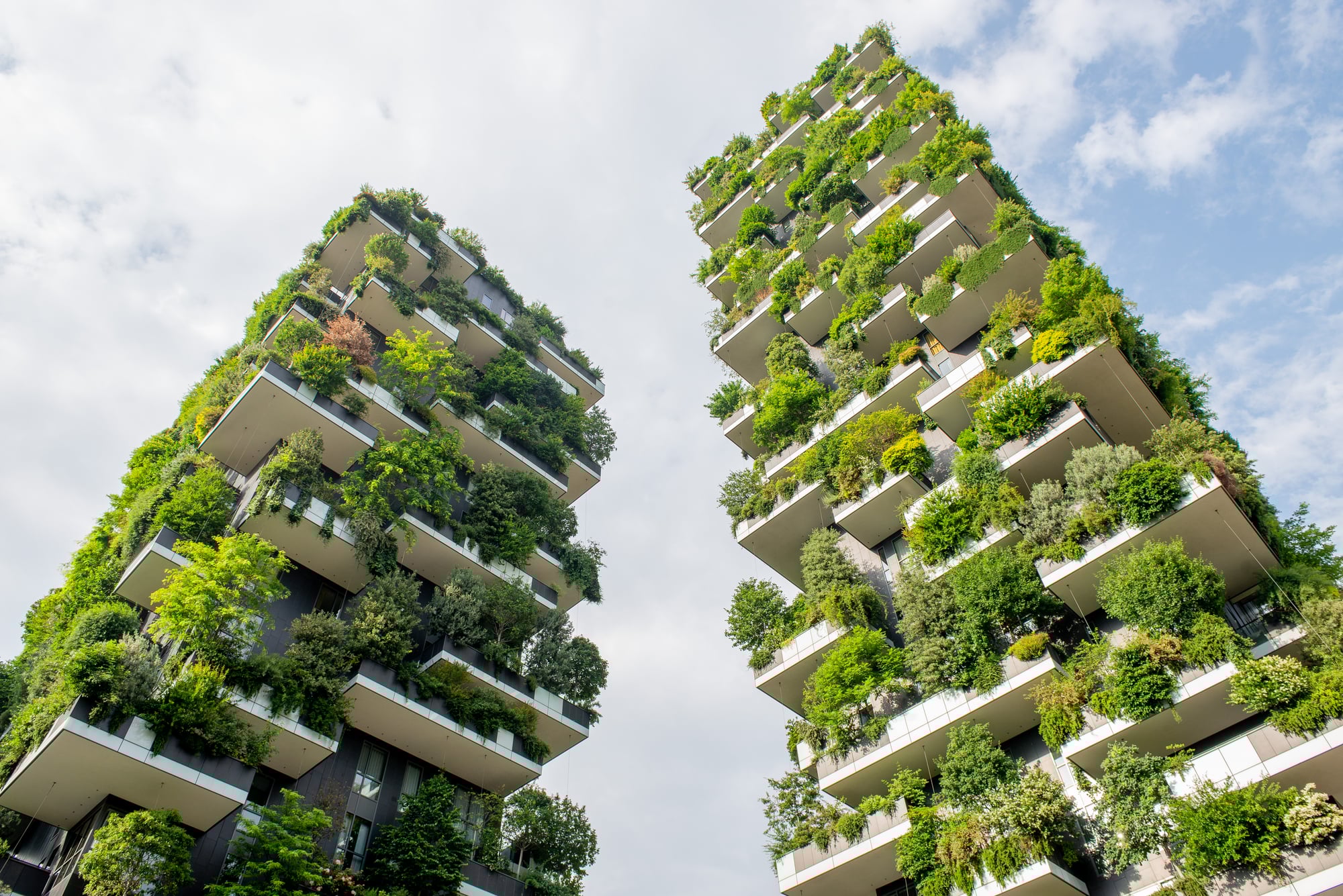
Entire building sides are becoming vertical ecosystems that clean air, regulate temperature, and provide habitat for urban wildlife. These green walls can reduce building temperatures by up to 15 degrees.
They filter thousands of pounds of pollutants annually. Some installations even grow food for building occupants, others focus on native species that support local biodiversity.
Like Go2Tutors’s content? Follow us on MSN.
Tree-Inspired Support Systems

Structural engineers are copying how trees distribute weight and handle wind loads to create more efficient building frameworks. The Qatar National Convention Centre mimics a sidra tree’s branching pattern, supporting massive spans with minimal material.
These organic support systems often prove stronger than traditional geometric approaches. They use less steel and concrete too.
Honeycomb Structural Patterns

Hexagonal patterns borrowed from beehives are appearing in everything from building facades to interior partitions. Honeycomb structures provide maximum strength with minimum material—exactly what bees discovered for their hives.
Architects are applying this principle to create lightweight yet incredibly strong building components. The geometry is so efficient that it’s becoming a go-to solution for sustainable construction.
Root-Like Foundation Systems
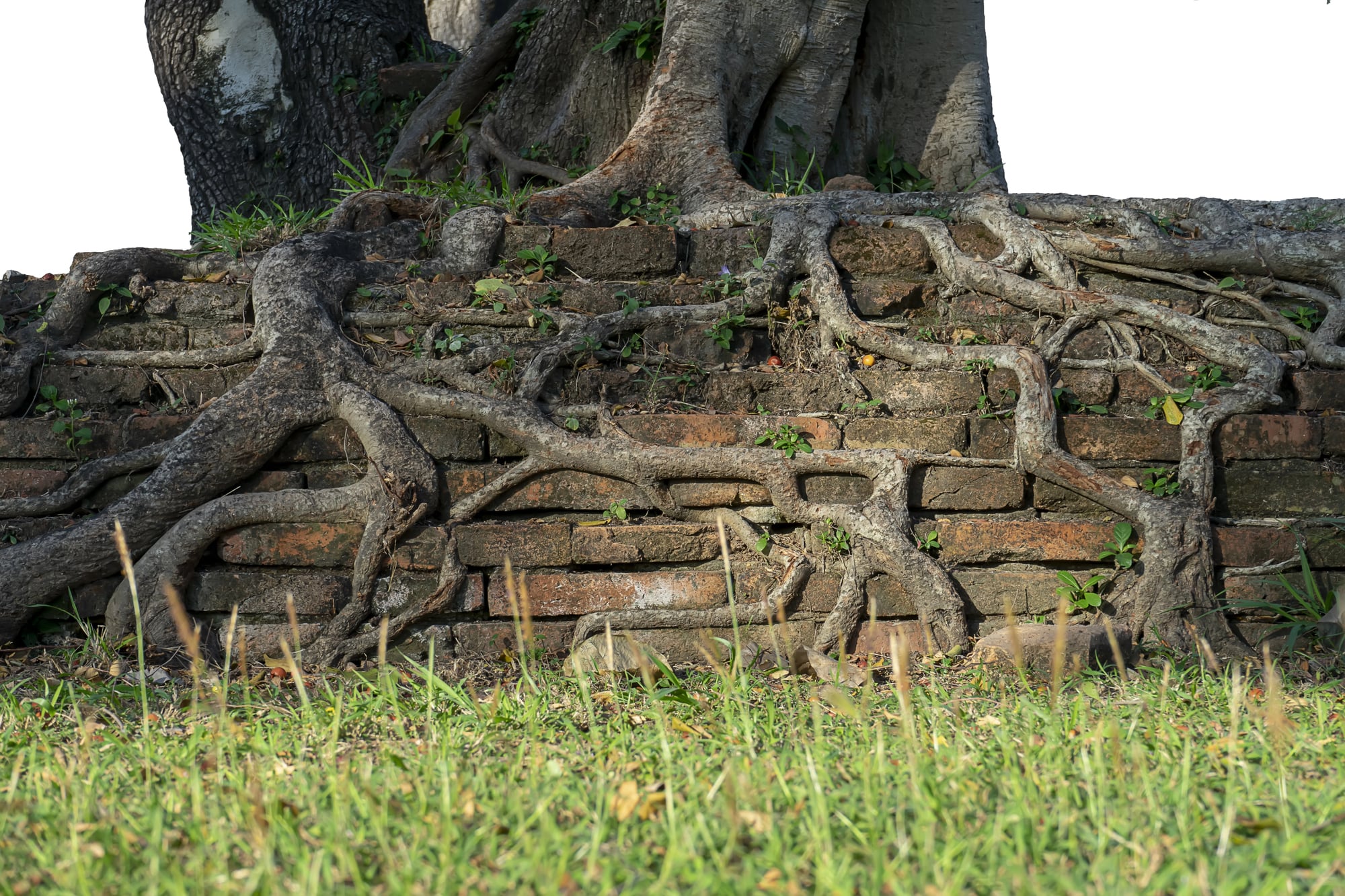
Underground building supports are mimicking how tree roots spread and anchor themselves in soil. These bio-inspired foundations distribute loads more evenly, reducing the need for massive concrete pads.
Buildings can adapt to shifting ground conditions this way. Some designs even incorporate living root systems that strengthen over time, requiring careful coordination between architects and landscape designers.
Like Go2Tutors’s content? Follow us on MSN.
Leaf-Inspired Shading Systems

Solar shading that moves and responds like plant leaves is replacing static awnings and blinds. These dynamic systems track the sun’s movement throughout the day, automatically adjusting to provide optimal shade while maximizing natural light.
Some designs even collect rainwater like real leaves do. Buildings that breathe and respond to their environment.
Coral Reef Building Structures

Complex, interconnected building forms inspired by coral reefs are creating new possibilities for mixed-use developments. These structures maximize surface area while providing diverse spaces for different functions—just like coral reefs support incredible biodiversity.
Natural light and air can penetrate deep into building interiors. The organic geometries often prove more efficient than rectangular layouts.
Bird Nest Architecture
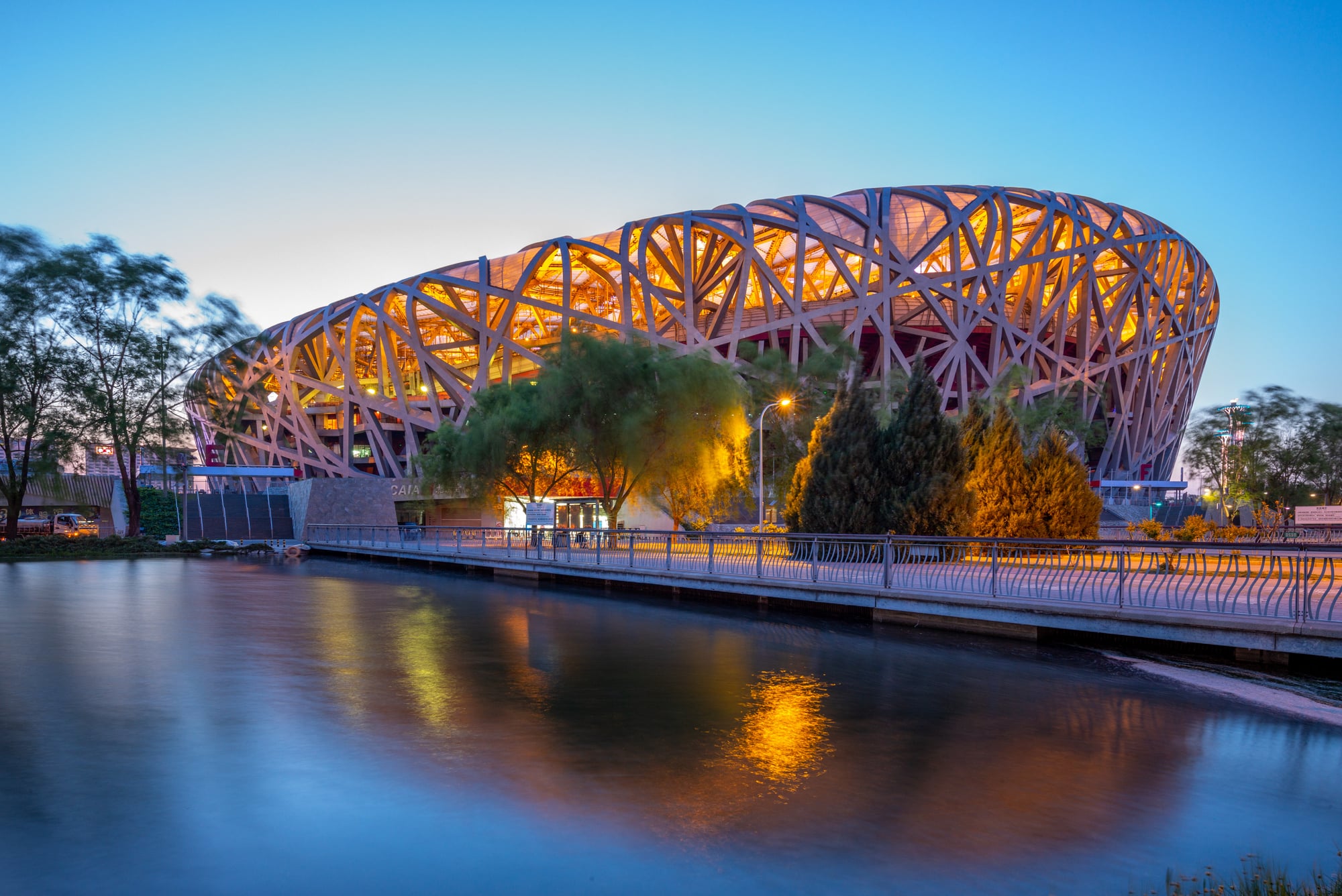
Woven and interlaced building elements inspired by bird nests are creating incredibly strong yet lightweight structures. The Beijing National Stadium famously used this approach, creating an iconic form while using minimal steel.
Smaller projects are applying nest-like principles to everything from pavilions to residential homes. These structures often assemble more quickly than traditional construction methods.
Like Go2Tutors’s content? Follow us on MSN.
Flower-Inspired Opening Systems
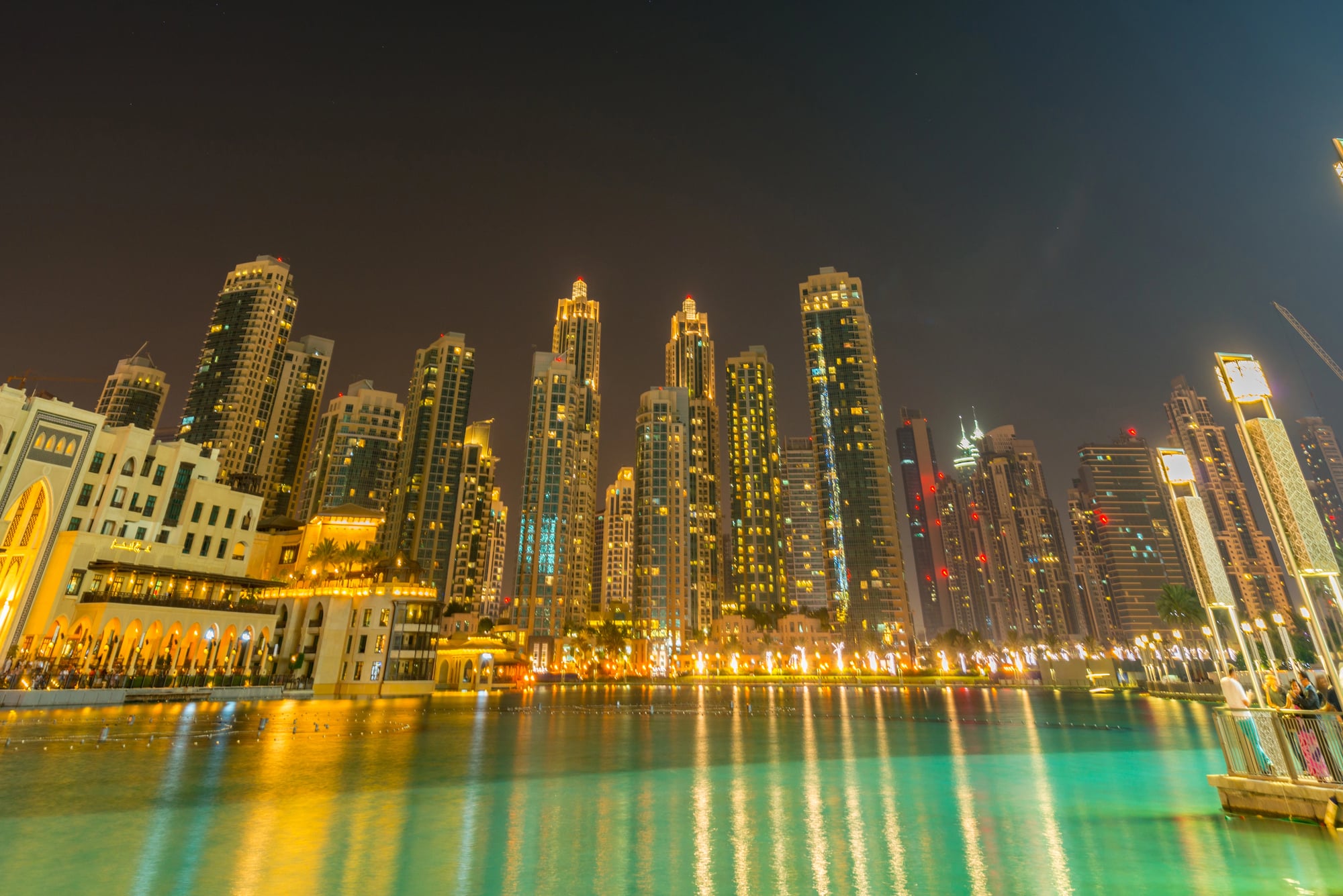
Building elements that open and close like flower petals are providing natural ventilation and climate control. The Al Bahar Towers in Abu Dhabi feature shading systems that respond to sunlight like flowers tracking the sun.
They reduce cooling loads by 50% while maintaining clear views when conditions allow. These responsive building skins adapt to environmental conditions automatically.
Moss and Lichen Surface Treatments
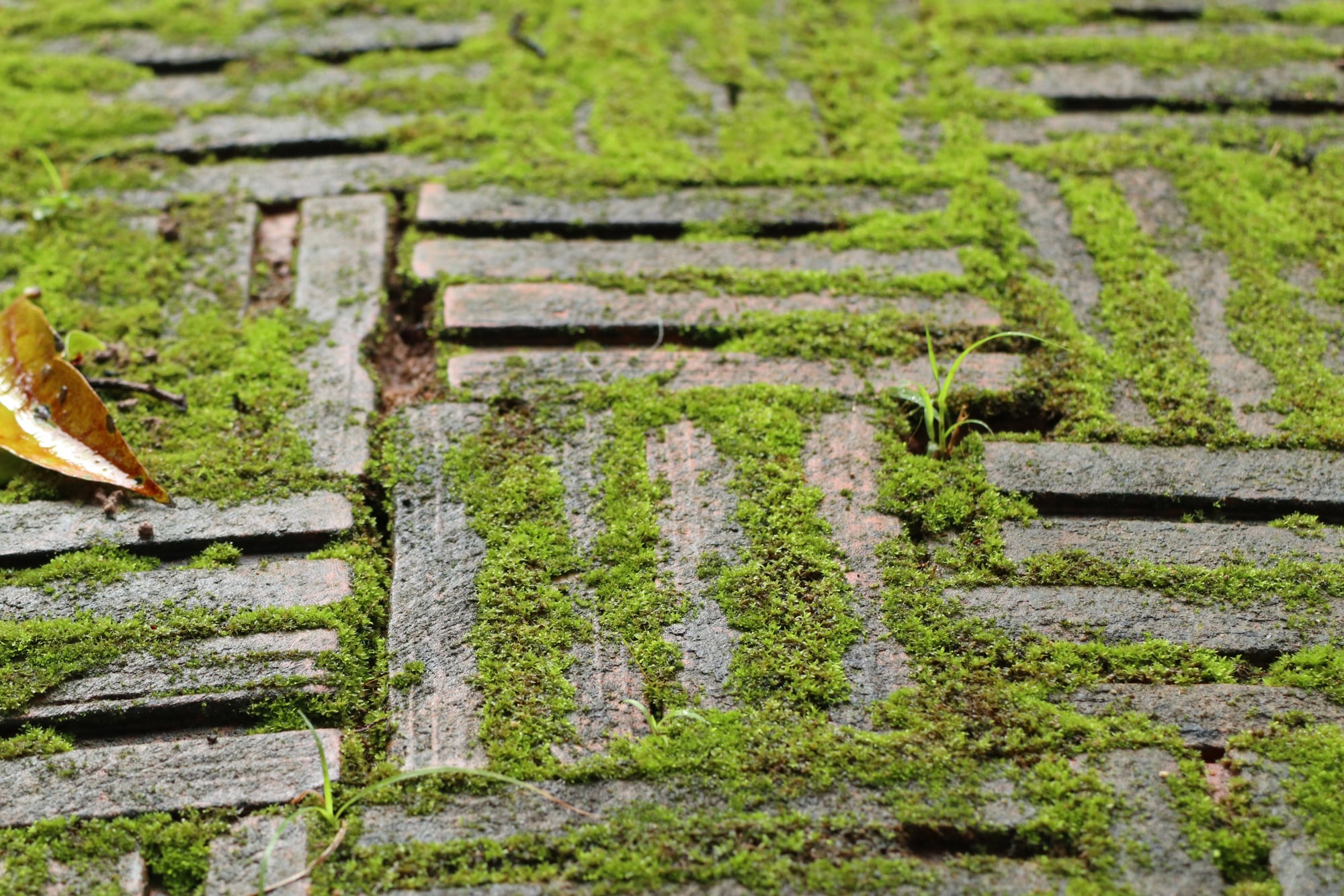
Building surfaces that function like moss and lichen are cleaning air while requiring minimal maintenance. These bio-inspired materials can break down pollutants and absorb moisture from the air.
Some even generate small amounts of electricity through photosynthesis-like processes. Installations combine multiple species to create self-sustaining building ecosystems, requiring careful design to ensure long-term viability.
Spider Web Tension Structures

Cable and membrane systems inspired by spider webs are creating incredibly efficient spanning structures. These designs use tension rather than compression, allowing architects to cover large spaces with minimal material.
The web-like geometry distributes loads evenly across the entire structure. Some installations can span hundreds of feet using cables thinner than your thumb.
Like Go2Tutors’s content? Follow us on MSN.
Cactus Water Collection Systems

Building surfaces that collect water like cactus spines are addressing water scarcity in arid climates. These bio-inspired systems can harvest moisture from fog and humidity, providing significant water supplies in desert environments.
No external energy input required. The collected water often exceeds what traditional rainwater harvesting systems can provide, working best in specific climate conditions.
Whale Fin Ventilation

Natural ventilation systems inspired by whale fins and gills are reducing energy consumption in large buildings. These bio-inspired airflow systems create pressure differentials that draw fresh air through buildings.
Mechanical ventilation becomes unnecessary in many climates. The organic shapes often become striking architectural features while some installations can ventilate entire buildings using only wind pressure.
Butterfly Wing Solar Panels

Solar collection systems that mimic butterfly wings are improving energy generation efficiency. These bio-inspired panels can adjust their angle and position throughout the day, following optimal sun angles like flowers do.
The wing-like geometry provides additional benefits for wind resistance. Some designs even incorporate the iridescent properties of butterfly wings to capture different light wavelengths.
Like Go2Tutors’s content? Follow us on MSN.
Mushroom Growing Architecture

Building systems that grow like mushrooms are revolutionizing construction materials and methods. Mycelium-based materials can literally grow into predetermined shapes, creating strong, lightweight building components that are completely biodegradable.
The growing process requires minimal energy and produces no waste. These living building materials continue strengthening over time, requiring specific environmental conditions during growth.
Seashell Acoustic Design

Interior acoustics inspired by seashell and ear canal geometry are improving sound quality in performance spaces. These bio-inspired forms naturally amplify and direct sound waves, creating better acoustics with less artificial treatment.
The organic shapes often become beautiful architectural features. Some concert halls achieve world-class acoustics using purely geometric approaches borrowed from nature.
Like Go2Tutors’s content? Follow us on MSN.
Pine Cone Responsive Materials

Building materials that open and close like pine cones are providing passive climate control without mechanical systems. These bio-inspired materials respond to humidity and temperature changes, automatically adjusting building performance based on environmental conditions.
No external power or control systems required. The materials essentially program themselves to optimize building comfort, working best in moderate climates with regular seasonal variations.
Nature’s Blueprint for Tomorrow

Bio-inspired architecture proves that nature remains our greatest teacher in design and engineering. What started as aesthetic appreciation for natural forms has evolved into sophisticated technological applications that outperform traditional building methods.
These approaches use fewer resources and create healthier environments. Nature-inspired designs aren’t just changing how buildings look—they’re fundamentally transforming how structures perform and interact with their surroundings.
The future of architecture might just be a return to principles that life on Earth has been perfecting for billions of years.
More from Go2Tutors!

- 18 Unexpectedly Valuable Collectibles You Might Have Lying Around
- 20 Little-Known Historical Battles That Had Huge Consequences
- 20 Historical Artifacts That Scientists Can’t Explain
- 15 Inventions That Were Immediately Banned After Being Created
- 20 Actors Who Were Almost Cast in Iconic Roles
Like Go2Tutors’s content? Follow us on MSN.



