17 Musical Albums Recorded Entirely in One Take
Recording an entire album in one take sounds like something from music’s distant past, when studio time was precious and editing was nearly impossible. Throughout music history, though, artists have chosen this approach for various reasons—sometimes out of necessity, other times to capture a raw, authentic energy that multiple takes might dilute.
The result is often music that feels immediate and alive, complete with all the imperfections and spontaneous magic that come with live performance. These albums represent some of the most daring and successful attempts at single-take recording.
Here is a list of 17 albums that were captured in their entirety during one continuous recording session.
Pet Sounds by The Beach Boys

The Beach Boys’ 1966 masterpiece wasn’t technically recorded in one session, yet Brian Wilson famously captured the orchestral arrangements for many tracks in single takes with a full orchestra. Wilson would conduct the musicians through complete arrangements without stopping—creating the lush, layered sound that would influence everyone from The Beatles to modern indie artists.
Those spontaneous sessions gave the album its dreamlike quality that still sounds fresh today.
Live at the Apollo by James Brown
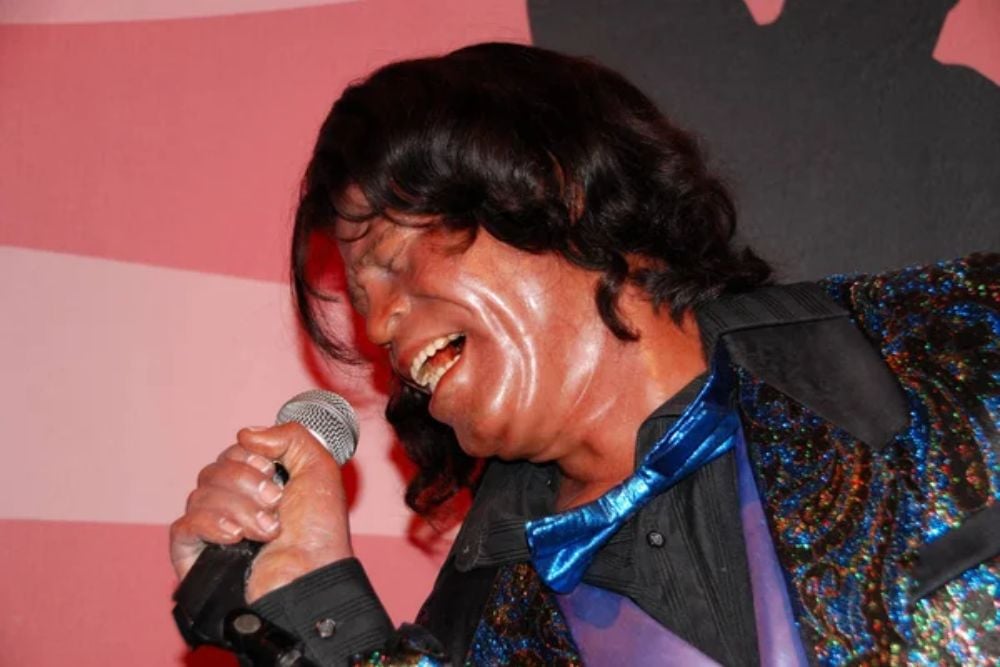
James Brown’s 1963 live album captured the Godfather of Soul at his absolute peak, performing for a crowd at Harlem’s Apollo Theater. The entire performance was recorded straight through without interruption—preserving every scream, every dramatic pause, and every moment of pure electricity between Brown and his audience.
This album essentially invented the concept of live funk recording while showing just how powerful unedited performance could be.
Kind of Blue by Miles Davis
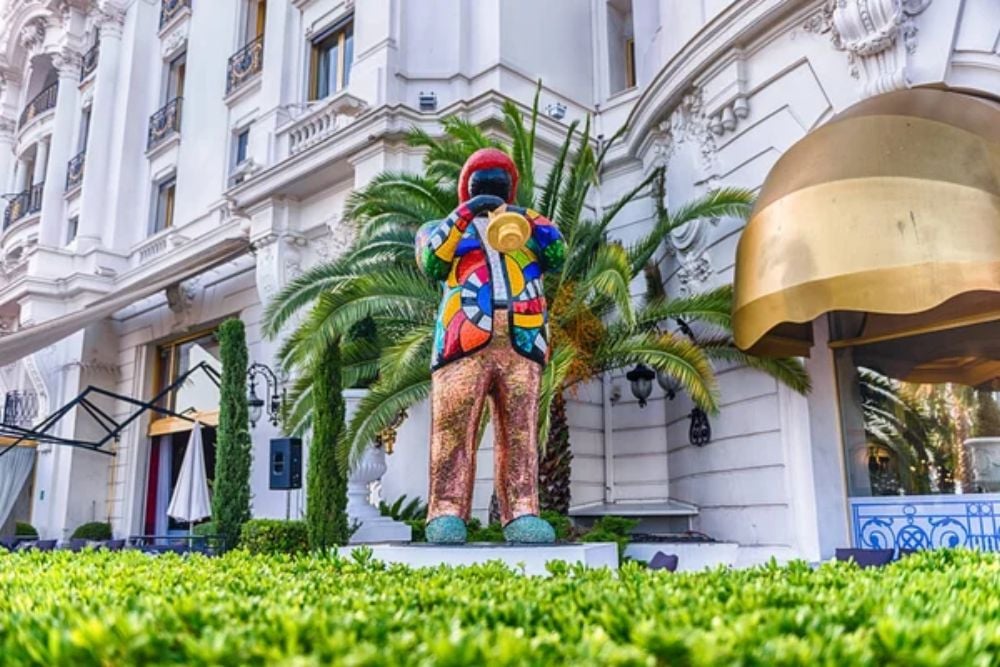
Miles Davis gathered his quintet in 1959 and recorded what many consider the greatest jazz album ever made, mostly in single takes. Davis gave his musicians minimal direction—sometimes just sketching out scales or basic structures—then let them improvise their way through the compositions.
The first take of ‘So What’ became the master recording, though most other tracks required only one or two attempts to capture perfection.
At Folsom Prison by Johnny Cash
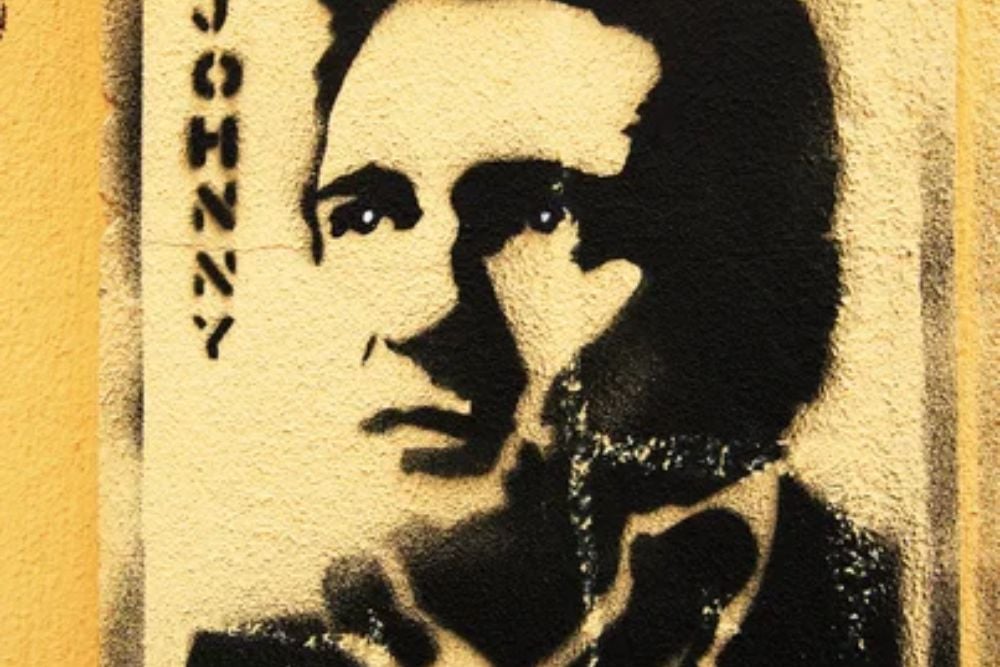
Cash’s 1968 performance at California’s Folsom Prison was recorded live in front of an audience of inmates—capturing every moment of tension, humor, and raw emotion. The entire concert was performed straight through, with Cash feeding off the energy of prisoners who understood his songs about redemption and struggle better than any typical audience.
The applause and reactions you hear are completely genuine, recorded exactly as they happened.
Freak Out! by Frank Zappa and the Mothers of Invention

Zappa’s 1966 debut album included several tracks recorded live in the studio with minimal overdubs. The experimental nature of the music demanded a spontaneous approach—Zappa often preferred the energy of first takes over polished versions.
Songs like ‘Help, I’m a Rock’ capture the controlled chaos that defined early Mothers performances, complete with audience participation and unexpected musical turns.
The Freewheelin’ Bob Dylan by Bob Dylan
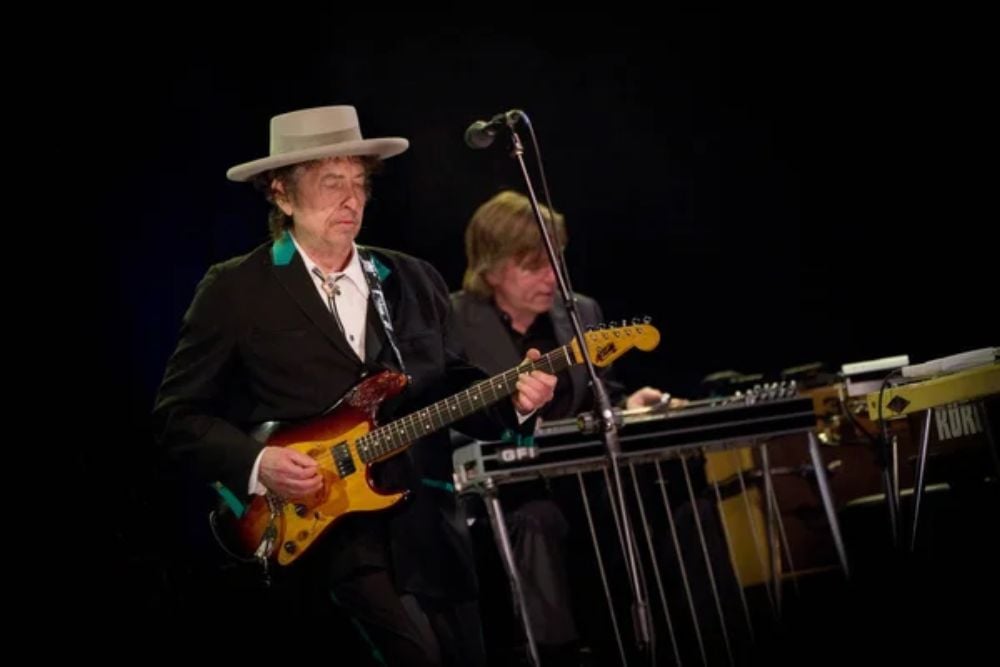
Dylan’s breakthrough 1963 album was recorded largely in single takes, reflecting his folk roots and preference for spontaneous performance. Dylan would often nail a song on the first or second attempt—capturing the intimate storytelling style that would define his career.
The slight imperfections in his guitar playing plus occasional vocal cracks add to the album’s authentic, living-room feel.
Bitches Brew by Miles Davis
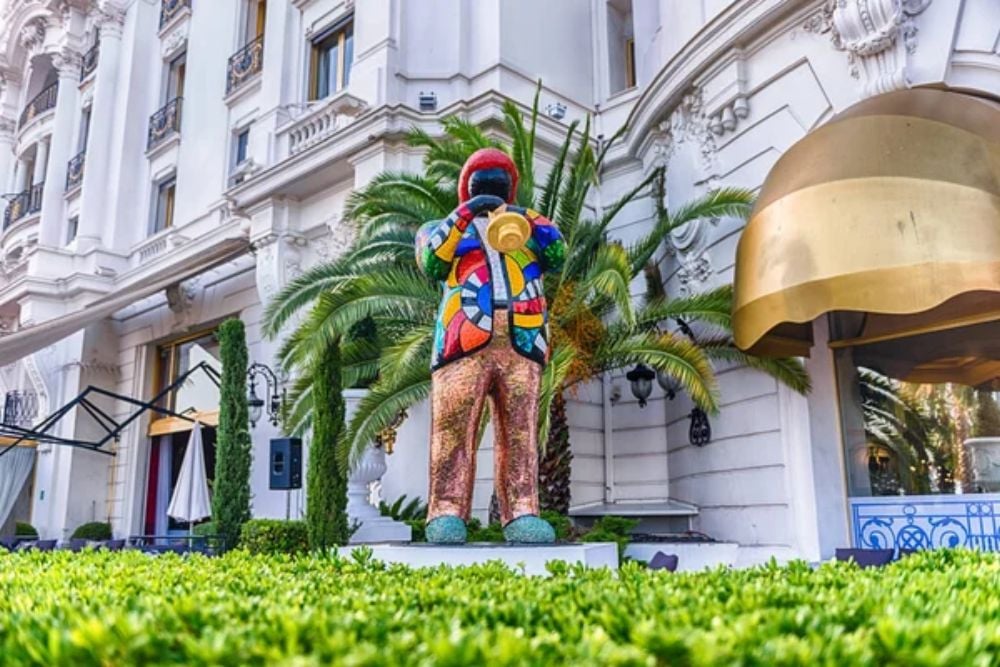
Davis returned to single-take recording for this 1970 fusion masterpiece, though this time with electric instruments and a larger ensemble. The entire album was recorded over three sessions—most tracks captured in one continuous take as the musicians explored new sonic territories together.
The result sounds like controlled improvisation, with each player responding to the others in real time.
Raw Power by Iggy and the Stooges
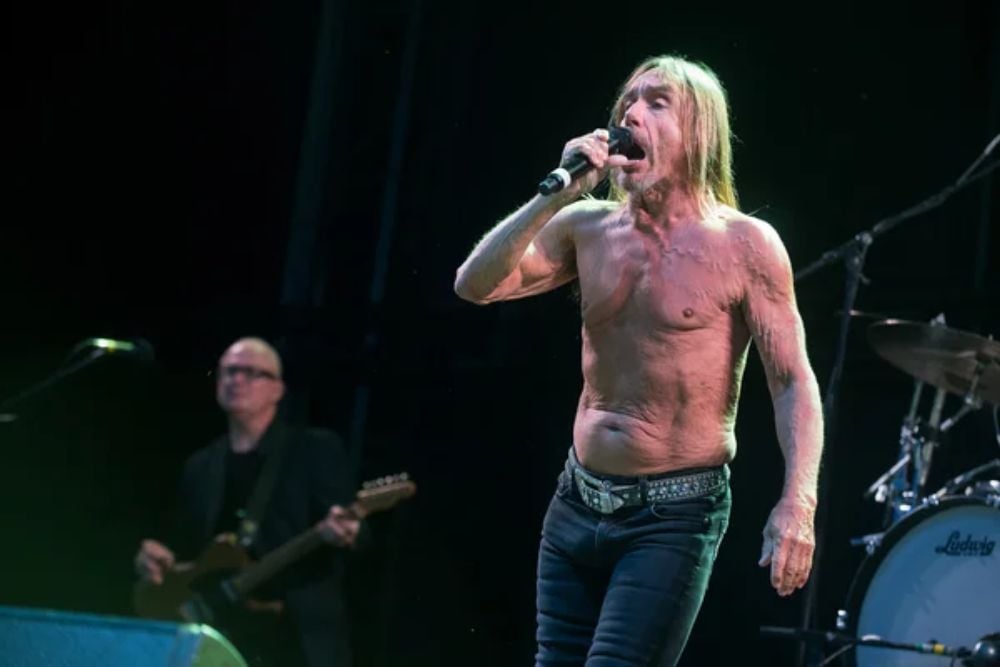
The Stooges’ 1973 album was recorded quickly and cheaply—many tracks were captured in single takes that preserve the band’s explosive energy. Iggy Pop’s vocal performances are particularly unfiltered, capturing every snarl and scream exactly as it happened in the studio.
The album’s raw sound comes partly from this approach, since there wasn’t time or budget for extensive overdubbing or correction.
On the Beach by Neil Young
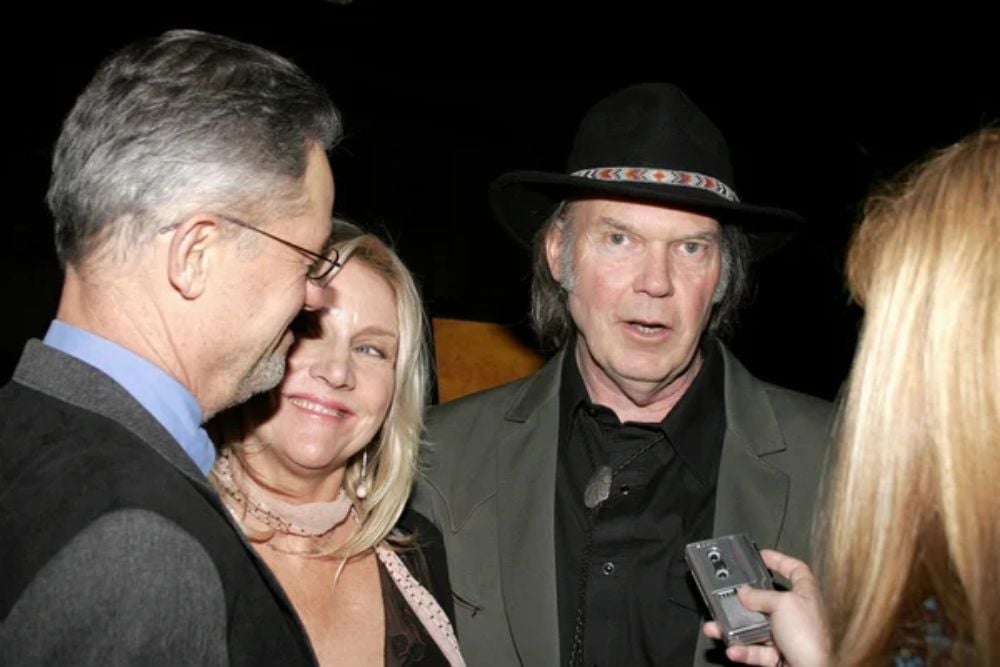
Young recorded this 1974 album in a deliberately casual style, often keeping first takes that captured the right mood even if they weren’t technically perfect. Songs like ‘Walk On’ feature Young’s guitar playing and vocals recorded simultaneously—creating an intimate atmosphere that overdubbing might’ve destroyed.
The album’s melancholy vibe comes partly from these spontaneous, unrehearsed moments.
Astral Weeks by Van Morrison
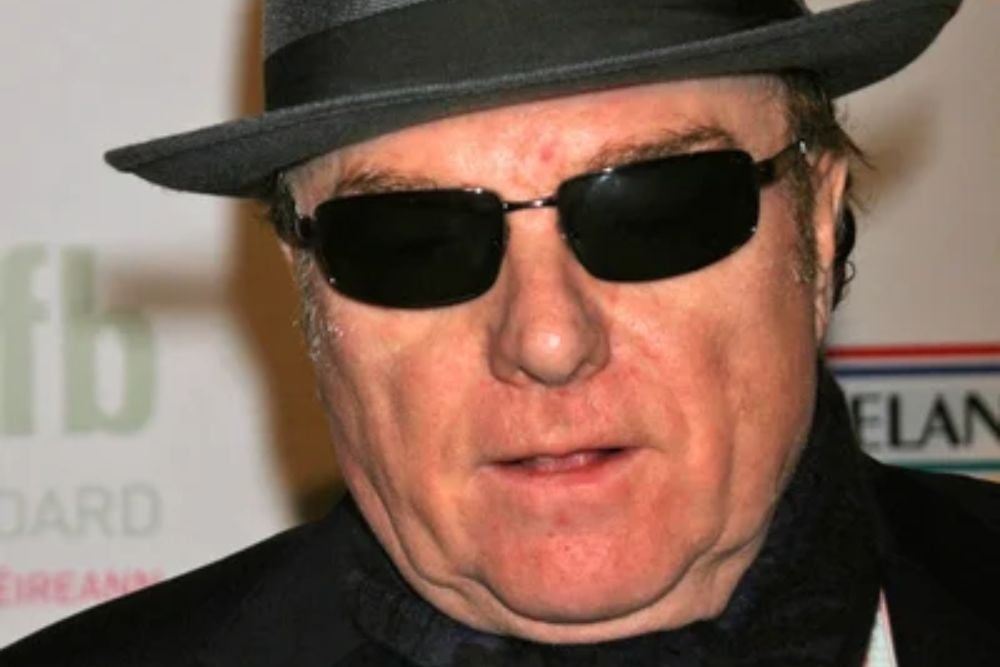
Morrison’s 1968 masterpiece was recorded with jazz musicians who’d never heard the songs before—creating an atmosphere of pure musical discovery. Most tracks were captured in single takes as Morrison sang while the band improvised around his vocals and acoustic guitar.
The result feels like eavesdropping on a private musical conversation, with every player contributing something unexpected.
White Light/White Heat by The Velvet Underground

The Velvet Underground’s 1968 album was recorded live in the studio with minimal overdubs, capturing the band’s confrontational sound at its most intense. The 17-minute ‘Sister Ray’ was performed straight through, with the band building to a chaotic climax that could never have been constructed through multiple takes.
The album’s harsh sound comes from this direct, unfiltered approach.
Stardust by Willie Nelson

Nelson’s 1978 album of pop standards was recorded with a small jazz combo, with many tracks captured in single takes that showcase his unique phrasing and timing. Nelson’s conversational vocal style works perfectly with this approach, making familiar songs sound like intimate performances in a small club.
The relaxed atmosphere of the sessions comes through in every single track.
Live at the Village Vanguard by Bill Evans Trio
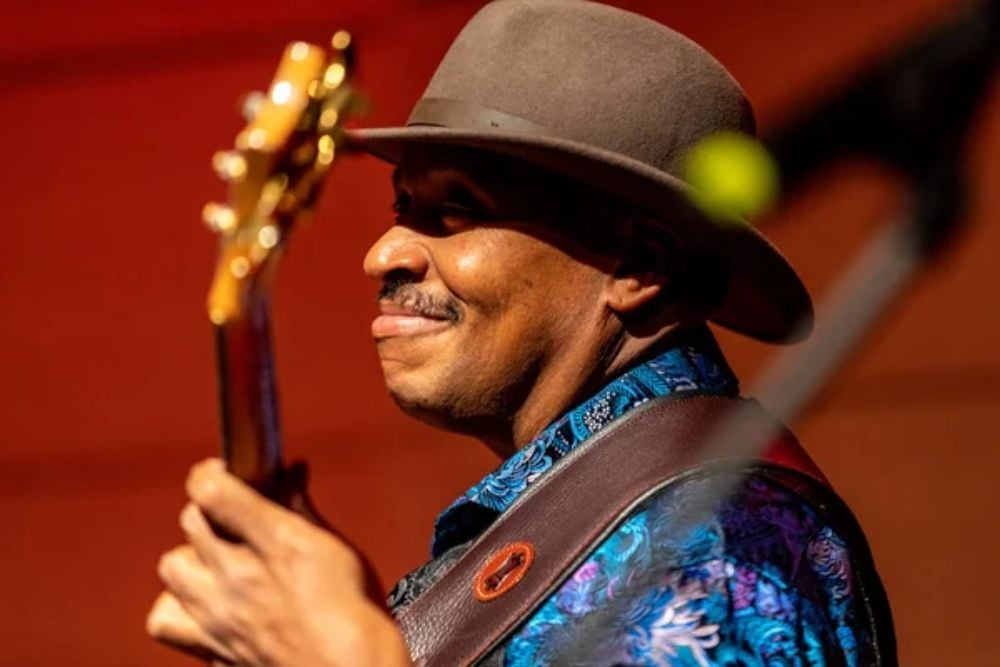
The Bill Evans Trio’s 1961 recordings at New York’s Village Vanguard captured the group’s telepathic musical communication in real time. Each song was performed straight through, with the trio responding to each other’s musical ideas spontaneously.
The intimate club atmosphere combined with the trio’s subtle interplay creates music that feels almost conversational.
Exile on Main St. by The Rolling Stones
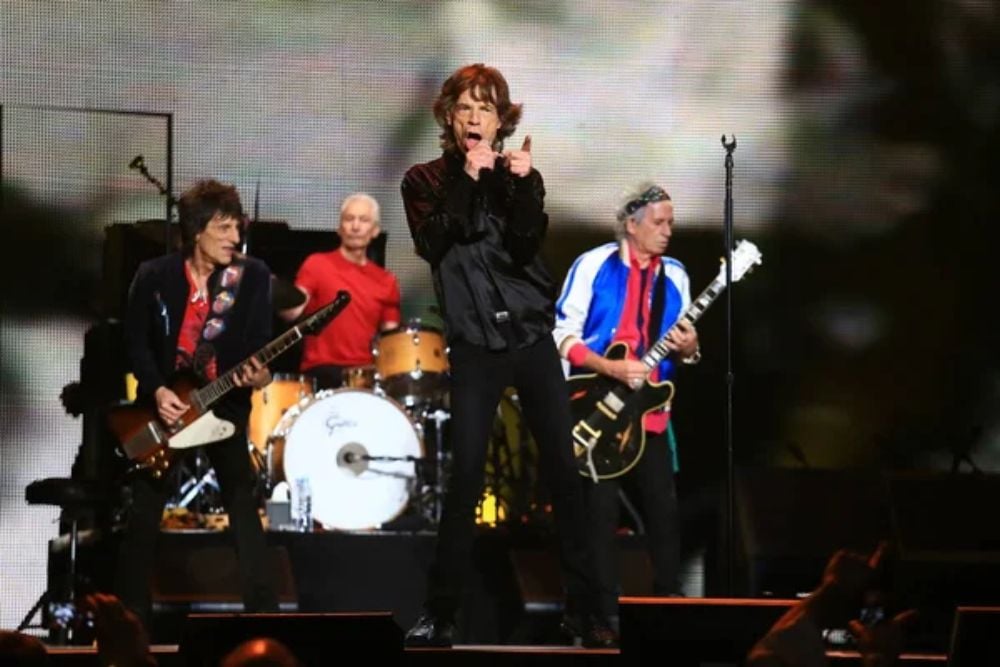
While not entirely recorded in single takes, many of the Stones’ 1972 double album’s tracks were captured live in the basement of Keith Richards’ French villa, with the band playing together in real time. The raw, unpolished sound comes from this approach, with instruments bleeding into each other’s microphones yet creating a muddy but powerful sonic landscape.
For Emma, Forever Ago by Bon Iver

Justin Vernon recorded this 2007 album alone in a remote Wisconsin cabin, often capturing songs in single takes on basic recording equipment. The intimate, fragile quality of tracks like ‘Skinny Love’ comes from this solitary approach, with Vernon’s falsetto vocals plus acoustic guitar recorded simultaneously.
The album’s emotional impact stems partly from its unadorned, direct presentation.
The Wall by Pink Floyd
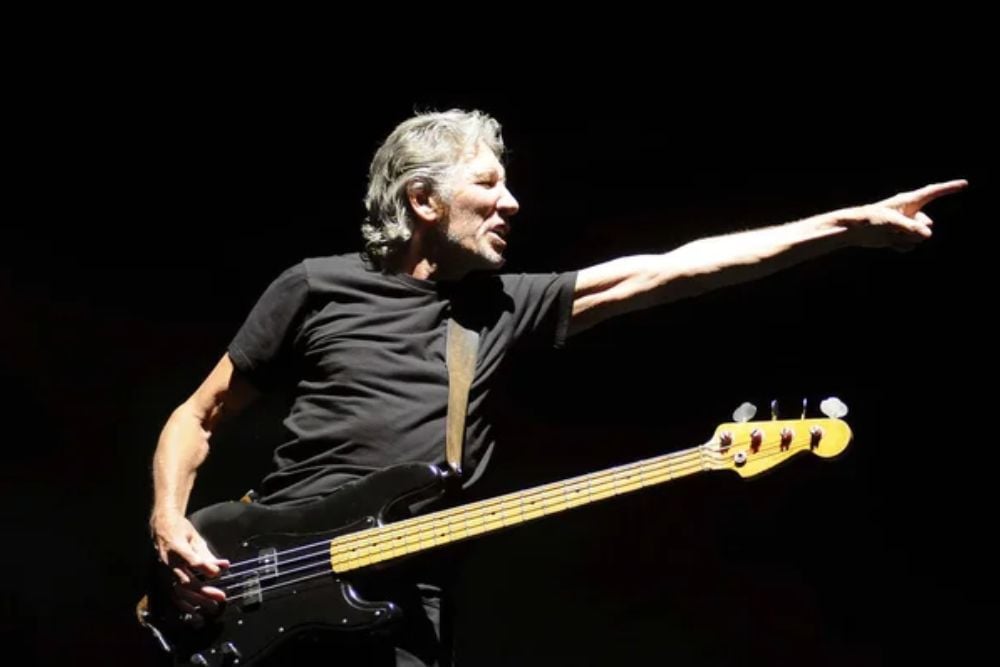
Certain sections of Pink Floyd’s 1979 concept album were recorded live in the studio, particularly the more theatrical portions that required the band to maintain dramatic momentum. The seamless flow between songs was achieved partly through extended recording sessions where the band would play through entire sections without stopping.
This approach helped create the album’s cinematic quality.
Tonight’s the Night by Neil Young

Young’s 1975 album was recorded largely in single takes during late-night studio sessions, capturing the loose, alcohol-fueled atmosphere that defined the recording process. Songs like the title track were performed straight through, with Young’s vocals plus guitar accompanied by a small band playing together in real time.
The album’s raw emotional power comes from these unguarded, spontaneous performances.
From Studio to Stage
These albums prove that some of music’s most powerful moments happen when artists trust their instincts and let the music flow naturally. Whether driven by artistic choice, financial constraints, or simple spontaneity, single-take recording can capture something that endless overdubs and digital perfection often miss.
The slight imperfections plus unexpected moments in these recordings remind us that music is fundamentally a human expression, best experienced in real time. While modern technology offers infinite possibilities for correction and enhancement, these albums show that sometimes the first attempt is also the truest one.
More from Go2Tutors!

- The Romanov Crown Jewels and Their Tragic Fate
- 13 Historical Mysteries That Science Still Can’t Solve
- Famous Hoaxes That Fooled the World for Years
- 15 Child Stars with Tragic Adult Lives
- 16 Famous Jewelry Pieces in History
Like Go2Tutors’s content? Follow us on MSN.



