17 Chilling Last Words Of Famous People
The final words a person speaks before death carry an unusual weight. Whether profound, mundane, or deeply unsettling, these last utterances become frozen in time, offering a final glimpse into someone’s thoughts as they faced their end.
For famous figures whose lives were scrutinized and documented, their last words often become part of their legacy — sometimes more memorable than their greatest achievements. Some delivered poetic reflections that seemed to summarize entire lifetimes.
Others spoke with confusion or fear. A few made requests that would go forever unfulfilled.
The chilling nature of these final statements doesn’t always come from their content, but from the stark reminder that even the most powerful, creative, and influential people face the same inevitable conclusion as everyone else.
Julius Caesar
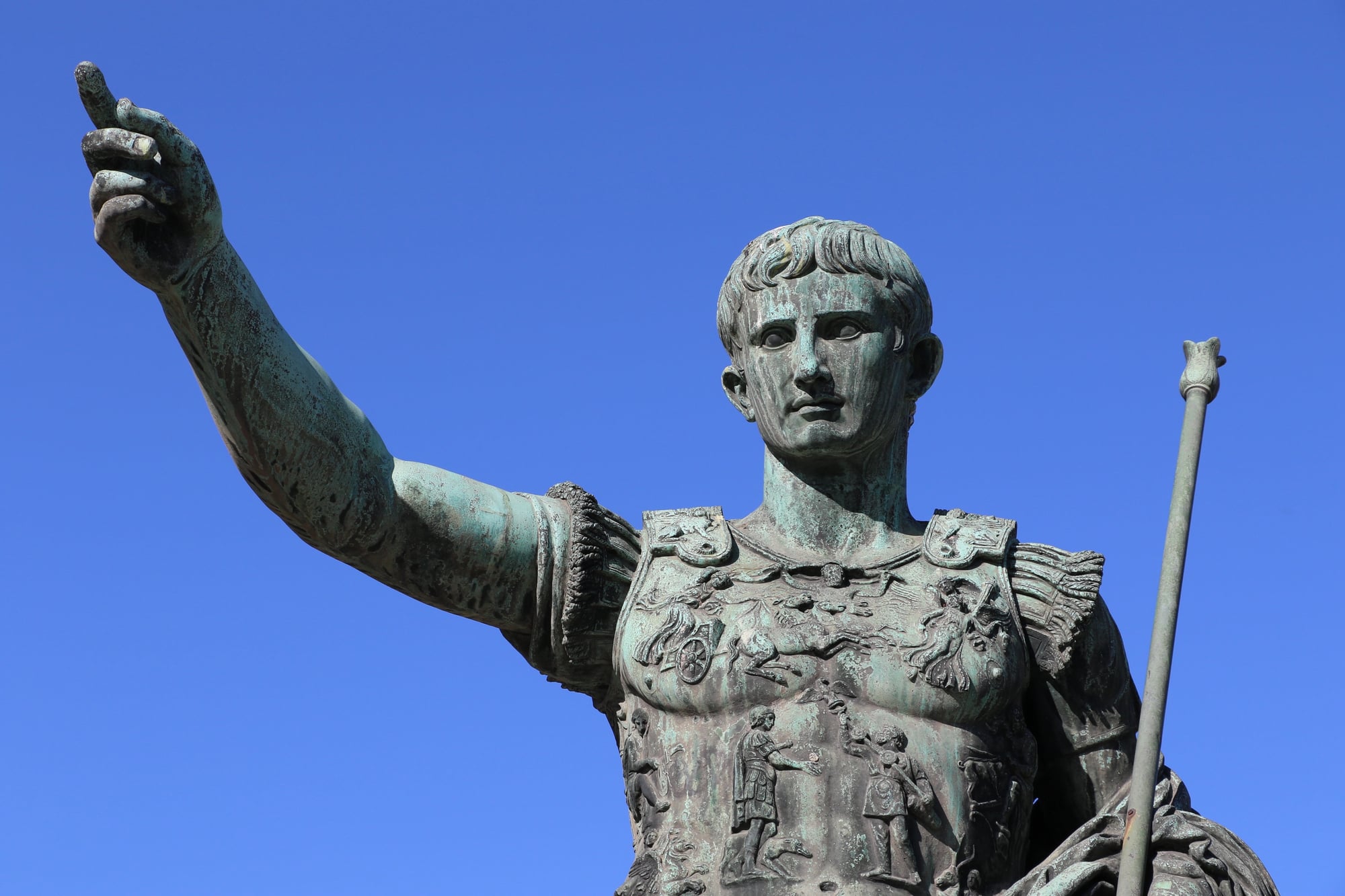
Et tu, Brute?’ These three Latin words, meaning ‘And you, Brutus?’ appear in William Shakespeare’s play Julius Caesar. However, there is no historical evidence that Caesar spoke these words.
Ancient historians Suetonius and Plutarch either report that Caesar said nothing as he died, or claim some sources said he spoke in Greek: ‘Kai su, teknon’ (You too, my child?).
The famous Latin phrase is a Renaissance invention by Shakespeare, not a historical record of Caesar’s actual last words. The betrayal cut deeper than any blade.
Marie Antoinette
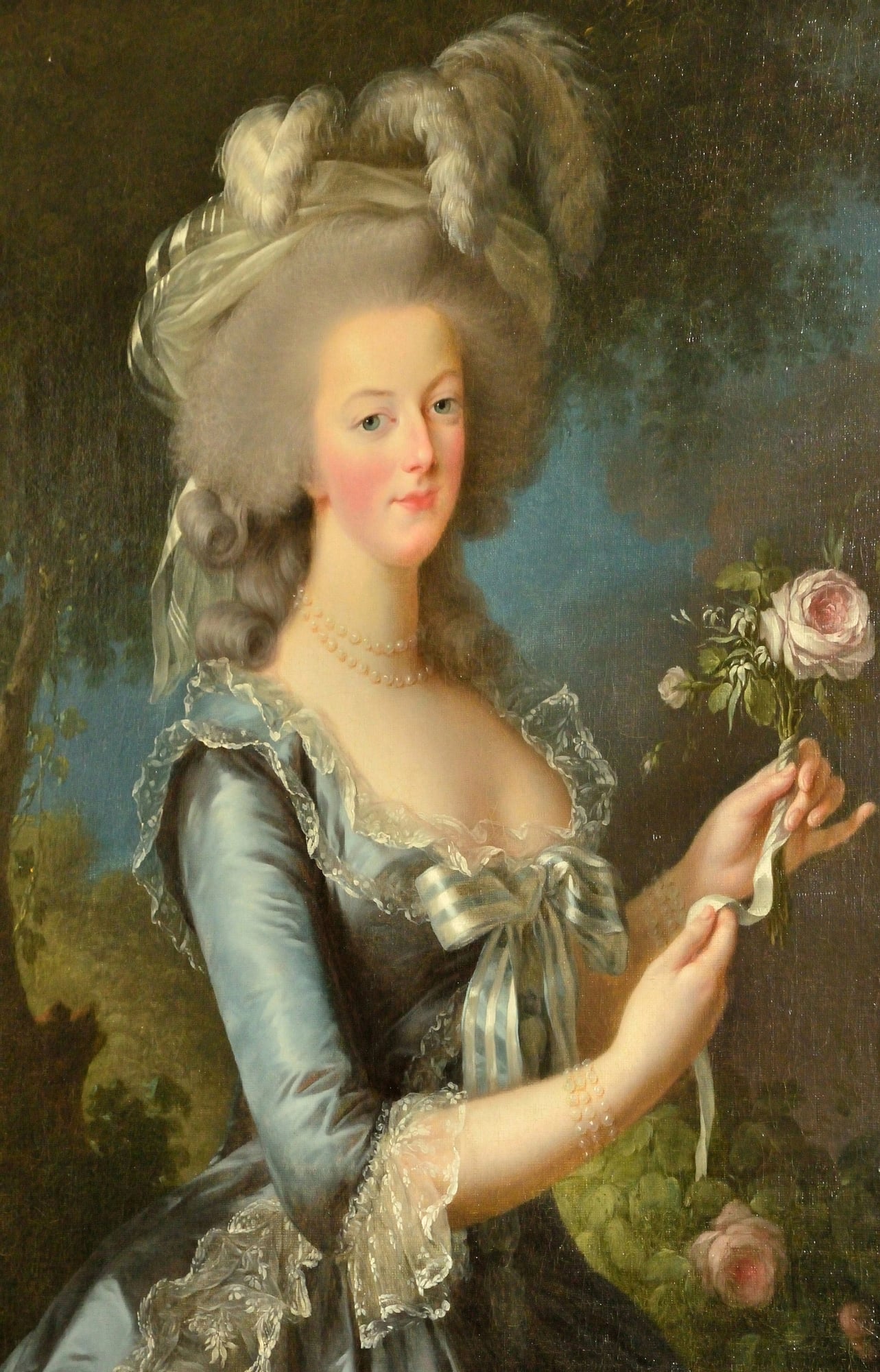
Standing on the scaffold with the guillotine looming, the former Queen of France accidentally stepped on her executioner’s foot. Her final words were an apology: “Pardonnez-moi, monsieur. Je ne l’ai pas fait exprès” — “Forgive me, sir. I did not do it on purpose.”
Even facing death, she maintained the courtly manners that had defined her privileged life, which makes the moment both tragic and eerily surreal because politeness seemed so impossibly out of place in those final seconds.
Oscar Wilde
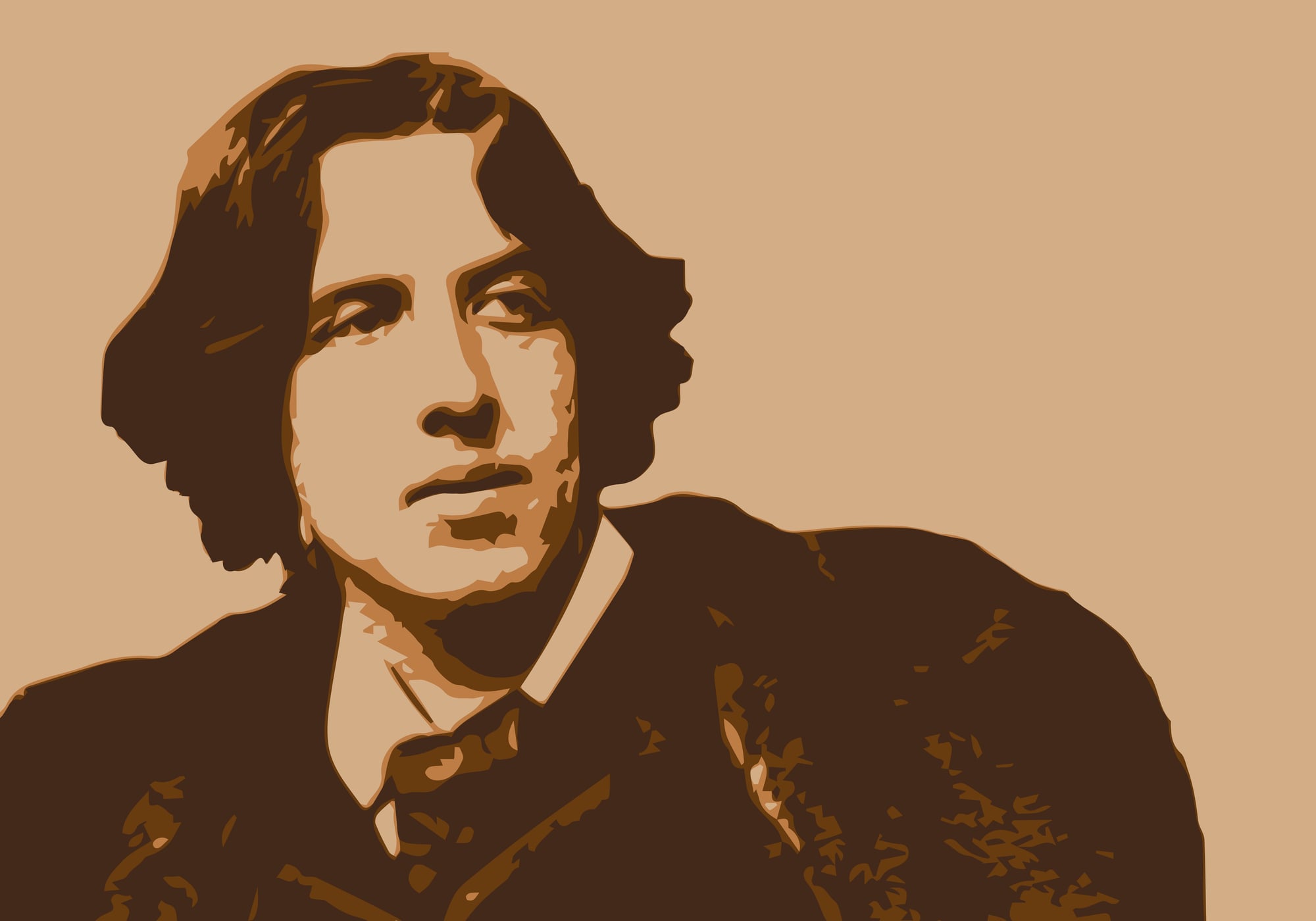
The famous playwright and wit faced his final moments in a shabby Paris hotel room, far from the glittering society that had once celebrated him. He reportedly made a witty remark about the wallpaper—’This wallpaper and I are fighting a duel to the death. Either it goes or I do’—but according to biographer Richard Ellmann, he said this weeks before he died, not as his actual last words.
Wilde’s true final words were reportedly a mumbled Catholic prayer. True to form, Wilde’s last words were clever, but they carry a haunting resignation that his brilliant mind would soon be silenced forever.
Steve Jobs
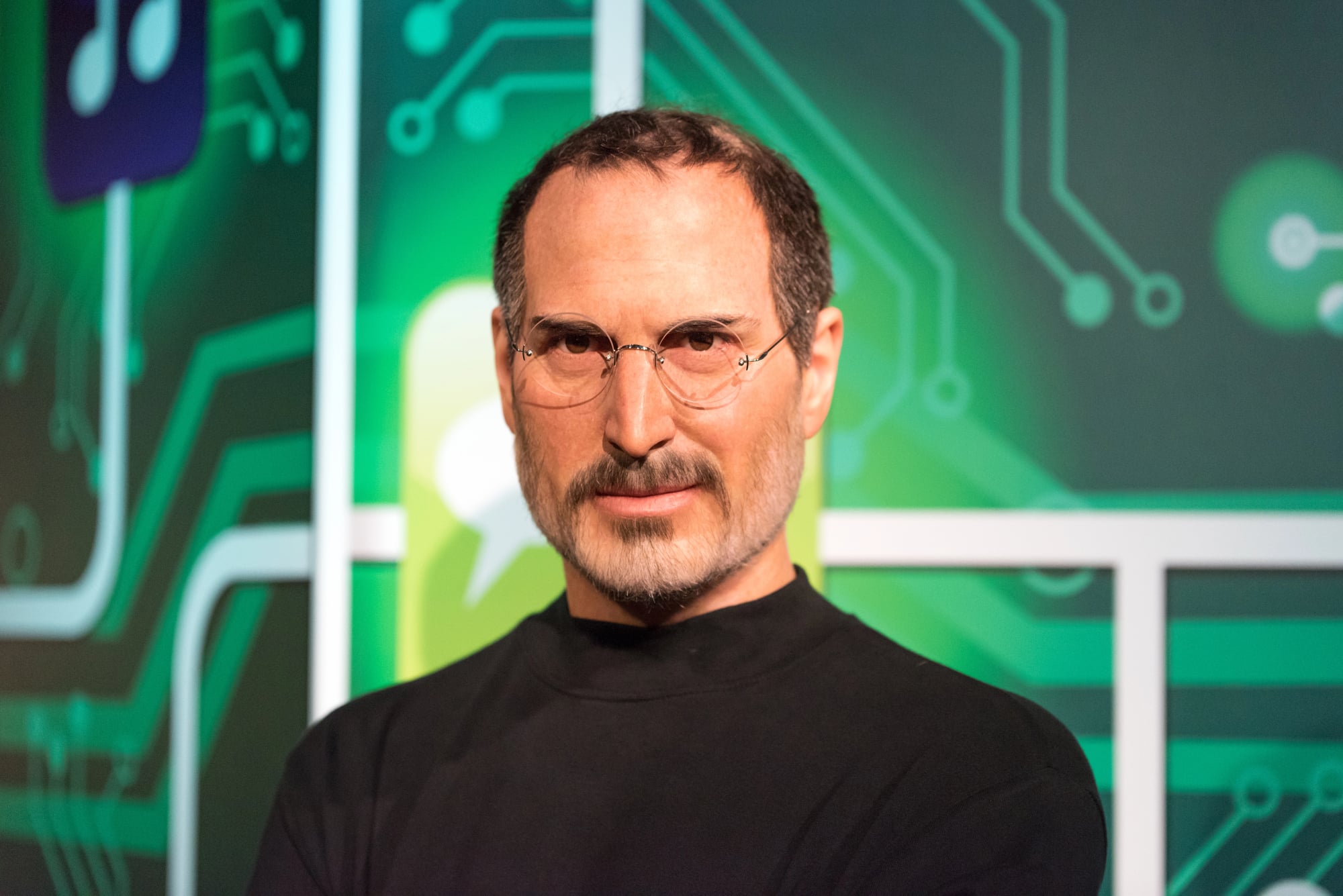
Apple’s co-founder stared at something beyond the room as he lay dying, repeating the same phrase three times: “OH WOW. OH WOW. OH WOW.”
His sister, who was present, described his tone as one of wonder rather than fear. Whatever Jobs saw in those final moments seemed to fill him with awe rather than terror.
John F. Kennedy
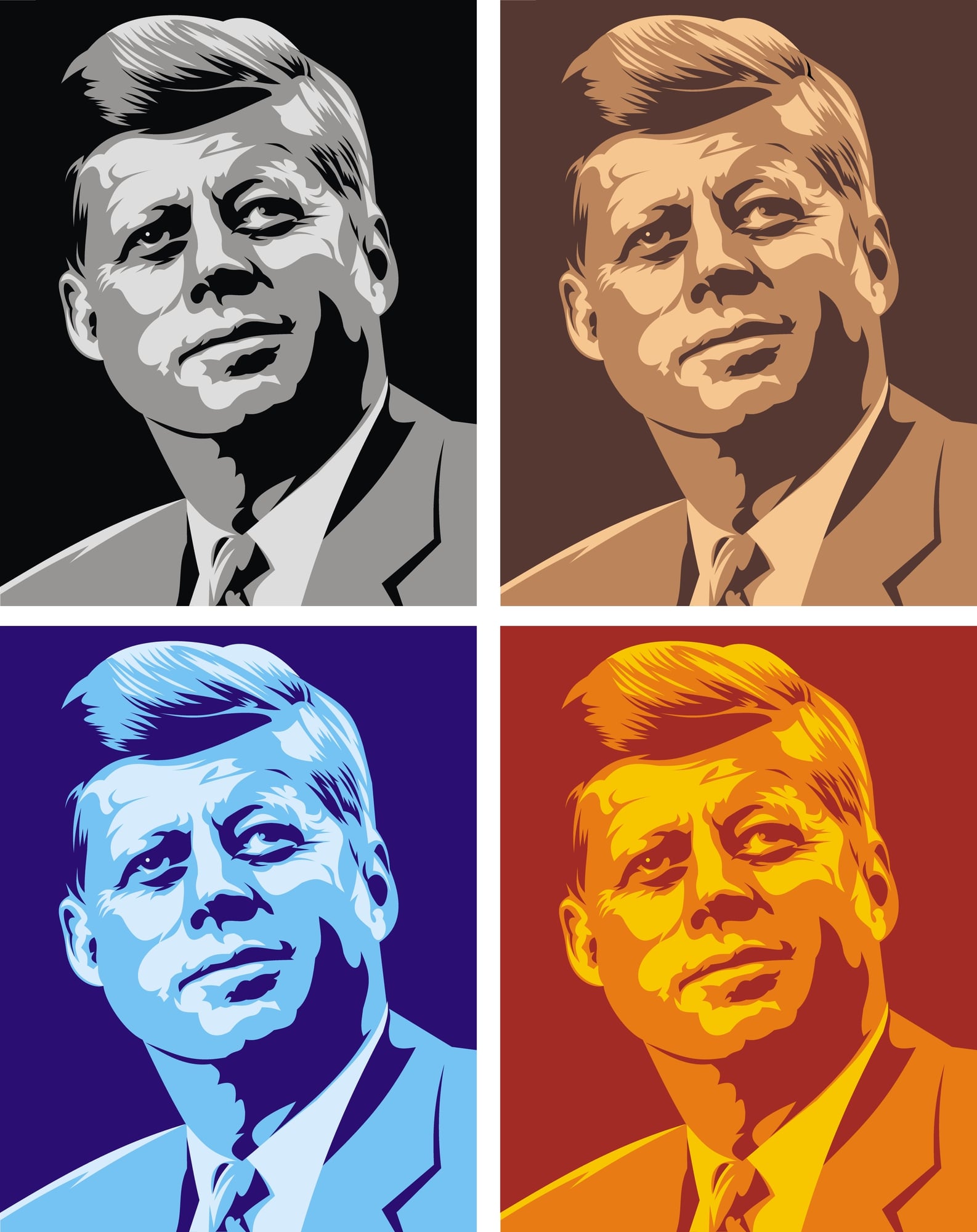
The 35th President of the United States spoke his last words to his wife Jackie as their motorcade made its way through Dallas on that fateful November day in 1963. Responding to her comment about the crowds, he said, “No, you certainly can’t.”
Seconds later, the shots rang out. The mundane nature of this exchange — a simple conversation between spouses — makes it all the more chilling, because it shows how suddenly everything can change.
Elvis Presley
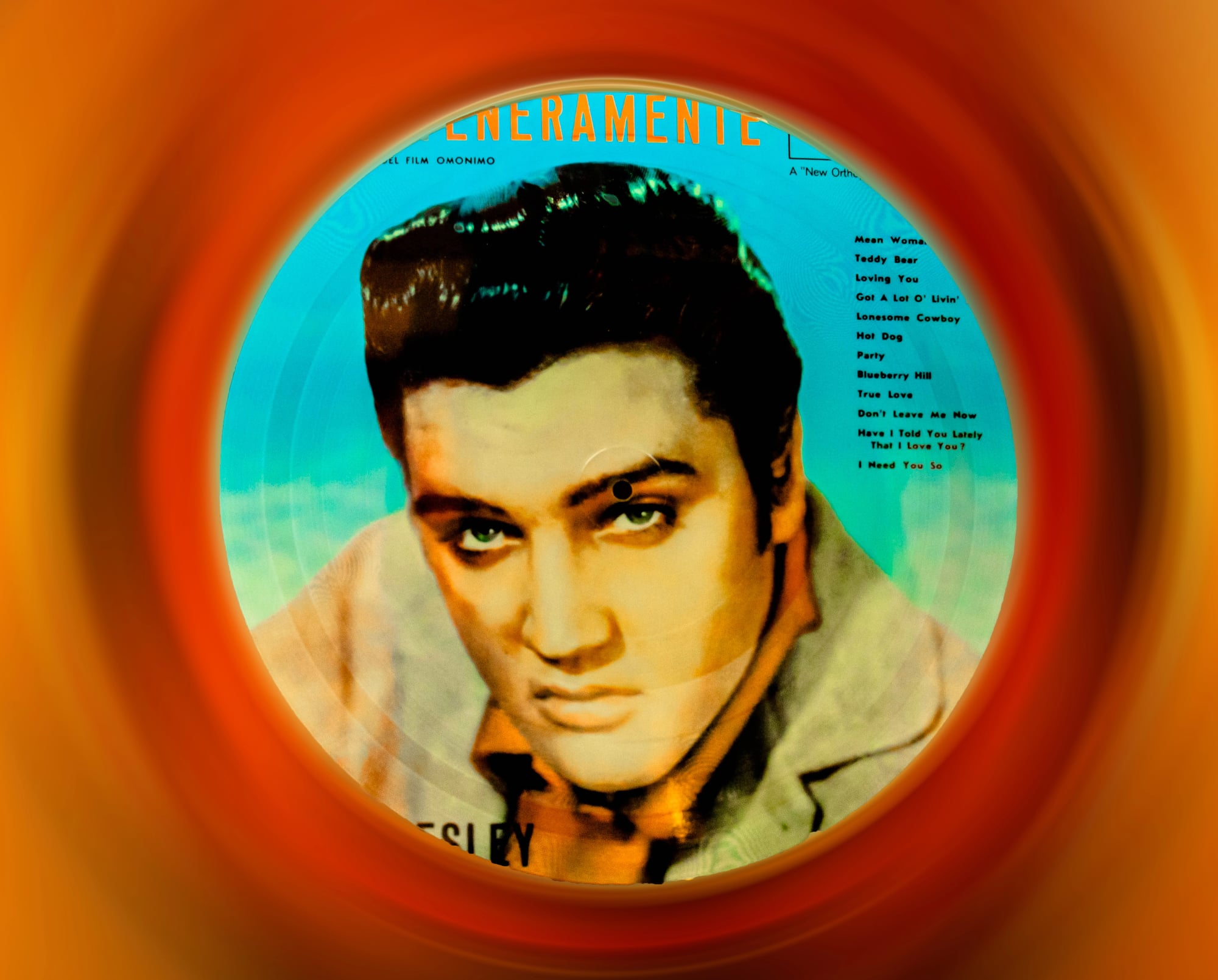
The King of Rock and Roll’s final words were spoken to his girlfriend Ginger Alden as he headed to his bathroom at Graceland: “I’m going to the bathroom to read.”
Found hours later, Elvis had died alone with a book in his hands (though some accounts dispute whether it was a book or a magazine — death strips away even the small details we think we know).
And yet the image of the world’s most famous entertainer dying in such an ordinary, private moment reveals how isolated he had become.
Heath Ledger
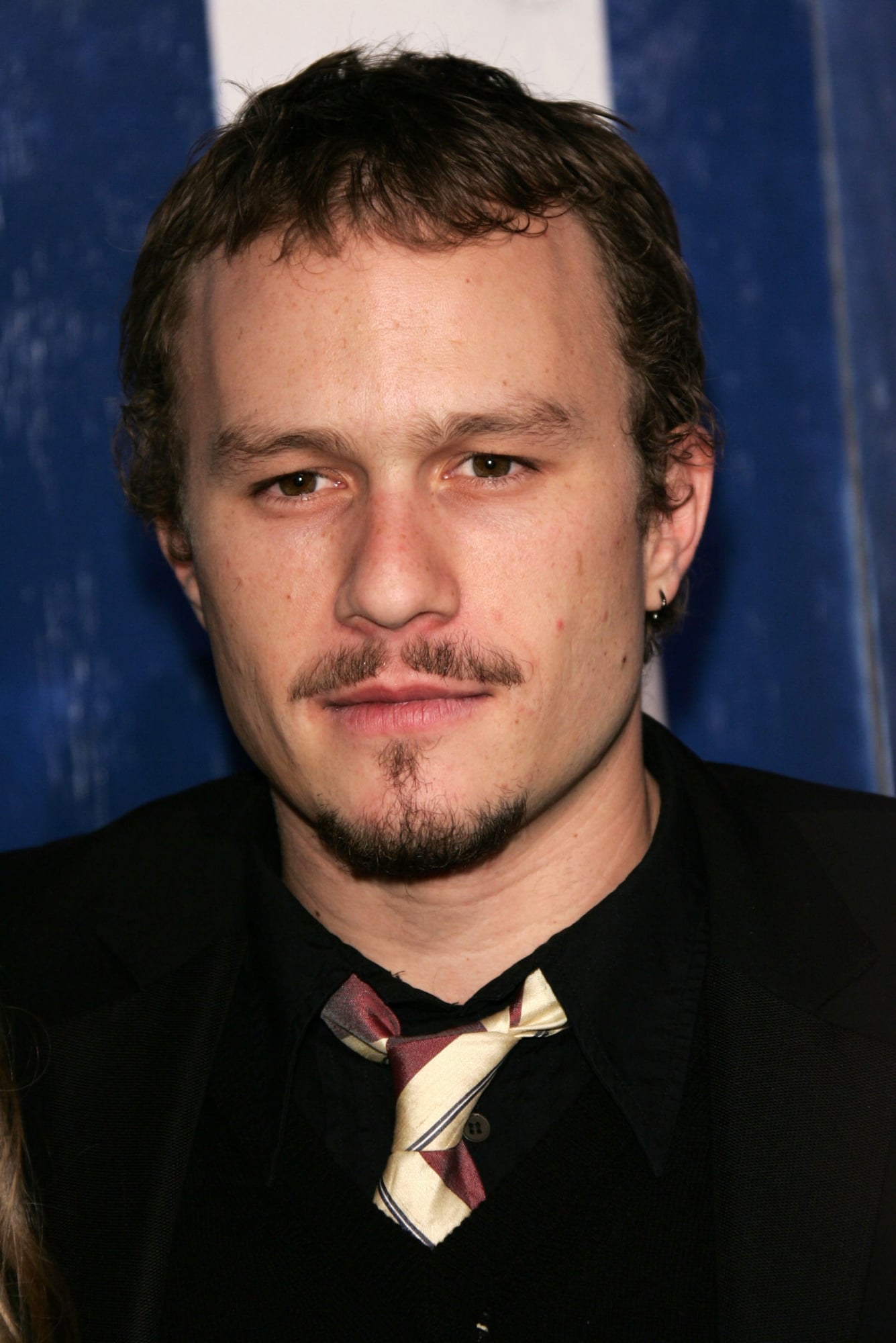
The young actor’s last known words were spoken to his masseuse over the phone: “Come over later.”
When she arrived at his apartment and found him unconscious, she called for help, but it was too late. But what haunts people about Ledger’s death isn’t just the words themselves — it’s the knowledge that he was reaching out for human contact in what would be his final hours, and that connection arrived just moments after it was no longer possible.
Beethoven
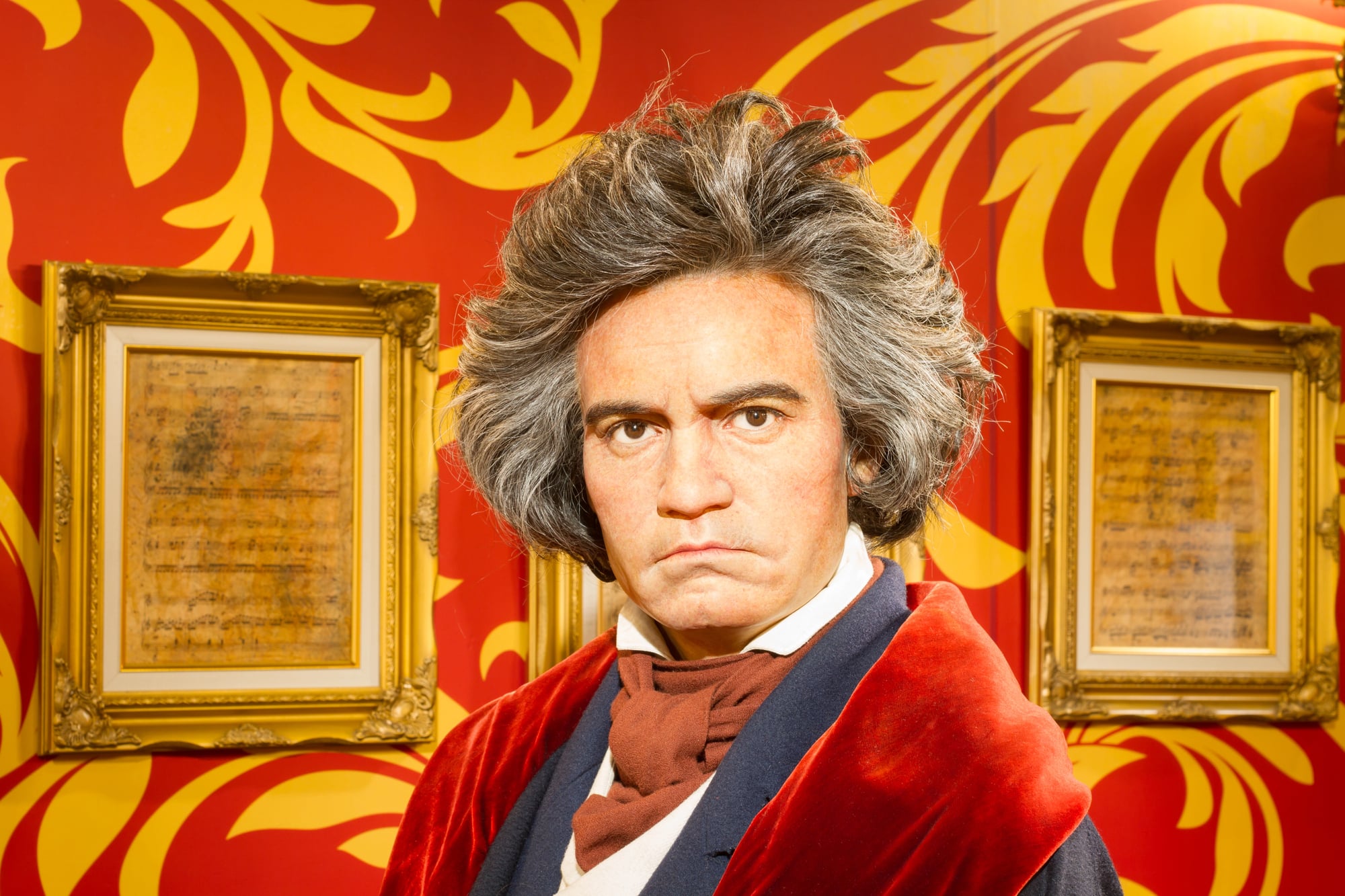
Friends had brought the deaf composer wine during his final illness. After drinking some, Ludwig van Beethoven raised his fist and declared, “Pity, pity, too late!”
Whether he was referring to the wine, his lost hearing, or life itself remains unclear. The ambiguity makes his final statement all the more powerful.
Virginia Woolf
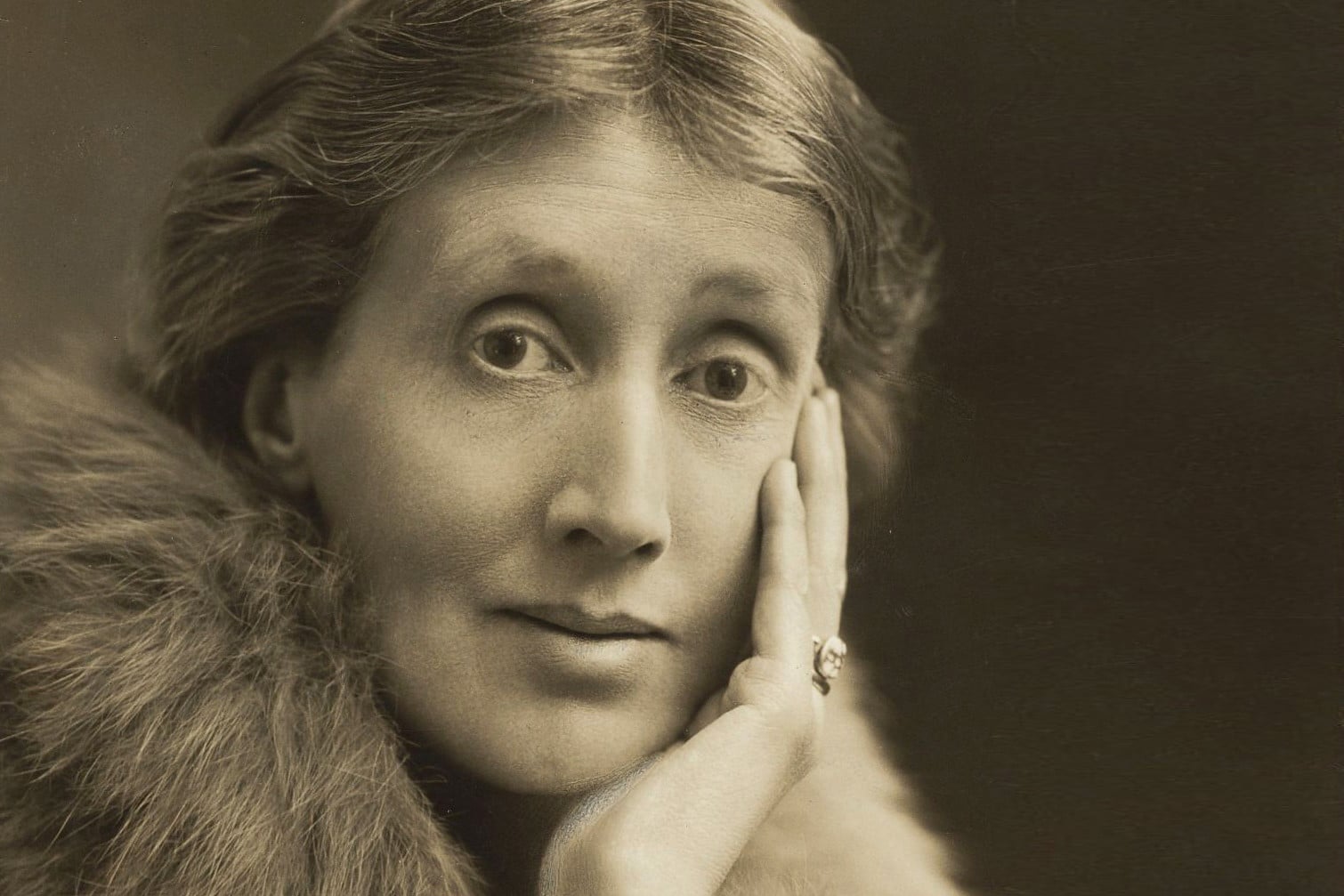
Before walking into the River Ouse with stones in her pockets, the brilliant author left a note for her husband Leonard that ended with: “I don’t think two people could have been happier than we have been.”
The devastating irony is that her final written words expressed gratitude for love and happiness, even as her mental illness had made life unbearable.
Groucho Marx
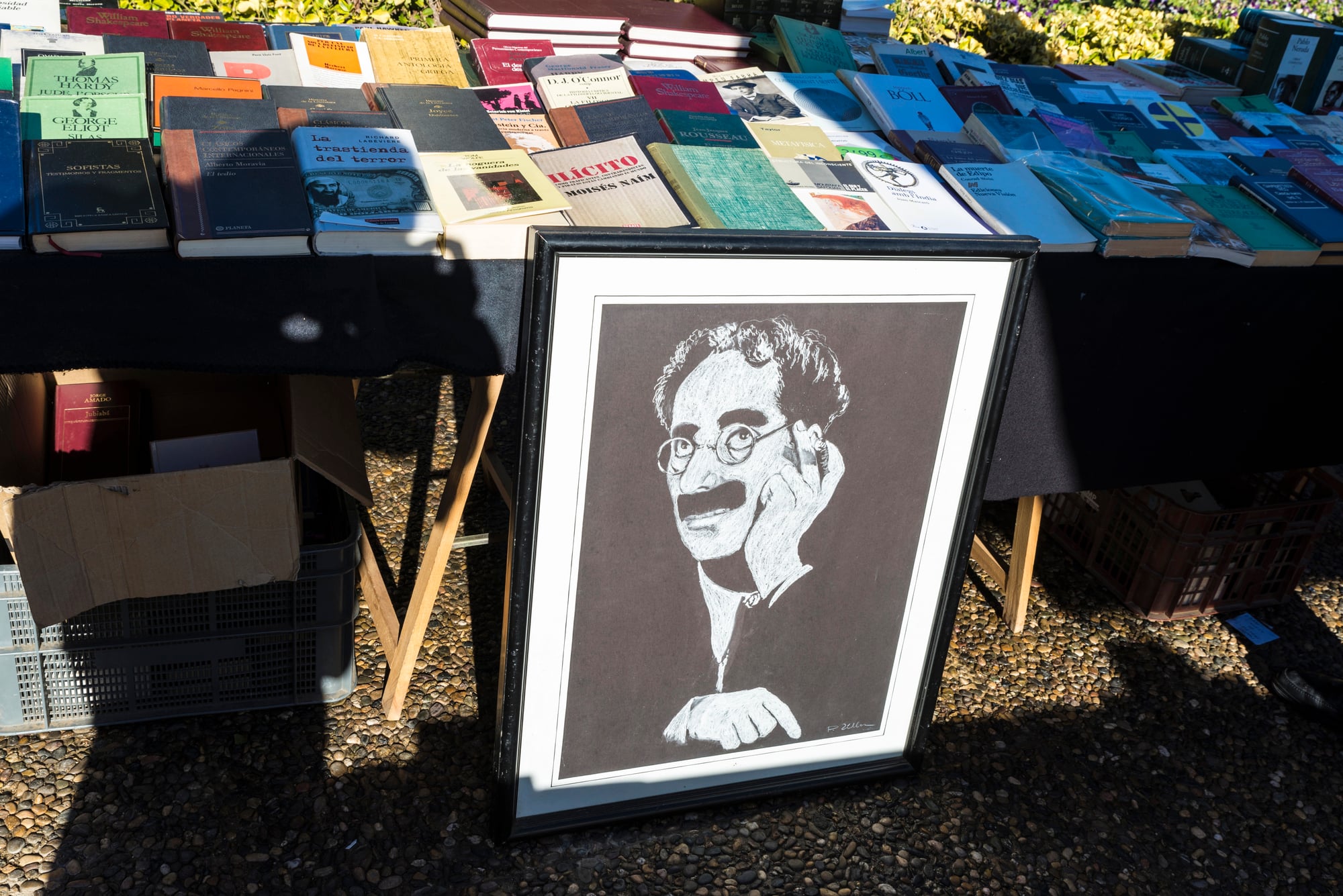
The comedian’s last words were perfectly on-brand: “This is no way to live!”
Even dying, Groucho Marx found a way to deliver a punchline. His timing remained impeccable to the very end.
Frank Sinatra
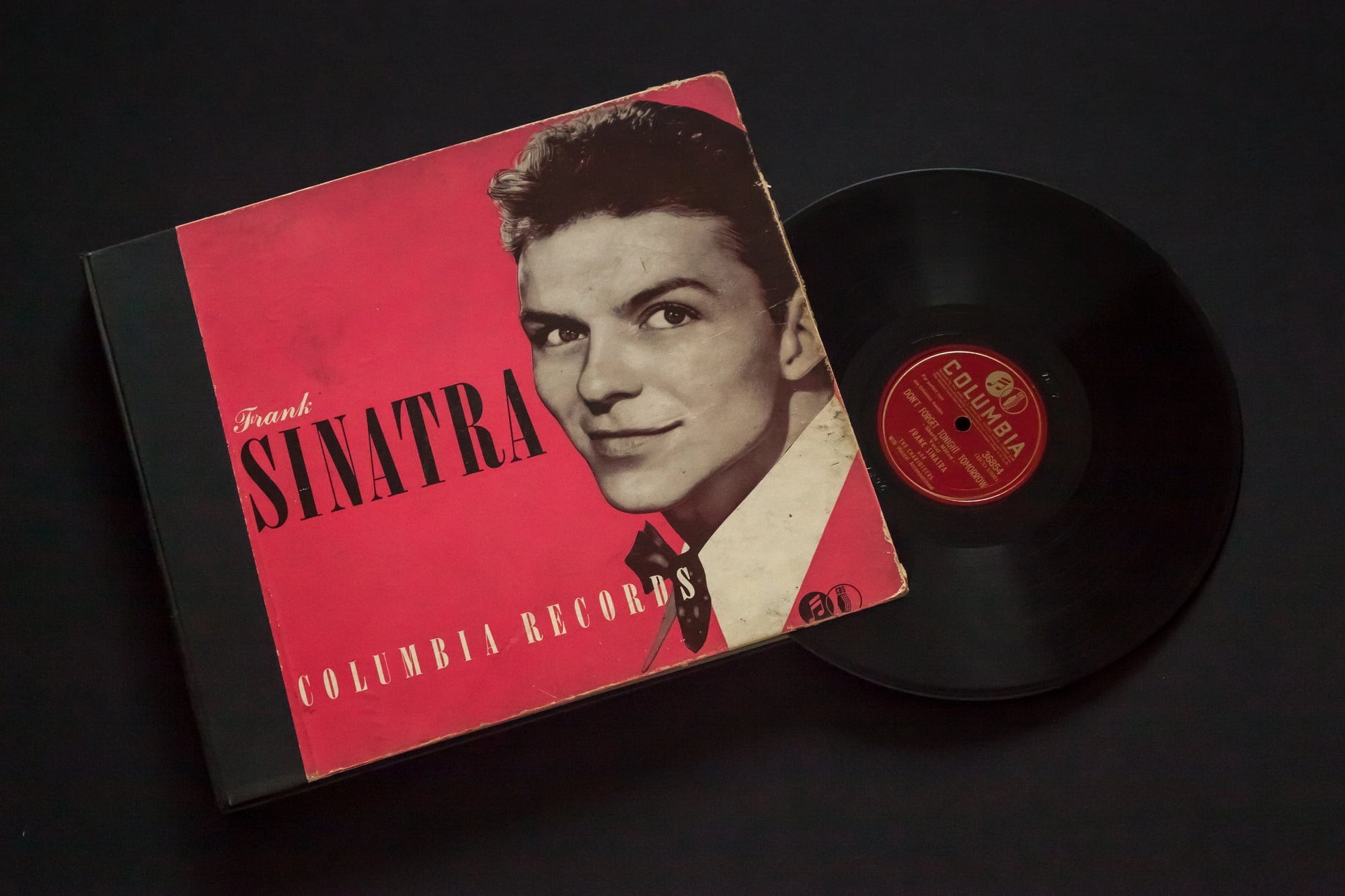
Ol’ Blue Eyes spoke his final words to his wife Barbara: “I’m losing.”
For a man who had spent his entire career projecting confidence and control, this admission of defeat carries particular weight. So does the fact that he recognized what was happening and chose to name it plainly rather than fight it with bravado.
Winston Churchill
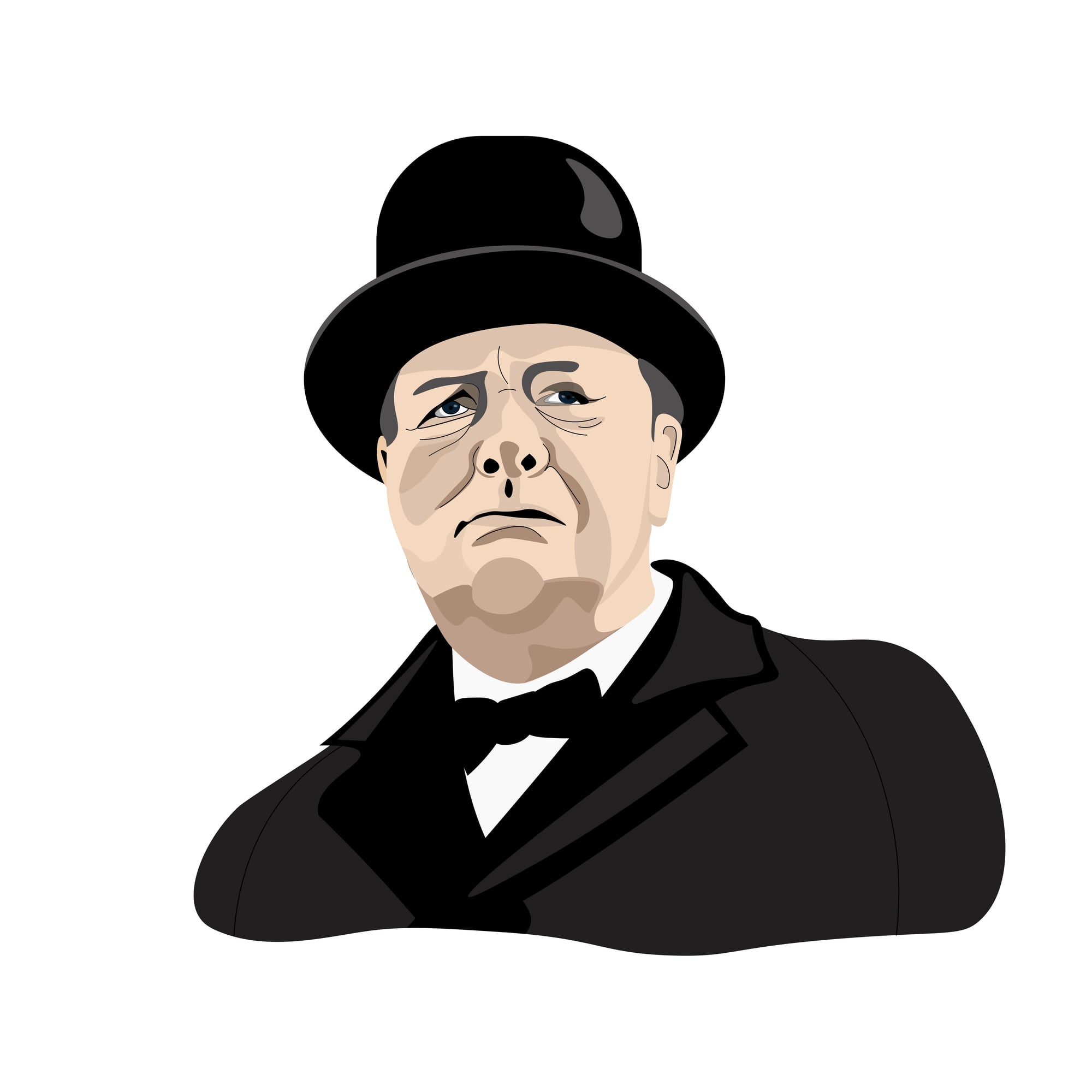
The great British Prime Minister hadn’t spoken for several days when he finally whispered: “I’m bored with it all.”
Coming from a man who had lived through two world wars and shaped the course of history, this expression of weariness feels both deeply human and profoundly sad, because it suggests that even the most eventful life can eventually feel empty (though some historians dispute whether these were truly his final words, the sentiment captures something essential about how even great leaders face their mortality).
The man who had rallied a nation with stirring speeches ended with a quiet complaint about tedium.
Princess Diana
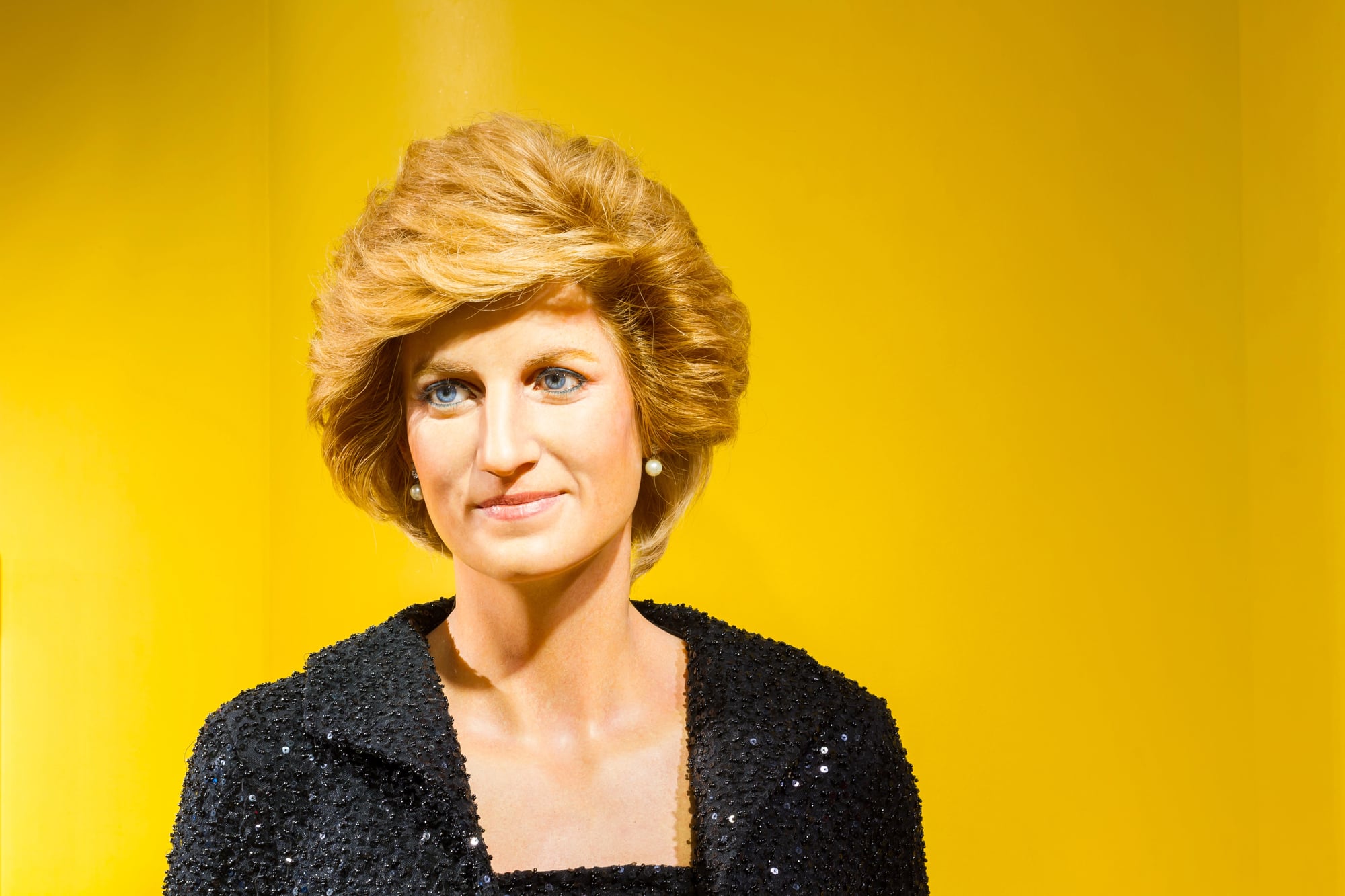
The People’s Princess spoke her last words to firefighter Xavier Gourmelon as he worked to free her from the wreckage in the Paris tunnel: “My God, what’s happened?”
She seemed unaware of the severity of her injuries and died shortly after arriving at the hospital. Her confusion in those final moments adds another layer of tragedy to her death.
James Dean
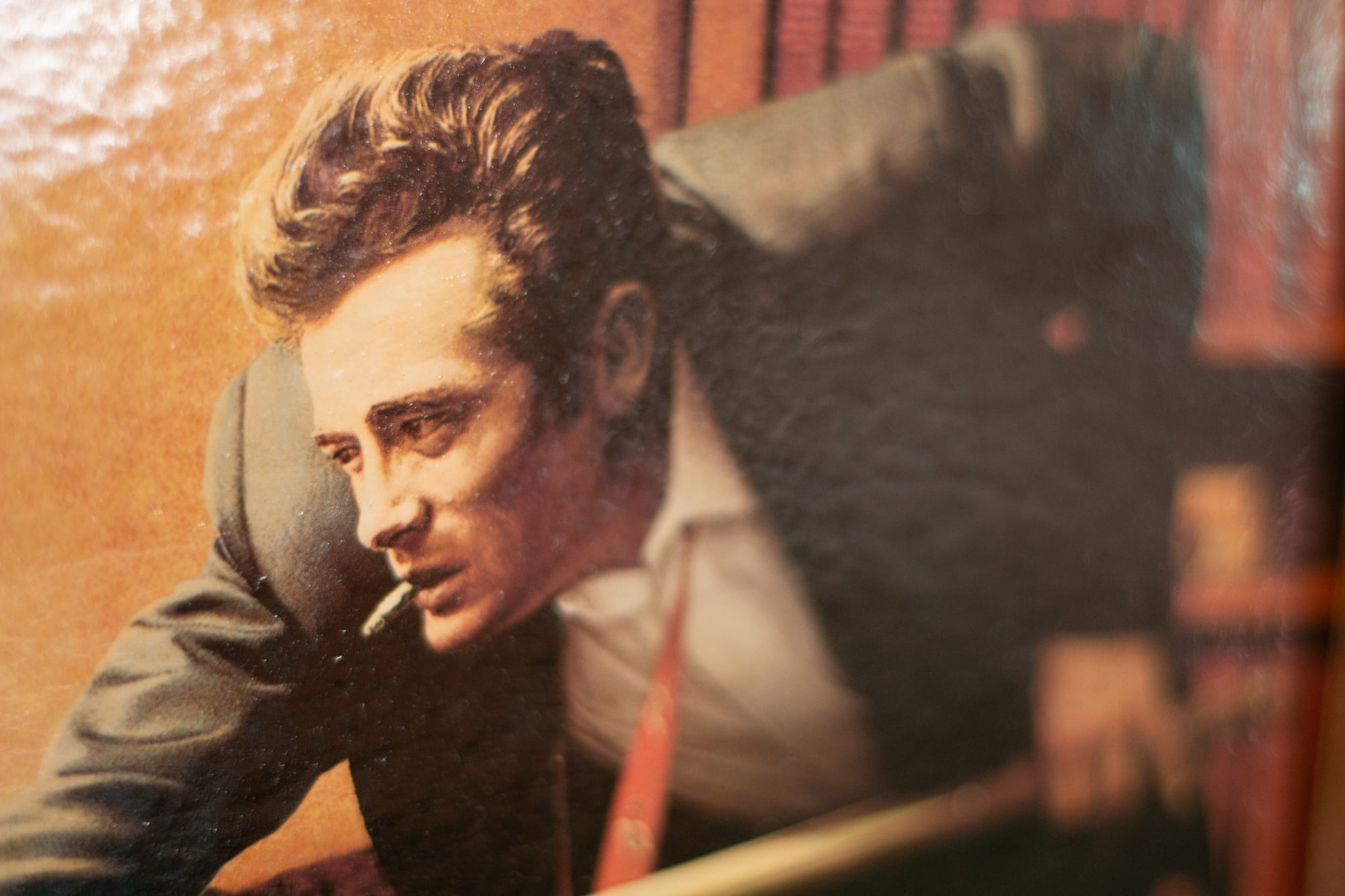
The young actor’s final words were spoken to his mechanic as they prepared for a drive in his new Porsche 550 Spyder: “That guy’s got to stop. He’ll see us.”
Minutes later, another driver turned left in front of them, causing the crash that killed the 24-year-old icon. Dean’s last words were about danger he could see coming but couldn’t avoid.
Al Capone
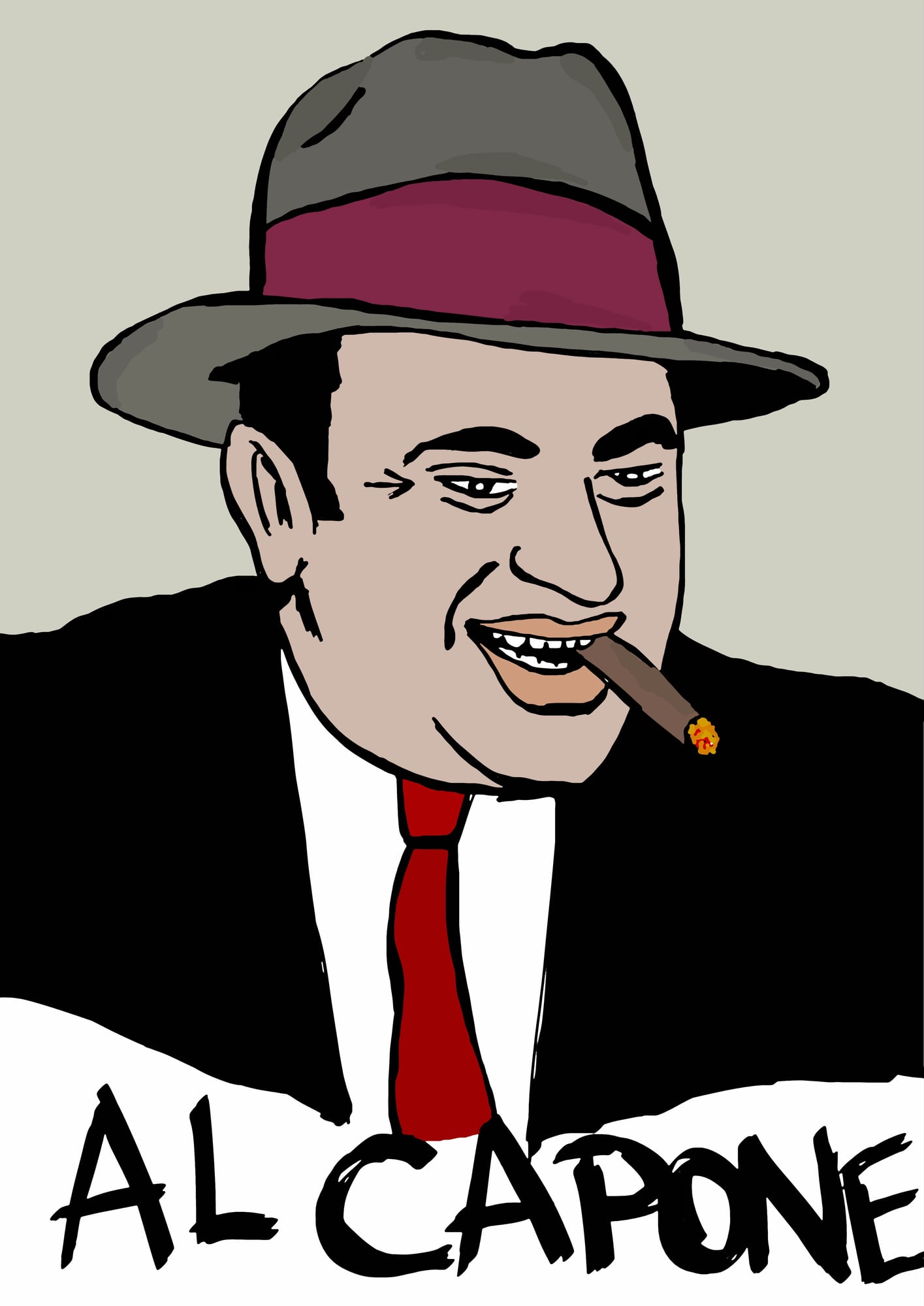
The notorious gangster’s final words were surprisingly mundane. Delirious from fever, he mumbled: “You can get much further with a kind word and a gun than you can with a kind word alone.”
This saying had become his trademark philosophy, and his mind returned to it as he died. Violence had defined his life, and it echoed in his final thoughts.
Napoleon Bonaparte
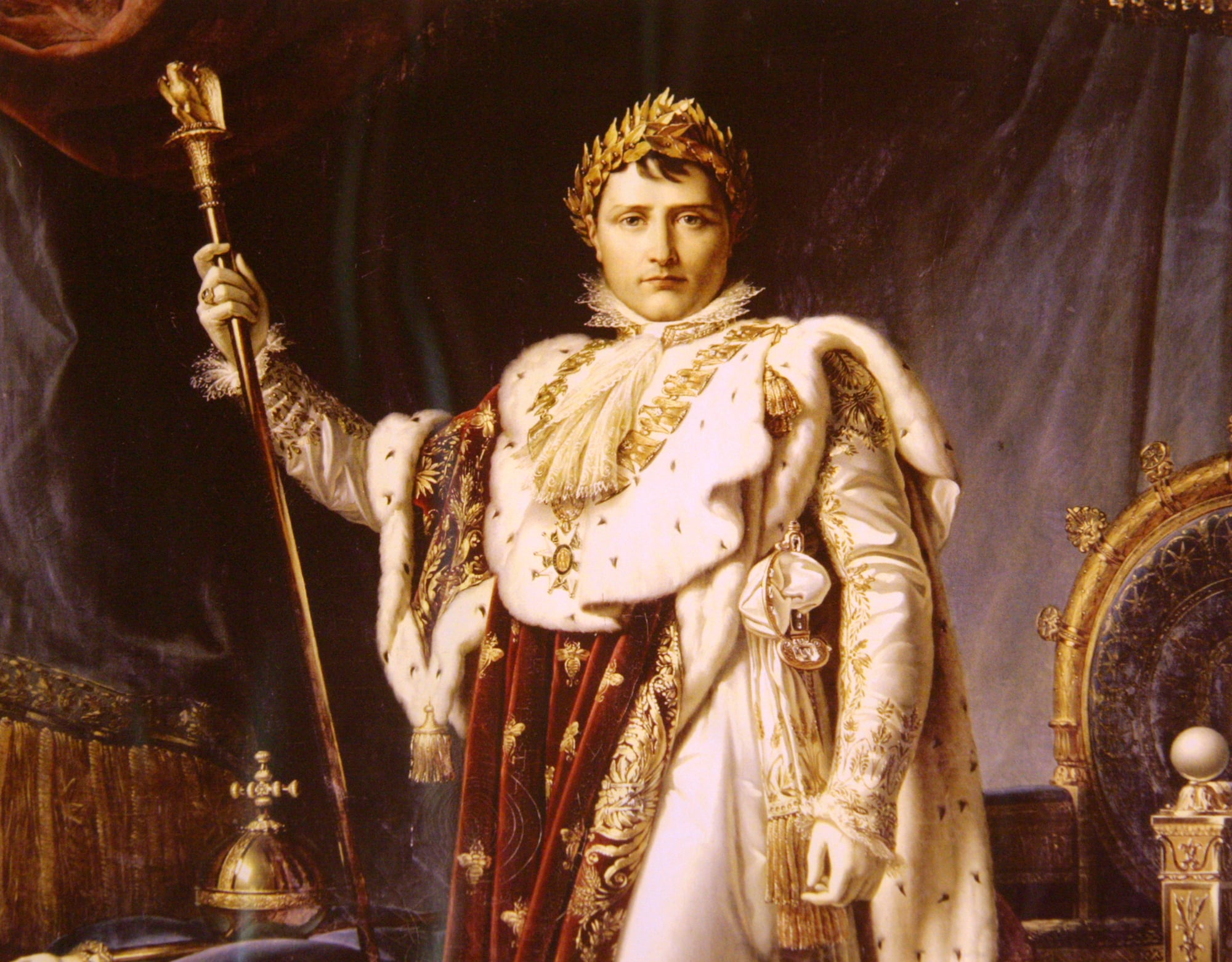
The French Emperor’s last words remain disputed, but the most commonly reported version is: “France, army, head of the army, Joséphine.”
Even in death, his thoughts returned to the three things that had shaped his extraordinary life — his country, his military career, and his first wife.
The fragmented nature of these final words suggests a mind grasping at the most important elements of a remarkable existence.
Nostradamus
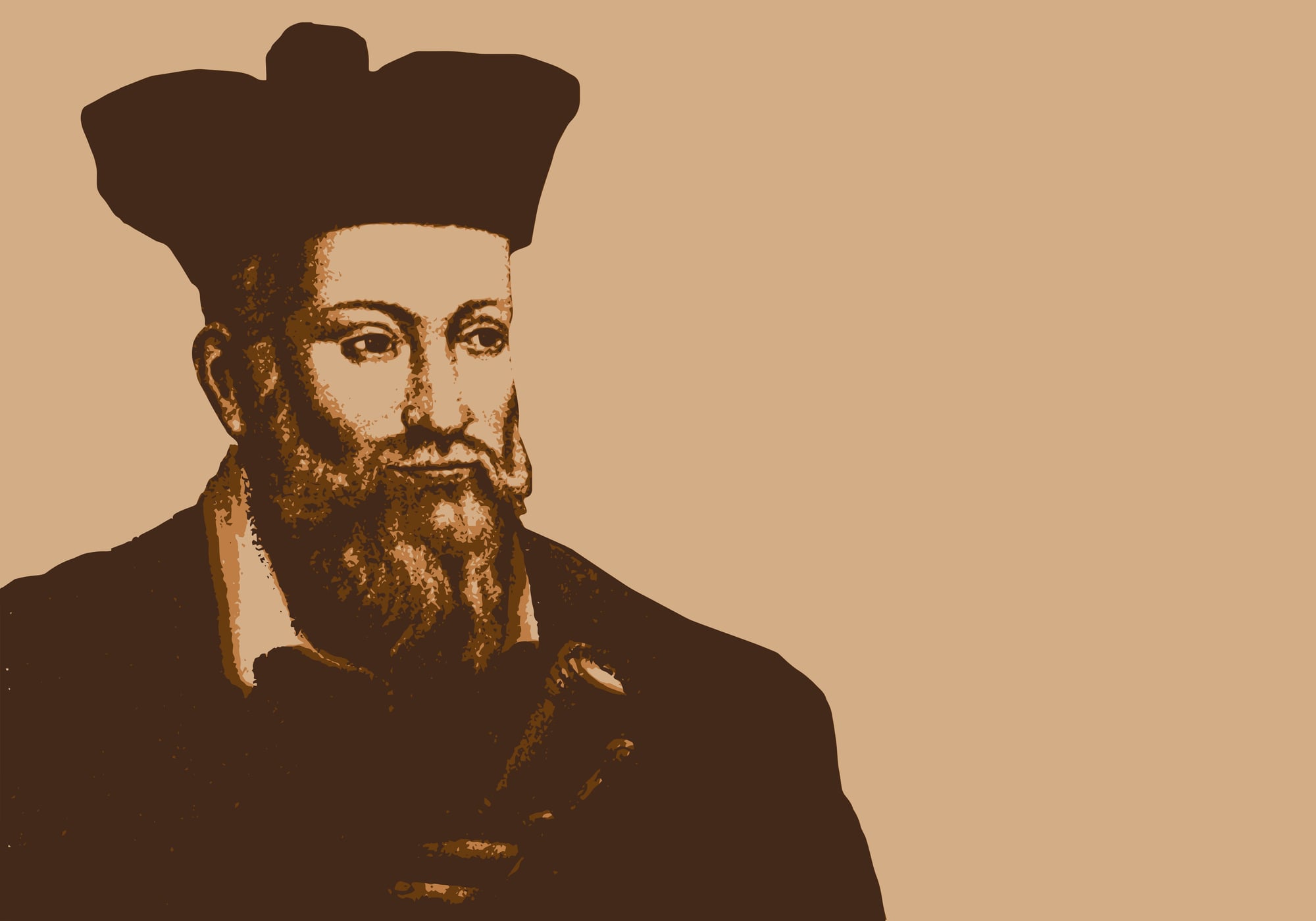
The famous prophet made one final prediction about his own death, telling his secretary: “Tomorrow, at sunrise, I shall no longer be here.”
He was found dead the next morning exactly as he had predicted. Whether this was genuine prophecy or simply a dying man’s awareness of his condition, it remains one of the most chilling final statements in history.
Words That Echo Forward

These final statements linger in our collective memory not just because of who spoke them, but because they capture something universal about the human experience of mortality.
Some reveal character traits that persisted until the very end — Wilde’s wit, Churchill’s weariness, Groucho’s humor. Others show confusion, fear, or acceptance.
A few demonstrate remarkable presence of mind in the face of death. What strikes most people about these last words is how ordinary many of them sound.
The famous die much like everyone else — sometimes with profound insights, sometimes with mundane observations, often with words that would mean nothing if they weren’t final.
That ordinariness might be the most chilling aspect of all, reminding us that death comes for everyone, regardless of fame, fortune, or achievement.
More from Go2Tutors!

- The Romanov Crown Jewels and Their Tragic Fate
- 13 Historical Mysteries That Science Still Can’t Solve
- Famous Hoaxes That Fooled the World for Years
- 15 Child Stars with Tragic Adult Lives
- 16 Famous Jewelry Pieces in History
Like Go2Tutors’s content? Follow us on MSN.