17 American Towns That Have Changed Drastically
Change is the only constant in America, and nowhere is this more evident than in the towns scattered across the country. From booming mining settlements that turned into ghost towns overnight to sleepy agricultural communities that transformed into tech hubs, these places tell stories of resilience, adaptation, and sometimes complete reinvention.
Here is a list of 17 American towns that have undergone remarkable transformations, each offering a unique glimpse into how communities evolve with the times.
Detroit, Michigan
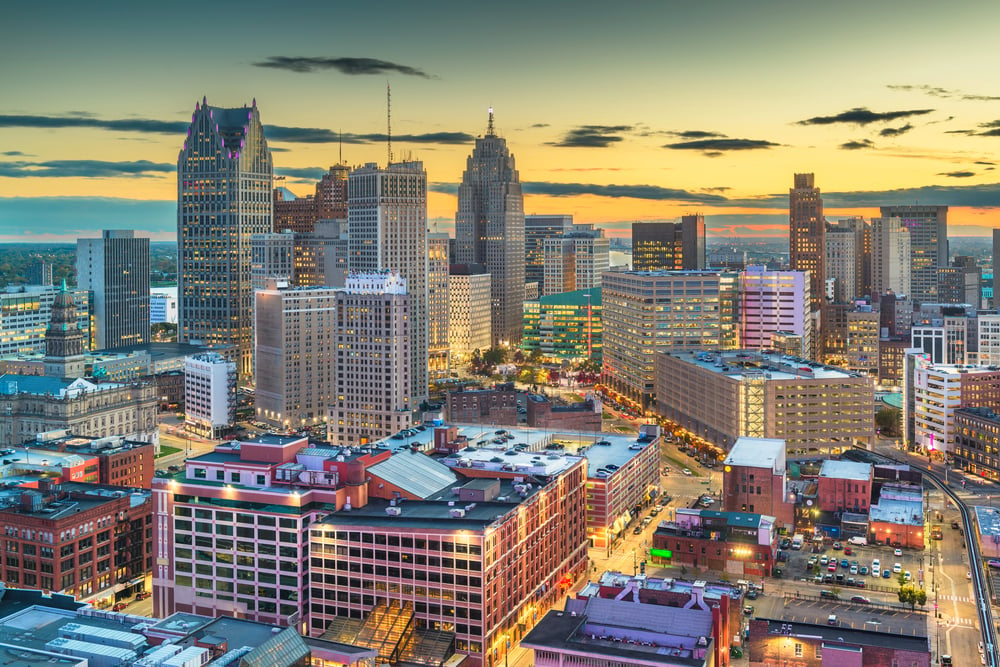
Detroit once stood as the undisputed king of American manufacturing, earning the nickname ‘Motor City’ when it housed the headquarters of General Motors, Ford, and Chrysler. The city’s population peaked at nearly 2 million residents in the 1950s, with bustling factories and thriving neighborhoods.
Today, Detroit has shrunk to around 630,000 people, but it’s experiencing a renaissance as artists, entrepreneurs, and urban farmers breathe new life into abandoned buildings and empty lots.
Aspen, Colorado
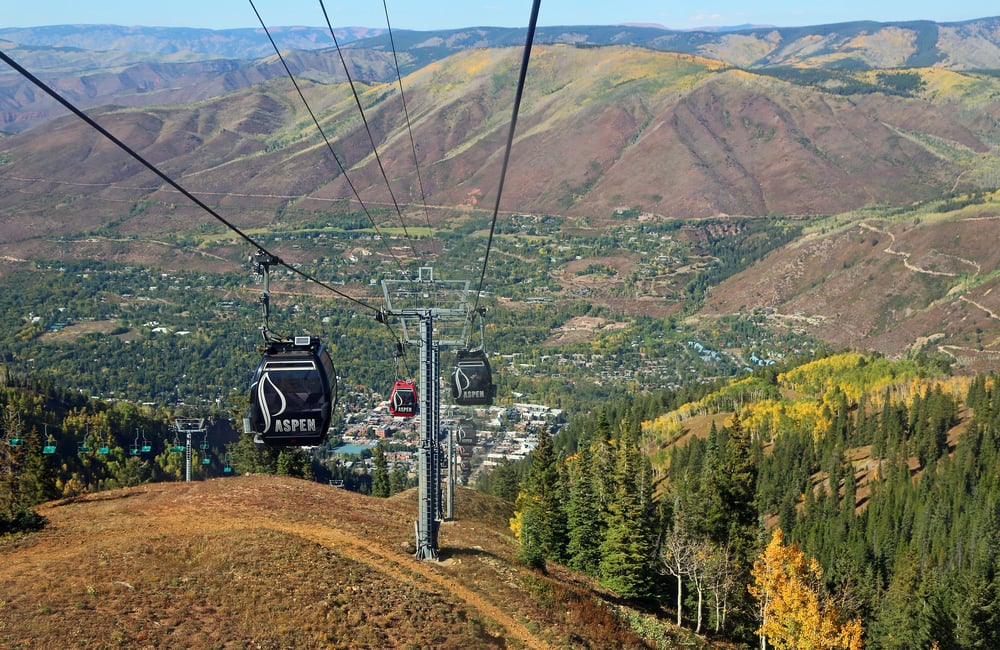
Aspen began as a rough-and-tumble silver mining town in the 1880s, where miners worked dangerous shifts and lived in basic wooden structures. When the silver market crashed in 1893, the town nearly disappeared, with the population dropping from 12,000 to just 700 people.
The transformation into a world-class ski resort began in the 1940s, and now Aspen is synonymous with luxury, attracting celebrities and wealthy visitors who pay premium prices for mountain access.
Like Go2Tutors’s content? Follow us on MSN.
Las Vegas, Nevada
— Photo by sepavone
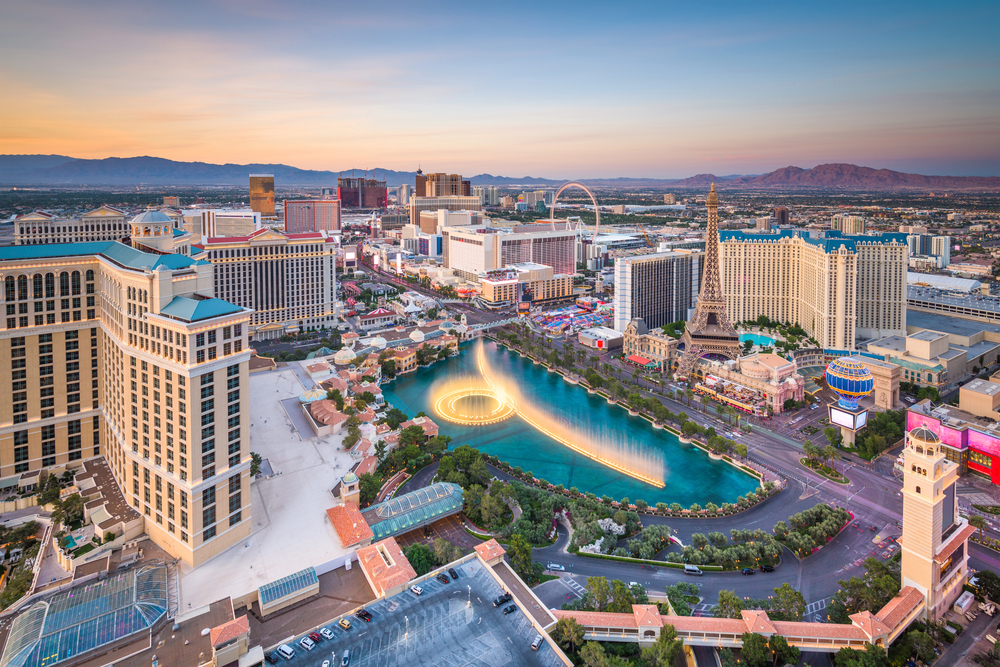
Las Vegas started as a small railroad town in the early 1900s, serving as a water stop for trains crossing the desert. The legalization of gambling in 1931 sparked the first wave of change, but the real transformation came in the 1940s and 1950s when organized crime figures built elaborate casinos.
Today’s Las Vegas is a family-friendly entertainment destination that hosts 40 million visitors annually, complete with themed hotels, world-class shows, and dining experiences that extend far beyond gambling.
Celebration, Florida
— Photo by Cristian_Lourenco
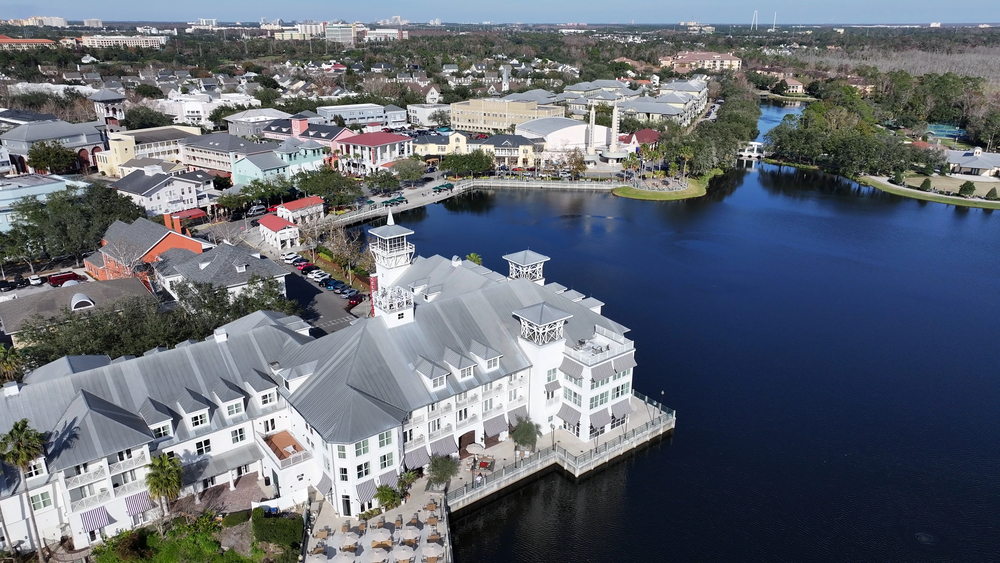
Celebration represents one of the most dramatic transformations from concept to reality, as Disney created this entire town from scratch in the 1990s. The area was previously orange groves and swampland until Disney imagined a perfect American community with white picket fences and tree-lined streets.
The town now houses about 11,000 residents who live in a carefully planned environment where architectural styles are regulated and community events are organized year-round.
Deadwood, South Dakota
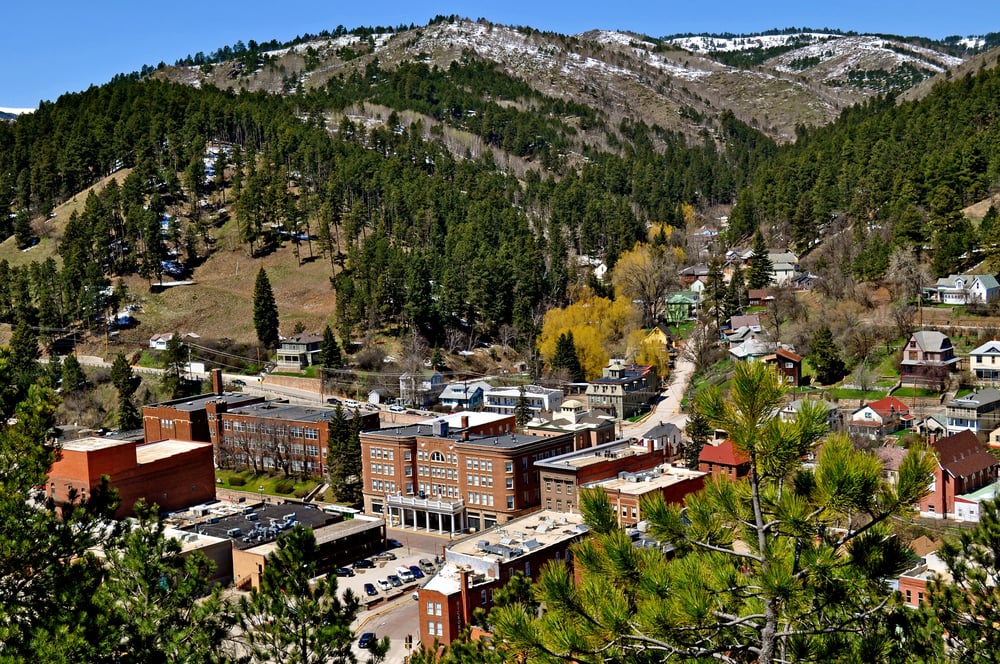
Deadwood exploded into existence during the 1876 gold rush, becoming a lawless frontier town where Wild Bill Hickok met his end at a poker table. The town’s population swelled to 25,000 prospectors, gamblers, and merchants before the gold ran out and most residents moved on.
Modern Deadwood has reinvented itself as a tourist destination that capitalizes on its Wild West history while offering legalized gambling to visitors seeking both entertainment and historical experience.
Like Go2Tutors’s content? Follow us on MSN.
Telluride, Colorado
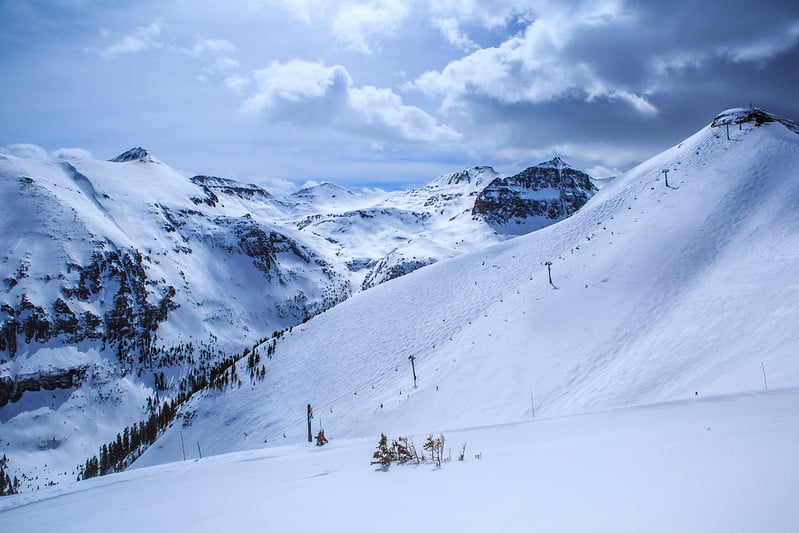
Telluride began as an isolated mining camp in the 1870s, accessible only by treacherous mountain passes that kept the outside world at bay. The town’s remote location made it a perfect hideout for outlaws like Butch Cassidy, who robbed his first bank here in 1889.
When skiing arrived in the 1970s, Telluride transformed into an exclusive resort destination where Hollywood stars and tech executives own multimillion-dollar homes with stunning mountain views.
Branson, Missouri
— Photo by sainaniritu
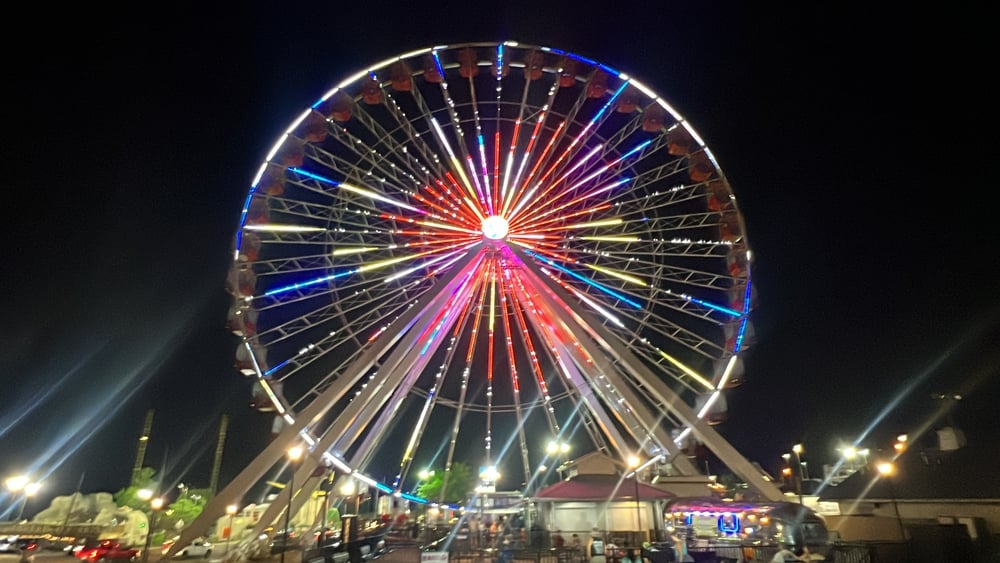
Branson started as a quiet Ozark Mountains town where local families farmed and fished along the White River. The transformation began in the 1960s when country music performers started opening theaters, creating a unique entertainment destination in rural Missouri.
Today, Branson attracts millions of visitors annually to its 50-plus theaters, theme parks, and attractions, earning the nickname ‘Nashville of the Ozarks’ for its concentration of live music venues.
Napa, California
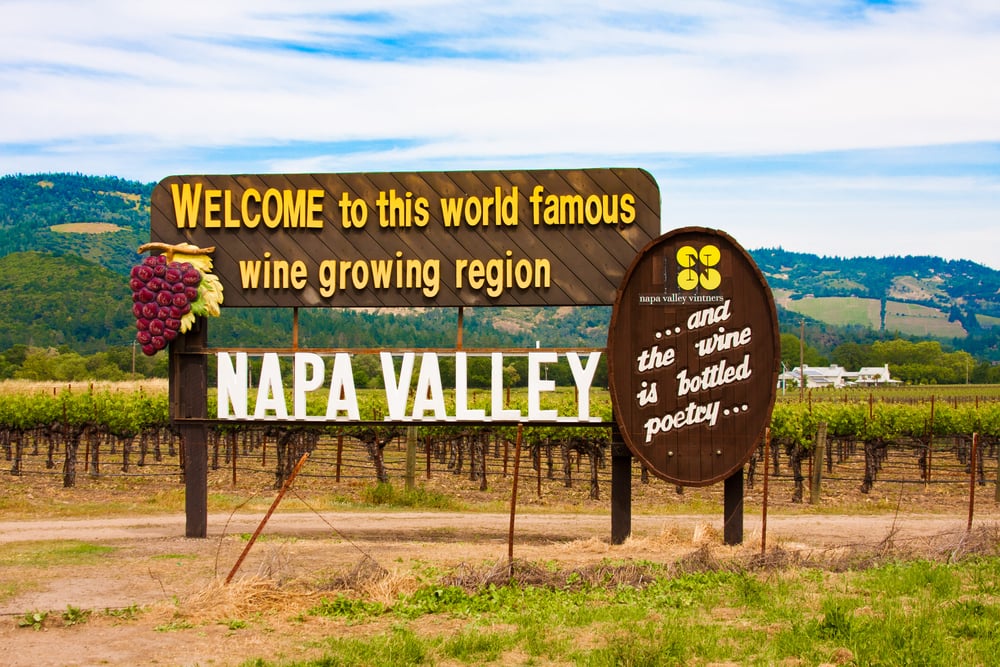
Napa functioned as an agricultural town focused on prunes, walnuts, and cattle ranching until the 1960s, when a few pioneering families began planting wine grapes. The 1976 Paris wine tasting put Napa Valley on the global map when local wines defeated French competitors in a blind taste test.
The region now generates billions in tourism revenue as visitors flock to world-renowned wineries, high-end restaurants, and luxury resorts that dot the valley floor.
Like Go2Tutors’s content? Follow us on MSN.
Jackson, Wyoming
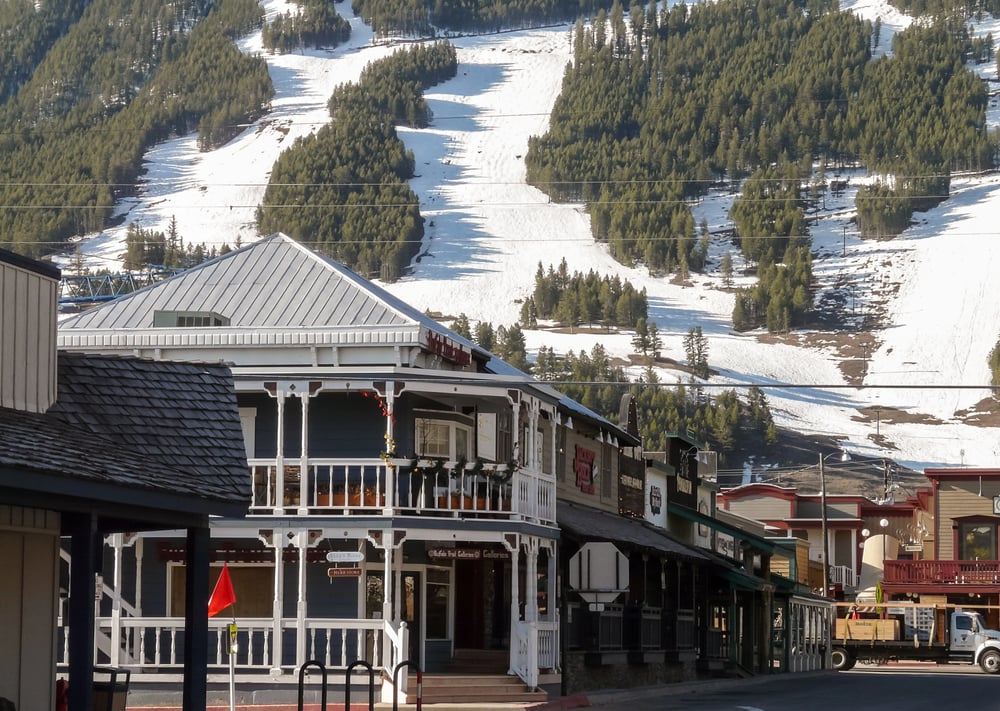
— Photo by WitGorski
Jackson began as a ranching and farming community in the late 1800s, where cowboys herded cattle through the valley surrounded by the Teton Mountains. The town remained relatively isolated until the 1960s when skiing and tourism began attracting wealthy visitors seeking mountain adventures.
Modern Jackson has become one of America’s most expensive small towns, where celebrities and billionaires own sprawling ranches while local workers struggle to afford housing.
Stamford, Connecticut
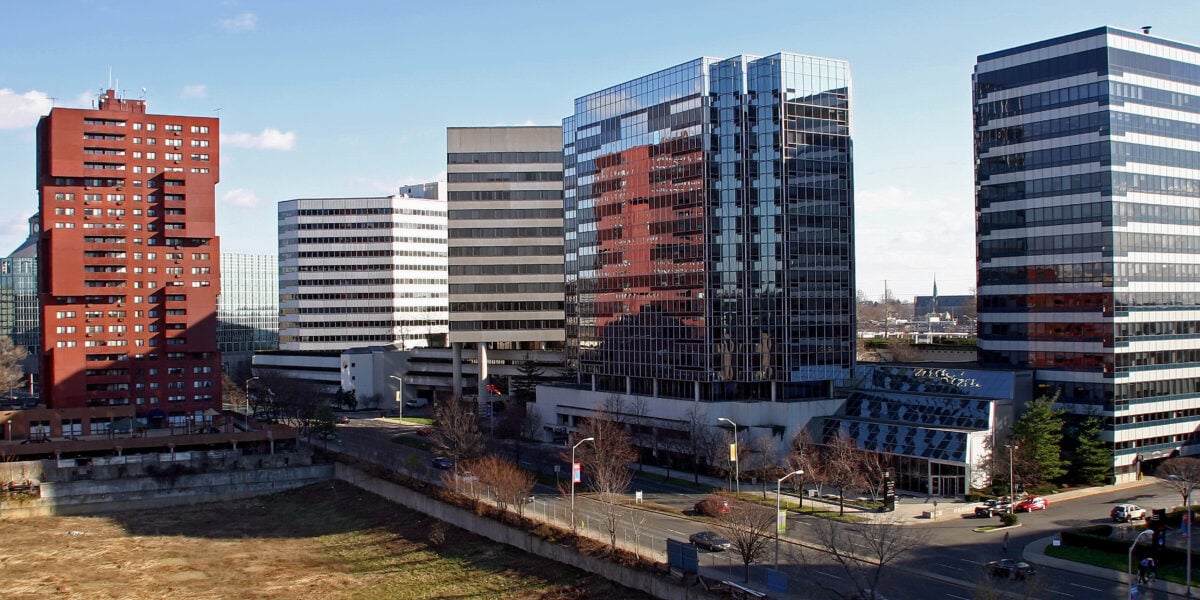
— Photo by tdezenzio
Stamford operated as a quiet suburban bedroom community for New York City workers until the 1960s, when major corporations began relocating their headquarters to take advantage of lower taxes and costs. The transformation accelerated in the 1980s as financial services companies built gleaming office towers throughout downtown.
Today, Stamford houses more Fortune 500 companies per capita than almost any other American city, creating a bustling business district that rivals many larger metropolitan areas.
Williamsburg, Virginia
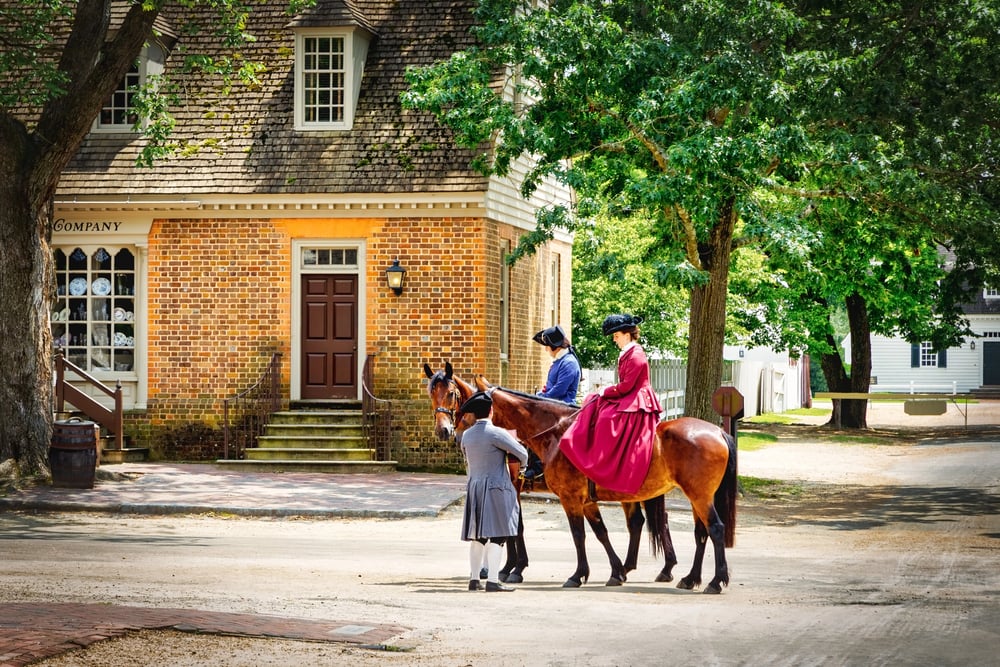
— Photo by BillChizekPhotography@gmail.com
Williamsburg served as Virginia’s colonial capital until 1780, when the government moved to Richmond and the town faded into obscurity. For 150 years, it remained a sleepy college town centered around the College of William and Mary, with little to distinguish it from other small Virginia communities.
The Rockefeller family’s massive restoration project in the 1920s recreated colonial Williamsburg, turning the town into America’s premier historical tourism destination where costumed interpreters demonstrate 18th-century life.
Like Go2Tutors’s content? Follow us on MSN.
Park City, Utah
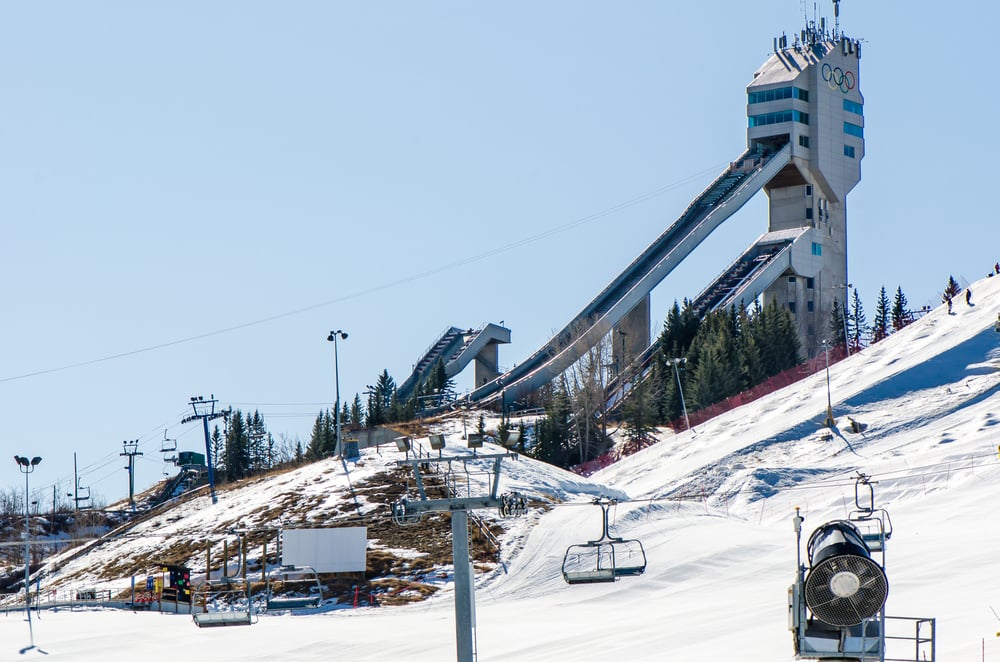
Park City thrived as a silver mining town in the late 1800s, when the Ontario Mine produced millions of dollars in ore and supported a population of 10,000 residents. The mines closed during the Great Depression, leaving behind a nearly abandoned town with boarded-up buildings and empty streets.
The 1963 opening of Park City Mountain Resort launched the transformation into a world-class skiing destination, and hosting events during the 2002 Winter Olympics cemented its reputation as a premier mountain resort.
Bend, Oregon
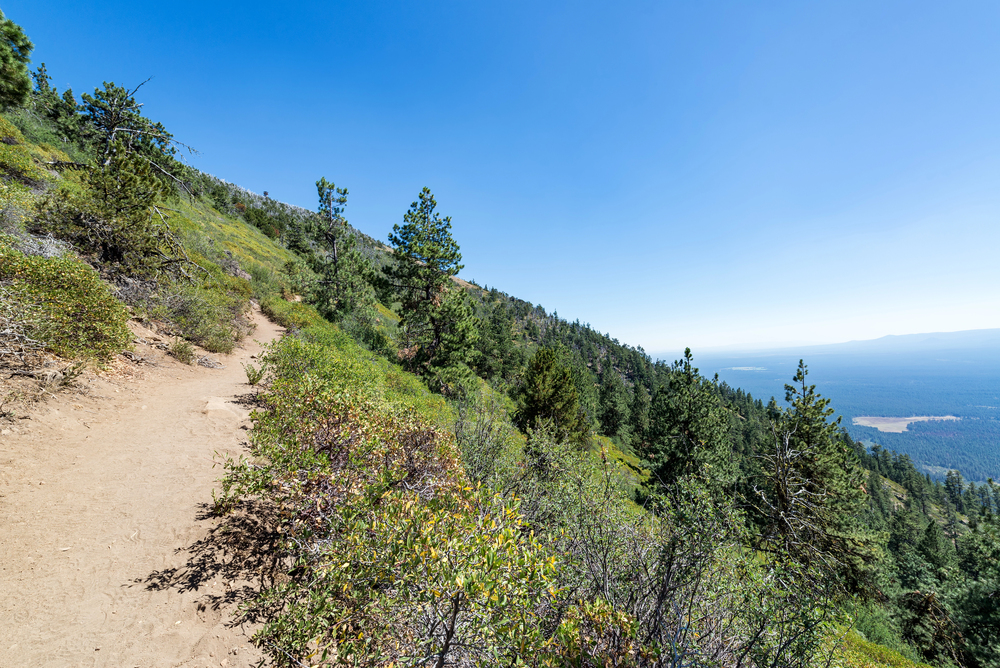
Bend existed as a small logging town in the early 1900s, where timber workers lived in company housing and the economy depended entirely on cutting down Ponderosa pines. The lumber industry declined in the 1980s, leaving Bend searching for a new economic foundation in the high desert of central Oregon.
The town has transformed into an outdoor recreation paradise that attracts retirees, tech workers, and adventure seekers who come for year-round hiking, skiing, and craft beer culture.
Savannah, Georgia
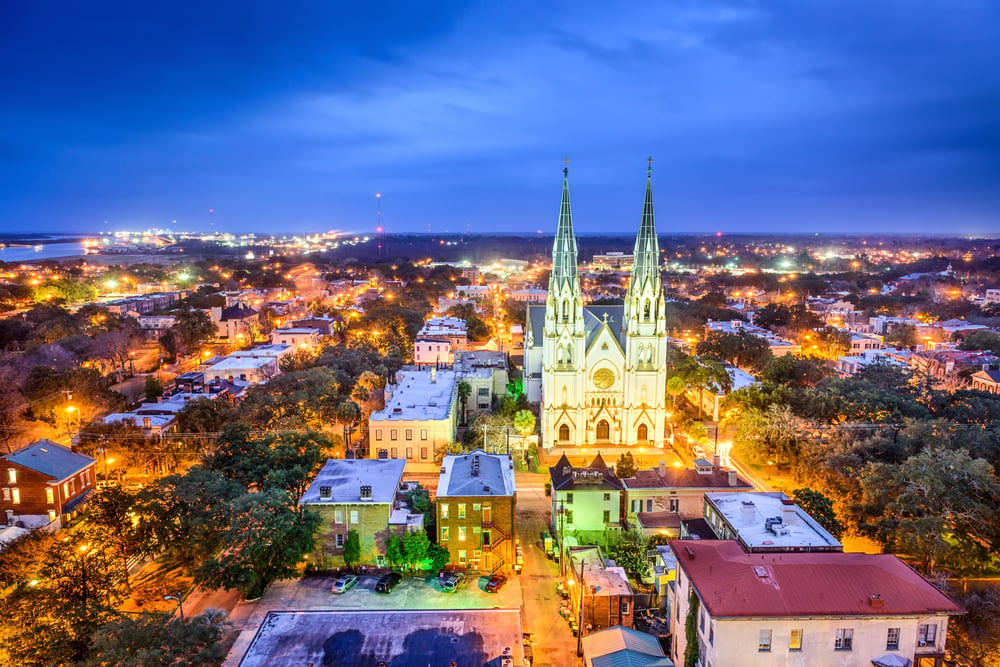
Savannah served as a major cotton port in the 1800s but fell into economic decline and urban decay by the 1950s, when many historic buildings faced demolition. The city’s transformation began in the 1960s when preservation advocates saved the historic district from destruction, recognizing the value of its antebellum architecture.
Modern Savannah attracts millions of tourists annually who come to explore its haunted squares, take carriage rides through moss-draped streets, and experience Southern hospitality in carefully restored historic buildings.
Like Go2Tutors’s content? Follow us on MSN.
Scottsdale, Arizona
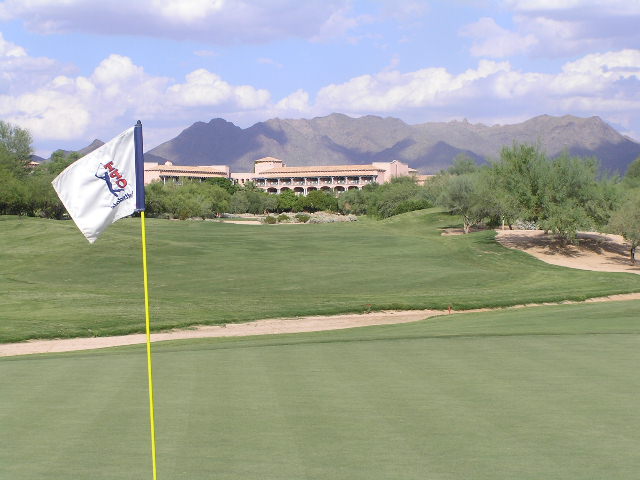
Scottsdale began as a small desert farming community in the early 1900s, where citrus groves and cotton fields stretched across the Sonoran Desert landscape. The town’s transformation started in the 1950s when retirees began arriving to escape harsh northern winters, drawn by the warm, dry climate.
Today’s Scottsdale is a luxury destination known for high-end resorts, championship golf courses, and upscale shopping that caters to wealthy tourists and winter residents seeking desert sophistication.
Pismo Beach, California
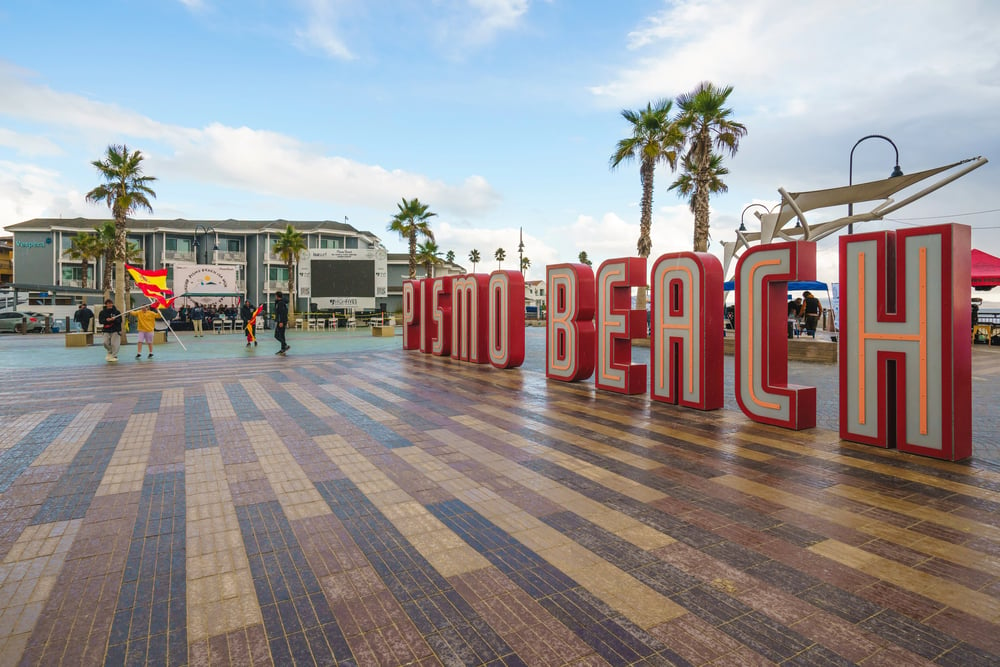
— Photo by hannator
Pismo Beach operated as a quiet agricultural town known for its massive sand dunes and clam beds that attracted local fishermen and farmers. The town remained relatively undiscovered until the 1960s, when surfers and beachgoers began recognizing its perfect waves and expansive coastline.
Modern Pismo Beach has evolved into a popular tourist destination where visitors come to surf, sample local wines, and enjoy fresh seafood while watching spectacular Pacific Ocean sunsets.
Sedona, Arizona
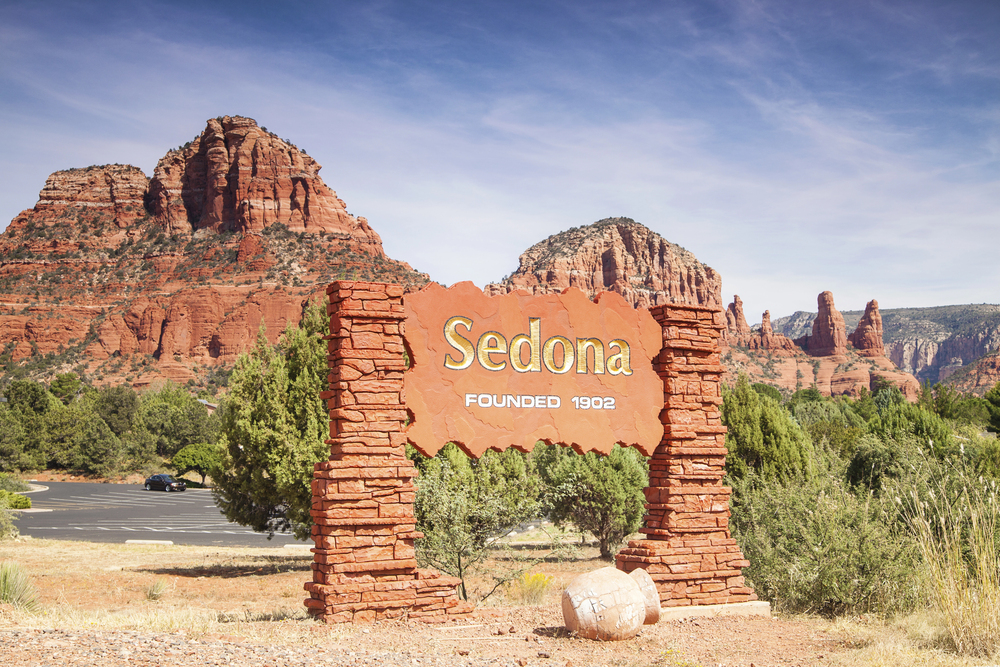
Sedona existed as a small ranching community surrounded by red rock formations that few people outside Arizona knew about or visited. The town’s transformation began in the 1980s when New Age spiritual seekers claimed the area contained powerful energy vortexes that promoted healing and enlightenment.
Today, Sedona attracts millions of visitors annually who come for spiritual retreats, art galleries, luxury spas, and hiking trails that wind through some of America’s most photographed landscapes.
Like Go2Tutors’s content? Follow us on MSN.
From Ghost Towns to Gold Rush

These transformations remind us that American communities possess remarkable adaptability, whether facing economic collapse or unexpected opportunity. The towns that thrive today often bear little resemblance to their original form, having reinvented themselves to meet changing times and new demographics.
While some changes bring prosperity and growth, others leave longtime residents wondering if progress always equals improvement. What remains constant is the American spirit of reinvention, proving that with creativity and determination, even the most unlikely places can write entirely new chapters in their stories.
More from Go2Tutors!

- 16 Historical Figures Who Were Nothing Like You Think
- 12 Things Sold in the 80s That Are Now Illegal
- 15 VHS Tapes That Could Be Worth Thousands
- 17 Historical “What Ifs” That Would Have Changed Everything
- 18 TV Shows That Vanished Without a Finale
Like Go2Tutors’s content? Follow us on MSN.



