17 Chocolate Cities Where Cocoa Rules Everything
Chocolate isn’t just a sweet treat—it’s a cultural force that has shaped entire cities around the world. From the bustling cacao markets of West Africa to the artisanal chocolatiers of Europe, certain places have built their identity around this beloved bean.
These destinations offer everything from factory tours and tastings to festivals celebrating the rich history of cocoa production. Here is a list of 17 chocolate cities where cocoa truly rules everything, each offering its own unique take on the world’s favorite indulgence.
Hershey, Pennsylvania

Hershey literally calls itself ‘The Sweetest Place on Earth,’ and honestly, they’ve earned that title. The entire town revolves around chocolate, with street lights shaped like Hershey’s Kisses and roads named after cocoa varieties.
Milton Hershey built this company town in 1903, and visitors today can tour the original factory, ride chocolate-themed amusement park attractions, and even stay in hotels where the lobby smells perpetually of cocoa.
Bruges, Belgium
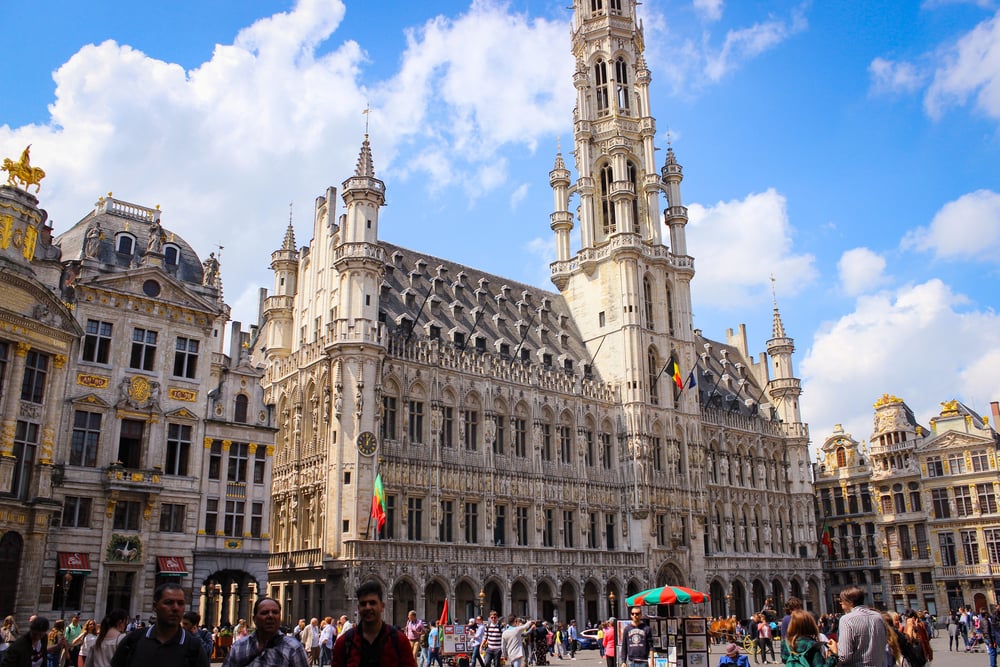
Belgian chocolate craftsmanship reaches its peak in Bruges, where medieval cobblestone streets lead to over 50 chocolate shops. The city’s chocolatiers have perfected their techniques over centuries, creating pralines and truffles that are considered the gold standard worldwide.
Walking through Bruges feels like stepping into a chocolate lover’s fairy tale, with artisans hand-dipping confections in shop windows throughout the historic city center.
Like Go2Tutors’s content? Follow us on MSN.
Zurich, Switzerland
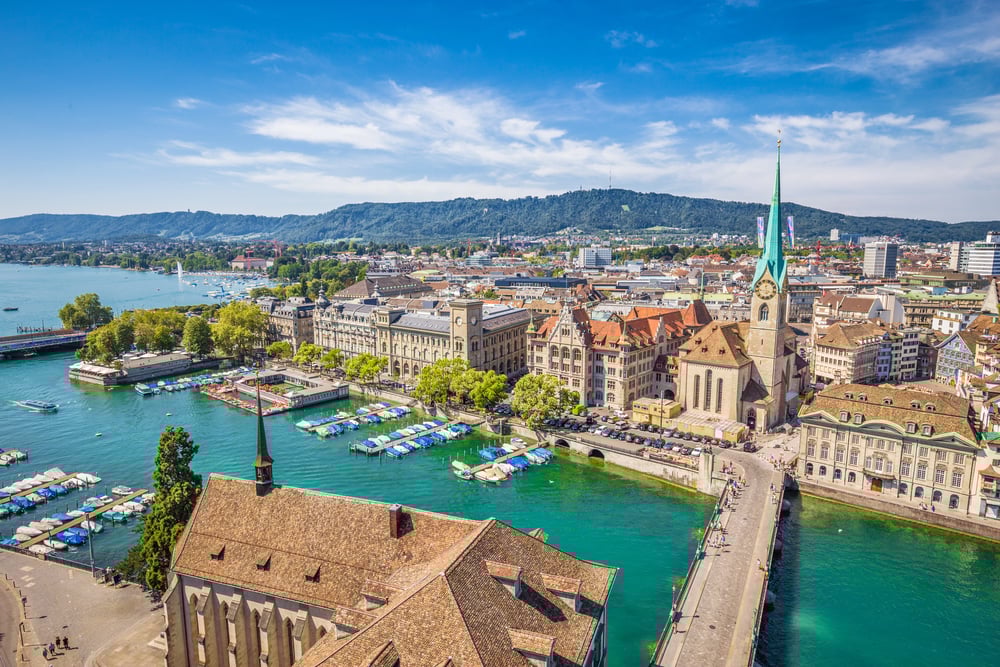
Switzerland’s largest city serves as the unofficial chocolate capital of Europe, home to legendary brands like Lindt and Sprüngli. Zurich’s Bahnhofstrasse shopping district features more premium chocolate boutiques per square mile than anywhere else on the planet.
The city also hosts the annual Zurich Chocolate Festival, where master chocolatiers from around the world gather to showcase their most innovative creations.
San Cristóbal de Las Casas, Mexico

This colonial Mexican city sits in the heart of Chiapas, one of the world’s premier cacao-growing regions. Local indigenous communities have been cultivating and processing cacao for over 3,000 years, long before Europeans ever tasted chocolate.
Visitors can participate in traditional chocolate-making ceremonies and taste single-origin bars made from beans grown in the surrounding mountains.
Quito, Ecuador

Ecuador produces some of the world’s finest cacao, and Quito serves as the country’s chocolate headquarters. The city’s historic center buzzes with small-batch chocolate makers who transform locally grown Nacional cacao into award-winning bars.
.Quito’s high altitude and proximity to cacao farms means chocolate here tastes fresher and more complex than almost anywhere else.
Like Go2Tutors’s content? Follow us on MSN.
Modica, Sicily

This UNESCO World Heritage city in southern Italy has been making chocolate the same way since the 16th century, using ancient Aztec techniques brought over by Spanish conquistadors. Modica chocolate has a distinctive grainy texture because it’s made without heating the cacao, preserving more of the bean’s natural flavors.
The city’s chocolate shops line narrow medieval streets, creating an atmosphere that feels frozen in time.
Turin, Italy

Turin invented the modern chocolate bar and gave the world Nutella’s predecessor, gianduja. The city’s elegant cafés serve bicerin, a layered drink of chocolate, coffee, and cream that has been a local specialty since the 1700s.
Turin’s chocolate heritage runs so deep that major Italian chocolate companies like Ferrero and Caffarel still maintain their headquarters here.
Cologne, Germany
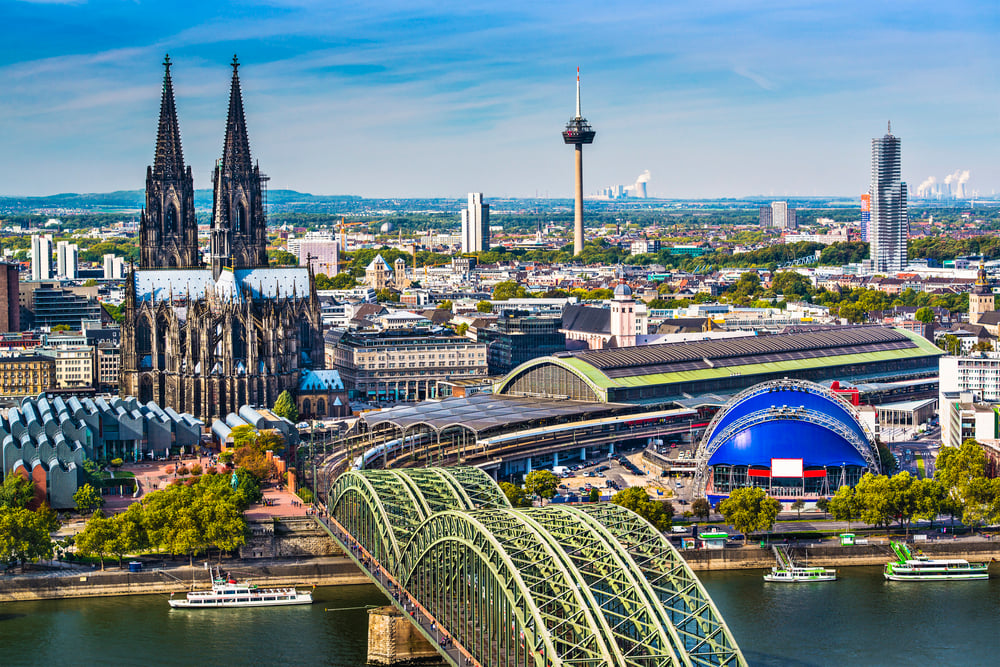
The Cologne Chocolate Museum houses one of the world’s most comprehensive collections of chocolate artifacts and production equipment. This Rhine River city became a chocolate powerhouse during the industrial revolution, when German confectioners developed many of the mass production techniques still used today.
Cologne’s Christmas markets feature elaborate chocolate sculptures and traditional German chocolate specialties that draw visitors from across Europe.
Like Go2Tutors’s content? Follow us on MSN.
Bayonne, France
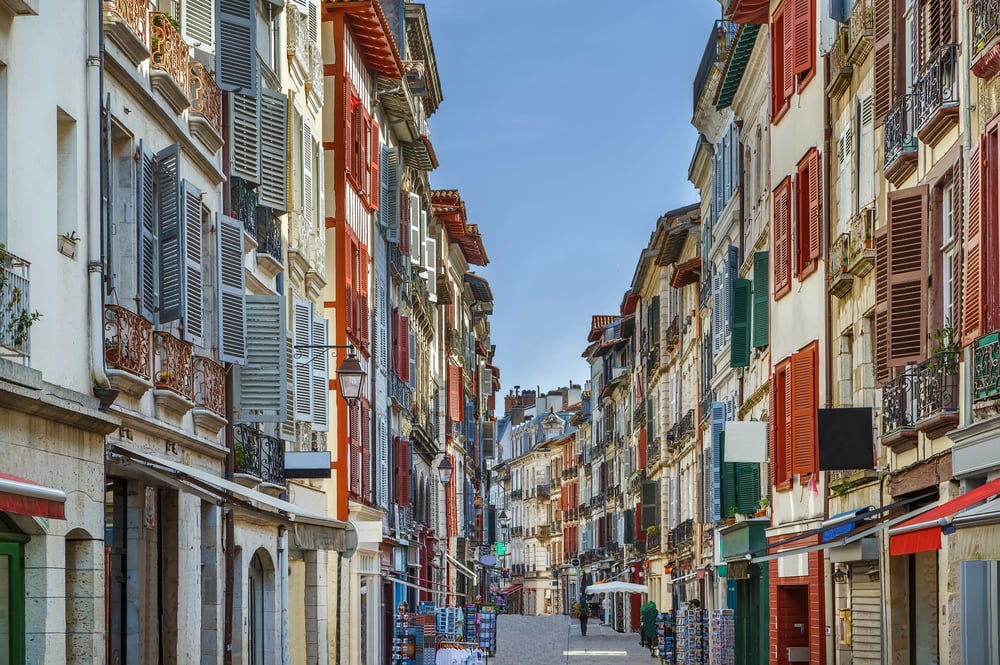
Chocolate arrived in France through this Basque city in the 17th century, making Bayonne the birthplace of French chocolate culture. The city’s chocolatiers still follow traditional Basque recipes, creating unique flavor combinations that blend French sophistication with Spanish boldness.
Bayonne hosts an annual chocolate festival each spring, transforming the entire city center into an outdoor chocolate marketplace.
Oaxaca, Mexico
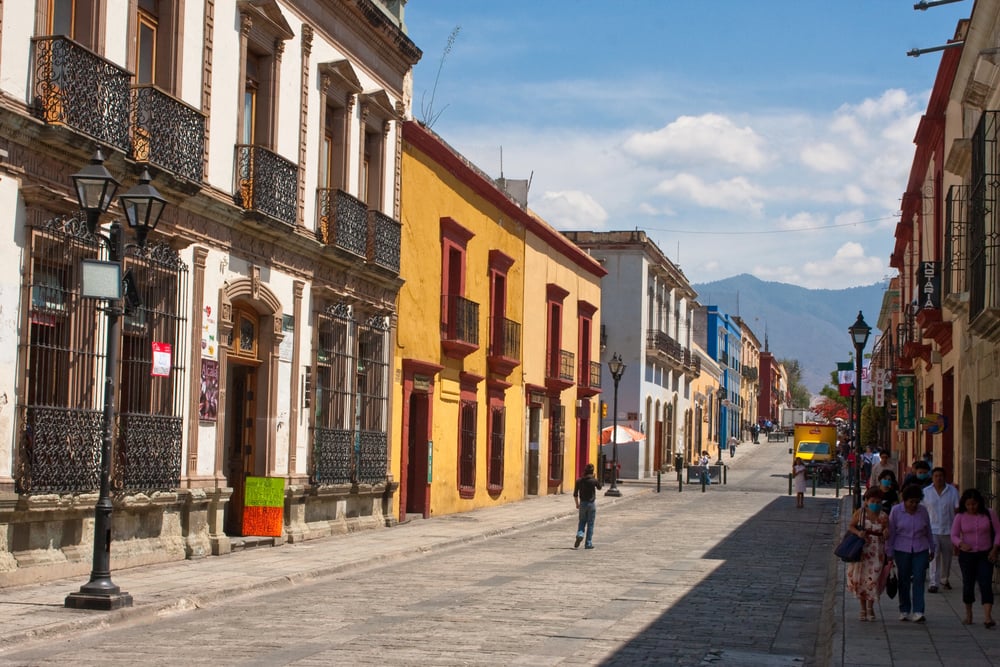
Oaxaca’s indigenous Zapotec people have been drinking chocolate for over 2,000 years, and their traditions remain largely unchanged today. The city’s central market features dozens of vendors grinding cacao beans by hand and mixing them with local spices like cinnamon and chile.
Oaxaca’s mole negro, a complex sauce containing over 20 ingredients including chocolate, represents one of Mexico’s most sophisticated culinary achievements.
Vienna, Austria
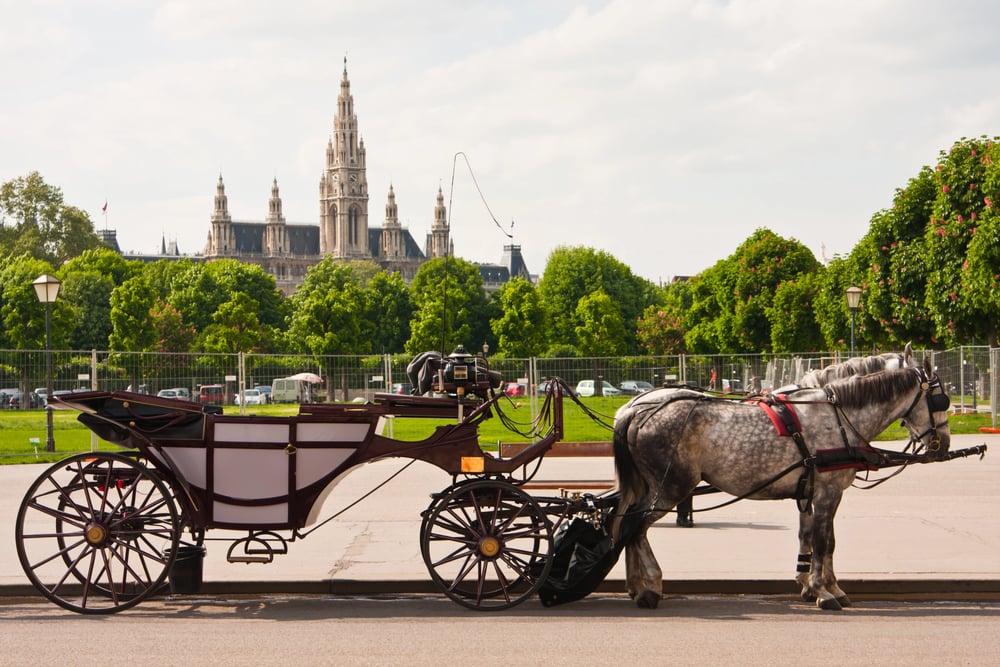
Vienna’s café culture revolves around chocolate almost as much as coffee, with the city’s famous Sachertorte cake serving as a symbol of Austrian culinary excellence. The original Hotel Sacher still serves this chocolate apricot torte using a secret recipe that has remained unchanged since 1832.
Vienna’s elegant coffeehouses offer dozens of chocolate specialties, from rich hot chocolate to elaborate chocolate pastries.
Like Go2Tutors’s content? Follow us on MSN.
Caracas, Venezuela
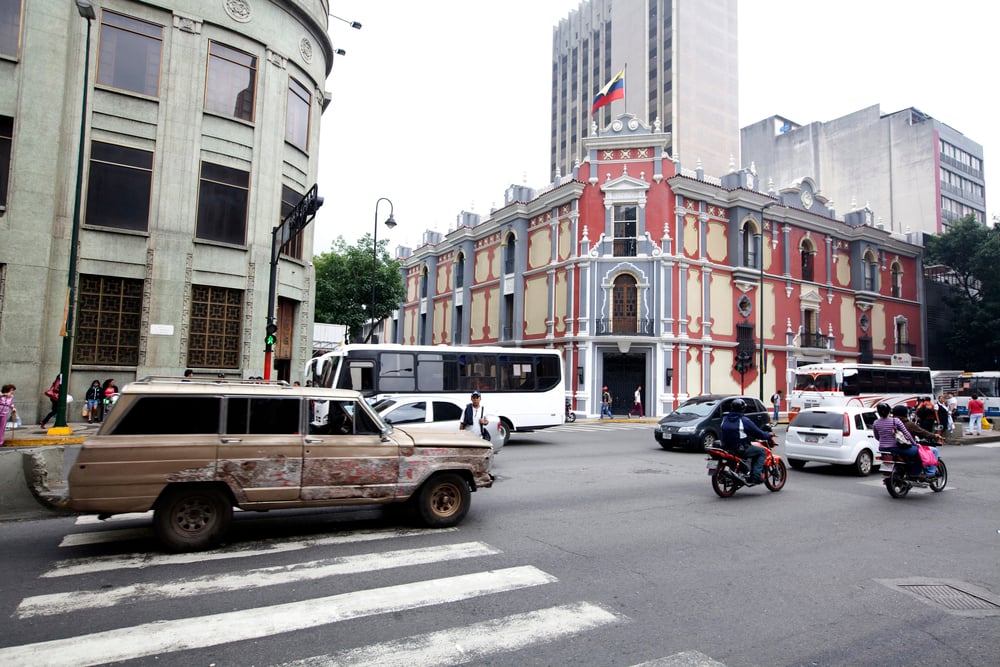
Venezuela produces some of the world’s most prized cacao varieties, and Caracas serves as the center of the country’s chocolate renaissance. Despite economic challenges, local chocolate makers continue creating exceptional single-origin bars that showcase Venezuela’s unique criollo cacao.
The city’s chocolate shops offer tastings that rival wine country experiences, with complex flavor profiles that reflect different growing regions.
Barcelona, Spain
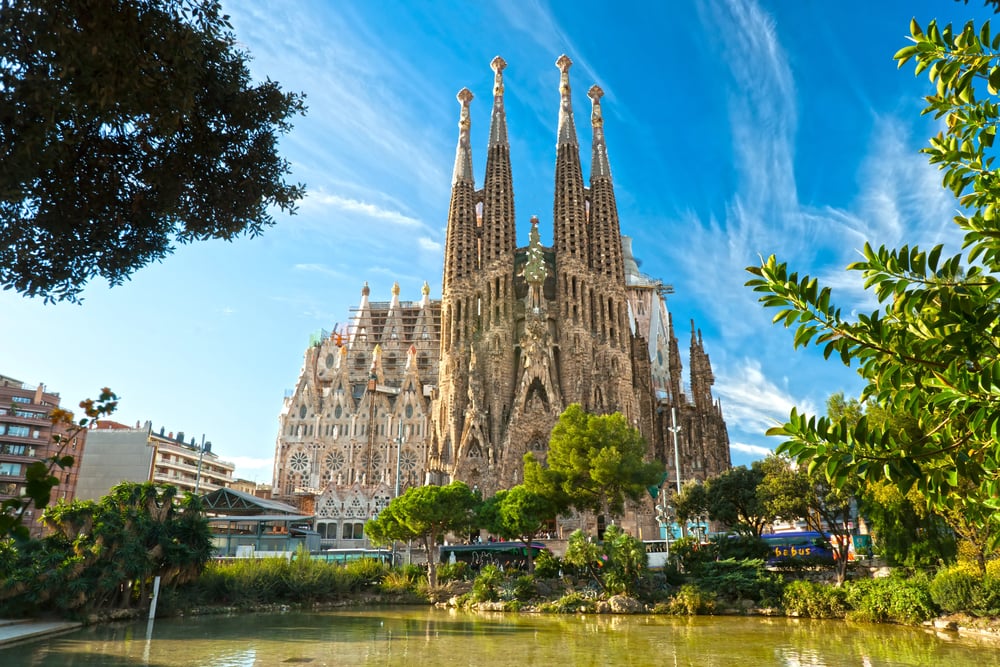
Barcelona’s chocolate scene blends traditional Catalan techniques with modern innovation, creating some of Europe’s most exciting chocolate experiences. The city’s Museu de la Xocolata tells the story of chocolate’s journey from the Americas to Europe, while contemporary chocolatiers push boundaries with avant-garde flavor combinations.
Barcelona’s Las Ramblas district features numerous chocolate shops where visitors can watch artisans hand-craft pralines and sculptures.
Accra, Ghana

Ghana produces about 20% of the world’s cocoa, and Accra serves as the hub of this massive industry. The city’s markets overflow with fresh cacao pods, and local entrepreneurs have started creating value-added chocolate products rather than just exporting raw beans.
Accra’s chocolate tourism industry is growing rapidly, with plantation tours and chocolate-making workshops becoming increasingly popular among international visitors.
Like Go2Tutors’s content? Follow us on MSN.
São Tomé City, São Tomé and Príncipe
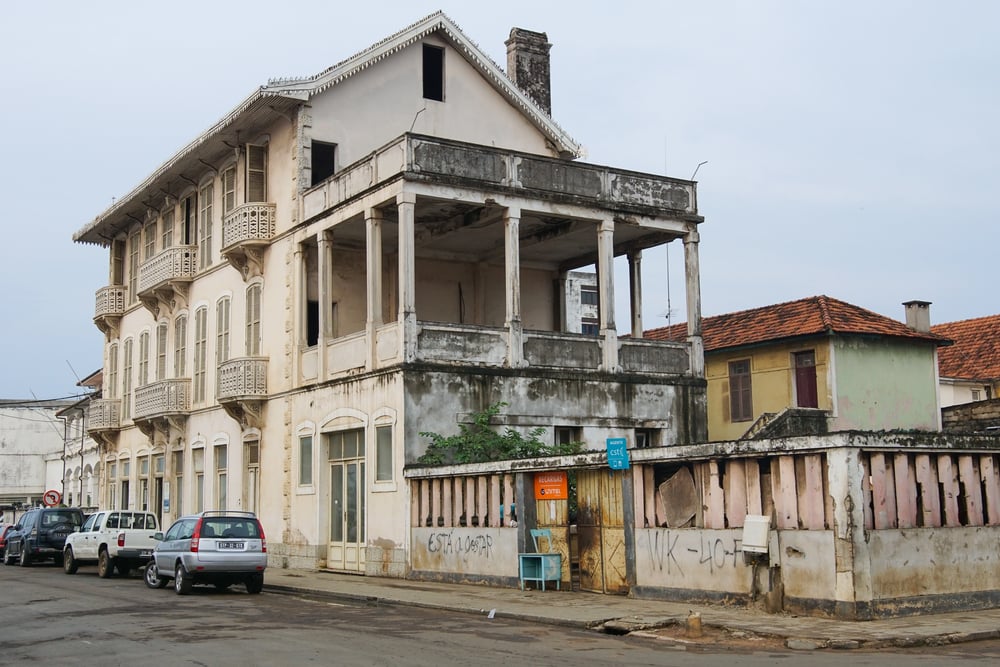
This tiny island nation off the coast of West Africa produces some of the world’s rarest cacao varieties, and São Tomé City serves as the center of operations. The island’s volcanic soil and tropical climate create ideal growing conditions for premium cacao that commands high prices in international markets.
São Tomé’s chocolate industry employs nearly half the island’s population, making it one of the most chocolate-dependent economies on Earth.
Cusco, Peru
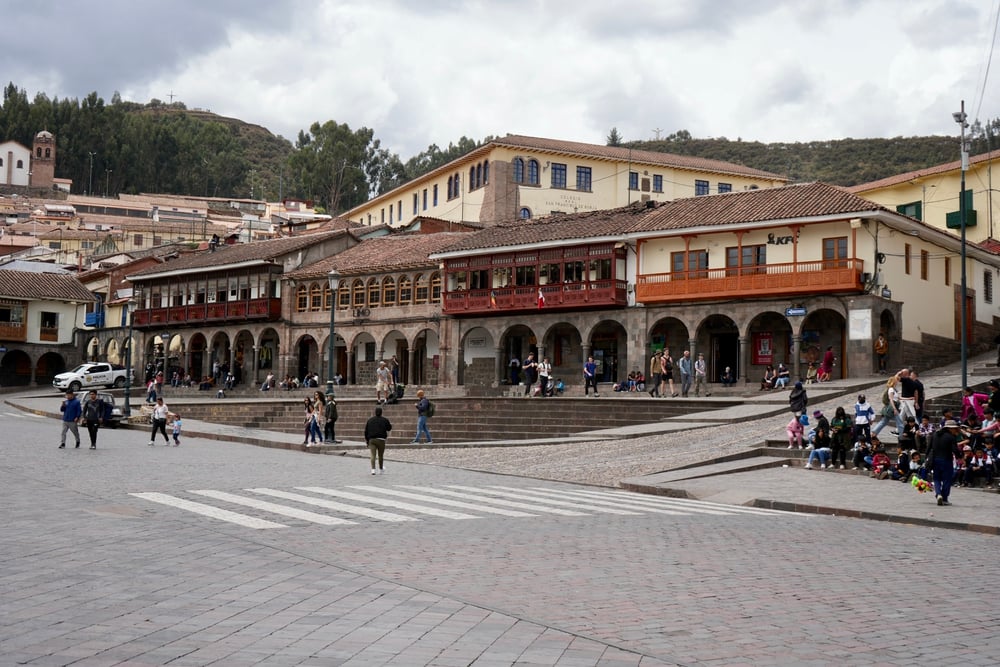
Peru’s ancient Inca capital sits in the heart of one of South America’s most important cacao-growing regions. Cusco’s chocolate makers specialize in single-origin bars that highlight the unique characteristics of Peruvian criollo cacao. The city’s high altitude location allows for slower fermentation of cacao beans, resulting in more complex flavor profiles that chocolate experts consider among the world’s finest.
Amsterdam, Netherlands
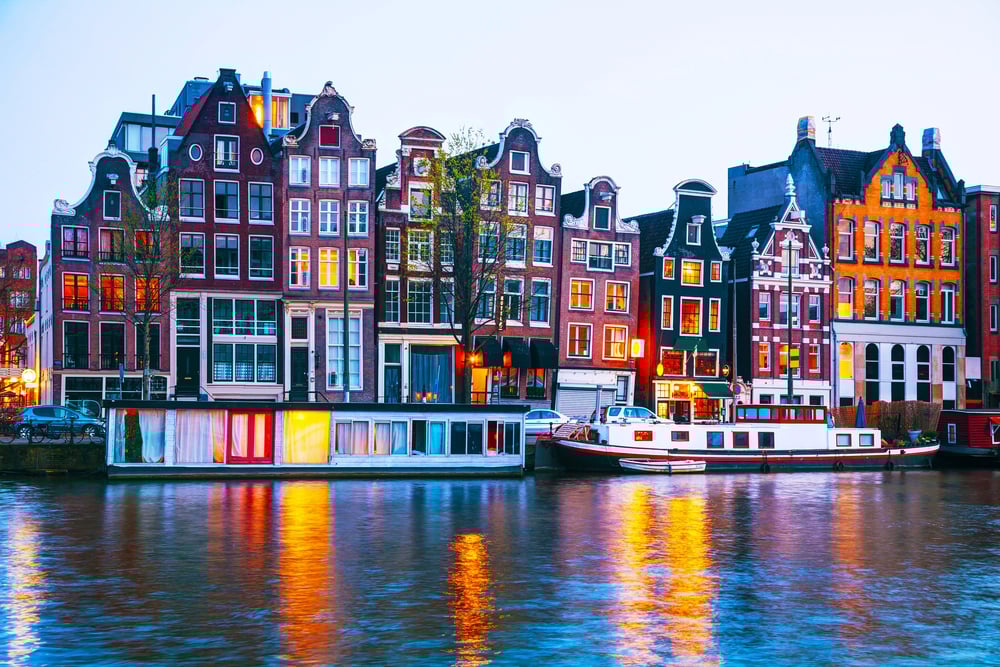
Amsterdam became Europe’s chocolate trading center during the Dutch Golden Age, and the city still processes more cacao than almost anywhere else in Europe. Major chocolate companies like Cacao Barry and Callebaut operate massive processing facilities in Amsterdam’s port district.
The city’s chocolatiers have access to the world’s finest cacao varieties, allowing them to create innovative products that set global trends.
Like Go2Tutors’s content? Follow us on MSN.
Where Tradition Meets Innovation
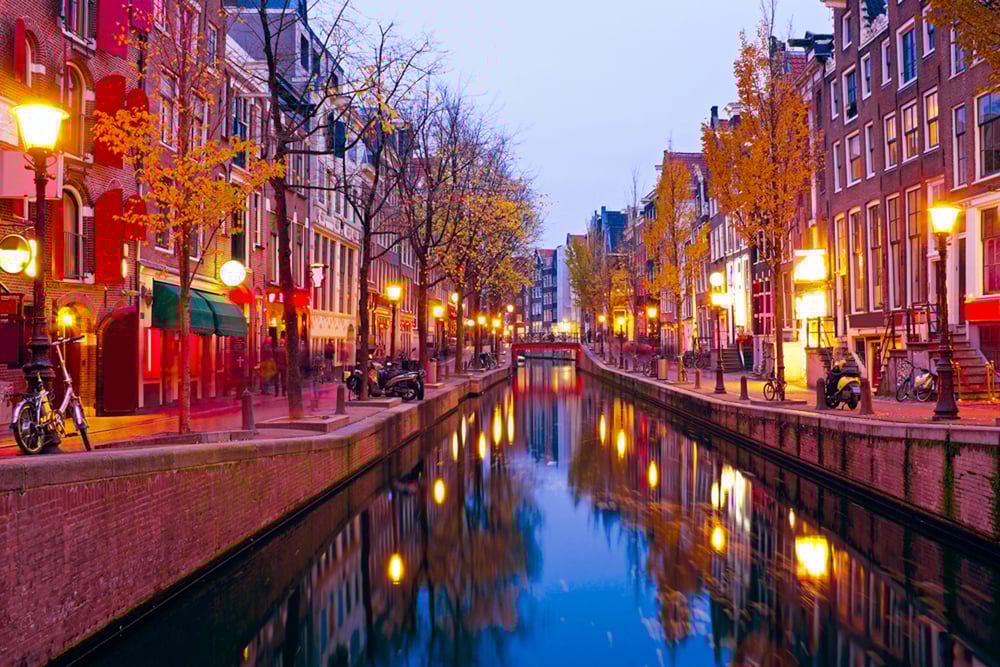
These chocolate cities represent more than just places where cocoa is processed—they’re living museums of human ingenuity and cultural exchange. From ancient Mesoamerican traditions in Oaxaca to cutting-edge techniques in Amsterdam, each location tells part of chocolate’s remarkable journey through history.
The cities that have embraced chocolate most completely often become destinations in their own right, drawing visitors who want to experience the full story behind their favorite treat. Today’s chocolate cities continue evolving, balancing respect for traditional methods with the innovation needed to satisfy an increasingly sophisticated global palate.
More from Go2Tutors!

- 16 Historical Figures Who Were Nothing Like You Think
- 12 Things Sold in the 80s That Are Now Illegal
- 15 VHS Tapes That Could Be Worth Thousands
- 17 Historical “What Ifs” That Would Have Changed Everything
- 18 TV Shows That Vanished Without a Finale
Like Go2Tutors’s content? Follow us on MSN.



