Cost Of 15 Grocery Items In The 1950s Vs. Now
There’s a good chance your grandparents have said it at least once: “Back in my day, a loaf of bread cost a dime.” And honestly? They’re not wrong.
Food prices from the 1950s look almost comical compared to what you pay at checkout today. A cart full of groceries that cost a few dollars then can now run well past $100.
But before you chalk it all up to the “good old days,” the full picture is more complicated. Wages were lower, homes were smaller, and life looked very different.
Still, looking at these numbers side by side is genuinely eye-opening — and a little alarming. Here’s a look at 15 common grocery items and what they cost in the 1950s compared to what you’re likely paying today.
Eggs (Per Dozen)

1950s price: ~$0.60 | Today’s price: ~$5.12–$6.47
Few grocery items tell the story of inflation quite like eggs. In 1950, a dozen eggs ran about 60 cents.
By 1957, some stores were selling them for as little as 55 cents. Today, a dozen eggs regularly costs five dollars or more — and spiked to over six dollars in early 2025.
That’s roughly a tenfold increase, and the volatility shows no signs of stopping.
Milk (Per Gallon)
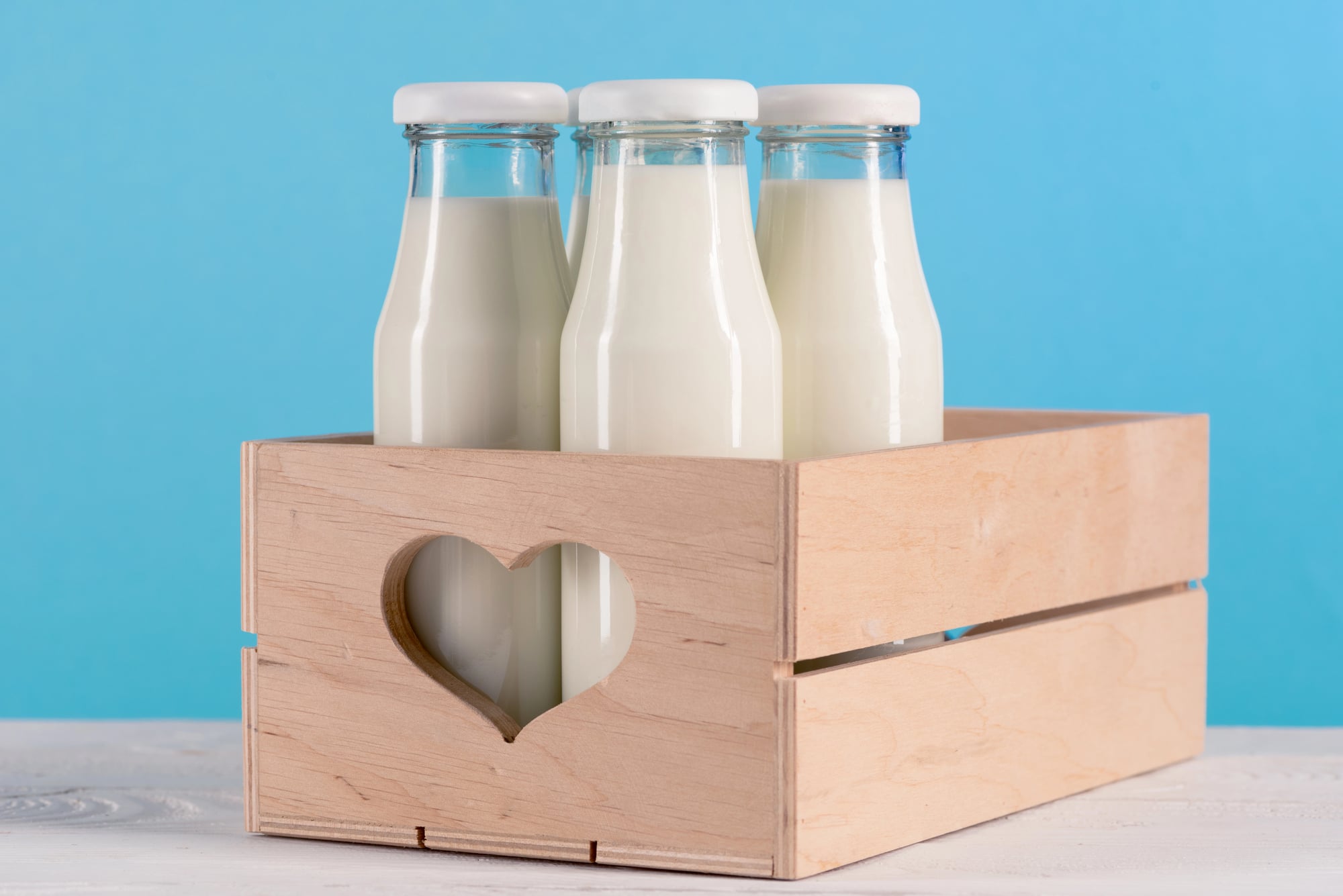
1950s price: ~$0.82 (two half-gallons at $0.41 each) | Today’s price: ~$4.07
Milk in the early 1950s cost around 41 cents per half-gallon according to Bureau of Labor Statistics records. That puts the full gallon equivalent at just over 80 cents.
By 1957, a gallon sold for exactly $1.00 at most stores. Today, that same gallon averages just over four dollars.
The price has climbed, but it has not climbed quite as steeply as some other items on this list — especially when you factor in wage growth.
Bread (Per Loaf)
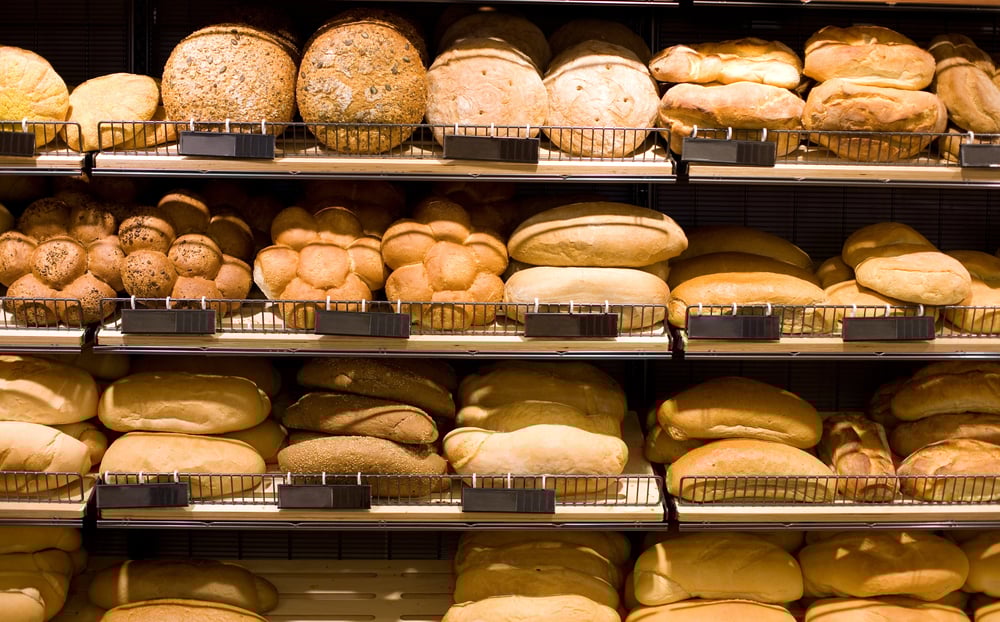
1950s price: ~$0.12–$0.18 | Today’s price: ~$3.06
A family-style loaf of bread in Florida in 1952 went for 12 cents. By the mid-1950s, the national average crept closer to 18 cents.
Today, the average loaf of white sandwich bread sits at about $3.06. That’s a rough 17x increase.
The bread itself has also changed dramatically — more preservatives, more processing, and far more variety on the shelves. But the basic loaf? Much pricier.
Butter (Per Pound)
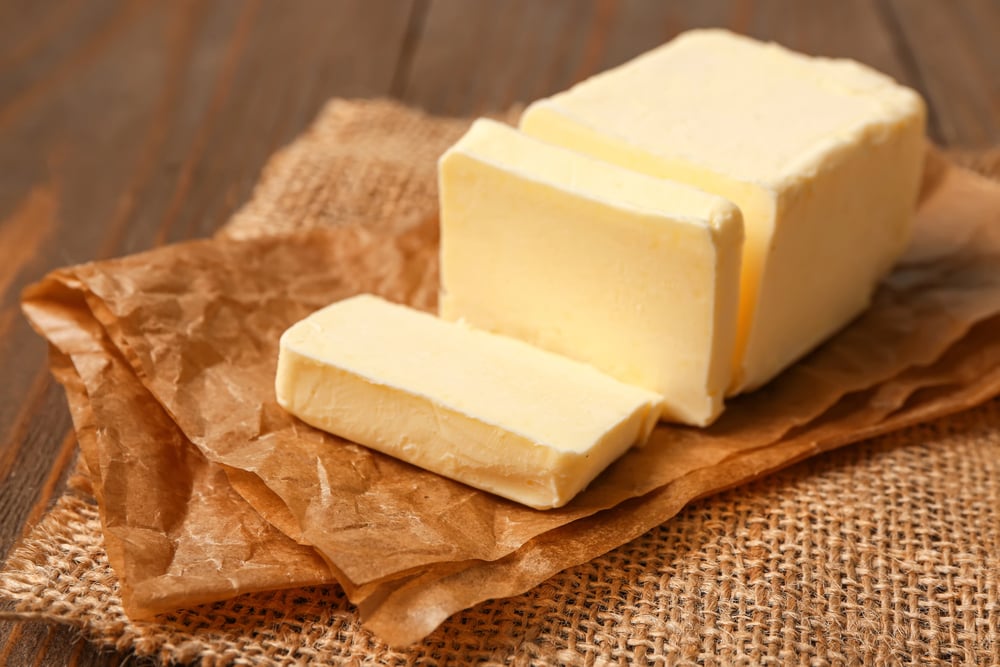
1950s price: ~$0.75 | Today’s price: ~$3.99–$5.00
Butter cost about 75 cents a pound in 1957, when it was still the primary fat of choice in most American kitchens. Today, a pound of butter runs $4 to $5 depending on the brand and store.
The price has increased significantly, though butter has also seen something of a cultural comeback — the low-fat era faded. Butter went from being considered unhealthy to being used generously in everything from croissants to compound sauces.
Coffee (Per Pound)
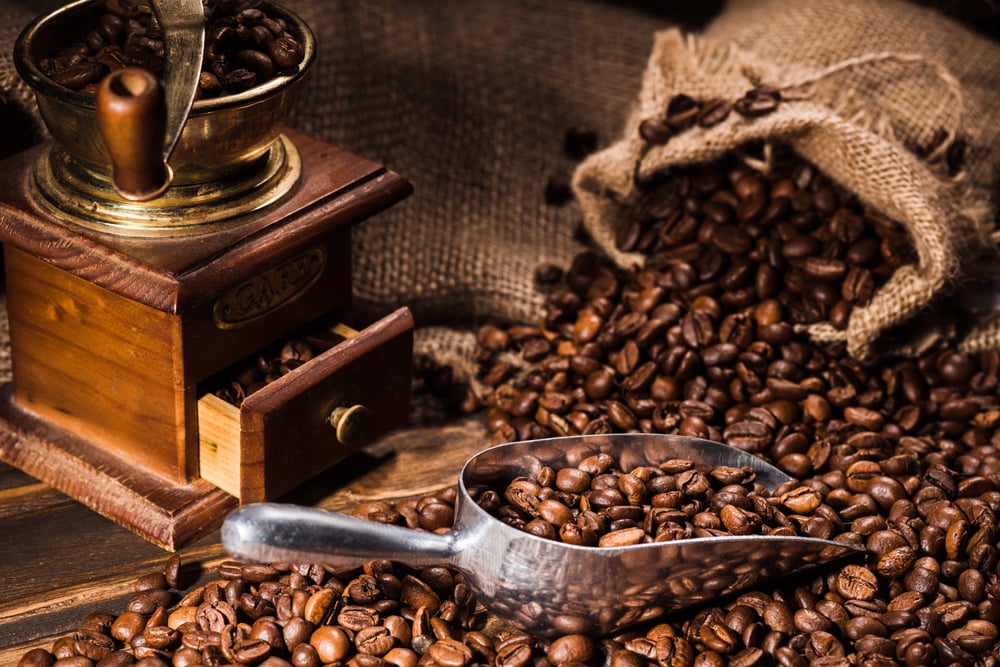
1950s price: ~$0.79 | Today’s price: ~$6.82
Coffee has gotten dramatically more expensive, and it has barely let up in recent years. In 1950, a pound of coffee cost 79 cents according to BLS data.
Today, that same pound averages $6.82 — an increase of more than 760 percent. Part of the rise comes from decades of inflation, but recent spikes are tied to severe droughts in Brazil, shipping delays, and mounting supply chain disruptions.
If you’re a daily coffee drinker, you’ve felt this one.
Chicken (Per Pound)
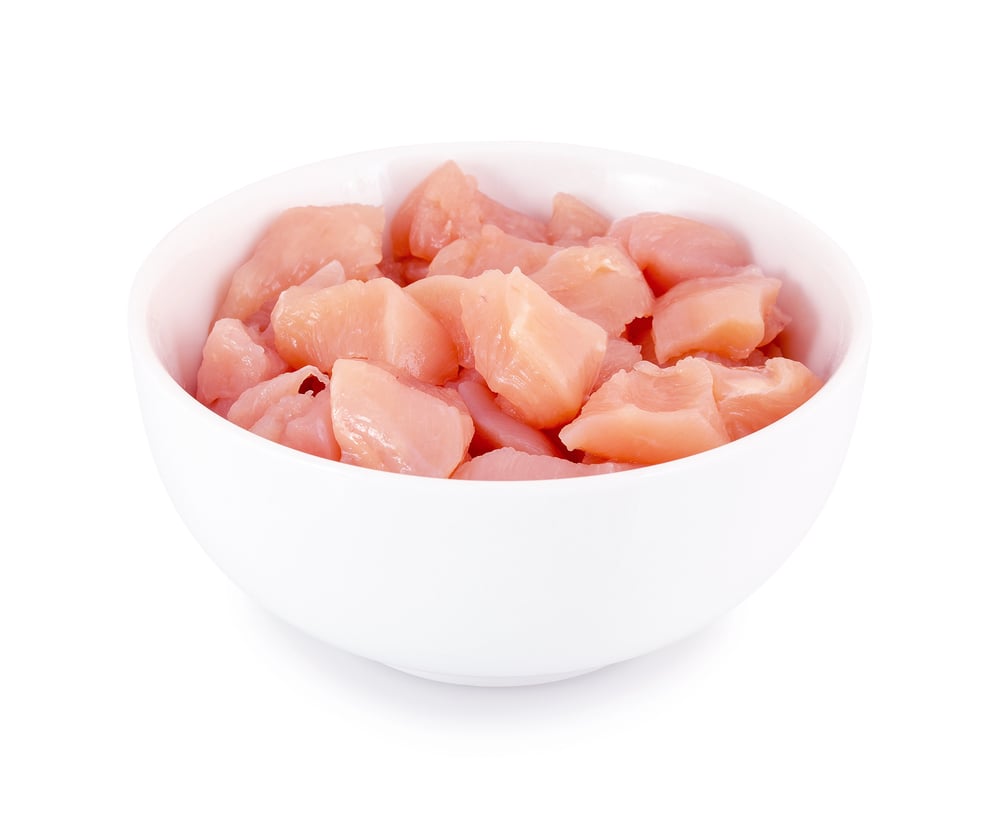
1950s price: ~$0.43 | Today’s price: ~$5.75 (breast)
Chicken in 1950 cost about 43 cents a pound whole in New Hampshire — and that was considered a reasonable family meal. Today, boneless chicken breasts average around $5.75 per pound, though whole chickens can be found cheaper.
Ironically, chicken has become one of the more affordable proteins relative to beef, even as its price has climbed. Back in the ’50s, a whole roast chicken was considered a bit of a treat, not an everyday budget dinner.
Ground Beef (Per Pound)
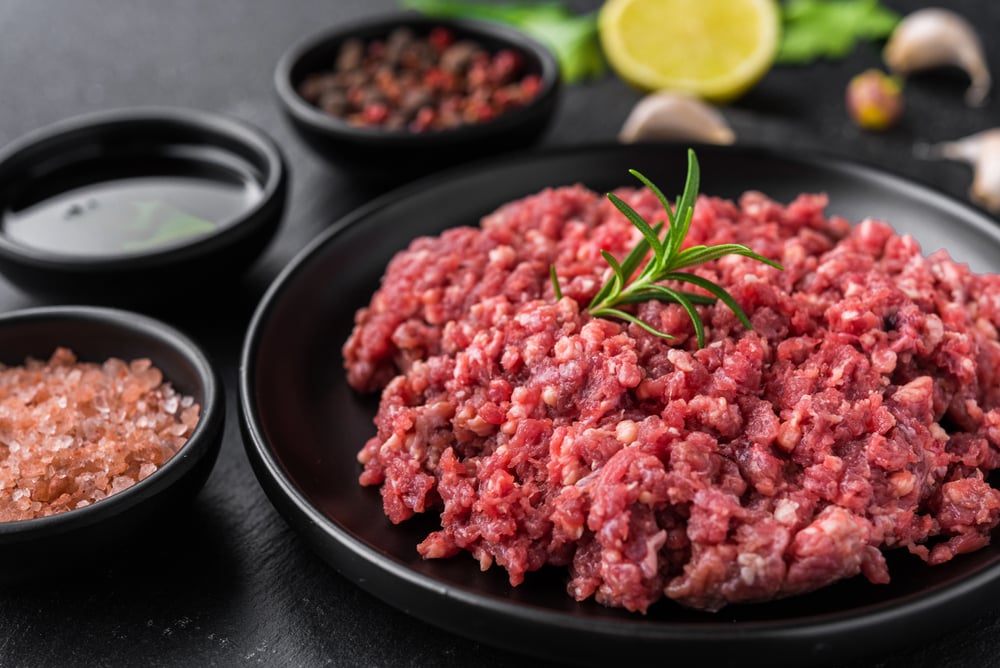
1950s price: ~$0.30 | Today’s price: ~$5.50–$6.00
In 1957 in Ohio, three pounds of hamburger meat sold for 89 cents — roughly 30 cents a pound. Today, ground beef averages around $5.50 to $6.00 per pound and has climbed steadily due to reduced cattle herd sizes, rising feed costs, and strong consumer demand.
Ground beef prices rose 13.7 percent in just the first year of the Trump administration alone. The Sunday meatloaf has gotten a lot more expensive to put together.
Potatoes (Per 10-lb Bag)
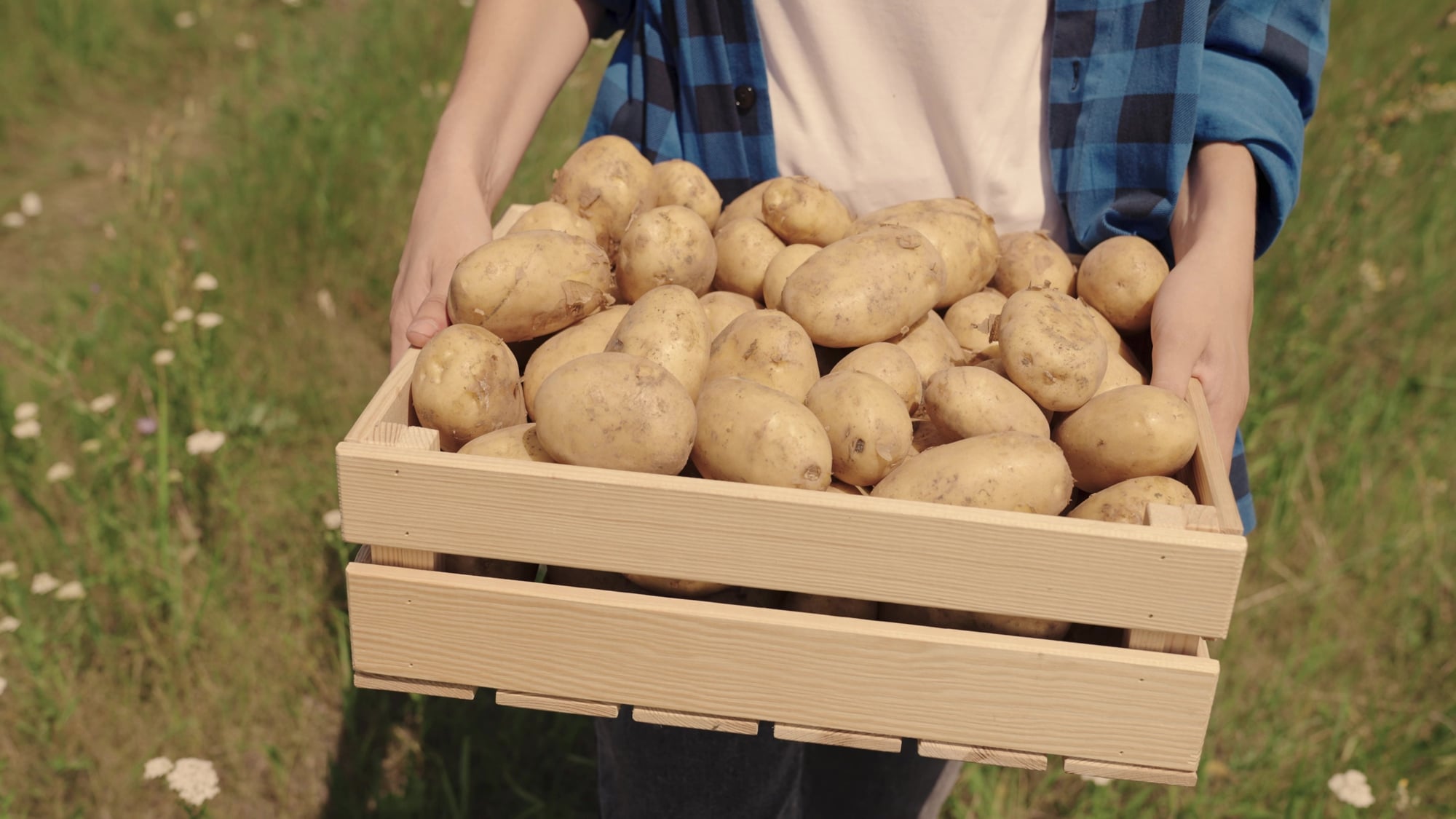
1950s price: ~$0.35 | Today’s price: ~$7.40
A 10-pound bag of potatoes cost 35 cents in Kansas in 1953. Today, that same 10-pound bag will run you about $7.40.
That’s a significant jump, though potatoes remain one of the better values in the produce section compared to most other vegetables. The price increase tracks closely with labor costs, fuel, and the overall rise in the cost of farming and distribution.
Bacon (Per Pound)
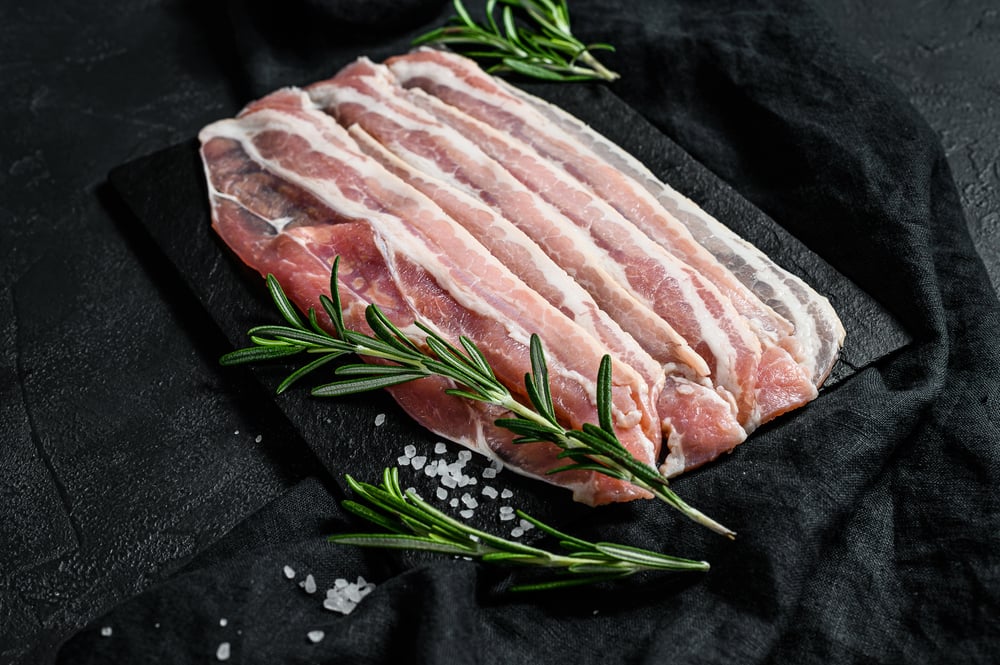
1950s price: ~$0.45–$0.55 | Today’s price: ~$4.62
Bacon in the 1950s cost somewhere between 45 and 55 cents a pound — a figure that made it an everyday breakfast staple in most households. Today, a pound of bacon averages $4.62, and that number has been climbing.
It rose by 31 cents in a single year between 2024 and 2025. Bacon has gone from a standard morning item to something many families treat as an occasional purchase rather than a regular one.
Lettuce (Per Head)
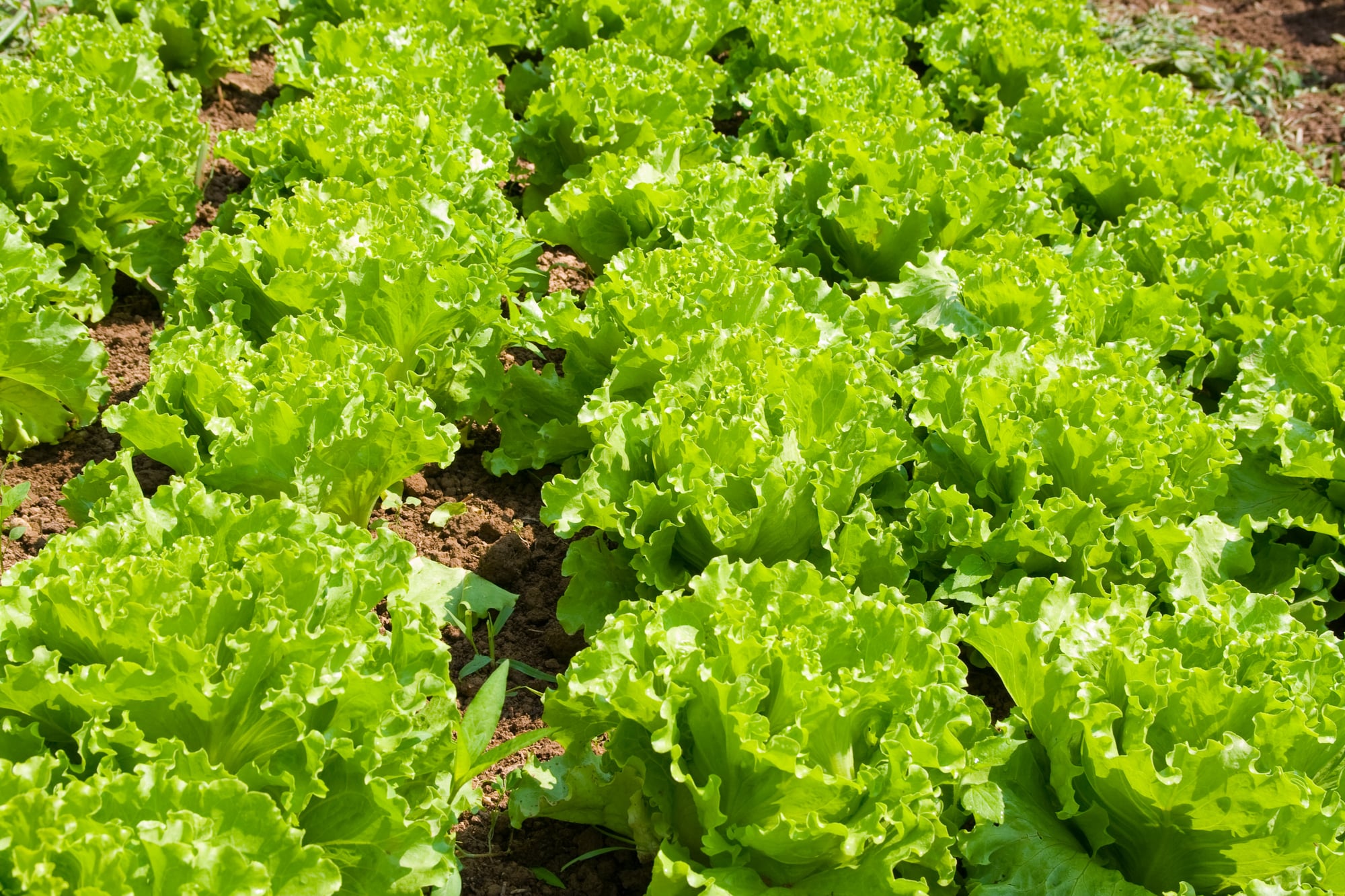
1950s price: ~$0.19 | Today’s price: ~$1.49
A head of iceberg lettuce cost 19 cents in 1957. Today, that same head of iceberg runs $1.49 on average.
It is one of the more modest increases on this list, and lettuce remains accessible for most budgets. But the produce aisle has also changed enormously — today’s shoppers choose from dozens of varieties that simply didn’t exist in the ’50s, many of them considerably more expensive than plain iceberg.
Bananas (Per Pound)
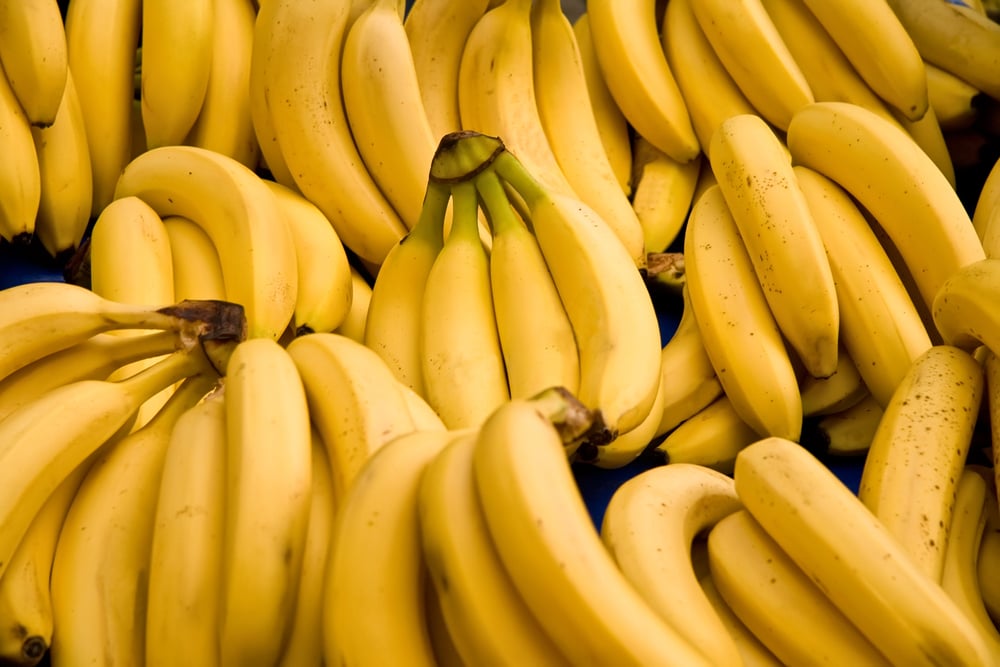
1950s price: ~$0.14 | Today’s price: ~$0.59
Bananas are one of the few items that has remained relatively affordable over the decades. In 1957 in Ohio, two pounds of bananas sold for 27 cents — roughly 14 cents per pound.
Today, bananas average about 59 cents per pound nationally, making them one of the best deals in the grocery store. The global banana supply chain, largely dominated by a few major corporations, has kept prices more stable than most other produce.
Canned Tomato Soup (Per Can)
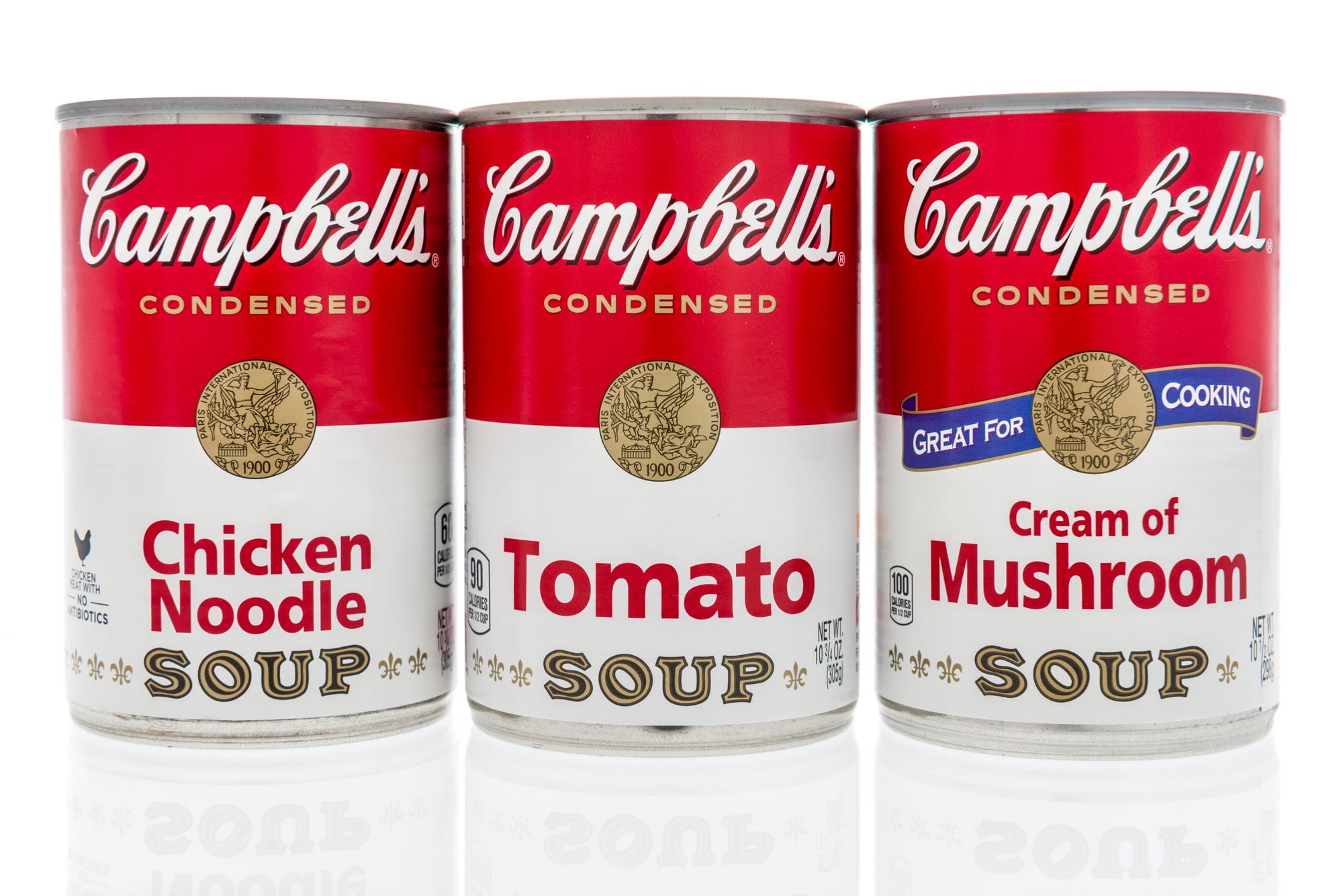
1950s price: ~$0.10 | Today’s price: ~$1.50–$2.00
Campbell’s tomato soup was a dime a can in 1957. Today, that same red-and-white can sells for $1.50 to $2.00, depending on where you shop.
That’s a 15x to 20x increase. The soup itself hasn’t changed much — same size, same recipe, roughly the same amount of sodium.
It just costs a whole lot more to put in your pantry.
Pot Roast (Per Pound)
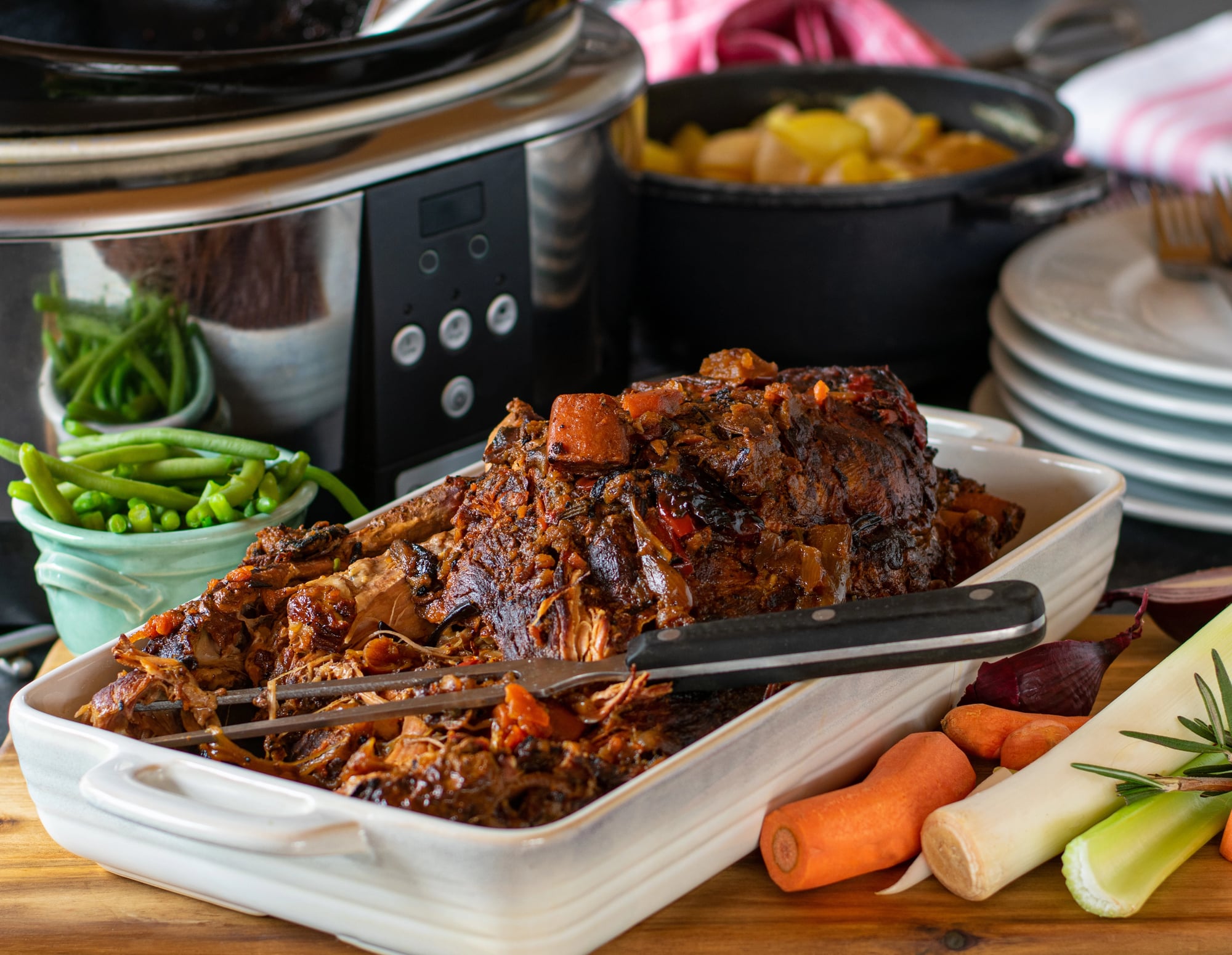
1950s price: ~$0.69 | Today’s price: ~$5.00–$6.00
Back then, pot roast sat at the center of dinner plates across America during the 1950s, priced around 69 cents per pound in 1957. These days, you’re looking at five or even six bucks for a cut like chuck roast.
Because of tighter supplies and steady appetite for beef, prices climbed faster than many other grocery items. Once an ordinary meal for Sundays, it now counts as one of pricier things to serve at home.
Oranges (Per Pound)
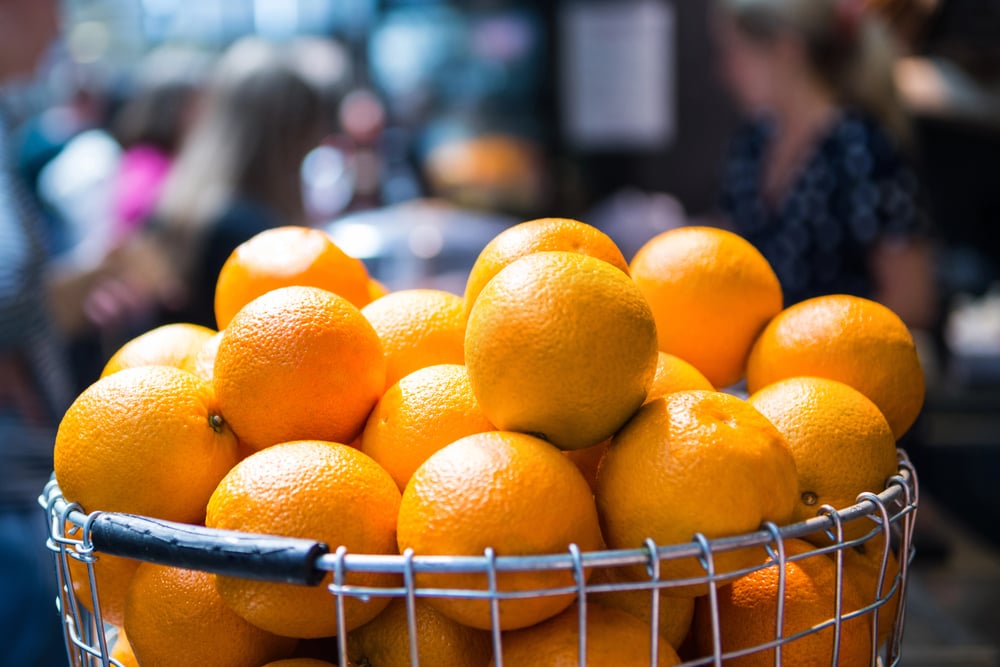
Back then it cost about fourteen cents. Four times six oranges fetched 69 cents back in New Hampshire during 1950 – roughly fourteen cents for every pound.
These days, navels usually cost $1.49 per pound. Because of a sickness harming citrus groves in Florida along with other farming zones, prices climbed; farmers faced higher bills, then shoppers did too.
Squeezing your own juice? That act now feels like something only the well-off might do.
Sugar (Per Five Pound Bag)
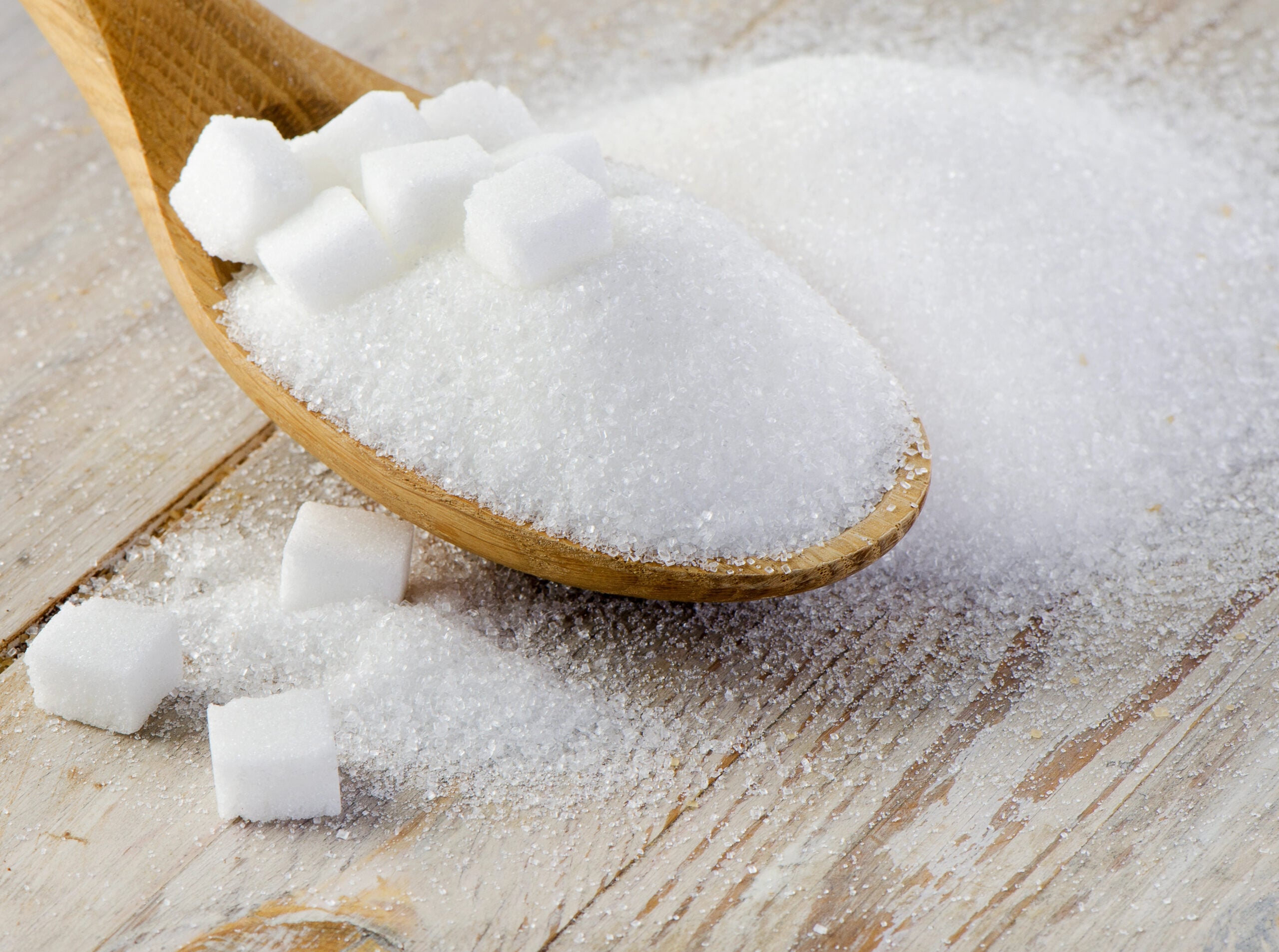
1950s price: ~$0.50–$0.53 | Today’s price: ~$3.50–$4.00
Back then, a five-pound sack of white sugar ran about fifty cents. These days? You’re looking at three-fifty up to four bucks.
Wild shifts pop up now and then — droughts in Brazil, floods in India, things like that shake the cane fields. Even so, it holds steady on shelves. Not much fuss next to pricier stuff like milk or meat.
The Number Connecting Everything
What trips up most comparisons? Paychecks back in the 1950s weren’t large either. A typical U.S. household brought in roughly $3,700 annually by 1951, directing nearly a fifth of that toward food.
These days, households assign only about an eleventh to a thirteenth of earnings to grocery bills. That shift means, measured against income, putting meals on the table now takes less effort.
Still, those figures mean little while waiting at the register, basket heavy, total hitting two hundred. Either way, the amounts shock.
Sixty cents buys twelve eggs now. Bread costs ten times what it did. A single pound of coffee costs less than one dollar.
That kind of deal seems like it came from another era — because often, it truly did. Right now, what you hand over at the register carries the load of seven decades piling up — money losing value, sudden shortages, companies merging into giants, weather turning unpredictable, buyers wanting more.
Not everything here can be sidestepped. A portion could have gone differently. Yet when voices claim prices used to be lower, well – they aren’t mistaken. Just unaware of whole chapters beneath the surface.
More from Go2Tutors!

- The Romanov Crown Jewels and Their Tragic Fate
- 13 Historical Mysteries That Science Still Can’t Solve
- Famous Hoaxes That Fooled the World for Years
- 15 Child Stars with Tragic Adult Lives
- 16 Famous Jewelry Pieces in History
Like Go2Tutors’s content? Follow us on MSN.



